
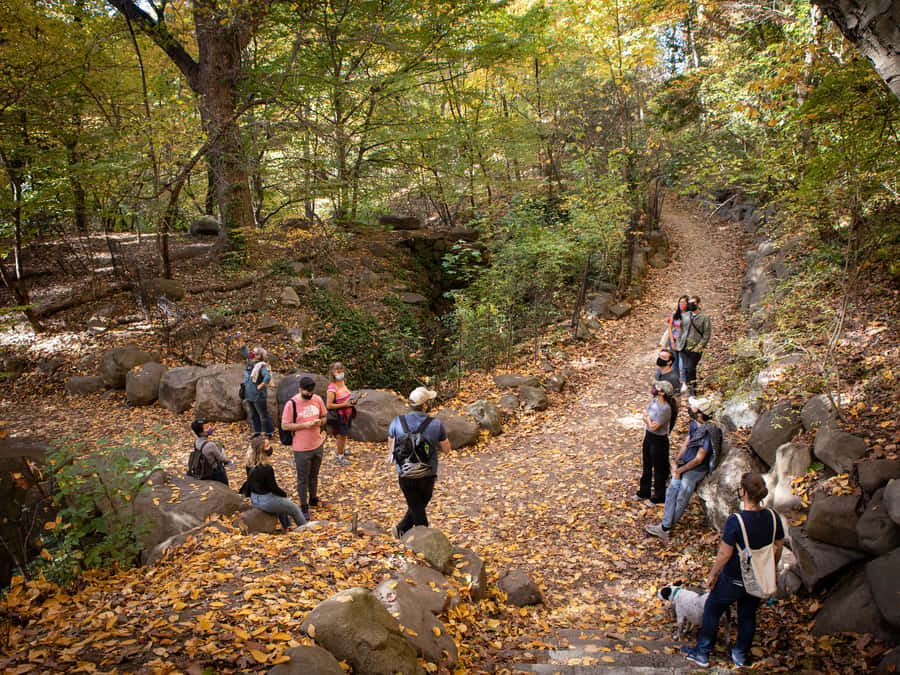
Reviewed · BROOKLYN TOURS
Brooklyn: 2-Hour Prospect Park Guided Walking Tour
Prospect Park can feel bigger than it looks on the map. This 2-hour guided walking tour from the Brooklyn Public Library takes you through the park’s major natural areas while an expert guide ties it all back to the original designers’ vision and what’s been changing since. I especially love the way the Olmsted and Vaux design ideas become real when you’re standing in the park, not just reading about them. I also like the focus on water: you’ll get views of the waterfalls and learn how the park’s manmade watercourse fits into the lakes-and-streams system.
The only drawback is simple: it’s still a walk. You’ll cover about 2 miles (3.2 km) with a few stops to sit, rain or shine, so wear comfortable shoes and plan for weather.
In This Review
- Key things that make this tour worth it
- Meeting at Brooklyn Public Library Central Library: A Great Start Point
- Long Meadow: Where the Park’s Shape Becomes Understandable
- The Ravine: Nature-Looking Features With Human Intent
- Lakes, Streams, and Waterfalls: The Manmade Watercourse Explained
- Wildlife on Pause: Turtles, Dogs, and Park History in Real Time
- Frederick Law Olmsted and Calvert Vaux: Design Ideas You Can Follow on Foot
- Built Environment Through the Trees: Architectural Eras and Changing Use
- What You Walk, What You Skip, and How to Prepare
- Wheelchair Accessible and Built for a Smooth Group Pace
- Price and Value: Is $25 Worth Two Hours?
- Who Should Book This Prospect Park Walking Tour
- Should You Book This Prospect Park Tour?
- FAQ
- Where does the tour start?
- How long is the tour, and how much do you walk?
- What is included in the tour?
- Is the tour available in languages other than English?
- Does the tour run in bad weather?
- Is the tour wheelchair accessible, and how big is the group?
Key things that make this tour worth it
- Start smart at Brooklyn Public Library Central Library so you ease into the park with context right away.
- Spot the design logic of Olmsted and Vaux as you move through major areas like the Long Meadow and Ravine.
- Get real water-feature explanations tied to the park’s lakes, streams, and waterfalls.
- Enjoy wildlife moments you can actually see like turtles sunning and dogs chasing frisbees, with stories on animals’ role in park life.
- Small group size (up to 9 participants) means more chance to ask questions and hear details.
- Rain or shine, with short seating breaks keeps the experience dependable if the weather turns.
Deeper into Brooklyn, a few more picks
- Brooklyn Food Walking Tour: Local Eats & Family‑Run Shops
★ 5.0 · 592 reviews - NYC: Brooklyn Graffiti Workshop with Local Artist
★ 4.8 · 570 reviews - Brooklyn Bridge & DUMBO Food Tour: Local Eats & Landmarks
★ 5.0 · 478 reviews - Brooklyn: Bushwick Street Art Walking Tour
★ 4.7 · 462 reviews
Meeting at Brooklyn Public Library Central Library: A Great Start Point
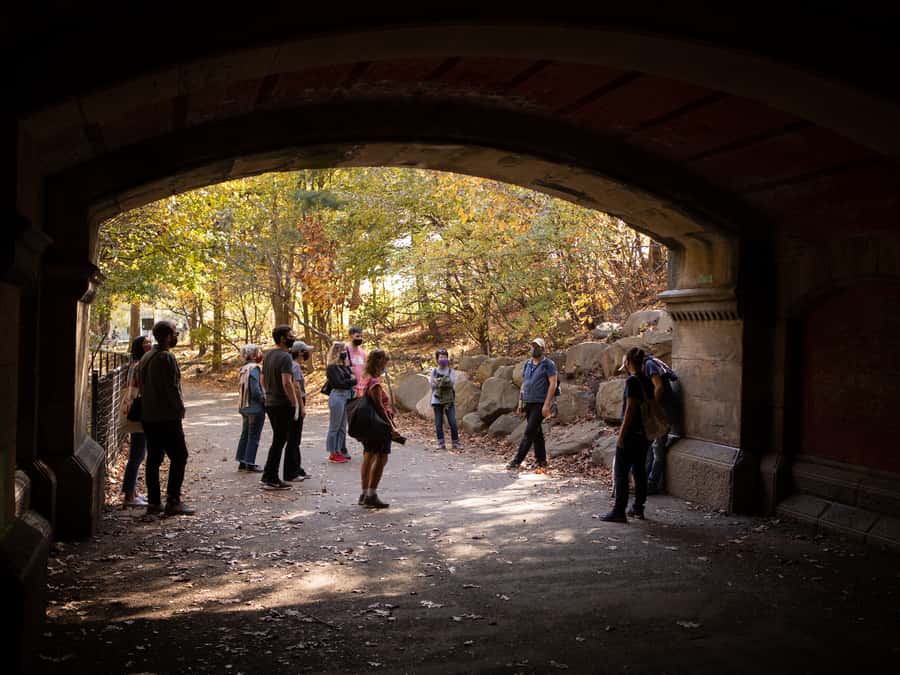
The tour meets on the front steps of the Brooklyn Public Library Central Library, at 10 Grand Army Plaza. If you’re using the subway, the closest options are Grand Army Plaza (2,3) and 7th Av (B,Q).
I like this meeting point because it’s a real city anchor. You’re not dropped into the park with no bearings—you start at a place that already feels like a landmark, then shift from streets to trees fast. That makes the next two hours feel focused, not wandering.
Long Meadow: Where the Park’s Shape Becomes Understandable
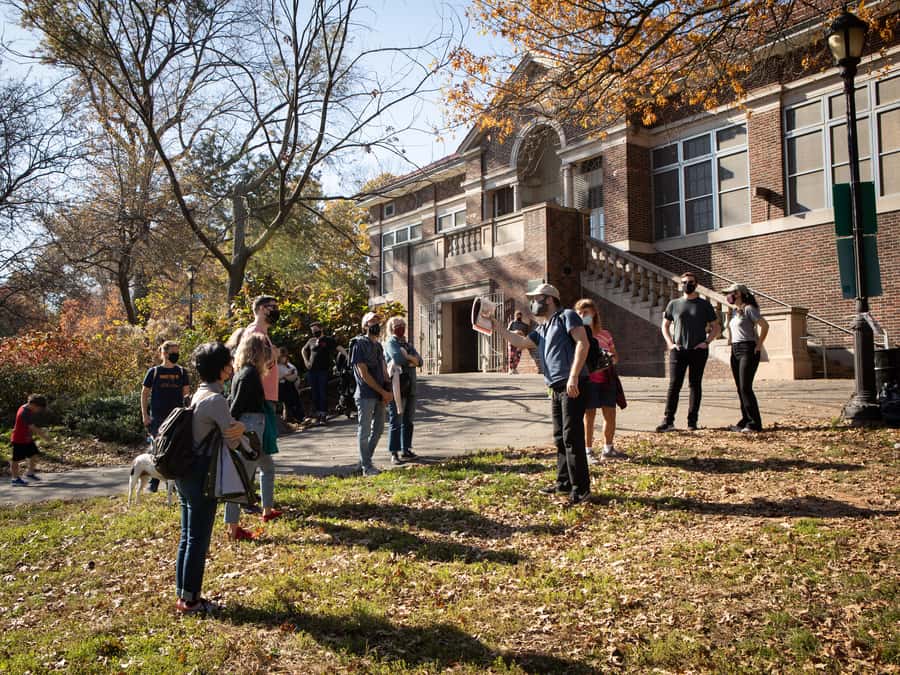
After you start, you’ll head through some of Prospect Park’s best-known sections, including the Long Meadow. Even if you’re not a “park person,” this kind of wide-open area helps you understand how the park was planned: you begin to see how sightlines and open space can guide how you move and where you look.
This is also where the guide’s commentary starts to matter. You’re hearing about the original vision behind the park’s layout, but in a practical way: instead of facts floating in the air, you connect them to what you can see and feel under your feet. And because the group is small, you’re more likely to catch the details that explain why the designers placed certain elements where they did.
The Ravine: Nature-Looking Features With Human Intent
Next up is the Ravine, one of the park’s dramatic interior spaces. The Ravine tends to change your perspective fast: you go from broad open space into a more enclosed, “hidden-in-the-park” feeling area.
What I like here is how the tour treats design as something you can read in the environment. The guide walks you through how layers of natural and human history show up in the park—so the Ravine stops being just a pretty spot and becomes part of the story of how Prospect Park was shaped. You’ll also be paying attention to the flora and fauna that call this part of the park home, which helps you notice what’s living here now.
Brooklyn at street level, a few more walks



Lakes, Streams, and Waterfalls: The Manmade Watercourse Explained
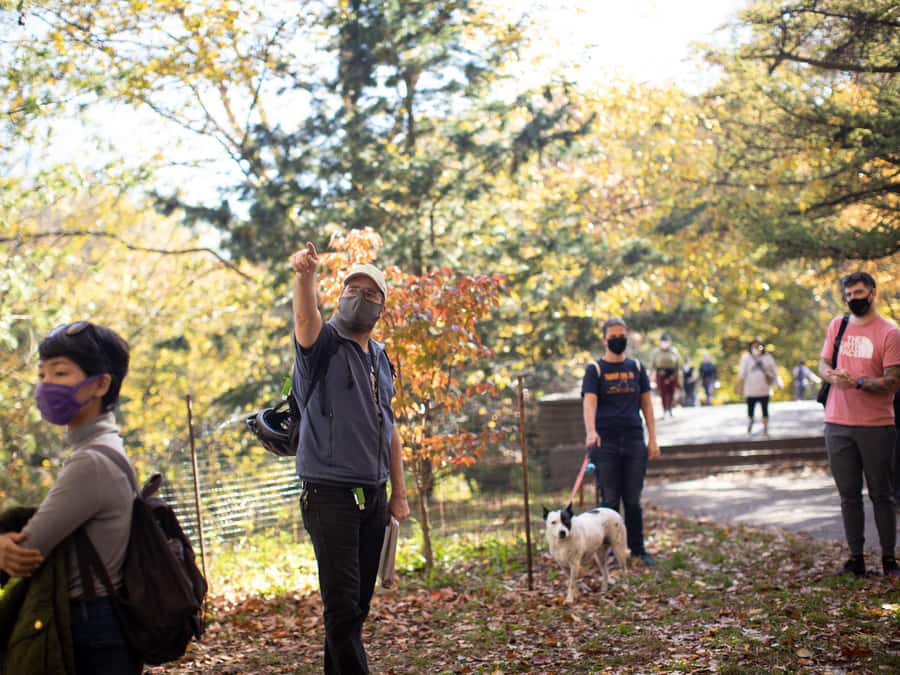
One of the tour highlights is time spent around the park’s water system. You’ll enjoy views of the park’s waterfalls and learn about the park’s manmade watercourse, all within the wider system of lakes and streams.
This section is great value because it turns something you might otherwise glance at into a clear concept. Water features in parks can feel decorative, but here you get the bigger picture: how the watercourse works with the broader network of lakes and streams, and why that design matters for the park’s ongoing function.
It also connects past to present. The tour includes lively talk about projects underway today that support environmental conservation and historic preservation. So you’re not just learning how things were built—you’re learning how the park is being cared for and adapted for modern recreational and cultural access in Brooklyn.
Wildlife on Pause: Turtles, Dogs, and Park History in Real Time
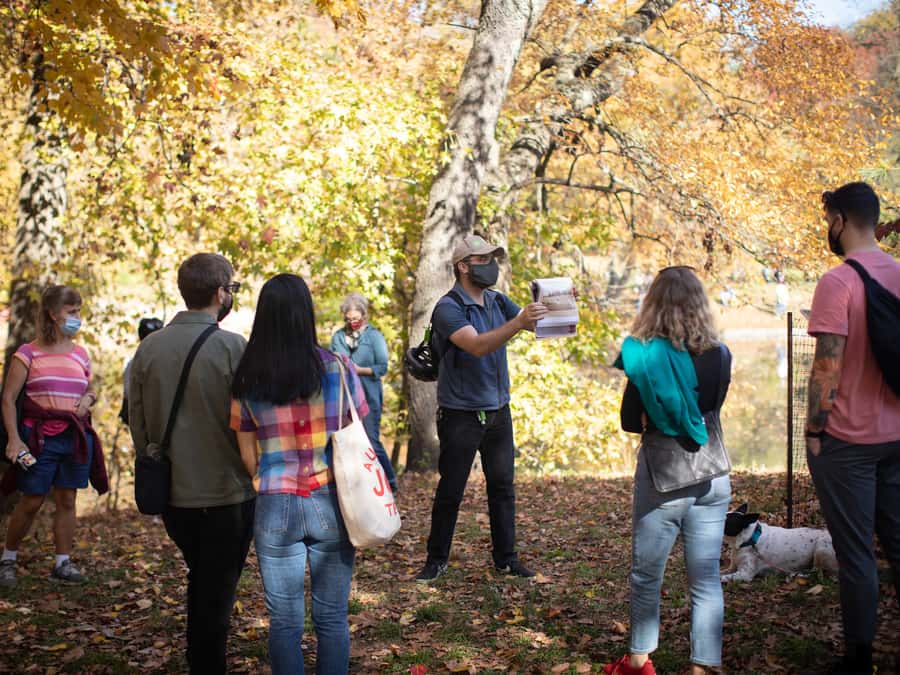
Prospect Park is full of everyday animal life, and the tour leans into that. You’ll get moments where you can see turtles sunning and also observe the park’s very human-and-animal rhythm, like dogs chasing frisbees.
The guide doesn’t treat this as background noise. You’ll learn about the animals that have played a role in the park’s history, which is a smart way to change how you look at wildlife. Instead of asking what you can capture on your phone, you start noticing behavior, habitat, and how people’s use of the park can influence animal life over time.
This is also one reason the small group format helps. When you’re in a group of fewer people (limited to 9 participants), it’s easier to pause, look closely, and actually hear the guide’s explanations without competing with a crowd.
Frederick Law Olmsted and Calvert Vaux: Design Ideas You Can Follow on Foot
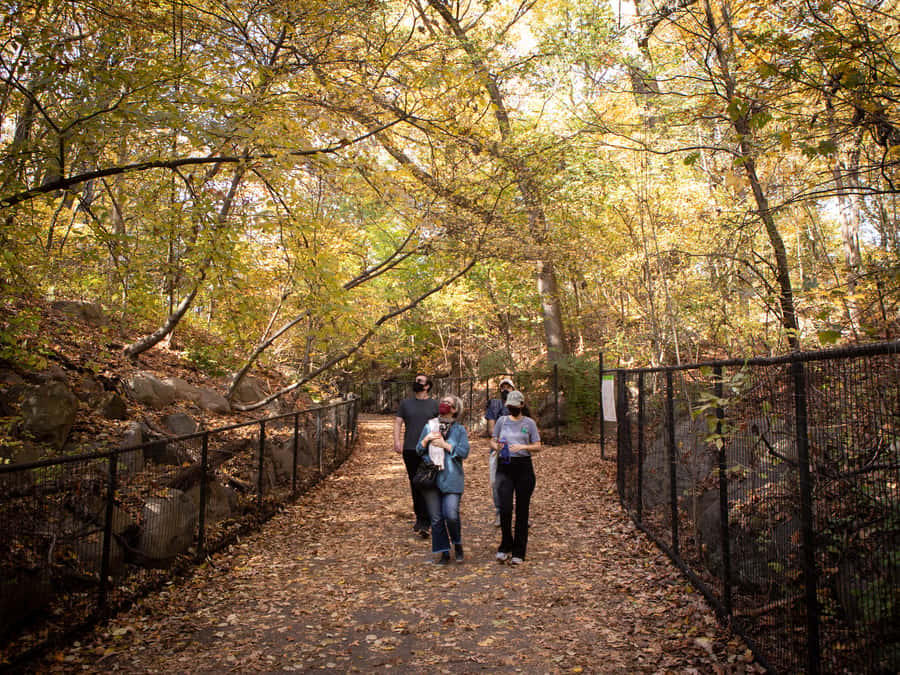
A big part of the experience is hearing commentary about the original park designers: Frederick Law Olmsted and Calvert Vaux. The tour uses their ideas as a thread that connects the different areas you pass through—Long Meadow, Ravine, and the water system.
I like this approach because it keeps you from thinking of the park as separate attractions. Instead, you experience it as one planned whole. The guide also touches on how the park’s built environment shows different architectural eras, so you see how “designed nature” and built structures relate rather than compete.
And the tour adds a modern layer too: you learn how current efforts aim to keep the park open and useful for Brooklyn natives and visitors, with conservation and preservation goals moving alongside recreation and culture.
Built Environment Through the Trees: Architectural Eras and Changing Use
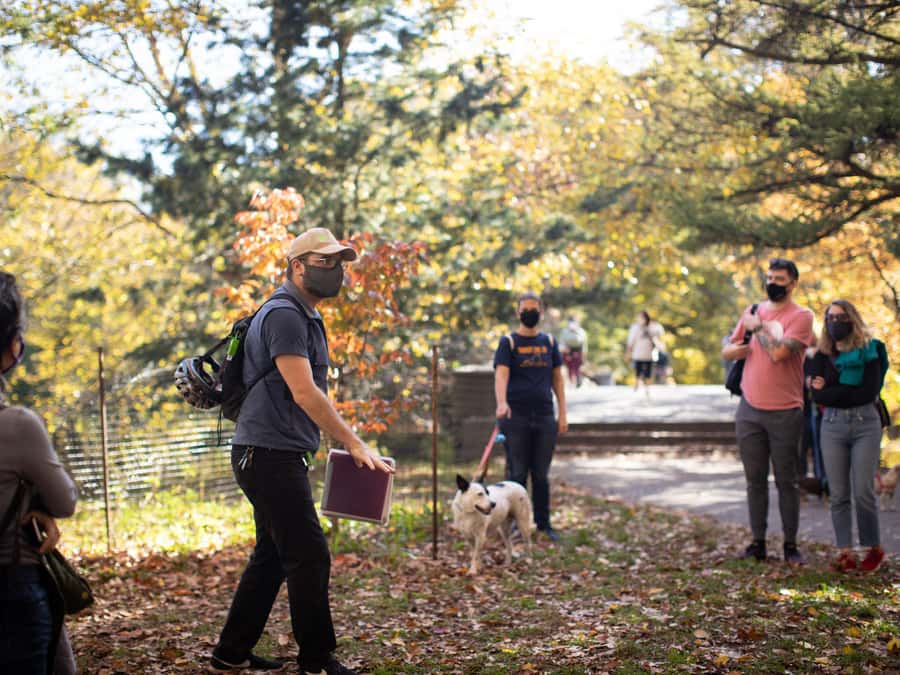
Prospect Park isn’t only plants and water. The tour points out architectural eras visible in the built environment, which helps you understand that the park has been shaped not just by nature but by people, funding, and changing priorities.
You’ll also hear how the use of the park has changed over time. That matters because it explains why the park feels different depending on when you visit. Even in a short walk, you start to see the logic: the park isn’t frozen in the past. It’s being adjusted to match modern needs while still protecting what makes it historically significant.
What You Walk, What You Skip, and How to Prepare
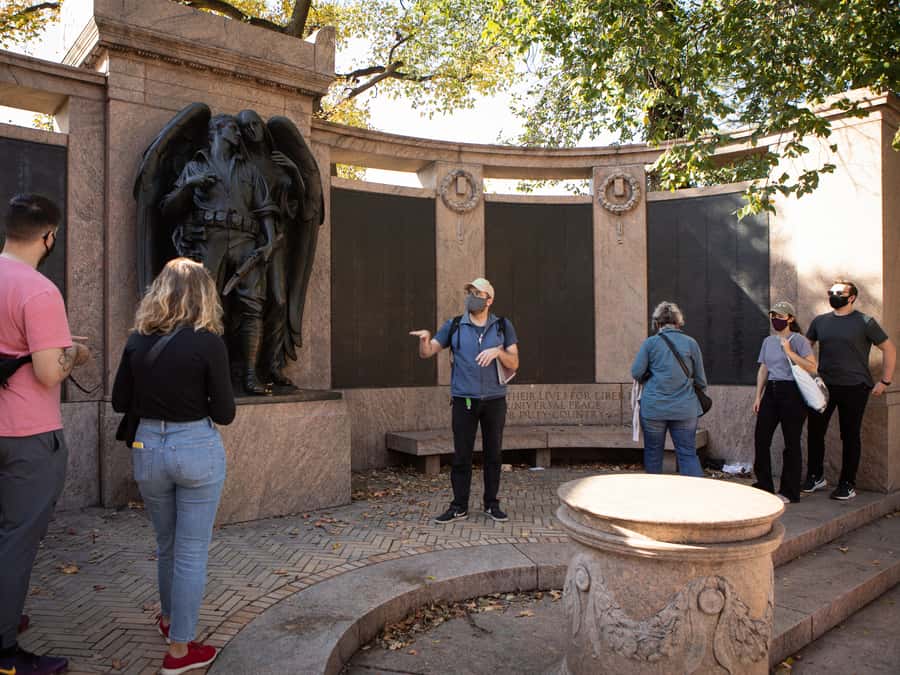
This is a 2-hour tour with about 2 miles (3.2 km) of walking on foot. There are a few stops where you can sit down, so it’s not a continuous hike. Still, rain or shine is part of the deal.
For what to bring, keep it simple:
- Comfortable shoes
- Water
- An umbrella
- Weather-appropriate clothing
You’ll enjoy the tour more if you dress for actual conditions, not the forecast on your phone. The park can feel cooler and damp in spots, and the guide’s commentary works best when you’re not rushing to stay warm or dry.
Wheelchair Accessible and Built for a Smooth Group Pace
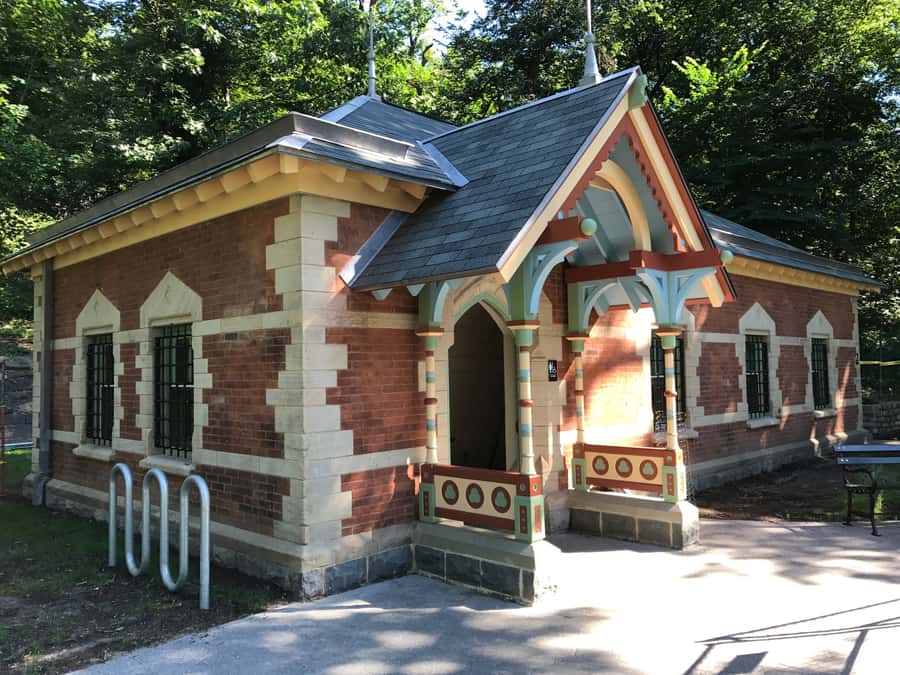
The tour is listed as wheelchair accessible, and it runs with a small group limit of 9 participants. That combination is usually a good sign for pacing and turning moments—less crowding makes it easier to stop, listen, and move together.
I’d still plan on a bit of everyday walking time. The route is short on paper, but parks have their own terrain. If you’re balancing mobility needs, it’s worth thinking about the comfort factor: you’ll appreciate the seating stops more if you’re planning breaks in your schedule.
Price and Value: Is $25 Worth Two Hours?
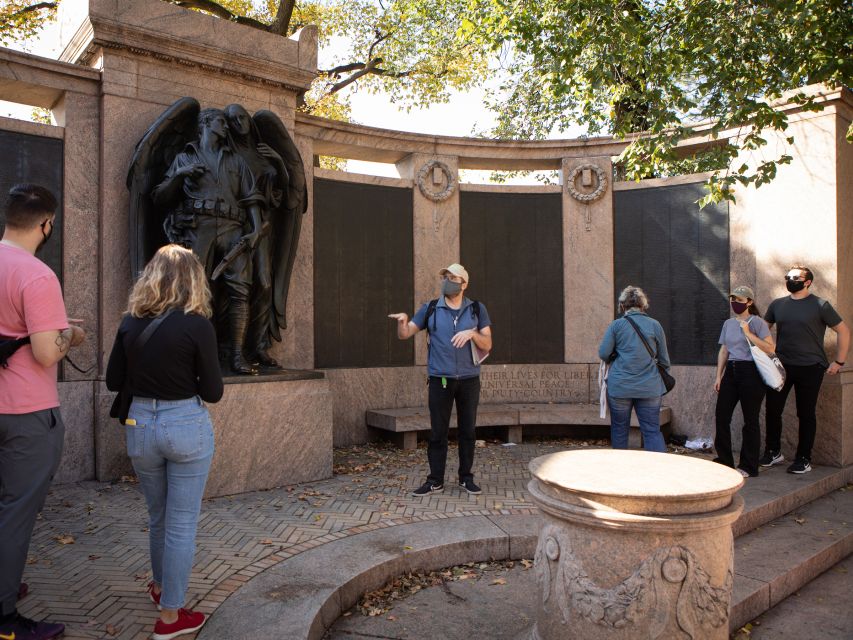
At $25 per person for a 2-hour guided walk, the value mostly comes from what you buy besides movement. You’re paying for interpretation—someone connecting the physical areas you see (meadow, ravine, water features) to the bigger story (designers, human history layers, and ongoing conservation and preservation work).
If you’re the type who enjoys parks but wants the “why” behind the “what,” this is a solid deal. A self-guided stroll can be pleasant, but it’s easy to miss the manmade watercourse story, the design reasoning from Olmsted and Vaux, and the wildlife-history connections.
Also, the group size helps keep the experience from feeling rushed. In a small group, you can get more out of each stop, especially if you have questions or just like hearing details in context.
Who Should Book This Prospect Park Walking Tour
This tour fits best if you want:
- A short, guided way to understand major Prospect Park landmarks
- Explanations that tie design, nature, and change over time together
- Water-feature storytelling, especially the waterfalls and manmade watercourse
- Wildlife moments that come with context, like turtles and the park’s dog culture
- A group experience without a big crowd (limited to 9)
It’s also a great choice if you’re visiting Brooklyn and want something green that still feels rooted in the city’s long story. And since the tour is English only and runs rain or shine, it’s straightforward to plan around once you know your comfort with weather and walking.
Should You Book This Prospect Park Tour?
Yes, I’d book it if you want a guided “reader’s digest” version of Prospect Park that still feels grounded in what you see. The standout strength is how quickly the guide turns the park into a place with explanations: the designers’ intent, the water system, and the living wildlife all show up within a manageable 2-mile walk.
Skip it if you want a low-effort outing with lots of lingering time, or if 2 miles in any weather sounds like a chore. Otherwise, you’ll likely leave with a much clearer sense of how Prospect Park works—and why it still matters in Brooklyn today.
FAQ
Where does the tour start?
Tours begin on the front steps of the Brooklyn Public Library Central Library at 10 Grand Army Plaza, Brooklyn, NY 11238.
How long is the tour, and how much do you walk?
The tour lasts 2 hours and involves about 2 miles (3.2 kilometers) of walking on foot, with a few places to sit down.
What is included in the tour?
The tour includes a knowledgeable and engaging tour guide and the guided walking experience through the park’s natural and historic landmarks.
Is the tour available in languages other than English?
No. This tour is available in English only.
Does the tour run in bad weather?
Yes. The tour operates rain or shine.
Is the tour wheelchair accessible, and how big is the group?
Yes, the tour is wheelchair accessible. It is a small group limited to 9 participants.
More Tour Reviews in Brooklyn
- Brooklyn Food Walking Tour: Local Eats & Family‑Run Shops★ 5.0 · 592 reviews
- NYC: Brooklyn Graffiti Workshop with Local Artist★ 4.8 · 570 reviews
- Brooklyn Bridge & DUMBO Food Tour: Local Eats & Landmarks★ 5.0 · 478 reviews
- Brooklyn: Bushwick Street Art Walking Tour★ 4.7 · 462 reviews
- All Inclusive Airport Departure Transfer NYC/ Brooklyn/Queens★ 4.0 · 342 reviews
Brooklyn, One Block at a Time
- Brooklyn Food Walking Tour: Local Eats & Family‑Run Shops★ 5.0 · 592 reviews
- Brooklyn: Bushwick Street Art Walking Tour★ 4.7 · 462 reviews
- NYC: Brooklyn Bridge and Dumbo District Walking Tour★ 4.7 · 200 reviews
- Brooklyn: 2-Hour Best of Brooklyn Walking Tour -Williamsburg★ 4.3 · 120 reviews
- Brooklyn NYC Food & Walking Tour with a 5th Generation New Yorker★ 5.0 · 73 reviews
Keep Going in Brooklyn
- Brooklyn Food Walking Tour: Local Eats & Family‑Run Shops★ 5.0 · 592 reviews
- NYC: Brooklyn Graffiti Workshop with Local Artist★ 4.8 · 570 reviews
- Brooklyn Bridge & DUMBO Food Tour: Local Eats & Landmarks★ 5.0 · 478 reviews
- Brooklyn: Bushwick Street Art Walking Tour★ 4.7 · 462 reviews
- All Inclusive Airport Departure Transfer NYC/ Brooklyn/Queens★ 4.0 · 342 reviews
Just in: the newest Brooklyn reviews on our desk




Brooklyn Tours, compared.
 ★ 5.0NYC Bus Tour of Brooklyn, Bronx, Queens: Art, Food & SportsFrom $843,805 reviews
 ★ 4.5NYC Highlights Tour: Bronx, Brooklyn, Harlem, Queens & ConeyFrom $462,846 reviews
 ★ 4.6From Manhattan: 4-Hour Dyker Heights Holiday Lights Bus TourFrom $632,426 reviews
 ★ 4.5Contrasts Tour of Harlem, The Bronx, Queens & BrooklynFrom $392,167 reviews
 ★ 4.7Brooklyn Nets NBA Game Ticket at Barclays CenterFrom $312,033 reviews
 ★ 4.3From Manhattan: Bronx, Queens and Brooklyn Half-Day TourFrom $791,321 reviews
 ★ 4.7Dyker Heights Christmas Lights & Skyline View Bus TourFrom $691,192 reviews
 ★ 4.4From Manhattan: Full-Day NYC Boroughs and Coney Island TourFrom $491,120 reviews
Browse the lists this tour appears in