
Reviewed · BROOKLYN TOURS
Brooklyn Heights: New York City’s First Suburb
Brooklyn Heights feels like a time machine on foot. You’ll spend 3 to 4 hours moving through the neighborhood that was New York City’s first Historical District, with stops tied to the American Revolution era, the Gilded Age, baseball’s early boom, and the Underground Railroad. I especially like the mix of big-picture story lines with concrete landmarks, and I like that the guide keeps things friendly and engaging. One thing to consider: this tour depends on good weather, so plan on solid walking time and dress for the conditions.
You’ll start at Borough Hall Station and end near 2 Pierrepont Pl, so the route is built for seeing key layers of the Heights without backtracking. The group stays small (max 10 travelers), which matters here because history talks land best when you can actually hear and ask questions. If you’re hoping for a fast, high-energy sprint with constant new buildings every ten seconds, you might find the pace more thoughtful than frantic.
In This Review
- Key things I’d mark on your Brooklyn Heights map
- Brooklyn Heights: why this “first suburb” still grabs you
- The tour at 1:00 pm: an afternoon route that makes sense
- Stop 1: Brooklyn’s first City Hall (1834–1848) and the civic story
- North and South Heights: Dodgers ticket office and the baseball turning point
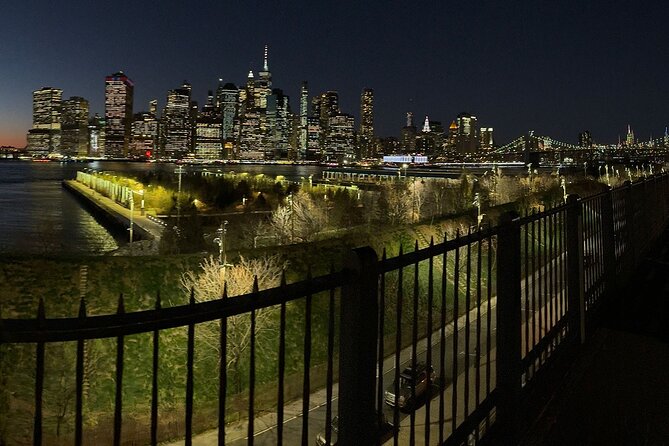
- Lower Manhattan views: the scenic district moment you can’t fake
- The Underground Railroad church: why the tour treats this as serious
- Revolutionary Brooklyn meets the Gilded Age: two eras, one neighborhood
- Architecture matters here: 600+ pre–Civil War buildings on a guided walk
- What $75 buys: value, group size, and how long you actually get
- Mobile ticket and meeting point: keep it simple
- Should you book Brooklyn Heights: first suburb stories?
- FAQ
- How long is the Brooklyn Heights tour?
- What does it cost?
- Where do I meet the tour, and where does it end?
- What’s the group size?
- Will I need to print a ticket?
- Is it suitable for most people, and are service animals allowed?
- What is the cancellation policy?
- What happens if the tour is canceled due to poor weather?
Key things I’d mark on your Brooklyn Heights map
- Brooklyn’s first City Hall (1834–1848): a real anchor for the era’s civic story.
- North and South Brooklyn Heights: a neighborhood split that once included the Brooklyn Dodgers ticket office.
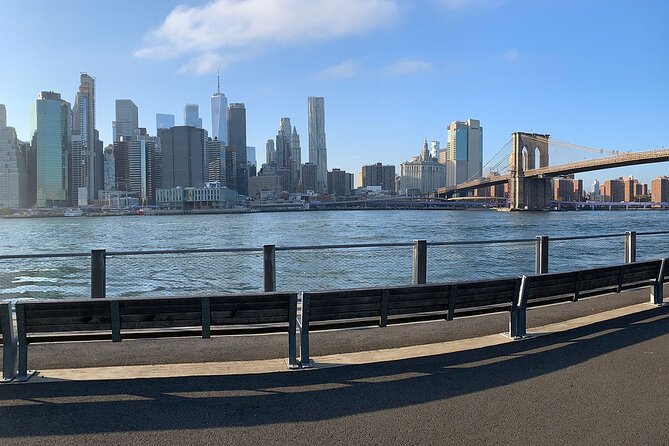
- Lower Manhattan views: timed into the route so you get to look out as part of the narrative, not as an afterthought.
- An Underground Railroad church: described as the Grand Central of escape routes, with a focus on the help given to enslaved people.
- 600+ pre–Civil War buildings: the walk itself is the “museum,” and you’ll understand why that matters.
Deeper into Brooklyn, a few more picks
- Brooklyn Food Walking Tour: Local Eats & Family‑Run Shops
★ 5.0 · 592 reviews - NYC: Brooklyn Graffiti Workshop with Local Artist
★ 4.8 · 570 reviews - Brooklyn Bridge & DUMBO Food Tour: Local Eats & Landmarks
★ 5.0 · 478 reviews - Brooklyn: Bushwick Street Art Walking Tour
★ 4.7 · 462 reviews
Brooklyn Heights: why this “first suburb” still grabs you
Brooklyn Heights isn’t just pretty brownstone scenery. It’s where you can read American history in layers: government buildings, 19th-century wealth, everyday commerce, and the moral stakes of the Underground Railroad—all in one compact area. That’s the big value of doing this with a guide instead of wandering solo: the stories give you a reason to look at the details you’d otherwise sail past.
I like that the tour doesn’t treat history as trivia. It ties events and people to specific places you can stand in front of. You’ll also get a sense of how the neighborhood’s status shaped what got built and what got preserved, especially with the over 600 pre civil war buildings idea behind it.
The tour at 1:00 pm: an afternoon route that makes sense
This starts at 1:00 pm from Borough Hall Station (Court St, Brooklyn, NY 11201). It ends at 2 Pierrepont Pl, Brooklyn, NY 11201, so you’ll finish right near the core of the Heights.
Why the timing and length matter: 3 to 4 hours is long enough for real storytelling, but short enough that you can still do dinner plans without turning your day into a full-on project. Also, because it’s a small group (up to 10), you won’t feel like you’re in a train car of strangers.
And because it requires good weather, you’ll want to check conditions the day of. If rain or storms hit, the experience can be rescheduled or refunded, which is helpful—but it’s still better if you can actually walk.
Stop 1: Brooklyn’s first City Hall (1834–1848) and the civic story
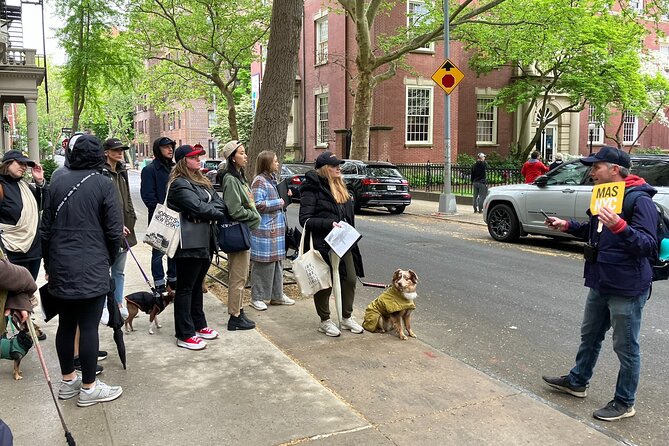
The tour kicks off with Brooklyn’s first City Hall, built between 1834 and 1848. That timeframe is important: you’re not just looking at a random old building. You’re standing in a place that represents how Brooklyn was organizing itself as the country changed.
What I like about leading with this: it gives you a “base map” for the rest of the tour. Once you understand the civic setting, the later stops—revolution-era themes, growth, industry, and community—feel less like disconnected chapters and more like one long arc.
A practical consideration: since this is a walking tour, you’ll spend some time outside. On cooler or windy days, the building-to-building pacing can feel quicker than you expect, so bring a layer you can manage easily.
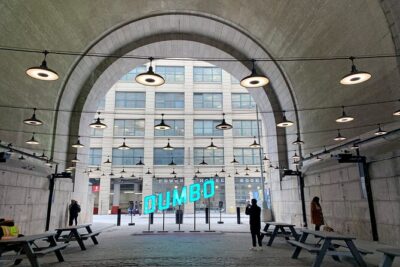
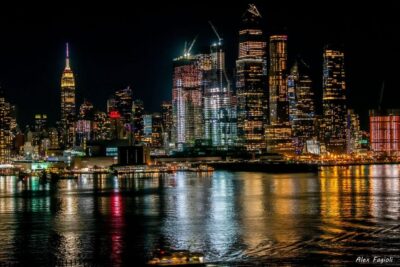
The big picture: more Brooklyn sightseeing


North and South Heights: Dodgers ticket office and the baseball turning point
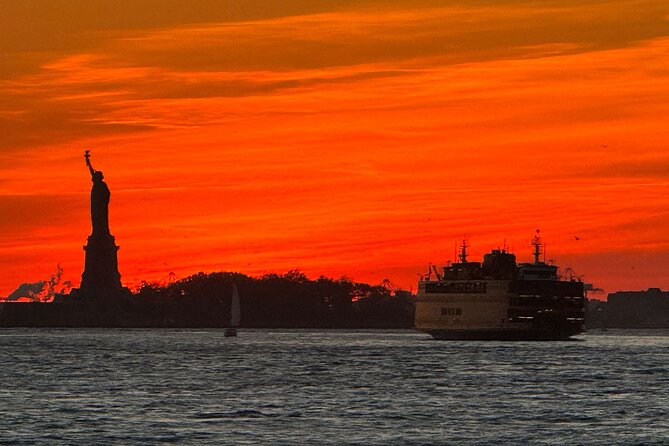
Next up, you’ll hear how Brooklyn Heights was divided into North and South, and how that area intersected with baseball’s early momentum. One key spot on the route was once home to the Brooklyn Dodger’s ticket office, part of the neighborhood’s commerce and culture.
This is a smart stop because it avoids the “baseball as a separate hobby” vibe. Instead, it connects sports to place: where people bought tickets, where they gathered, and how entertainment turned into a growing city force. The tour frames it as having helped change the game of baseball forever, which is a big claim—but it’s still useful because it pushes you to notice how ordinary storefronts can carry major cultural influence.
If you’re a baseball fan, you’ll likely enjoy this section most. If you’re not, you can still get value by treating it as a case study in how Brooklyn grew—through industry, media, and the public’s appetite for new forms of excitement.
Lower Manhattan views: the scenic district moment you can’t fake
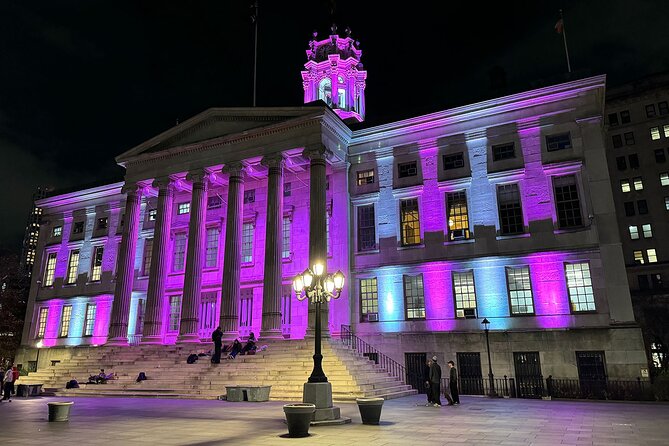
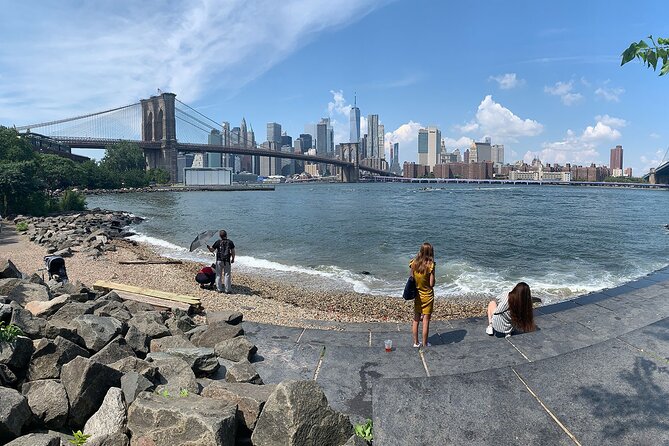
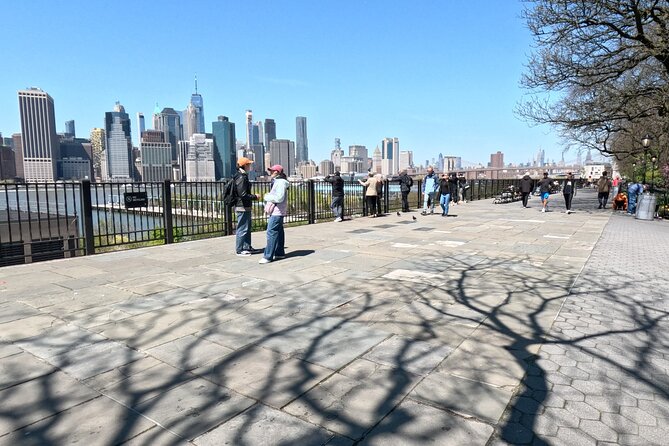
Then comes one of the best reasons to do this on foot: unrivaled views of Lower Manhattan overlooking New York’s first scenic district. This part works because the guide doesn’t treat the view as a selfie stop. The story connects the skyline to the neighborhood’s identity—why the Heights became a place people wanted to be seen and to live.
I love this kind of stop because it’s not just visual payoff. You get context for what “scenic district” meant in a time when cities were rapidly reshaping themselves. It also gives you a mental reset. After indoor-style storytelling stops, you look out and let the scale of New York sink in.
Tip: bring your camera, but also look up without focusing on the shot. It’s easy to forget that the point is seeing the view as part of the experience, not just documenting it.
The Underground Railroad church: why the tour treats this as serious
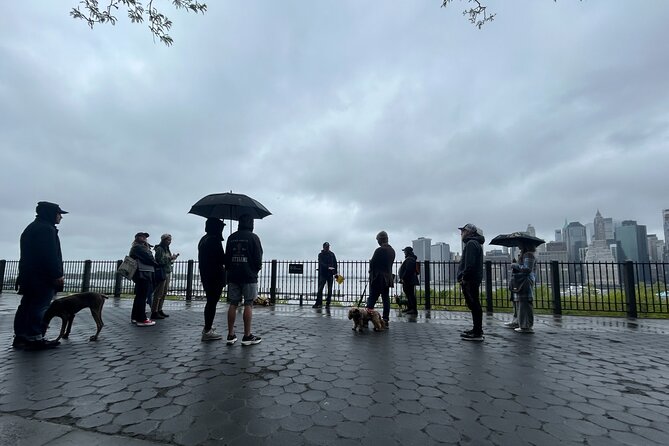
One of the most meaningful stops is a church described as the Grand Central of the underground railroad, instrumental in helping slaves escape to freedom. This isn’t presented as a spooky side story; it’s framed as a chain of real assistance and real risk.
Here’s what makes this stop valuable: it grounds an enormous national subject in a specific local place. You’re not stuck with broad history slogans. You’re in Brooklyn, looking at a site tied to human decisions—helping people run toward safety and away from cruelty.
A consideration: this section can feel heavy if you’re sensitive to the topic. That’s not a downside of the tour—it’s a reminder to give yourself a little mental space, especially since the tour is only 3 to 4 hours total and the pacing stays active.
Revolutionary Brooklyn meets the Gilded Age: two eras, one neighborhood
The tour is organized around major themes: Revolutionary Brooklyn and Gilded Age Brooklyn. You’ll hear about the neighborhood’s role during the American Revolution—then you’ll shift to late-19th-century grandeur, opulent homes, and the industrialists and innovators who drove Brooklyn’s rapid growth.
I like how these themes sit next to each other. It helps you see that American history isn’t just founding documents and battles. It also includes who built wealth, how technology and industry shaped daily life, and how neighborhoods evolved as money and influence moved.
What you should expect: the guide will point out landmarks tied to these eras, and you’ll learn how the same streets can hold very different kinds of stories. That’s the real “first suburb” idea in action—Brooklyn Heights isn’t stuck in one time period.
Architecture matters here: 600+ pre–Civil War buildings on a guided walk
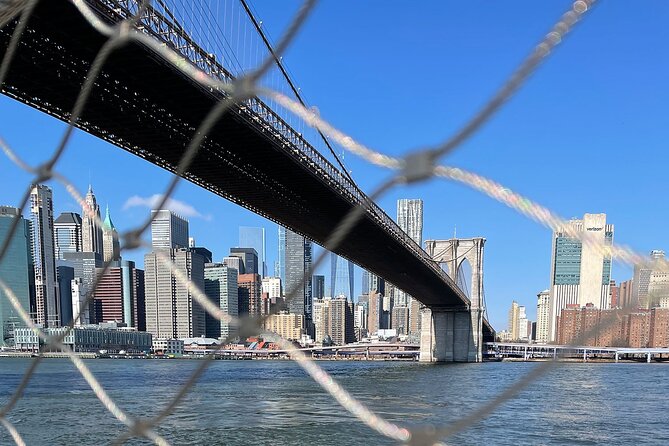
Brooklyn Heights has over 600 pre civil war buildings, and this is where the tour earns its keep for architecture lovers and non-lovers alike. Even if you don’t know a cornice from a corn chip, you’ll learn what to look for and why it’s worth protecting.
Why this works on a tour: the guide ties design and age to meaning. Buildings become clues. Streets become context. And the big idea—Brooklyn Heights becoming NYC’s first Historical District—stops being a label and starts feeling like a consequence of what people valued enough to preserve.
If you’re the type who likes to pause and stare, you’ll enjoy the pace. If you hate slow photo stops, tell yourself this is a guided walk with story beats, not a casual stroll—so stay with the route and listen for what the guide points out.
What $75 buys: value, group size, and how long you actually get
At $75 per person for about 3 to 4 hours, this isn’t a bargain-bucket activity. But for a neighborhood history walk anchored by multiple major themes and real landmarks, it can be good value—especially because the group maxes at 10 travelers.
Small group matters more than you might think. With fewer people, you get:
- clearer audio for the guide’s explanations,
- more room to ask questions,
- less time waiting around for a crowd.
Also, it’s commonly booked about 10 days in advance, which hints that decent time slots can fill up. If your schedule is fixed, it’s worth booking soon rather than gambling on last-minute availability.
Included in the experience is a friendly atmosphere and a guide who is engaging. That sounds broad, but on a history tour, it’s the difference between learning and drifting.
Mobile ticket and meeting point: keep it simple
You’ll use a mobile ticket, which helps on a day when you’ve got a lot going on. The meeting point is Borough Hall Station on Court St, and the tour finishes at 2 Pierrepont Pl.
If you’re planning what to do before or after, give yourself a little buffer around that 3 to 4 hour window. You’ll want time to reset and grab food nearby without feeling rushed, since the tour’s end point is in the same general core area.
Should you book Brooklyn Heights: first suburb stories?
Book it if you want a walk that connects American Revolution themes, Gilded Age growth, and the Underground Railroad to specific Brooklyn Heights locations—plus you care about why this neighborhood was preserved and how it looks today. The small group size and the emphasis on an engaging guide are strong reasons to choose it over a self-guided loop.
Consider skipping if:
- you’re traveling on a day with iffy weather and you don’t want to deal with possible rescheduling,
- you prefer museums with seating over outdoor walking,
- you only want one theme (like only Underground Railroad or only architecture). This one mixes several story lines, and that’s part of the appeal.
If your ideal afternoon in New York is half story, half walking, and half skyline view, this fits nicely.
FAQ
How long is the Brooklyn Heights tour?
The tour runs about 3 to 4 hours.
What does it cost?
It costs $75.00 per person.
Where do I meet the tour, and where does it end?
You start at Borough Hall Station on Court St, Brooklyn, NY 11201. The tour ends at 2 Pierrepont Pl, Brooklyn, NY 11201.
What’s the group size?
The experience has a maximum of 10 travelers.
Will I need to print a ticket?
No. The tour uses a mobile ticket.
Is it suitable for most people, and are service animals allowed?
Most travelers can participate, and service animals are allowed. It is also near public transportation.
What is the cancellation policy?
Free cancellation is available. You can cancel up to 24 hours in advance for a full refund.
What happens if the tour is canceled due to poor weather?
The tour requires good weather. If it’s canceled due to poor weather, you’ll be offered a different date or a full refund.
All of Brooklyn in One Day
- The Escape Game Brooklyn: Epic 60-Minute Adventures in City Point★ 5.0 · 332 reviews
- New York Private Airport Transfer to City Center★ 5.0 · 109 reviews
- Brooklyn Art Walk, Drink Crawl, & City Views★ 5.0 · 58 reviews
- New York City: Night Skyline Bus Tour with Pizza Slice★ 4.8 · 54 reviews
- New York City Specialty Coffee Tour★ 5.0 · 17 reviews
More Tour Reviews in Brooklyn
- Brooklyn Food Walking Tour: Local Eats & Family‑Run Shops★ 5.0 · 592 reviews
- NYC: Brooklyn Graffiti Workshop with Local Artist★ 4.8 · 570 reviews
- Brooklyn Bridge & DUMBO Food Tour: Local Eats & Landmarks★ 5.0 · 478 reviews
- Brooklyn: Bushwick Street Art Walking Tour★ 4.7 · 462 reviews
- All Inclusive Airport Departure Transfer NYC/ Brooklyn/Queens★ 4.0 · 342 reviews
Keep Going in Brooklyn
- Brooklyn Food Walking Tour: Local Eats & Family‑Run Shops★ 5.0 · 592 reviews
- NYC: Brooklyn Graffiti Workshop with Local Artist★ 4.8 · 570 reviews
- Brooklyn Bridge & DUMBO Food Tour: Local Eats & Landmarks★ 5.0 · 478 reviews
- Brooklyn: Bushwick Street Art Walking Tour★ 4.7 · 462 reviews
- All Inclusive Airport Departure Transfer NYC/ Brooklyn/Queens★ 4.0 · 342 reviews
Just in: the newest Brooklyn reviews on our desk




Brooklyn Tours, compared.
 ★ 5.0NYC Bus Tour of Brooklyn, Bronx, Queens: Art, Food & SportsFrom $843,805 reviews
 ★ 4.5NYC Highlights Tour: Bronx, Brooklyn, Harlem, Queens & ConeyFrom $462,846 reviews
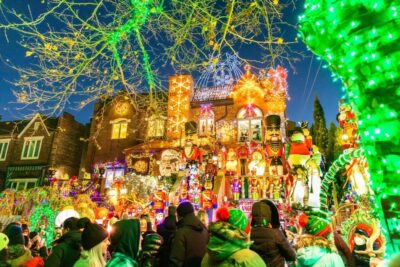 ★ 4.6From Manhattan: 4-Hour Dyker Heights Holiday Lights Bus TourFrom $632,426 reviews
 ★ 4.5Contrasts Tour of Harlem, The Bronx, Queens & BrooklynFrom $392,167 reviews
 ★ 4.7Brooklyn Nets NBA Game Ticket at Barclays CenterFrom $312,033 reviews
 ★ 4.3From Manhattan: Bronx, Queens and Brooklyn Half-Day TourFrom $791,321 reviews
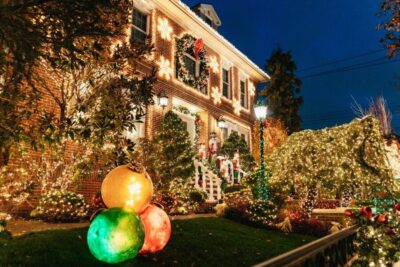 ★ 4.7Dyker Heights Christmas Lights & Skyline View Bus TourFrom $691,192 reviews
 ★ 4.4From Manhattan: Full-Day NYC Boroughs and Coney Island TourFrom $491,120 reviews
Browse the lists this tour appears in