
Reviewed · TOURS
Prospect Park Tour
Prospect Park feels like a break from the city, and this tour helps you notice the details you’d miss. I love the small-group size and the way the guide keeps things active with questions, so the walk feels personal instead of like a lecture. One thing to consider: it’s still a 2-mile on-foot tour, rain or shine, with only a few spots to sit.
You’ll get a great start at Grand Army Plaza, where the architecture and memorial work around the park entrance set the tone for what’s inside. I also like the mix of natural and built sights, from Brooklyn’s major green spaces to the Boathouse area. The only drawback for some people is the end point is at LeFrak Center at Lakeside, not back where you started, so plan your return route.
The good news is that the tour is designed for easy “walk and learn” exploring. With a maximum of 10 travelers, you’re close enough to hear explanations and ask questions, including during the natural pauses. If you’re expecting a totally seated, zero-walking experience, this is not that kind of tour.
In This Review
- Key things that make this tour worth your time
- Grand Army Plaza start: the park’s entrance tells a story
- Prospect Park on foot: forest, meadow, and water features you can actually spot
- The Boathouse and Guastavino Tiles: an engineering-and-activism lesson
- Water-facing finale at LeFrak Center at Lakeside
- Price and value: what $25.81 buys you
- What to wear and expect on a rain-or-shine walk
- Who this tour fits best (and who might prefer something else)
- Should you book Prospect Park Tour?
- FAQ
- How long is the Prospect Park Tour?
- Where do I meet for the tour, and where does it end?
- What’s the closest subway to the meeting point?
- Is this a walking tour?
- Is admission included?
- What’s the cancellation policy?
Key things that make this tour worth your time
- Grand Army Plaza’s City Beautiful style: you start with the Soldiers’ and Sailors’ Memorial Arch area, then get the park context right away
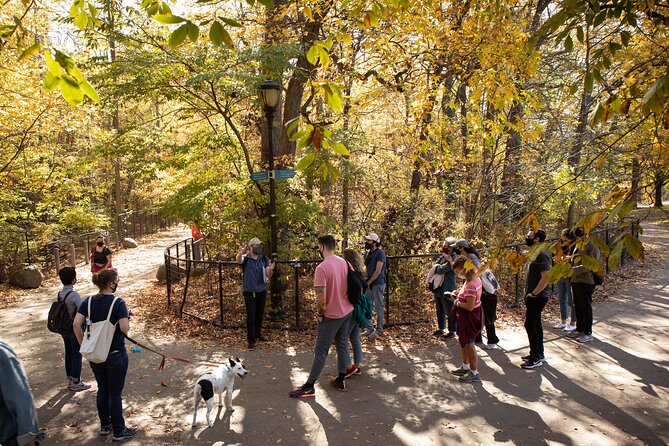
- A mix of forest, meadow, and water: Prospect Park’s largest forest, long meadow, creek/waterfalls, and Prospect Park Lake all show up on foot
- Boathouse Guastavino Tiles and the 1905 story: you learn how activists helped save the structure from the wrecking ball in the 1960s
- Prospect Park Audubon Center connection: the Boathouse is home to the first Audubon center in an urban park in the United States
- Lefrak Center at Lakeside with wildlife habitat nearby: you end with a sustainable recreation space that faces the restored environment
Not sold yet? Here is how this one lines up against other Brooklyn picks:
- Brooklyn Food Walking Tour: Local Eats & Family‑Run Shops
★ 5.0 · 592 reviews - NYC: Brooklyn Graffiti Workshop with Local Artist
★ 4.8 · 570 reviews - Brooklyn Bridge & DUMBO Food Tour: Local Eats & Landmarks
★ 5.0 · 478 reviews - Brooklyn: Bushwick Street Art Walking Tour
★ 4.7 · 462 reviews
Grand Army Plaza start: the park’s entrance tells a story
The tour begins on the front steps of the Brooklyn Public Library Central Library at 10 Grand Army Plaza (10:30 am). It’s a smart meeting point: easy to find, and you’re already in the thick of the neighborhood that shapes how you experience Prospect Park.
From there, you head toward Grand Army Plaza, where you’ll learn about the City Beautiful Movement that shaped the look of this grand entrance. This matters because it changes the way you read the park. Instead of treating Prospect Park like just a bunch of trees and paths, you start noticing how Brooklyn also planned for monument-like, formal design at the edges—especially around the Soldiers’ and Sailors’ Memorial Arch.
Practical tip: this is a good moment to take photos before the walk gets long. Once you’re inside Prospect Park, you’ll be focused on the moving targets—water features, overlooks, and sculptures—so start with the dramatic “gateway” images while you’re fresh.
Prospect Park on foot: forest, meadow, and water features you can actually spot
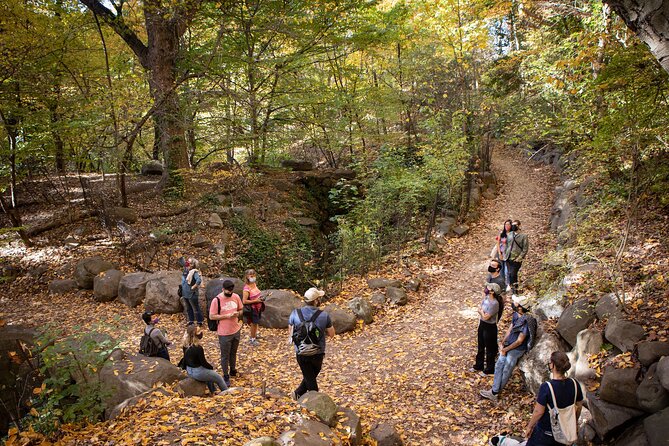
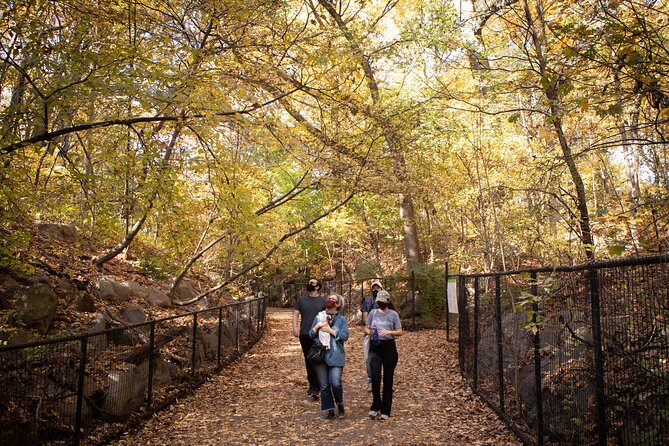
After the architectural warm-up, the heart of the tour is a guided walk through Prospect Park’s natural and built features. The pace is built for sightseeing: comfortable shoes help because you’ll cover about 2 miles (3.2 km) over roughly 2 hours, with a few stops that have places to sit.
This part is where the tour earns its value. Prospect Park is big enough that it’s easy to wander into the “pretty but generic” loop if you’re exploring on your own. With a guide, you get pointed at specific highlights, including:
- Brooklyn’s largest forest
- the longest urban meadow in the United States
- water features like waterfalls, creeks, and Prospect Park Lake
You’ll also encounter sculptures, memorials, and historic sites, including stops around the Boathouse area and Picnic House, plus the Soldiers’ and Sailors’ Memorial Arch within the park itself.
What I like about this approach is that it matches how people actually use parks. You don’t just look at scenery; you walk past it like a local. You get the “why is that there?” answers while you’re close enough to see details—names, symbols, and design choices—without needing to stop for a major hike or get stuck reading signs for 30 minutes.
Possible drawback: if you’re the type who loves lots of silent downtime, the guide’s narration and Q&A might feel like more interaction than you expect. Still, the tone is small-group friendly, so you’re not pinned down for every second.
The Boathouse and Guastavino Tiles: an engineering-and-activism lesson
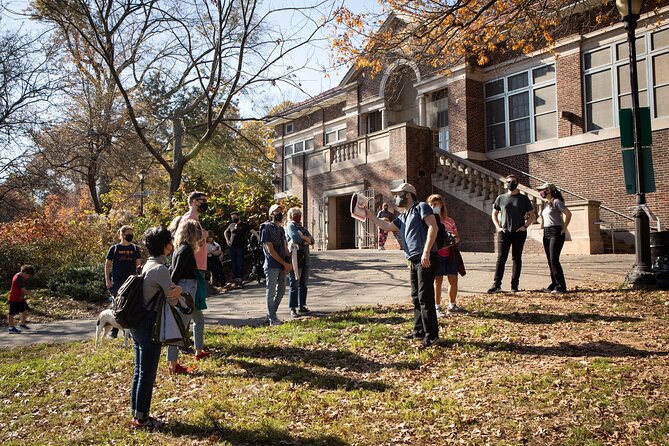
One of the tour’s best stops is the Boathouse area. You’ll spend time at a historic structure known for its Guastavino Tiles—those distinctive brick-and-arch tile vaults that can look like architecture candy if you enjoy design details.
What makes this stop more than just a pretty building is the backstory. The structure dates to 1905, and it was designed by Helmle, Huberty, and Hudswell. Even better, it survived because activists helped stop it from being destroyed by a wrecking ball in the 1960s. That conservation story is a big part of why this stop hits.
Then you connect the past to present use. Today, the Boathouse is home to the Prospect Park Audubon Center, and the guide explains that it’s the first Audubon center in an urban park in the United States. That adds a practical angle: you’re not only seeing history. You’re seeing how the park supports modern nature learning and bird-focused programming, right inside a major city park.
If you like travel that mixes art, design, and real civic action, this is a stand-out segment. The tiles are the visual hook, but the “saved through activism” angle is the part that tends to stay with you.
Seating note: you’ll likely have a chance to pause here more than once across the tour. But this isn’t a museum-style stop where you’ll sit for a long time—so treat it like an architectural walkthrough.


Water-facing finale at LeFrak Center at Lakeside
The tour ends at LeFrak Center at Lakeside, located in the southeast corner of Prospect Park (171 East Dr, Brooklyn, NY 11225). This ending feels natural because it’s right with the lake views and near the park’s more modern recreation space.
LeFrak Center is a sustainably designed skating rink and recreational center. You’ll also learn that it faces Prospect Park Lake and a newly restored natural habitat for turtles, fish, and waterfowl. That combo is the point: the park isn’t stuck in the past, and nature isn’t treated as an “outside the city” concept. It’s integrated into active public space.
Why this ending works: after hours of walking through forests, meadows, and historic structures, your last stop gives you a clear “present-day Prospect Park” snapshot—recreation plus restoration, in the same frame.
Logistics consideration: because you finish at LeFrak Center rather than back at the library steps, plan your subway or walk from there. The closest subway options around the end include Parkside Av (Q) and Prospect Park (B,S,Q).
Price and value: what $25.81 buys you
At $25.81 per person for about 2 hours, the value here comes from three things: timing, guidance, and small-group access.
First, you’re not paying for museum admissions. The tour keeps the focus on guidance and park navigation, and the park time itself doesn’t require extra ticketing for the core stops.
Second, guided walking saves your brain power. Prospect Park can be overwhelming if you’re trying to plan a route that hits the biggest hits and makes sense of what you’re seeing. A good guide turns that into a smooth arc: entrance architecture → key natural areas → a signature historic building → a lake-facing modern finale.
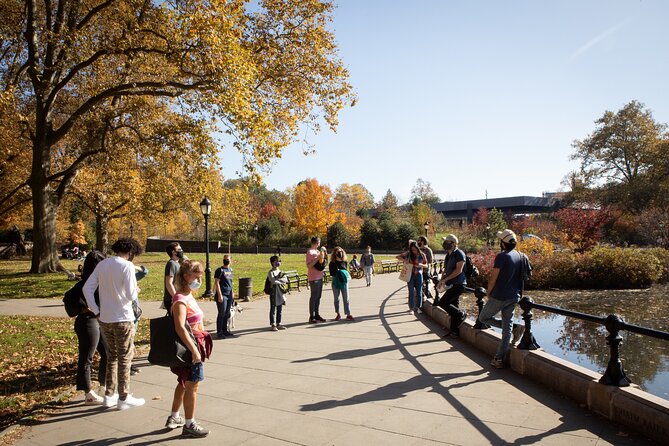
Third, the group size matters. With a maximum of 10 travelers, you’re more likely to get real interaction instead of being one voice in a crowd. That also makes it easier to ask short questions when something catches your eye—architecture, memorial meaning, or how water features fit into the park.
If you’re visiting Brooklyn for a short stay and you want one high-yield green-space experience, this is a tidy way to do it.
What to wear and expect on a rain-or-shine walk
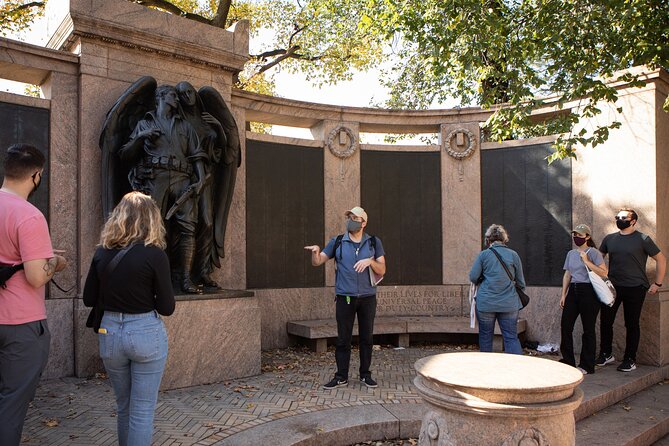
The tour operates rain or shine and involves walking around 2 miles on foot. You’ll hit a few stops that have places to sit, but you shouldn’t count on extended rest breaks. Comfortable shoes are not optional here.
Dress for the weather. Even in good conditions, Prospect Park can feel cooler and breezier than you expect depending on where you are near the lake. In wet weather, plan for slippery paths and take your time on uneven sections.
If your schedule is packed, note the start time: 10:30 am. It’s late enough to avoid an ultra-early meetup, but early enough that you still have a chunk of the day after the 2-hour experience.
Who this tour fits best (and who might prefer something else)
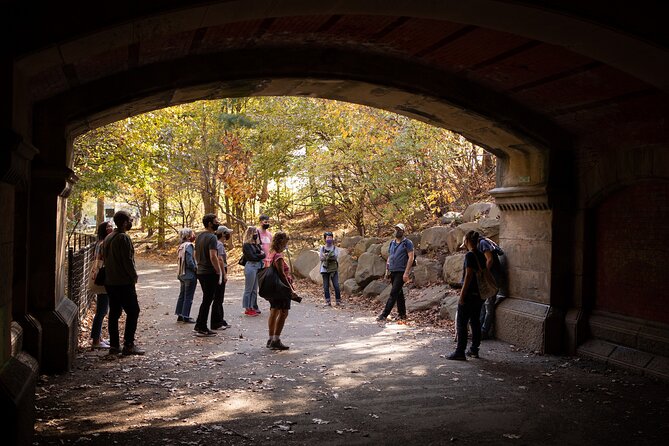
This tour is a great fit if you want:
- a first-time Prospect Park introduction that hits both natural and built highlights
- an active sightseeing option that doesn’t require planning a route
- a park experience that includes design details, not just views
- a calm, small-group walk (max 10)
It may be less ideal if you:
- want mostly seated time
- have difficulty with a 2-mile walking commitment
- dislike walking tours that happen in all weather
If you’re planning a birthday-style outing, this tour also works well for groups of friends or family who want something different from the usual food-and-drinks plan. The small-group feel helps people talk and share without it turning into a chaotic crowd.
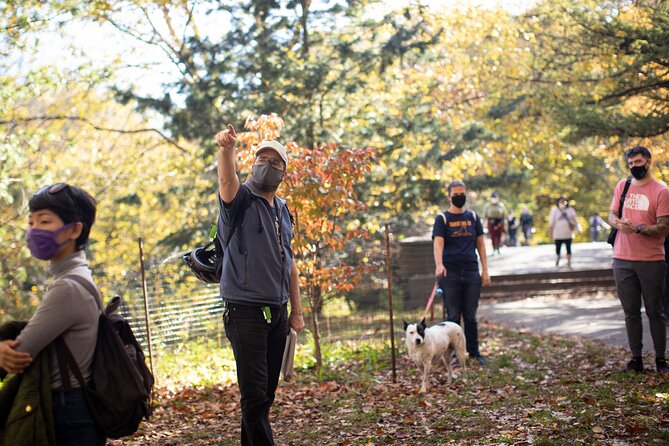
And yes, having an enthusiastic guide helps a lot. In the tour’s example of a guide, Corrine is described as energetic and interactive—using questions to keep people involved. That’s the kind of tone you should hope for when booking.
Should you book Prospect Park Tour?
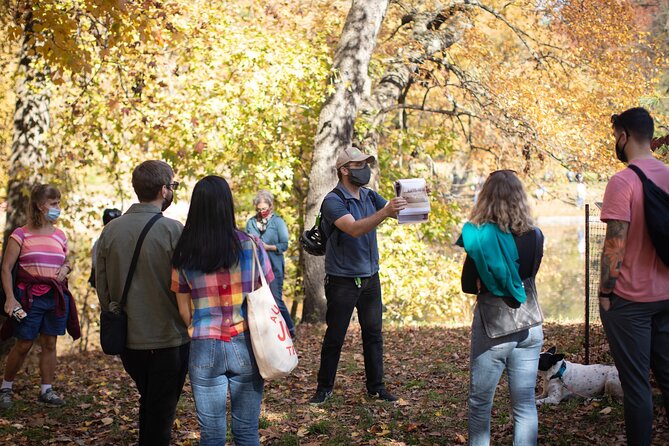
If you want a high-value way to see Prospect Park with structure, I’d book it. The price is reasonable for a guided, small-group walk that touches the park’s major themes: forest + meadow + water, plus historic architecture and modern conservation.
Book it if you like learning while you walk, and if you’re comfortable covering about 2 miles. Skip it if you’re looking for minimal walking or a slow, purely scenic stroll with no guide-led stops.
FAQ
How long is the Prospect Park Tour?
It lasts about 2 hours.
Where do I meet for the tour, and where does it end?
You meet at the Brooklyn Public Library Central Library steps at 10 Grand Army Plaza, Brooklyn, NY 11238. The tour ends at LeFrak Center at Lakeside, 171 East Dr, Brooklyn, NY 11225.
What’s the closest subway to the meeting point?
Grand Army Plaza (2,3) and 7th Av (B,Q) are listed as nearest subway stations.
Is this a walking tour?
Yes. It involves walking about 2 miles (3.2 kilometers) on foot and operates rain or shine. There are a few places to sit down.
Is admission included?
The tour includes admission ticket free for the Prospect Park stop.
What’s the cancellation policy?
You can cancel for a full refund up to 24 hours in advance. If you cancel less than 24 hours before the start time, the amount paid is not refunded.
More Tours in Brooklyn
- Brooklyn Food Walking Tour: Local Eats & Family‑Run Shops★ 5.0 · 592 reviews
- Brooklyn Bridge & DUMBO Food Tour: Local Eats & Landmarks★ 5.0 · 478 reviews
- Brooklyn: Bushwick Street Art Walking Tour★ 4.7 · 462 reviews
- From Manhattan: 2-Hour Brooklyn Bridge Bike Tour★ 4.4 · 230 reviews
- NYC: Brooklyn Bridge and Dumbo District Walking Tour★ 4.7 · 200 reviews
More Tour Reviews in Brooklyn
- Brooklyn Food Walking Tour: Local Eats & Family‑Run Shops★ 5.0 · 592 reviews
- NYC: Brooklyn Graffiti Workshop with Local Artist★ 4.8 · 570 reviews
- Brooklyn Bridge & DUMBO Food Tour: Local Eats & Landmarks★ 5.0 · 478 reviews
- Brooklyn: Bushwick Street Art Walking Tour★ 4.7 · 462 reviews
- All Inclusive Airport Departure Transfer NYC/ Brooklyn/Queens★ 4.0 · 342 reviews
Just in: the newest Brooklyn reviews on our desk



Tours, compared.
 ★ 5.0Statue of Liberty and Ellis Island Tour: All OptionsFrom $6913,571 reviews
 ★ 5.0New York in One Day Guided Sightseeing TourFrom $9913,166 reviews
 ★ 5.0Central Park Pedicab Guided ToursFrom $387,108 reviews
 ★ 4.7Manhattan Helicopter TourFrom $2997,076 reviews
 ★ 5.0Private Central Park Pedicab TourFrom $386,981 reviews
 ★ 5.09/11 Memorial, Ground Zero Tour with Optional 9/11 Museum TicketFrom $396,381 reviews
 ★ 4.2Hop-on Hop-off Sightseeing Tour by Open-top BusFrom $445,863 reviews
 ★ 4.8Manhattan Sightseeing Helicopter TourFrom $2995,826 reviews