
Reviewed · HARLEM TOURS
Private Harlem Tour in New York with Local Expert Guide
Harlem has a soundtrack, even on foot. This private walking tour in NYC puts you on the ground in the places that shaped music, art, faith, and American history. You’ll move through Apollo Theater landmarks, classic Harlem architecture, and cultural stops chosen for real-world stories, not just postcards.
I especially like how the tour leans into iconic landmarks (Apollo Theater and Hamilton Grange) while still making time for everyday context like the Harlem YMCA and the neighborhood’s community hubs. I also like that it’s private, so your guide can adjust the route and give you practical next-step advice for after the tour.
The main drawback: it’s a tight 3-hour loop with a lot of walking and mostly short stops, and access can vary. So even if a stop is part of the plan, you might not always get inside every venue—figure out what matters most to you at the start.
In This Review
- Key Highlights You’ll Feel in Harlem
- Private Guide Meets You in Your Hotel Lobby
- Getting the Apollo Theater Moment Right
- Strivers’ Row and the 19th-Century Architecture Walk
- Harlem YMCA, City College, and Shepard Hall Views
- Studio Museum in Harlem: Contemporary Art, Not a Detour
- Abyssinian Baptist Church and Hamilton Grange National Memorial
- Sylvia’s Soul Food: A Quick Bite That Sets the Mood
- Price and Value: Is $179 a Smart Deal?
- Who This Tour Fits Best
- Tips to Get the Most From Your Harlem Morning
- Should You Book This Private Harlem Walk?
- FAQ
- How long is the private Harlem tour?
- Where does the guide meet us?
- Can I choose the start time?
- Is this tour private or shared with other people?
- Are tickets and entrance fees included?
- Will we visit the Studio Museum and have lunch at Sylvia’s Soul Food?
- Can I cancel for a full refund?
Key Highlights You’ll Feel in Harlem
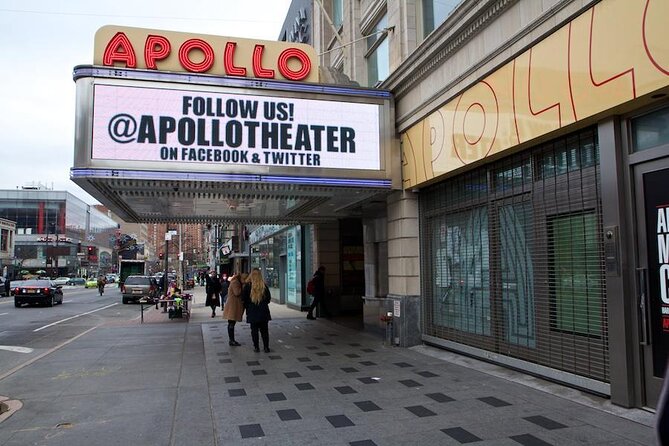
- Apollo Theater history up close: a world-famous music venue with deep roots in jazz, soul, and other African-American genres.
- Strivers’ Row (St. Nicholas Historic District): 19th-century homes you can actually see and compare on foot.
- Harlem YMCA + City College area: a look at community institutions, plus Gothic-style Shepard Hall on the City College campus.
- Studio Museum in Harlem: an art-focused stop centered on African-American artists, with more than 2,000 exhibits listed.
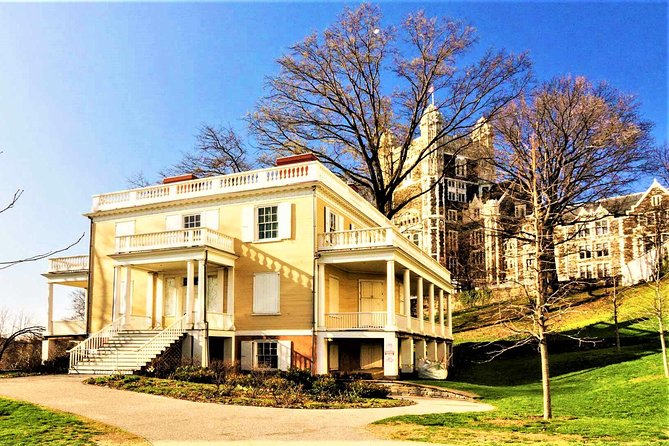
- Hamilton Grange National Memorial: Alexander Hamilton’s home from 1802, with a chance to explore the interior where available.
- Abyssinian Baptist Church: a major spiritual and community landmark tied to Harlem’s civic life.
Not sold yet? Here is how this one lines up against other Brooklyn picks:
- Brooklyn Food Walking Tour: Local Eats & Family‑Run Shops
★ 5.0 · 592 reviews - NYC: Brooklyn Graffiti Workshop with Local Artist
★ 4.8 · 570 reviews - Brooklyn Bridge & DUMBO Food Tour: Local Eats & Landmarks
★ 5.0 · 478 reviews - Brooklyn: Bushwick Street Art Walking Tour
★ 4.7 · 462 reviews
Private Guide Meets You in Your Hotel Lobby
This is built for people who want Harlem without the guesswork. Your guide meets you in your hotel lobby at the start, and you’ll talk through what you want to emphasize before you head out. Because it’s private, your group sets the pace, and you can ask for practical, on-the-ground recommendations for what to do next in New York.
The tour also runs in all weather conditions, so dress like you actually plan to walk in the forecast. Since it’s about a half-day chunk (around 3 hours), bring comfortable shoes first and photo plans second. Harlem rewards slow looking, but the itinerary is still structured—so you’ll want to decide early if you’re a museum person, a architecture person, or a music-history person.
One detail I like for first-time NYC visitors: the tour includes the use of the metro. That helps you cover ground without turning the day into a marathon, while still keeping the walking parts meaningful.
Getting the Apollo Theater Moment Right
The tour starts (or can flex to start) at the Apollo Theater, and that’s a smart move. Even if you’re not a die-hard music fan, the Apollo’s story helps you understand why Harlem has been a stage for talent and a magnet for culture for generations.
You’ll get a chance to be on-site at a venue that has hosted names like Duke Ellington, Charlie Parker, Ella Fitzgerald, James Brown, and Stevie Wonder. The stops are listed as short (about 20 minutes), so think of this as a focused introduction—enough time to absorb the vibe, read the cues with your guide, and take photos.
A practical consideration: the experience may be exterior or lobby-focused depending on access rules on the day. One review specifically called out that a group couldn’t go past the Apollo lobby. So if going inside matters to you, ask your guide right at the beginning what level of access is realistic that day and what you can do if interior entry isn’t available.
Strivers’ Row and the 19th-Century Architecture Walk
After Apollo, you move into Strivers’ Row, also connected with the St. Nicholas Historic District. This is where the tour shifts from music storytelling to street-level design and neighborhood identity.
The homes here are described as elegant architectural gems, and you can see why: rows of stately houses make Harlem feel distinct from other parts of Manhattan. Your guide will help you read the buildings without turning it into a textbook. I like this section because it slows you down enough to notice details—steps, facades, and the overall feel of a residential historic district—without it becoming boring.
Since this stop is also about 20 minutes, it’s best used for a “look and learn” moment. If you want deeper architectural specifics, tell your guide early and be ready to spend a little extra time lingering by the best streets for photos.
More days made simple with a guide



Harlem YMCA, City College, and Shepard Hall Views
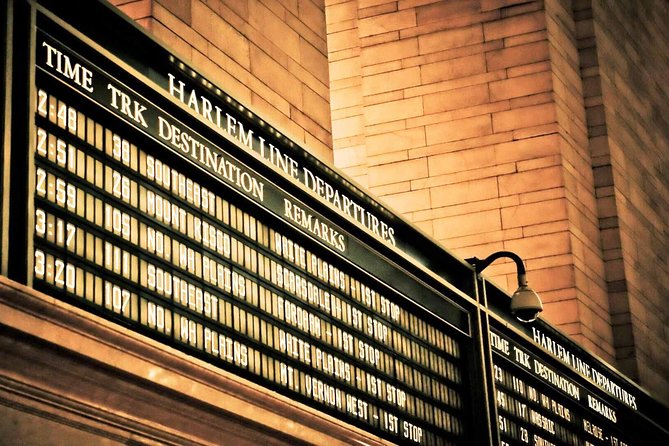
Next comes the Harlem YMCA, founded in 1932 and noted as one of the early YMCAs built for African-Americans. This is an important change-of-tone stop because it shifts the story from famous stages and famous buildings to institutions that shaped daily life.
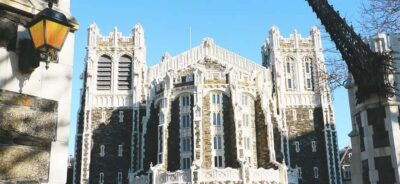
The tour then continues near the City College of New York campus, where you can view Shepard Hall. It’s highlighted as Gothic-style and described as an eye-catching landmark with a mix of dark and light colors and ornate detailing. If you like “New York surprises,” this kind of campus architecture can feel unexpected in Harlem—in a good way.
One reason I think this segment works: it ties culture to place. You’re not just learning names and dates; you’re seeing how community infrastructure and education spaces shape a neighborhood’s long-term character.
Studio Museum in Harlem: Contemporary Art, Not a Detour
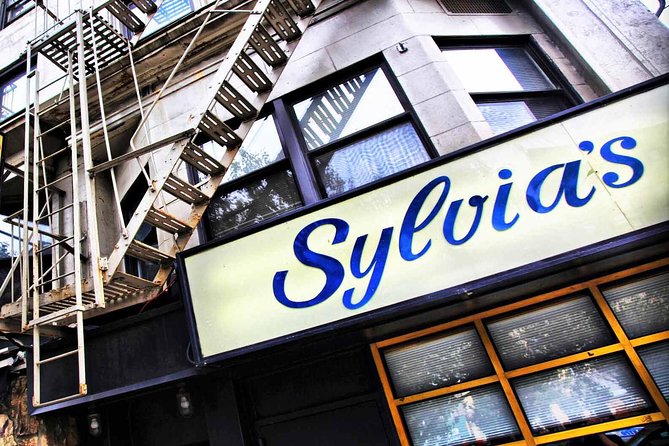
Then you hit the Studio Museum in Harlem, which is described as a contemporary art museum focusing on African-American artists. The information you’re given suggests there are over 2,000 exhibits and a steady schedule of cultural events, so it’s a museum stop with real staying power—especially if you care about modern creativity and how it’s presented.
This stop is marked as optional, and that matters. If you’re short on museum patience, skip it and keep moving. If you want context for Harlem that goes beyond history posters, this is the kind of place where you can connect the neighborhood’s past to its current voice.
How to use your time here: pick 1–2 themes you care about (artist storytelling, identity, community expression) and ask your guide what to focus on during your visit. Because the stop is brief, you’re aiming for a strong first impression, not a complete museum day.
Abyssinian Baptist Church and Hamilton Grange National Memorial
Two of the most meaningful stops are also two very different kinds of landmarks: Abyssinian Baptist Church and Hamilton Grange.
At Abyssinian Baptist Church, the tour frames it as a spiritual, political, and cultural center for Harlem’s community life. This is the kind of stop where you’re not just looking at a building—you’re learning why it matters, how institutions hold people together, and how faith can connect to civic action. Plan to be a bit more present here. The point isn’t speed. It’s context.
Then comes the Hamilton Grange National Memorial, Alexander Hamilton’s home built in 1802. You’ll hear the story and explore the interior where available, since the home is described as a National Historic Landmark. This stop gives you a direct link to the founding-era thread running through the American narrative, but viewed through Harlem’s geographic story rather than from a far-away textbook.
One smart way to make these two stops land: ask your guide how they think about Harlem as a place that shaped culture and leadership in different forms—music and art, yes, but also governance, faith, and community organizing.
Sylvia’s Soul Food: A Quick Bite That Sets the Mood
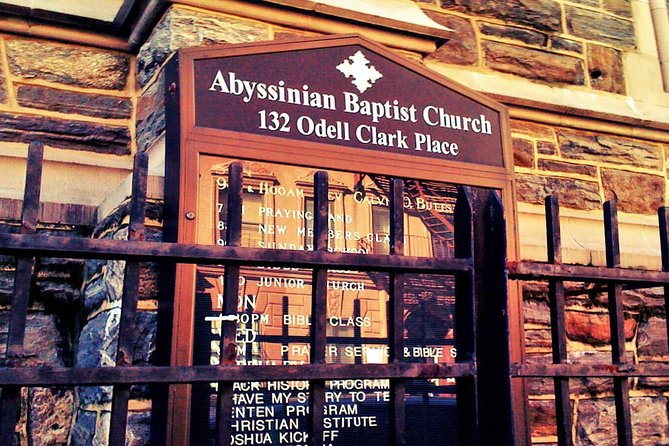
Your tour includes a stop at Sylvia’s Soul Food, listed as one of Harlem’s famous restaurants. The notes say VIP guests such as Nelson Mandela and Barack Obama have dined there. The important part for your planning: food and drinks are not included in the tour price.
The stop itself is short (around 10 minutes), so think of it as a chance to experience a famous Harlem food institution, not a full meal service built into the tour. If you want a real lunch, build time either before or after the tour, and ask your guide how to turn this stop into a meal plan that fits your schedule.
Also, since restaurant access and timing can depend on the day, keep flexibility. If you’re hoping to eat right away, ask at the start what the timing will feel like.
Price and Value: Is $179 a Smart Deal?
At $179 per person for about 3 hours, this is in the “pay for convenience and quality” category. What makes the price feel more reasonable is that it’s private, and the included value goes beyond walking directions:
- A local expert guide who meets you at your hotel lobby
- A route that hits multiple major landmarks in a logical sequence
- Tailored recommendations for what to do after
- Stops that include key photo-friendly points
- Taxes included
You also get the benefit of customization. The tour is described as able to be modified to match your preferences, and timing can be flexible. That matters in New York, where the city doesn’t always cooperate. If your group cares most about architecture, you can lean into Strivers’ Row. If you care most about arts, you can put more weight on the Studio Museum.
What you should budget for beyond the tour price:
- Food and drinks at Sylvia’s
- Any entrance fees if they apply (the tour notes sometimes mark admission as free for specific stops, but the general policy says entrance fees are not included).
For me, the value case is strongest for first-timers to Harlem, couples, and small groups who want to reduce uncertainty and get a guided, meaningful route instead of piecing it together on your own.
Who This Tour Fits Best
This tour is a great match if you want a focused introduction to Harlem that still touches the big ideas: music culture, African-American art, community institutions, and landmark history.
It’s especially good for:
- Couples and small groups who want a private plan
- Visitors who care about both well-known icons (Apollo, Hamilton Grange) and neighborhood institutions (YMCA, Abyssinian Baptist Church)
- People who like structured walking tours but still want room to ask questions
It’s less ideal if you want long museum time, lots of indoor time at every venue, or a slow art-only day. Because the stops are short, you’ll get breadth more than deep immersion.
One more note from past experiences: guide quality seems to vary by person. Names that have shown up include Monia, Adam, John, Chris, and AJ. Most write-ups praise strong knowledge and engaging hosting, but there have been complaints about either depth or inaccurate details in a few cases. Your best move is simple: at the start, tell your guide what you want from the tour—especially if African-American perspectives are your top priority—and ask follow-up questions early, so you can adjust course while there’s still time.
Tips to Get the Most From Your Harlem Morning
- Bring a short list of your must-see priorities (Apollo, Studio Museum, Hamilton Grange). That helps your guide customize in a useful way.
- Wear shoes made for repeated walking. The tour is active, and some stops are mostly exterior.
- If you care about indoor access, ask right when you meet your guide what’s realistic that day for each venue.
- Plan for weather. The tour runs in all conditions, so pack accordingly.
- If your group wants a particular angle (music history vs. architecture vs. art), say so early. This is a private setup, so you’ll get a better result when you guide the guide.
Should You Book This Private Harlem Walk?
Yes, I’d book it if you want a private, efficient Harlem introduction that touches the biggest cultural and historical anchors—Apollo Theater, Strivers’ Row, Studio Museum, Abyssinian Baptist Church, and Hamilton Grange—with real guidance rather than a self-guided scramble.
Hold off (or pick your expectations carefully) if your goal is long indoor time at every venue or if you’re very sensitive to depth in specific perspectives. In that case, go in ready to steer the conversation at the start and confirm which stops will get the most focus for your group.
If you want Harlem with structure, local context, and a plan that actually makes sense in 3 hours, this is a strong fit.
FAQ
How long is the private Harlem tour?
It’s about 3 hours.
Where does the guide meet us?
Your guide meets you at your hotel lobby. You’ll provide the exact name and address of your hotel, and the guide will meet you at a centrally-located hotel, hostel, or vacation rental.
Can I choose the start time?
Yes. There are multiple start times available, and the tour notes say you can start at any time you prefer, with timing discussed at the beginning of the tour.
Is this tour private or shared with other people?
It’s a private tour/activity, so only your group participates.
Are tickets and entrance fees included?
Taxes are included, and the tour lists admission as free for some stops. However, entrance fees are not generally included, so if a venue charges, you should expect that to be your responsibility.
Will we visit the Studio Museum and have lunch at Sylvia’s Soul Food?
The Studio Museum in Harlem is described as optional, and Sylvia’s Soul Food is included as a stop for a bite. Food and drinks are not included.
Can I cancel for a full refund?
Yes. Free cancellation is available up to 24 hours in advance for a full refund.
More Tours in Brooklyn
- Brooklyn Food Walking Tour: Local Eats & Family‑Run Shops★ 5.0 · 592 reviews
- Brooklyn Bridge & DUMBO Food Tour: Local Eats & Landmarks★ 5.0 · 478 reviews
- Brooklyn: Bushwick Street Art Walking Tour★ 4.7 · 462 reviews
- From Manhattan: 2-Hour Brooklyn Bridge Bike Tour★ 4.4 · 230 reviews
- NYC: Brooklyn Bridge and Dumbo District Walking Tour★ 4.7 · 200 reviews
More Tour Reviews in Brooklyn
- Brooklyn Food Walking Tour: Local Eats & Family‑Run Shops★ 5.0 · 592 reviews
- NYC: Brooklyn Graffiti Workshop with Local Artist★ 4.8 · 570 reviews
- Brooklyn Bridge & DUMBO Food Tour: Local Eats & Landmarks★ 5.0 · 478 reviews
- Brooklyn: Bushwick Street Art Walking Tour★ 4.7 · 462 reviews
- All Inclusive Airport Departure Transfer NYC/ Brooklyn/Queens★ 4.0 · 342 reviews
Just in: the newest Brooklyn reviews on our desk




Harlem Tours, compared.
 ★ 4.5NYC Highlights Tour: Bronx, Brooklyn, Harlem, Queens & ConeyFrom $462,846 reviews
 ★ 4.5Contrasts Tour of Harlem, The Bronx, Queens & BrooklynFrom $392,167 reviews
 ★ 4.7Harlem Hallelujah! Gospel Wednesday ConcertFrom $251,638 reviews
 ★ 4.7Harlem Gospel Live Music ConcertFrom $281,479 reviews
 ★ 4.0Harlem Sunday Morning Gospel TourFrom $85995 reviews
 ★ 4.04-hour Harlem Gospel Tour in New York CityFrom $79935 reviews
 ★ 3.9Harlem: Central Harlem Sunday Gospel with LocalsFrom $25499 reviews
 ★ 4.3Sunday Harlem Gospel Guided TourFrom $89438 reviews
Browse the lists this tour appears in