
Reviewed · TOURS
AIANY Climate Change Tour in New York
New York’s shoreline tells a climate story. This 2-hour-45-minute AIANY Climate Change Tour turns skyline moments into a clear, water-level look at how climate change is shaping the city. You’ll leave from Chelsea Piers and spend the ride following big waterfront projects and fixes—by an American Institute of Architects New York Chapter member.
I like the mix of architecture and real-world climate examples: post-Superstorm Sandy flood protection, recycling facilities, and the offshore wind future. I also like that you get one complimentary drink and assigned table seating, so the trip feels organized instead of chaotic. The one drawback to plan for is that this is a heavily-narrated cruise, so if you’re hoping for a mostly social boat ride or a quiet cruise, this may feel like too much talk (and it’s not aimed at kids under 12).
In This Review
- Key things to know before you sail
- Why a climate-change cruise beats a slide deck in NYC
- Getting on at Chelsea Piers and what the 2h 45m really means
- The Lower Manhattan stretch: flood walls, renewables, and the view of Lady Liberty
- East River passes: UN views and the logic of the waterfront
- Inwood and the Hudson: parks, neighborhoods, and the feel of the water edge
- The guide: what an architect-led narration changes
- Comfort on board: table seating, one drink, and what to eat
- Price and value: is $113.23 worth it?
- Who this tour is for (and who should skip it)
- Should you book the AIANY Climate Change Tour?
- FAQ
- How long is the AIANY Climate Change Tour in New York?
- Where does the tour start, and does it end nearby?
- What’s included in the ticket price?
- Can I bring food, and is food available to buy?
- Is full circumnavigation of Manhattan guaranteed?
- Is this tour suitable for children?
Key things to know before you sail
- Architect-led narration from a member of the American Institute of Architects New York Chapter
- Manhattan circumnavigation by water with passes by Statue of Liberty, Ellis Island (from the water), the UN, and multiple parks
- Climate-focused shoreline stops like post–Superstorm Sandy resiliency measures and renewable energy sites
- Table seating + one drink included, with options for private section seating or communal seating
- Good-weather dependent, and full circumnavigation is not guaranteed if a key opening bridge can’t operate
Not sold yet? Here is how this one lines up against other New York City picks:
- NYC: SUMMIT One Vanderbilt Tickets
★ 4.7 · 51,195 reviews - NYC: Empire State Building Tickets – Observatory & Museum
★ 4.7 · 25,757 reviews - New York City: Statue of Liberty & Ellis Island with Ferry
★ 4.6 · 18,683 reviews - New York City: American Museum of Natural History Ticket
★ 4.5 · 15,447 reviews
Why a climate-change cruise beats a slide deck in NYC
A lot of climate change talk stays abstract. On this cruise, the topic lands where it matters: along New York’s edge with visible infrastructure, visible risks, and visible planning choices.
You’ll connect cause and effect fast. Rising seas and stronger storms aren’t just theory here—they show up in flood walls, protection measures, and the way the city plans energy and waste. Even if you’re not an architecture person, seeing how the shoreline is managed makes the whole issue feel practical, not political.
The tour also has a point of view. You’re not just getting landmark photos; you’re getting an explanation tied to design, engineering, and urban planning. That’s the strength of having an architect’s narration: the “why” behind what you see is part of the experience, not a side note.
Getting on at Chelsea Piers and what the 2h 45m really means
The meeting point is Classic Harbor Line, Pier 62 at Chelsea Piers. That location is convenient for getting there by public transit, and the tour ends back at the same pier, so you don’t have to mentally map a new route when you’re tired.
Time matters on a boat cruise. At about 2 hours and 45 minutes, you’re getting a meaningful loop of Manhattan without eating the entire day. If your goal is to see water views, bridges, and major waterfronts in one go, this is a solid block of time.
Seating is part of the comfort equation. You’ll have elegant tables assigned, and you can choose private section seating or communal section seating at checkout. That choice matters if you’re traveling in a small group or you want a less social vibe.
One complimentary beverage is included. Food isn’t included, but snacks are available for purchase, and if you bring something, keep it light. Also note the format: conversation has to stay at a reasonable level so the narration carries for everyone.
The Lower Manhattan stretch: flood walls, renewables, and the view of Lady Liberty
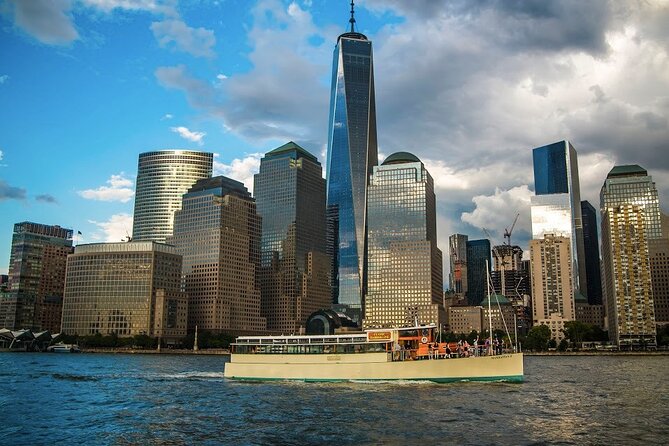
This cruise starts with a theme: NYC’s climate response, built into the waterfront. Early on, you’ll cruise past green buildings, sustainable parks, and renewable energy sites. Then the narration shifts toward practical risk management with post–Superstorm Sandy flood walls and resiliency measures.
That part is more than sightseeing. Flood protection is a kind of architecture you can actually see, and the cruise format helps you understand scale—how long the protections run, where they sit, and how they relate to adjacent neighborhoods and land use.
You’ll also hear about recycling plants and the future home of an offshore wind turbine assembly pier. The offshore wind mention is a big deal because it ties the climate conversation to what’s being built next, not just what happened in the past.
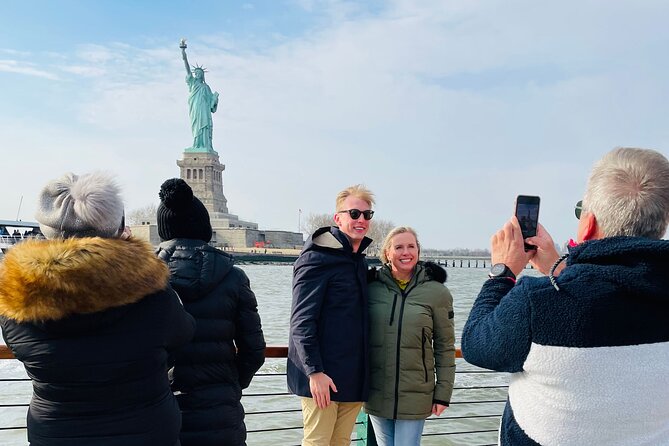
As you continue, the route brings you by Statue of Liberty in New York Harbor. This is one of those classic NYC images, but from the water it feels different than from most land viewpoints—more distance to take everything in, and more context around the harbor.
Ellis Island appears next, also from the water. You won’t be walking around, but you’ll see the island framed in the harbor, which makes it easier to connect the shoreline to the city’s history and growth patterns.



East River passes: UN views and the logic of the waterfront
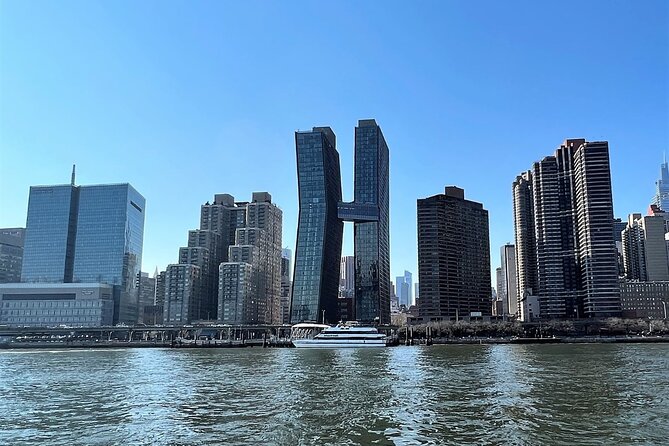
The cruise continues around the island, and the narration follows the East River with stops that connect architecture to planning. You’ll cruise by the United Nations building along the East River, then continue with insights as you move past East River Park.
East River Park matters because it’s a visible example of how public space can be part of resilience planning. When a guide ties what you see—walkways, edges, and design choices—to climate impacts, it stops feeling like generic urban decoration and starts feeling like functional city design.
You’ll also pass Roosevelt Island. If you’ve only seen it from far away, a water-level viewpoint makes it feel like a compact “hinge” between districts, with water shaping the experience around it. This is one of those segments where the pace is slower than you expect because the boat has time to settle into the East River’s straightaways.
If you’re the type who likes to connect dots—how industry, housing, and public space share the same shoreline—this East River run gives you a lot of material. Just remember the cruise stays heavily narrated, so you’ll want to be ready to listen.
Inwood and the Hudson: parks, neighborhoods, and the feel of the water edge
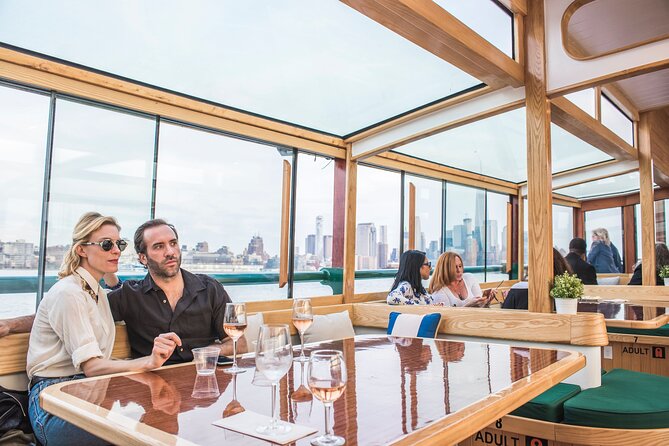
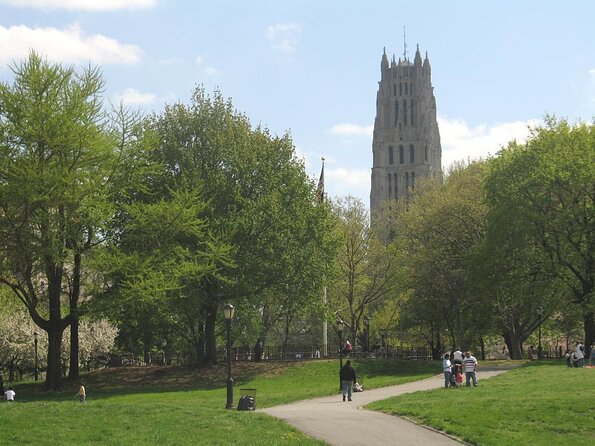
As the route shifts, you cruise along the neighborhood of Inwood, then head toward the Hudson River, passing Riverside Park. This part gives you a different kind of NYC view: less about single icons and more about how the city’s waterfront changes character along the island.
Riverside Park is a helpful anchor for the story the guide is telling. Even from a boat, you can see how park edges relate to buildings, how shorelines hold space, and how the city’s relationship to water varies by neighborhood.
One practical detail: a circumnavigation depends on how the harbor route works on the day. Full circumnavigation of Manhattan is not guaranteed. On rare occasions, the Spuyten Duyvil train bridge can be inoperable and won’t open for the boat. River closures can also happen for other reasons.
If that happens, the operator says there will be no refunds for tours that cannot fully circumnavigate. The plan is to accommodate you with a route that includes double backing and a closer look at waterfront sites. In other words: the day might reroute, but the goal remains to keep the experience content-rich.
The guide: what an architect-led narration changes
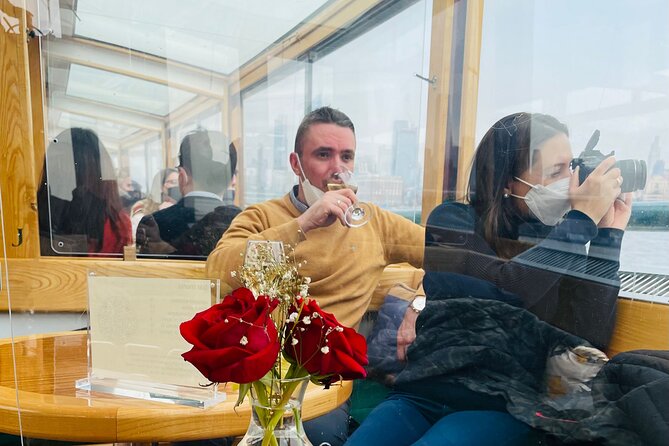
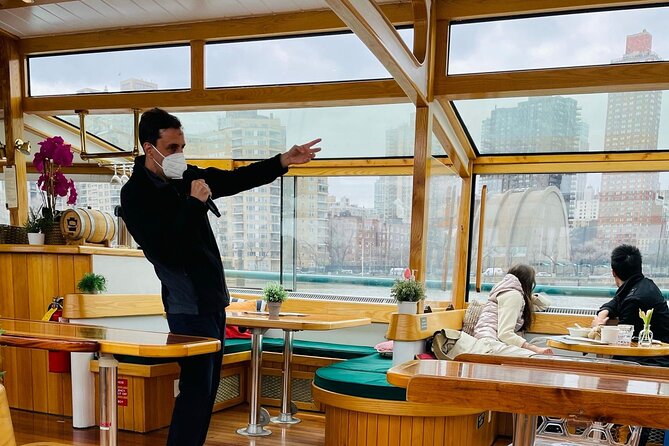
This isn’t just a “points at buildings” style tour. The narration comes from a member of the American Institute of Architects New York Chapter, and the cruise is described as heavily narrated—meaning the guide keeps a steady thread for nearly the whole experience.
In practice, that matters because you’ll hear the city described like a designed system, not a bunch of separate sights. You’re more likely to understand why something is where it is, what constraints shaped it, and how resiliency changes design choices. That’s a different skill set than a basic sightseeing commentary.
The cruise also supports interaction, but with limits. You can ask questions, but the tour requires conversations stay at a reasonable level so the narration remains audible for everyone. If you’re a confident question-asker, this format can be a strong match. If you’re someone who hates being on a fixed schedule, it may feel less flexible than a quieter cruise.
Comfort on board: table seating, one drink, and what to eat
On a boat, comfort is not just cushy seats—it’s whether you can settle and enjoy the ride without juggling. This cruise includes assigned elegant tables, and your checkout choice is private section seating or communal section seating. That’s helpful if you’re traveling in pairs or small groups and want to keep things easy.
The included drink is a nice touch. If you want more, you can buy snacks and drinks on board, since food selections are available for purchase. If you bring food, the guidance is to keep it light—think snack-level, not a full meal.
One more comfort angle: this is capped at a maximum of 80 travelers. That’s not “private yacht” small, but it usually keeps the boat from turning into a moving hallway.
As for warmth and weather, the cruise requires good weather. That’s not a minor detail in New York harbor. If the forecast looks messy, consider it a real factor in whether your day stays smooth.
Price and value: is $113.23 worth it?
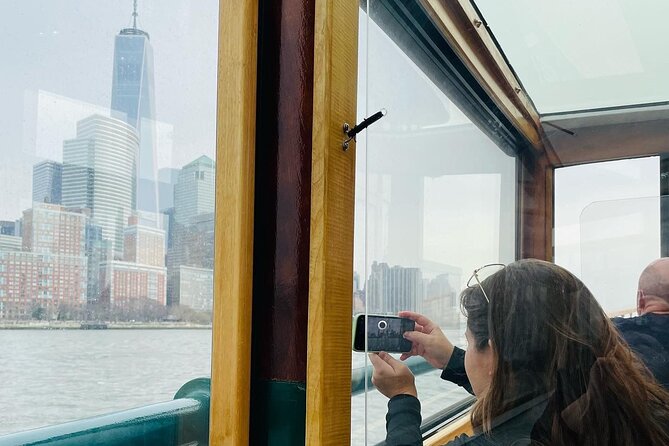
At $113.23 per person, you’re paying for three things: a quality narration experience, a meaningful loop of Manhattan by water, and specific climate-and-design content that you won’t get from a generic harbor cruise.
The value improves if your goal is learning. The tour isn’t just about checking off Statue of Liberty or snapping harbor pics. It’s about understanding how resilience and new energy infrastructure are built into the waterfront, with an architect’s framing.
The included one complimentary beverage helps take the edge off onboard costs, and the assigned table seating keeps the experience structured. Since snacks and drinks are available for purchase, you have options if you want something beyond the included drink.
Is it worth it if you want a pure, silent scenic cruise? Probably not. This one has content running in the background, and it asks you to listen. If you want a more casual vibe, you might prefer a less narrated option. But for the right traveler, the pricing feels fair for a climate-focused architecture tour with a big waterfront sweep.
Who this tour is for (and who should skip it)
This experience is aimed at people who want an informative cruise. If you care about city design, resiliency planning, and renewable energy, you’ll likely enjoy how the guide ties visible waterfront features to climate impacts.
It’s also well suited for:
- architecture fans who like explanations tied to what they see
- adults and older teens who can sit through a narrated format
- people who want major NYC waterfront viewpoints in one outing
It’s not designed for younger kids. The operator says it’s not for children under 12 because the cruise is heavily narrated. Families looking for something lighter may prefer a less narrated day option.
Should you book the AIANY Climate Change Tour?
If your ideal NYC day includes water views plus a structured learning experience, I’d book it. The combination of architect-led narration, big waterfront coverage, and real examples like Sandy-era flood protection and offshore wind work gives you more than the usual photo tour.
I’d think twice if you hate guided commentary. This is a content-rich cruise, and the narration requires you to keep conversations down so everyone can hear. Also, because full circumnavigation isn’t guaranteed and the route depends on day-of bridge operations, expect some variability.
If you want climate change explained in a way you can actually see—along the shoreline—this is one of the more purposeful ways to spend an afternoon on the water.
FAQ
How long is the AIANY Climate Change Tour in New York?
The cruise runs about 2 hours and 45 minutes.
Where does the tour start, and does it end nearby?
It starts at Classic Harbor Line, Chelsea Piers Pier 62 (New York, NY 10011) and ends back at the same meeting point.
What’s included in the ticket price?
You get narration by a member of the American Institute of Architects New York Chapter, assigned table seating (private section or communal section), and one complimentary beverage.
Can I bring food, and is food available to buy?
Food is not included, but snacks are available for purchase on board. If you bring food, the guidance is to keep it light.
Is full circumnavigation of Manhattan guaranteed?
No. Full circumnavigation is not included or guaranteed, and on rare occasions the Spuyten Duyvil train bridge may be inoperable. River closures can also affect the route, and the operator notes there are no refunds if the tour cannot fully circumnavigate.
Is this tour suitable for children?
No. It’s not for children under 12 due to the cruise being heavily narrated. The operator recommends families choose other less-narrated options instead.
More Tours in New York City
- Statue of Liberty and Ellis Island Tour: All Options★ 5.0 · 13,571 reviews
- New York in One Day Guided Sightseeing Tour★ 5.0 · 13,166 reviews
- Central Park Pedicab Guided Tours★ 5.0 · 7,108 reviews
- New York City: Manhattan Helicopter Tour★ 4.7 · 7,076 reviews
- Private Central Park Pedicab Tour★ 5.0 · 6,981 reviews
More Tour Reviews in New York City
- NYC: SUMMIT One Vanderbilt Tickets★ 4.7 · 51,195 reviews
- NYC: Empire State Building Tickets – Observatory & Museum★ 4.7 · 25,757 reviews
- New York City: Statue of Liberty & Ellis Island with Ferry★ 4.6 · 18,683 reviews
- New York City: American Museum of Natural History Ticket★ 4.5 · 15,447 reviews
- Statue of Liberty and Ellis Island Tour: All Options★ 5.0 · 13,571 reviews
Just in: the newest New York City reviews on our desk





Tours, compared.
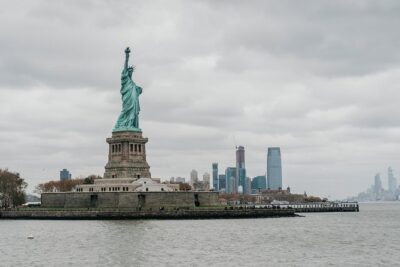 ★ 5.0Statue of Liberty and Ellis Island Tour: All OptionsFrom $6913,571 reviews
 ★ 5.0New York in One Day Guided Sightseeing TourFrom $9913,166 reviews
 ★ 5.0Central Park Pedicab Guided ToursFrom $387,108 reviews
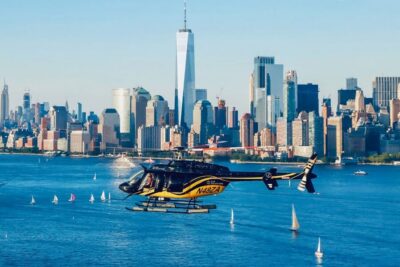 ★ 4.7Manhattan Helicopter TourFrom $2997,076 reviews
 ★ 5.0Private Central Park Pedicab TourFrom $386,981 reviews
 ★ 5.09/11 Memorial, Ground Zero Tour with Optional 9/11 Museum TicketFrom $396,381 reviews
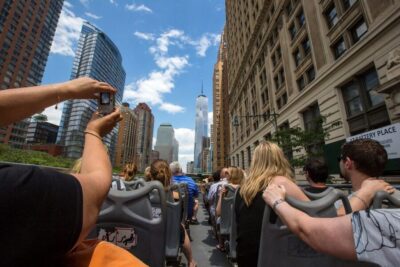 ★ 4.2Hop-on Hop-off Sightseeing Tour by Open-top BusFrom $445,863 reviews
 ★ 4.8Manhattan Sightseeing Helicopter TourFrom $2995,826 reviews