
Reviewed · NYC MUSEUM TOURS
New York City: American Museum of Natural History Ticket
One of the best museum days in New York starts with a single ticket. The American Museum of Natural History gives you all-day access to over 40 halls, plus the modern Richard Gilder Center—so you’re not stuck sprinting through one highlight.
I especially love two things: the sheer scale of the collections (yes, it really feels like a whole city of exhibits), and the way the museum connects science to big stories you can grasp fast—from dinosaurs to space. One thing to consider: if you only book general entry, you’ll still need separate tickets for the biggest special experiences (think planetarium and 360° shows), so check your option before you arrive.
In plain terms, this is a great fit if you want a full day of learning that works for kids and adults, especially on a cold or rainy day. And the museum is famous for a reason: it also has that movie-magic vibe thanks to its on-screen fame.
In This Review
- Key things to know before you go
- Price and value: what $37 actually buys
- Getting oriented fast: museum layout, timing, and your best flow
- Entering the museum experience: what “40+ halls” feels like
- The Rose Center for Earth and Space: where the day turns toward the universe
- The Richard Gilder Center: modern science for hands-on curiosity
- Optional ticketed exhibitions: choosing the right add-ons
- Impact: The End of the Age of Dinosaurs
- Invisible Worlds (360-degree immersive theater)
- Encounters in the Milky Way (new space show narrated by Pedro Pascal)
- Life at the Limits: Nature’s Superheroes
- Giant-Screen Film (LeFrak Theater)
- Davis Family Butterfly Vivarium
- The butterfly vivarium and giant-screen films: when sitting is a feature
- Using the Explorer app and Wi‑Fi: save your legs
- Crowds, lines, and why planning beats hope
- What to bring (and what not to): the comfort checklist
- Who this works best for
- Should you book this Natural History Museum ticket?
- FAQ
- What is included with this American Museum of Natural History ticket?
- How long is the experience?
- Is general admission enough, or do I need separate tickets for special exhibitions?
- Where is the museum located?
- Are the main attractions wheelchair accessible?
- Does the ticket include access to the Tyrannosaurus Rex skeleton area?
- Is Wi‑Fi available inside the museum?
- Can I store bags at the museum?
Key things to know before you go
- Over 40 halls with all-day entry so you can go slow when something grabs you
- Rose Center for Earth and Space and the space-and-planet story you can build on
- Gilder Center with new, hands-on science-focused exhibits for all ages
- Tyrannosaurus Rex skeleton + Night at the Museum Easter Island connection for instant wow-factor
- Free Explorer app and onsite Wi‑Fi to help you navigate and learn at your pace
- Optional ticketed exhibitions if you want the planetarium/360° and big-screen formats
More halls and galleries worth the hours
- NYC: Empire State Building Tickets – Observatory & Museum
★ 4.7 · 25,757 reviews - New York City: American Museum of Natural History Ticket
★ 4.5 · 15,447 reviews - NYC: Museum of Modern Art (MoMA) Entry Ticket
★ 4.6 · 12,540 reviews - 9/11 Memorial, Ground Zero Tour with Optional 9/11 Museum Ticket
★ 5.0 · 6,381 reviews
Price and value: what $37 actually buys
At about $37 per person for a 1-day ticket, you’re paying for entry to the museum’s core world. That includes access to more than 40 permanent exhibition halls, the Rose Center, and the Richard Gilder Center—the main reason this visit works so well. You can spend hours without feeling like you’re waiting for the next add-on.
Where value shifts is the ticketed side. The museum has a set of special exhibitions that are only included with the right option, such as General Admission + One or General Admission + All. If you only pick general admission, you’ll still have plenty to do, but you won’t get the planetarium-style or the dedicated 360° immersive theater experiences. If those are on your must-do list (or you’re visiting with kids who will ask for the “big show”), it can be worth upgrading.
Think of it like this: general entry is the museum marathon. The ticketed exhibitions are the finish-line events.
Getting oriented fast: museum layout, timing, and your best flow
The American Museum of Natural History is huge. Even with a plan, you’ll likely miss things if you treat it like a quick stop. A smart approach is to plan on at least 4 to 5 hours if you want a real hit list, and longer if you want to stop at every hall that makes you pause.
One practical tip that saves time: start higher up and work down. If you’re trying to see a lot without backtracking, beginning around the 4th floor and moving downward is a smoother rhythm.
Maps can be a little confusing at first, especially when you’re moving fast. The good news is you can use the museum’s Explorer app on your phone for turn-by-turn navigation and exhibit stories. Since it’s also available in multiple languages, it’s easier for families to stay aligned.
Entering the museum experience: what “40+ halls” feels like
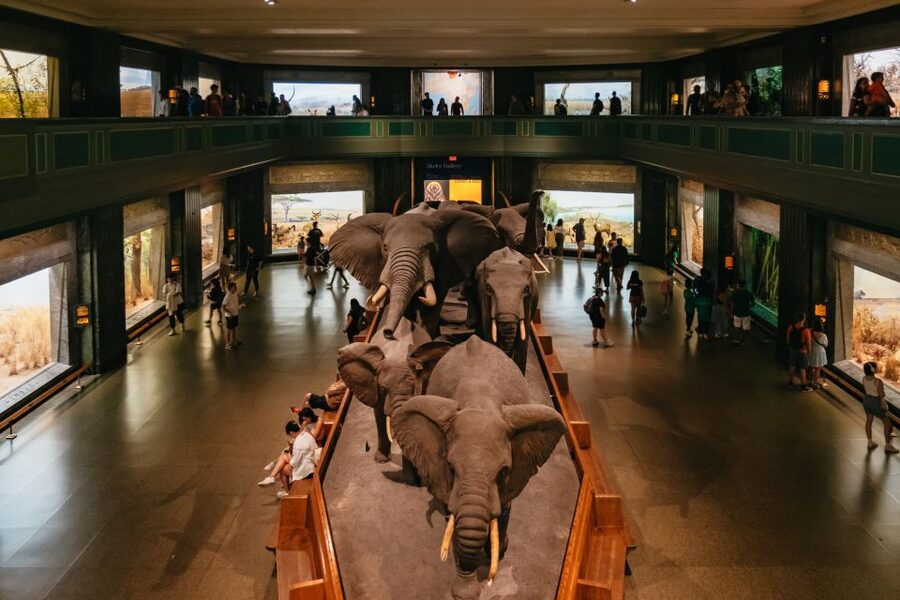
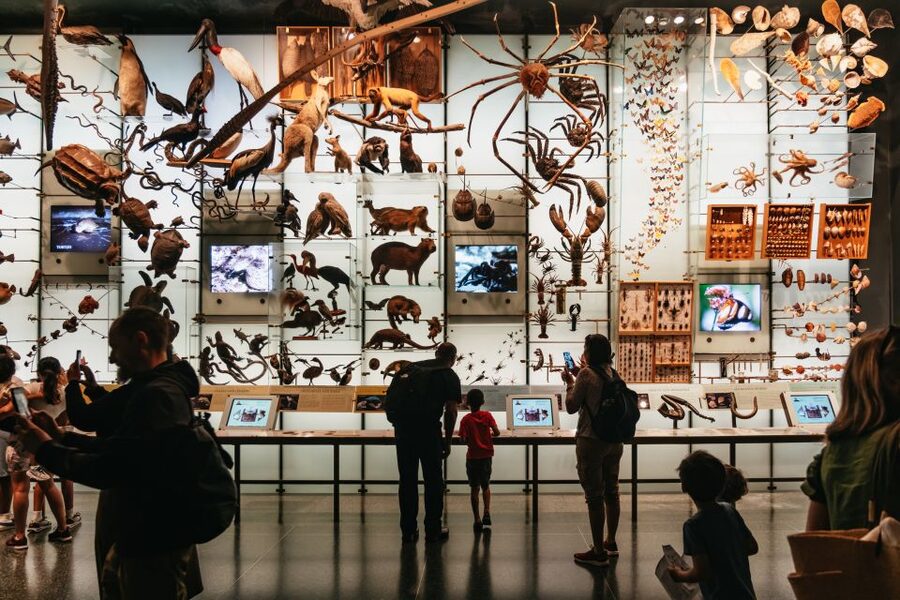
Once you’re inside, you’re stepping into a museum that’s built for wandering. The ticket gives you access to permanent exhibitions across a wide range of topics, including dinosaurs, diamonds, and a lot more that connects earth science to biology and human culture.
This is where the ticket works for both kids and adults. Adults tend to want context and big themes; kids tend to latch onto creatures and action. The permanent halls are structured so you can satisfy both, and you can pivot anytime you hit a display that catches your eye.
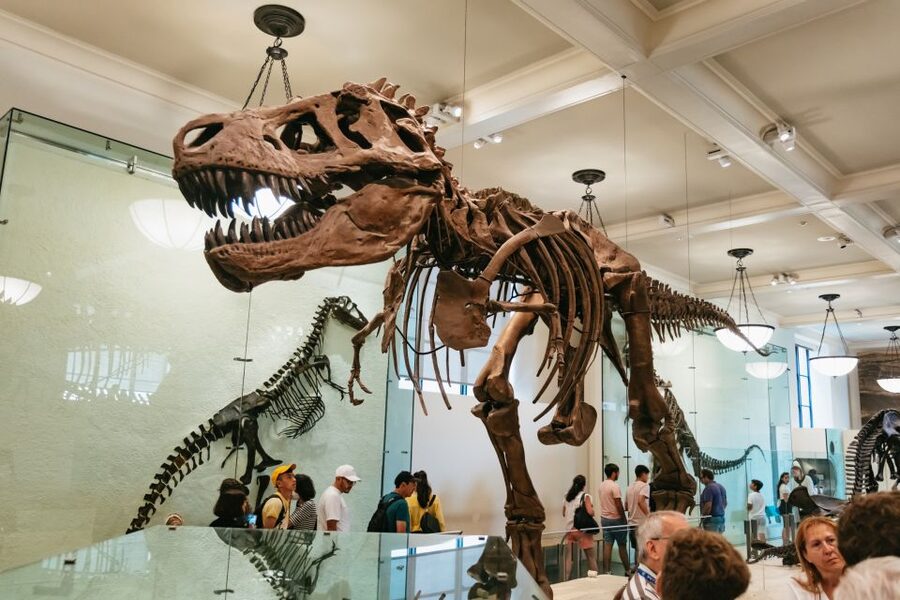
You’ll also notice the museum’s reputation for atmosphere. The iconic Tyrannosaurus Rex skeleton is a guaranteed “stop and stare” moment. And if you’re familiar with Night at the Museum, you’ll likely recognize the Easter Island head that helped inspire the film’s look.
Worth a look right next to this New York City pick:


The Rose Center for Earth and Space: where the day turns toward the universe

If dinosaurs are the museum’s headline, the Rose Center for Earth and Space is a big reason to stay for the full day. This is where the museum reframes science from “stuff on shelves” into a story about the sky, our planet, and our place in the cosmos.
In this visit, you get access to the Rose Center as part of the standard museum entry. That means you can plan it as a steady block, not an optional add-on—ideal if you’re traveling with kids or you just don’t want to gamble on additional tickets.
A good strategy: use the Rose Center to slow down and reset. After you’ve powered through dinosaur halls, space exhibits feel like a clean breath. Even if you’re not a “science show” person, the scale and visuals tend to land well.
The Richard Gilder Center: modern science for hands-on curiosity
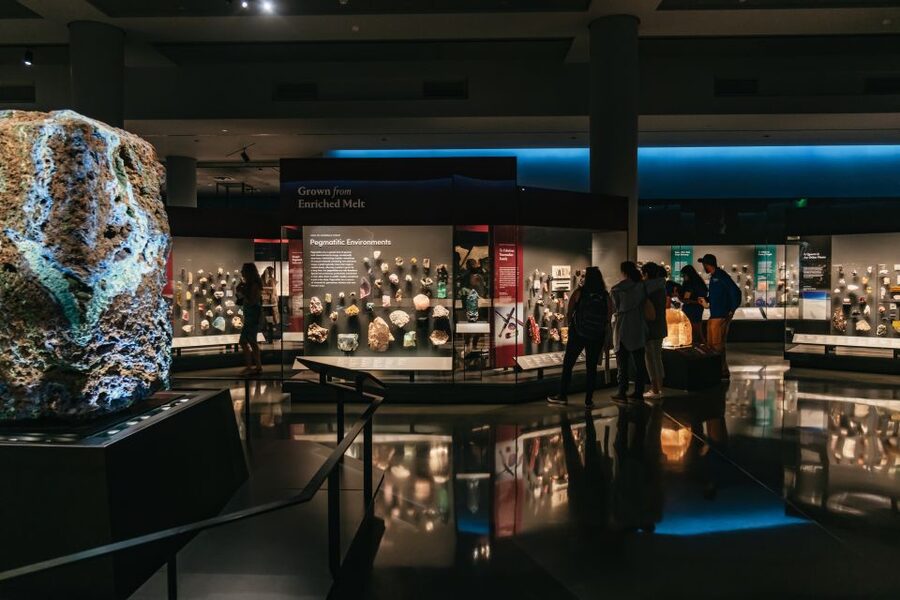
The Richard Gilder Center for Science, Education, and Innovation is new enough that it feels like a shift in how the museum teaches. Instead of only showing specimens, it leans into learning through experience.
This ticket includes Gilder Center access, so you can treat it as a core stop. Inside, you can look for highlights like:
- Planetarium experiences (some content may be tied to separate ticketed offerings, so check what’s included with your option)
- Hall of Biodiversity, where you can connect evolution to real living systems
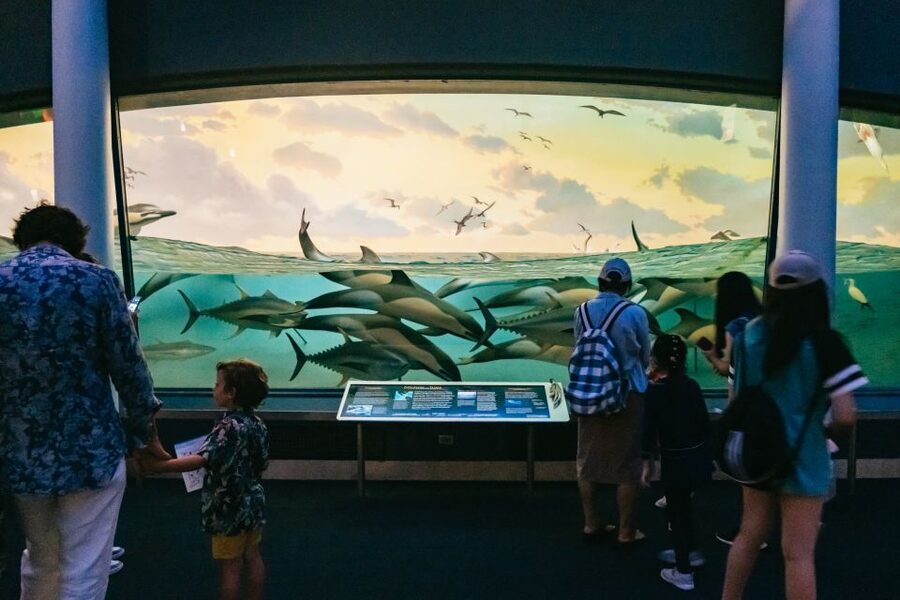
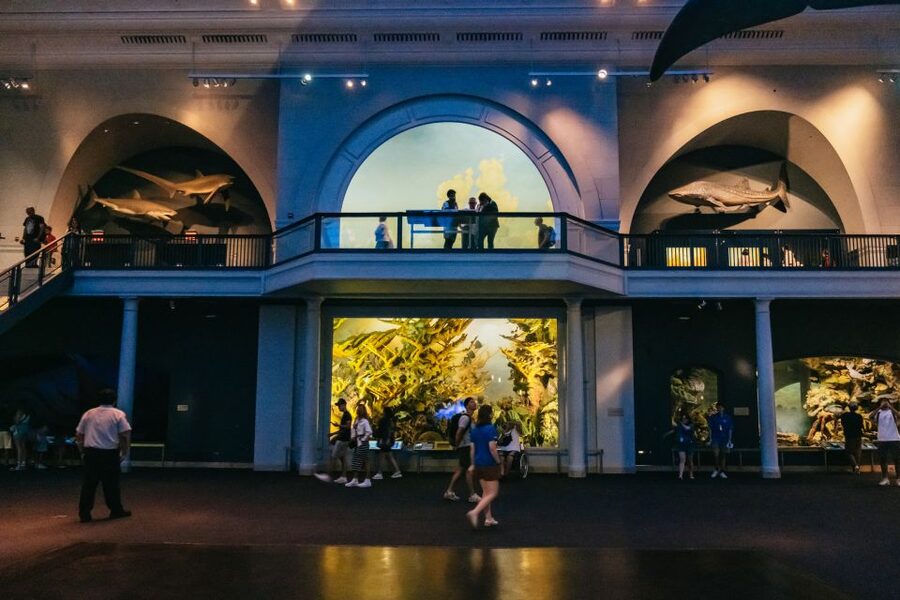
- Milstein Hall of Ocean Life, with some of the museum’s largest and most impressive creatures
What I like about Gilder is that it helps you explain the museum to kids without sounding like a lecture. It’s easier to say, “Let’s try this” than “Come read this.”
Optional ticketed exhibitions: choosing the right add-ons
This is where you can tailor the day to your interests. The museum lists several special experiences that are available depending on whether you choose General Admission + One or General Admission + All.
Here are the big options included with the right ticket type:
Impact: The End of the Age of Dinosaurs
This one is built around the science-changing moment: the asteroid collision scenario and what happened afterward. If you loved the dinosaurs, this connects the “wow” to a turning point that reshaped life.
Invisible Worlds (360-degree immersive theater)
This is a nature-and-life “hidden realm” experience, moving from ocean depths to DNA strands. It’s a strong choice if you want something that feels cinematic without losing scientific grounding.
Encounters in the Milky Way (new space show narrated by Pedro Pascal)
If you want a space show with a big-name narrator, this is the one. It frames cosmic movement in a way that can feel like a time-travel story.
Life at the Limits: Nature’s Superheroes
This focuses on how organisms survive under extreme conditions. It’s great for kids who love the idea of superpowers, and it gives adults a satisfying science angle.
Giant-Screen Film (LeFrak Theater)
The theater has a big-screen setup with nature-focused films, plus wheelchair accessibility and options for captioning devices and audio description devices. If you want one “sit down and let it happen” block, this is a safe pick.
Davis Family Butterfly Vivarium
One of the most family-friendly concepts on the list: up to 1,000 free-flying butterflies year-round. If your group includes young kids, this can be the emotional highlight of the day.
My practical advice: choose your add-ons based on energy level. If you’re visiting with little kids or you’re jet-lagged, one or two ticketed experiences can feel perfect. If your group is museum-obsessed, the “All” option can be worth it because you’re already planning a long day.
The butterfly vivarium and giant-screen films: when sitting is a feature
Not every moment needs to be standing and walking. The Davis Family Butterfly Vivarium gives you a calm, interactive-feeling break. The museum describes it as an area where you can mingle with free-flying butterflies, and with luck, you might even get a landing. Even when that doesn’t happen, it’s still a visually unforgettable stop.
The LeFrak Theater is your big-screen reset button. With its very large screen and modern sound system, it works well as a later-day pick, when feet start to feel heavier. It also adds variety for groups that are split between “I want animals” and “I want stories.”
Using the Explorer app and Wi‑Fi: save your legs

This ticket includes onsite Wi‑Fi and access to the museum’s Explorer app. The app supports turn-by-turn navigation, offers behind-the-scenes stories, and includes quizzes.
When I travel with kids, this is a quiet lifesaver. You can avoid the endless “Where are we?” spiral and instead keep moving while still learning. It also lets you pace the day: take a fast route to your must-sees, then slow down where you want.
If you want to reduce entry friction, keep your confirmation details ready. Having the barcode ready makes entry quick and smooth.
Crowds, lines, and why planning beats hope

The museum is popular year-round, and it can get extra crowded during busy weeks. If you’re visiting around holidays or peak travel times, expect tighter spacing and slower movement between halls.
For me, the best counterplan is simple: don’t try to see everything. Pick your top 6–10 stops, use the app to keep your route efficient, and leave room for detours. The museum’s best moments often come from unexpected stops.
If you’re sensitive to crowding, schedule your day so you hit your ticketed shows when you’re least likely to be exhausted. Big shows need your brain on, and tired visitors miss details fast.
What to bring (and what not to): the comfort checklist
The museum has rules around bags. Oversize luggage and large bags aren’t allowed, so pack light if you can.
Also plan for storage. Lockers are available on-site for an additional charge, which is useful if you arrive with shopping bags or a stroller you want to park for a bit. If you’re traveling with young kids, think about where you’ll be when you store things and plan a simple handoff system.
Food options aren’t described in detail here, but you’ll likely want breaks built into your day. Museums like this reward pacing.
Who this works best for
This is a strong match if you’re:
- Visiting with kids who like animals, space, or dinosaurs
- Wanting a full-day, weather-friendly NYC plan
- Interested in both earth science and culture-related exhibits
- Planning a museum-heavy trip and want value from one ticket
It’s also a solid choice for couples who just want one iconic “big” day. Even if you don’t care about every hall, the core highlights are so strong that the day still feels complete.
Should you book this Natural History Museum ticket?
Yes, I think you should book it—especially if you want a full-day plan with built-in flexibility. The value is in permanent exhibitions + the Rose Center + the Gilder Center, giving you plenty even if you skip some ticketed experiences.
Book the option with ticketed exhibitions if your group includes people who will absolutely want the big-screen or 360° theater moments (like Invisible Worlds or the Milky Way show), or if you’re bringing kids who get excited about “the show part.” If your group is more walk-and-explore focused, general admission can be enough to fill the day.
If you hate crowds, visit smarter rather than shorter: start early, move with a plan, and use the Explorer app to keep your momentum.
FAQ
What is included with this American Museum of Natural History ticket?
Your ticket includes entry to the museum’s permanent exhibits (over 40 halls), access to the Rose Center for Earth and Space, and access to the Richard Gilder Center. It also includes Wi‑Fi onsite and timed entry to ticketed exhibitions depending on the option you select.
How long is the experience?
This is a 1-day ticket. You can use it for an all-day visit based on available starting times.
Is general admission enough, or do I need separate tickets for special exhibitions?
General admission by itself does not include ticketed special exhibitions such as Invisible Worlds, the Davis Family Butterfly Vivarium, the giant-screen film, or the Hayden Planetarium Space Show. To visit those, you need the corresponding ticket option during booking.
Where is the museum located?
The museum is in New York City, just across from Central Park.
Are the main attractions wheelchair accessible?
The ticketing information notes wheelchair accessibility, and the giant-screen theater (LeFrak Theater) is wheelchair accessible as well. You should plan ahead for any specific show based on your ticket option.
Does the ticket include access to the Tyrannosaurus Rex skeleton area?
The ticket provides access to the museum’s permanent exhibitions, which is where you’ll find the iconic Tyrannosaurus Rex skeleton.
Is Wi‑Fi available inside the museum?
Yes. Wi‑Fi is included onsite.
Can I store bags at the museum?
Lockers are available on-site for an additional charge. Oversize luggage and large bags are not allowed.
More Tickets in New York City
- NYC: SUMMIT One Vanderbilt Tickets★ 4.7 · 51,195 reviews
- NYC: Empire State Building Tickets – Observatory & Museum★ 4.7 · 25,757 reviews
- NYC: Museum of Modern Art (MoMA) Entry Ticket★ 4.6 · 12,540 reviews
- NYC: One World Observatory Skip-the-Line Ticket★ 4.7 · 12,329 reviews
- NYC Empire State Building Observation Deck Ticket★ 4.5 · 6,916 reviews
More Tour Reviews in New York City
- NYC: SUMMIT One Vanderbilt Tickets★ 4.7 · 51,195 reviews
- NYC: Empire State Building Tickets – Observatory & Museum★ 4.7 · 25,757 reviews
- New York City: Statue of Liberty & Ellis Island with Ferry★ 4.6 · 18,683 reviews
- Statue of Liberty and Ellis Island Tour: All Options★ 5.0 · 13,571 reviews
- New York in One Day Guided Sightseeing Tour★ 5.0 · 13,166 reviews
Indoors Done Right: More Museums
- NYC: Empire State Building Tickets – Observatory & Museum★ 4.7 · 25,757 reviews
- NYC: Museum of Modern Art (MoMA) Entry Ticket★ 4.6 · 12,540 reviews
- 9/11 Memorial, Ground Zero Tour with Optional 9/11 Museum Ticket★ 5.0 · 6,381 reviews
- 9/11 Memorial Museum Admission Ticket★ 4.5 · 6,376 reviews
- All-Access 9/11: Ground Zero Tour, Memorial and Museum, One World Observatory★ 5.0 · 4,886 reviews
Just in: the newest New York City reviews on our desk





NYC Museum Tours, compared.
 ★ 4.7Empire State Building Tickets – Observatory & MuseumFrom $4725,757 reviews
 ★ 4.6Museum of Modern Art (MoMA) Entry TicketFrom $3012,540 reviews
 ★ 5.09/11 Memorial, Ground Zero Tour with Optional 9/11 Museum TicketFrom $396,381 reviews
 ★ 4.59/11 Memorial Museum Admission TicketFrom $366,376 reviews
 ★ 5.0All-Access 9/11: Ground Zero Tour, Memorial and Museum, One World ObservatoryFrom $1094,886 reviews
 ★ 4.7Intrepid Museum Entry TicketFrom $384,687 reviews
 ★ 4.7Madame Tussauds Entry TicketsFrom $423,625 reviews
 ★ 4.3Museum of Ice Cream Entry TicketFrom $402,619 reviews
Browse the lists this tour appears in