
Reviewed · TIMES SQUARE TOURS
Broadway Backstage: From Times Square to Studio
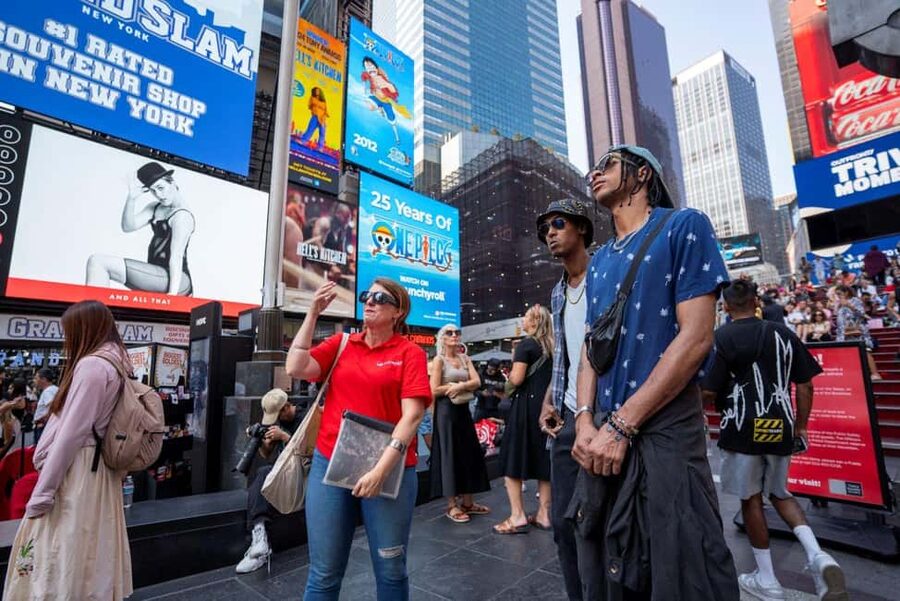
Broadway magic starts before the curtain. I love how this tour turns Times Square and the Theater District into a story you can actually follow, and I love the hands-on stop at a working rehearsal studio where the work behind the show is real. It’s the kind of tour that makes you notice things you usually rush past.
One thing to plan for: you’ll do a lot of sidewalk walking, and the rehearsal studio stop involves climbing three flights of stairs, so it’s not a fit if mobility is an issue. It runs in all weather, so comfortable shoes and layers matter.
If your idea of a great afternoon is combining iconic scenery with behind-the-scenes context, this is strong value at $49 per person for a guided, small-group outing that lasts about two hours.
In This Review
- Key things to know before you go
- From Winter Garden Marquees to Working Rehearsals: What This Tour Feels Like
- Meeting at the Winter Garden Theatre: Easy to Find, No Ticket Hassles
- Times Square and Duffy Square: Seeing the District With a Theatrical Lens
- Broadway’s Historic Theatres: Richard Rodgers, Majestic, Shubert (Plus New Amsterdam Area)
- How Broadway Went From Vaudeville to Today’s Stage Stars
- Hell’s Kitchen Rehearsal Studio: The Best Reason to Take This Tour
- The Value Math: Why $49 Can Actually Feel Like a Bargain
- What to Bring, What to Wear, and How to Survive New York Weather
- Who Should Book This Broadway Backstage Tour (and Who Should Skip It)
- Should You Book Broadway Backstage: From Times Square to Studio?
- FAQ
- Where does the tour start?
- Do I need to enter any theatre buildings?
- How long is the tour?
- How much does it cost?
- What’s included in the tour?
- Is there food or drink included?
- Is the rehearsal studio visit wheelchair accessible?
- What should I wear or bring?
- Is the tour child-friendly?
Key things to know before you go
- Small group up to 12: you get time to ask questions instead of getting swept along.
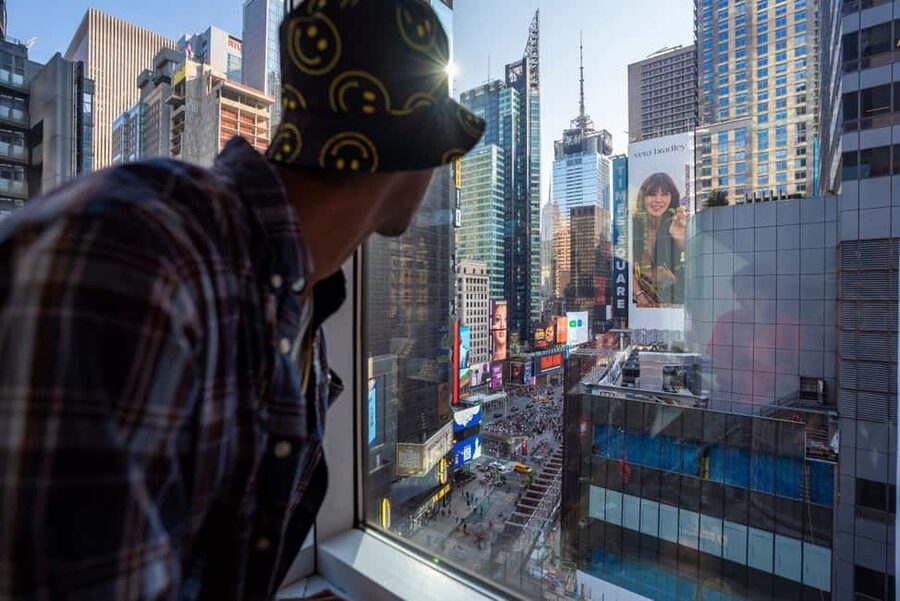
- Times Square to Hell’s Kitchen: you go from billboard energy to rehearsal-room reality.
- You’ll pass major Broadway houses like the Richard Rodgers, Majestic, and Shubert, plus the New Amsterdam area.
- Broadway’s full arc gets mapped: vaudeville roots, Golden Age rise, 1970s slump, and the modern comeback.
- A real rehearsal studio visit: you may hear a class or rehearsal in session.
- Guide matters: names like Mickey, A.J., Jessie, and Hannah show up in past tours for a reason—great pacing and sharp show-industry storytelling.
Around the neon: more Times Square picks
- NYC in a Day Tour: Lady Liberty, Times Square, Freedom Tower
★ 5.0 · 1,735 reviews - Broadway and Times Square Insider Tour with Theater Professional
★ 5.0 · 651 reviews - NYC: See Yourself on a Times Square Billboard for 24 Hours
★ 4.5 · 635 reviews - Meal at Hard Rock Cafe New York Times Square
★ 4.1 · 481 reviews
From Winter Garden Marquees to Working Rehearsals: What This Tour Feels Like
This tour is built on a simple idea: Broadway isn’t just the stage you see—it’s the district that shaped it, and the people who keep it running. You start at the Winter Garden Theatre (right outside, under the marquee), then spend the next couple hours walking through Times Square and the Broadway corridor. The second half shifts gears into Hell’s Kitchen, where you get an inside look at the rehearsal world—the part that rarely makes it into postcards.
What makes it work is the balance. Yes, you get to see big names and classic facades. But the tour also connects those buildings to the show-business machinery: vaudeville origins, the evolution of musical theatre, and the reality that even Broadway legends were made through training, repetition, and last-minute problem-solving.
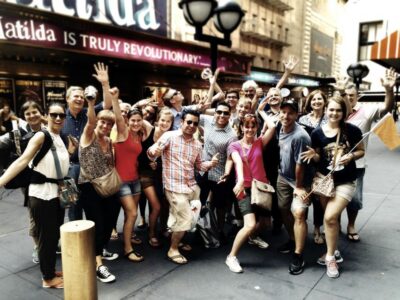
And because the group is limited to 12, it doesn’t feel like a loud parade. Instead, the guide can adjust on the fly, answer questions, and point out details you’d miss on your own. That’s especially useful if you’re heading to a Broadway show soon and want the background before you buy a seat.
Meeting at the Winter Garden Theatre: Easy to Find, No Ticket Hassles
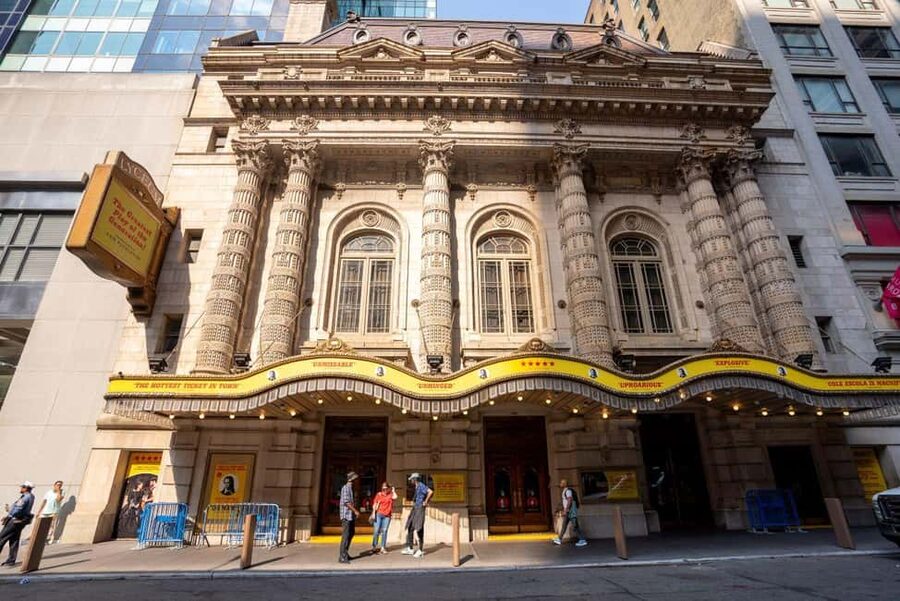
Your meeting point is outside the Winter Garden Theatre on Broadway, directly under the marquee. The canopy is large and well lit, so it’s easy to spot from the sidewalk. Plan to arrive about 10 minutes early so you can get lined up without stress.
Do not expect to enter the theatre building at this stop. The tour starts on the street. That’s a practical perk: you get straight into the walk and storytelling, without wasting time on lines or security processes that could steal minutes from the tour experience.
If you’re nervous about navigating New York, you can breathe here. This start location is straightforward, and it sets you up right in the thick of Broadway’s action.
Times Square and Duffy Square: Seeing the District With a Theatrical Lens
Times Square is a sensory overload for a lot of first-time visitors. This tour helps you slow down just enough to make sense of what you’re looking at. You’ll get guided context for how the area evolved—especially the shift from earlier Longacre Square days into the theatre-heavy identity Broadway is known for today.
At street level, you’ll learn to connect the dots:
- Why theatre buildings cluster where they do
- How the district’s momentum shaped what producers built and audiences demanded
- How the vibe changes block by block, even when the signage looks similar
Duffy Square is a quick stop, but it’s a useful one. It helps you keep the narrative moving—less time staring at screens, more time understanding why this part of Manhattan became shorthand for American theatre.
Curtain up: more Broadway seats


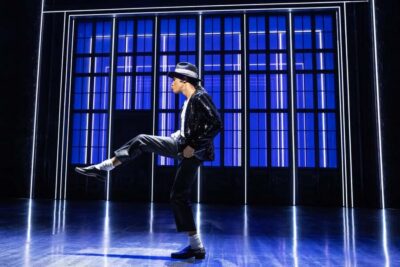
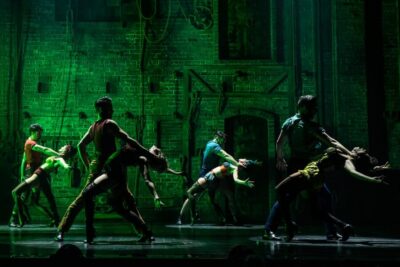
Broadway’s Historic Theatres: Richard Rodgers, Majestic, Shubert (Plus New Amsterdam Area)
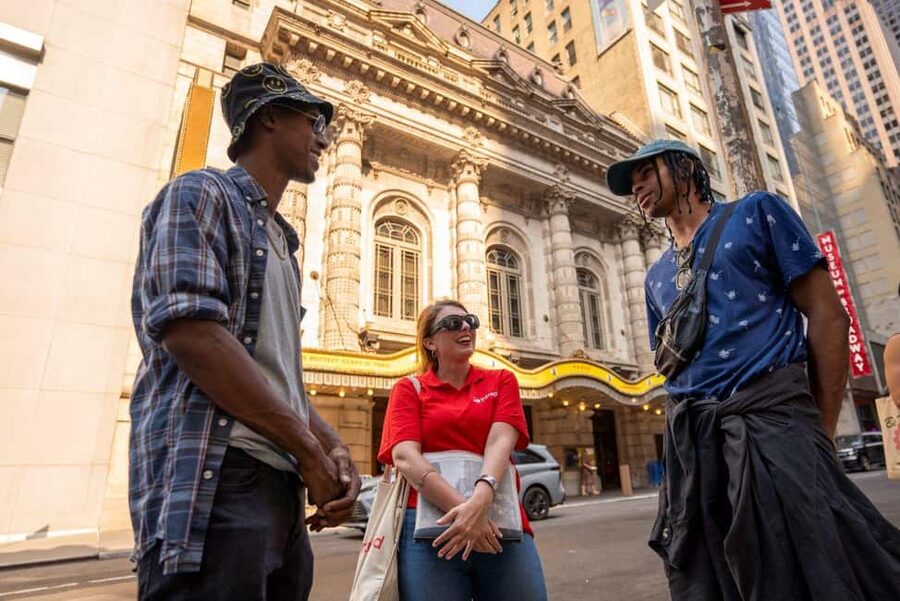
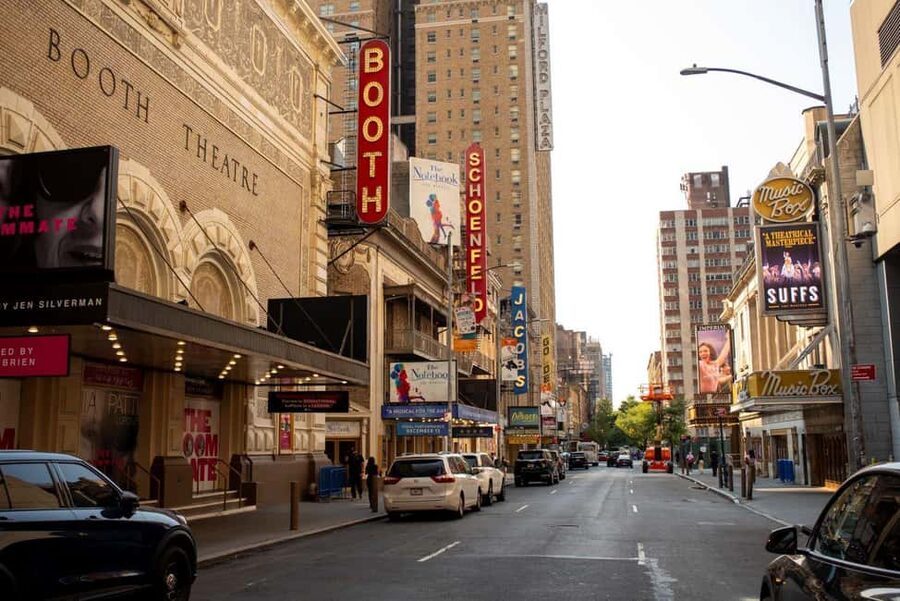
The walking route is designed to pass a lineup of landmark houses so you’re not just hearing history in the abstract. As you move along Broadway, the guide points out the theatres that have shaped different eras of stage entertainment—where styles changed, where musicals surged, and where the industry’s fortunes rose and fell.
Among the stops you can expect to see:
- Richard Rodgers Theatre
- Majestic Theatre
- Shubert Theatre
- The New Amsterdam Theatre area (often included as part of the classic Broadway circuit)
Seeing these buildings in person matters. From a distance, they can all blend into “big theatre stuff.” Up close, you start noticing why people care: the way marquees dominate the street, the way entrances channel foot traffic, and the way each theatre’s identity mirrors the kind of productions that made it famous.
Also, the route gives you a reality check on Broadway’s scale. One guide-led sweep can show you how many venues sit within walking distance—more than most people expect before they get here.
How Broadway Went From Vaudeville to Today’s Stage Stars
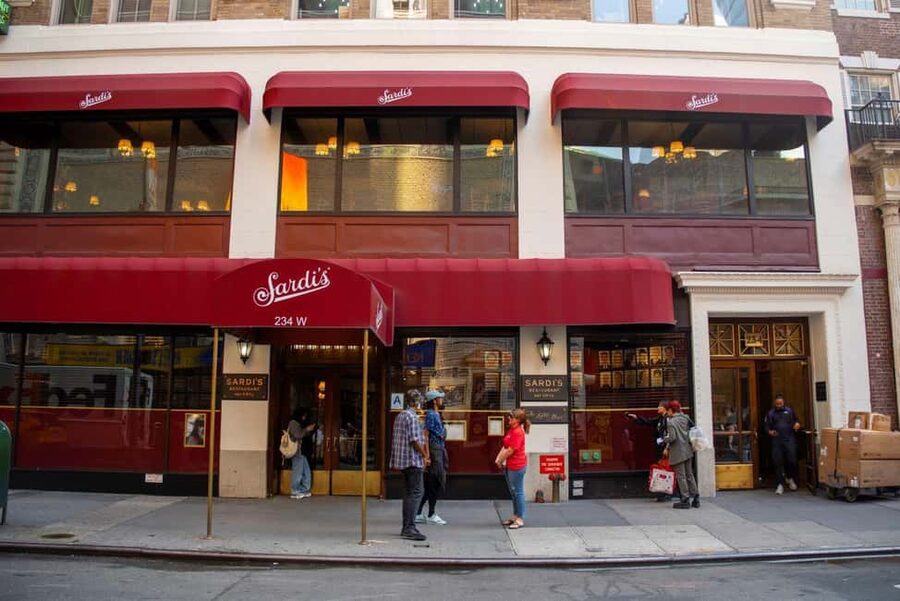
The best part of the history segment isn’t a lecture. It’s a narrative timeline that sticks because it’s anchored to real places. You’ll learn how Broadway grew from vaudeville roots into the big-stage musical era most people picture today.
Then the tour doesn’t skip the messy middle. You’ll hear about the 1970s decline—a rough patch when the industry had to reinvent how it attracted audiences. After that, you get to the present-day revival story: Broadway didn’t just survive. It adapted.
This context is useful even if you don’t consider yourself a theatre person. It helps you understand why certain kinds of shows feel “of the moment,” and why Broadway’s business side (casting, rehearsal time, production planning) matters as much as the spotlight.
And if you’re planning to see a show right after the tour, this background turns your seat into a better vantage point. You’ll be listening for choices: why the show’s structure works, how performances are built, and what the creative team is probably trying to pull off night after night.
Hell’s Kitchen Rehearsal Studio: The Best Reason to Take This Tour
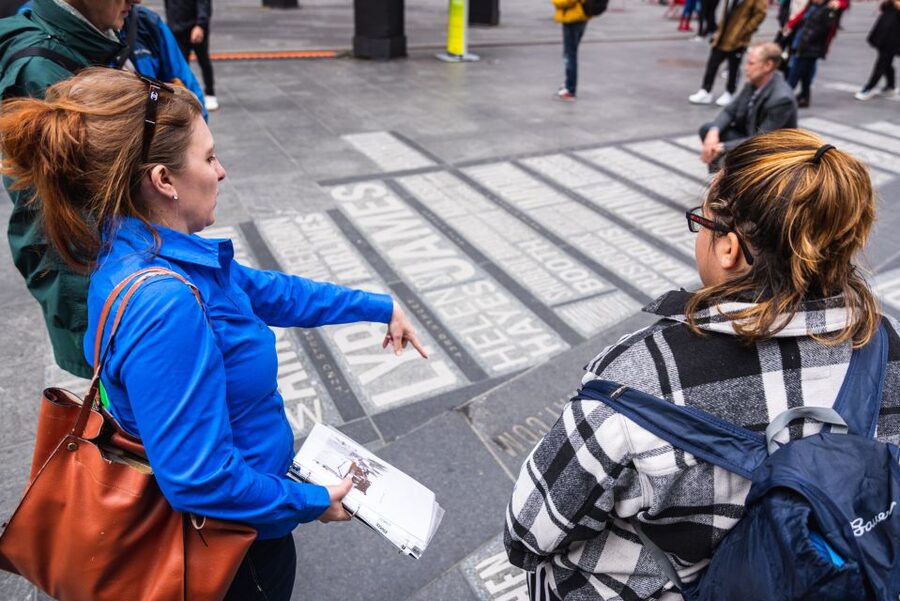
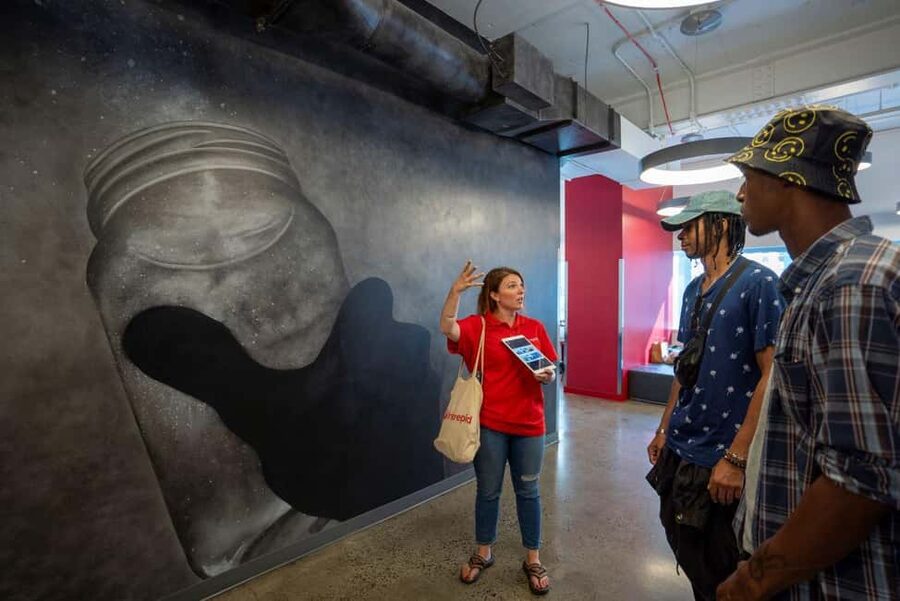
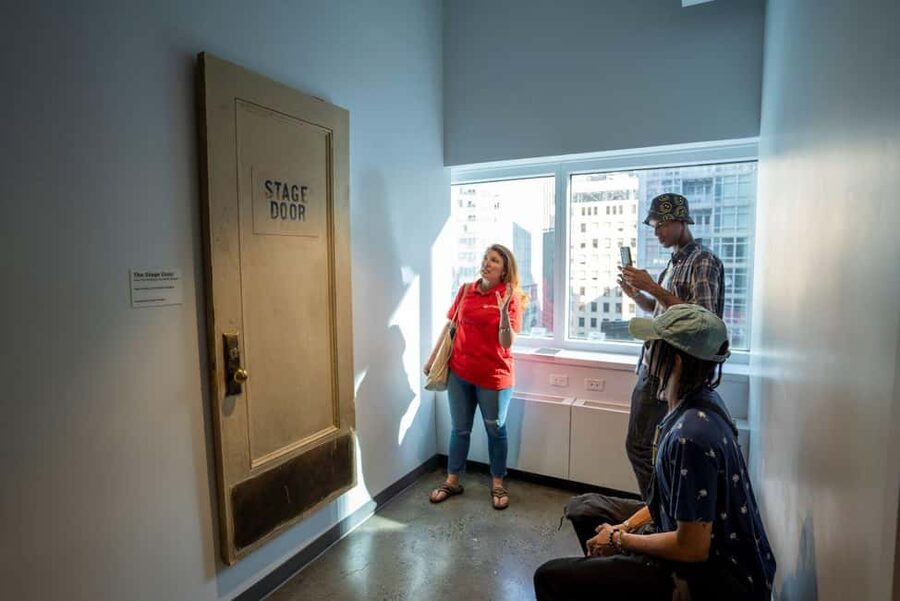
The second half is where the tour earns its name. You head into Hell’s Kitchen for a rehearsal studio visit—an area where theatre-making is ongoing, not historical. The studio space is rented out for rehearsals and classes, and sometimes Broadway productions use it when a new actor needs time to learn music and choreography.
What you’re looking for here is the difference between:
- performers onstage, and
- performers in training
In a rehearsal, everything is about structure and repetition. You may catch a rehearsal or class in progress, depending on what’s running that day. Even if you don’t hear anything happening at the exact moment you arrive, the setting itself makes you understand the backstage rhythm: warmups, spacing, counts, and notes.
One of the standout perks from past tours is that the guide’s insider energy can lead to a little extra luck—some people have described surprise moments like a possible celebrity sighting during the studio stop. You shouldn’t plan your day assuming that happens, but it hints at the point: this is a working theatre ecosystem, not a museum set.
Important practical note: this studio stop is not wheelchair accessible because it involves walking up three flights of stairs. If you want the backstage portion of your trip but stairs are hard, this tour won’t be a match.
The Value Math: Why $49 Can Actually Feel Like a Bargain
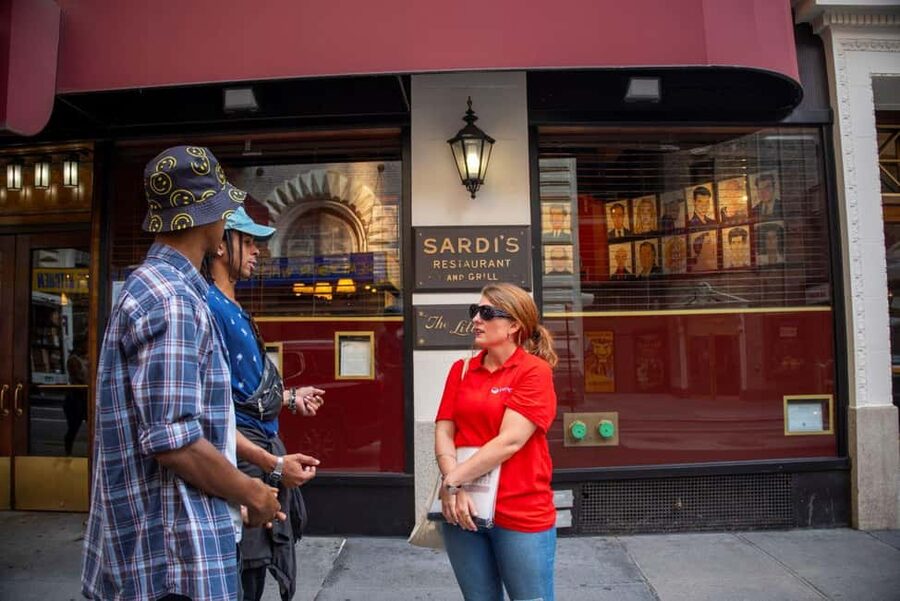
At $49 per person for about two hours, this tour sits in a sweet spot for New York. You’re paying for three things at once:
- A guided walk through a dense cluster of major theatres (so you’re not spending your time figuring out logistics).
- The story layer—Broadway’s growth, decline, and revival—explained in a way that connects to what you’re seeing.
- The rehearsal studio visit, which is the hardest part to recreate on your own.
A lot of theatre tours stop at buildings. This one tries to give you a look at the work behind the scenes. That extra component is what turns the cost from “just another city walk” into something you can’t easily DIY.
The small group size also increases value. When you’re not elbow-to-elbow, it’s easier to hear your guide and easier to ask follow-up questions. That’s not a luxury detail. In a walking-and-talking format, it’s the difference between a blur and a memorable afternoon.
What to Bring, What to Wear, and How to Survive New York Weather
This tour runs rain or shine. It will only be cancelled in unsafe weather. That means you should dress like you’re walking outdoors for two hours in Times Square, then relocating to a different neighborhood vibe.
Your practical checklist is simple:
- Comfortable shoes (non-negotiable)
- Layers (Hell’s Kitchen and theatre district weather can feel different block to block)
- A plan for wind if you’re touring in cooler seasons
If you get an especially windy day, you’ll still be able to enjoy the tour—just expect fewer “stand and stare” moments and more quick movements from one covered or sheltered spot to the next.
Who Should Book This Broadway Backstage Tour (and Who Should Skip It)
This is a great pick if you:
- want to understand Broadway beyond show titles and star names
- plan to see a performance soon and want background first
- like walking tours that tell a real story instead of just pointing at buildings
- enjoy meeting a small group and getting answers without rushing
You should skip or seriously reconsider if you:
- have mobility limitations that make stairs hard (the rehearsal studio involves three flights of stairs)
- hate long sidewalk walks with frequent stops
It’s also child-friendly, with children under 6 joining free of charge. If you’ve got a little theatre dreamer, this kind of “how it’s made” perspective can land well.
Should You Book Broadway Backstage: From Times Square to Studio?
If you’re debating between a generic theatre district stroll and something that actually connects Broadway’s past to its working present, I’d book this one. The best reason is the studio visit in Hell’s Kitchen—because it shifts you from admirer to observer of the process.
This tour is also strong for first-timers who want a high-impact overview in two hours without spending your vacation piecing together theatre spots on your own. And it’s built to be a good lead-in to a show, since you’ll understand the backstage world before you take your seat.
Just be honest about logistics: it’s not for wheelchair access, and it’s an outdoor walking tour. If you can handle comfortable walking and a few flights of stairs for the studio stop, this is a smart, satisfying Broadway experience for the money.
FAQ
Where does the tour start?
Meet outside the Winter Garden Theatre, directly under the marquee along Broadway (the large canopy with the theatre name). Arrive about 10 minutes early.
Do I need to enter any theatre buildings?
No. The tour meeting point and the theatre viewing stops are outside, on the sidewalk. You do not enter the theatres.
How long is the tour?
It lasts about 2 hours.
How much does it cost?
The price is $49 per person.
What’s included in the tour?
You get a guided walking tour of Times Square and the Broadway Theater District, an English-speaking local guide, in-depth Broadway history storytelling, and a peek inside a rehearsal studio (with a chance to hear live rehearsal or class).
Is there food or drink included?
No. Food and drinks are not included.
Is the rehearsal studio visit wheelchair accessible?
No. The rehearsal studio visit is not wheelchair accessible because it involves walking up 3 flights of stairs.
What should I wear or bring?
Bring comfortable shoes, since it’s a walking tour with multiple stops. The tour runs rain or shine.
Is the tour child-friendly?
Yes. Children under 6 can join for free.
More Tour Reviews in New York City
- NYC: SUMMIT One Vanderbilt Tickets★ 4.7 · 51,195 reviews
- NYC: Empire State Building Tickets – Observatory & Museum★ 4.7 · 25,757 reviews
- New York City: Statue of Liberty & Ellis Island with Ferry★ 4.6 · 18,683 reviews
- New York City: American Museum of Natural History Ticket★ 4.5 · 15,447 reviews
- Statue of Liberty and Ellis Island Tour: All Options★ 5.0 · 13,571 reviews
More Nights on Broadway
- NYC: Aladdin the Musical on Broadway★ 4.8 · 1,800 reviews
- NYC: The Lion King on Broadway1,609 reviews
- NYC: MJ the Musical on Broadway1,510 reviews
- NYC: Moulin Rouge! the Musical on Broadway1,329 reviews
- NYC: Harry Potter and the Cursed Child on Broadway700 reviews
The Crossroads: More Times Square
- NYC in a Day Tour: Lady Liberty, Times Square, Freedom Tower★ 5.0 · 1,735 reviews
- Broadway and Times Square Insider Tour with Theater Professional★ 5.0 · 651 reviews
- NYC: See Yourself on a Times Square Billboard for 24 Hours★ 4.5 · 635 reviews
- Meal at Hard Rock Cafe New York Times Square★ 4.1 · 481 reviews
- Hard Rock Cafe New York Times Square★ 3.5 · 414 reviews
Just in: the newest New York City reviews on our desk



Times Square Tours, compared.
 ★ 5.0NYC in a Day Tour: Lady Liberty, Times Square, Freedom TowerFrom $891,735 reviews
 ★ 5.0Broadway and Times Square Insider Tour with Theater ProfessionalFrom $39651 reviews
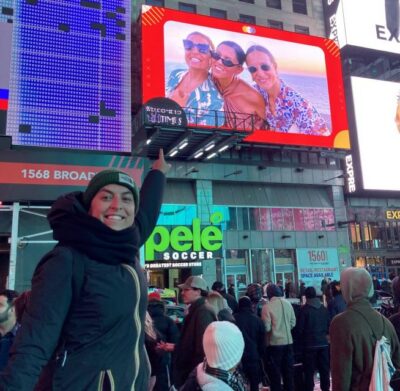 ★ 4.5See Yourself on a Times Square Billboard for 24 HoursFrom $150635 reviews
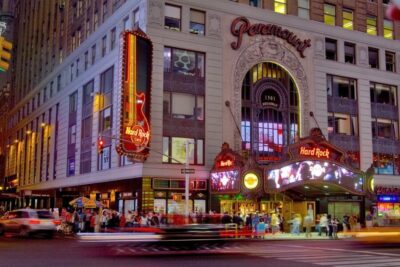 ★ 4.1Meal at Hard Rock Cafe New York Times SquareFrom $42481 reviews
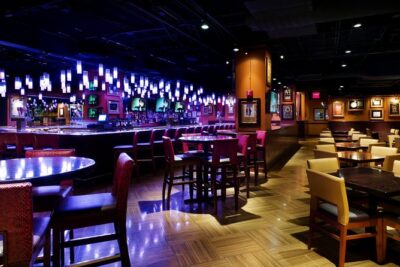 ★ 3.5Hard Rock Cafe New York Times SquareFrom $41414 reviews
 ★ 5.0NYC in a Day Tour: Statue of Liberty, Times Square and MoreFrom $89366 reviews
★ 4.8NYC in a Day Tour: Lady Liberty, Times Square, Freedom TowerFrom $89219 reviews
★ 5.0NYC in a Day Tour: Statue of Liberty, Times Square and MoreFrom $89366 reviews
★ 4.8NYC in a Day Tour: Lady Liberty, Times Square, Freedom TowerFrom $89219 reviews
 ★ 4.7Broadway and Times Square Insider Tour with a PerformerFrom $3983 reviews
Browse the lists this tour appears in