

Reviewed · NYC BROADWAY SHOWS
Broadway Theatre District Tour
Broadway’s lights start long before showtime. This tour is a guided walking route through the key landmarks of the Theater District, stitched together with insider stories about productions, producers, and why this neighborhood became the world’s stage. I really like that the tour leans on entertainment-industry guides who can talk shop, not just point at buildings, and I also like how it blends major Broadway names with the behind-the-scenes logic of the business. You’ll hear how Times Square grew into the magnet it is today, not just what it looks like now.
The experience starts right where Broadway history starts for many people: in front of the Majestic Theatre, home of Phantom of the Opera. From there, you’ll move scene-to-scene through famous houses, theater hangouts like Sardi’s, and the corridors where the Shubert organization shaped what you see onstage today. Even better, the tour stays small (up to 10 people), so you’re not stuck passively listening to a loud lecture while the group streams by.
One consideration: there’s a decent amount of walking and the tour runs in all weather. Also, backstage and lobby access is not guaranteed, so treat the tour as a smart sightseeing + storytelling walk, not a guaranteed behind-doors moment.
In This Review
- Key highlights you’ll actually feel on the walk
- Entering the Theater District at the Majestic Theatre
- Majestic to St. James and Broadhurst: Seeing Broadway’s lineup in context
- Sardi’s and Shubert Alley: Why showpeople gather in one place
- 45th Street: The theater stretch you’ll recognize in seconds
- Marriott Marquis to Richard Rodgers: When modern hits meet old-school venue power
- Duffy Square to the Palace: The Times Square origin story behind the crowds
- Edison Hotel, Barrymore Theatre, and Hell’s Kitchen corners
- Walter Kerr to New World Stages: Broadway and Off-Broadway in one line
- Ending at Circle in the Square and the Gershwin Theatre
- Price and value: Is $39 fair for a 2-hour walking tour?
- Weather, walking, and what to bring so the tour stays fun
- Who should book this Broadway Theatre District Tour (and who should skip it)
- Should you book this Broadway Theatre District Tour?
- FAQ
- Where does the tour start?
- How long is the Broadway Theatre District Tour?
- What does it cost?
- What group size is it?
- Is the tour guided in English?
- Does the tour run in bad weather?
- Is backstage or lobby access guaranteed?
- Are pets allowed?
Key highlights you’ll actually feel on the walk
- Majestic Theatre kickoff: you start by anchoring the whole route at the Phantom home base
- Actor-level storytelling: guides like Patrick and Luke can turn theater trivia into real theater-business talk
- Sardi’s stop for District lore: you learn why this watering hole became a meeting point for show people
- 45th Street theater concentration: you pass major houses clustered in the single stretch that defines Broadway
- Two worlds in one route: you’ll hit Broadway landmarks and also point toward Off-Broadway at New World Stages
Curtain up: more Broadway seats
- NYC: Aladdin the Musical on Broadway
★ 4.8 · 1,800 reviews - NYC: The Lion King on Broadway
1,609 reviews - NYC: MJ the Musical on Broadway
1,510 reviews - NYC: Moulin Rouge! the Musical on Broadway
1,329 reviews
Entering the Theater District at the Majestic Theatre
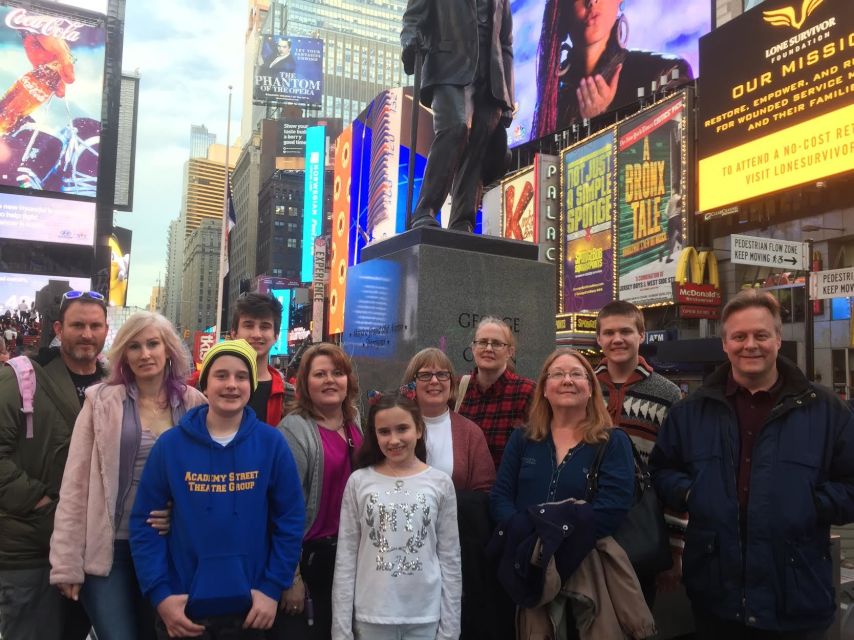
Your tour begins in front of the Majestic Theatre, the home of Phantom of the Opera. That’s a smart way to start because it gives you a clear “center of gravity.” You’re not just learning names of theaters; you’re seeing how a single production can anchor an entire block’s identity.
From the start, your guide will set the tone with stories about the mega-musical that inhabits the theatre now, plus references to other famous shows that opened there. What I like about this approach is that it teaches you how Broadway works as a system: productions come and go, but theaters stay, and their reputations grow over time.
The pace is built for a guided walk, not a sit-down museum. You’ll be moving along busy streets, so keep your eyes up for skyline views and street-level theater facades, and keep one ear open for the plot-level explanation behind the facts.
Majestic to St. James and Broadhurst: Seeing Broadway’s lineup in context
After the opening stop, you walk down the street to the St. James and Broadhurst theatres. This part matters because it connects the idea of Broadway as a collection of iconic venues to Broadway as an actual production calendar.
Your guide discusses notable shows that opened at these houses, which helps you understand something many first-time visitors miss: theaters aren’t interchangeable. Each house has its own place in the theatrical ecosystem based on what it’s hosted, what it’s known for, and what kind of audience it pulls in.
Expect a mix of theater business and creative storytelling. Guides who are actors themselves often have a special knack for explaining what changes when a production moves in, what happens during pre-show chaos, and why opening night energy feels like its own weather system.
Sardi’s and Shubert Alley: Why showpeople gather in one place
Next comes a stop that feels oddly essential to the District: Sardi’s. You’ll talk about the history of this theatre-district watering hole and why it became a meeting point for people connected to shows.
Even if you never plan to sit down and eat there later, this kind of stop adds real texture. Broadway isn’t just stages and tickets. It’s also the daily social layer—where casting buzz travels, where connections form, and where reputations get built outside the lights.
Then you head into Shubert Alley and talk about the Shubert Theatre and the history of the organization. This is one of those segments where a good guide turns “corporate name” into something you can picture. You start to see the Shubert story as a shaping force behind how Broadway grew and why certain theaters ended up where they did.
Practical tip: this is a good time to notice the rhythm of side streets and alleys. In Midtown, the magic is often on the quieter connectors, not only on the big avenues.



45th Street: The theater stretch you’ll recognize in seconds
Turning toward 45th Street is where the tour becomes visually addictive. Your guide frames this stretch as a mecca of theaters, and you’ll see a long list of major houses along the way: the Booth Theatre, Minskoff Theatre, Schoenfeld Theatre, Jacobs Theatre, Golden Theatre, Hirschfeld Theatre, Imperial Theatre, and the Music Box Theatre.
This isn’t just “look, there’s another marquee.” It’s about learning what clustering does. When so many major productions sit in a tight footprint, audiences can comparison-shop with their eyes, and the whole district becomes a self-reinforcing loop. That’s part of why Broadway feels like a single living organism.
Also, you get a tour guide’s lens for what you’re seeing. Instead of treating each theater as random architecture, you’ll learn to read the lineup as a pattern: who books what kind of show, how the branding fits the streets, and how the district keeps its momentum.
One small drawback here: because this area is famous, you’ll likely share the sidewalks with other people doing the same photo-and-walk thing. Wear comfortable shoes and don’t plan to stop for long photos unless your guide pauses the group.
Marriott Marquis to Richard Rodgers: When modern hits meet old-school venue power
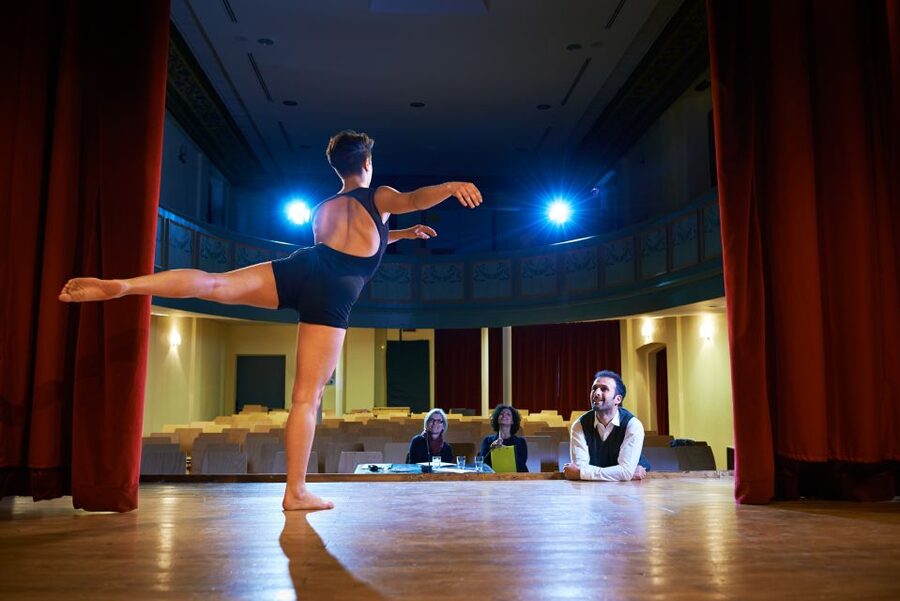
After the 45th Street stretch, the tour moves to the Marriott Marquis Hotel and the Marquis Theatre, with discussion of the hotel’s history and what used to be where it stands today. This stop is about transformation. Cities change floors and footprints all the time; Broadway changes too, but it keeps using the same idea: put theater in the thick of Midtown attention.
Then you continue to the Richard Rogers Theatre, where you’ll talk about Hamilton. This is a key moment for most people because Hamilton sits at the intersection of Broadway craft and mainstream pop culture. Even if you’ve heard of it for years, the tour helps you connect the production to the neighborhood machinery that keeps major shows profitable and visible.
Next, you’ll discuss the Lunt-Fontanne Theatre. Without needing deep production details, this kind of stop reinforces a useful skill: you’ll start to recognize that each theater is a character with its own role in the story of Broadway.
If you’re a show person, this section is where your brain switches from sightseeing mode to “how is this business organized” mode. That’s the value you’re paying for.
Duffy Square to the Palace: The Times Square origin story behind the crowds
From the Rogers Theatre area, you head to Duffy Square, described as the heart of Times Square. Your guide explains how this area became the crossroads of the world, which is a great way to counter the common first impression.
Yes, Times Square is loud and crowded. But the tour approach makes it understandable rather than just overwhelming. You learn the “why” behind the attention—how the district’s location, marketing gravity, and global visibility fed each other until it became the default destination for people arriving from everywhere.
After seeing the Palace Theatre, the tour continues north. This segment is where the route feels like a guided street-level history walk: the landmarks stay fixed, and the world keeps changing around them.
If you want a practical takeaway, it’s this: when you later stand in Times Square, you’ll have a framework for what you’re seeing beyond the lights.
Edison Hotel, Barrymore Theatre, and Hell’s Kitchen corners
The tour keeps moving north, visiting the Edison Hotel and the Barrymore Theatre. Your guide also discusses Hell’s Kitchen history as part of the route.
This matters because Hell’s Kitchen is often treated like a vague nickname, while Broadway is treated like a brand. Putting the two together reminds you that the Theater District sits inside a wider city story. The neighborhood wasn’t designed only for tourists; it evolved through real urban change, and the theater scene took advantage of that shifting geography.
You’ll also get an on-foot feel for how the District transitions. The route doesn’t just stay on Broadway’s “main stage streets.” It shows you the seams—the corners and adjacent blocks where Midtown’s character changes.
This is also a good area to drink water, especially in warmer weather. The tour recommendation to bring water or cold beverages is practical because walking + sun + city air can add up fast.
Walter Kerr to New World Stages: Broadway and Off-Broadway in one line
After the Hell’s Kitchen context, you pass the Walter Kerr Theatre and the Eugene O’Neill Theatre. The tour then reaches the Ambassador Theatre, home to Chicago, and continues to New World Stages, where you’ll learn about Off-Broadway theatre.
I love that the route doesn’t pretend Off-Broadway is an afterthought. It gives you a mental map: Broadway is the high-profile lane, but Off-Broadway is where a lot of experimental energy lives, where smaller-scale work can still build serious careers.
This part is likely to click best if you enjoy the idea that theater is a continuum. The same creative people and production ambitions often move between budgets and venue sizes, and the tour helps you see that as an actual pathway instead of a separate universe.
Also, because your guide is tied into the entertainment industry (and sometimes personally performs), the explanations tend to sound grounded in reality, not just brochure language. Guides like Patrick and Luke were praised for being actor-level storytellers and very prepared, and you’ll feel that difference when they connect each stop to how the business works.
Ending at Circle in the Square and the Gershwin Theatre
The tour closes at Circle In the Square and the Gershwin Theatre, home to Wicked. Ending here is a smart final note: you finish at a mega-recognizable production while still having walked through the smaller landmarks that make the District feel like a real place, not a theme.
Circle in the Square adds variety to the ending because it keeps the focus on theater as performance culture rather than only as famous marquee brand. Then you land at Gershwin, where Wicked helps close the loop between old theater power and modern mass appeal.
By the time you finish, you’ll have a mental index of the District. You’ll know where the big names cluster, which side streets connect them, and why Times Square became the tourist magnet while the stages on nearby blocks keep delivering the show business engine.
Price and value: Is $39 fair for a 2-hour walking tour?
At $39 per person for 2 hours, this tour sits in the “worth it if you care about context” category. If you simply want photos and don’t care about how shows and venues fit together, you can do a DIY walk for free.
But if you like theater and want the stories behind it—why certain venues matter, how Times Square grew, and how Broadway and Off-Broadway relate—this price starts to make sense. You’re paying for:
- a live guide with entertainment-industry insight
- the convenience of a planned route through major stops
- a small group format (limited to 10), which tends to support better conversation
In other words: it’s not just sightseeing. It’s guided interpretation. That’s the difference between reading a list of theaters and understanding how the neighborhood functions as a machine that sells dreams.
Weather, walking, and what to bring so the tour stays fun
This tour operates in all weather conditions, so plan for moving outdoors. Bring a face mask or protective covering if you’re required to, and wear comfortable shoes. There’s no getting around the fact that it’s a walking route with multiple stops.
Also consider the practical seasonal advice: in warmer weather, bring water or cold beverages. Midtown sidewalks can be long and hot, and you’ll appreciate being hydrated before the group gets deep into the 45th Street cluster.
One more reality check: backstage and lobby access is not guaranteed. So even though you’ll hear insider stories, don’t schedule anything right after expecting guaranteed access inside areas that may be closed to tours.
Who should book this Broadway Theatre District Tour (and who should skip it)
This tour is a great fit if you:
- love musicals and enjoy hearing how productions connect to specific theaters
- want a first-time-friendly way to learn the Theater District layout in a single shot
- like small-group dynamics, where you can get answers instead of just listening
It’s less ideal if you:
- hate walking or get cranky in rain
- want guaranteed backstage access
- only want landmark spotting without any theater-business context
If your goal is to understand the neighborhood in a way you can carry with you into a show, this tour is designed for that.
Should you book this Broadway Theatre District Tour?
If you’re the type who reads playbills, cares about why some shows dominate the conversation, and wants to understand Times Square beyond the noise, I’d say yes, book it. The route is tightly chosen, the stops cover both Broadway and Off-Broadway, and the guide style matters a lot—actor-level storytelling has clearly been a standout feature in this tour’s reputation.
If you mainly want a quick photo loop and don’t care about theater context, you can skip it and enjoy the area on your own. But for $39, two hours, and a small group, the value is strongest when you show up ready to listen.
FAQ
Where does the tour start?
The tour meets in front of the Majestic Theatre, home of Phantom of the Opera.
How long is the Broadway Theatre District Tour?
It lasts about 2 hours.
What does it cost?
The price is $39 per person.
What group size is it?
It’s a small group limited to 10 participants.
Is the tour guided in English?
Yes, the live tour guide speaks English.
Does the tour run in bad weather?
It operates in all weather conditions, so dress appropriately.
Is backstage or lobby access guaranteed?
No, backstage and lobby access is not guaranteed.
Are pets allowed?
No, pets are not allowed.
More Tours in New York City
- Statue of Liberty and Ellis Island Tour: All Options★ 5.0 · 13,571 reviews
- New York in One Day Guided Sightseeing Tour★ 5.0 · 13,166 reviews
- Central Park Pedicab Guided Tours★ 5.0 · 7,108 reviews
- New York City: Manhattan Helicopter Tour★ 4.7 · 7,076 reviews
- Private Central Park Pedicab Tour★ 5.0 · 6,981 reviews
More Tour Reviews in New York City
- NYC: SUMMIT One Vanderbilt Tickets★ 4.7 · 51,195 reviews
- NYC: Empire State Building Tickets – Observatory & Museum★ 4.7 · 25,757 reviews
- New York City: Statue of Liberty & Ellis Island with Ferry★ 4.6 · 18,683 reviews
- New York City: American Museum of Natural History Ticket★ 4.5 · 15,447 reviews
- Statue of Liberty and Ellis Island Tour: All Options★ 5.0 · 13,571 reviews
More Nights on Broadway
- NYC: Aladdin the Musical on Broadway★ 4.8 · 1,800 reviews
- NYC: The Lion King on Broadway1,609 reviews
- NYC: MJ the Musical on Broadway1,510 reviews
- NYC: Moulin Rouge! the Musical on Broadway1,329 reviews
- NYC: Harry Potter and the Cursed Child on Broadway700 reviews
Just in: the newest New York City reviews on our desk



NYC Broadway Shows, compared.
 ★ 4.8Aladdin the Musical on BroadwayFrom $831,800 reviews
 The Lion King on Broadway1,609 reviews
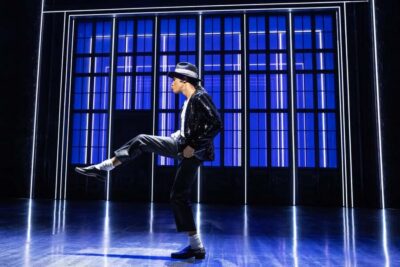 MJ the Musical on Broadway1,510 reviews
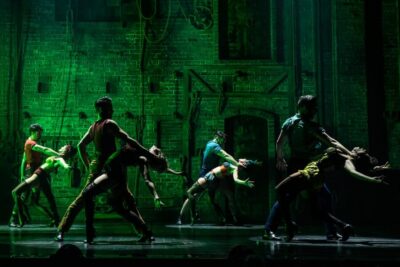 Moulin Rouge! the Musical on Broadway1,329 reviews
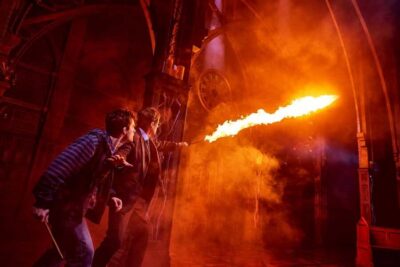 Harry Potter and the Cursed Child on Broadway700 reviews
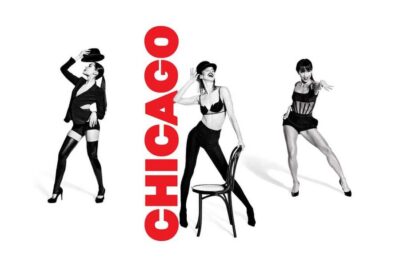 Chicago the Musical on Broadway687 reviews
 ★ 5.0Drunk Shakespeare Ticket NYC668 reviews
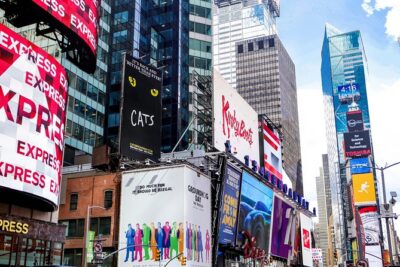 ★ 5.0Broadway and Times Square Insider Tour with Theater ProfessionalFrom $39651 reviews
Browse the lists this tour appears in