
Reviewed · BROOKLYN BRIDGE & DUMBO TOURS
Brooklyn: The Bridge, DUMBO, & Brooklyn Heights Best of Tour
Brooklyn feels like two cities at once, and this walk stitches them together. I love how the tour starts with a walk across the Brooklyn Bridge, using views as the setup for big engineering and political stories. I also like that you get a licensed guide-historian’s perspective, not just a checklist of stops.
The second thing I really like: you’ll move through neighborhoods with real plot points, like DUMBO’s transformation from industrial area to arts-and-culture hub. You’ll also connect that change to the people who shaped Brooklyn during major conflicts, with Civil War-era context built into the route.
One drawback to plan for: this is all outdoors and it’s not a sit-down tour. You’ll be on your feet for about 3 hours, so comfortable shoes and decent mobility matter, especially in bad weather or if you have a heart condition.
In This Review
- Quick hits you’ll care about
- Tweed Courthouse start: where your tour clock begins
- Walking the Brooklyn Bridge: engineering, politics, and Manhattan in your pocket
- Brooklyn Bridge Park and the East River carousel: a waterfront that actually changed the city
- DUMBO: from industrial blocks to film scenes and modern creativity
- A sweet stop at Jacques Torres Chocolate (and how to handle it)
- Brooklyn Heights Promenade: the view that never gets old
- Plymouth Church and Civil War-era change: history you can stand beside
- The guide factor: why Bruce’s storytelling style matters
- Price and value: is $47 a fair deal for 3 hours?
- Who this tour fits best (and who should rethink it)
- Booking checklist: what to bring so the day feels easy
- Should you book the Brooklyn Bridge, DUMBO, and Brooklyn Heights tour?
- FAQ
- Where does the tour meet?
- How long is the tour?
- How much does it cost?
- What’s included in the tour?
- Is food included?
- Is the tour offered in English?
- Is the tour outdoors?
- What should I bring?
- Who should avoid this tour?
- Can I cancel for a refund?
Quick hits you’ll care about
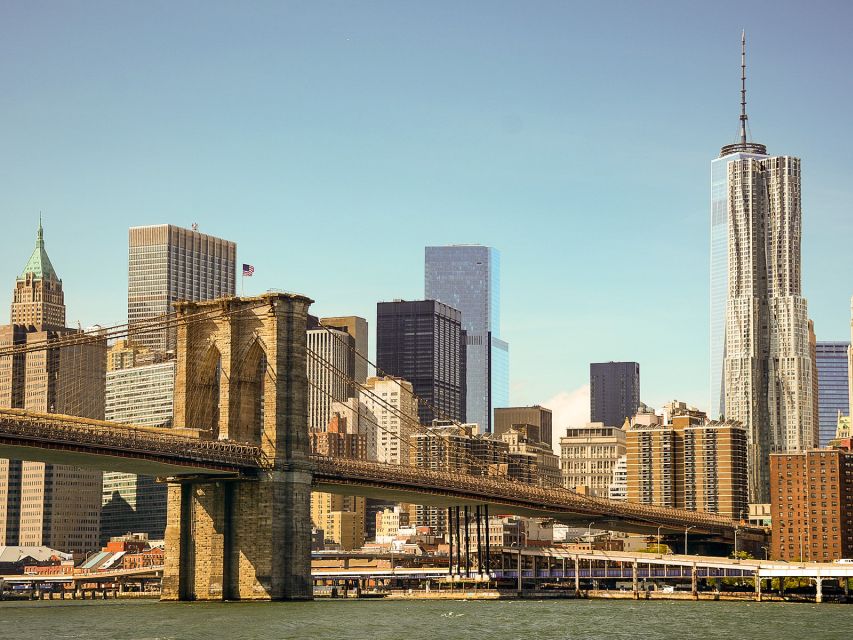
- Brooklyn Bridge views with story power: you get the engineering facts and the human drama behind them
- Brooklyn Bridge Park + the East River carousel: a restored 1922 carousel stop that feels like a Brooklyn time machine
- DUMBO context: industrial past, film locations, and modern creative energy in one walk
- Brooklyn Heights Promenade: classic postcard Manhattan views, plus 1800s architecture context
- Plymouth Church and Civil War connections: abolitionist history woven into what you see on the street
- Jacques Torres Chocolate stop: a dessert option at New York’s famous chocolatier (food isn’t included)
Cross it again: more Brooklyn Bridge and DUMBO walks
- Brooklyn Bridge & DUMBO Neighborhood Tour – from Manhattan to Brooklyn
★ 5.0 · 826 reviews - Walking tour in Manhattan Brooklyn Bridge and Waterfront
★ 5.0 · 222 reviews - NYC: Brooklyn Bridge and Dumbo Guided Walking Tour
★ 4.5 · 186 reviews - Brooklyn Bridge and Waterfront 2-hour Guided Bike Tour
★ 4.5 · 184 reviews
Tweed Courthouse start: where your tour clock begins
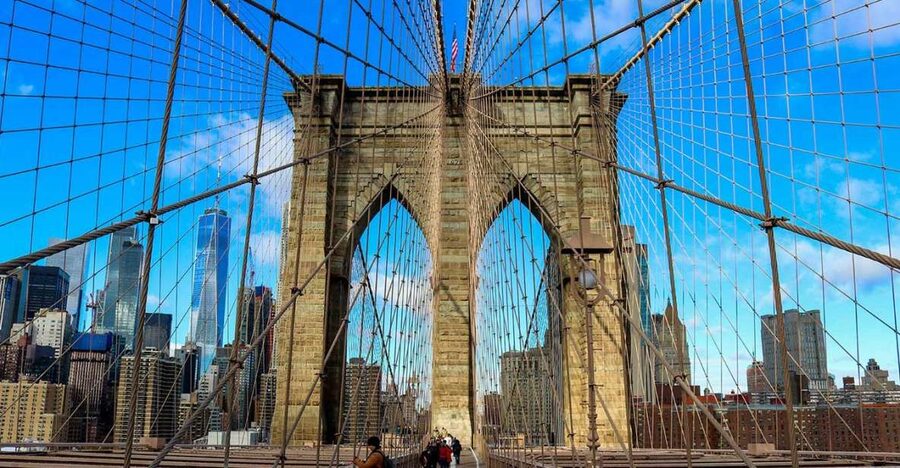
You meet on the steps of 52 Chambers Street, also known as the Tweed Courthouse. This is a great place to start because it’s a recognizable city landmark right at the edge of your bridge walk. You’ll likely feel like you’re easing from busy Manhattan into the calmer, more historical Brooklyn feel.
The tour runs for about 3 hours, and that matters for planning. You’re not doing this at a relaxed museum pace; you’re doing it as a walking story, stop by stop, with outdoor time built in.
The guide team here is the real differentiator: you’re traveling with a licensed NYC tour guide and historian who has a Master’s Degree in American History and decades of experience. In plain terms, that usually means you get clearer timelines, better cause-and-effect, and more context for why Brooklyn’s story matters to the U.S.
Walking the Brooklyn Bridge: engineering, politics, and Manhattan in your pocket
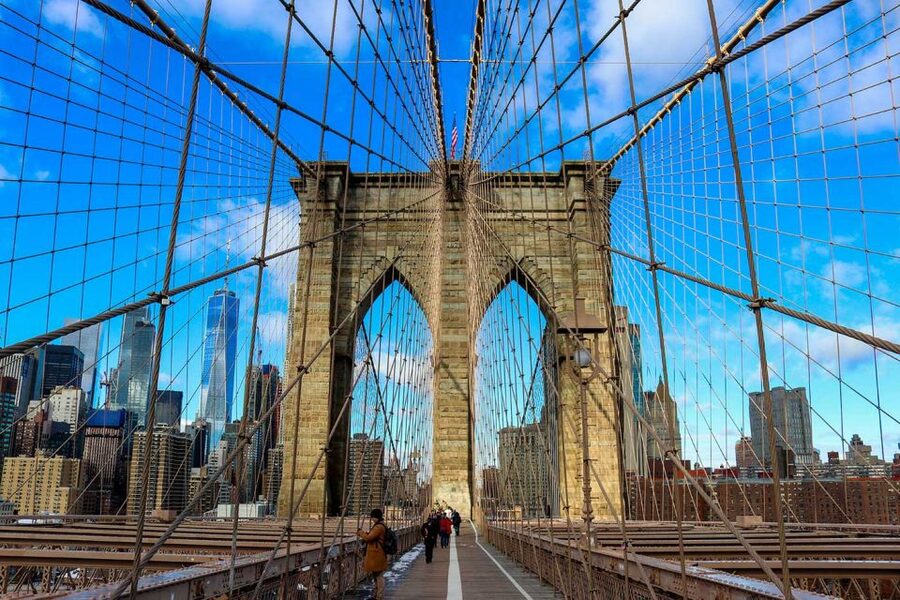
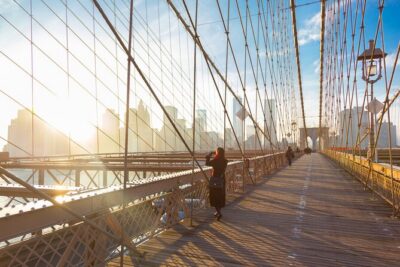
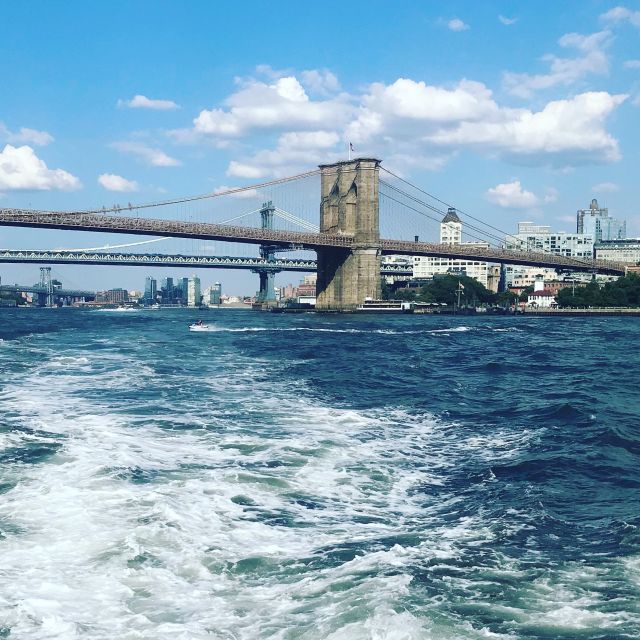
The signature moment is the start: crossing the Brooklyn Bridge. The views are the obvious draw, but the value is how the tour frames what you’re seeing. You don’t just look at the river and skyline; you get an explanation of the bridge as one of the great engineering feats of the 19th century, tied to the vision and work behind it.
This is also where the tour’s storytelling style shows up. One guide name you’ll hear in the reviews is Bruce, and people repeatedly note his strong voice and ability to make the history sound like a story instead of a lecture. That’s exactly what you want during a long outdoor walk: information that keeps your attention without turning you into a passive listener.
Practical tip: treat this section like your main workout block. Bring water, wear shoes with grip, and expect a lot of exposure. If the weather’s windy, you’ll feel it more out on the bridge span than you will in the streets later.
Brooklyn Bridge Park and the East River carousel: a waterfront that actually changed the city
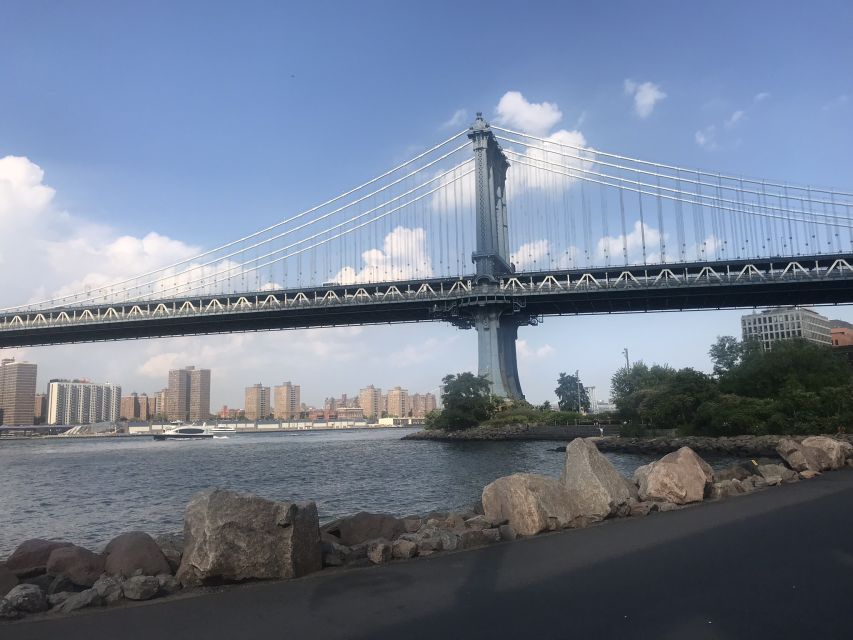
After the bridge, you head into Brooklyn Bridge Park, where the waterfront has a different rhythm from what you saw in Manhattan. The park is described as an expanded set of piers and green spaces, and that’s the point: it’s a piece of Brooklyn that shows how redevelopment can respect the waterfront while making it usable and public.
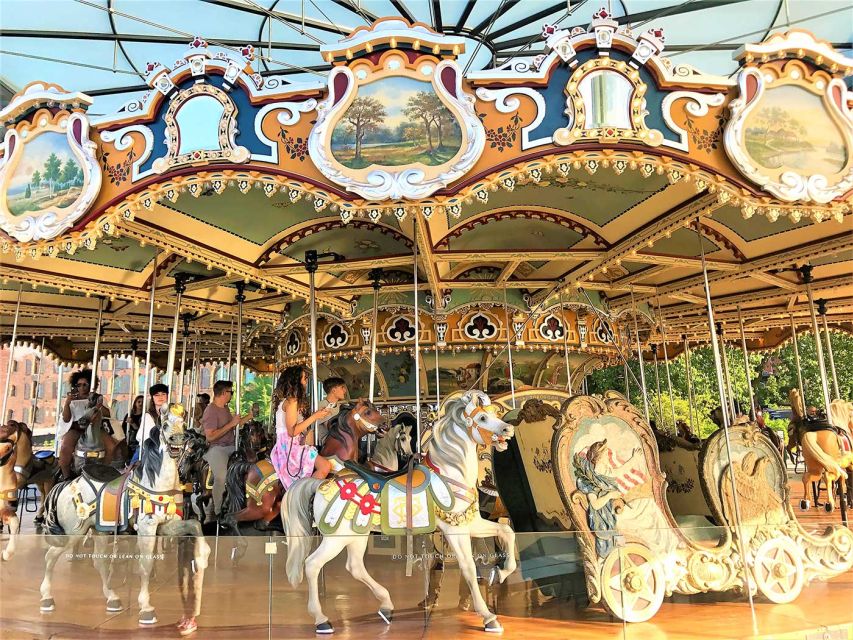
One stop worth planning for is the fully-restored 1922 carousel on the East River. Even if you’re not usually a carousel person, it’s a smart piece of variety in a history-heavy walk. It gives your legs a brief reset, and it reminds you that Brooklyn’s story isn’t only about wars and politics. It’s also about everyday culture and what the waterfront was for in different eras.
The bigger value here is perspective. Brooklyn Bridge Park isn’t just pretty scenery on a good day. It’s the kind of place that helps you understand how the borough keeps changing while still keeping visible threads of its past.
Deeper into Brooklyn, a few more picks
DUMBO: from industrial blocks to film scenes and modern creativity
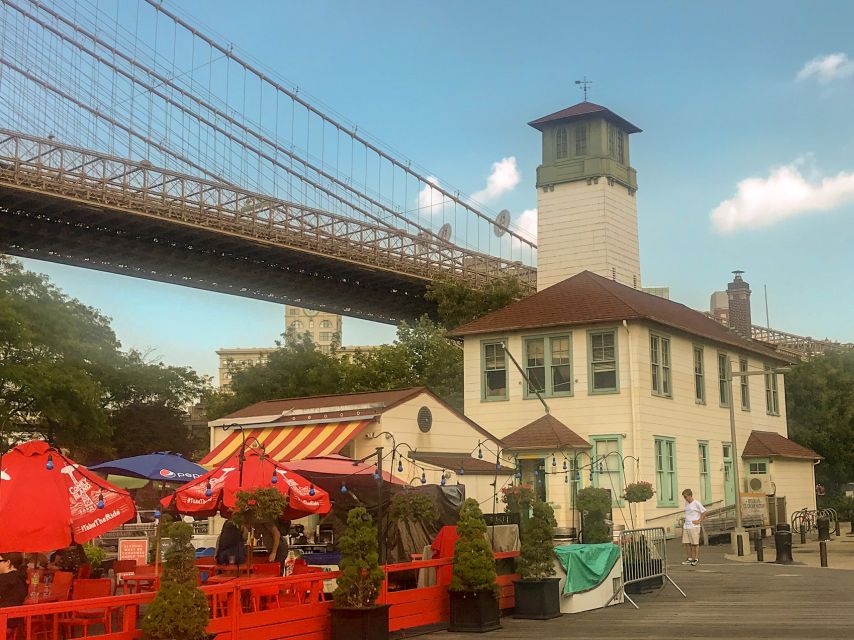
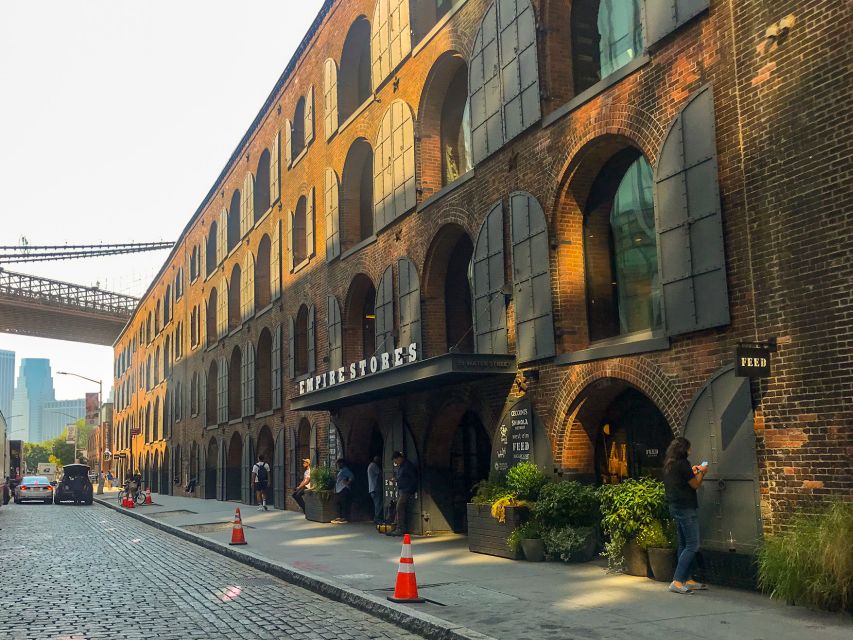
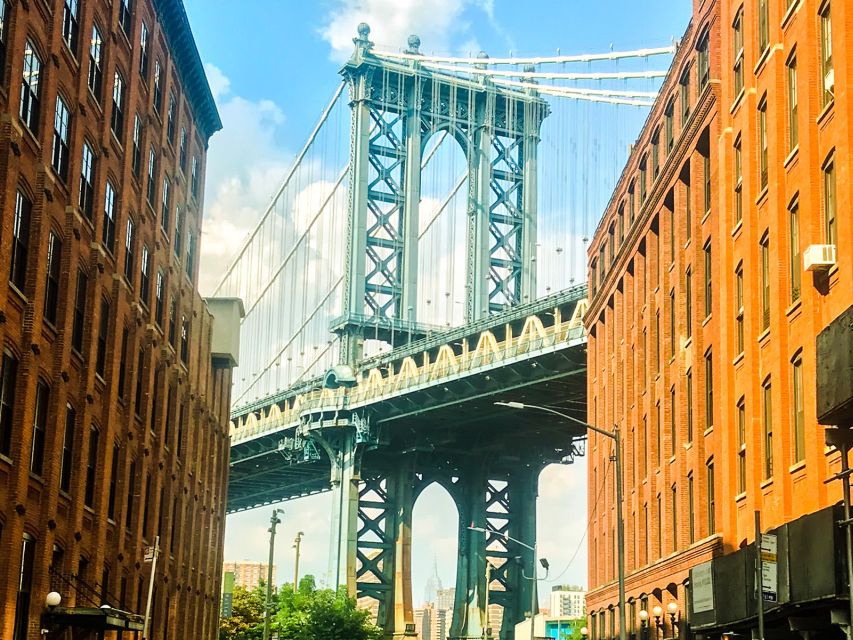
From the water, the tour moves into DUMBO, a neighborhood known for the way it blends old industrial bones with art and street-level energy. The tour approach here is useful: you’re shown the areas as a timeline, not as a set of unrelated photo spots.
This is also where movie references and famous names may show up as you walk. You’ll learn about Truman Capote’s former residence, connected to his writing of Breakfast at Tiffany’s. You’ll also pick up filming locations from well-known movies as you move through the neighborhood, which makes the streets feel less like generic city blocks and more like a living set.
Why this matters: it changes how you photograph. Instead of only grabbing skyline shots, you’ll start looking for details that support the story the guide is telling you—angles, buildings, and street layouts that help explain why filmmakers liked the look of Brooklyn.
If you’re a design, architecture, or film fan, DUMBO is the part of the day that often clicks hardest. If you’re not, it still works because the neighborhood history is tied back to Brooklyn’s larger transformation.
A sweet stop at Jacques Torres Chocolate (and how to handle it)
There’s time on the tour for a Jacques Torres Chocolate stop. It’s framed as a treat moment—New York’s well-known chocolatier, connected in the description to the Netflix show Nailed It!—so it’s not essential for the history, but it’s part of the experience.
Important practical note: food and drinks are not included. That means you’ll want to budget a little extra if you’re planning to buy anything. I like having this kind of option in a walking tour, because it gives you a predictable break without turning the whole day into a restaurant schedule.
If you’re the type who prefers to keep your day light, you can also treat the stop as a quick window-shopping moment and keep your focus on the rest of the tour.
Brooklyn Heights Promenade: the view that never gets old
Then you reach the part most people associate with Brooklyn: Brooklyn Heights Promenade. This is where Manhattan’s skyline becomes the star, framed by streets, trees, and older architecture. The tour highlights it for a reason: the promenade’s viewpoint is a classic, and the guide’s job is to give that view meaning beyond the postcard.
You’ll also walk through serene, tree-lined streets and see elegant 1800s townhouses that help explain why Brooklyn Heights has such a strong historical identity. It’s one thing to know Brooklyn has history; it’s another to see how the neighborhood’s layout and buildings carry that history forward.
This is also where the narrative becomes more explicitly political and conflict-related. The tour description includes Revolutionary War and Civil War history, and you’ll feel that shift as you head into places connected to the abolitionist movement.
Plymouth Church and Civil War-era change: history you can stand beside
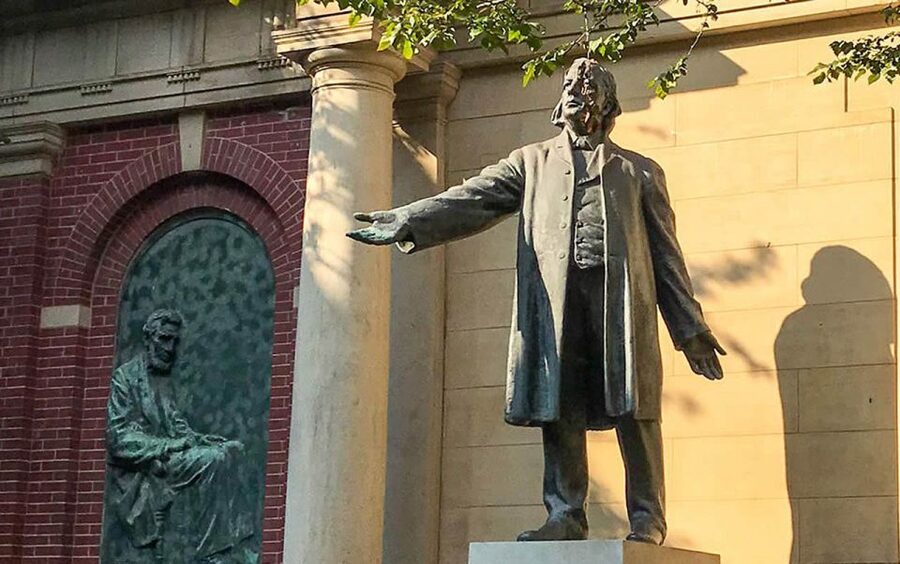
A standout stop here is Plymouth Church, where the tour connects a visiting minister’s influence to changes around the Civil War era. The guide’s framing emphasizes how persuasion and moral leadership mattered during a time when the country was tearing itself apart.
You won’t just hear names and dates. You’ll be walking in an area where the buildings and institutions helped shape public life. That’s the value of combining places with stories on foot: you’re not separating history from geography.
If you want one reason this tour can feel more satisfying than a standard sightseeing walk, it’s this. The stories land because you’re standing in the space where they played out, and the guide ties the past to what you see in front of you.
The guide factor: why Bruce’s storytelling style matters
One theme that shows up across the high ratings is the quality of the guide. Bruce is the name that appears in the reviews, and people describe him as a strong storyteller with a voice that holds attention. It’s also noted that he’s researched the Brooklyn Bridge and DUMBO area thoroughly, so you’re not getting vague, reusable talking points.
Another detail I’d take seriously: a reviewer mentions the tour worked even with kids aged 10 and 16. That suggests the pacing and explanation style aren’t only aimed at adults who already love history. If you’re bringing a teen or you’re worried the history might feel heavy, that’s a good sign.
Still, you should keep expectations realistic. This is a history-and-views walking tour, not a sit-down lecture. If you want constant stops with minimal walking, this probably isn’t your style.
Price and value: is $47 a fair deal for 3 hours?
At $47 per person for about 3 hours, the price looks reasonable for what you’re getting: guided access to major Brooklyn icons plus a historian’s narrative thread through the borough.
Here’s how I think about value on tours like this:
- You’re paying for interpretation, not just movement. The guide’s American history training helps you connect engineering, neighborhoods, and major political moments.
- You’re not paying for included meals, so the value comes from the walking route and storytelling stops, not from food service.
- You’re getting a time-efficient Brooklyn sampler. In a few hours you cover the Brooklyn Bridge crossing, waterfront park time, DUMBO, and Brooklyn Heights.
If you like tours where you leave with names, context, and a clearer sense of how a place changed over time, this price feels like a practical way to upgrade your self-guided day.
Who this tour fits best (and who should rethink it)
This tour is best for people who enjoy:
- Outdoor walking with clear landmarks
- History told in an accessible way
- Neighborhood context, not just photo ops
- A guide who can connect engineering, culture, and politics
It’s not suitable for children under 6, people with mobility impairments, people with heart problems, or anyone with low fitness. Even if you’re healthy, plan for steady walking and standing, plus outdoor exposure.
If you’re visiting in hot weather, cold weather, or wet weather, bring clothing for the conditions. The tour runs in rain, snow, and shine, so you should treat it like an outdoor plan, not a fair-weather activity.
Booking checklist: what to bring so the day feels easy
Bring comfortable shoes. You’re on your feet for most of the tour, and the bridge and promenade sections make foot comfort matter.
Also pack:
- Water
- Weather-appropriate clothing
- Outdoor clothing you’re comfortable getting used
This tour is simple on supplies. It’s not asking you to bring gear—just be ready for a full outdoor walk.
Should you book the Brooklyn Bridge, DUMBO, and Brooklyn Heights tour?
I’d book this tour if you want Brooklyn in one focused afternoon: bridge views, waterfront park stops, a film-and-literature neighborhood walk, and a real history anchor at Plymouth Church. The biggest reason to choose it is the guide-historian angle, especially with strong reviews calling out Bruce’s storytelling and research.
I’d skip it if you hate long outdoor walking, need a highly accessible route, or you’re looking for a tour that includes meals. It’s also not the best choice if you’re likely to struggle with outdoor weather exposure.
If you’re trying to make your first Brooklyn day count, this is a smart route. It gives you the classic scenery, but it also gives you the reason those places became famous in the first place.
FAQ
Where does the tour meet?
Meet on the steps of 52 Chambers Street, also known as the Tweed Courthouse.
How long is the tour?
The tour lasts about 3 hours.
How much does it cost?
The price is $47 per person.
What’s included in the tour?
You get a professional licensed NYC tour guide and historian with a Master’s Degree in American History.
Is food included?
No. Food and drinks are not included.
Is the tour offered in English?
Yes, the tour is in English.
Is the tour outdoors?
Yes. It is all outdoors and runs in rain, snow, and shine.
What should I bring?
Bring comfortable shoes, water, and weather-appropriate clothing.
Who should avoid this tour?
The tour is not suitable for children under 6, people with mobility impairments, people with heart problems, or those with low level of fitness.
Can I cancel for a refund?
Yes. You can cancel up to 24 hours in advance for a full refund.
More Tour Reviews in New York City
- NYC: SUMMIT One Vanderbilt Tickets★ 4.7 · 51,195 reviews
- NYC: Empire State Building Tickets – Observatory & Museum★ 4.7 · 25,757 reviews
- New York City: Statue of Liberty & Ellis Island with Ferry★ 4.6 · 18,683 reviews
- New York City: American Museum of Natural History Ticket★ 4.5 · 15,447 reviews
- Statue of Liberty and Ellis Island Tour: All Options★ 5.0 · 13,571 reviews
Keep Going in Brooklyn
- NYC Bus Tour of Brooklyn, Bronx, Queens: Art, Food & Sports★ 5.0 · 3,805 reviews
- NYC Highlights Tour: Bronx, Brooklyn, Harlem, Queens & Coney★ 4.5 · 2,846 reviews
- From Manhattan: 4-Hour Dyker Heights Holiday Lights Bus Tour★ 4.6 · 2,426 reviews
- NYC: Contrasts Tour of Harlem, The Bronx, Queens & Brooklyn★ 4.5 · 2,167 reviews
- NYC: Brooklyn Nets NBA Game Ticket at Barclays Center★ 4.7 · 2,033 reviews
Bridge and Back: More DUMBO Walks
- Brooklyn Bridge & DUMBO Neighborhood Tour – from Manhattan to Brooklyn★ 5.0 · 826 reviews
- Walking tour in Manhattan Brooklyn Bridge and Waterfront★ 5.0 · 222 reviews
- NYC: Brooklyn Bridge and Dumbo Guided Walking Tour★ 4.5 · 186 reviews
- Brooklyn Bridge and Waterfront 2-hour Guided Bike Tour★ 4.5 · 184 reviews
- Brooklyn Bridge Waterfront Guided Bike Tour★ 5.0 · 126 reviews
Just in: the newest New York City reviews on our desk



Brooklyn Bridge & DUMBO Tours, compared.
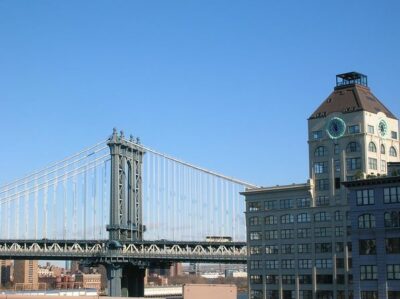 ★ 5.0Brooklyn Bridge & DUMBO Neighborhood Tour – from Manhattan to BrooklynFrom $49826 reviews
 ★ 5.0Brooklyn Bridge & DUMBO Food Tour: Local Eats & LandmarksFrom $69478 reviews
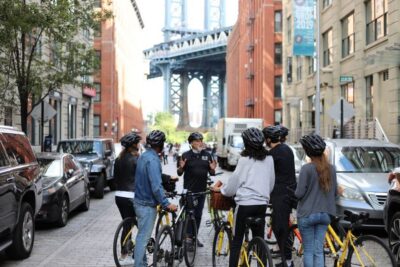 ★ 4.4From Manhattan: 2-Hour Brooklyn Bridge Bike TourFrom $59230 reviews
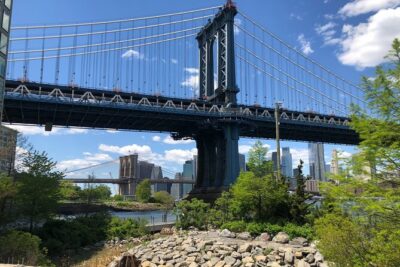 ★ 5.0Walking tour in Manhattan Brooklyn Bridge and WaterfrontFrom $29222 reviews
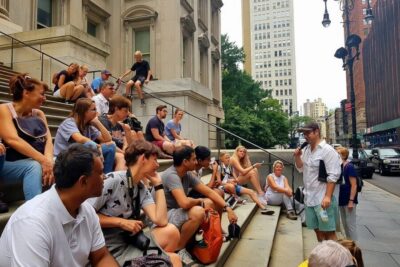 ★ 4.7Brooklyn Bridge and Dumbo District Walking TourFrom $49200 reviews
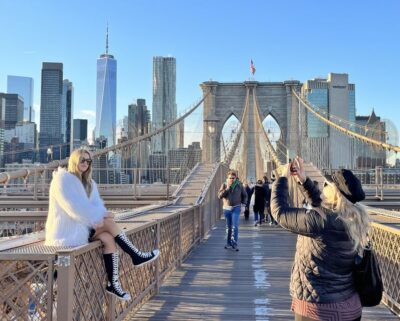 ★ 4.5Brooklyn Bridge and Dumbo Guided Walking TourFrom $34186 reviews
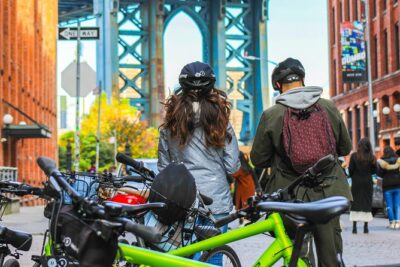 ★ 4.5Brooklyn Bridge and Waterfront 2-hour Guided Bike TourFrom $59184 reviews
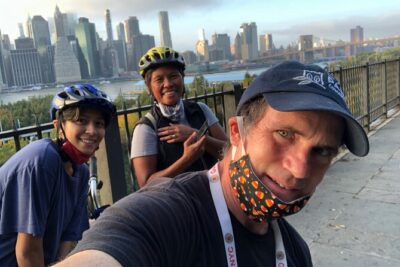 ★ 5.0Brooklyn Bridge Waterfront Guided Bike TourFrom $59126 reviews
Browse the lists this tour appears in