

Reviewed · HARLEM TOURS
Central Harlem: Mecca of African-American Culture
Harlem doesn’t feel like a museum. In just two hours, you’ll connect the dots between the Harlem Renaissance and the way Central Harlem looks and moves today, with stops that explain why places like the Apollo Theater and 125th Street matter. I like that this tour stays neighborhood-focused (not a lecture in a classroom), and I also like how the guide’s local perspective brings everyday Harlem details into the story.
The big trade-off: it’s a walking tour with moderate difficulty for some visitors, and it doesn’t include entering churches or attending music.
In This Review
- Key Things You’ll Notice On This Central Harlem Walk
- Central Harlem’s 125th Street Core: Why This Walk Works
- Meet Your Guide and Get Oriented in the Right Spot
- Two Hours On Foot: What the Tempo Feels Like
- Harlem Renaissance to Now: How the Stories Connect
- Apollo Theater, Speaker’s Corner, and Hotel Theresa: Places With Real Meaning
- Architecture Walk: Stately Homes, Historic Churches, and the Historic District
- City College, the Schomburg Center, and Langston Hughes Connections
- Guides Like William, George, Keith, and Jonathan: What Good Feels Like
- Price and Value: Is $30 for Two Hours a Good Deal?
- Who Should Book This Walking Tour (and Who Might Skip It)
- Final Call: Should You Book Central Harlem Mecca of African-American Culture?
- FAQ
- How long is the Central Harlem walking tour?
- How much does the tour cost?
- Where do I meet the guide?
- Does the tour include entering churches or attending music?
- What should I wear for the tour?
- What is the cancellation policy?
Key Things You’ll Notice On This Central Harlem Walk

- 125th Street on foot: see where older Harlem energy meets newer shopping and street life
- Apollo Theater area: understand why performance spaces shaped community pride and opportunity
- Speaker’s Corner: learn how public speech and civic life grew in this neighborhood
- Hotel Theresa stop: a landmark tie-in that helps you picture Harlem’s social history
- Historic district architecture: stately homes and church exteriors give you the feel of an earlier Harlem street grid
More of Harlem, from gospel to soul food
- NYC Highlights Tour: Bronx, Brooklyn, Harlem, Queens & Coney
★ 4.5 · 2,846 reviews - NYC: Contrasts Tour of Harlem, The Bronx, Queens & Brooklyn
★ 4.5 · 2,167 reviews - NYC: Harlem Hallelujah! Gospel Wednesday Concert
★ 4.7 · 1,638 reviews - New York City: Harlem Gospel Live Music Concert
★ 4.7 · 1,479 reviews
Central Harlem’s 125th Street Core: Why This Walk Works
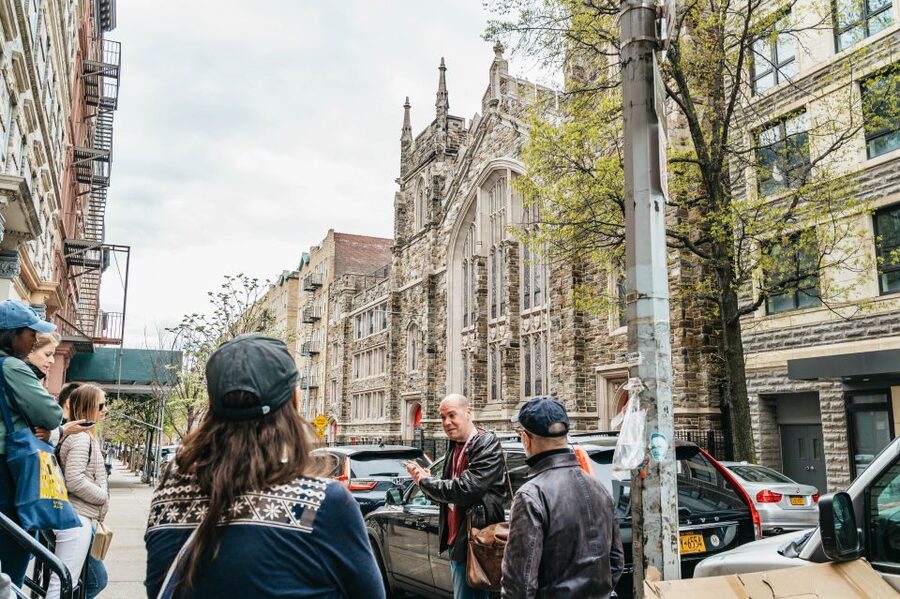
Central Harlem is often described as a kind of home base for African-American culture in the early 1900s, especially through the 1920s and 1930s. What I like about walking here is that you don’t just read about a time period. You see the streetscape that carried the music, the organizing, and the swing-dance energy people talked about and built their lives around.
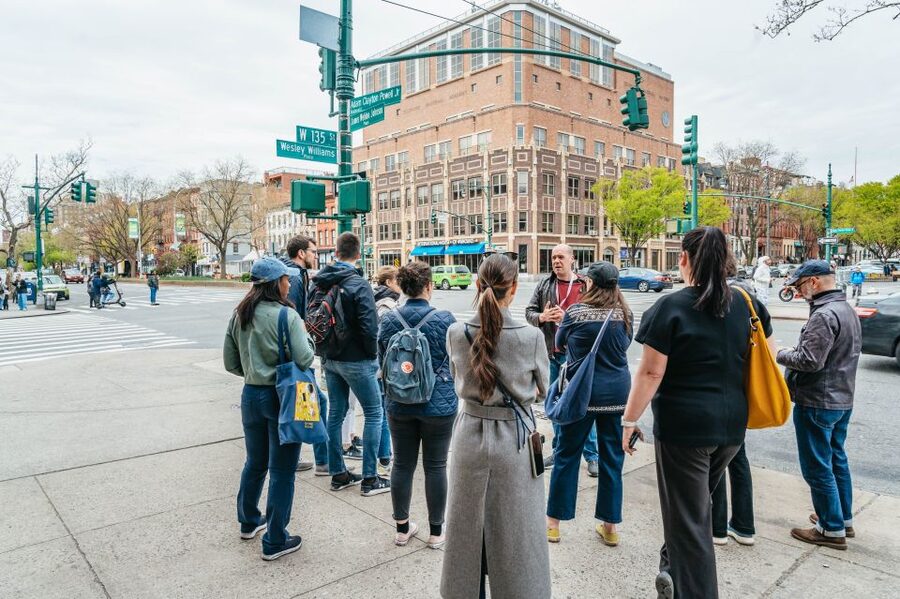
The tour centers on 125th Street, Harlem’s main shopping corridor. That matters because 125th Street isn’t just a road; it’s a public stage where eras overlap. One minute you’re imagining the Harlem Renaissance rhythm in your head, and the next minute you’re watching modern Harlem commerce happen in real time.
You also get a guided lens on the area’s current changes. Harlem isn’t static. The tour’s goal is to help you understand the past while you’re standing in the neighborhood that’s still changing shape.
Meet Your Guide and Get Oriented in the Right Spot
This is a straightforward, two-hour stroll, and orientation is half the battle in a city this big. Your meeting point depends on the day:
- Tuesday: 116th and Lenox Avenue (Malcolm X Blvd), in front of CVS
- Saturday: 145th and St Nicholas Avenue, in front of 700 St Nicholas Ave
Once you’re grouped up, you’ll start moving through quieter blocks and then work toward the busier corridor energy. I like that the tour isn’t rushed into a nonstop sprint. You’re given time to look up at buildings, notice street layout, and absorb the connections between cultural life and the built environment.
A small but helpful detail: guides on these walks are typically Harlem residents. You may hear first-hand framing about neighborhood life, not just an outside timeline. Past guides have included people like William and George, with others such as Keith and Jonathan cited for making the material clear for people from multiple countries.
Two Hours On Foot: What the Tempo Feels Like
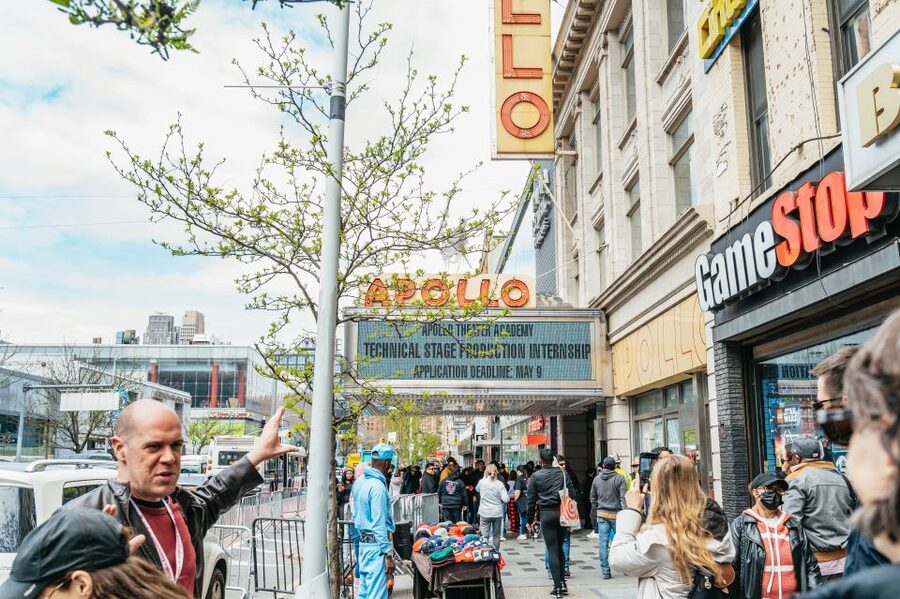
This is designed for a walking format, so your comfort matters. Wear supportive shoes and plan for city walking. The route includes moderate difficulty for visitors who need extra physical support, so it’s worth thinking about your stamina before you book.
Because the tour is only two hours, it has a tight focus: you’re not expected to cover every famous Harlem address. Instead, you’ll concentrate on the most meaningful anchors tied to Harlem’s cultural legacy—particularly music and civic life—plus the architecture you can actually see from the sidewalk.
You’ll also likely get a planned pause for comfort along the way. If that matters to you, you can treat this as the kind of tour that aims to keep a steady rhythm rather than a sprint-and-go style.




Harlem Renaissance to Now: How the Stories Connect
The Harlem Renaissance is the anchor concept here—Central Harlem’s “mecca” reputation during the 1920s and 1930s. But the tour’s payoff is connecting that era to what you can still sense on the ground now.
You’ll hear about how music shaped more than entertainment. Jazz and swing dance show up not just as art forms, but as social language—ways people gathered, expressed identity, and built momentum. It’s also why the tour emphasizes performance-linked locations. When a guide points out a theater or a gathering corner, the explanation helps you understand the neighborhood as a place where culture influenced civic life.
Another reason this works: many guides on this style of tour are praised for explaining in a balanced way—history plus the present. You might hear about gentrification and rebuilding themes, and you’ll often get answers to random questions that pop up when you’re actually looking at buildings and street patterns.
Apollo Theater, Speaker’s Corner, and Hotel Theresa: Places With Real Meaning
Some tour stops are famous names. Others are famous because people used them.
The Apollo Theater is one of those “meaning” stops. When the guide frames the Apollo area, you get a sense of how performance spaces in Harlem helped people feel visible, heard, and connected. Even if you’re not going inside, the explanation gives you a mental map of why Harlem’s music culture mattered so much.
Speaker’s Corner adds another dimension: public speech. It’s a concept tied to civic voice and community debate. Instead of treating Harlem only as a nightlife story, you learn how public expression fit into the neighborhood’s identity.
And then there’s Hotel Theresa—not just a building, but a historical waypoint. You’ll learn why it’s remembered and how it connects to the way people moved through Harlem socially and culturally. It’s the kind of stop that helps you picture what the area felt like when people came to Harlem to meet, perform, and live.
Architecture Walk: Stately Homes, Historic Churches, and the Historic District
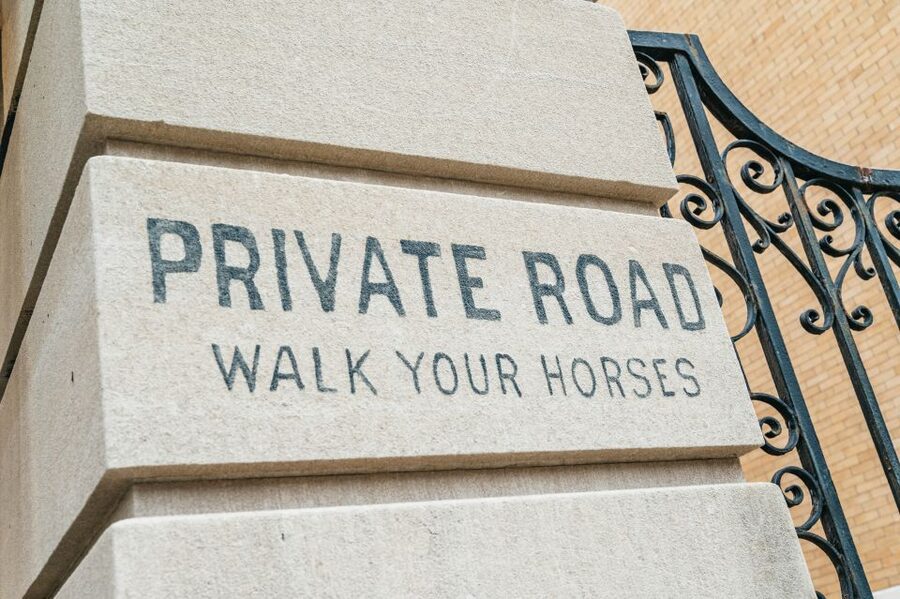
This tour isn’t about running inside buildings. Still, you do see a lot from the outside: stately homes, historic church structures, and the overall look of the historic district.
You get value from the street-level perspective. Facades, stoops, and building scale help you understand why Central Harlem could serve as a cultural crossroads. When a guide points out architectural details, the explanations make the neighborhood feel more “readable.” You’re not just collecting names; you’re understanding why this place worked for community life.
One clarification matters: the tour focuses on neighborhood history and does not include a visit inside churches or any music performance. You’ll be viewing churches as part of the neighborhood fabric, not attending a service.
City College, the Schomburg Center, and Langston Hughes Connections
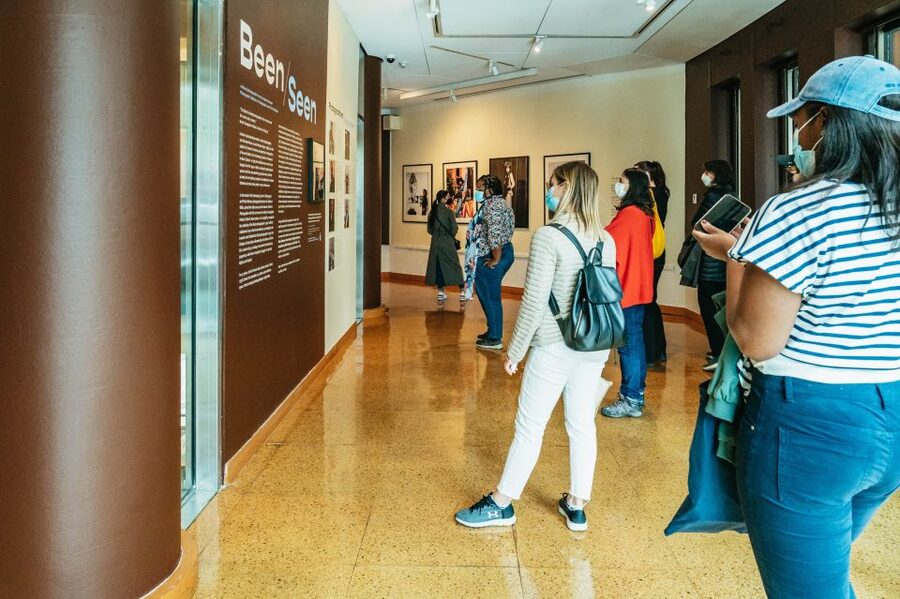
A major reason this walk stands out for book-lovers and teachers (and basically anyone who likes context) is that it can include literary and institutional landmarks.
For example, you might get a moment connected to City College, including views from that area toward Hamilton’s home. Even if you don’t memorize every street view, those sightlines help you understand how Harlem connects to the broader Manhattan geography.
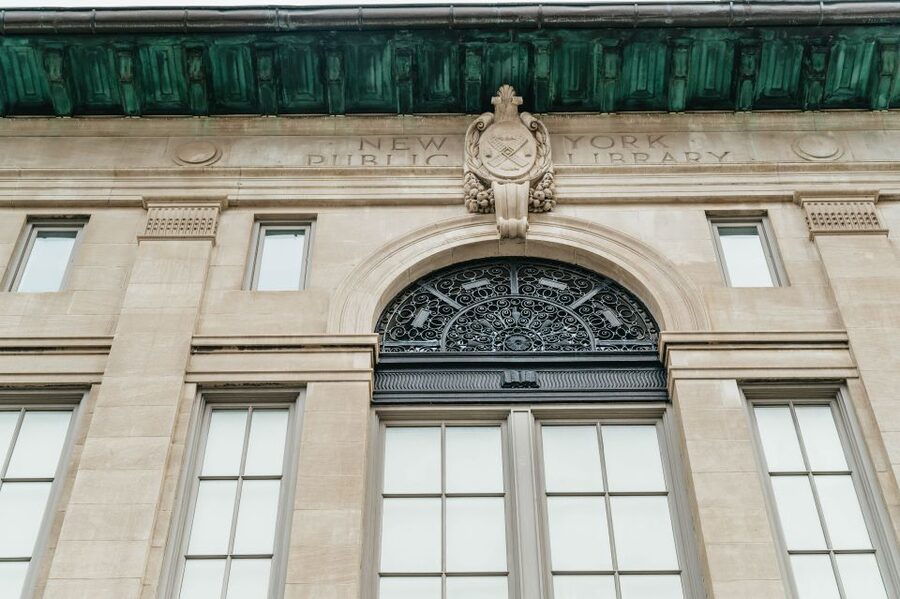
The Schomburg Center is often described as a favorite stop. It’s the kind of place that gives the tour a longer reach beyond the blocks you walk on. And then there’s the stop connected to Langston Hughes, including a reference to the ashes of Langston Hughes being interred there. When a guide talks through that kind of connection, the tour stops feeling like sightseeing and starts feeling like a story with a pulse.
Even if you’re not a literature scholar, these are the stops that make Harlem’s cultural legacy feel personal. You can walk away knowing that Harlem wasn’t only about artists—it was about memory, archives, and who gets to be preserved.
Guides Like William, George, Keith, and Jonathan: What Good Feels Like
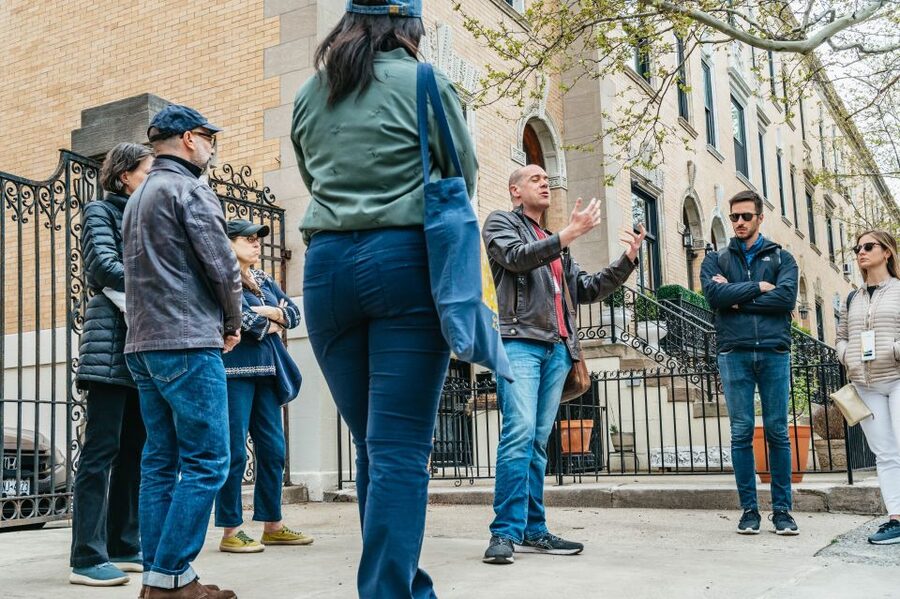
The guide can make or break a walking tour in a neighborhood like this. In this case, the standout theme is communication.
I like that some guides—people such as William and George, plus Keith and Jonathan—are described as passionate and very involved with their community. That usually means your explanation isn’t limited to dates. You get everyday context too: what neighborhood life looks like, what people hope for, and what threats can show up.
There’s also a recurring theme in how the best guides explain the material for different backgrounds. One guide is noted for making the history accessible to people from several countries without talking down. That’s a huge deal on a short, two-hour tour. It keeps the pace respectful and makes sure you don’t spend the afternoon lost.
One practical tip: if you like asking questions, you’ll probably have a good time here. The format supports conversation, not just a monologue, and strong local guides tend to handle off-the-cuff curiosity well.
Price and Value: Is $30 for Two Hours a Good Deal?
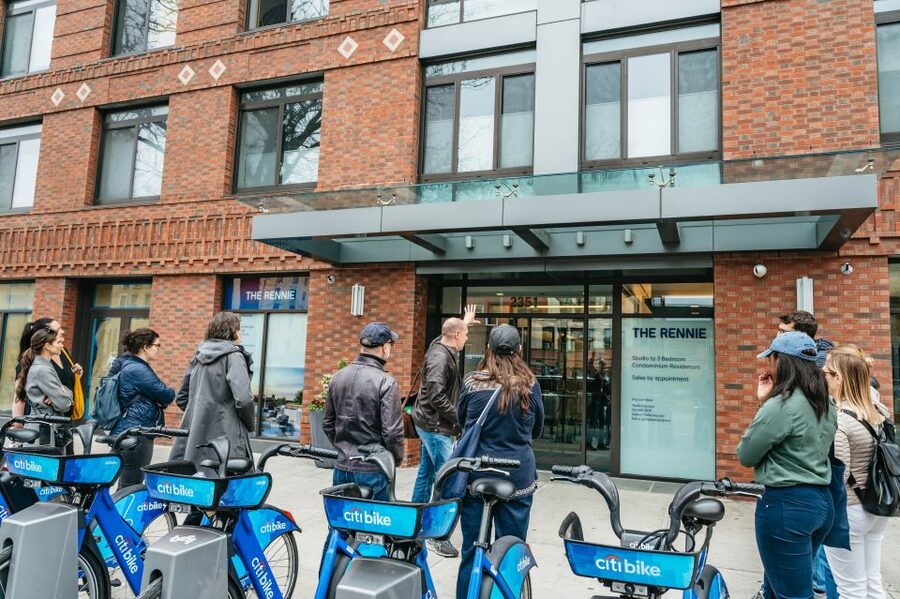
At $30 per person for a 2-hour guided neighborhood walk, this sits in the “reasonable for NYC” category. You’re paying for a licensed guide and a Harlem resident’s perspective, plus local context that’s hard to replicate on your own unless you already know where to look.
Here’s how I’d judge the value. If your goal is to see buildings and famous names without understanding the why, you could do it independently. But if you want the story connected to the street—Harlem Renaissance significance, how performance venues relate to culture, and how the neighborhood is shifting—this kind of guided walk is often the fastest way to get oriented.
Also, two hours is long enough to feel like you saw a real arc, but short enough that you won’t feel exhausted if you’re juggling other NYC plans.
Who Should Book This Walking Tour (and Who Might Skip It)
This tour is a great fit if you:
- Want a focused Harlem intro that connects music, culture, and civic life
- Prefer walking through neighborhoods over sitting in a museum
- Like architecture and want a guide to explain what you’re seeing
- Enjoy history with present-day context, including changes in the neighborhood
It might be less ideal if you:
- Need low-impact walking due to moderate physical difficulty
- Want an itinerary that includes entering churches or attending performances (this tour doesn’t do that)
- Prefer hands-on experiences or inside access at specific venues (this is primarily an outside neighborhood history walk)
Final Call: Should You Book Central Harlem Mecca of African-American Culture?
If your idea of a good Harlem visit is history you can see on the street—plus a guide who connects the dots without turning it into a lecture—then yes, this is a smart booking. The $30 price for a guided two-hour walk is also a comfortable entry point, especially if you want an organized way to understand Central Harlem’s legacy fast.
If you’re sensitive to walking distance or you want inside visits to churches and music venues, you’ll probably feel limited. In that case, consider pairing this with other Harlem stops that match those specific interests.
FAQ
How long is the Central Harlem walking tour?
The tour lasts 2 hours.
How much does the tour cost?
The price listed is $30 per person.
Where do I meet the guide?
On Tuesday, meet at 116th and Lenox Avenue (Malcolm X Blvd) in front of CVS. On Saturday, meet at 145th and St Nicholas Avenue, in front of 700 St Nicholas Ave.
Does the tour include entering churches or attending music?
No. This tour focuses on neighborhood history and does not include a visit to church or music.
What should I wear for the tour?
Because it’s a walking tour, wear appropriate clothing and comfortable footwear.
What is the cancellation policy?
There is free cancellation—you can cancel up to 24 hours in advance for a full refund.
More Tour Reviews in New York City
- NYC: SUMMIT One Vanderbilt Tickets★ 4.7 · 51,195 reviews
- NYC: Empire State Building Tickets – Observatory & Museum★ 4.7 · 25,757 reviews
- New York City: Statue of Liberty & Ellis Island with Ferry★ 4.6 · 18,683 reviews
- New York City: American Museum of Natural History Ticket★ 4.5 · 15,447 reviews
- Statue of Liberty and Ellis Island Tour: All Options★ 5.0 · 13,571 reviews
Uptown Sundays: More of Harlem
- NYC Highlights Tour: Bronx, Brooklyn, Harlem, Queens & Coney★ 4.5 · 2,846 reviews
- NYC: Contrasts Tour of Harlem, The Bronx, Queens & Brooklyn★ 4.5 · 2,167 reviews
- NYC: Harlem Hallelujah! Gospel Wednesday Concert★ 4.7 · 1,638 reviews
- New York City: Harlem Gospel Live Music Concert★ 4.7 · 1,479 reviews
- Harlem Sunday Morning Gospel Tour★ 4.0 · 995 reviews
Just in: the newest New York City reviews on our desk





Harlem Tours, compared.
 ★ 4.5NYC Highlights Tour: Bronx, Brooklyn, Harlem, Queens & ConeyFrom $462,846 reviews
 ★ 4.5Contrasts Tour of Harlem, The Bronx, Queens & BrooklynFrom $392,167 reviews
 ★ 4.7Harlem Hallelujah! Gospel Wednesday ConcertFrom $251,638 reviews
 ★ 4.7Harlem Gospel Live Music ConcertFrom $281,479 reviews
 ★ 4.0Harlem Sunday Morning Gospel TourFrom $85995 reviews
 ★ 4.04-hour Harlem Gospel Tour in New York CityFrom $79935 reviews
 ★ 3.9Harlem: Central Harlem Sunday Gospel with LocalsFrom $25499 reviews
 ★ 4.3Sunday Harlem Gospel Guided TourFrom $89438 reviews
Browse the lists this tour appears in