
Reviewed · CENTRAL PARK TOURS
Central Park-Bethesda Terrace, Strawberry Fields, Bow Bridge
Central Park is big, and it hides its best moments. This small-group walking tour takes you through the southern half with a local, licensed NYC guide and hits the places people photograph for a reason. I especially like the focus on iconic, picture-ready stops and the way the guide keeps you moving at a comfortable pace without getting turned around. One thing to consider: it is a full walking experience, and it’s not suitable for wheelchair users, and non-folding strollers aren’t allowed.
You’ll start at the northwest corner of 59th St and 5th Ave at the General Sherman Statue (the gold statue) and follow a route designed to show Central Park’s key textures. Expect Bow Bridge, Bethesda Terrace, Strawberry Fields, the Alice in Wonderland statue, the Ramble’s winding paths, plus bridges over the park’s water—each with its own architectural personality. It’s 3 hours (usually a morning outing), and at a glance, it’s a simple walk; in practice, it’s the fastest way to understand why Central Park became the city’s living symbol.
In This Review
- Key Things I’d Put on Your Radar
- Why Central Park’s Southern Half Works So Well
- Starting at the General Sherman Statue: Easy to Find, Easy to Follow
- Bow Bridge and Bethesda Terrace: Where Central Park Photos Become Meaning
- Strawberry Fields and the Alice in Wonderland Statue: Two Icons, One Mood Shift
- The Ramble: The Part You Might Miss Without a Guide
- Bridges, Ponds, and Skyline Views: Architecture You Can Actually Notice
- The Dairy Visitor Center: Gothic Flair in a Place You Might Overlook
- How the Pace Works Over 3 Hours (and Why Small Groups Matter)
- Movie Locations, Fun Stories, and the Value of Live Commentary
- Cost and Value: Is $49 Worth It?
- Who Should Book This Tour (and Who Might Want to Skip It)
- Should You Book This Tour for Central Park’s Greatest Hits?
- FAQ
- Where does the tour start?
- How long is the Central Park walking tour?
- What sights are included?
- What part of Central Park does it cover?
- What’s the meeting time or when does it run?
- Is the tour wheelchair accessible?
- Are strollers allowed?
- What language is the tour guide?
- What’s the cancellation and payment flexibility?
Key Things I’d Put on Your Radar
- 14 of the park’s most photographic stops in a smart 3-hour loop
- Bow Bridge and Bethesda Terrace for the classic Central Park look
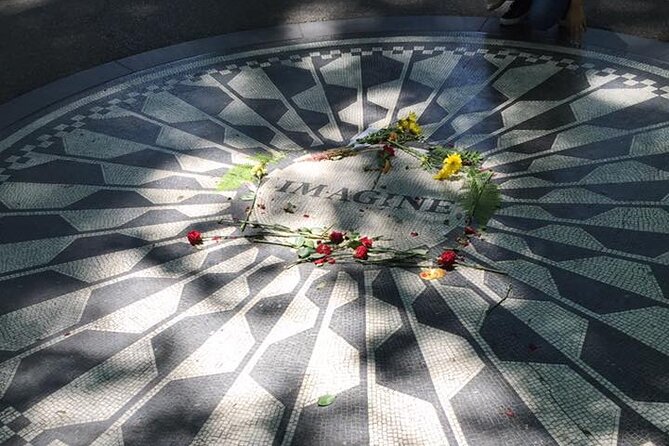
- Strawberry Fields and the Lennon tribute, including the Imagine mosaic
- The Ramble for calmer, wooded walking where it’s easier to slow down
- Bridges with distinct architecture as you cross between ponds and water features
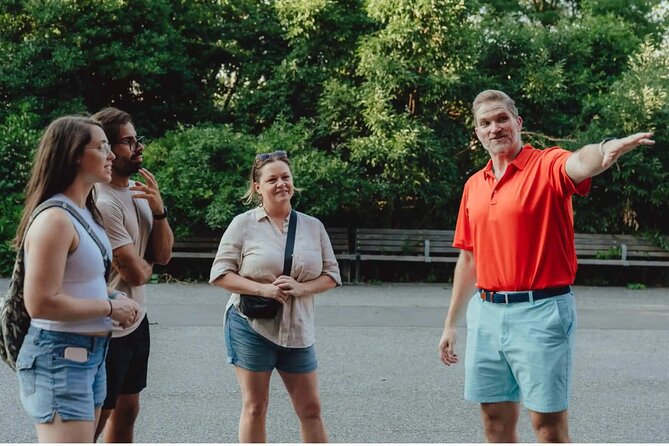
- A small group with live commentary so you can ask questions without losing the flow
More ways to see Central Park
- Central Park Pedicab Guided Tours
★ 5.0 · 7,108 reviews - Private Central Park Pedicab Tour
★ 5.0 · 6,981 reviews - NYC: Central Park Bike Rentals
★ 4.2 · 2,528 reviews - Official NYC Horse Carriage Rides in Central Park since 1979 ™
★ 5.0 · 2,365 reviews
Why Central Park’s Southern Half Works So Well
Central Park is 843 acres. That’s a lot of walking, and it’s also why you can spend a whole day and still feel like you only scratched the surface. What makes this tour feel practical is that it doesn’t try to do everything. It targets the part of the park that concentrates many of the most recognizable scenes and viewpoints.
You also get help interpreting what you’re seeing. Central Park shows up all over TV and film, and with a guide narrating the design and landmarks, you start noticing patterns—how paths lead you, why water is placed where it is, and how stonework became a stage set for New York itself. It’s the kind of story that makes the park feel less random and more intentional.
Starting at the General Sherman Statue: Easy to Find, Easy to Follow
The meeting point is right where you want it: the northwest corner of 59th St and 5th Ave by the General Sherman Statue (the gold statue). This matters because Central Park can feel confusing even when you’re standing inside it. A fixed start point reduces stress, and it helps you get into “walking mode” quickly.
Once you’re underway, the guide’s job is to keep you on track across the most maze-like section: The Ramble. If you’ve ever tried to wander there on your own, you know it can turn into a game of guessing which path leads where. On this tour, you don’t have to play detective; you get an organized route that still feels relaxed.
Also worth noting: the tour is English-language only. If you’re comfortable in English, you’ll get the full payoff from the narration rather than catching only fragments.
Bow Bridge and Bethesda Terrace: Where Central Park Photos Become Meaning
This is the classic “I get it now” stretch. Bow Bridge is the sort of bridge that looks designed for romance and cinema, and it delivers the views that make Central Park famous. You’ll come away with photos that feel instantly recognizable because the composition is built for it.
Then you hit Bethesda Terrace, often called the soul of Central Park. The reason it’s such a stop on this tour is straightforward: the stonework and the surrounding scene are made for lingering. Bethesda Fountain sits in that larger architectural set, and the guide’s commentary helps you see how the layout supports the vibe—grand, calm, and theatrical at the same time.
If you’re traveling with family, this is also where different ages tend to agree. Adults like the details and history behind the design cues; kids tend to simply enjoy the fact that the park suddenly looks like a movie set.
Possible drawback here: if you’re extremely photo-precise and want to linger in every single spot longer than 30 seconds, a timed group walk can feel a little fast. The tradeoff is that you get to see more of the park’s top scenes in the same morning.




Strawberry Fields and the Alice in Wonderland Statue: Two Icons, One Mood Shift
After the grandeur, the vibe turns more reflective. Strawberry Fields honors John Lennon, and you’ll see the Imagine mosaic that has become a must-see pilgrimage point for many visitors. It’s a quiet kind of landmark, and it changes the tone of the walk in a good way—less postcard, more place with meaning.
Then you get the playful contrast of the Alice in Wonderland statue. It’s one of those Central Park moments that reminds you the park isn’t only for serious sightseeing. It’s also for whimsy, childhood imagination, and letting your photos show personality.
This pairing is a win if you like a tour that has variety. In a lot of “highlights” walks, everything can start blending together. Here, you get a clear mood shift: iconic memorial space, then a nod to fantasy.
The Ramble: The Part You Might Miss Without a Guide
If Central Park had a hidden “slow down” button, The Ramble would be it. This wooded section has winding paths and tranquil streams that feel away-from-it-all—despite being in one of the busiest cities on earth.
A guide makes a big difference here. Without one, it’s easy to shortcut through the wrong paths or miss the moments when the trees really start acting like a screen, blocking out the city noise. On this tour, the route through the Ramble is designed so you can experience it without getting lost in the maze.
For me, that’s the real value: the Ramble isn’t hard to walk through, but it is easy to wander past the best angles. When someone is steering you, you can focus on what you’re seeing: the curve of a walkway, the sound of water nearby, and the way the greenery shapes the atmosphere.
Bridges, Ponds, and Skyline Views: Architecture You Can Actually Notice
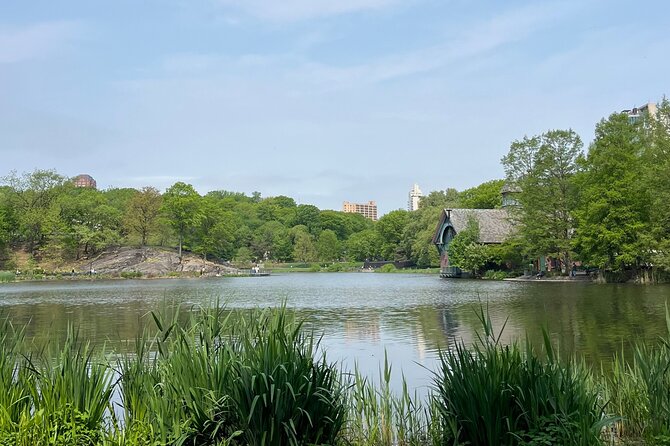
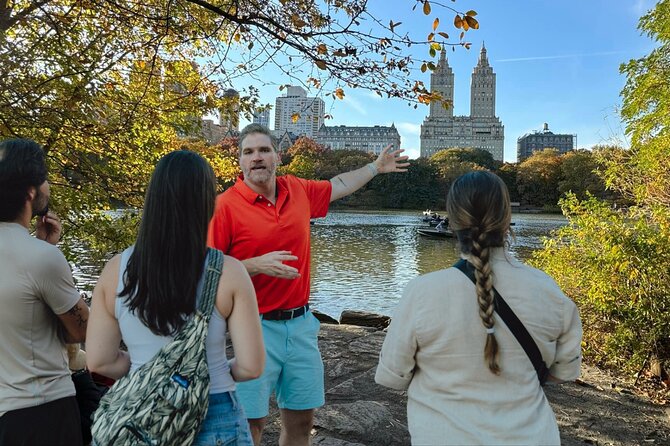
Central Park’s water features are a huge part of why the park looks like it has its own weather system. As you move through the route, you’ll pass key water areas like The Pond and The Lake, plus bridges that cross between them.
Here’s a detail worth paying attention to: each bridge across the ponds has unique architecture, and no two bridges are the same. That means you’re not just walking over a bridge—you’re comparing styles, shapes, and design ideas in real time. It’s one of those “small observation” things that makes the tour feel smarter than a basic sightseeing loop.
You’ll also get open field moments and skyline views, which help you tie the park back to New York. The best shots tend to happen when you can frame the city beyond the greenery, and the guided pacing helps you reach those perspectives without sprinting.
The Dairy Visitor Center: Gothic Flair in a Place You Might Overlook
Central Park has buildings that look like they belong in other parts of the city, and the Dairy is one of them. It’s now a visitor center with Gothic flair, and it’s a nice reminder that this park isn’t just greenery—it’s also architecture and adaptive reuse.
On the tour, it works as a break from continuous walking and landmark-hopping. You get a different kind of “Central Park look,” and it helps you understand the park as a functioning place with history layered into the present.
If you’re the type who likes to notice the built environment, this stop adds texture. If you’re mostly there for photos, it still gives you a change of scenery that isn’t just another fountain or statue.
How the Pace Works Over 3 Hours (and Why Small Groups Matter)
This tour is designed for a comfortable 3-hour window, usually in the morning. That duration is important because Central Park is so large that a short visit can turn into a blur. Three hours is long enough to see meaningful highlights, but not so long that your feet revolt.
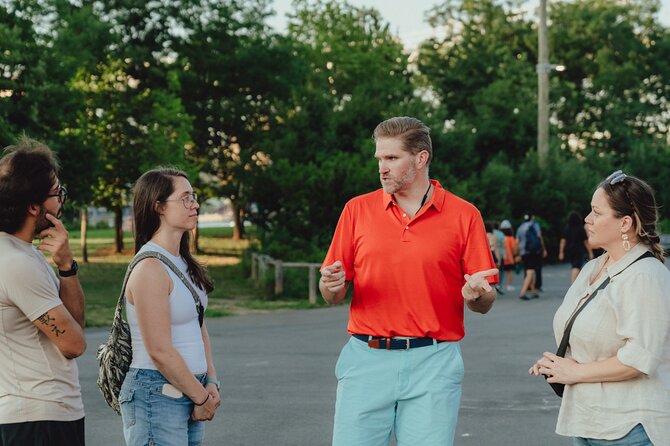
Because it’s a small group walking tour, you also get flexibility. You can ask questions, and you don’t feel like you’re stuck listening to a guide while trying to keep up with 40 other people. One practical benefit: when you stop frequently for photos and explanations, it’s easier to regroup and stay oriented.
Still, be honest with yourself about your pace tolerance. This is a walking tour. If you’re hoping for a mostly sitting-and-looking experience, you may feel it more than expected. And remember: non-folding strollers aren’t allowed, and it’s not set up for wheelchair access.
Movie Locations, Fun Stories, and the Value of Live Commentary
Central Park is a favorite filming location. You’ll hear about it through stories tied to specific landmarks and scenes, including movies like Home Alone 2, Ghostbusters, When Harry Met Sally, Breakfast at Tiffany, Serendipity, You’ve Got Mail, and the famous Elf moment.
What I like about live commentary is that it turns vague recognition into something concrete. Instead of thinking, I’ve seen this somewhere, you learn what to look for: the angles, the background, and why a location made sense for a scene.
One example from a recent tour experience is a guide named Kassie, who pointed out movie locations in a way that landed well even with kids. That’s a good sign: good guiding doesn’t just inform adults; it keeps younger attention moving too.
And yes, you’ll likely get light humor and personable storytelling. It’s part of how the guide makes a large park feel manageable and human.
Cost and Value: Is $49 Worth It?
At $49 per person for a 3-hour guided walk with live commentary and stops at 14 of Central Park’s most photographed sites, the value mostly comes down to one question: what’s your time worth, and how much do you want to think while walking?
If you go solo, you can absolutely see some highlights. But you’ll likely spend extra time figuring out routes, backtracking, and missing the exact angles that make those spots photo-famous. In contrast, you’re paying for efficiency plus context—someone else handles navigation, and you get the why behind the what.
The tour also gives you structure. For many first-timers, Central Park feels intimidating because it’s too big and too varied. A guide narrows the decision-making for you: you know what you’re walking toward, you know when it matters, and you’re not relying on guesswork.
So yes, it’s a paid experience in a free park. But it’s a focused way to make your limited hours count.
Who Should Book This Tour (and Who Might Want to Skip It)
This tour is a strong fit if you:
- want the most photographed Central Park locations without spending your day lost
- like storytelling that connects landmarks to design and pop culture
- travel with kids or teens who enjoy statues, landmarks, and surprises along the way
Family-friendly moments can include unexpected stops that kids love, such as Balto the famous dog statue, plus movie-scene spotting that keeps attention moving.
You might consider skipping or adjusting expectations if you:
- need wheelchair access (this one isn’t suitable)
- rely on a non-folding stroller (not allowed)
- want an ultra-slow pace with long solo photo sessions everywhere
Should You Book This Tour for Central Park’s Greatest Hits?
If you’re visiting Central Park for the first time and you only have a morning (or a few hours) that you can spare, I’d book this. The key reason is simple: it’s designed to prevent the two biggest first-timer problems—wandering and missing the best photo angles.
It’s also not just a list of sites. You’ll understand how the park’s design affects your walk, and you’ll leave with a mental map of where everything fits together: Bow Bridge for the classic postcard, Bethesda for architectural grandeur, Strawberry Fields for meaning, the Ramble for calm, and the bridges and water for architectural variety.
If you’re the type who wants Central Park to feel like a story instead of a random collection of stops, this is an efficient, enjoyable way to do it.
FAQ
Where does the tour start?
It starts from the northwest corner of 59th St and 5th Ave, by the General Sherman Statue (the gold statue).
How long is the Central Park walking tour?
The duration is 3 hours.
What sights are included?
The tour includes guided walking with live commentary and stops at 14 of Central Park’s most photographic sites, including Bow Bridge, Bethesda Terrace, Strawberry Fields, and others such as the Alice in Wonderland statue.
What part of Central Park does it cover?
It explores the southern half of Central Park, including areas with pedestrian paths, water features like The Pond and The Lake, bridges, open fields, and skyline views.
What’s the meeting time or when does it run?
It’s usually available in the morning.
Is the tour wheelchair accessible?
No. It is not suitable for wheelchair users.
Are strollers allowed?
Non-folding strollers are not allowed.
What language is the tour guide?
The live tour guide provides commentary in English.
What’s the cancellation and payment flexibility?
You can cancel up to 24 hours in advance for a full refund, and you can reserve now & pay later (pay nothing today).
More Tour Reviews in New York City
- NYC: SUMMIT One Vanderbilt Tickets★ 4.7 · 51,195 reviews
- NYC: Empire State Building Tickets – Observatory & Museum★ 4.7 · 25,757 reviews
- New York City: Statue of Liberty & Ellis Island with Ferry★ 4.6 · 18,683 reviews
- New York City: American Museum of Natural History Ticket★ 4.5 · 15,447 reviews
- Statue of Liberty and Ellis Island Tour: All Options★ 5.0 · 13,571 reviews
More of Central Park
- Central Park Pedicab Guided Tours★ 5.0 · 7,108 reviews
- Private Central Park Pedicab Tour★ 5.0 · 6,981 reviews
- NYC: Central Park Bike Rentals★ 4.2 · 2,528 reviews
- Official NYC Horse Carriage Rides in Central Park since 1979 ™★ 5.0 · 2,365 reviews
- NYC: Central Park Bike Rental★ 4.1 · 1,651 reviews
Just in: the newest New York City reviews on our desk





Central Park Tours, compared.
 ★ 5.0Central Park Pedicab Guided ToursFrom $387,108 reviews
 ★ 5.0Private Central Park Pedicab TourFrom $386,981 reviews
 ★ 4.2Central Park Bike RentalsFrom $92,528 reviews
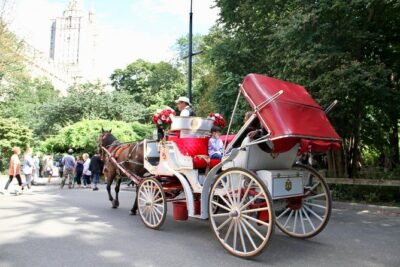 ★ 5.0Official NYC Horse Carriage Rides in Central Park since 1979 ™From $992,365 reviews
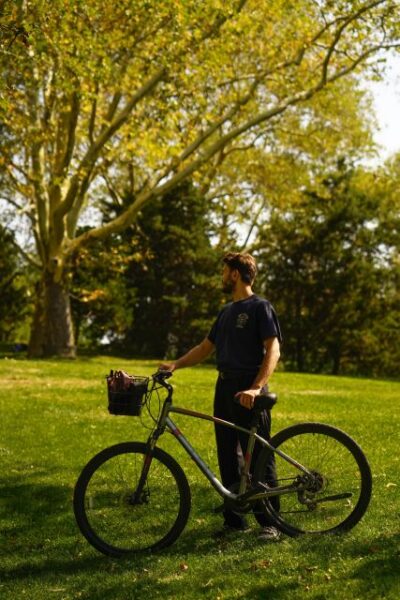 ★ 4.1Central Park Bike RentalFrom $81,651 reviews
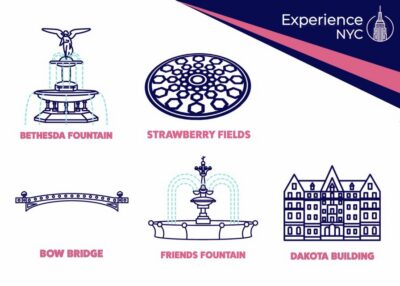 ★ 4.9Private Central Park Pedicab TourFrom $401,637 reviews
 ★ 4.7Central Park Bike RentalFrom $91,509 reviews
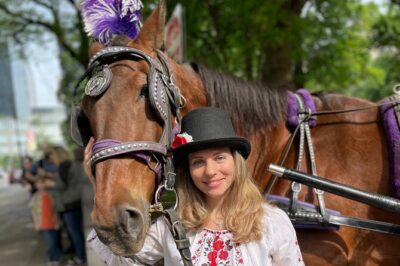 ★ 4.0Carriage Ride in Central Park (VIP – PRIVATE) Since 1964™From $141,074 reviews
Browse the lists this tour appears in