
Reviewed · CENTRAL PARK TOURS
Central Park Stolen Archives: NY Exploration Game and Tour
Clues beat crowds in Central Park. Central Park Stolen Archives turns a normal Museum Mile walk into a smartphone exploration game where you solve challenges at famous landmarks in Central Park and the surrounding museum stretch. I like that it’s $5.99 per person and doesn’t rely on paid entry tickets as part of the game at most stops.
One more plus: the route is designed for a steady pace—about 2 hours 15 minutes to 2 hours 45 minutes—with you moving stop to stop while the next clue points your way. The main drawback is also simple: there’s no tour guide included, so you’ll get story beats through the app, not live commentary.
In This Review
- Key things to know before you start
- A Museum Mile stroll with rules (and a little plot)
- Price and time: what $5.99 really buys
- What’s included (and what’s not) so expectations match reality
- How the clue chain keeps you moving
- Stop-by-stop walkthrough across Central Park and beyond
- Stop 1: Pulitzer Fountain (Start here)
- Stop 2: Lombard Lamp
- Stop 3: Inscope Arch
- Stop 4: Delacorte Clock
- Stop 5: Balto Statue
- Stop 6: William Shakespeare Statue (linger if you want)
- Stop 7: The Mall and Literary Walk (more time here)
- Stop 8: Bethesda Terrace (views + pacing)
- Stop 9: The Frick Collection (admire as you go)
- Stop 10: Ukrainian Institute of America
- Stop 11: The Metropolitan Museum of Art
- Stop 12: The Obelisk
- Stop 13: Neue Galerie New York
- Stop 14: Guggenheim Museum Store
- Stop 15: Cooper Hewitt, Smithsonian Design Museum (finish)
- 24/7 customer support: the safety net you’ll feel (even if you don’t need it)
- Who this is best for
- Small practical tips that make it smoother
- Should you book Central Park Stolen Archives?
- FAQ
- How much does Central Park Stolen Archives cost?
- How long does the game take?
- Do I need to book in advance?
- What do I need to play the tour?
- Is there a live tour guide with this experience?
- Are attraction tickets included?
- Where do I start and where do I finish?
- Is there customer support if I get stuck?
- Can I cancel and get a full refund?
Key things to know before you start

- Phone-first play: You use the Questa app with a mobile ticket, so this feels more like a scavenger hunt than a guided walk.
- Clues at iconic stops: Each checkpoint is tied to a specific monument or feature, starting at Pulitzer Fountain.
- You control the pace: Several stops let you linger as long as you like, instead of herding everyone along.
- Support is available 24/7: If the game throws you off, help is there.
- Good value for a museum-area stroll: It’s inexpensive, and most checkpoints are marked with free admission.
- Private activity for your group: Only your party participates, which usually means less waiting and more flexibility.
More ways to see Central Park
- Central Park Pedicab Guided Tours
★ 5.0 · 7,108 reviews - Private Central Park Pedicab Tour
★ 5.0 · 6,981 reviews - NYC: Central Park Bike Rentals
★ 4.2 · 2,528 reviews - Official NYC Horse Carriage Rides in Central Park since 1979 ™
★ 5.0 · 2,365 reviews
A Museum Mile stroll with rules (and a little plot)
New York walking tours often have the same rhythm: meet up, listen, walk, repeat. This one changes the tempo. You’re still walking through major sights—Pulitzer Fountain down to Cooper Hewitt—but the experience is driven by a clue chain you follow on your phone.
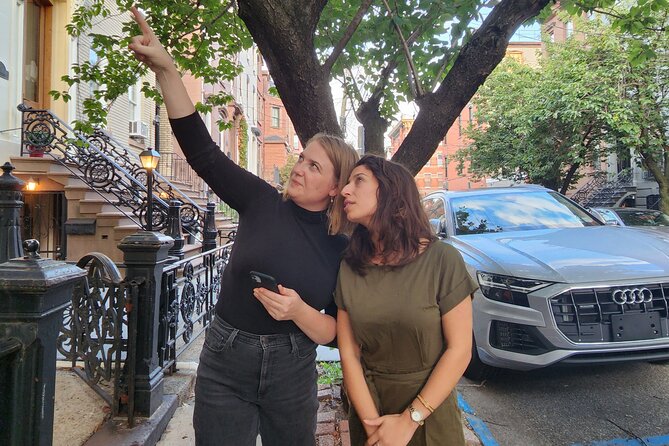
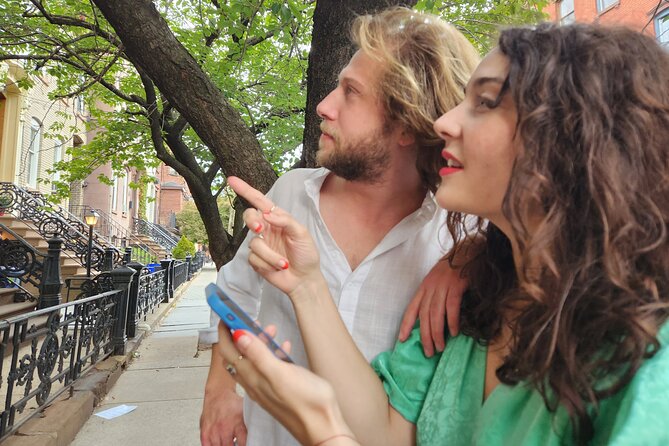
That difference matters. Instead of counting time until you can sit down, you’re counting clues. You tend to look up more. You pause more often for the obvious reason that you’re supposed to. And if you’ve walked Central Park’s museum area before, this kind of format is exactly how you end up noticing things you’ve been passing for years. One review nailed the feeling: a local can walk the route all the time and still see it in a new light when the game nudges your attention.
Price and time: what $5.99 really buys
At $5.99 per person, this is priced like a budget-friendly activity, not a premium guided tour. The value comes from how the cost is matched to what you actually do: you walk outdoors, you solve challenges, and you use the app as your guide.
Time-wise, you’re looking at about 2 hours 15 minutes to 2 hours 45 minutes. That’s long enough to feel like you covered real ground in and around Central Park, but short enough to work for a day that also includes museums, food stops, or Broadway plans. Since the experience is private to your group, you’re not stuck waiting for strangers who are slow to find the meeting spot.
What’s included (and what’s not) so expectations match reality
Here’s where you should set expectations early:
Included
- A city exploration game on your phone via the Questo app
- 24/7 customer support
- A mobile ticket
Not included
- A tour guide
- Attraction entry tickets as part of the experience (the checkpoints are marked as free admission for most stops, but the finish stop lists admission ticket as not included)
So think of this as self-guided, guided-by-design. The app is the voice. The support team is the safety net. If you love conversation and spontaneous background stories, you may find a live guide more satisfying. If you like moving at your own speed and picking up facts without feeling like you’re in a classroom, this format is a strong fit.
Worth a look right next to this New York City pick:




How the clue chain keeps you moving
The structure is simple: you start at Pulitzer Fountain, solve a first clue, then follow the directions to the next checkpoint. Each stop is listed at about 5 minutes, which gives the day a clear rhythm.
But don’t confuse a 5-minute checkpoint with a strict stop sign. Several parts of the route are explicitly flexible. At the William Shakespeare statue and the Mall and Literary Walk, you can stop for as long as you like and keep going when you’re ready. That’s a big deal in Central Park. You get room to breathe, take photos, and actually look.
Stop-by-stop walkthrough across Central Park and beyond
Below is what you can expect at each checkpoint, and what makes each one a useful moment in the game.
Stop 1: Pulitzer Fountain (Start here)
You begin at Pulitzer Fountain and receive your first clue. This is your orientation moment: you’re given the challenge, then you get directions to the next stop. It’s a good place to start because it anchors the route right away, before you’re walking for long stretches without any structure.
Stop 2: Lombard Lamp
At Lombard Lamp, you find the next clue. Again, the focus stays on reading the prompt and figuring out what the game wants you to do so you can move forward. The short time window keeps things efficient, which is helpful if you want to stay on schedule for museums later.
Stop 3: Inscope Arch
Next is Inscope Arch. Here, you’ll study your clue. This is one of those moments where you’re not only moving your feet—you’re also training your eyes. Expect to pause and take a real look rather than just walk past.
Stop 4: Delacorte Clock
At Delacorte Clock, you get the next set of instructions for solving the challenge. This checkpoint keeps the day moving through the Central Park stretch in a way that feels orderly. The benefit for first-time visitors is that it reduces decision fatigue. The benefit for repeat visitors is that it forces you to engage again.
Stop 5: Balto Statue
At the Balto statue, the game asks you to look up your next clue and use it to continue. This is a good stop to slow down for a moment, because statues and monuments are the easiest places to make the clue fit what you’re seeing.
Stop 6: William Shakespeare Statue (linger if you want)
At the William Shakespeare statue, you’ll get a new clue and the next directions. Unlike the earlier checkpoints, this one explicitly gives you freedom: you can stop for as long as you like and continue at your own pace. If you like taking your time with photos or reading your clue carefully, this is where you can do it without feeling rushed.
Stop 7: The Mall and Literary Walk (more time here)
You receive the next clue for The Mall and Literary Walk. Like the previous stop, you can pause as long as you like. This part of the route is a natural break in the pace, and it’s a good spot for a short reset—stand, walk a bit, and then return to the clue when you’re ready.
Stop 8: Bethesda Terrace (views + pacing)
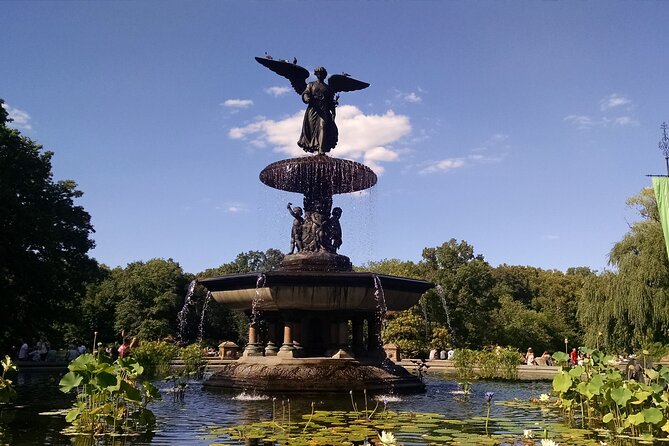
At Bethesda Terrace, you’ll enjoy the view and continue exploring at your own pace. The “enjoy” wording is telling. This checkpoint is less about a fast solve and more about letting the surroundings work on you for a minute.
Stop 9: The Frick Collection (admire as you go)
Next comes The Frick Collection. The game has you explore while admiring what’s around you. That means you’re not just sprinting to the next prompt—you’re spending real time looking. If you like art-related stops but don’t want the pressure of a full museum visit plan, this keeps the day flexible.
Stop 10: Ukrainian Institute of America
At the Ukrainian Institute of America, you’ll receive the next clue tied to the challenge. It’s another checkpoint that keeps you moving through the museum-area corridor, which helps the day feel like one connected walk instead of disconnected stops.
Stop 11: The Metropolitan Museum of Art
You’ll see The Metropolitan Museum of Art and get your next clue and directions. This is one of the bigger-name landmarks on the route, so if you’re trying to hit recognizable sights without building a whole itinerary, this checkpoint does a lot of work.
Stop 12: The Obelisk
At The Obelisk, you’ll receive another clue. The timing stays consistent here, which helps you predict your day. If you’re trying to keep the game as your main activity, this steady structure helps you finish without surprises.
Stop 13: Neue Galerie New York
At Neue Galerie New York, you get to enjoy the view and continue exploring at your own pace. This is the sort of stop that works well if you’re taking breaks between puzzle moments. You’re not forced to treat everything like a stopwatch.
Stop 14: Guggenheim Museum Store
At the Guggenheim Museum Store, you see the Guggenheim and get your next clue and directions. This checkpoint adds a practical, real-life “finish line” feel even before the actual finish—stores and gift-shop moments often make the route feel more like a day you can wrap up easily.
Stop 15: Cooper Hewitt, Smithsonian Design Museum (finish)
The game ends at Cooper Hewitt, Smithsonian Design Museum. This is where both the story and the city exploration game conclude. Admission at this finish stop is marked as not included, so if you plan to go inside, treat that as an optional add-on rather than a requirement to complete the game.
24/7 customer support: the safety net you’ll feel (even if you don’t need it)

This kind of app-based experience lives or dies by clarity. That’s why I’m glad 24/7 customer support is included. If your directions look confusing or you’re stuck at a clue step, there’s a real team behind it.
In practice, this makes the day calmer. You’re not dependent on guesswork. You can treat the game like a puzzle that’s solvable—not a “good luck” scavenger hunt.
Who this is best for
This is a smart choice if you want:
- A self-paced walk through Central Park’s major sights and the nearby museum area
- A day plan that doesn’t require coordinating with a group or waiting for a guide
- A way to learn and remember facts without sitting through lectures
- A route that feels fun even if you’re not “into museums” all day
It’s less ideal if you want deep historical storytelling delivered live, or if you prefer a traditional guided walking format where you can ask questions on the spot.
Small practical tips that make it smoother

- Plan for steady walking. The experience is built around a route and consistent checkpoints, so wear shoes that work for a couple of hours outdoors.
- Use the flexible stops to your advantage. The game gives you extra time at places like the William Shakespeare statue and The Mall and Literary Walk. If you want photos or a longer break, schedule it there.
- Expect the game to do the explaining. Since there’s no tour guide, treat the app clues as your main interpretive source.
Should you book Central Park Stolen Archives?
Book it if you want a low-cost way to make Central Park and the museum stretch feel like an actual adventure. The $5.99 price, the phone-based Questo app setup, and the fact that the route is structured into clear checkpoints make it easy to fit into a NYC day. You also get that extra confidence of 24/7 support, and the self-paced segments let you enjoy breaks instead of rushing every stop.
Skip it if you strongly prefer a live guide who tells you the stories and answers questions in real time. This experience is more about solving, looking, and moving than about listening.
Either way, it’s a great reminder that New York doesn’t have to be all taxis and lines. Sometimes you just need a clue chain and permission to stroll.
FAQ
How much does Central Park Stolen Archives cost?
It costs $5.99 per person.
How long does the game take?
The duration is about 2 hours 15 minutes to 2 hours 45 minutes.
Do I need to book in advance?
On average, it’s booked 30 days in advance.
What do I need to play the tour?
You need a smartphone to use the Questo app and you’ll receive a mobile ticket.
Is there a live tour guide with this experience?
No. A tour guide is not included. This is an exploration game on your phone.
Are attraction tickets included?
At many checkpoints, admission is marked as free. The finish location lists admission ticket not included, so treat any entry there as an optional extra.
Where do I start and where do I finish?
You start at Pulitzer Fountain, 764 Central Park S, New York, NY 10019 and finish at Cooper Hewitt, Smithsonian Design Museum, 2 E 91st St, New York, NY 10128.
Is there customer support if I get stuck?
Yes. 24/7 customer support is included.
Can I cancel and get a full refund?
You can cancel for a full refund if you cancel at least 24 hours before the experience’s start time. Changes within 24 hours aren’t refunded.
More Tours in New York City
- Statue of Liberty and Ellis Island Tour: All Options★ 5.0 · 13,571 reviews
- New York in One Day Guided Sightseeing Tour★ 5.0 · 13,166 reviews
- Central Park Pedicab Guided Tours★ 5.0 · 7,108 reviews
- New York City: Manhattan Helicopter Tour★ 4.7 · 7,076 reviews
- Private Central Park Pedicab Tour★ 5.0 · 6,981 reviews
More Tour Reviews in New York City
- NYC: SUMMIT One Vanderbilt Tickets★ 4.7 · 51,195 reviews
- NYC: Empire State Building Tickets – Observatory & Museum★ 4.7 · 25,757 reviews
- New York City: Statue of Liberty & Ellis Island with Ferry★ 4.6 · 18,683 reviews
- New York City: American Museum of Natural History Ticket★ 4.5 · 15,447 reviews
- Statue of Liberty and Ellis Island Tour: All Options★ 5.0 · 13,571 reviews
More of Central Park
- Central Park Pedicab Guided Tours★ 5.0 · 7,108 reviews
- Private Central Park Pedicab Tour★ 5.0 · 6,981 reviews
- NYC: Central Park Bike Rentals★ 4.2 · 2,528 reviews
- Official NYC Horse Carriage Rides in Central Park since 1979 ™★ 5.0 · 2,365 reviews
- NYC: Central Park Bike Rental★ 4.1 · 1,651 reviews
Just in: the newest New York City reviews on our desk





Central Park Tours, compared.
 ★ 5.0Central Park Pedicab Guided ToursFrom $387,108 reviews
 ★ 5.0Private Central Park Pedicab TourFrom $386,981 reviews
 ★ 4.2Central Park Bike RentalsFrom $92,528 reviews
 ★ 5.0Official NYC Horse Carriage Rides in Central Park since 1979 ™From $992,365 reviews
 ★ 4.1Central Park Bike RentalFrom $81,651 reviews
 ★ 4.9Private Central Park Pedicab TourFrom $401,637 reviews
 ★ 4.7Central Park Bike RentalFrom $91,509 reviews
 ★ 4.0Carriage Ride in Central Park (VIP – PRIVATE) Since 1964™From $141,074 reviews
Browse the lists this tour appears in