
Reviewed · CENTRAL PARK TOURS
Central Park Tour with Complimentary Photo Album
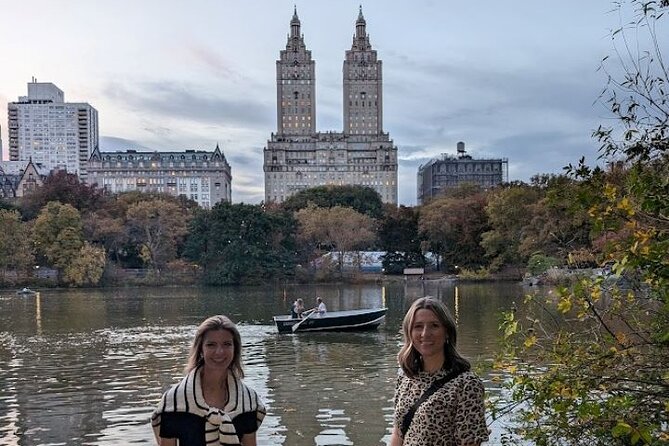
Central Park can feel huge. This tour helps you understand it fast. You’ll move through the park’s most famous scenery, plus some quieter woodland pockets, with a guide who connects the dots between design, nature, and pop-culture spots like Strawberry Fields. I especially like the small group size (max 12) and the fact that you’ll get complimentary photos turned into a photo album, so you don’t just look at postcard views, you leave with them.
Two big wins for me: you get practical photo stops (Pond, Bethesda, Bow Bridge, Belvedere), and you walk in a way that feels efficient without turning the whole visit into a sprint. One possible drawback: the tour is mostly outdoors and requires good weather, so on rainy days you’ll want to plan for rescheduling.
In This Review
- Quick take: what makes this Central Park walk work
- Entering Central Park South from 6th Avenue and José Martí
- Pond time: ducks, swans, and Gapstow Bridge photos
- Hallett Nature Sanctuary and The Ramble: a quiet break from Midtown
- The Mall and American Elms to Bethesda Terrace: classic Central Park formality
- Bow Bridge: the skyline-meets-water moment
- Belvedere Castle on Vista Rock: nature observatory views
- Sheep Meadow, Great Lawn, and Shakespeare Garden: big open air breaks
- Wollman Rink, Central Park Carousel, and The Dairy in the Children’s District
- Central Park West views: AMNH, historic district, and the Dakota’s Lennon connection
- Strawberry Fields finale at the Imagine mosaic
- Price and value: why $45 for 2.5 hours can make sense
- Who should book this Central Park tour (and who might not love it)
- Should you book it?
- FAQ
- How long is the Central Park tour with the photo album?
- How much does the tour cost?
- What language is the tour offered in?
- What’s the group size limit?
- Where do you meet and where does it end?
- Are there admission tickets involved for the stops?
- What fitness level do I need?
- Is the tour outdoors, and what about weather?
- What’s the cancellation policy?
Quick take: what makes this Central Park walk work
- A guided, walk-first route that covers major sights without you guessing your own path
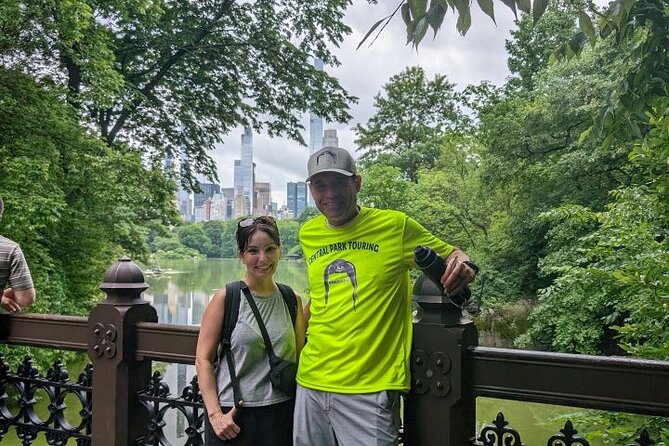
- Photo album included, plus your guide takes group pictures at the scenic stops
- Real variety: ponds, bridges, woodland paths, gardens, meadows, and the Lennon memorial
- Icon stops with context (Bethesda Terrace, Bow Bridge, Belvedere Castle, American Elms)
- Small group feel helps you actually notice details instead of just posing and moving on
More ways to see Central Park
- Central Park Pedicab Guided Tours
★ 5.0 · 7,108 reviews - Private Central Park Pedicab Tour
★ 5.0 · 6,981 reviews - NYC: Central Park Bike Rentals
★ 4.2 · 2,528 reviews - Official NYC Horse Carriage Rides in Central Park since 1979 ™
★ 5.0 · 2,365 reviews
Entering Central Park South from 6th Avenue and José Martí
You start at 6th Ave, in front of the José Julián Martí Statue at Central Park South. That’s a smart start point because you’re already on the park’s urban edge, where design meets city energy. You’ll get an easy orientation to the layout early on, which matters in Central Park because “straight ahead” can still mean a long detour if you’re wandering on your own.
This is also where the tour style shows: you’re not just dropped at landmarks. You’re guided into the rhythm of the park—where to look, what to notice, and how the different zones connect. That’s one reason this works so well for first-timers and return visitors alike.
The tour runs about 2 hours 30 minutes, and the pace is set for a moderate fitness level. If you’re comfortable with lots of walking and some changes in terrain, you’ll be fine. If you’re hoping for minimal steps, you might find it a bit too active.
Pond time: ducks, swans, and Gapstow Bridge photos
Your first meaningful stop is The Pond in Central Park’s southeastern corner. This is the kind of place where your brain finally stops shouting. The water is calm, the scenery is classic, and the atmosphere is made for lingering—especially if you like birds.
You’ll spend time feeding ducks and swans, then take in the view that includes Gapstow Bridge. This bridge is one of those “how is this in Manhattan?” moments, and it photographs beautifully because the bridge lines cut across the water and reeds. If you’ve ever tried to get Gapstow Bridge photos yourself, you’ll appreciate having the timing and viewpoint handled for you.
A practical tip: the pond area can attract crowds depending on the day. A guided group helps you get your photos without turning the moment into a free-for-all.
Hallett Nature Sanctuary and The Ramble: a quiet break from Midtown
Next you move into a more nature-forward stretch: Hallett Nature Sanctuary. It’s described as the smallest of Central Park’s woodland landscapes, which is a big deal. Instead of feeling like you’re trekking through the wilderness, it feels like you’ve stepped into a small, protected pocket that’s close to busy streets.
You’ll walk rustic paths up and down a rocky hill toward overlooks and seating near the pond shore. It’s also a bird-focused area with a history tied to sanctuary work, including its rename in honor of George Hervey Hallett, Jr. for birding and nature activism. This stop is best for people who like seeing how the park’s design creates wildlife habitat, not just scenery.
Then you’ll continue to The Ramble, a larger woodland area (about 38 acres between 73rd and 78th streets) known for winding pathways. A highlight here is bird-watching—Central Park has hundreds of bird species recorded, and The Ramble is one of the places where that variety shows up best. You’ll also see the Gill, the man-made stream that runs through the area.
One caution: woodland paths can be uneven. Wear shoes you trust.



The Mall and American Elms to Bethesda Terrace: classic Central Park formality
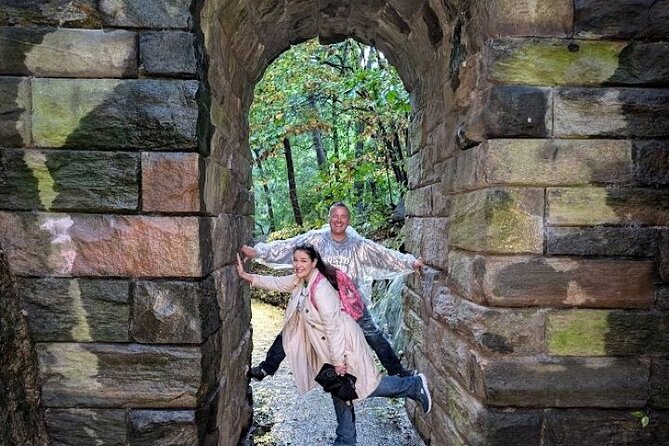
If the Ramble is Central Park’s quiet voice, The Mall and Literary Walk is its formal greeting. You’ll stroll a straight, tree-lined promenade famous for its quadruple row of American elm trees. The trees create that famous long corridor effect—great for photos, but also great for getting your bearings.
This is where you’ll notice how Central Park mixes different moods on purpose: you go from a winding woodland to a controlled, symmetrical walking experience.
From there, you head to Bethesda Terrace, described as the heart of the park. The terrace is a two-tiered structure and is home to the iconic Angel of Waters at Bethesda Fountain. It’s ornate and photogenic, but what makes it worth the stop is the elevated viewpoint—this is one of those places where you can see multiple parts of the water and greenery at once.
If you’re the type who likes “show me the best angles,” Bethesda will deliver.
Bow Bridge: the skyline-meets-water moment
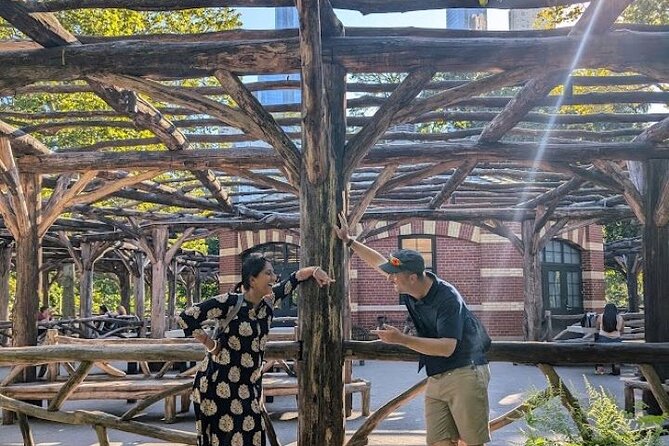
Then comes Bow Bridge, Central Park’s most photographed cast-iron bridge. It’s a favorite because the view has contrast: city skyline framing through park greenery. The bridge itself is visually strong even without the background, but the background is the point.
You’ll walk across and enjoy the skyline views from the bridge and nearby viewpoints. This is a “slow down” stop. If you treat it like a quick crossing, you’ll miss why it’s famous.
Also, if you’ve heard that Central Park looks like a movie set here—now you get why.
Belvedere Castle on Vista Rock: nature observatory views
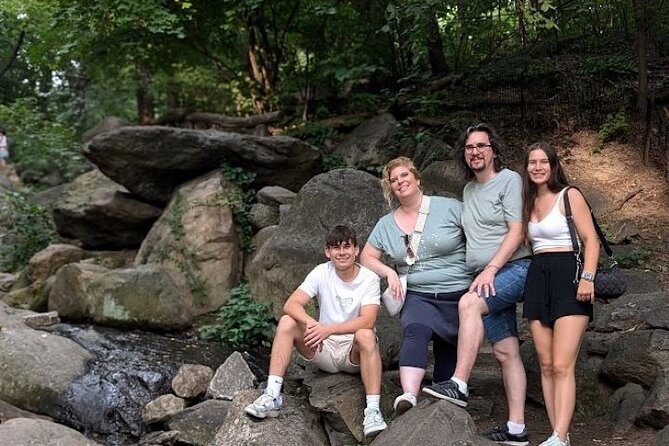
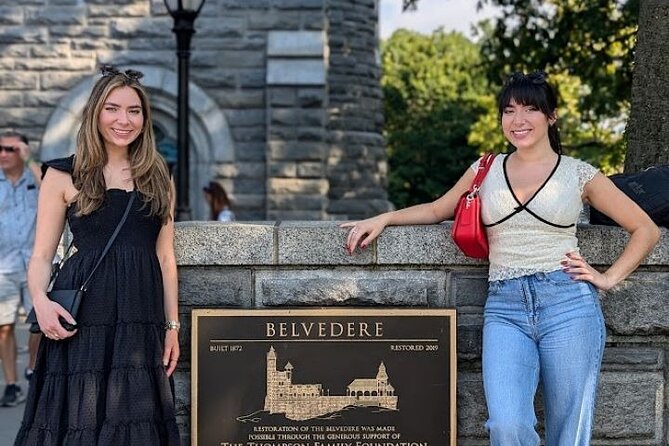
Next you’ll visit Belvedere Castle, a whimsical mini castle perched on Vista Rock. It’s less about “grand interior” and more about the position—because the viewpoints from here pull in multiple parts of Central Park.
You’ll see views over areas like the Great Lawn, Turtle Pond, and The Ramble. Inside, it functions as a nature observatory where you can learn about wildlife and participate in bird-watching activities (so it ties back to the day’s nature theme).
Belvedere works for two types of travelers: people who want the must-see sights, and people who like learning how parks are designed to educate as well as entertain.
Sheep Meadow, Great Lawn, and Shakespeare Garden: big open air breaks
Central Park has its “go wide” moments, and this tour includes them.
You’ll visit Sheep Meadow, a 15-acre area that reflects the park’s pastoral vision where sheep once grazed. Even though that era is long gone, the meadow keeps that open feel. It’s also a good contrast stop because you see skyscrapers towering over open grass.
Then you’ll get time at the Great Lawn—a huge 55-acre area known for recreation, picnics, and concerts. The main oval lawn is 12 acres with softball fields, and the area can host major performances and festivals.
Finally, you’ll reach Shakespeare Garden, a four-acre garden planted like an English cottage garden. It’s tied to Shakespeare through bronze plaques with quotes connected to plants mentioned in his works, and the garden’s educational origin is part of its story. If you like gardens that feel intentional rather than decorative, this stop lands well.
Wollman Rink, Central Park Carousel, and The Dairy in the Children’s District
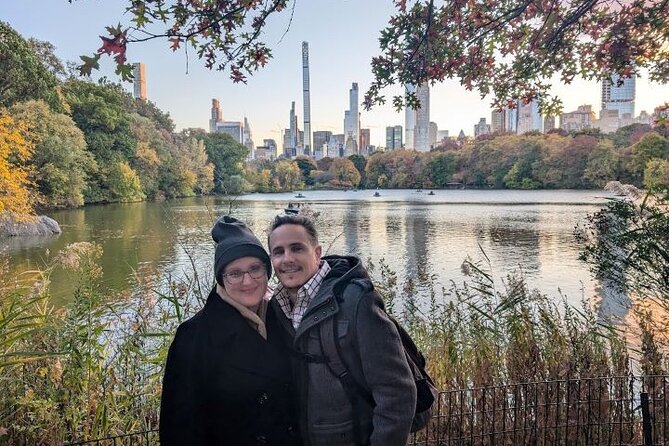
This part of the tour brings you into some more playful Central Park landmarks.
Depending on the season, you may pass by Wollman Rink, a historic ice-skating favorite since 1950. In warmer months, it transforms into a large pickleball area as part of a CityPickle collaboration running through 2026. The info here is genuinely useful because it helps you understand what you’re seeing in the moment, not just what the rink is famous for historically. (The rink is at 59th Street near 5th or 6th Avenue.)
You’ll also get a look at the Central Park Carousel, which opened in 1871. It’s still running today, with about 250,000 rides per year. The carousel has a fascinating backstory: early park commissioners objected to commercial activity in the park, but the attraction became a hit anyway. The original carousel used animals powered below ground, and later models went through steam and even fire damage before a replacement was found from an old trolley terminal in Brooklyn’s Coney Island.
Then comes The Dairy, a Victorian cottage (built 1869–1871) that was originally used for milk and snacks for families in the Children’s District. The Dairy later became Central Park’s first visitor center in 1979, including restoration work in the early 1980s.
If you’re traveling with kids—or you’re just a kid at heart—these stops keep the day from feeling like only “serious landmark sightseeing.”
Central Park West views: AMNH, historic district, and the Dakota’s Lennon connection
As the walk shifts toward the park’s western edge, you’ll pass some landmarks that help explain why Central Park West feels like its own mini-world.
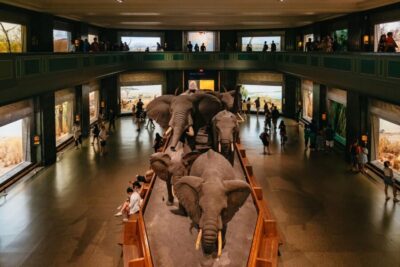
You’ll see the American Museum of Natural History (AMNH) complex across the street in Theodore Roosevelt Park. It’s described as 20 interconnected buildings with 45 permanent exhibition halls, plus a planetarium and library. The museum collections include massive numbers of specimens and it averages millions of annual visits. Even if you don’t go inside, seeing it next to Central Park helps you visualize how the park anchors the whole Upper West Side area.
You’ll also come across the Central Park West Historic District concept, a protected area between about 61st and 97th Streets, where buildings range from late 1800s to early 1940s, including the Dakota.
And yes, the Dakota is part of the story. The Dakota Apartments at 1 West 72nd Street was built between 1880 and 1884, and it’s a National Historic Landmark. It became nationally known after John Lennon was shot outside the building on December 8, 1980, after which the area became a makeshift memorial. Extra security measures followed at the building, and the building’s residents historically prefer less publicity.
This stretch gives the tour a sharper edge: Central Park isn’t just nature inside Manhattan. It’s also the backdrop for major modern moments.
Strawberry Fields finale at the Imagine mosaic
The tour ends at Strawberry Fields, finishing right outside the Imagine mosaic on Central Park West near 72nd Street. This is John Lennon’s tribute space: about 2.5 acres designed for quiet reflection. It’s peaceful in a way that surprises people who expected only a landmark stop.
You’ll take in the mosaic, absorb the ambiance, and get that sense that this part of the park is meant for listening rather than rushing.
This ending point is practical too. Central Park West near 72nd is busy enough to help you move onward, and you’ll also receive recommendations for what to do next after the tour.
Price and value: why $45 for 2.5 hours can make sense
At $45 per person for about 2 hours 30 minutes, the value comes from how the day is packaged.
First, this walk includes a lot of famous sights without extra ticket costs at the stops you’re visiting—admission is free for each listed stop. Second, you’re paying for a guide to connect the dots: design details like the Mall’s elm corridor and interpretive stops like Hallett Nature Sanctuary and The Ramble. Those are the parts you’d likely miss if you only used a map.
Third, there’s the added perk: a complimentary photo album. That turns the day from “look at my screenshots” into something you can actually keep. Guides in this program also help take group photos at photogenic locations, which is a big deal if you’re traveling with friends or family and you want consistent shots.
One more value point: the group max is 12, and your guide can also help with practical next steps, like the best subway route for where you’re going next.
Who should book this Central Park tour (and who might not love it)
This is a strong match if you want:
- a high-efficiency walking plan that covers big Central Park icons and quieter areas
- a focus on photography-friendly spots like the Pond, Bethesda, Bow Bridge, and Belvedere
- a day that mixes nature, gardens, and cultural moments, ending with Lennon’s tribute
It may feel less ideal if you:
- dislike walking for 2.5 hours (even at a moderate pace)
- need highly predictable wheelchair-level flat terrain (the tour calls for moderate fitness, and park paths can vary)
- are visiting during poor weather, since the tour requires good conditions and can be rescheduled
Should you book it?
Yes—if your goal is to see Central Park without getting lost in it. For $45, you’re not just buying access to sights; you’re buying a route that makes sense, a guide’s interpretation, and a way to leave with a real set of photos through the complimentary album.
If you’re already a hardcore Central Park planner, you could probably stitch together similar stops on your own. But if you want your time to feel guided, efficient, and photo-ready, this is the kind of tour that makes a first Central Park day click.
FAQ
How long is the Central Park tour with the photo album?
It lasts about 2 hours 30 minutes.
How much does the tour cost?
The price is $45.00 per person.
What language is the tour offered in?
The tour is offered in English.
What’s the group size limit?
The tour has a maximum of 12 travelers.
Where do you meet and where does it end?
You meet at NYC Adventures – Central Park Horse Carriage Rides, at 6th Ave and in front of the José Julián Martí Statue. The tour ends right outside Strawberry Fields at Central Park West & 72nd St, near the Imagine mosaic.
Are there admission tickets involved for the stops?
For the stops listed in the tour, admission tickets are noted as free.
What fitness level do I need?
The tour is suited for people with moderate physical fitness since it’s a walking experience.
Is the tour outdoors, and what about weather?
It requires good weather. If it’s canceled due to poor weather, you’ll be offered a different date or a full refund.
What’s the cancellation policy?
You can cancel for a full refund up to 24 hours in advance. If you cancel less than 24 hours before the start time, the amount paid is not refunded.
More Tours in New York City
- Statue of Liberty and Ellis Island Tour: All Options★ 5.0 · 13,571 reviews
- New York in One Day Guided Sightseeing Tour★ 5.0 · 13,166 reviews
- Central Park Pedicab Guided Tours★ 5.0 · 7,108 reviews
- New York City: Manhattan Helicopter Tour★ 4.7 · 7,076 reviews
- Private Central Park Pedicab Tour★ 5.0 · 6,981 reviews
More Tour Reviews in New York City
- NYC: SUMMIT One Vanderbilt Tickets★ 4.7 · 51,195 reviews
- NYC: Empire State Building Tickets – Observatory & Museum★ 4.7 · 25,757 reviews
- New York City: Statue of Liberty & Ellis Island with Ferry★ 4.6 · 18,683 reviews
- New York City: American Museum of Natural History Ticket★ 4.5 · 15,447 reviews
- Statue of Liberty and Ellis Island Tour: All Options★ 5.0 · 13,571 reviews
More of Central Park
- Central Park Pedicab Guided Tours★ 5.0 · 7,108 reviews
- Private Central Park Pedicab Tour★ 5.0 · 6,981 reviews
- NYC: Central Park Bike Rentals★ 4.2 · 2,528 reviews
- Official NYC Horse Carriage Rides in Central Park since 1979 ™★ 5.0 · 2,365 reviews
- NYC: Central Park Bike Rental★ 4.1 · 1,651 reviews
Just in: the newest New York City reviews on our desk




Central Park Tours, compared.
 ★ 5.0Central Park Pedicab Guided ToursFrom $387,108 reviews
 ★ 5.0Private Central Park Pedicab TourFrom $386,981 reviews
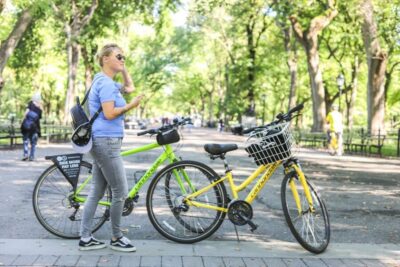 ★ 4.2Central Park Bike RentalsFrom $92,528 reviews
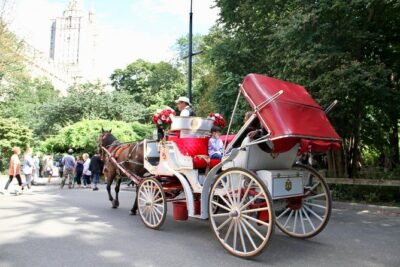 ★ 5.0Official NYC Horse Carriage Rides in Central Park since 1979 ™From $992,365 reviews
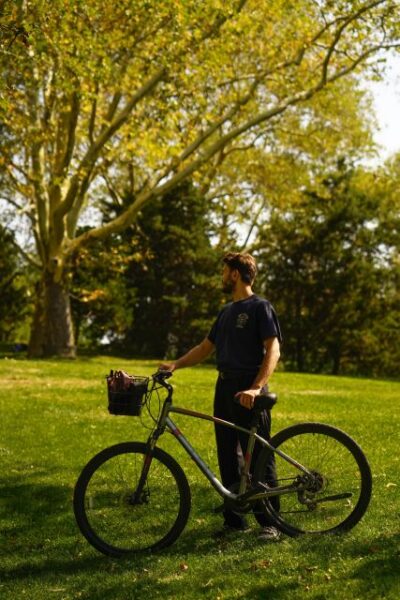 ★ 4.1Central Park Bike RentalFrom $81,651 reviews
 ★ 4.9Private Central Park Pedicab TourFrom $401,637 reviews
 ★ 4.7Central Park Bike RentalFrom $91,509 reviews
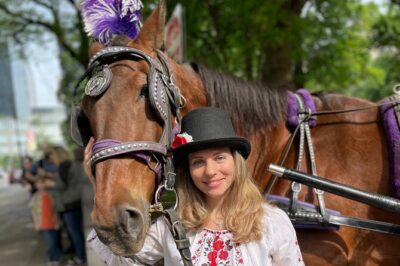 ★ 4.0Carriage Ride in Central Park (VIP – PRIVATE) Since 1964™From $141,074 reviews
Browse the lists this tour appears in