
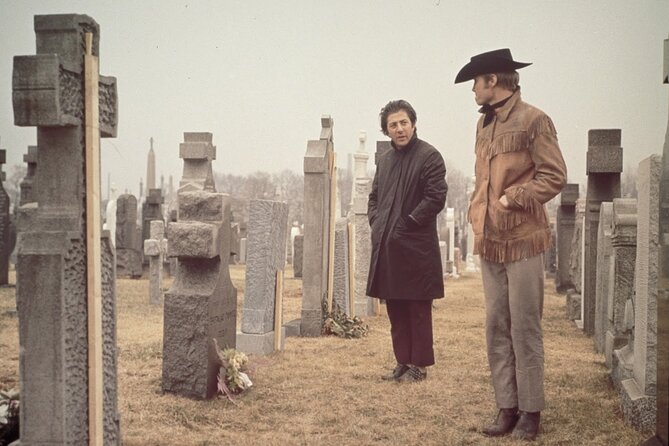
Reviewed · TOURS
Death in New York: Extended Daylight Tour (Lower Manhattan)
New York has darker chapters on foot. This extended daylight walk, led by author K. Krombie, turns Lower Manhattan street corners into a story about city burials, undertakers, and executions. It is a history tour with a point of view, not a museum lecture.
I really liked two things: the guide’s friendly, funny delivery (with extra fun facts that go beyond the schedule), and the way the route strings together major places you already see in photos into something you can actually connect on the sidewalk. One thing to consider is that the theme is heavy, with stops tied to death and punishment, so it is not the best pick if you want a light, purely sightseeing mood.
In This Review
- Key Highlights You Should Know Before You Go
- Why This Lower Manhattan Death-Themed Tour Feels Different
- Starting at Whitehall and Battery Park: Setting the Tone at South Ferry
- Financial District Stops: Churches, Memorials, and the Story Underfoot
- Civic Center: City Hall Park to the African Burial Ground
- Chinatown’s Funeral Row on Mulberry Street
- Two Bridges and Chatham Square: Closing the Loop with More Street History
- What K. Krombie’s Storytelling Adds (Beyond the Scheduled Stops)
- Price and Value: Is $44 a Good Deal for 2h 45m?
- Timing, Comfort, and What to Bring
- Should You Book Death in New York: Lower Manhattan?
- FAQ
- How long is the Death in New York: Extended Daylight Tour (Lower Manhattan)?
- How much does the tour cost?
- Where does the tour start and end?
- What time does the tour begin?
- Is a mobile ticket required?
- What language is the tour offered in?
- What is the cancellation policy?
Key Highlights You Should Know Before You Go

- A guide with personality: Author K. Krombie brings humor and stories that stick.
- Small group format: Maximum of 15 travelers, so it stays more personal.
- A route across iconic neighborhoods: Civic Center, Chinatown, Battery Park, Tribeca, and the Financial District.
- Lots of free-entry stops: Several listed stops are marked with free admission.
- Real “street history” moments: You’ll walk through areas tied to cemetery and funeral sites.
- Perfect length for daylight: About 2 hours 45 minutes, long enough to feel like an experience.
Not sold yet? Here is how this one lines up against other New York City picks:
- NYC: SUMMIT One Vanderbilt Tickets
★ 4.7 · 51,195 reviews - NYC: Empire State Building Tickets – Observatory & Museum
★ 4.7 · 25,757 reviews - New York City: Statue of Liberty & Ellis Island with Ferry
★ 4.6 · 18,683 reviews - New York City: American Museum of Natural History Ticket
★ 4.5 · 15,447 reviews
Why This Lower Manhattan Death-Themed Tour Feels Different
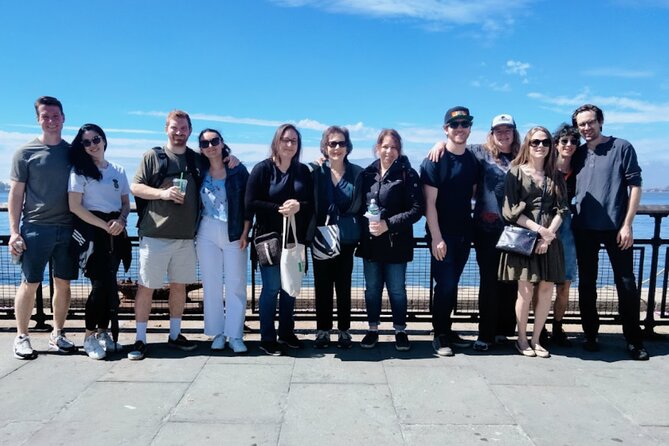
This tour is not about spooky thrills. It is about the plain, human systems around death: where people were laid to rest, who handled the work, and how society made sense of punishment and burial over time. When you walk rather than ride, the city becomes the evidence. You are standing where stories unfold, not reading about them behind glass.
The best part for me is that you are not stuck in one “history zone.” The walk reaches across multiple areas—Battery Park, the Financial District, Civic Center, Chinatown, and the Two Bridges/Chatham Square side—so you keep shifting perspective. That matters because death-related history in New York is not one neat chapter. It is spread out, layered, and tied to how the city grew.
Led by author K. Krombie, the tone is also a huge plus. The reviews highlight her as friendly and hilarious, and you can feel that this is designed as an engaging stroll, not a recital. The schedule gives structure, but the guide brings it to life with side details and clarifications that help you connect the dots.
Starting at Whitehall and Battery Park: Setting the Tone at South Ferry
You’ll begin at Whitehall Terminal 4 (at the meeting point near SOUTH FERRY/WHITEHALL STREET STATION). From there, you move into the Battery Park area. This opening stretch is a smart choice because it places you right at the edge of the harbor and the views that scream New York.
Stop 1 includes a Statue of Liberty viewpoint. The key value here is not just the skyline glance. It is how the harbor edge shapes the city’s story—trade, immigration, and movement all feeding into how New York became New York. Even if you’ve seen the Statue from other angles, this is a useful “first page” before you head inland into civic and burial history.
Admission is listed as free for this segment, which also keeps the tour feeling smooth. No surprise ticketing. No detours. Just a clean start and an easy way to get oriented.
Practical note: this is a walking tour in daylight and you start in the morning (the start time is 11:00 am). I’d plan on being outside a while and keep your water and layers handy.
Financial District Stops: Churches, Memorials, and the Story Underfoot
After Battery Park, the walk shifts to the Financial District, where the mix of religious buildings, civic landmarks, and memorials creates a powerful contrast. This is one of those areas where everything looks “important,” but the tour helps you notice the deeper pattern.
Here are the specific stops you can expect in this section:
- Shrine of St. Elizabeth Ann Bayley Seton (7 State Street)
- Wireless Operators Memorial
- National Museum of the American Indian
- A corner at Broadway and Morris Street tied to the old city cemetery site
- Trinity Church
- St. Paul’s Chapel
- 9/11 Memorial North Pool
- St. Peter’s Roman Catholic Church
A lot of travelers think of the Financial District as only offices and skyscrapers. But on this walk, it becomes a map of what the city built around remembrance. Churches and memorials help explain how communities marked loss. The old city cemetery site reference is especially important for the theme, because it connects burial history to street-level geography—so you understand why certain neighborhoods feel “heavy” even when they look orderly.
Two things stand out as you go:
- You get practice reading the city. Instead of scanning for landmarks, you start asking why these buildings are here and what roles they played.
- The tour balances the modern and the older. The presence of the 9/11 Memorial North Pool brings the story into the present day without erasing earlier layers.
Also, the route notes free admission for this segment. So you can expect a straightforward walking experience without constant line management.



Civic Center: City Hall Park to the African Burial Ground
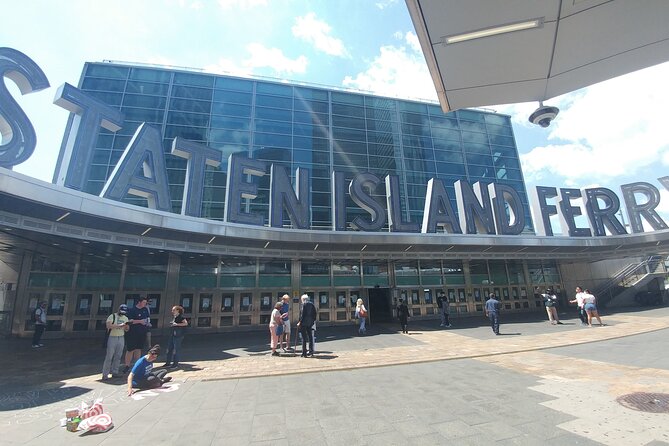
Next comes Civic Center, and this is where the theme becomes most direct. This part of the route is timed (another 30-minute block in the schedule), and it includes several landmark stops that connect civic power, law, and burial history in one concentrated stretch.
You’ll pass or visit:
- City Hall Park
- Surrogate’s Courthouse
- The corner of Elk Street and Chambers Street
- African Burial Ground National Monument
- David N. Dinkins Manhattan Municipal Building (1 Center Street)
- Metropolitan Correctional Center (150 Park Row)
This is the “why it matters” zone. Civic Center is where people often only come for government buildings. On this tour, it turns into the place to understand how systems treated death and after-death matters—through law, public administration, and the institutions that controlled or responded to life’s end.
The African Burial Ground National Monument deserves special attention. Even if you know about it already, seeing it as part of a longer walk about death-related history helps you frame it properly: not as an isolated stop, but as a key marker of how burial practices and dignity have been fought for and recognized.
Meanwhile, the stops at a courthouse and a correctional center are uncomfortable in theme, but the tour’s structure makes that discomfort useful. You are not wandering randomly. You’re connecting the dots between civic authority and what happens when society punishes, records, and manages human remains.
If you prefer tours that are structured and purposeful, this middle section is where you’ll feel the strongest payoff.
Chinatown’s Funeral Row on Mulberry Street
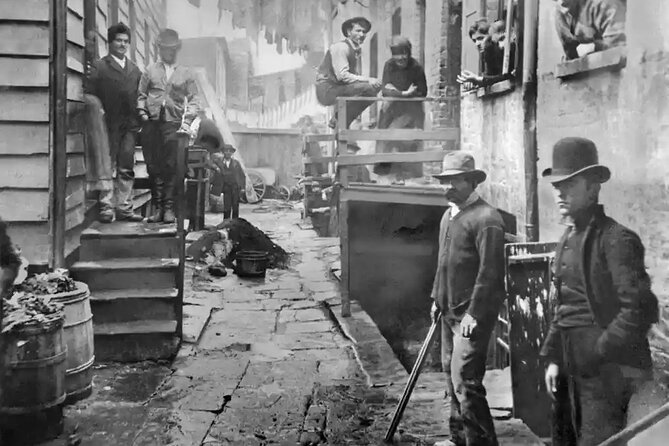
After Civic Center, the route pushes you into Chinatown, where the tour includes a stop tied to funeral history: Funeral Row on Mulberry Street.
This is a brilliant choice for a themed walking tour because it turns a place that might look like any other street into something you understand differently. You’re not just admiring storefronts. You’re learning how the city once organized services tied to death and how those business clusters shaped neighborhood identity.
Chinatown is also a reminder that death-related history isn’t only about distant centuries and grand monuments. It shows up in working neighborhoods. That makes the topic feel real instead of abstract.
The schedule notes free admission for this segment, and this stop is also short and focused (listed as 30 minutes for the Chinatown portion). In practice, that means you get time to absorb what you’re learning without dragging the tour too long in one tight area.
If you love walking tours that blend “famous places” with meaningful lesser-known references, this is the part you’ll probably talk about later.
Two Bridges and Chatham Square: Closing the Loop with More Street History
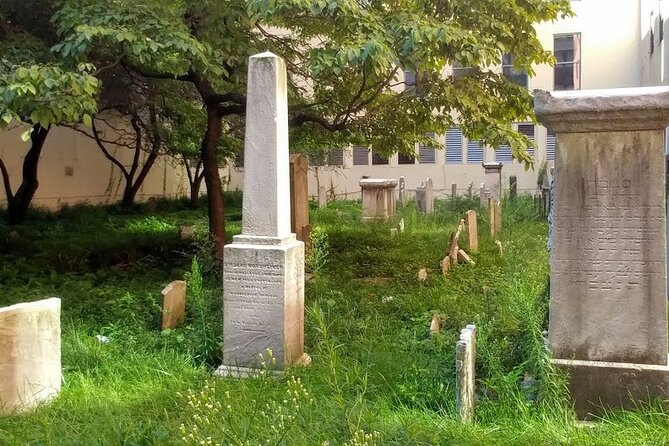
The tour then reaches the Two Bridges area, including Chatham Square. This section acts like a final connector. Instead of ending at a single museum-like finish line, you end in a public square that keeps the walking rhythm and keeps you in neighborhood space.
The route lists:
- Chatham Square
- End point: Chatham Square (Chinatown)
Even if you’ve never heard the phrase “Two Bridges,” you’ll likely recognize the feeling once you’re there: dense streets, changing perspectives, and the sense that the story of the city keeps moving even when your tour schedule ends.
In a death-themed walk, ending this way can feel fitting. It reminds you that the people connected to burial and punishment history weren’t sealed into the past. The city grew around them. You can still see the evidence if you know where to look.
What K. Krombie’s Storytelling Adds (Beyond the Scheduled Stops)
One of the strongest praise points from the experience is the guide herself: K. Krombie is described as super friendly, hilarious, and packed with facts. The key detail is that the humor does not feel like filler. It feels like a tool that makes hard subjects easier to hold.
The tour also seems built to reward attention. Reviews mention her sharing a ton of fun facts, including extras that might not be strictly listed on the itinerary. That matters if you’re the type who likes to leave with more than just a list of names.
You should expect:
- Clear explanations that help you connect buildings and street corners
- A walking pace that lets you keep up without racing
- A conversational vibe that makes solo travelers feel fine (the reviews note a solo visitor who still had a great time)
If you prefer guides who turn history into something you can picture, this style is a big selling point. It is also one of the main reasons this tour earns perfect ratings.
Price and Value: Is $44 a Good Deal for 2h 45m?
At $44.00 per person, this tour is priced like a serious walking experience, not like a casual meetup. The value comes from a few practical factors.
First, you get an organized route across multiple neighborhoods in about 2 hours 45 minutes. That’s the sweet spot where you can still walk back out and explore afterward without feeling wiped out.
Second, several stops are listed with free admission. That helps the price feel “clean.” You’re paying for the guide and the route design, not for a long sequence of paid tickets.
Third, the group is capped at 15 travelers. Smaller groups usually mean better interaction and less time waiting for the whole pack to catch up.
If you’re comparing to other Lower Manhattan walking options, I think this is a solid value when you want something thematic and story-driven. If you want only quick sightseeing and zero discomfort, you might feel the topic is too dark for the price. But if you want meaning on the sidewalk, $44 looks fair.
Timing, Comfort, and What to Bring
This is an extended daylight walk that starts at 11:00 am. That timing is useful because you get enough daylight to see details on facades and street-level markers.
Because the tour is walking-heavy and includes multiple neighborhoods, I’d come prepared:
- Comfortable shoes you can trust for lots of sidewalk time
- Water, especially in warmer months
- A light layer if you’re sensitive to wind near the harbor end
Also, bring a smartphone even if you don’t plan to use it constantly. The tour uses a mobile ticket, so you’ll want it ready.
Service animals are allowed, and it’s designed for most travelers to participate. If you’re unsure about mobility or stamina, the length and constant walking are the big factors to think about.
Should You Book Death in New York: Lower Manhattan?
I’d book this if you want a Lower Manhattan tour that connects real places to real practices around death and remembrance. This is best for people who like walking tours with a point of view and who don’t need every stop to be cheerful.
You should skip it if you want a light, entertainment-first city stroll. The theme is literally about death, burials, undertakers, and executions, so the mood can land heavy even when the guide keeps things funny.
If you’re on the fence, here’s my simple decision rule: if you enjoy learning how cities work through their hardest subjects, this tour gives you a focused, guided route from Battery Park to Chinatown that you can actually map in your head afterward.
FAQ
How long is the Death in New York: Extended Daylight Tour (Lower Manhattan)?
It is approximately 2 hours 45 minutes.
How much does the tour cost?
The price is $44.00 per person.
Where does the tour start and end?
It starts at Whitehall Terminal 4, Whitehall St (meeting near SOUTH FERRY/WHITEHALL STREET STATION) and ends at Chatham Square.
What time does the tour begin?
The start time is 11:00 am.
Is a mobile ticket required?
Yes, it uses a mobile ticket.
What language is the tour offered in?
The tour is offered in English.
What is the cancellation policy?
Free cancellation is available up to 24 hours in advance for a full refund. If you cancel less than 24 hours before the start time, the amount you paid is not refunded.
More Tours in New York City
- Statue of Liberty and Ellis Island Tour: All Options★ 5.0 · 13,571 reviews
- New York in One Day Guided Sightseeing Tour★ 5.0 · 13,166 reviews
- Central Park Pedicab Guided Tours★ 5.0 · 7,108 reviews
- New York City: Manhattan Helicopter Tour★ 4.7 · 7,076 reviews
- Private Central Park Pedicab Tour★ 5.0 · 6,981 reviews
More Tour Reviews in New York City
- NYC: SUMMIT One Vanderbilt Tickets★ 4.7 · 51,195 reviews
- NYC: Empire State Building Tickets – Observatory & Museum★ 4.7 · 25,757 reviews
- New York City: Statue of Liberty & Ellis Island with Ferry★ 4.6 · 18,683 reviews
- New York City: American Museum of Natural History Ticket★ 4.5 · 15,447 reviews
- Statue of Liberty and Ellis Island Tour: All Options★ 5.0 · 13,571 reviews
Just in: the newest New York City reviews on our desk





Tours, compared.
 ★ 5.0Statue of Liberty and Ellis Island Tour: All OptionsFrom $6913,571 reviews
 ★ 5.0New York in One Day Guided Sightseeing TourFrom $9913,166 reviews
 ★ 5.0Central Park Pedicab Guided ToursFrom $387,108 reviews
 ★ 4.7Manhattan Helicopter TourFrom $2997,076 reviews
 ★ 5.0Private Central Park Pedicab TourFrom $386,981 reviews
 ★ 5.09/11 Memorial, Ground Zero Tour with Optional 9/11 Museum TicketFrom $396,381 reviews
 ★ 4.2Hop-on Hop-off Sightseeing Tour by Open-top BusFrom $445,863 reviews
 ★ 4.8Manhattan Sightseeing Helicopter TourFrom $2995,826 reviews