
Reviewed · CITY TOURS
Explore the Ruins of a Forgotten City in the Middle of Manhattan
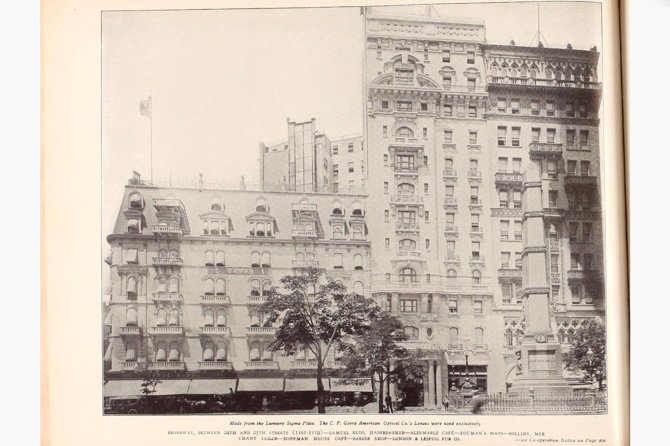
Midtown Manhattan hides older rooms in plain sight. I love the small-group feel (max 5) and how Rob shares stories with on-the-ground architectural clues, often using an old-photo file while you walk. One watch-out: it’s a lot of city sidewalk time, so bring comfortable shoes and a little stamina for 2–3 hours of turning corners and standing at viewpoints.
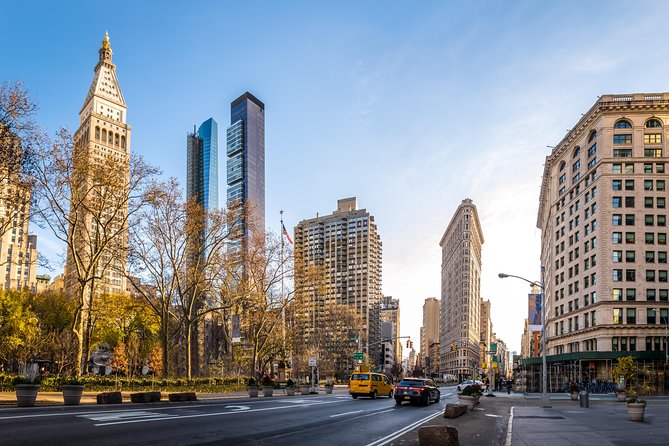
You’ll start at the Flatiron Building area and work your way through the blocks that shaped Manhattan’s rise—from Gilded Age money and fashion districts to places we now treat as history-only (Tenderloin, music publishing, and hotel life). It’s the kind of tour where the streets start making sense, not just looking good in a photo.
In This Review
- Key takeaways before you go
- Reading Midtown like a story, not a checklist
- Flatiron start point and how the tour moves
- Flatiron Building: the Gilded Age’s “center stage” energy
- Madison Square Park: the “wealth turnover” you can still feel
- Fifth Avenue blocks (23rd to 18th): why building types matter
- Broadway at ABC Carpet & Home: Ladies’ Mile and a carriage-trade pocket
- Sixth Avenue (18th to 23rd): department stores and the middle-class shift
- Crossing into the old Tenderloin: respectable nearby, scandal inside
- Tin Pan Alley on 28th Street: music publishing’s marketing engine
- Hotel Wolcott and the hotel ladder effect
- Waldorf-Astoria site, Astor residences, and why timing matters
- The “Rosetta Stone” walk: between the Empire State Building and Flatiron
- Pacing, group size, and what helps you enjoy it
- Price and value: is $59 a smart spend?
- Who should book this walking tour (and who might skip it)
- Should you book Manhattan Unlocked in the Flatiron–Madison Square area?
- FAQ
- How long is the tour?
- How much does it cost?
- Where do I meet for the tour?
- How many people are in a group?
- What language is the tour offered in?
- Is this a guided tour?
- What should I bring or expect physically?
- Are service animals allowed?
- What if the weather is bad?
- Where does the tour end?
Key takeaways before you go
- Small group, better questions with a maximum group size of 5
- Rob’s street-by-street framing that ties buildings to the way Manhattan grew
- Old photos in your hands to help you see what’s changed (and what hasn’t)
- Madison Square as the pivot point between social status, politics, and wealth
- Walking a real contrast zone from elite shopping blocks to the old Tenderloin
- A focused 2–3 hour loop that ends near Madison Square for an easy finish
The big picture: more New York City sightseeing
- New York City: Statue of Liberty & Ellis Island with Ferry
★ 4.6 · 18,683 reviews - New York City: American Museum of Natural History Ticket
★ 4.5 · 15,447 reviews - New York City: Manhattan Helicopter Tour
★ 4.7 · 7,076 reviews - Top of the Rock Observation Deck New York City Ticket
★ 4.5 · 4,556 reviews
Reading Midtown like a story, not a checklist
This tour treats Manhattan like a layered document. You don’t just see landmarks—you learn how each block fits into the next era, from the 1860s through the early 1900s and beyond. That’s why the theme makes sense: it feels like you’re tracking down ruins of a forgotten city that’s still sitting under the sidewalks.
I like that it’s not a one-jump-to-the-next-view. The guide keeps pointing out patterns: when an area became fashionable, when it turned into business space, and when a street’s role changed again. By the end, you’re not relying on random facts; you’re reading the city’s logic.
Flatiron start point and how the tour moves
You’ll meet at 175 5th Ave, by the Flatiron Building. From there, you’ll walk an efficient Midtown route that stays mostly centered on the Madison Square area. The tour usually runs about 2–3 hours, which is long enough to feel satisfying, but not so long you’re wishing for a taxi after the first hour.
Because it’s limited to a small group and run in English, it’s built for interaction. Rob is the type of guide who can switch between big-picture context and very specific building details without turning it into a lecture you can’t follow.
Practical note: this is a walking tour with a moderate physical fitness level. Expect sustained walking and some standing at corners while the guide sets up the story.
Flatiron Building: the Gilded Age’s “center stage” energy
The tour kicks off with the Flatiron Building and the neighborhood’s rise during the Gilded Age—when Manhattan became a fashionable, world-class city center. You’ll get a quick context reset on why Madison Square mattered in that period, and how the area’s identity shifted as the decades rolled on.
Here’s what I think you’ll appreciate: the Flatiron stop isn’t treated like a photo-op. It’s used as a doorway into the city’s growth from the late 19th century style of power—wealth, social life, and skyline ambition. The guide helps you connect the look of the architecture to the people who paid for it and the kind of status it signaled.
At this stop, the time is short (around 15 minutes) and the payoff is big: you’re grounded before the tour starts moving.



Madison Square Park: the “wealth turnover” you can still feel
From the Flatiron area, you’ll move to Madison Square Park, where several major streets intersect. The guide frames the park as the center of the Gilded Age—when Fifth Avenue, Broadway, and 23rd Street converged as a social and cultural hub.
One of the tour’s best ideas is the way it explains power change. In the story Rob tells, older elites didn’t just fade away peacefully; they were outspent by industrial-era fortunes. Madison Square became stage for that shift, which means the park isn’t just a green patch—it’s a marker for when Manhattan’s “who matters” changed.
This stop is also brief (about 10 minutes), but it sets you up for the next blocks where you’ll start noticing how quickly commercial uses replaced older living patterns.
Fifth Avenue blocks (23rd to 18th): why building types matter
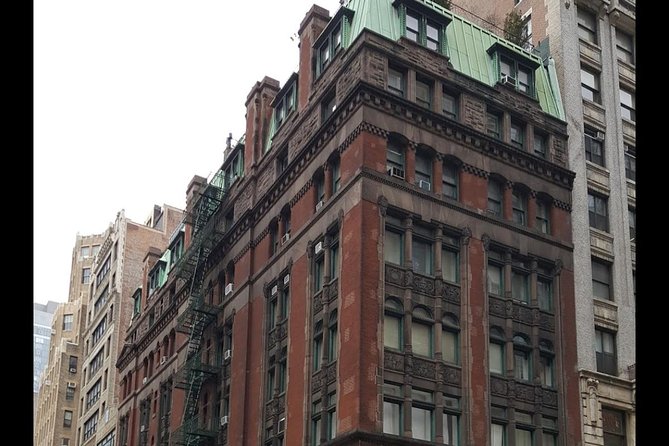
Next you’ll walk Fifth Avenue between 23rd and 18th Streets, and the focus gets more architectural. This is where the tour starts teaching you to “decode” buildings as you go: what was built when, for whom, and how those choices show up in the streetscape.
A standout here is the attention to the late 19th-century steel-frame manufacturing loft buildings and their often Beaux Arts–influenced design. Even if you’re not an architecture nerd, you’ll likely enjoy how Rob explains the practical logic: these weren’t random decorations. They were part of an era when industry and commerce were shaping what the city looked like.
You’ll also hear about a former business corridor tied to publishing and mission office life—often associated with the idea of Paternoster Row—and how spaces with class and wealth became office environments for publishers, architects, textile manufacturers, and more.
What’s the real value for you? You leave this section with a new habit: you’ll look at Midtown buildings and start asking what role they served in their time.
Broadway at ABC Carpet & Home: Ladies’ Mile and a carriage-trade pocket
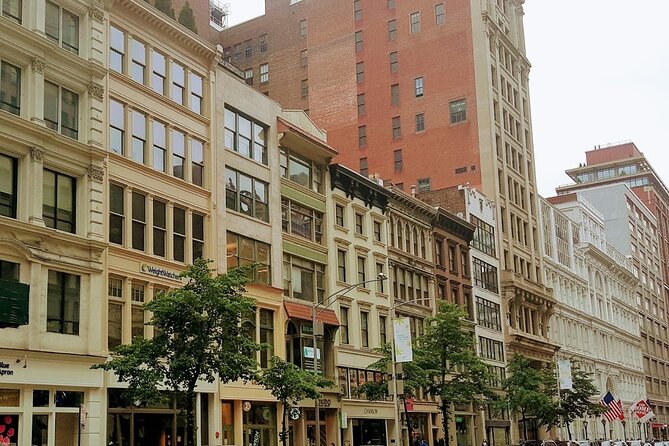
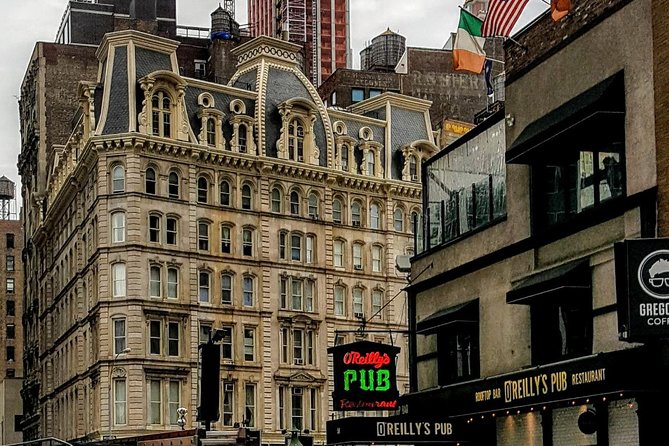
Then you’ll pivot to ABC Carpet & Home, on Broadway between Madison and Union Square. This part of Broadway is described as a quieter heart—an area where the building wall along the street feels unusually intact compared with other parts of Manhattan.
Rob uses this stop to explain the Ladies’ Mile Historic Shopping District and the idea of carriage-trade shopping during the Gilded Age. A particularly useful detail: this block didn’t have an elevated train, and it didn’t even have grade-level horse car rails. That matters because it helped preserve a smoother, more controlled “arrival and shopping” experience—something you can understand just by imagining the flow of people and goods.
The buildings here are a mix of French Second Empire, Beaux Arts, and Neo-Classical styles. Even if you can’t name them all, you’ll learn what to look for and why they were built to project elite taste.
This stop is around 15 minutes, and it’s paced so you’re not stuck reading one building too long.
Sixth Avenue (18th to 23rd): department stores and the middle-class shift
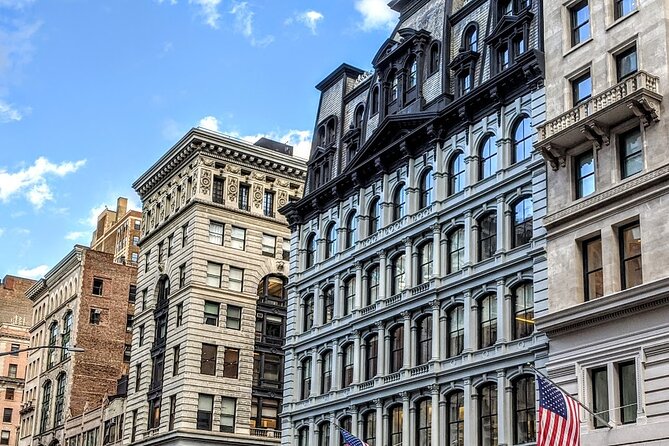
After that, you’ll head to Sixth Avenue (Avenue of the Americas) between 18th and 23rd Streets. This segment is about retail power—especially the old department store era.
The guide talks about these blocks as shopping territory for the middle class, but with an important twist: some of the buildings were still impressive enough to fit carriage-trade expectations. That’s a good reminder that in Midtown, the line between “elite” and “mass” wasn’t always neat.
Rob also points to the architectural leftovers that act like evidence. You’ll learn how to notice the ruins of earlier uses even when modern signage and storefronts take over. If you’re the type who likes seeing how a city changes without erasing its past, this will feel rewarding.
Expect about 10 minutes here—enough time to get the story without turning it into a slog.
Crossing into the old Tenderloin: respectable nearby, scandal inside
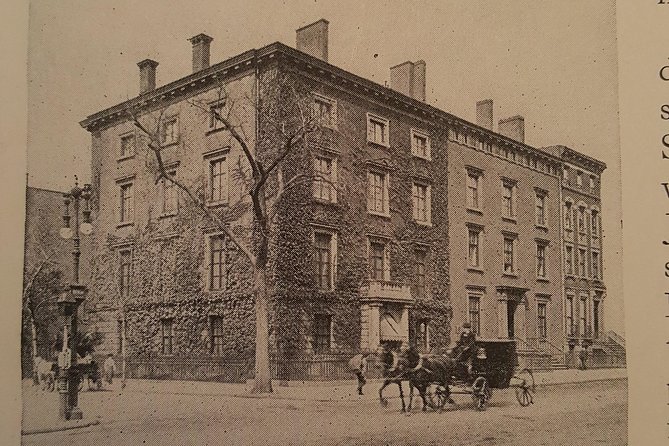
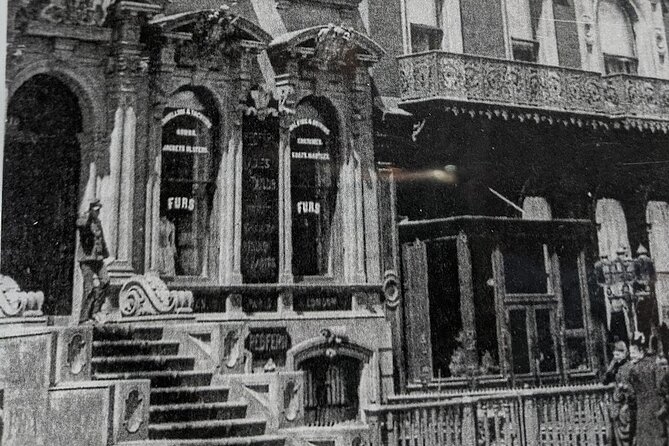
One of the most memorable parts of the tour comes when you cross 23rd Street and walk into what used to be the Tenderloin—the adult entertainment blocks before radio and television. Rob doesn’t sensationalize it; he explains the contrast: these venues sat near areas with respectable activities that attracted respectable citizens.
It’s a lesson in how cities operate. Moral boundaries shift, and neighborhoods get rewritten when the public story changes. The guide notes that fewer buildings survive on this side of 23rd Street, partly because redlight districts often don’t preserve the same structures that other commercial corridors do.
What you might take away from this section is how the city’s “who lived here” story broadens too—Rob ties in the presence of middle and lower-middle class neighborhoods plus large African American and Jewish communities, and he connects these blocks to the scandalous stories of their adult entertainment era.
This is about 15 minutes, and it’s intentionally framed as history. If you prefer tours that stick to only the polished and postcard-friendly, you may find this section a bit uncomfortable—but it also makes the whole route more honest.
Tin Pan Alley on 28th Street: music publishing’s marketing engine
Next is Tin Pan Alley, one of the newer historic districts tied to a short period when American music publishing concentrated into a handful of buildings. The tour places this around 28th Street between Fifth Avenue and Sixth Avenue.
Here, the story shifts from architecture and retail to media and marketing. You’ll hear how sheet music proliferated and how early methods of plugging and promoting popular music worked. It’s a quick stop (about 5 minutes), but it adds a different layer to Midtown’s identity—less about buildings as power, more about buildings as communication infrastructure.
For you, the value is perspective. Manhattan wasn’t only finance and fashion. It was also an engine for culture and mass entertainment.
Hotel Wolcott and the hotel ladder effect
After Tin Pan Alley, you’ll visit Hotel Wolcott. Just crossing from Broadway toward Fifth Avenue creates a noticeable streetwall change, and Rob uses that transition to talk about how Midtown’s upper-class spaces developed.
The guide shares how the Wolcott Hotel was one of many Gilded Age hotels nearby—many later converted into SROs and city housing. This is a key part of the tour’s theme: the city keeps reshuffling who gets to occupy prime space, and the buildings adjust their role over time.
This stop is about 10 minutes, and it pairs well with what you already learned about business growth and commercial replacement.
Waldorf-Astoria site, Astor residences, and why timing matters
As the tour continues, you’ll see the site of the original Waldorf-Astoria and, before that, residences of Astor brothers. The guide also connects this area to the broader skyline story, including the fact that the Empire State Building was the tallest building in the world for 40 years.
This is one of those segments where knowing a timeline helps. When Rob points to a site and then jumps back or forward in time, you start seeing Manhattan like a slow-moving chessboard. The city isn’t random. It’s sequential.
The “Rosetta Stone” walk: between the Empire State Building and Flatiron
The final leg takes you through the blocks between the Empire State Building and the Flatiron Building. Rob calls these blocks a Rosetta Stone for NYC history because the city’s change shows up in every era passing through as Manhattan moved uptown.
This portion is where it clicks for many first-timers and frequent visitors alike. You start to notice that the same street can look like three different centuries depending on where you stand and which building you focus on.
The tour ends back in the Madison Square area, at a convenient point for guests.
Pacing, group size, and what helps you enjoy it
This tour has a maximum of 5 travelers, which is a big deal in New York. With smaller groups, you’re not waiting for the guide to finish a speech while your brain checks out. You can ask questions, and Rob can steer the pacing based on what people seem most curious about.
Timing-wise, most stops are short with clear momentum: brief context, then a concrete visual clue, then movement to the next era. That works well if you like history, but don’t want a three-hour monologue.
I’d also bring a notepad (or phone notes). Rob’s old-photo file is especially useful if you jot down a couple of street names or building types the moment they come up.
Price and value: is $59 a smart spend?
At $59 per person for 2–3 hours, you’re paying for something you can’t replicate by wandering: a guide who connects architecture, street layout, and social/economic shifts into a coherent route. The fact that it’s a professional guided walk with a small group makes the price feel more reasonable than the big-coach style tours.
Also, the stops listed are ticket-free in the sense that you’re not paying entrance fees at each location. So your money goes mostly toward interpretation and pacing, not add-on costs.
One practical angle: this type of tour is also a time-saver. If you’re in Midtown for only a day or two, it helps you orient fast and stop treating each landmark like a standalone souvenir.
Who should book this walking tour (and who might skip it)
This tour fits you if:
- You want architecture and city development in plain language
- You like walking Midtown more than doing checklists from street corners
- You enjoy contrast stories, like elite shopping alongside the old Tenderloin
- You’re happy with 2–3 hours on your feet and a moderate fitness level
You might want to skip (or at least think twice) if:
- You need very frequent breaks or prefer minimal standing time
- You strongly prefer tours that avoid adult-entertainment topics, even when framed historically
Should you book Manhattan Unlocked in the Flatiron–Madison Square area?
I’d book it if you want your Manhattan day to feel like a guided reading of the city, not a random pile of buildings. The small group size, the Rob-led storytelling, and the use of an old-photo file give you a sharper sense of how Midtown evolved.
If you’re a first-time visitor, it helps you map the city’s social and commercial shifts fast. If you’re a repeat NYC visitor, it’s still worth it because it focuses on a Midtown corridor that’s central but often rushed through.
My one final tip: wear good shoes, and pick a day with steady weather. The tour is best when you can keep moving at full pace.
FAQ
How long is the tour?
It runs about 2 to 3 hours.
How much does it cost?
The price is $59.00 per person.
Where do I meet for the tour?
You meet at the Flatiron Building area, 175 5th Ave, New York, NY 10010.
How many people are in a group?
This experience has a maximum of 5 travelers.
What language is the tour offered in?
The tour is offered in English.
Is this a guided tour?
Yes. It includes a professional guide.
What should I bring or expect physically?
The tour is listed for moderate physical fitness, so expect walking and some standing.
Are service animals allowed?
Yes, service animals are allowed.
What if the weather is bad?
The tour requires good weather. If it’s canceled due to poor weather, you’ll be offered a different date or a full refund.
Where does the tour end?
It ends back in the Madison Square area, and it finishes back at the meeting point area as noted by the activity.
All of New York City in One Day
- New York City: Statue of Liberty & Ellis Island with Ferry★ 4.6 · 18,683 reviews
- New York City: American Museum of Natural History Ticket★ 4.5 · 15,447 reviews
- New York City: Manhattan Helicopter Tour★ 4.7 · 7,076 reviews
- Top of the Rock Observation Deck New York City Ticket★ 4.5 · 4,556 reviews
- From New York City: Washington and Philadelphia 1-Day Tour★ 4.5 · 2,877 reviews
More Tour Reviews in New York City
- NYC: SUMMIT One Vanderbilt Tickets★ 4.7 · 51,195 reviews
- NYC: Empire State Building Tickets – Observatory & Museum★ 4.7 · 25,757 reviews
- New York City: Statue of Liberty & Ellis Island with Ferry★ 4.6 · 18,683 reviews
- New York City: American Museum of Natural History Ticket★ 4.5 · 15,447 reviews
- Statue of Liberty and Ellis Island Tour: All Options★ 5.0 · 13,571 reviews
Just in: the newest New York City reviews on our desk





City Tours, compared.
 ★ 4.6Statue of Liberty & Ellis Island with FerryFrom $1918,683 reviews
 ★ 4.5American Museum of Natural History TicketFrom $3715,447 reviews
 ★ 4.7Manhattan Helicopter TourFrom $2997,076 reviews
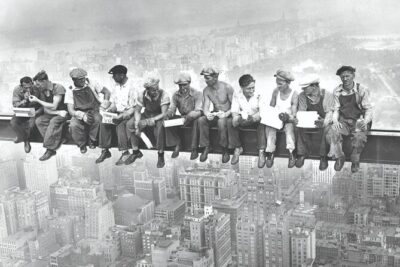 ★ 4.5Top of the Rock Observation Deck New York City TicketFrom $624,556 reviews
 ★ 4.5From New York City: Washington and Philadelphia 1-Day TourFrom $1042,877 reviews
 ★ 4.5Circle Line: 2hr – New York City Harbor Lights CruiseFrom $452,859 reviews
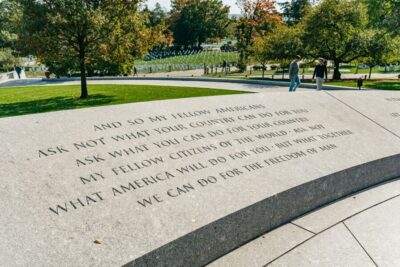 ★ 4.5Full-Day Washington DC City Highlights TourFrom $1492,791 reviews
 ★ 4.5New York City One World Observatory Admission TicketFrom $302,636 reviews