
Reviewed · TOURS
Financial Crisis Tour
This walk turns headlines into street-level drama. I love how the guide tells the 2008 financial crash like a real story with characters, timing, and consequences, not a textbook. I also love the stop-by-stop view of iconic downtown sites, from the New York Stock Exchange area to Federal Hall. One catch: it’s outdoors, and the New York Stock Exchange itself is closed to visitors, so expect mostly photo stops rather than getting inside.
At $59 for 2 hours, it’s a solid deal if you want context fast—especially when your guide speaks like an insider and can answer follow-up questions. You’ll meet at 22 Broad St, get pointed toward major crisis-related locations like Lehman Brothers’ surroundings, and you’ll finish near the Federal Reserve area.
In This Review
- Meeting Point Clarity and What You’ll Be Doing
- Key takeaways
- Wall Street’s 2008 Story on Sidewalk Time
- The 2-Hour Route: From 22 Broad St to the Federal Reserve Area
- Starting at 22 Broad St: Your “Wall Street Origin” Marker
- New York Stock Exchange: See the Symbol, Learn the Constraints
- Wall Street: The Street-Level Power Story
- Federal Hall: Where Early Finance Meets Modern Meaning
- Stone Street Historic District: Old Streets, New Lessons
- Charging Bull and Trinity Church: The Famous Sights With a Fresh Angle
- The Extra Photo Stop and the Final Stretch
- Drop-Off Near the Federal Reserve Bank
- What the Guide Actually Teaches About the 2008 Crisis
- The crisis is explained as a chain, not a single event
- Why it’s called the biggest crisis since the Great Depression
- The human contrast: fortunes and collapses in the same system
- Major players: Lehman Brothers is part of the story
- How your guide keeps it understandable
- Landmark by Landmark: Photos, Wind, and What You Can’t Enter
- The NYSE is closed to visitors
- Expect photo stops more than full building tours
- Downtown wind is real
- Charging Bull photos: go smart with timing
- Price, Value, and Who This Tour Fits Best
- You’ll love it if you want understanding, not finance homework
- You’ll also like it if you enjoy strong storytelling
- You might want to skip it if you hate outdoor walking
- For families and younger history buffs
- Should You Book the Financial Crisis Tour?
- FAQ
- Where is the meeting point for the tour?
- How long is the Financial Crisis Tour?
- What does the tour cost?
- Is transportation included?
- Is the tour indoors or outdoors?
- Does the tour run in bad weather?
- Can I enter the New York Stock Exchange during the tour?
- What’s included in the price?
- Where does the tour end?
- What languages are available?
Meeting Point Clarity and What You’ll Be Doing
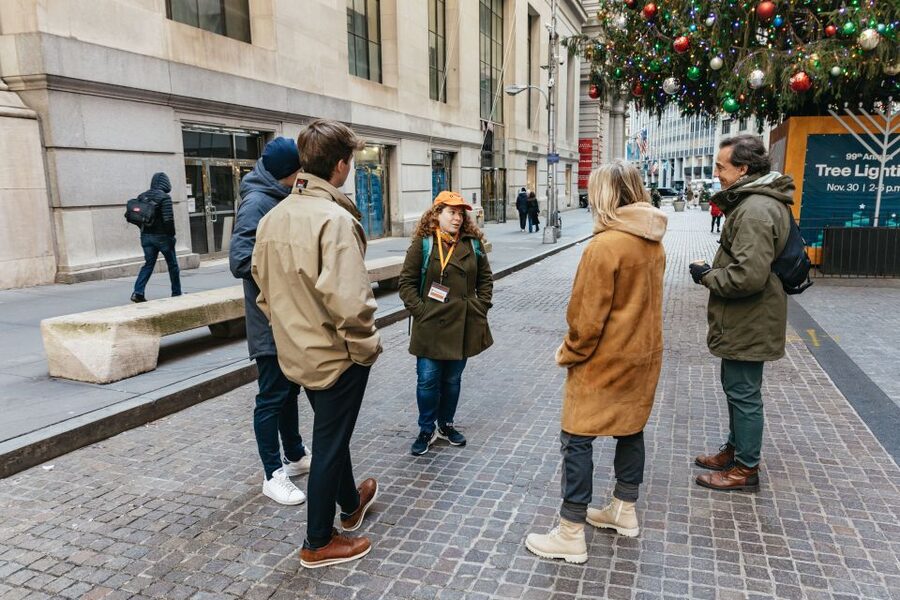
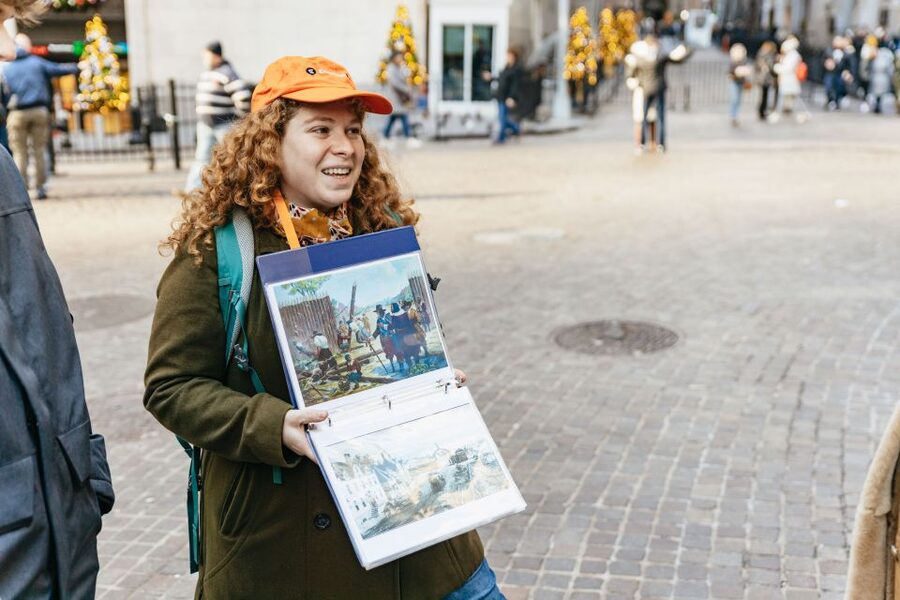
You’ll meet your guide at 22 Broad Street, in front of Blue Bottle Coffee and across from 15 Broad Street. Look for the guide in an orange hat and plan to arrive about 10 minutes early—Downtown Manhattan can be windy, and you’ll want time to get your bearings and camera ready.
Not sold yet? Here is how this one lines up against other New York City picks:
- NYC: SUMMIT One Vanderbilt Tickets
★ 4.7 · 51,195 reviews - NYC: Empire State Building Tickets – Observatory & Museum
★ 4.7 · 25,757 reviews - New York City: Statue of Liberty & Ellis Island with Ferry
★ 4.6 · 18,683 reviews - New York City: American Museum of Natural History Ticket
★ 4.5 · 15,447 reviews
Key takeaways
- Insider-style storytelling: You’ll hear how the crisis unfolded from people who frame it like a lived event, not just a timeline.
- Major Financial District landmarks: You’ll connect the 2008 story to the geography of Wall Street.
- Photo stops plus short guided moments: You’ll see the big sights without turning the walk into a museum line.
- NY Stock Exchange is off-limits: You’ll understand why it matters even if you can’t go in.
- A practical 2-hour format: Enough time to make sense of causes and fallout without dragging all day.
Wall Street’s 2008 Story on Sidewalk Time
This tour works because it doesn’t treat the 2008 crisis as a distant, techy event. Instead, it links decision-making, risk, and panic to the very block-level places where money and power concentrate. In practice, that makes the story easier to hold in your head: you can look at a landmark and remember what the guide just explained.
I also like the pace. In just two hours, you cover the big narrative arc—how the system set itself up to fail, what snapped first, and why the aftermath echoed beyond U.S. borders. The most significant point you’ll take away is the scale: this is presented as the biggest financial crisis since the Great Depression, and the walk shows why people reacted with fear that felt personal, not abstract.
Another reason it feels worth it: the guide doesn’t just list facts. You’ll hear how some traders made massive fortunes while the same environment produced collapses of major institutions. That contrast is uncomfortable, but it’s the point. It explains why the crisis wasn’t only about bad luck—it was about incentives, assumptions, and speed.
Guides matter here, and you can feel that energy when you’re listening closely on a windy downtown sidewalk. In accounts you’ll hear around this experience, guides such as Emily, Jared, James, Peter, Tom, and even Mr. Van Buren are singled out for strong storytelling and keeping the group connected. Whether your guide is humorous, calm, or ultra-structured, you’ll want to bring questions—because the best parts tend to be the moments when you ask why things happened the way they did.
The 2-Hour Route: From 22 Broad St to the Federal Reserve Area
The itinerary is built around Lower Manhattan’s core, so you’re walking where the financial world’s old rules still shape the streets. The stops are also chosen for meaning, not just photos—each one is tied to a theme the guide is teaching.


Starting at 22 Broad St: Your “Wall Street Origin” Marker
You begin at 22 Broad Street, right by Blue Bottle Coffee. The guide is out front wearing an orange hat, and you stay outside—this is a meeting point, not a building tour start. Arrive early and keep your eyes open: Downtown sidewalks get busy fast, and you’ll want to settle in before the first explanation.
New York Stock Exchange: See the Symbol, Learn the Constraints
The New York Stock Exchange is your next major anchor point. You’ll get a photo stop and sightseeing time, but you won’t enter—NY Stock Exchange access is closed to visitors for security reasons. That limitation actually helps the lesson: it underlines how tightly controlled these spaces are, and how public visibility stops at the gates.
Even if you never step inside, the NYSE area matters for understanding what went wrong. The guide uses the setting to talk about the mindset of the era and why market confidence can shift from orderly to chaotic faster than people expect.
Wall Street: The Street-Level Power Story
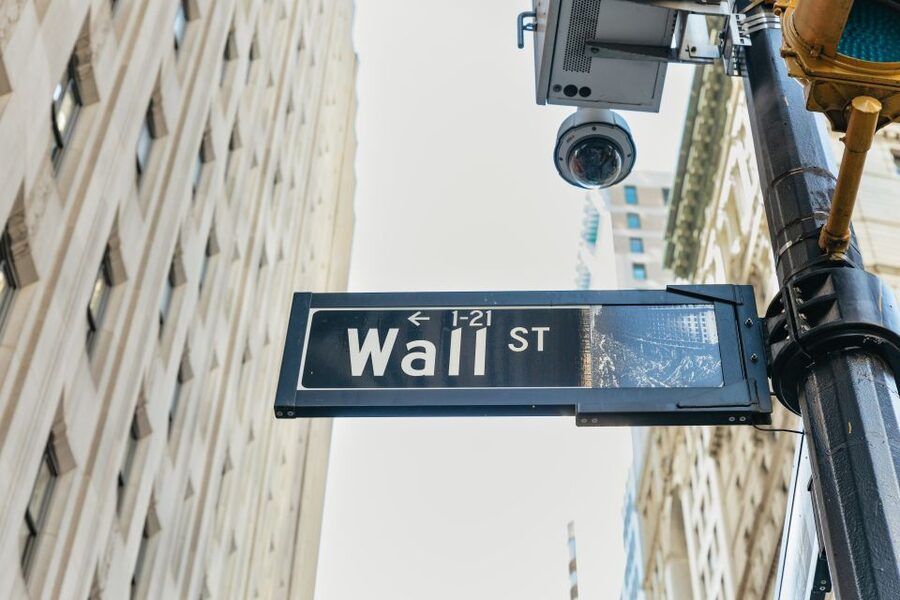
From there you move into the broader Wall Street area for another photo stop and guided walk. This is where the tour starts feeling like a guided narrative. You’ll connect what you’re seeing—corners, building silhouettes, and famous addresses—to how crisis decisions were made.
This is also a good moment to slow down mentally. If you’re the type who likes “wait, show me where that happened,” ask for clarification here. The guide’s job is to make the chaos understandable without turning it into a lecture.
Federal Hall: Where Early Finance Meets Modern Meaning
Federal Hall is a key historical stop, with a photo break and sightseeing. It gives you context for why Lower Manhattan has long been tied to government authority, commerce, and financial legitimacy. The guide doesn’t treat it as random background. Instead, it’s used to show continuity: the geography of power changes form, but the stakes don’t.
Stone Street Historic District: Old Streets, New Lessons
Stone Street Historic District is another photo stop with a guided walkthrough. This one helps your brain switch gears from crisis graphs to street reality. It’s also an easy stretch break—depending on timing and group pace, you’ll get short guided explanations while still moving.
When a tour includes at least one “slow zone,” it prevents information overload. Here, the setting gives you that small reset while keeping you in the downtown story.
Charging Bull and Trinity Church: The Famous Sights With a Fresh Angle
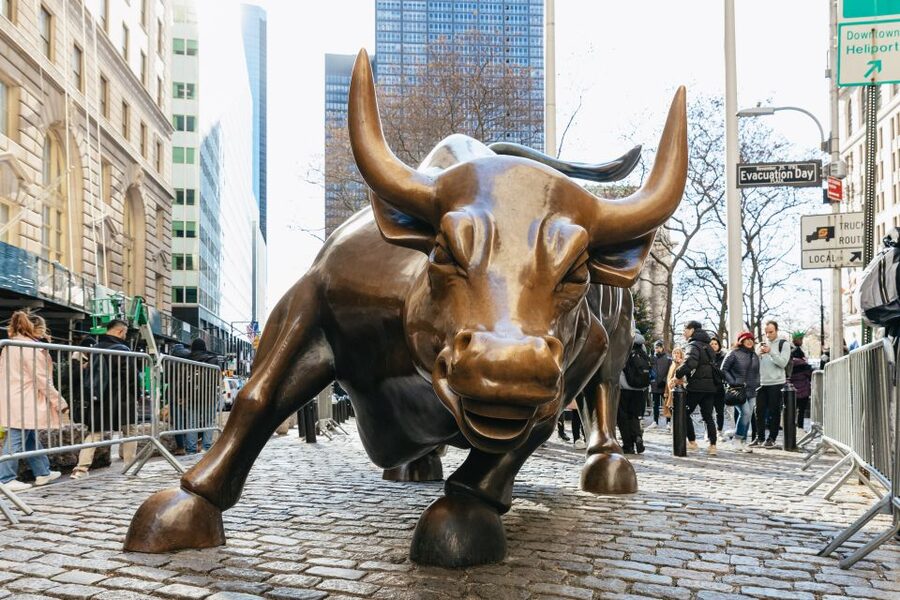
Yes, you’ll see Charging Bull. You’ll also get a guided look as part of the experience, not just a quick stop-and-go photo. The guide uses it as a symbol in the story—bull energy, confidence, and risk—then ties it back to how the crisis changed the mood.
You’ll also stop at Trinity Church for photos and sightseeing. That stop gives you a quieter pause and a chance to notice how much of this district’s meaning comes from architecture and place. It’s easier to remember what the guide said when you’ve just looked at something calm and solid.
The Extra Photo Stop and the Final Stretch
There’s an additional photo stop in the middle of the route (the exact spot is part of the downtown circuit). Think of this as one more chance to regroup, take photos, and keep the story threaded as you move toward the finish.
Drop-Off Near the Federal Reserve Bank
The tour ends with drop-off near the Federal Reserve Bank of New York at 36 Liberty St. That matters because it brings the story back to policy and stabilization—where crisis energy meets real-world response.
What the Guide Actually Teaches About the 2008 Crisis
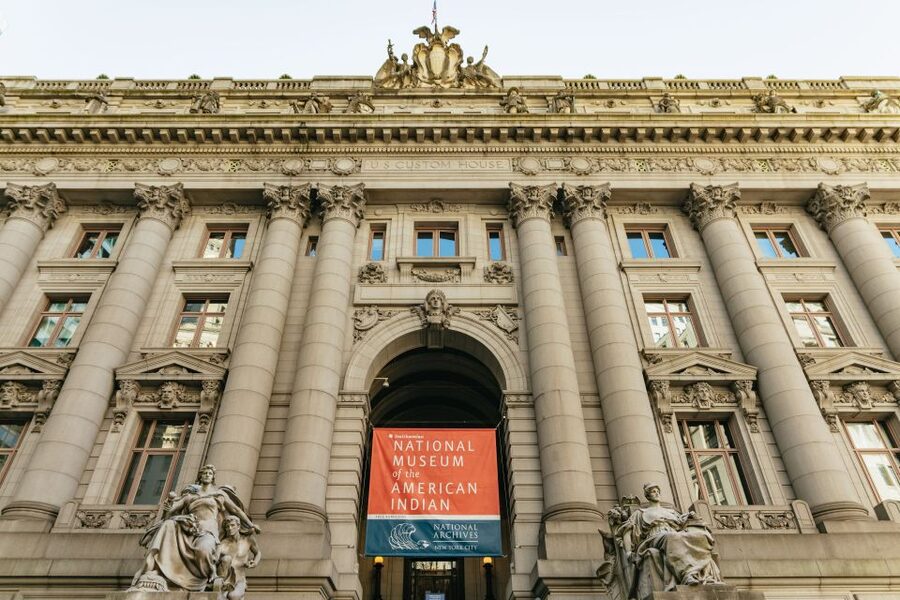
The tour’s promise is straightforward: learn what really happened in the global financial crisis of 2008, using Wall Street insider storytelling plus the physical map of Lower Manhattan. In two hours, you’re not expected to become an analyst. You are expected to understand the shape of the crisis—and why it felt so world-shaking.
Here’s the kind of clarity you can expect:
The crisis is explained as a chain, not a single event
Instead of presenting the crash as one surprise moment, the guide frames it like a chain reaction. That means you’ll hear about the conditions that made major failures possible, then how those failures escalated.
This matters because people often remember 2008 as a headline storm. The tour pushes you to remember it as cause and effect.
Why it’s called the biggest crisis since the Great Depression
The tour treats 2008 as the most significant crisis since the Great Depression, and the tour structure supports that claim. You walk through the institutions and symbols that represent how markets are supposed to function. Then the guide shows why trust broke and why it took the world economy with it.
The human contrast: fortunes and collapses in the same system
One of the most memorable themes is the contrast between traders making billion-dollar fortunes and institutions collapsing in the same environment. It’s a blunt lesson about incentives.
You don’t need finance jargon to grasp it. You just need the logic the guide provides, and the street setting makes the stakes feel real.
Major players: Lehman Brothers is part of the story
You’ll specifically see the grounds connected to major players from the crisis, including Lehman Brothers. That kind of stop helps you connect the story to a name you’ve heard forever—but now it has a location attached, which makes the lesson stick.
How your guide keeps it understandable
Based on guide styles people have experienced, the most effective guides do two things: they keep the pacing workable, and they close gaps when you feel lost. That’s why you’ll see comments about guides making everything click—once you understand the “why,” the names start fitting together.
If your guide uses a microphone, you’ll likely find the whole thing easier to follow. On at least one outing, a guide used audio gear so the group could hear clearly, even while walking.
Landmark by Landmark: Photos, Wind, and What You Can’t Enter
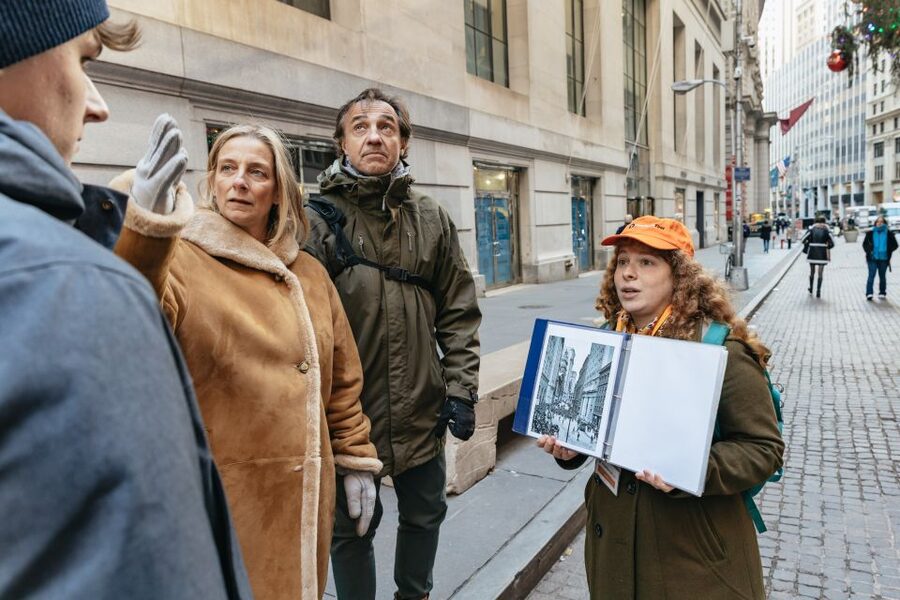
Lower Manhattan is built for quick photos and slow understanding. You get both here, but with real limits.
The NYSE is closed to visitors
The New York Stock Exchange can’t be entered. You’ll learn from looking at the place from the outside. For me, that’s not a deal-breaker—it keeps expectations realistic and prevents the tour from turning into a workaround line.
Still, if you were hoping for an indoor architecture moment, adjust your mindset: you’re getting story and sight, not a museum ticket.
Expect photo stops more than full building tours
Most of the itinerary is photo stop + sightseeing, with guided explanations as you walk. You might get the chance to go inside a few places depending on the day and how the route is handled, but don’t plan your energy around it. Think of this as an outdoor walking story with landmark access mostly on the street level.
Downtown wind is real
The tour runs outdoors in all weather conditions, and Downtown Manhattan can be windy. That one line matters. Bring a layer, even if the rest of New York feels mild.
Charging Bull photos: go smart with timing
Charging Bull is a magnet, so you’ll likely deal with crowds at peak moments. If you want a less painful photo, the practical move is to think about timing—early is generally easier than mid-day for getting your shot without constantly shifting around people.
Price, Value, and Who This Tour Fits Best
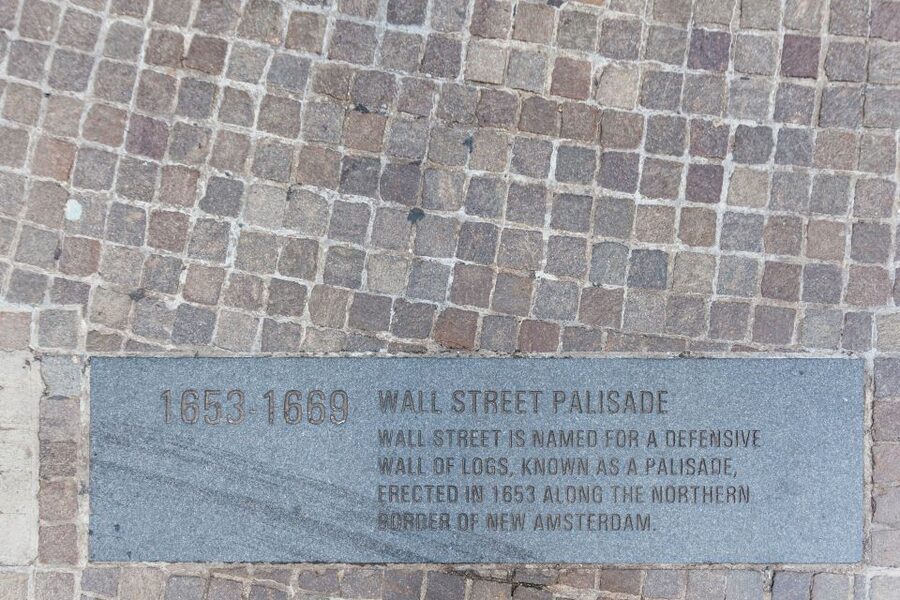
At $59 per person for 2 hours, this tour is priced like a mid-range, high-impact walking experience. You’re paying for a guided narrative with insider flavor and a tightly packed route through the Financial District core. Transportation isn’t included, but the tour is designed so you can manage it on foot once you reach the start.
So, who is it best for?
You’ll love it if you want understanding, not finance homework
This is ideal if you’ve watched the 2008 story unfold on the news and thought: I get that things crashed, but why did it happen this way? The guide’s role is to help you connect the dots quickly.
You’ll also like it if you enjoy strong storytelling
There’s a clear emphasis on narrative. People have highlighted guide humor, pacing, and the ability to make technical ideas feel human. If you learn well when someone is explaining with examples, you’ll probably enjoy this.
You might want to skip it if you hate outdoor walking
It’s outdoors, weather-proof in the sense that it runs regardless, and you’ll be moving for the full duration. If you’re sensitive to cold or wind, dress for battle.
For families and younger history buffs
A couple of accounts mention that kids who like finance or history can enjoy it, though it can get a bit technical depending on attention span. If you bring a tween or teen, it helps to treat the tour as a “why did this happen” mission, not a lecture.
Should You Book the Financial Crisis Tour?
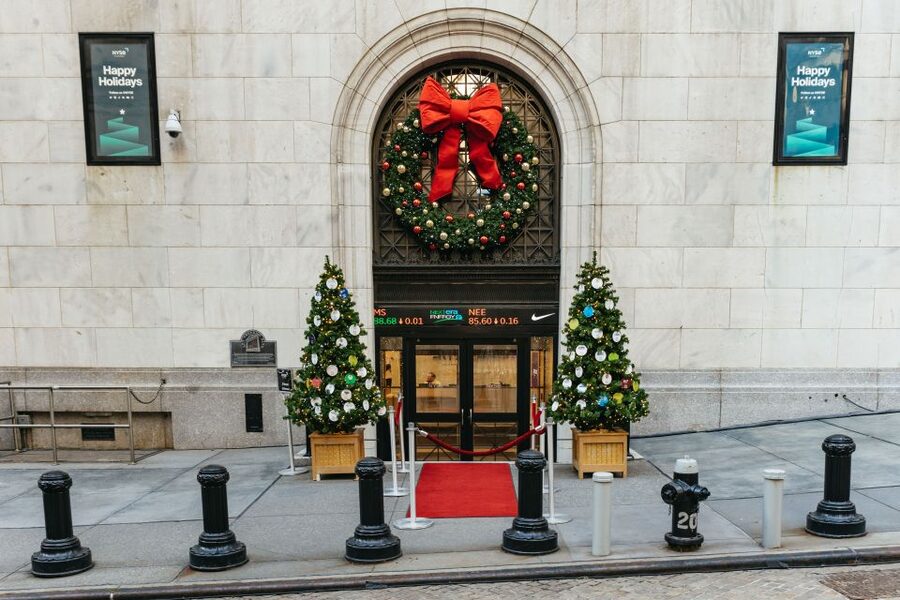
I’d book it if you’re in Lower Manhattan for a short visit and you want a fast, human explanation of what 2008 really meant. The value is in the way the guide ties big concepts to specific streets and landmarks—so the crisis becomes easier to remember, not harder.
I’d pass only if you’re expecting indoor access everywhere or you strongly dislike outdoor walking in windy conditions. And if you’re the type who needs total financial math detail, this tour is not trying to turn you into an economist. It’s trying to give you the big picture you can actually use.
If you do book, bring layers, a camera, and one or two questions you’ve wondered about. The best moments tend to happen when you ask why the incentives and the system mattered as much as the bad outcomes.
FAQ
Where is the meeting point for the tour?
Meet your guide at 22 Broad Street, in front of Blue Bottle Coffee and across from 15 Broad Street. Don’t go inside any buildings at the meeting point.
How long is the Financial Crisis Tour?
The tour runs for 2 hours.
What does the tour cost?
The price is $59 per person.
Is transportation included?
No. Transportation is not included, so plan to get yourself to the meeting point.
Is the tour indoors or outdoors?
It’s an outdoor walking tour. Downtown Manhattan can be particularly windy, so dress for conditions.
Does the tour run in bad weather?
Yes. The tour runs regardless of weather conditions.
Can I enter the New York Stock Exchange during the tour?
No. The New York Stock Exchange is closed to visitors, so you’ll see it from outside.
What’s included in the price?
The tour includes a guide with Wall Street experience.
Where does the tour end?
You have drop-off near the Federal Reserve Bank of New York, at 36 Liberty St, New York, NY 10005, USA.
What languages are available?
The tour is offered in English.
More Tours in New York City
- Statue of Liberty and Ellis Island Tour: All Options★ 5.0 · 13,571 reviews
- New York in One Day Guided Sightseeing Tour★ 5.0 · 13,166 reviews
- Central Park Pedicab Guided Tours★ 5.0 · 7,108 reviews
- New York City: Manhattan Helicopter Tour★ 4.7 · 7,076 reviews
- Private Central Park Pedicab Tour★ 5.0 · 6,981 reviews
More Tour Reviews in New York City
- NYC: SUMMIT One Vanderbilt Tickets★ 4.7 · 51,195 reviews
- NYC: Empire State Building Tickets – Observatory & Museum★ 4.7 · 25,757 reviews
- New York City: Statue of Liberty & Ellis Island with Ferry★ 4.6 · 18,683 reviews
- New York City: American Museum of Natural History Ticket★ 4.5 · 15,447 reviews
- Statue of Liberty and Ellis Island Tour: All Options★ 5.0 · 13,571 reviews
Just in: the newest New York City reviews on our desk


Tours, compared.
 ★ 5.0Statue of Liberty and Ellis Island Tour: All OptionsFrom $6913,571 reviews
 ★ 5.0New York in One Day Guided Sightseeing TourFrom $9913,166 reviews
 ★ 5.0Central Park Pedicab Guided ToursFrom $387,108 reviews
 ★ 4.7Manhattan Helicopter TourFrom $2997,076 reviews
 ★ 5.0Private Central Park Pedicab TourFrom $386,981 reviews
 ★ 5.09/11 Memorial, Ground Zero Tour with Optional 9/11 Museum TicketFrom $396,381 reviews
 ★ 4.2Hop-on Hop-off Sightseeing Tour by Open-top BusFrom $445,863 reviews
 ★ 4.8Manhattan Sightseeing Helicopter TourFrom $2995,826 reviews