Reviewed · NEW YORK CITY
Homemade Dumplings 101 in NYC
If you like dumplings, this class hits the spot fast. In NYC, you’ll learn to fold and cook multiple Asian dumplings using authentic ingredients and traditional techniques, guided by a professional chef. I especially like that you don’t just watch—you get time in the process, and you end with a sit-down lunch after you finish cooking.
One thing to plan around: it’s non-refundable, and it needs decent weather. On the upside, the group stays small (max 20), so you’re not lost in a crowd.
In This Review
- Key things that make this dumpling class fun (and practical)
- Why a dumpling class beats another NYC food stop
- Meeting at 325 W 37th St: easy start, minimal friction
- Chef Danny’s kitchen coaching: what “hands-on” really means
- Dim sum dumplings: learn the soft, steamed style first
- Potstickers: filling variety and the fry that makes them special
- Jiaozi dumplings: the Chinese New Year dumpling lesson
- Snacks, couple of drinks, and the sit-down lunch after cooking
- What the $120 price includes—and where the value really comes from
- Group size of 20: the practical reason it feels personal
- Logistics to consider before you go
- Who this dumpling class is best for
- Should you book Homemade Dumplings 101 in NYC?
- FAQ
- How long is the dumpling cooking class?
- What is the meeting point for Homemade Dumplings 101 in NYC?
- What time does the class start?
- Is the class offered in English?
- What do I make during the class?
- What is included for food and drinks?
- How large is the group?
- Do I get a mobile ticket and confirmation?
- What is the refund and weather policy?
- Are service animals allowed?
Key things that make this dumpling class fun (and practical)
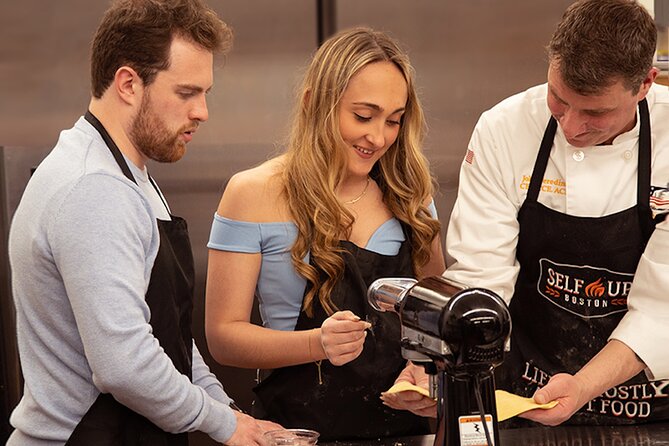
- Chef-led, hands-on cooking instead of passive sightseeing, with lots of involvement in the full process
- Multiple dumpling styles: dim sum dumplings, potstickers, and jiaozi, not just one shape
- Two cooking methods you can put on your own skill list: steaming for softness and frying for crisp edges
- Food + drink built in: light snacks during class and a sit-down lunch afterward, plus a couple of drinks
- Small group size (up to 20) helps you actually ask questions and get feedback
Not sold yet? Here is how this one lines up against other New York City picks:
- NYC: SUMMIT One Vanderbilt Tickets
★ 4.7 · 51,195 reviews - NYC: Empire State Building Tickets – Observatory & Museum
★ 4.7 · 25,757 reviews - New York City: Statue of Liberty & Ellis Island with Ferry
★ 4.6 · 18,683 reviews - New York City: American Museum of Natural History Ticket
★ 4.5 · 15,447 reviews
Why a dumpling class beats another NYC food stop
New York is full of good food. The difference here is that you leave with a repeatable skill. You’re not just buying a meal; you’re learning how dumplings are built: the filling choices, the dough/wrapping technique, and how heat changes the final bite.
I like classes like this because they teach you what to look for next time. When you know the basics, you can judge a dumpling by feel, not luck. Is the wrapper thin enough? Is the filling balanced? Does the cooking method match the texture you want—steamed soft vs fried crisp?
You’ll also get a real chef experience. Chef Danny (mentioned in the class feedback) is known for being engaging and fun while still keeping the lesson clear. That matters, because good cooking classes are part entertainment, part coaching.
Meeting at 325 W 37th St: easy start, minimal friction
The class starts at 1:00 pm. You meet at 325 W 37th St #12f, New York, NY 10018, and it ends back at the same place.
This is the kind of schedule that works well if you want a food-focused afternoon without losing your whole day. Three hours goes fast once you’re rolling wrappers and shaping dumplings. And because it’s near public transportation, you can build it into a normal Manhattan plan instead of treating it like a major expedition.
Also, since it’s offered in English, you won’t be stuck guessing during the steps that matter most—especially when you’re learning folding technique and timing.
Chef Danny’s kitchen coaching: what “hands-on” really means
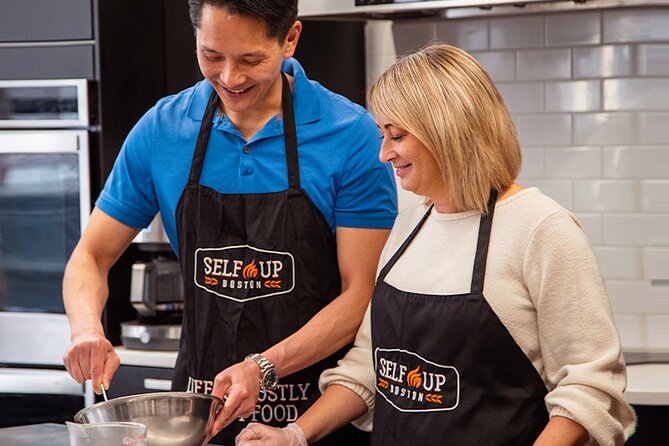
This is a cooking class run by Selfup with a professional chef available throughout. The big win is that you’re part of the workflow, not just an observer holding a plate.
You’ll work with traditional Chinese ingredients and cooking utensils. Even if you’ve cooked at home before, dumpling technique is its own world. Small changes—amount of filling, how you seal, and how you manage heat—make a visible difference in the final dumpling.
The class feedback I’ve seen highlights how much everyone gets to do. That’s important for first-timers. You want guidance at the moments where things go wrong, like sealing the wrapper so it doesn’t open or learning a frying approach that doesn’t leave you with undercooked centers.




Dim sum dumplings: learn the soft, steamed style first
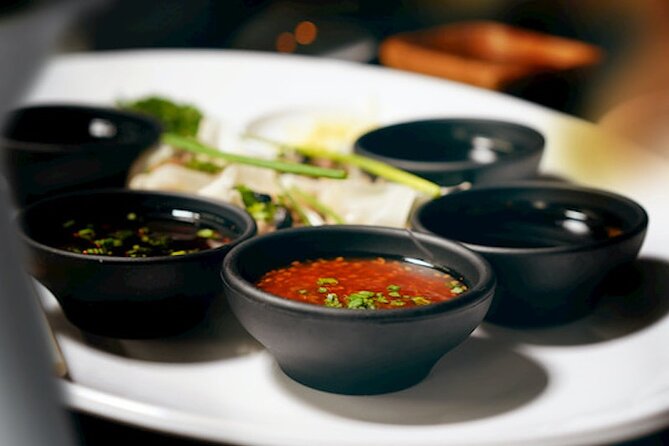
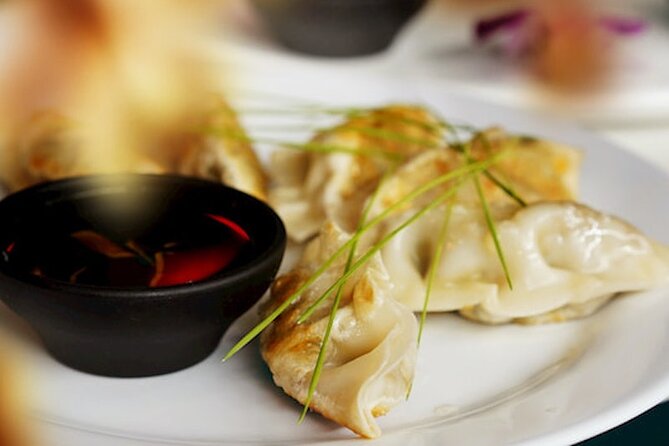
One of the main dumpling projects is dim sum dumplings, filled with savory pork and vegetables. You’ll learn how to handle them so they stay delicate and tender.
A key part of the lesson is learning the cooking method. Dim sum dumplings can be steamed for that pillow-soft bite, or you can fry them for a golden crisp finish. That’s practical knowledge because many people only know one texture—steamed or fried—and don’t realize how different the same basic dumpling can be depending on the approach.
Why this matters: if you understand steaming vs frying, you can reproduce the results at home with whatever gear you have. You’ll know which method you’re aiming for before you start shaping.
Potstickers: filling variety and the fry that makes them special
The class also teaches potstickers, and you learn multiple filling styles, including pork, chicken, shrimp, and mushrooms. Even if you don’t plan to cook all those types yourself, the training helps you understand how fillings behave—juiciness, texture, and how much seasoning to trust.
Potstickers are famous for the contrast: crisp bottoms with a tender interior. So the focus isn’t just on shaping. You’ll learn how to perfectly fry potstickers for an authentic taste.
That frying skill is one of the most useful things you can take away from a dumpling class. Getting the temperature and timing right is what separates “okay” from “I want another.” And because you’re learning it with a chef in the room, you can ask about what you’re seeing in the pan instead of guessing.
Jiaozi dumplings: the Chinese New Year dumpling lesson
Then comes jiaozi, traditionally associated with Chinese New Year. The class describes them as typically filled with chicken and vegetables, with a strong cultural connection to celebration and good luck.
Even if you’re not celebrating the holiday, learning jiaozi helps you understand how dumpling shapes and folds can change the eating experience. Different folds aren’t just decoration; they affect how the dumpling cooks and how the filling locks in.
This part of the class is also a confidence builder. If you can make a couple of dumpling types well, you stop feeling intimidated by dumplings altogether. At that point, you’re not just following steps—you’re building a small cooking toolkit.
Snacks, couple of drinks, and the sit-down lunch after cooking
This is one of those classes where food shows up in multiple stages. During the session, you get light snacks throughout, and there are a couple of drinks included.
After you finish cooking, you’ll have a sit-down lunch. The sample menu lists dim sum dumplings and potstickers as the main items. Translation: you should expect to eat the dumpling results, not just snack on random extras.
Why I like the sit-down format: it gives your hands a break and lets you reset before the next steps. Also, it’s a chance to talk with others in your small group—food people tend to trade tips fast, like where to buy wrappers or how to store shaped dumplings.
The overall pacing feels designed for a half-day commitment: active work, then a calm meal. That balance is a big part of why this kind of class is enjoyable for both food beginners and people who already cook.
What the $120 price includes—and where the value really comes from
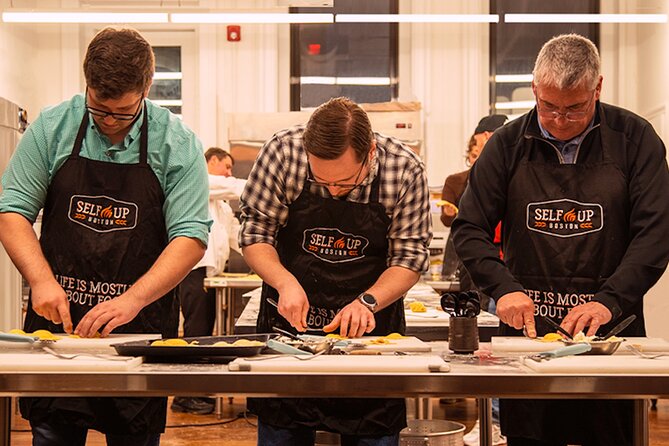
The price is $120.00 per person for about 3 hours.
On its face, that’s not cheap, but you’re not paying only for the final meal. You’re paying for:
- a professional chef available throughout
- hands-on instruction for multiple dumpling types
- traditional ingredients and cooking utensils
- light snacks, a sit-down lunch, and a couple of drinks
- a small group setup (up to 20 people)
In NYC, you can spend a lot more than that on a single meal plus a dessert plus drinks. Here, the meal is tied directly to the skills you’re learning, so the cost feels more like investing in something you can repeat than just paying for calories.
Also, the class rating is 4.8 with 94% recommended, based on 16 reviews. That’s a strong signal that people are leaving satisfied with the experience quality—not just the food.
Group size of 20: the practical reason it feels personal
Max 20 travelers might not sound like a lot, but in cooking classes it matters. With dumplings, you need room to work. You also need feedback when you seal a wrapper wrong or when your first batch needs a tweak.
Smaller groups mean you’re more likely to get the chef’s attention during the steps that make or break texture. And it’s easier to stay engaged when you’re not waiting around for someone else’s turn.
So even though it’s in a central Midtown meeting area, the class itself avoids the biggest NYC downside: being herded.
Logistics to consider before you go
A few practical notes to keep your day smooth:
- The class runs about 3 hours and starts at 1:00 pm, so don’t schedule a far-away reservation right after.
- It requires good weather. If it’s canceled due to poor weather, you’re offered a different date or a full refund.
- The experience is non-refundable and cannot be changed for any reason. If you need flexibility, factor that in before booking.
- You’ll get confirmation at time of booking and a mobile ticket.
- It’s near public transportation, and service animals are allowed.
Who this dumpling class is best for
This works especially well if you’re:
- a dumpling fan who wants more than ordering takeout
- a beginner who needs coaching on folding and cooking
- a foodie who likes learning techniques, not just flavors
- traveling with a friend and wanting a shared, hands-on activity
It may be less appealing if you’re the type who hates guided steps and prefers purely independent exploring. This is a lesson and a workshop, so you’ll be working at the same pace as the group.
Should you book Homemade Dumplings 101 in NYC?
If you want a memorable NYC food experience that also teaches you a real skill, this is a smart pick. Chef Danny’s class style is described as engaging and educational, and the format clearly supports hands-on participation. Add in the included snacks, drinks, and sit-down lunch, and the value starts to make sense fast.
I’d book it if you’re comfortable committing to the schedule and you can plan around the good-weather requirement. If you’re booking late and need total flexibility, you’ll want to think carefully because it’s non-refundable.
Bottom line: for many people, dumplings are a comfort food. This class turns that comfort into competence. And that’s the kind of souvenir you can actually use.
FAQ
How long is the dumpling cooking class?
It lasts about 3 hours.
What is the meeting point for Homemade Dumplings 101 in NYC?
The meeting point is 325 W 37th St #12f, New York, NY 10018.
What time does the class start?
The start time is 1:00 pm.
Is the class offered in English?
Yes, the experience is offered in English.
What do I make during the class?
You learn to make multiple types of dumplings, including dim sum dumplings, potstickers, and jiaozi dumplings.
What is included for food and drinks?
You get light snacks during the class, a sit-down lunch after you finish cooking, and a couple of drinks.
How large is the group?
The class has a maximum of 20 travelers.
Do I get a mobile ticket and confirmation?
Yes. You’ll receive a mobile ticket, and confirmation is received at time of booking.
What is the refund and weather policy?
The experience is non-refundable and cannot be changed. It requires good weather. If it’s canceled due to poor weather, you’ll be offered a different date or a full refund. If the minimum number of travelers isn’t met, you’ll be offered a different date/experience or a full refund.
Are service animals allowed?
Yes, service animals are allowed.
More Tour Reviews in New York City
- NYC: SUMMIT One Vanderbilt Tickets★ 4.7 · 51,195 reviews
- NYC: Empire State Building Tickets – Observatory & Museum★ 4.7 · 25,757 reviews
- New York City: Statue of Liberty & Ellis Island with Ferry★ 4.6 · 18,683 reviews
- New York City: American Museum of Natural History Ticket★ 4.5 · 15,447 reviews
- Statue of Liberty and Ellis Island Tour: All Options★ 5.0 · 13,571 reviews