
Reviewed · CENTRAL PARK TOURS
New York City: Hell’s Kitchen Food & Central Park Combo Tour
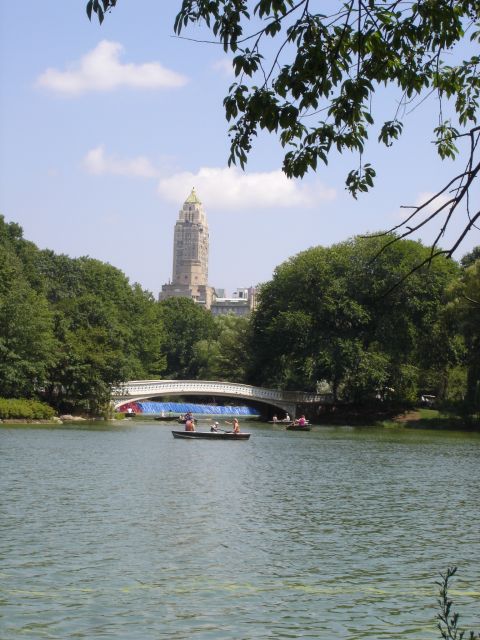
Eat first, then breathe under trees. This Hell’s Kitchen food and Central Park combo stacks world flavors with guided park time, plus the story behind the neighborhood’s name. I love how the tour keeps you in one area for serious variety, and then turns that energy into a relaxed walk through Central Park and its 843 acres.
Two things make it click for me: the food range in Hell’s Kitchen feels like you traveled without leaving Midtown, and the Central Park section gives you context beyond a quick photo stop. The only real catch I’d plan around is diet limits: a vegetarian option is available, but other needs (like vegan, gluten-free, nut allergies, or dairy-free) can’t be accommodated on this tour.
You’ll start at Gyu-Kaku Japanese BBQ at 321 West 44th Street, between 8th and 9th Avenues, then spend about 4.5 hours on foot in a small group capped at 8. Guides such as Claire, Dave, Jake, and Alex get praised for storytelling and staying friendly, and that matters because both neighborhoods move fast when you’re walking.
In This Review
- Key things I’d bank on before you book
- Hell’s Kitchen and Central Park in one trip: how the combo tour works
- Starting at Gyu-Kaku on West 44th Street: setting the tone fast
- Hell’s Kitchen tastings: global bites plus the stuff people remember
- How Hell’s Kitchen got its name: Irish, German, and Puerto Rican chapters
- Central Park after you eat: why the park walk feels like part of the deal
- Guides, small group size, and why it changes your day
- Price and value at $159: what you’re actually buying
- Who should book this Hell’s Kitchen + Central Park combo
- Quick practical tips before you go
- Should you book? My take on the decision
- FAQ
- Where does the tour meet?
- How long is the tour?
- How many people are in the group?
- Is there a live guide, and what language is it?
- What’s included in the price?
- Are there any dietary options?
- Can the tour accommodate vegan, gluten-free, kosher, or nut allergies?
- Is the tour mostly walking?
- Are pets allowed?
- What should I expect to see in Central Park?
Key things I’d bank on before you book
- One neighborhood, multiple cuisines: You sample several styles in Hell’s Kitchen instead of doing “one restaurant and done.”
- Neighborhood origin story included: You hear how the name Hell’s Kitchen developed, tied to Irish and German conflict and later Puerto Rican tensions.
- Central Park time that feels guided: You cover major acreage, including Strawberry Fields, with an actual narrative to follow.
- Small group pace: Limited to 8 participants, so it’s easier to ask questions and get help with logistics.
- Food-to-walk flow: The plan turns tastings into a “walk it off” stroll in the park.
More ways to see Central Park
- Central Park Pedicab Guided Tours
★ 5.0 · 7,108 reviews - Private Central Park Pedicab Tour
★ 5.0 · 6,981 reviews - NYC: Central Park Bike Rentals
★ 4.2 · 2,528 reviews - Official NYC Horse Carriage Rides in Central Park since 1979 ™
★ 5.0 · 2,365 reviews
Hell’s Kitchen and Central Park in one trip: how the combo tour works
This is a classic New York pairing: tight city blocks for food, then a green reset in the middle of everything. The key is the order. You start in Hell’s Kitchen, where you’re surrounded by Midtown energy and a dense mix of restaurants, then you move into Central Park while you still have that “we ate a lot” momentum.
At 270 minutes, the tour gives you enough time to feel like you did more than snack. It’s built around guided stops with explanations, not just dropping you at places. And the Central Park portion isn’t just strolling randomly through major paths; it’s framed with stories that connect the park to New York’s everyday life.
If you like city tours that are practical (food you can’t easily recreate at home, plus walks that make sense on foot), this combo format fits well.
Starting at Gyu-Kaku on West 44th Street: setting the tone fast
Your meeting point is inside the vibe of Japanese BBQ at Gyu-Kaku Japanese BBQ, 321 West 44th Street, between 8th and 9th Avenues. That location matters because it anchors the tour in the Midtown grid, where Hell’s Kitchen sits just west of the Theater District.
You’re not starting out at a museum entrance or a distant landmark. You’re starting in a working restaurant corridor, which helps the tour feel grounded. From the very first minutes, the guide can steer you into how the neighborhood feeds itself: who ate where, which communities moved in over time, and how that shaped today’s dining scene.
Also, good to know: this is a walking tour style day. Wear good walking shoes, because you’ll be moving between tastings and then doing Central Park on foot.
Hell’s Kitchen tastings: global bites plus the stuff people remember
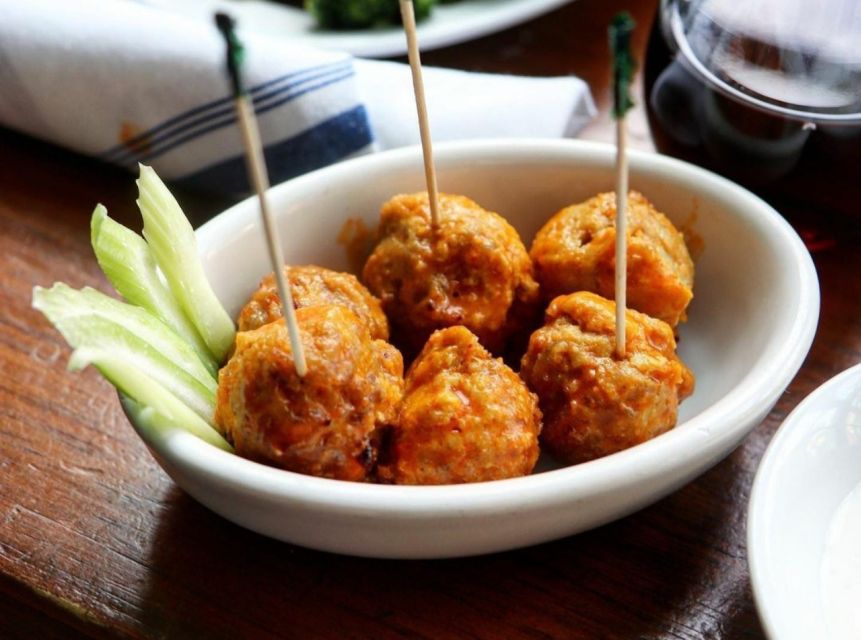
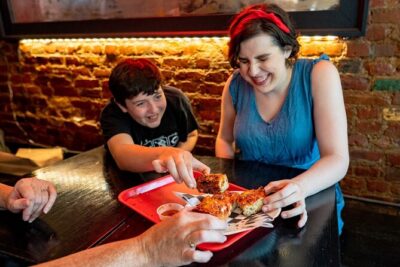
The Hell’s Kitchen part is the main event for food. Expect a series of tastings across about five stops (the tour is commonly described that way), with a mix of flavors and formats rather than the same dish repeated. It’s designed to be a “many cuisines, one neighborhood” approach.
Here’s what you should look forward to as you plan your appetite:
- Japanese barbecue flavor as a first-course-style introduction (your meeting place sets this expectation).
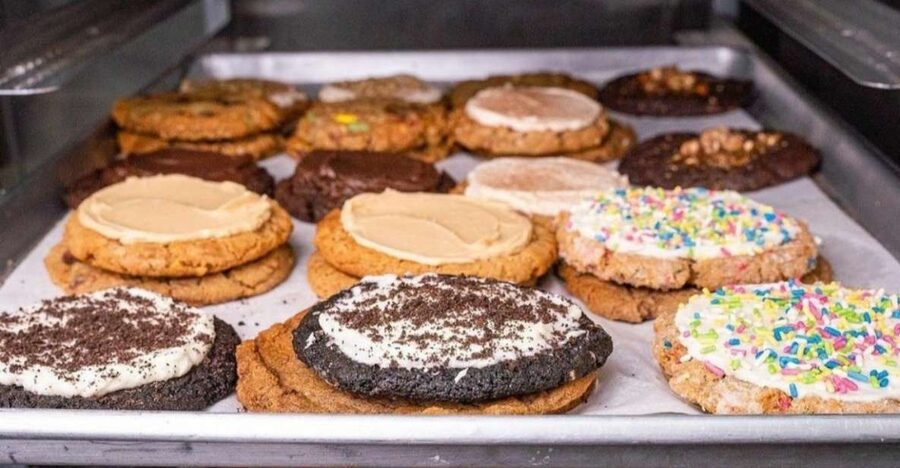
- Custom-made cookies that act like a sweet bookend later.
- Khinkali (Georgian dumplings), which is the kind of dish that makes food tours feel like discovery instead of routine.
- A cheeseboat stop, which shows up as a standout in guide-and-guest reports. Even if you’re not sure what you’ll get, that’s the point: this tour tries to bring in memorable regional items.
Why I like this approach: Midtown is full of choices, so it’s easy to waste time hunting. A guided tasting route saves you from decision fatigue and helps you sample foods you’d likely skip if you were only looking at menus for 10 seconds.
Potential drawback: because these are tastings, you may end up with flavors you don’t usually order. If you’re extremely picky, you might want to mentally prepare for small “try it anyway” moments. The good news is the guide is there to explain and guide the order of what you eat.
More plates and pours around New York City


How Hell’s Kitchen got its name: Irish, German, and Puerto Rican chapters
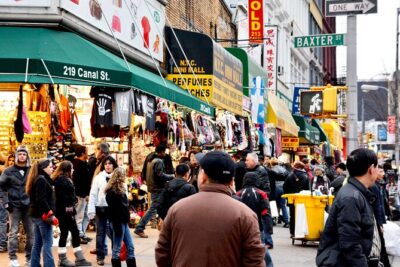
Food is the hook, but history is the spine. The tour explains how Hell’s Kitchen became a name connected to conflict between immigrant groups—first with Irish and German tensions, then later with Puerto Rican immigrant communities and the ethnic strain that followed.
This part is more than trivia. It helps you understand why Hell’s Kitchen became the cultural collision zone that it was, and why the neighborhood’s reputation formed the way it did. The tour also connects the later Broadway imagination of West Side Story to those real neighborhood tensions, so the entertainment isn’t floating in space. It’s attached to place.
I’d especially value this section if:
- you’ve seen West Side Story before and want a place-based explanation, or
- you want context for the neighborhood beyond today’s storefronts and rents.
The guides you’ll encounter often lean into stories and pacing. Claire and Dave, for example, get highlighted for friendly, fun storytelling and for keeping the tour moving at a pace that fits the group.
Central Park after you eat: why the park walk feels like part of the deal
Then comes the payoff: Central Park. The tour shifts gears from street noise to park quiet, and it does it in a way that makes sense—walk it off first, then absorb the scenery.
The plan is built around the scale of the park: 843 acres of green space in the middle of New York. That number sounds like a fact until you’re walking it. With a guide, you stop noticing only the big “postcard” spots and start seeing how the park functions like an escape system—paths, architecture, and designed viewpoints that help New Yorkers reset.
You’ll also hear about Strawberry Fields as a key landmark inside the park. It’s one of those places that can feel like a checklist item if you visit alone. On a guided walk, it becomes a story stop rather than a photo stop.
Practical angle: if you tend to get “park-fog” on your own (too many directions, too many potential routes), having someone plan the walk through a big space can make Central Park feel manageable.
Guides, small group size, and why it changes your day
This tour caps at 8 participants, and that’s not a random number. In a small group, the guide can:
- keep conversation going without leaving people behind,
- check in about what you like,
- and adapt when the group’s energy changes.
You’ll hear examples of that in guide descriptions: Dave asking the group questions about preferences, Alex handling both neighborhood history and Central Park stories, and guides like Jake or Nick leaning into extra New York help beyond the core tour.
Some guides also handle practical questions well. One guide report highlights helping with subway transfers to keep your next step smooth, and another notes help with bathroom stops. That kind of care isn’t a luxury when you’re walking for hours in New York.
Bottom line: if you want a tour that feels personal enough to ask things (not just follow a line of strangers), this format fits.
Price and value at $159: what you’re actually buying
At $159 per person for about 270 minutes, the price looks high until you break down what’s included.
You’re paying for:
- a live English-speaking guide,
- food tastings (multiple stops, not a single item),
- and guided narration in both Hell’s Kitchen and Central Park.
New York tours often charge for the information, but they also charge for convenience—this one earns its keep by bundling two major areas into a single day plan. You don’t need to research a food route, then separately plan a park route. You also don’t have to piece together history connections between immigrant-era neighborhood conflict and the cultural echoes you see later in popular media.
Where value can drop: if you have strict dietary restrictions beyond vegetarian. Since other needs can’t be accommodated, you might end up paying for a tour where your options are narrower than you hoped.
So, I’d view the cost as fair if:
- you eat a range of foods,
- you want both food and guided context,
- and you’re okay with a vegetarian option as the main alternative for dietary needs.
Who should book this Hell’s Kitchen + Central Park combo
I’d suggest it for you if you:
- want a food-focused New York day without spending time comparing menus,
- enjoy history that connects to real neighborhoods (not just wall labels),
- and like Central Park but don’t want to plan every turn on your own.
You might consider a different plan if:
- you need a diet that’s not covered by the vegetarian option,
- you dislike walking for a multi-hour route,
- or you’re traveling with someone who wants a completely free-form itinerary.
Also, this is especially good for first-time or “first-return” visitors to New York. It covers a big chunk of the city’s personality: the immigrant-era neighborhood story, the food you can taste now, and the park that locals treat like a backyard.
Quick practical tips before you go
A few things will make the day smoother:
- Wear walking shoes. The tour is built around moving, and you’ll feel it after 4.5 hours.
- If you’re vegetarian, tell the local supplier at booking. That’s the only dietary option explicitly mentioned.
- If you have other dietary needs, plan ahead. The tour data states that other restrictions can’t be accommodated, including vegan, kosher, nut allergies, dairy-free, and gluten-free diets.
- Plan to eat. You’re getting multiple tastings, and the tour is designed around walking off that food in Central Park.
- Pets aren’t allowed, so arrange care if you’re traveling with an animal.
For photos: several guides are described as willing to help with taking pictures, which is useful because you’ll be in open spaces and want decent shots without handing your phone to strangers.
Should you book? My take on the decision
Book it if you want a New York day with structure that still feels fun: you get food variety, a real neighborhood story, and then a guided Central Park walk that turns big-park stress into a focused experience.
Skip it (or at least think twice) if your food needs don’t fit the vegetarian option. That limitation is the one part of the tour that can affect your enjoyment the most, because tastings are the core of the experience.
If your goal is to see Hell’s Kitchen through both your stomach and your curiosity, and then to finish in Central Park with stories that help the place click, this combo tour is a strong match.
FAQ
Where does the tour meet?
Meet your guide inside Gyu-Kaku Japanese BBQ, 321 West 44th Street, between 8th and 9th Avenues in New York.
How long is the tour?
The duration is 270 minutes (about 4.5 hours).
How many people are in the group?
It’s a small group limited to 8 participants.
Is there a live guide, and what language is it?
Yes, there is a live tour guide, and the tour is in English.
What’s included in the price?
The tour includes the guide and food.
Are there any dietary options?
A vegetarian option is available if you inform the local supplier at the time of booking.
Can the tour accommodate vegan, gluten-free, kosher, or nut allergies?
No. Any other dietary needs cannot be accommodated on this tour, including vegan, kosher, nut allergies, dairy free, or gluten-free diets.
Is the tour mostly walking?
Yes. It’s a walking tour format, and you should wear good walking shoes.
Are pets allowed?
No, pets are not allowed on this tour.
What should I expect to see in Central Park?
You’ll explore Central Park’s 843 acres and hear stories connected to the park, including Strawberry Fields.
More Tours in New York City
- Statue of Liberty and Ellis Island Tour: All Options★ 5.0 · 13,571 reviews
- New York in One Day Guided Sightseeing Tour★ 5.0 · 13,166 reviews
- Central Park Pedicab Guided Tours★ 5.0 · 7,108 reviews
- New York City: Manhattan Helicopter Tour★ 4.7 · 7,076 reviews
- Private Central Park Pedicab Tour★ 5.0 · 6,981 reviews
More Tour Reviews in New York City
- NYC: SUMMIT One Vanderbilt Tickets★ 4.7 · 51,195 reviews
- NYC: Empire State Building Tickets – Observatory & Museum★ 4.7 · 25,757 reviews
- New York City: Statue of Liberty & Ellis Island with Ferry★ 4.6 · 18,683 reviews
- New York City: American Museum of Natural History Ticket★ 4.5 · 15,447 reviews
- Statue of Liberty and Ellis Island Tour: All Options★ 5.0 · 13,571 reviews
More of Central Park
- Central Park Pedicab Guided Tours★ 5.0 · 7,108 reviews
- Private Central Park Pedicab Tour★ 5.0 · 6,981 reviews
- NYC: Central Park Bike Rentals★ 4.2 · 2,528 reviews
- Official NYC Horse Carriage Rides in Central Park since 1979 ™★ 5.0 · 2,365 reviews
- NYC: Central Park Bike Rental★ 4.1 · 1,651 reviews
Just in: the newest New York City reviews on our desk





Central Park Tours, compared.
 ★ 5.0Central Park Pedicab Guided ToursFrom $387,108 reviews
 ★ 5.0Private Central Park Pedicab TourFrom $386,981 reviews
 ★ 4.2Central Park Bike RentalsFrom $92,528 reviews
 ★ 5.0Official NYC Horse Carriage Rides in Central Park since 1979 ™From $992,365 reviews
 ★ 4.1Central Park Bike RentalFrom $81,651 reviews
 ★ 4.9Private Central Park Pedicab TourFrom $401,637 reviews
 ★ 4.7Central Park Bike RentalFrom $91,509 reviews
 ★ 4.0Carriage Ride in Central Park (VIP – PRIVATE) Since 1964™From $141,074 reviews
Browse the lists this tour appears in