
Reviewed · NYC GHOST & TRUE CRIME TOURS
New York City Slavery and Underground Railroad Tour
Slavery shows up all over New York. This Underground Railroad tour ties together the escape stories, abolitionists, and major Manhattan landmarks in about 2.5 hours. I like how the guide connects the route to real people such as Frederick Douglass, and I love the way the walk ends at the African Burial Ground memorial.
One thing to plan for: a lot of the tour happens outdoors, with frequent stops that can mean plenty of standing and listening. The group stays small (up to 30 travelers), which helps, but you still want comfortable shoes and good cold-weather layering.
In This Review
- Key highlights you’ll notice
- Starting at Bowling Green: how the route sets the tone
- The Underground Railroad context: secret routes in a city built on freedom and bondage
- Battery Park and Fraunces Tavern: commerce, arrival, and revolution-era landmarks
- Wall Street and the story of enslaved labor at the financial heart
- Foley Square: how modern memorial art carries old violence forward
- African Burial Ground National Monument: the solemn core of the walk
- The former first African-American church stop: why the ending matters
- Price and value: what $49 buys you in New York
- Comfort checklist: standing time, weather, and hearing the guide
- Who should book this Underground Railroad tour—and who might want a different plan
- Should you book this NYC Slavery and Underground Railroad tour?
- FAQ
- How long is the New York City Slavery and Underground Railroad Tour?
- How much does the tour cost?
- Where do I meet the guide, and where does the tour end?
- What language is the tour offered in, and how large is the group?
- Are admission tickets included for the stops?
- Is hotel pickup or drop-off included?
- Does the tour run in poor weather?
- Can I cancel and get a full refund?
Key highlights you’ll notice
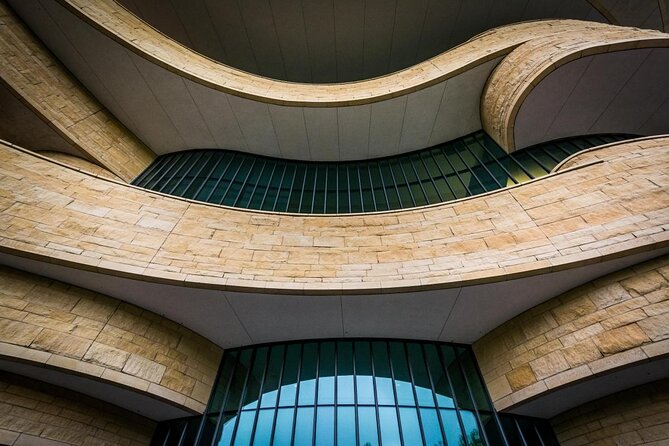
- Start at Bowling Green near the National Museum of the American Indian and immediately frame the story in colonial-to-modern Manhattan
- Wall Street’s built-on-labor truth including the former wall location and how enslaved people shaped the financial hub
- A stop at Fort Amsterdam’s era showing how early settlements connect to later slavery systems
- Foley Square’s Triumph of the Human Spirit sculpture recognizing enslaved people’s presence in the city
- The African Burial Ground visit brings the story to a solemn, human level tied to an excavated burial site connected to enslaved Africans
- A final walk to the former site of the first African-American church linked with Underground Railroad activity
More dark corners and cold cases
- New York Catacombs by Candlelight
★ 4.5 · 2,863 reviews - New York City Mafia and Local Food Tour led by NYPD Guides
★ 5.0 · 1,197 reviews - Gangsters and Ghosts Tour New York City
★ 5.0 · 905 reviews - True Crime NYC: Mafia Walk w/Ret. NYPD Detective and Local Food
★ 5.0 · 848 reviews
Starting at Bowling Green: how the route sets the tone
This tour is built like a guided storyline, not a museum circuit. You meet at the National Museum of the American Indian area at Bowling Green, which is a smart start point because it puts you right in the thick of Manhattan’s early layers. From there, the guide walks you through how slavery and forced labor shaped the city long before most people picture when and where it happened.
You’ll move through neighborhoods and landmarks that look familiar, even iconic. But the point is to see them with different eyes: not as scenery, but as places where systems were enforced, resisted, and rewritten by people who escaped. That shift matters, especially if you’ve only ever seen the Underground Railroad as a distant, generic American story.
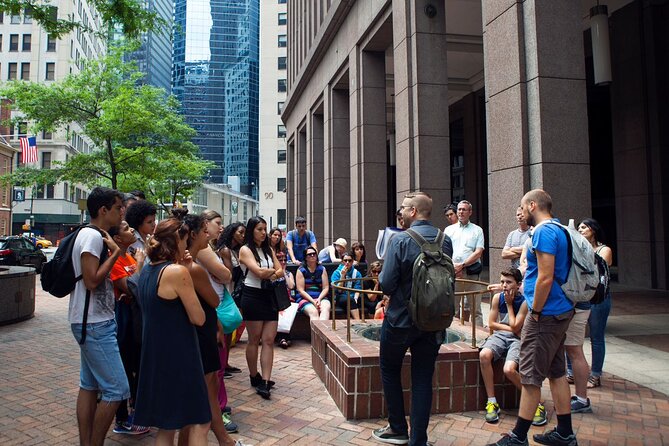
The pacing also feels intentional. You get several short stops—usually 10 to 30 minutes each—so the group stays together while the guide keeps you grounded in why each location belongs in the bigger trail. It’s not designed to be a sit-down, lecture-only experience, but you will spend a fair amount of time standing at street corners.
The Underground Railroad context: secret routes in a city built on freedom and bondage
Before you even reach Wall Street, the guide sets up the Underground Railroad as a network of secret routes and safe houses. It wasn’t just one road or one organization. It was a patchwork of people—many African Americans and also abolitionists and allies—who used knowledge, connections, and risk to help enslaved people escape.
In New York City, that story isn’t limited to one era or one neighborhood. The city’s ports, commerce, and wealth helped pull slavery into the daily workings of American life. And that same machinery created opportunities for people to flee—especially with help from abolitionists and others who understood that freedom was the mission.
What I appreciate about this tour’s framing is that it doesn’t treat slavery as a sealed-off chapter. The guide connects what you see on sidewalks today to what was happening behind the scenes centuries ago. That helps you understand why so many powerful sites are right in the open. The Underground Railroad is often taught as something hidden. Here, you learn how much of it existed in public life, even if the movement of people had to stay discreet.
You also get context for how enslaved labor shaped American society more broadly. The tour points to enslaved people’s role in transforming the country, not just New York. It’s a blunt way to learn, and it’s also a respectful one: the guide keeps the focus on people, not just systems.
Battery Park and Fraunces Tavern: commerce, arrival, and revolution-era landmarks
Early on, the walk brings you to Battery Park, a place tied to arrivals. This stop isn’t only about modern tourists and waterfront views. It’s about how this area connects to movement of people through New York—centuries of newcomers and the port’s role in shaping the city. The guide uses Battery Park to widen your lens: the same city that drew people in also functioned as a node in slavery’s economy.
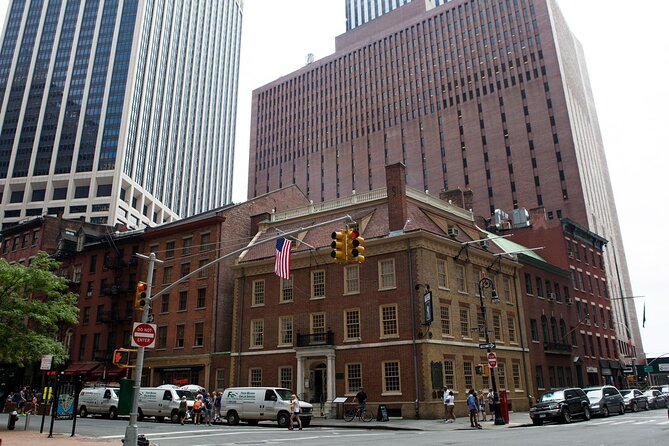
From there, you head toward Fraunces Tavern, visited from the exterior. This is one of those locations that shows up in American Revolutionary history, yet it’s also useful for the Underground Railroad story because it anchors you to the idea that New York was a political crossroads. The guide treats it as more than a famous address—more like a checkpoint for understanding the era’s conflicts and alliances.
One practical note: because these are exterior visits, you’re not getting much “visual spectacle.” Instead, the payoff is the narration that explains why the location mattered. If you’re someone who likes seeing artifacts and rooms, you’ll want to mentally shift gears here. This is a walking history story where the street-level details do the heavy lifting.
The big picture: more New York City sightseeing



Wall Street and the story of enslaved labor at the financial heart
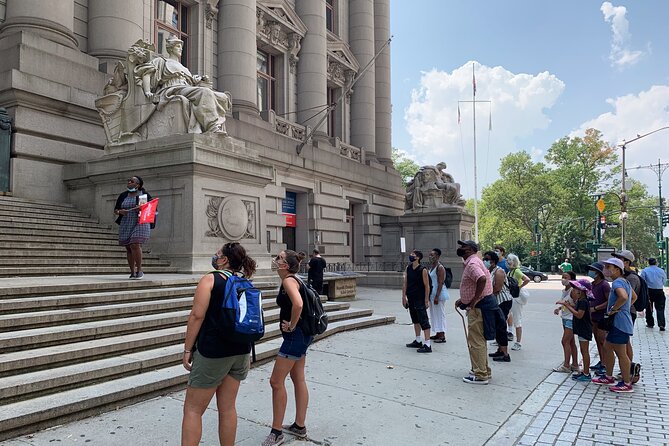
Wall Street is the big turning point on this tour, and it earns the attention. You learn about how an actual wall existed on the street from 1685 to 1699, which is already a surprising detail for most people. But the tour doesn’t stop at that fun fact. It ties that physical boundary to what was happening in the city’s power structure.
The guide explains that the heart of the financial system was built by enslaved people. That statement lands differently once you’ve walked here and heard it placed next to the surrounding colonial-era story. It forces you to connect the idea of wealth with the human cost that produced it.
You’ll also hear about the former site connected to New York’s first slave market. Even though you’re on a street now associated with global business, the narrative reframes the space. You start to notice how many city landmarks were built, sustained, and defended by unequal labor and exploitation.
There’s a lot here, and it’s easy to miss details if you’re distracted by the noise and rush around you. My advice: tune your attention for this portion. Take in what the guide is saying rather than trying to multitask with photos. You’ll remember the story more than the street view.
Foley Square: how modern memorial art carries old violence forward
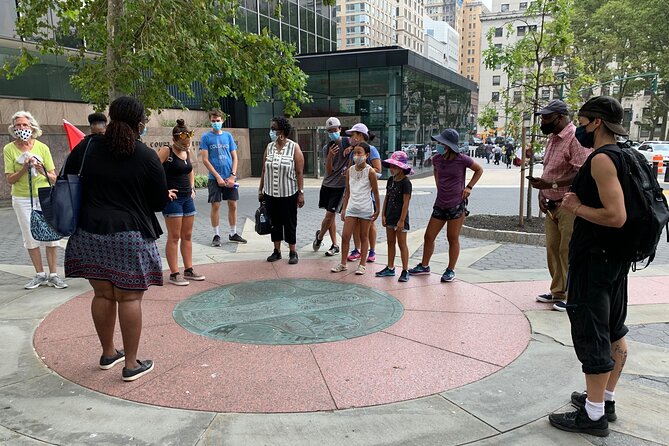
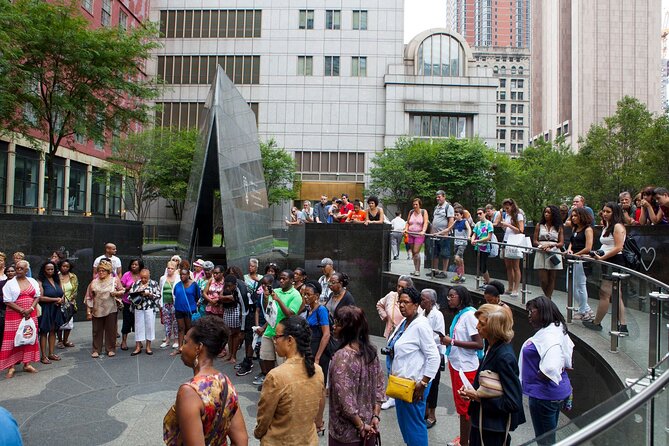
After Wall Street, the tour moves into Foley Square for a stop at a sculpture called Triumph of the Human Spirit. The title alone might sound uplifting, and it is. But the guide uses it to underline a harder truth: enslaved people’s presence in New York isn’t just something that happened offstage.
This stop works well for two reasons. First, it’s a moment where the story becomes visual in a direct way. Second, it acts like a bridge between centuries: you see a memorial carved into the modern city landscape, yet it points back to forced labor and the people who were here because the system brought them.
If you’re the type who learns best through images, this is one of the stronger “show, then explain” stops. You can stand there and read the meaning through the guide’s interpretation, rather than only hearing about it.
Also, Foley Square is an outdoor space where weather can hit hard. If you’re doing the tour in cold or windy months, plan for it. The guide talks while you stand, and the sculpture moment is part of that outdoor rhythm.
African Burial Ground National Monument: the solemn core of the walk
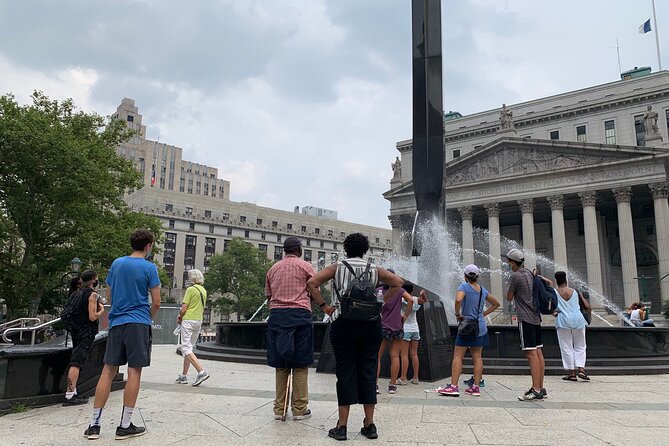
This is the stop that tends to stay with people. The tour takes you to the African Burial Ground National Monument, described as the oldest and largest known excavated burial ground in New York documenting lives of enslaved people in the city. That matters because it’s not just a memorial sign. It’s a site tied to remains, excavation, and recorded history.
The guide frames the African Burial Ground as a sacred space and memorial dedicated to enslaved Africans in colonial America. That language sets the tone. For this part, the tour feels slower and more respectful, even though you’re still outdoors for the walk-up and then near the monument area.
If you’ve never heard the story of what was found here, you’ll likely feel the weight of how history can be literal and physical. It’s one thing to learn about slavery as a timeline. It’s another thing to stand near a place that documents human lives through excavation and commemoration.
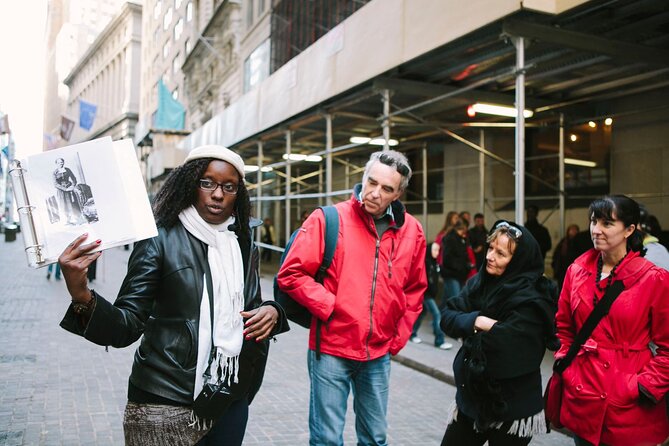
In past tours with guides such as Ludy/Ludie, the narration has been paired with photographs and references for the individuals and sites being discussed. That kind of visual support is especially helpful here, because the monument is powerful on its own—yet you still want context to understand the symbols and why specific details matter.
This stop is also where the tour earns its emotional credibility. Some tour experiences feel “heavy” because they’re dramatic. This one is heavy because it’s grounded in recorded place and documented remains. It helps you connect the story to the people who were there, not just the plot of the Underground Railroad.
The former first African-American church stop: why the ending matters
After the African Burial Ground, the tour includes a walk to the former site of the first African-American church in New York. The guide ties it to the Underground Railroad story as one of the stops used during the escape network.
This ending is important because it shifts from the violence of slavery to the building of community. Churches, meeting places, and faith communities often show up in Underground Railroad narratives as practical support systems—places where people gathered, protected one another, and organized around shared values. Even though you’re visiting a former site, the guide uses it to show that freedom work wasn’t only about hiding routes. It was also about building solidarity.
By this point, you’ve walked through the city’s major contradictions: wealth and wall-building, commerce and captivity, public space and secret help. Ending with a community-based reference helps the story feel complete rather than only tragic.
Price and value: what $49 buys you in New York
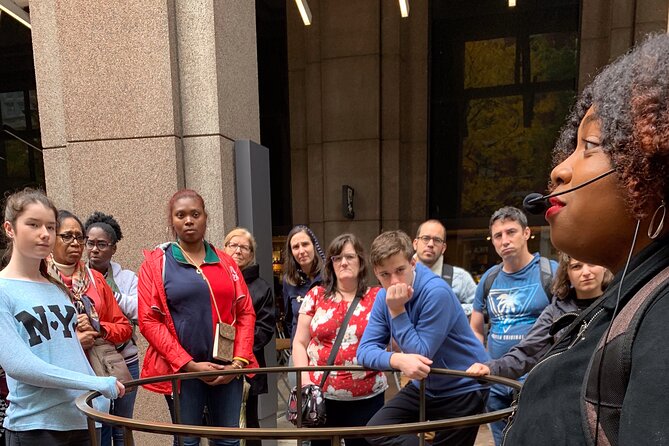
At $49 per person for about 2 hours 30 minutes, this tour sits in the “small but not cheap” category. In New York, that’s fairly normal for a guided walking experience. The value comes from the guide-led interpretation and the fact that the tour targets specific slavery-and-Underground-Railroad sites you might otherwise miss or misread.
What makes it feel worth it is that you’re not just seeing famous addresses. You’re getting structured story context connecting multiple parts of Manhattan: from Battery Park and colonial-era settlement references to Wall Street, Foley Square’s memorial art, and the African Burial Ground.
It also helps that the group size is capped at 30 travelers. Smaller groups usually mean you can hear better and keep your spot without feeling like you’re part of a roaming crowd. You’ll also get a mobile ticket, which makes the day easier, and the tour is offered in English.
The other value angle: this tour is built for both visitors and locals. If you live here and think you’ve learned the “usual” NYC narrative, the Underground Railroad connection reframes familiar blocks and landmarks. If you’re visiting and want a high-impact introduction to this side of NYC, it’s a focused way to start without stitching together your own route from scratch.
Comfort checklist: standing time, weather, and hearing the guide
This tour is outdoors and built around walking between points, so how you dress affects your experience. The tour has a moderate physical fitness expectation, which makes sense given how often you’ll stop and stand. Even with short segments, the “stand and listen” time adds up—especially around the street-corner stops.
Weather is a real factor. The tour requires good weather, and if conditions are too poor, they’ll offer a different date or a full refund. That means you should treat this as a plan-your-day event, not something you toss into an afternoon gap.
A common practical complaint in similar walking tours is audio. If you have any trouble hearing, I’d make sure you’re close to the guide at the start of each stop, since street noise can drown details. One review specifically suggested a microphone should be a must, which tells me audio matters here. You might also want to bring a light layer you can adjust quickly as you move between windy open areas and calmer spots.
Footwear is also not optional. Reviews mention comfortable shoes and the idea that you’ll walk a few miles in practice. So go for support over style, and bring a small bottle of water if you’ll be out long enough to need it.
Who should book this Underground Railroad tour—and who might want a different plan
You’ll love this tour if you:
- want a guided Underground Railroad story tied to actual New York City places
- like history that names names—abolitionists and people connected to escape routes
- value a respectful stop at the African Burial Ground rather than a quick photo stop
- prefer a small group experience over a big bus-style overview
You might want to reconsider if:
- you struggle with long periods standing in cold or bad weather
- you expect many indoor sites or lots of hands-on viewing
- you’re the type who gets frustrated when some areas are limited by construction or blocked access
This tour doesn’t claim to be a full museum visit. The strength is in the guided walk and narrative structure.
Also, if you’re sensitive to the topic, it helps to know upfront: the tour doesn’t sugarcoat slavery. It focuses on human consequences, and that can be heavy in a good, honest way.
Should you book this NYC Slavery and Underground Railroad tour?
Yes—if you want a tight, guided, high-impact way to understand how slavery and the Underground Railroad intersected with Manhattan. At $49, you’re paying for a trained guide who can connect streets and monuments to the meaning behind them, and you’re getting a strong ending at the African Burial Ground memorial.
My call: book it if you’re ready for walking, careful attention, and a story that treats the subject with respect rather than speed.
FAQ
How long is the New York City Slavery and Underground Railroad Tour?
The tour runs about 2 hours 30 minutes.
How much does the tour cost?
It costs $49.00 per person.
Where do I meet the guide, and where does the tour end?
You meet at 1 Bowling Green, New York, NY 10004, and the tour ends at the African Burial Ground National Monument at 290 Broadway, New York, NY 10007.
What language is the tour offered in, and how large is the group?
The tour is offered in English, and it has a maximum of 30 travelers.
Are admission tickets included for the stops?
Not for every stop. The National Museum of the American Indian is described as an exterior visit with an admission ticket not included. Foley Square and the African Burial Ground National Monument are free.
Is hotel pickup or drop-off included?
No, the tour does not include hotel pickup or drop-off.
Does the tour run in poor weather?
It requires good weather. If it’s canceled due to poor weather, you’ll be offered a different date or a full refund.
Can I cancel and get a full refund?
Yes. You can cancel up to 24 hours in advance for a full refund.
More Tours in New York City
- Statue of Liberty and Ellis Island Tour: All Options★ 5.0 · 13,571 reviews
- New York in One Day Guided Sightseeing Tour★ 5.0 · 13,166 reviews
- Central Park Pedicab Guided Tours★ 5.0 · 7,108 reviews
- New York City: Manhattan Helicopter Tour★ 4.7 · 7,076 reviews
- Private Central Park Pedicab Tour★ 5.0 · 6,981 reviews
More Tour Reviews in New York City
- NYC: SUMMIT One Vanderbilt Tickets★ 4.7 · 51,195 reviews
- NYC: Empire State Building Tickets – Observatory & Museum★ 4.7 · 25,757 reviews
- New York City: Statue of Liberty & Ellis Island with Ferry★ 4.6 · 18,683 reviews
- New York City: American Museum of Natural History Ticket★ 4.5 · 15,447 reviews
- Statue of Liberty and Ellis Island Tour: All Options★ 5.0 · 13,571 reviews
After Dark: Ghosts and Cold Cases
- New York Catacombs by Candlelight★ 4.5 · 2,863 reviews
- New York City Mafia and Local Food Tour led by NYPD Guides★ 5.0 · 1,197 reviews
- Gangsters and Ghosts Tour New York City★ 5.0 · 905 reviews
- True Crime NYC: Mafia Walk w/Ret. NYPD Detective and Local Food★ 5.0 · 848 reviews
- New York City Ghost Tour of Greenwich Village★ 4.5 · 466 reviews
Just in: the newest New York City reviews on our desk





NYC Ghost & True Crime Tours, compared.
 ★ 4.5New York Catacombs by CandlelightFrom $382,863 reviews
 ★ 5.0New York City Mafia and Local Food Tour led by NYPD GuidesFrom $1091,197 reviews
 ★ 5.0Gangsters and Ghosts Tour New York CityFrom $39905 reviews
 ★ 5.0True Crime NYC: Mafia Walk w/Ret. NYPD Detective and Local FoodFrom $75848 reviews
 ★ 4.5New York City Ghost Tour of Greenwich VillageFrom $39466 reviews
 ★ 4.6True Crime New York: NYPD-Guided Mafia Walking Tour w/ FoodFrom $75318 reviews
 ★ 4.6Greenwich Village Ghost TourFrom $39173 reviews
 ★ 4.5Greenwich Village Group Haunted Ghost Tour, in NYC166 reviews
Browse the lists this tour appears in