
Reviewed · BROOKLYN BRIDGE & DUMBO TOURS
New York: DUMBO Brooklyn Food and Culture Tour
DUMBO tastes different when guided. This 2-hour walk pairs Brooklyn Bridge views with real neighborhood stories, from a 1776 moment tied to General Washington to a red brick stop linked to the Underground Railroad. I especially like the way the tour mixes big ideas with practical food stops like L&B Spumoni Gardens and Luke’s Lobster, and I also like how guides make the streets feel usable and understandable. One thing to consider: the $42 ticket covers the tour itself, and the food is optional on top, so your final total depends on what you choose to order.
You’ll meet at the intersection of Clark and Monroe Streets, with your guide in an orange hat by the brown brick wall (GPS: 101 Clark St). Guides like Joseph and Claire bring a friendly, funny energy, and the pacing is calm enough to enjoy the views without turning it into a power walk.
In This Review
- Quick hits
- Entering DUMBO on a 2-Hour Food-and-Story Walk
- Meeting Point: Clark and Monroe, Brown Brick Wall, Orange Hat
- How the Guide Turns Side Streets Into a Timeline
- L&B Spumoni Gardens: The Sicilian Pizza Stop That Feels Like Brooklyn
- Luke’s Lobster: Fresh Seafood With Waterfront Momentum
- Jacques Torres Chocolate: Your Sweet Finish From Mr. Chocolate
- DUMBO’s Bridge Views: Manhattan and Brooklyn Skyline Moments
- Price and Value: What $42 Buys, and What Food Adds
- Pacing, Distance, and What to Bring
- Who Should Book This DUMBO Tour (and Who Might Not)
- Should You Book This DUMBO Brooklyn Food and Culture Tour?
- FAQ
- How long is the DUMBO Brooklyn Food and Culture Tour?
- How far do you walk during the tour?
- Where do I meet the guide?
- What food stops are included?
- Is food included in the $42 price?
- What should I bring with me?
- Can I reserve and cancel, and is it wheelchair and stroller friendly?
Quick hits
- Underground Railroad connection: you’ll hear how a simple red brick church became a key waystation.
- A food line-up that fits the neighborhood: Sicilian slice at L&B Spumoni Gardens, lobster at Luke’s Lobster, and chocolate from Jacques Torres.
- A 2-hour, 1.2-mile stroll: enough time to snack, learn, and see the waterfront without rushing.
- Bridge views that land right on cue: Manhattan and Brooklyn skyline moments show up during the walk.
- DUMBO’s shopping makeover story: you’ll hear how the area helped change shopping habits worldwide.
Cross it again: more Brooklyn Bridge and DUMBO walks
- Brooklyn Bridge & DUMBO Neighborhood Tour – from Manhattan to Brooklyn
★ 5.0 · 826 reviews - Walking tour in Manhattan Brooklyn Bridge and Waterfront
★ 5.0 · 222 reviews - NYC: Brooklyn Bridge and Dumbo Guided Walking Tour
★ 4.5 · 186 reviews - Brooklyn Bridge and Waterfront 2-hour Guided Bike Tour
★ 4.5 · 184 reviews
Entering DUMBO on a 2-Hour Food-and-Story Walk
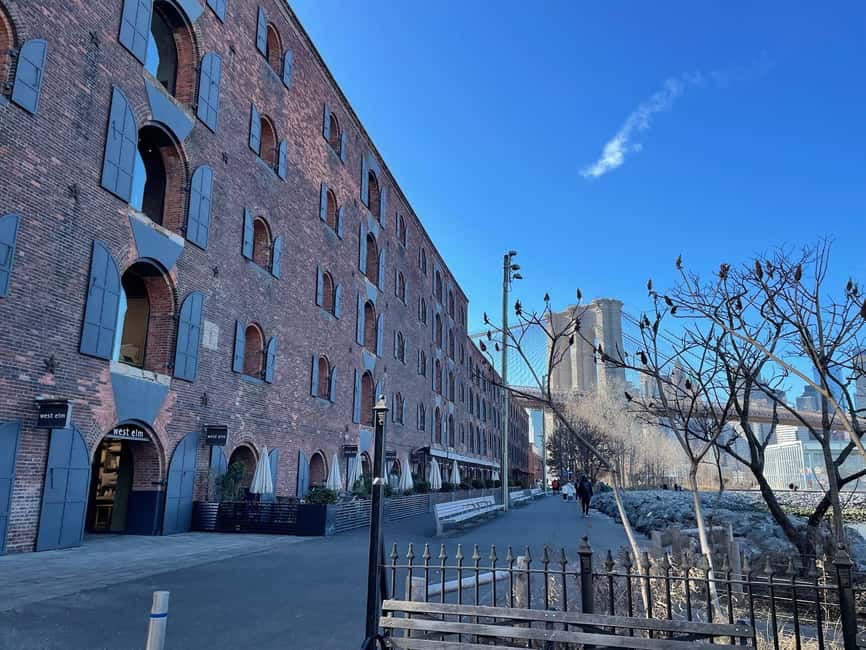
DUMBO is compact, scenic, and packed with “how did this place become this place?” energy. This tour is built to match that feel: you walk about 1.2 miles at a leisurely pace, so you get to slow down, look around, and actually take in what’s happening on the streets and waterfront.
The biggest win is that it’s not only about tasting. You’ll connect the food to place, whether it’s the classic Brooklyn institution feel of L&B Spumoni Gardens or the waterfront pull of Luke’s Lobster. When the guide ties a story to what you’re seeing, the neighborhood clicks faster.
Meeting Point: Clark and Monroe, Brown Brick Wall, Orange Hat
Start here: Clark and Monroe Streets. Your guide will be wearing an orange hat and standing by the brown brick wall, with the closest GPS address given as 101 Clark St.
It’s smart to arrive a few minutes early, especially if you’re grabbing coffee or texting someone where you are. DUMBO streets can look similar, and you’ll want to spot that hat quickly so you can start on time and keep the pacing comfortable.
How the Guide Turns Side Streets Into a Timeline
The tour’s storytelling moves through time. You’ll hear about 1776 and a tense moment connected to General Washington’s difficult decision to save his troops when outnumbered two to one. That’s the kind of detail that makes you look differently at a neighborhood you might otherwise treat like a photo stop.
Then you’ll jump less than a hundred years later, to another key point in Brooklyn’s story: a simple red brick church that became a waystation on the Underground Railroad. The goal isn’t to turn you into a historian in two hours. It’s to help you recognize that DUMBO’s streets weren’t just stylish backdrops, they were part of real choices people had to make.
Guides Joseph and Claire stand out for a reason: they keep the tone welcoming while staying specific. You’ll usually get a story, a physical cue for where it happened, and then food that makes the walk feel like a proper neighborhood day.
Deeper into Brooklyn, a few more picks



L&B Spumoni Gardens: The Sicilian Pizza Stop That Feels Like Brooklyn
One of the signature tastes is a Sicilian slice at L&B Spumoni Gardens. This is a Brooklyn institution in the purest sense: you come for the food, you stay for the familiar energy, and the flavors fit the neighborhood’s working-gathering roots.
Practically, this stop is a smart “middle of the tour” fuel point. Pizza tends to settle your stomach for the next snack moments, and it’s easy to eat while still chatting with your guide. If you’re the type who usually hates food tours because they feel rushed, this is exactly the kind of classic stop that can slow things down.
A consideration: because the food is optional, you might decide to only get the suggested item or skip an extra order. Either way, the tour still gives you value through the history and viewpoints, not just the meal math.
Luke’s Lobster: Fresh Seafood With Waterfront Momentum
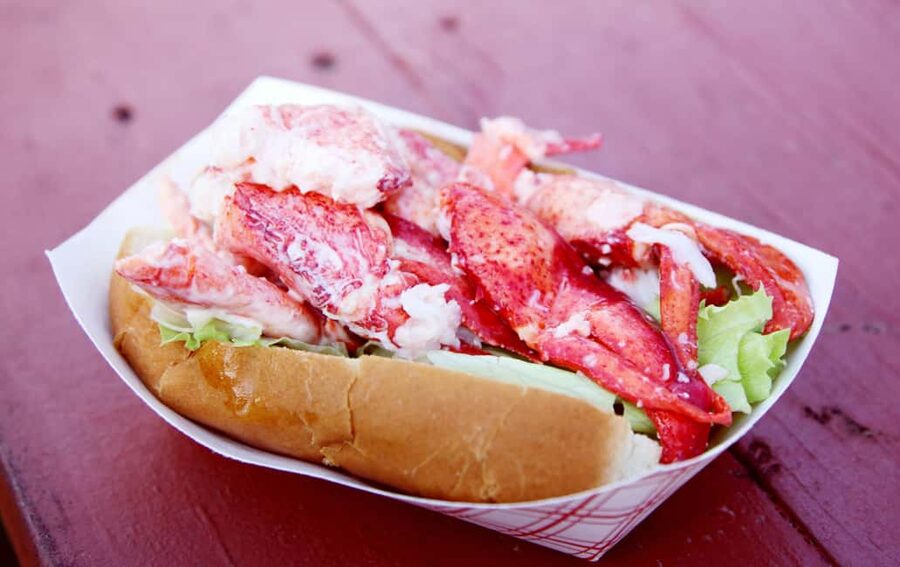
Next up is Luke’s Lobster, tied to one of the Northeast’s best-known seafood beats. Lobster is a splurge food, so it naturally turns the tour into a “treat yourself” moment even if you’re doing it on a casual day.
This stop also makes sense visually. DUMBO’s waterfront setting and bridge energy pair well with seafood that feels tied to the coast and to New York’s appetite for bold flavors. Even if you’re not ordering the most expensive thing on the menu, you’re in the right place to taste something that feels unmistakably local.
One small tip: lobster can be messy and slow to eat if you’re trying to take photos the whole time. I’d plan to enjoy your bite first, then camera second. You’ll get better photos without fighting your sandwich-hand strategy.
Jacques Torres Chocolate: Your Sweet Finish From Mr. Chocolate
Now for the sugar moment: Jacques Torres Chocolate, also associated with Netflix’s Jacques Torres, aka Mr. Chocolate. This stop is where the tour leans into pure pleasure, and it’s a good move near the end because it gives your day a clean finish.
Sweets do something useful on a walking tour: they reset you. After history talk and savory bites, chocolate gives you a quick mood lift and a moment to cool down. If you’ve been drinking water and staying in walking shoes, you’ll appreciate how this stop feels like an intentional last chapter instead of a random shop visit.
If you’re picky or have allergies, bring a simple reality check: the tour guides can recommend, but you’re still in charge of what you order. The tour plan keeps the experience fun, not restrictive.
DUMBO’s Bridge Views: Manhattan and Brooklyn Skyline Moments
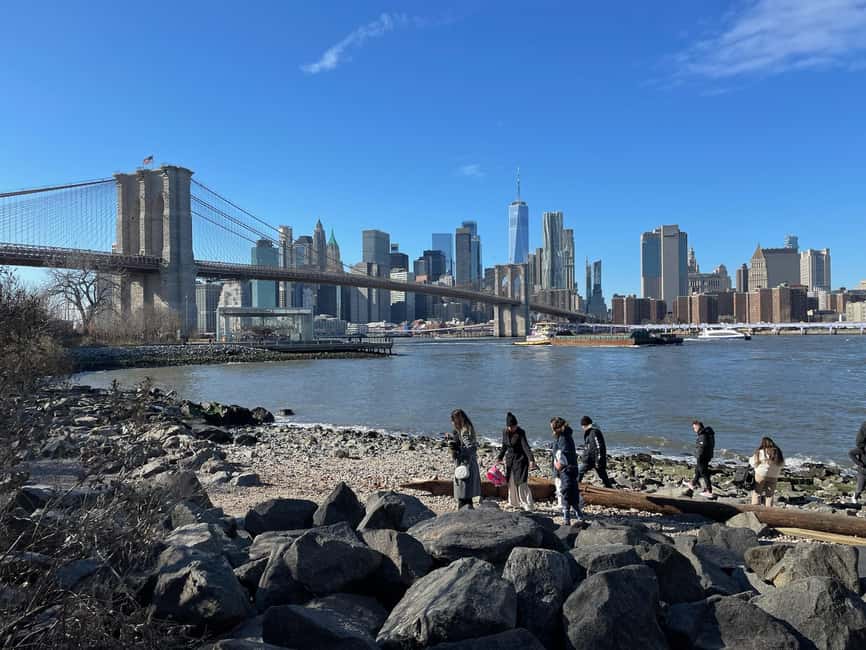
Food is only half the reason DUMBO works. The other half is the scenery, especially the Brooklyn Bridge and Manhattan skyline views.
The tour includes viewpoint time so you don’t have to guess where to stand for photos. That matters because DUMBO can be crowded around the most famous angles, and getting your timing right can mean the difference between a nice snapshot and a stalled line behind strangers.
You’ll also get “warehouse-to-waterfront” energy. As your guide walks you from commercial spaces to view points, the neighborhood’s evolution starts to feel obvious. The tour also includes the idea that DUMBO changed shopping around the world, connecting local storefront energy to a wider shift in how people browse and buy.
Price and Value: What $42 Buys, and What Food Adds
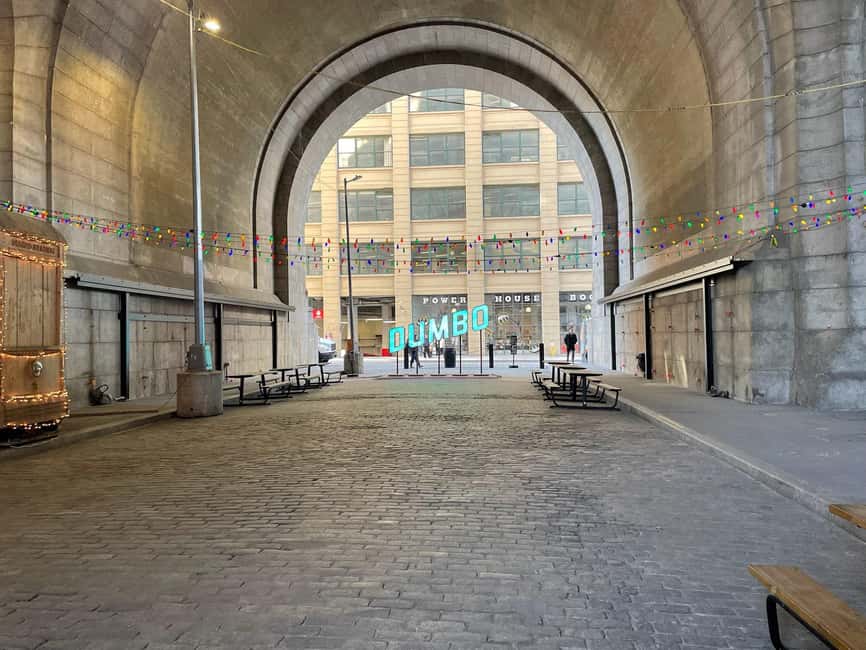
The ticket price is $42 per person for a 2-hour guided walking tour. That’s not just a generic stroll. You’re paying for a professional guide, a structured route around meaningful neighborhood stories, and included restaurant stops for specific tastes.
Important: food is not included. You choose whether to buy at each recommended stop. If you order the suggested item at all three main stops, the total cost for food is around $30. So your realistic spend is closer to about $72 total if you do the full food set.
Here’s how I think about value: if you enjoy guided context, you’re getting history, viewpoints, and specific food targets. If you’re mostly hungry and want to skip the learning, you could still eat your way through DUMBO on your own, but you’d lose the Underground Railroad thread and the timeline that makes the neighborhood feel bigger than Instagram angles.
Pacing, Distance, and What to Bring
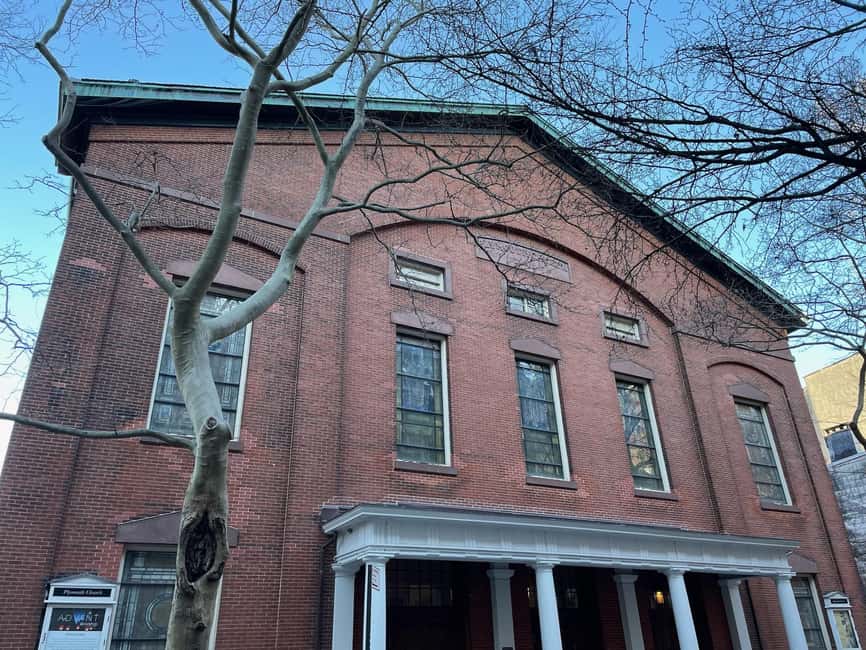
This tour covers about 1.2 miles at a leisurely pace over roughly two hours. That’s a workable distance even if you’re not training for a marathon, and it gives you enough breaks to eat without rushing.
Bring comfortable shoes, a camera, water, and cash. Water especially matters because even “leisurely” walking can stack up when you add stops and skyline moments. If you plan to buy food, having cash can make the quick decisions simpler at busy places.
Also note: the tour is listed as accessible for wheelchairs and strollers, but it’s also flagged as not suitable for wheelchair users. If you or someone in your group uses a wheelchair, I’d treat that as a signal to ask the provider directly before you go, so you don’t show up and get stuck with a mismatch.
Who Should Book This DUMBO Tour (and Who Might Not)
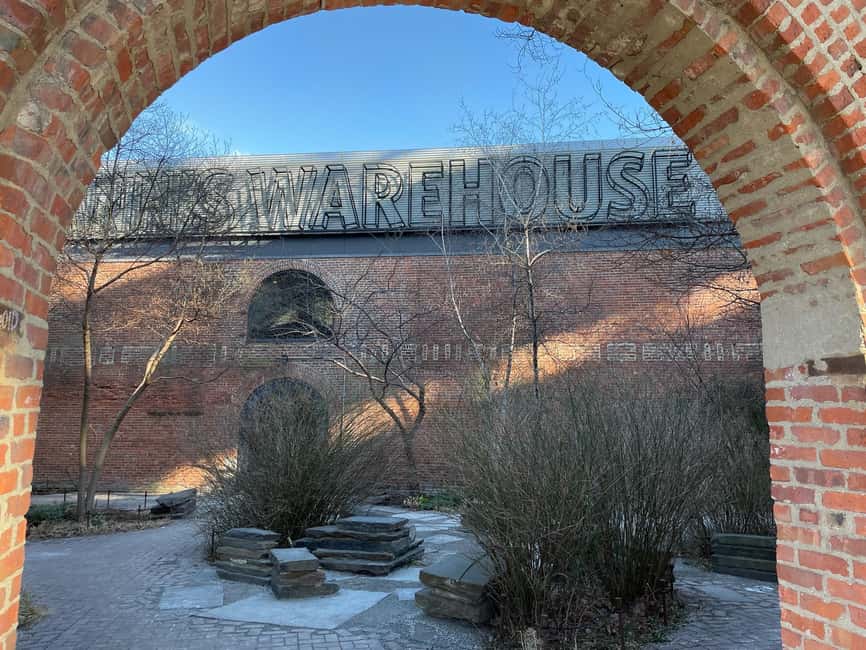
This is a great fit if you want a mix of food, story, and views in a short window. It works well for first-timers in Brooklyn who want the neighborhood to make sense fast, and it’s also a solid choice for repeat visitors who want a new lens beyond scenery.
It’s especially good if you like classic tastes: Sicilian pizza at L&B Spumoni Gardens, lobster at Luke’s Lobster, and chocolate at Jacques Torres Chocolate. Those stops feel like “DUMBO choices,” not random chain food.
The one group that might rethink it is anyone who hates walking or prefers food-only experiences with no history component. And if you need very strict dietary control, this tour can still be enjoyable, but you’ll want to handle ordering personally rather than expecting the tour to tailor every bite.
Should You Book This DUMBO Brooklyn Food and Culture Tour?
Book it if you want a guided day that turns DUMBO into a story you can follow, with tastings that actually match the neighborhood. The best reason to choose it is that the tour doesn’t treat food and history as separate boxes. It uses the streets, the timeline, and the skyline to connect everything into one smooth two hours.
Skip it if you’re mainly after unstructured wandering, or if you’re trying to keep total costs extremely low. With the food optional, your spending is flexible, but if you buy the suggested items, you should expect a larger total than the $42 ticket alone.
If you do book, wear comfy shoes, bring water, and don’t overthink the food decisions. If you’re going to try DUMBO at all, this is a straightforward, practical way to do it.
FAQ
How long is the DUMBO Brooklyn Food and Culture Tour?
The tour lasts about 2 hours.
How far do you walk during the tour?
It covers about 1.2 miles at a leisurely pace.
Where do I meet the guide?
Meet at the intersection of Clark and Monroe Streets. Your guide will be wearing an orange hat by the brown brick wall, and the closest GPS address is 101 Clark St.
What food stops are included?
The tour includes iconic restaurant stops such as Luke’s Lobster, Jacques Torres Chocolate, and L&B Spumoni Gardens.
Is food included in the $42 price?
No. The tour price covers the guided experience, while you choose whether to purchase food at the stops. If you order the suggested item at all three stops, the total food cost is around $30.
What should I bring with me?
Bring comfortable shoes, a camera, water, and cash.
Can I reserve and cancel, and is it wheelchair and stroller friendly?
You can reserve now and pay later, and free cancellation is available up to 24 hours in advance for a full refund. The tour is listed as accessible for wheelchairs and strollers, but it is also flagged as not suitable for wheelchair users, so it’s worth checking directly if mobility access is a key concern.
More Tour Reviews in New York City
- NYC: SUMMIT One Vanderbilt Tickets★ 4.7 · 51,195 reviews
- NYC: Empire State Building Tickets – Observatory & Museum★ 4.7 · 25,757 reviews
- New York City: Statue of Liberty & Ellis Island with Ferry★ 4.6 · 18,683 reviews
- New York City: American Museum of Natural History Ticket★ 4.5 · 15,447 reviews
- Statue of Liberty and Ellis Island Tour: All Options★ 5.0 · 13,571 reviews
Keep Going in Brooklyn
- NYC Bus Tour of Brooklyn, Bronx, Queens: Art, Food & Sports★ 5.0 · 3,805 reviews
- NYC Highlights Tour: Bronx, Brooklyn, Harlem, Queens & Coney★ 4.5 · 2,846 reviews
- From Manhattan: 4-Hour Dyker Heights Holiday Lights Bus Tour★ 4.6 · 2,426 reviews
- NYC: Contrasts Tour of Harlem, The Bronx, Queens & Brooklyn★ 4.5 · 2,167 reviews
- NYC: Brooklyn Nets NBA Game Ticket at Barclays Center★ 4.7 · 2,033 reviews
Bridge and Back: More DUMBO Walks
- Brooklyn Bridge & DUMBO Neighborhood Tour – from Manhattan to Brooklyn★ 5.0 · 826 reviews
- Walking tour in Manhattan Brooklyn Bridge and Waterfront★ 5.0 · 222 reviews
- NYC: Brooklyn Bridge and Dumbo Guided Walking Tour★ 4.5 · 186 reviews
- Brooklyn Bridge and Waterfront 2-hour Guided Bike Tour★ 4.5 · 184 reviews
- Brooklyn Bridge Waterfront Guided Bike Tour★ 5.0 · 126 reviews
Just in: the newest New York City reviews on our desk




Brooklyn Bridge & DUMBO Tours, compared.
 ★ 5.0Brooklyn Bridge & DUMBO Neighborhood Tour – from Manhattan to BrooklynFrom $49826 reviews
 ★ 5.0Brooklyn Bridge & DUMBO Food Tour: Local Eats & LandmarksFrom $69478 reviews
 ★ 4.4From Manhattan: 2-Hour Brooklyn Bridge Bike TourFrom $59230 reviews
 ★ 5.0Walking tour in Manhattan Brooklyn Bridge and WaterfrontFrom $29222 reviews
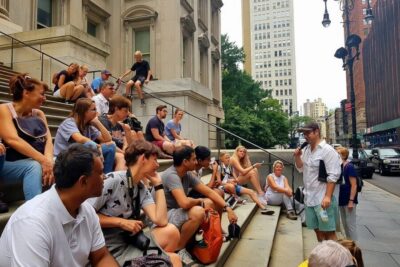 ★ 4.7Brooklyn Bridge and Dumbo District Walking TourFrom $49200 reviews
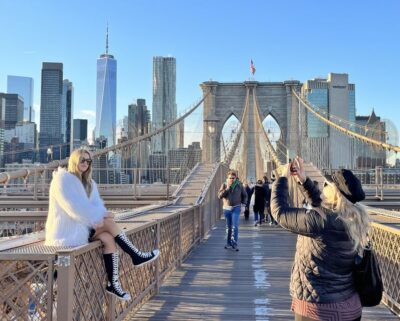 ★ 4.5Brooklyn Bridge and Dumbo Guided Walking TourFrom $34186 reviews
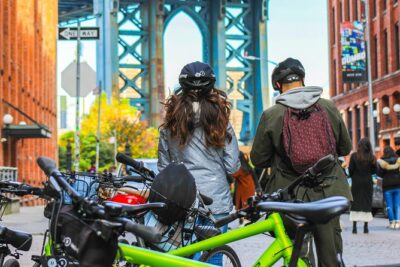 ★ 4.5Brooklyn Bridge and Waterfront 2-hour Guided Bike TourFrom $59184 reviews
 ★ 5.0Brooklyn Bridge Waterfront Guided Bike TourFrom $59126 reviews
Browse the lists this tour appears in