
Reviewed · HARLEM TOURS
New York: Harlem Swing Dance History Stroll and Dance Class
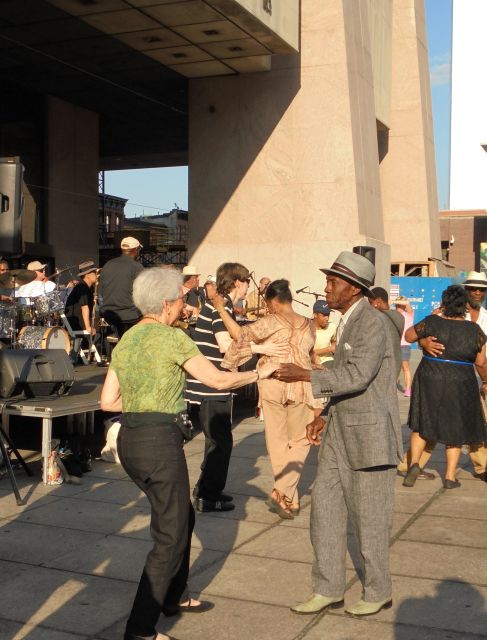
Swing music lives on in Harlem.
This Harlem swing dance history stroll and dance class pairs a guided 1-hour walk around the neighborhood with a hands-on lesson, so you connect the dots between Lindy Hop street origins and what you do on the dance floor.
I especially love how the experience starts at the Schomburg Center for Research on Malcolm X Boulevard, putting you right in the cultural context before you move. The second win for me is the dance class setup: you get coached through swing basics with no partner required, which makes it genuinely workable if you’re traveling solo.
One possible drawback is practical: dance shoes are not included, and the activity is non-refundable—plus there’s at least one unfortunate report of no one being there at the meeting time. If you book, show up a little early and confirm details so you do not lose your night.
In This Review
- Key highlights to look for
- Where the tour starts: Schomburg Center on Malcolm X Boulevard
- The 1-hour Harlem swing stroll: Frankie Manning and Big Band streets
- What can slow you down
- Swing class basics after the stroll: dancing without a partner
- What to do if you’re totally new
- What to bring (and what costs extra): dance shoes and comfort
- How the $30 price makes sense
- Who this suits best, and when to do it
- Who might feel out of place
- Getting the most from your 2 hours in Harlem
- Potential headaches: meeting up and expectations
- Should you book Harlem Swing Dance History Stroll and Dance Class?
- FAQ
- Where does the tour meet?
- What subway stops should I use?
- How long is the experience?
- What is included in the price?
- Do I need a dance partner?
- Are dance shoes included?
- Is it refundable if plans change?
Key highlights to look for
- Schomburg Center start on Malcolm X Boulevard sets the tone for Harlem’s music and dance story
- Frankie Manning and Lindy Hoppers connections show up during the walk, not just in a lecture
- Big Band street energy is the theme, with your guide pointing out swing-era context
- Beginners welcome since the lesson focuses on the basics and is paired with real instructor help
- No partner needed, so you can go solo and still dance
- Lindy Hop time at the end means you practice, not just watch
More of Harlem, from gospel to soul food
- NYC Highlights Tour: Bronx, Brooklyn, Harlem, Queens & Coney
★ 4.5 · 2,846 reviews - NYC: Contrasts Tour of Harlem, The Bronx, Queens & Brooklyn
★ 4.5 · 2,167 reviews - NYC: Harlem Hallelujah! Gospel Wednesday Concert
★ 4.7 · 1,638 reviews - New York City: Harlem Gospel Live Music Concert
★ 4.7 · 1,479 reviews
Where the tour starts: Schomburg Center on Malcolm X Boulevard
The meeting point matters here, because the whole experience is only 2 hours. You’ll meet in front of the Schomburg Center for Research, 515 Malcolm X Boulevard, at the corner of W. 135th Street. It’s an easy landmark to find, and it also helps that you’re starting in a place tied to Harlem’s legacy.
Getting there by subway is straightforward. Take the Uptown No. 2 or No. 3 to 135th Street Station. From there, it’s a short walk to the corner where the group gathers. If you’re coming from downtown, plan your timing so you’re not cutting it close in the last 10 minutes before the stroll begins—night timing can make a small delay feel bigger.
If you’re the type who likes to get oriented fast, this start helps. Instead of wandering to find the right people, you drop into a specific spot tied to the theme. That makes it easier to relax once you meet your guide.
The 1-hour Harlem swing stroll: Frankie Manning and Big Band streets
The walking portion is the story engine. It lasts about 1 hour and focuses on Harlem’s connection to swing dance—especially the Lindy Hop. Your guide leads you along a route centered around the neighborhood’s musical roots, and you’ll learn how Harlem became the kind of place where swing could take form and spread.
A few specific themes stand out from what you can expect:
- Harlem as the birthplace of the Lindy Hop, with your guide explaining why the neighborhood mattered
- Stops or sightlines tied to legendary swing dancers and Big Bands
- Mentions of Frankie Manning and the Lindy Hoppers, including how you’re walking streets he and others were part of
Even though you’re not told every single address you’ll visit, you can still get a lot out of the walk if you know what to watch for. Look for cues your guide will connect to the swing era—places that represent clubs, gathering spots, and the kind of street life that supported dance culture. The goal isn’t to memorize facts. It’s to build a mental picture so the lesson at the end makes sense.
Practical note: wear shoes that can handle Harlem sidewalks. You’re going to be moving for an hour, then you’ll transition straight into dancing. If you’ve got stiff dress shoes or slippery soles, you’ll feel it during the class.
What can slow you down
This is an evening activity, which often means lighting changes and slower foot traffic. If you’re hard of hearing or easily distracted by street noise, you might want to ask your guide to repeat key points. Swing history is the point, and a few extra questions during the walk can make the whole experience click.
More of old New York City, walked properly




Swing class basics after the stroll: dancing without a partner
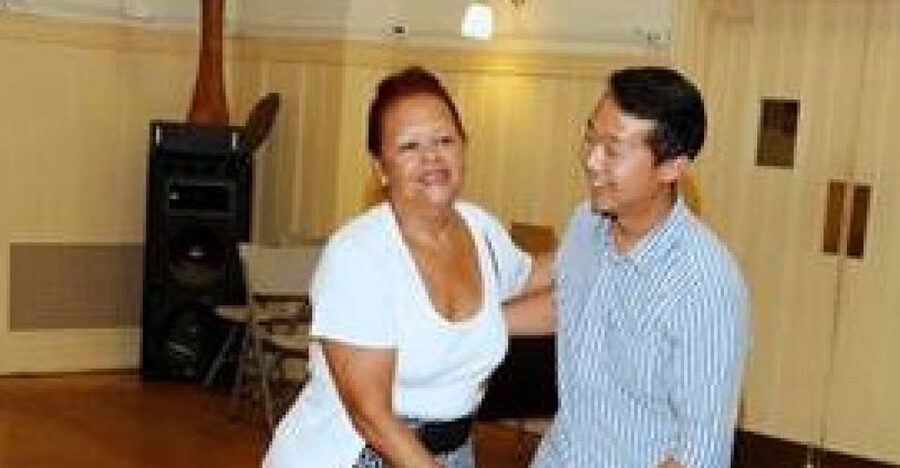
After the walk, you get to do the thing: a swing dance class with a seasoned instructor. This part is where most people find the fun, because you’re not just hearing about the Lindy Hop—you’re trying it.
The class is structured for newcomers. You don’t need a partner. You just bring your body, your rhythm, and your willingness to look a little silly for a few minutes. That last part matters more than you’d think. Beginner swing lessons work best when you stop worrying about looking perfect and start focusing on the basics your teacher gives you.
Here’s why the no-partner setup is a big deal:
- If you come solo, you’re not stuck waiting for someone to match your skill level
- You can learn the steps in a calm progression, without the pressure of managing another person
- The instructor can correct your form directly, which often leads to faster improvement
In practice, you’ll spend time perfecting the basics of swing dance and then using what you learn for Lindy Hop movements. The big win is that the instructor’s guidance is personal enough to help you connect the history you just heard to what your feet do now.
What to do if you’re totally new
If you’ve never taken a swing lesson, go in with one goal: get the timing. Swing dancing lives and dies by the beat, and your teacher will likely spend time making the rhythm feel natural before pushing you into more complex patterns.
Also, be ready to use your arms and posture, not just your legs. In Lindy Hop, small changes in stance can make you look more like you belong on the floor even when you’re still learning.
What to bring (and what costs extra): dance shoes and comfort
The tour includes the walking tour and the swing dance class with the instructor. What it does not include is dance shoes.
That means you’ll want to show up ready. If you don’t have proper dance shoes, you can still dance in many comfortable sneakers, but avoid footwear that’s too rigid or too grippy. The point is to let your feet move safely and smoothly. If your soles are overly thick, turns and weight shifts can feel awkward.
If you tend to dress up for New York nights, treat this like a wear-during-the-night activity, not a museum-style outing. Your outfit can be cute, but your shoes should be ready to dance.
How the $30 price makes sense
At $30 per person for 2 hours, you’re paying for two things that usually cost separately:
- a guided walking experience that connects Harlem landmarks to swing culture
- live instruction from a swing dance teacher
If you’re comparing it to booking a lesson alone, this package often feels like a better deal because you get context first and then practice immediately. You’re also paying for a format that’s easy to join without planning a partner or shopping for extra activities.
Who this suits best, and when to do it
This experience is usually available in the evening, and that timing fits the theme. Swing dance culture belongs to nights out—when music, movement, and street energy are part of the vibe.
It’s a great fit for:
- Beginners who want a structured intro to swing and Lindy Hop
- Solo visitors who do not want to figure out partner logistics
- People who enjoy history, but prefer action over lectures
- Anyone who wants a local-feeling activity in Harlem rather than just sightseeing
You don’t need to know the dance ahead of time. The point is that the class is set up for learning the basics, then trying Lindy Hop in a guided way.
Who might feel out of place
If you only want to watch dancing and never participate, this won’t be your best match. The experience is built around doing, not observing from the sidelines. And if you hate being corrected kindly by a teacher, you might feel self-conscious during the practice.
Getting the most from your 2 hours in Harlem
Because the whole thing is short, your habits matter. Here are the moves I’d make so you squeeze real value out of the time.
First: arrive early enough to get your bearings at the corner by W. 135th Street. Even if everything runs smoothly, you’ll settle faster if you’re not sprinting to the meeting spot.
Second: during the walk, ask one or two questions. The guide is there to connect the neighborhood to swing dancers and Big Bands. If something stands out—like a mention of Frankie Manning or the Lindy Hop origin story—ask what that means for the way people danced in that era.
Third: in the lesson, keep your expectations practical. You’re learning basics in a compact time window. You might not walk away as a Lindy Hop expert, but you should walk away knowing what to practice and how to find the rhythm.
Finally: bring a little patience. Swing basics can feel awkward at first, especially with timing and footwork. If you give yourself grace, the class becomes fun faster.
Potential headaches: meeting up and expectations
Most nights should run fine—this is a structured experience with a clear meeting point. Still, there’s one report indicating a problem: someone said they were unable to do the activity because nobody was there waiting.
That’s not enough to assume a pattern, but it is enough to justify smart behavior on your part:
- double-check the start time
- confirm you’re at the right corner (Schomburg Center, corner of W. 135th Street)
- give yourself cushion time before the start
Also remember the practicals. The tour is non-refundable, so if you’re the type who is always late, this is the night to tighten that up. And because dance shoes aren’t included, you should plan that upfront so you’re not stuck improvising at the last second.
Should you book Harlem Swing Dance History Stroll and Dance Class?
I’d book this if you want a night in Harlem that mixes street-level context with actual dancing. The main strength is the pairing: you get Harlem swing context through a guided walk, then you turn that knowledge into movement in a coached Lindy Hop-focused class. It’s also one of the easier ways to do something hands-on with locals without partner planning.
Skip it if you dislike participating, or if you show up underprepared on shoes and timing. And if you’re the cautious type, choose a start time that gives you slack to get to the meeting point early.
If you want a memorable, do-it-with-your-own-body New York experience in just 2 hours, this one is a strong bet—especially if you’re curious about Lindy Hop roots and you enjoy learning from a real instructor.
FAQ
Where does the tour meet?
Meet in front of the Schomburg Center for Research, 515 Malcolm X Boulevard, at the corner of W. 135th Street.
What subway stops should I use?
Take the Uptown No. 2 train or the No. 3 subway line to 135th Street Station.
How long is the experience?
The total duration is 2 hours, usually available in the evening.
What is included in the price?
You get a walking tour plus a swing dance class with an instructor.
Do I need a dance partner?
No. Dance partners are not required.
Are dance shoes included?
No. Dance shoes are not included.
Is it refundable if plans change?
The activity is non-refundable.
The Story of New York City
- New York City: American Museum of Natural History Ticket★ 4.5 · 15,447 reviews
- NYC: Starship Landmark 90 Minute Sightseeing Cruise★ 4.6 · 3,666 reviews
- Starship Landmark 90 Minute Sightseeing Cruise★ 4.5 · 2,073 reviews
- American Museum of Natural History Admission Ticket★ 4.0 · 1,931 reviews
- Top Rated Brooklyn Half-Day Food, History & Culture Tour via bus★ 5.0 · 758 reviews
More Tour Reviews in New York City
- NYC: SUMMIT One Vanderbilt Tickets★ 4.7 · 51,195 reviews
- NYC: Empire State Building Tickets – Observatory & Museum★ 4.7 · 25,757 reviews
- New York City: Statue of Liberty & Ellis Island with Ferry★ 4.6 · 18,683 reviews
- New York City: American Museum of Natural History Ticket★ 4.5 · 15,447 reviews
- Statue of Liberty and Ellis Island Tour: All Options★ 5.0 · 13,571 reviews
Uptown Sundays: More of Harlem
- NYC Highlights Tour: Bronx, Brooklyn, Harlem, Queens & Coney★ 4.5 · 2,846 reviews
- NYC: Contrasts Tour of Harlem, The Bronx, Queens & Brooklyn★ 4.5 · 2,167 reviews
- NYC: Harlem Hallelujah! Gospel Wednesday Concert★ 4.7 · 1,638 reviews
- New York City: Harlem Gospel Live Music Concert★ 4.7 · 1,479 reviews
- Harlem Sunday Morning Gospel Tour★ 4.0 · 995 reviews
Just in: the newest New York City reviews on our desk




Harlem Tours, compared.
 ★ 4.5NYC Highlights Tour: Bronx, Brooklyn, Harlem, Queens & ConeyFrom $462,846 reviews
 ★ 4.5Contrasts Tour of Harlem, The Bronx, Queens & BrooklynFrom $392,167 reviews
 ★ 4.7Harlem Hallelujah! Gospel Wednesday ConcertFrom $251,638 reviews
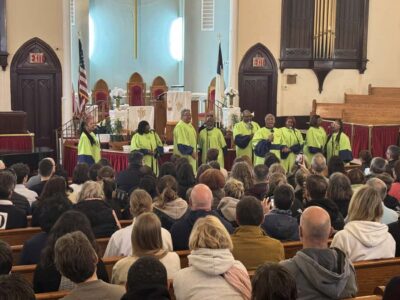 ★ 4.7Harlem Gospel Live Music ConcertFrom $281,479 reviews
 ★ 4.0Harlem Sunday Morning Gospel TourFrom $85995 reviews
 ★ 4.04-hour Harlem Gospel Tour in New York CityFrom $79935 reviews
 ★ 3.9Harlem: Central Harlem Sunday Gospel with LocalsFrom $25499 reviews
 ★ 4.3Sunday Harlem Gospel Guided TourFrom $89438 reviews
Browse the lists this tour appears in