
Reviewed · PRIVATE
New York, Private Tour: New York in the Gilded Age
Gilded Age power still hums on Fifth Avenue. In 2 hours, you’ll connect the dots between America’s biggest industrial fortunes and the buildings they left behind. I love the sidewalk stories that turn names like Astor and Carnegie into real personalities, not just history trivia, and I love how the walk focuses on the social rules—class, clubs, and power plays. One drawback to note: this tour is mostly exterior sightseeing, so you’re getting the big-picture view, not long interior visits.
If you pick a guide like Dan S or Levy, the experience gets extra fun: they’re the type who spot details most people miss, then link those details back to the people and rivalries that shaped their era. The pace works well if you want a focused, high-impact history hit without spending your whole day inside museums.
If you hate walking, this isn’t for you. But if you’re okay with a steady stroll and smart photo stops, you’ll come away with a clear picture of how old money built its world—and how it still shows up today.
In This Review
- Key things to know before you go
- Fifth Avenue as a living set from America’s Gilded Age
- The meet point: where the tour starts with real momentum
- Millionaire’s Row: seeing power through clubs and mansions
- What you’re likely to notice as you walk
- The titans behind the titles: Astor to Morgan
- Metropolitan Club and the Met area: power you can spot from the sidewalk
- A quick reality check
- The Carnegie, Frick, and Duke mansions: legacies with street addresses
- What the guide adds: the Dan and Levy effect
- Price and value: is $149 per person worth it?
- Timing, walking comfort, and weather reality
- Who should book this tour, and who should skip it
- Should you book New York in the Gilded Age?
- FAQ
- How long is the New York in the Gilded Age tour?
- What is the price per person?
- Where do I meet the tour guide?
- Is the tour private?
- Is the tour offered in English?
- Does the tour run in bad weather?
- Is the tour wheelchair accessible?
- Do I skip the line?
- What should I wear or bring?
Key things to know before you go
- It’s a private, 2-hour walk focused on Fifth Avenue and nearby landmarks, not a long museum day
- You’ll see Gilded Age addresses from the sidewalk, including prominent club and mansion exteriors
- Big business names get human context, with stories about rise, power, and conflict
- The guide points out small architectural and social details that explain how elite life worked
- You’ll practice “short attention span history” well: facts are tied to what you’re standing in front of
- Rain or shine means dress for weather and bring a fully charged camera
Just your group: more private options
- Private Central Park Pedicab Tour
★ 5.0 · 6,981 reviews - Private Transfer from Manhattan to NYC Airports (JFK/EWR/LGA)
★ 3.5 · 1,683 reviews - New York City: Private Central Park Pedicab Tour
★ 4.9 · 1,637 reviews - Carriage Ride in Central Park (VIP – PRIVATE) Since 1964™
★ 4.0 · 1,074 reviews
Fifth Avenue as a living set from America’s Gilded Age
There’s something about standing on Fifth Avenue that makes history feel physical. These aren’t vague “old buildings.” They’re addresses where fortunes turned into status, and status turned into influence. This tour is built around that idea: you’ll walk through the world of the American Industrial Revolution’s titans and learn how their wealth shaped both the skyline and the social ladder.
What I like most is that the story doesn’t stay locked in boardrooms. You get the human side: the rise to fortune, the competition between empires, and the class dynamics that governed who belonged. Then you tie that back to what you can still see today—lavish mansion exteriors and the institutions they used to network, socialize, and flex power.
You also leave with a better sense of how elite culture worked as a system. It wasn’t just money. It was proximity, access, and the right circles—often protected by clubs and carefully managed public image.
The meet point: where the tour starts with real momentum
You’ll meet in front of the General William Tecumseh Sherman Monument in Grand Army Plaza. That’s a solid starting spot because it puts you in a Midtown/Upper Midtown rhythm quickly, before you drift into the Fifth Avenue corridor where most of the Gilded Age storytelling happens.
Arrive a few minutes early and plan to start walking soon. This is one of those tours where your energy matters: it’s only two hours, so you’ll want to be ready to go the moment the group forms. Comfortable shoes aren’t optional here—they’re your main tool.
Millionaire’s Row: seeing power through clubs and mansions
The tour’s core is the idea of millionaire’s row, the stretch where elite homes and institutions formed an open-air map of who mattered. From the sidewalk, you’ll get an “at a glance” understanding of how wealth displayed itself: impressive scale, prime locations, and an entire ecosystem of social spaces.
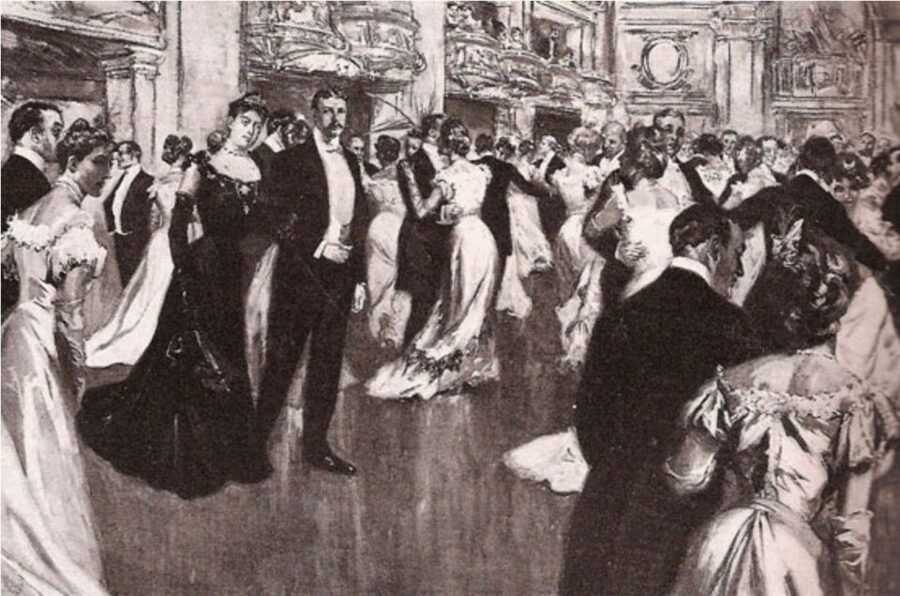
You’ll also see how elite life wasn’t just about living. It was about gathering. The tour highlights elite private social clubs and museums that housed treasures of self-made American royalty, then connects that to how business relationships often grew through social interaction. It’s easy to think wealth is only financial. This reframes it as social capital too.
Even when you’re looking at an exterior you can’t enter, the guide’s job is to make it legible. You’ll learn what to notice—style cues, the kind of institution a building suggests, and how these places supported the networks of the titans behind them.




What you’re likely to notice as you walk
A good Gilded Age tour turns your eyes on. As you move along Fifth Avenue, expect to start reading buildings like clues. You’ll look for patterns in grandeur, but also for the quieter signals: who built what kind of institution, why certain landmarks mattered for visibility, and how architecture reinforced status.
One practical point: because the tour focuses on exteriors, you’ll get the most out of it if you’re the type who likes photographing façades and street-level views. If you want lots of indoor time, you’ll feel limited.
The titans behind the titles: Astor to Morgan
This tour centers on the titans who built America during the Industrial Revolution—John Jacob Astor, Cornelius Vanderbilt, John D. Rockefeller, Andrew Carnegie, J.P. Morgan, and others. The payoff isn’t memorizing names. It’s understanding how wealth creation created rivalry, and how rivalry shaped the institutions and social structures we can still point to today.
You’ll hear stories about rise to power and the dynamics of the empires they built. That matters because it explains why Fifth Avenue became a kind of public statement for private power. When business rivals needed to outmaneuver each other, status became part of the strategy. And when they needed legitimacy, they also built cultural institutions.
You’ll also get a clear sense of the power struggles between these figures—not always the tidy kind you see in textbooks, but the messy human kind where money, influence, and reputations were constantly in play. That’s how the “Gilded Age” label becomes meaningful: it’s not just gold, it’s tension.
A nice bonus from the guide-style described in the experience is that they tend to connect the social world to the later effects on American society. You’ll start noticing echoes: how class boundaries were enforced, how clubs became gatekeepers, and how public prestige shaped what people believed counted.
Metropolitan Club and the Met area: power you can spot from the sidewalk
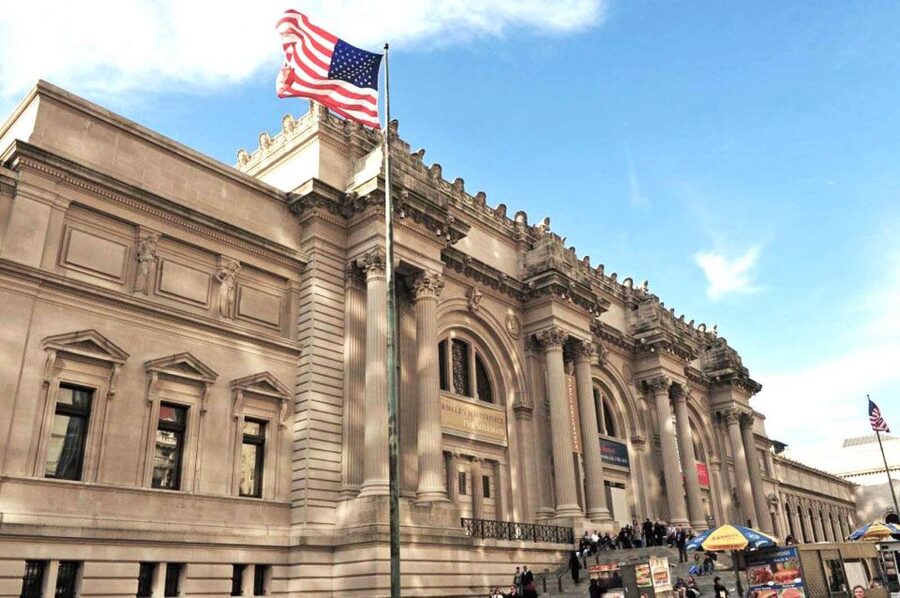
One of the strong parts of the route is the focus on prominent institutions around the Metropolitan area, with exterior explorations that help you understand elite access without needing a long detour. You’ll move past the Metropolitan Club and the Metropolitan Museum of Art as part of the broader story of high society.
This is where the tour turns from “cool buildings” into “why these buildings mattered.” Museums and clubs weren’t only for leisure. They functioned as meeting points where reputations could be made, alliances could form, and donors could gain influence. In a world where business and society overlapped, those spaces were part of the machinery.
Even if you don’t go inside, you’ll learn to interpret the building’s role. You’ll understand why being seen mattered, why membership mattered, and why the wealthy treated culture as both a hobby and a kind of leverage.
A quick reality check
Because this tour emphasizes exterior views, you won’t get the same experience as a dedicated museum visit. If you’re hoping to spend lots of time inside the Met, plan that separately. Think of this tour as the map and the context that helps you get more out of any museum time you add later.
The Carnegie, Frick, and Duke mansions: legacies with street addresses
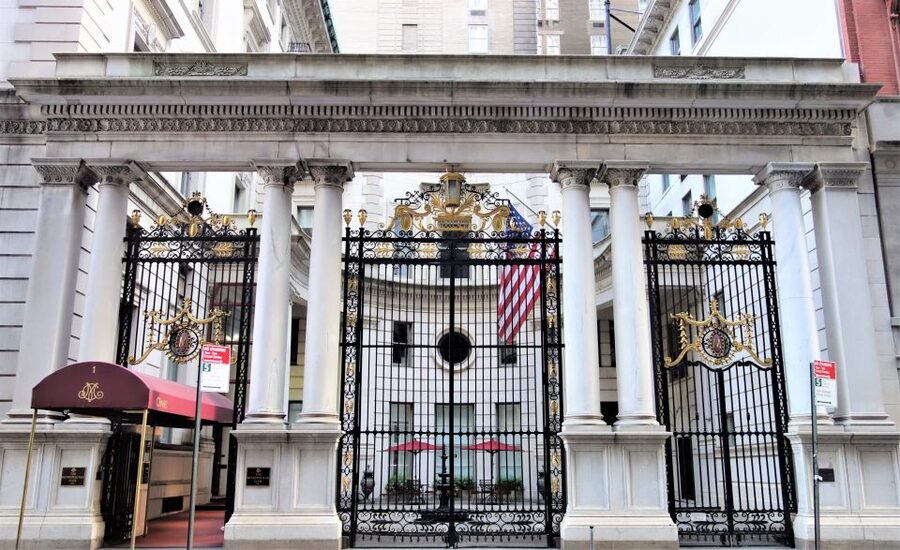
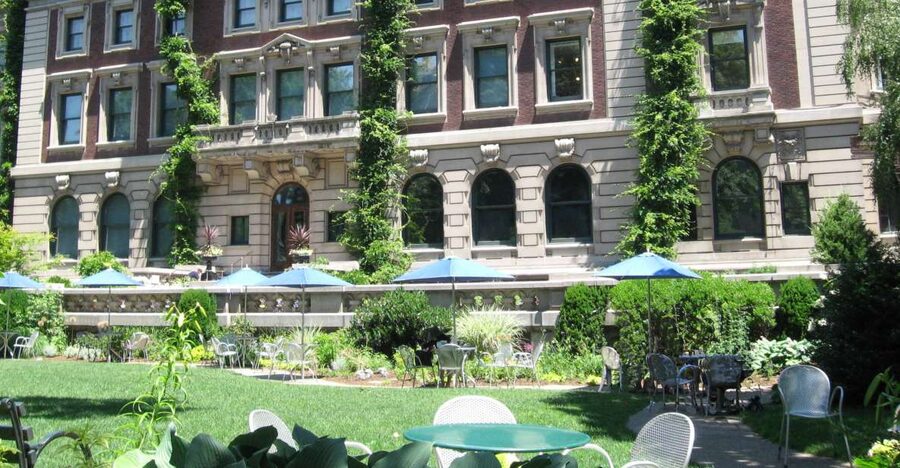
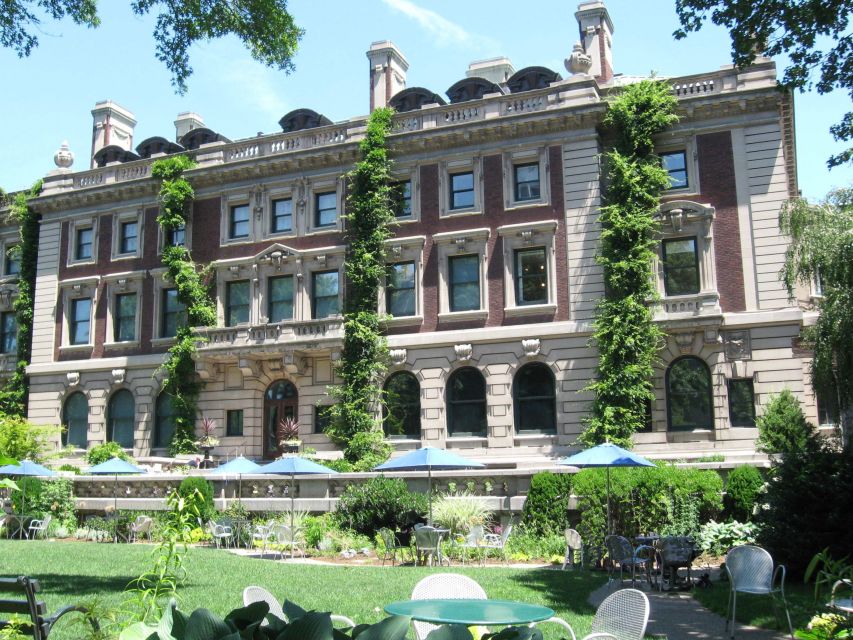
Another standout is the set of stops centered on mansion exteriors tied to major names—specifically the Carnegie, Frick, and Duke mansions. The guide’s approach makes these stops more than photo ops. You’ll see them as legacies: physical reminders of how wealth wanted to be remembered, and how personal fortunes shaped the city’s most visible neighborhoods.
Here’s what makes these mansion stops valuable for you: you’ll learn to connect “who lived there” to “what that choice did socially.” Mansions on Fifth Avenue were not just private residences. They were signals. They suggested reach. They suggested permanence. They suggested that the owners belonged at the top of the ladder.
And you’ll also pick up a modern twist. Some of these grand homes now serve different purposes and host different organizations. That’s the part I enjoy most: seeing the contrast between how the buildings were originally framed and how they function today. It’s a reminder that power changes hands, even when stonework stays in place.
What the guide adds: the Dan and Levy effect
A walking tour lives or dies by its guide. Here, the experience has a consistent theme in the names mentioned—Dan S and Levy—who bring the era to life with friendly energy and sharp observation. They point out details people usually blow past, then attach those details to the bigger story of social class, men’s clubs, and how the Gilded Age influenced later society.
I also like the pace of the storytelling. It feels tailored to a group that wants to learn without being trapped in lecture mode. When your guide can connect architecture to social rules, you stop thinking of “history” as dates and start thinking of it as behavior.
If you’re the type who loves asking questions, you’ll likely appreciate a guide who stays engaged and adjusts the flow based on what you want to know.
Price and value: is $149 per person worth it?
At $149 per person for a 2-hour private group tour, the value comes down to what you want from your time in New York. This isn’t an ultra-cheap “walk and look” experience. You’re paying for a licensed, professional guide and for the structure that turns a sidewalk stroll into a guided narrative.
So here’s how I’d judge the value for you:
- If you want clear context for the mansions and institutions you’re seeing, the guide time is the product.
- If you just want random street photos, you can do that on your own in much less time.
- If you’re short on time and don’t want to research five industrial titans yourself, the tour saves effort and connects the dots in real time.
The included focus on specific exterior sites—clubs and mansions—also helps. You’re not paying for travel time between far-flung neighborhoods. You’re paying for interpretation along a concentrated corridor.
Timing, walking comfort, and weather reality
This tour runs year-round and happens rain or shine. That’s great for planning, but it also means you should treat weather seriously. Wear layers, choose shoes with grip, and be ready for wet pavement if skies turn.
Because the duration is only two hours, the walking portion is steady. You’ll get stops along the route, but it’s not designed as a slow, lingering promenade. I’d call it an efficient “history walk” rather than a leisurely wander.
One small practical suggestion: bring a fully charged camera because there are plenty of façade moments worth photographing. Even from the sidewalk, the Gilded Age aesthetic is photogenic.
Who should book this tour, and who should skip it
This is a strong fit if you:
- Want to understand the Gilded Age through real locations on Fifth Avenue
- Like social history as much as business history
- Prefer a guided explanation over reading a bunch of plaques on your own
- Enjoy brisk walking and photo stops
You might skip it (or add a different tour) if you:
- Want heavy indoor time or deep museum hours during the same two hours
- Hate walking or struggle with physical pace
- Expect a tour focused on just one building type (like only museums, or only churches)
Should you book New York in the Gilded Age?
I’d book it if you want a fast, high-signal way to understand why Fifth Avenue became a stage for America’s rich—and why that story still matters. The biggest reason is the combination: you’re not just seeing mansions and clubs, you’re getting the social rules and power struggles behind them, tied directly to what you’re standing in front of.
It’s also a good choice for a first or second NYC history day when you want context without committing to a full museum schedule. If you want a “make the city explain itself” kind of experience, this does that well.
FAQ
How long is the New York in the Gilded Age tour?
It lasts 2 hours.
What is the price per person?
The price is $149 per person.
Where do I meet the tour guide?
Meet in front of the General William Tecumseh Sherman Monument in Grand Army Plaza, New York, NY.
Is the tour private?
Yes. It’s a private group.
Is the tour offered in English?
The tour is offered in English.
Does the tour run in bad weather?
Yes. It operates rain or shine.
Is the tour wheelchair accessible?
Wheelchair accessible is listed for the tour.
Do I skip the line?
It includes skip the line through a separate entrance.
What should I wear or bring?
Wear comfortable shoes and weather-appropriate clothing, and bring a fully charged camera.
Your Group Only, No Strangers
- Private Central Park Pedicab Tour★ 5.0 · 6,981 reviews
- Private Transfer from Manhattan to NYC Airports (JFK/EWR/LGA)★ 3.5 · 1,683 reviews
- New York City: Private Central Park Pedicab Tour★ 4.9 · 1,637 reviews
- Carriage Ride in Central Park (VIP – PRIVATE) Since 1964™★ 4.0 · 1,074 reviews
- NYC: Private Central Park Horse Carriage Ride with Guide★ 4.9 · 790 reviews
More Tours in New York City
- Statue of Liberty and Ellis Island Tour: All Options★ 5.0 · 13,571 reviews
- New York in One Day Guided Sightseeing Tour★ 5.0 · 13,166 reviews
- Central Park Pedicab Guided Tours★ 5.0 · 7,108 reviews
- New York City: Manhattan Helicopter Tour★ 4.7 · 7,076 reviews
- Private Central Park Pedicab Tour★ 5.0 · 6,981 reviews
More Tour Reviews in New York City
- NYC: SUMMIT One Vanderbilt Tickets★ 4.7 · 51,195 reviews
- NYC: Empire State Building Tickets – Observatory & Museum★ 4.7 · 25,757 reviews
- New York City: Statue of Liberty & Ellis Island with Ferry★ 4.6 · 18,683 reviews
- New York City: American Museum of Natural History Ticket★ 4.5 · 15,447 reviews
- Statue of Liberty and Ellis Island Tour: All Options★ 5.0 · 13,571 reviews
Just in: the newest New York City reviews on our desk





Private, compared.
 ★ 5.0Private Central Park Pedicab TourFrom $386,981 reviews
 ★ 3.5Private Transfer from Manhattan to NYC Airports (JFK/EWR/LGA)From $361,683 reviews
 ★ 4.9Private Central Park Pedicab TourFrom $401,637 reviews
 ★ 4.0Carriage Ride in Central Park (VIP – PRIVATE) Since 1964™From $141,074 reviews
 ★ 4.9Private Central Park Horse Carriage Ride with GuideFrom $13790 reviews
 ★ 4.7JFK Airport to Manhattan Private Transfer Up to 5paxFrom $103786 reviews
 ★ 4.6Private Walking Tour with a LocalFrom $55771 reviews
 ★ 5.0Private Statue of Liberty and Ellis Island TourFrom $139656 reviews