
Reviewed · CENTRAL PARK TOURS
NYC Central Park Pedicab Tours
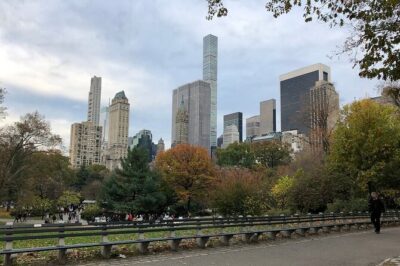
Central Park can feel huge when you’re on foot. This motorized pedicab tour helps you cover ground fast while a guide stitches the park’s landmarks into one easy route. I like that the stops are packed with photo moments and that your guide is actively taking pictures for you. One thing to consider: the ride is short, so if you’re hoping for a super-deep focus on every park detail, you may want to pair it with one slower walk afterward.
If you’re trying to plan around crowds and heat (or winter chill), the timing flexibility matters. You can pick a tour time that fits your day, and the route is built to hit major icons without you getting footsore. Still, it’s worth arriving a few minutes early at 50 Central Park S, because finding the exact pedicab meeting spot can be a little tricky if you’re not prepared.
In This Review
- Key things to know before you ride
- Why a Central Park pedicab tour beats walking
- The 1 to 2 hour route: how you’ll pace through the park
- Wollman Rink to the carousel: the park’s showbiz side early on
- Shakespeare statues, tango classes, and Balto: stories you can actually remember
- Rumsey Playfield and model boats: what’s fun in motion
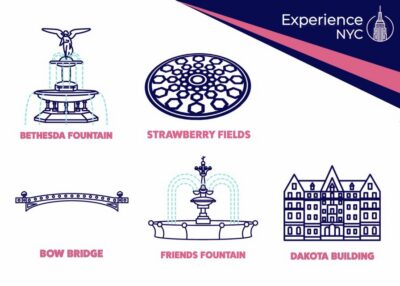
- Bethesda Fountain to The Mall: the classic postcard path
- Cherry Hill, Bow Bridge, and the lake: romantic views with easy access
- Strawberry Fields and The Dakota: Lennon’s legacy in real life
- Tavern on the Green and the big lawn: Central Park for families and movie fans
- Pinebank Arch and Columbus Circle: finishing with architecture and energy
- What’s included, and why it matters for value
- Practical tips so your pedicab ride stays stress-free
- FAQ
- FAQ
- How long is the Central Park pedicab tour?
- Where does the tour start and end?
- What language is the tour offered in?
- What’s included in the experience?
- Is the tour private?
- Do I need an admission ticket for the listed stops?
- What should I know about weather?
- Should you book this Central Park pedicab tour?
Key things to know before you ride
- Motorized pedicabs help you see more without the marathon pace of walking
- Guided landmark commentary keeps you oriented as you move through the park
- Photo stops are part of the experience, not an afterthought
- Wi‑Fi onboard makes it easier to share shots right away
- Seasonal Central Park variety shows up fast, from Wollman Rink to Summer Stage
- Private group format means you ride just with your group, not random extras
More ways to see Central Park
- Central Park Pedicab Guided Tours
★ 5.0 · 7,108 reviews - Private Central Park Pedicab Tour
★ 5.0 · 6,981 reviews - NYC: Central Park Bike Rentals
★ 4.2 · 2,528 reviews - Official NYC Horse Carriage Rides in Central Park since 1979 ™
★ 5.0 · 2,365 reviews
Why a Central Park pedicab tour beats walking
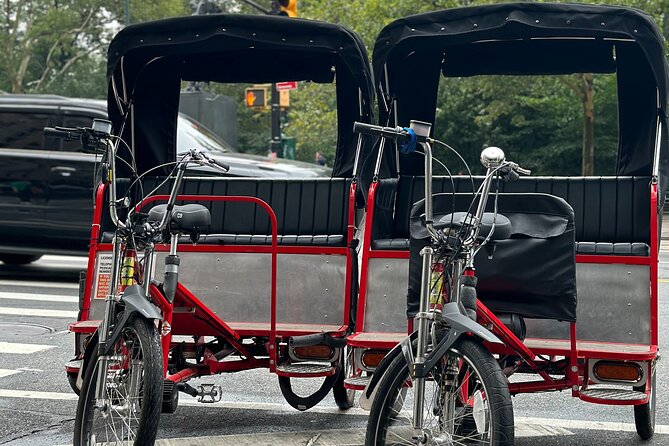
Central Park is famous for being walkable. It’s also famous for taking longer than you think. A pedicab cuts that problem in half. You sit comfortably, move efficiently between the park’s top sights, and still get the story behind what you’re seeing.
I like how this kind of tour turns Central Park from a bunch of separate stops into a guided loop. You get your bearings fast, and the route naturally groups the park’s major areas: winter/summer activity zones, lakeside classics, and the Lennon-and-history stretch up toward the Dakota.
The vibe tends to be light and sightseeing-focused. In past groups, guides like Ali, Max, Sadid, Amin, John, and Harry have been praised for narration that matches the scenery, with some adding humor and even music/video clips timed to what you’re looking at. That matters because the park can be visually overwhelming. A good guide helps you slow down just enough to actually notice details instead of rushing past them.
One practical note: pedicabs can be motorized and still feel like a fun, old-school NYC experience. If you’re worried about getting tired or dealing with park paths all day, that’s exactly what this helps with.
The 1 to 2 hour route: how you’ll pace through the park
This experience runs about 1 to 2 hours, and the itinerary is designed for “see it now” efficiency. The stops are short, but they’re meaningful: famous landmarks, recognizable views, and a few spots that most visitors don’t reach quickly on foot.
If you choose the shorter end (around 1 hour), you’ll likely feel like you skim the highlights. Pick the full 2 hours if you want more time at photo-worthy places like Bethesda Fountain, Bow Bridge, or Strawberry Fields. The best part is you’re not forced to choose between “sightseeing” and “rest.” You get both.
Also, since this is offered in English, the commentary stays consistent and easy to follow if you’re not traveling with a full multilingual group.
Wollman Rink to the carousel: the park’s showbiz side early on
You start at the far end of the park and quickly hit areas that scream Central Park on screen and in person.
Wollman Rink is first, with a clear seasonal twist. In winter, it’s tied to the ice-skating scene you’ve probably seen in movies and postcards. In summer, it shifts into something more active—pickleball shows up here too. The tour stop is brief, but it’s a smart opening because it gives you a sense of how Central Park changes with the calendar.
Right after that, you reach an iconic carousel built in 1908, known for having over 50 hand-carved horses. This is one of those details that feels small until you’re standing right in front of it. It’s also a great “first photo” moment because the colors and craftsmanship make instant sense for cameras.
Next comes a more playful, less-famous stop: game tables shaded by wooden trellis, built in 1952. This is the kind of Central Park corner locals and families use, and it works well early in the ride because it sets a different tone than pure sightseeing. You’re reminded this park is still an everyday place, not just a landmark museum.
If you want to see the park’s quieter historical layers too, the Dairy stop fits the bill. It’s now a visitor center and gift shop, but the story is that it originally served as an eatery where children could get fresh milk. Even if you don’t go inside, the building’s presence helps you feel how long this park has been about leisure.
Let someone else pedal: more pedicab tours
Shakespeare statues, tango classes, and Balto: stories you can actually remember
As your ride moves deeper into the park, the commentary tends to become more character-driven—names, events, and famous stories that make the scenery stick.
You’ll stop for the statues of Shakespeare, Robert Burns, and other writers, set along a wide promenade shaded by elm trees. This area feels calm and theatrical at the same time, which is why it’s such a good mid-tour break for photos. In summer, there’s even a bonus: free tango classes every Saturday evening near the Shakespeare statue. If you’re in town then, it’s a fun way to tie the park to live culture.
Then comes the emotionally powerful Balto statue. Balto was a lead sled dog who helped deliver medicine to save children from diphtheria in 1925 in Alaska. That’s the kind of “wait, I didn’t expect that here” moment that makes this tour feel more than scenic sightseeing. A guide can turn it from a statue into a story you remember on the subway ride home.
Rumsey Playfield and model boats: what’s fun in motion
A great pedicab tour doesn’t just show you the famous architecture. It also points out the places where Central Park is actually happening.
At Rumsey Playfield, you’ll see how it functions as the home of the popular Summer Stage cultural series—music, dance, spoken word, and film. And in summer, there’s a media connection too: Good Morning America films on Friday mornings. Even if you’re not there on a production day, it helps you understand why this area is always buzzing with activity.
Then you move to Conservatory Water, a man-made pond where you can rent remote control model boats. It’s also linked to Stuart Little, which helps a lot if you’re traveling with kids or you just like “that movie did that here” moments. The stop is short, but the setting is visually distinctive, and it’s easy to take a crisp shot.
Bethesda Fountain to The Mall: the classic postcard path
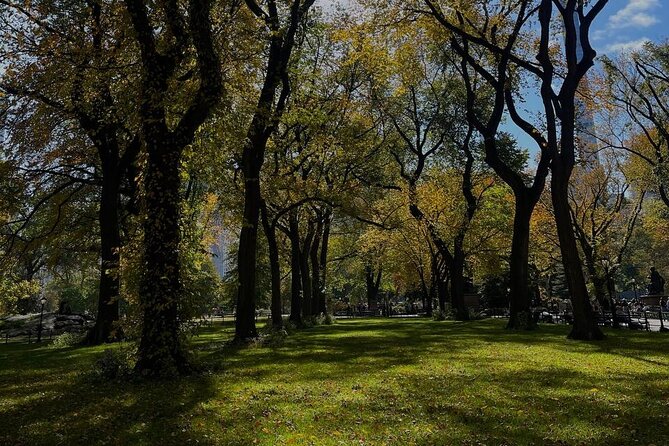
If Central Park has a “main stage,” it’s this stretch. Bethesda Fountain is the headline, and The Mall is the supporting act that makes the architecture feel even bigger.
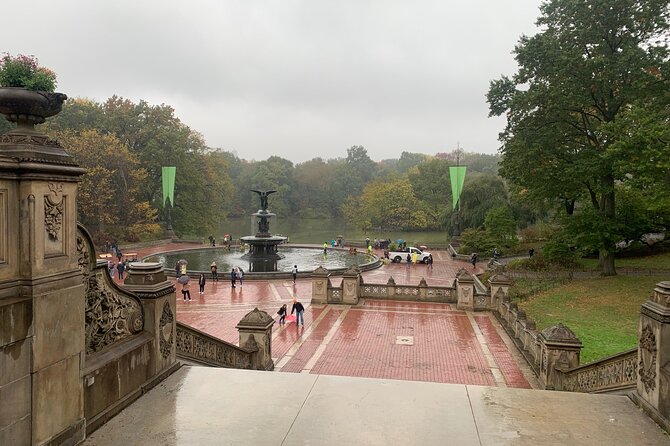
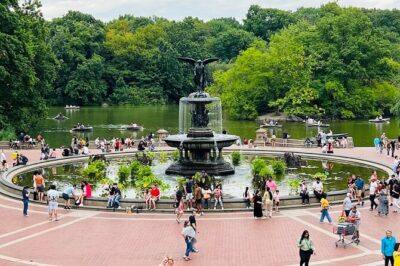
You’ll stop at Bethesda Fountain and Terrace, one of the most iconic landmarks in the park. It’s appeared in lots of film and TV, and you’ll likely recognize it even if you don’t remember the title. The key value here isn’t the movie trivia—it’s the viewpoint. From this area you can read the park’s design logic: formal shapes, grand sightlines, and the feeling of stepping into a set.
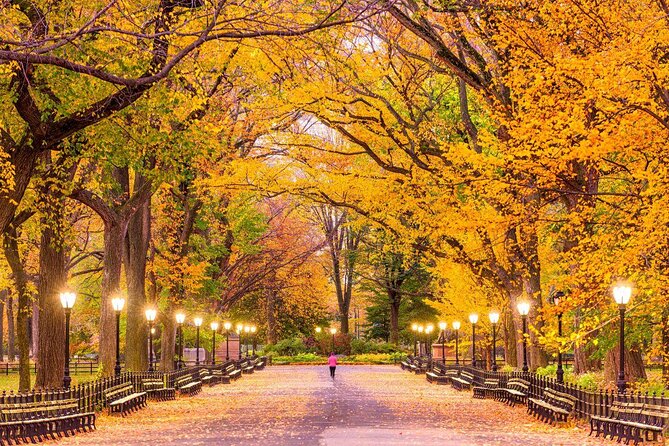
From there, you’ll head to The Mall and Literary Walk, where the emphasis is on the long perspective under America elm trees. This is a “walk with your eyes” area. Even if you’re sitting on the pedicab, you still get the visual rhythm: a corridor effect leading you toward Bethesda Terrace.
Movies tied to this area include Maid in Manhattan, Night at the Museum, and Autumn in New York. Again: you don’t need to be a movie buff to enjoy this—those references just help you connect what you’re seeing to something familiar.
Cherry Hill, Bow Bridge, and the lake: romantic views with easy access
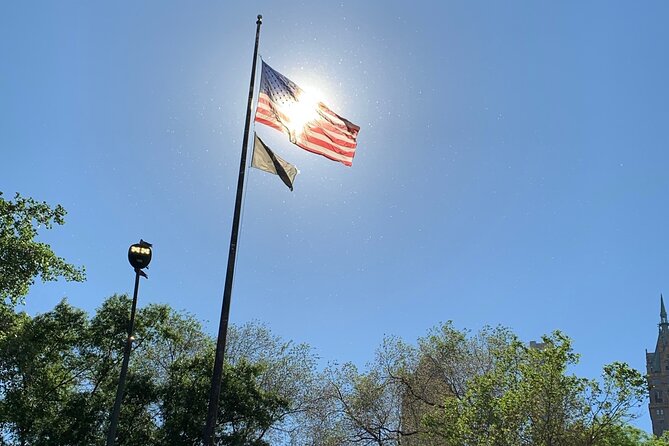
This is the part of the tour that often makes people go quiet—in a good way. You’re not just seeing scenery. You’re seeing Central Park’s most photographed mood.
You’ll visit Cherry Hill, known for blooming cherry trees in spring and for overlooking the lake. It’s also called Friends Fountain, which gives it a pop-culture shortcut if you’re into that.
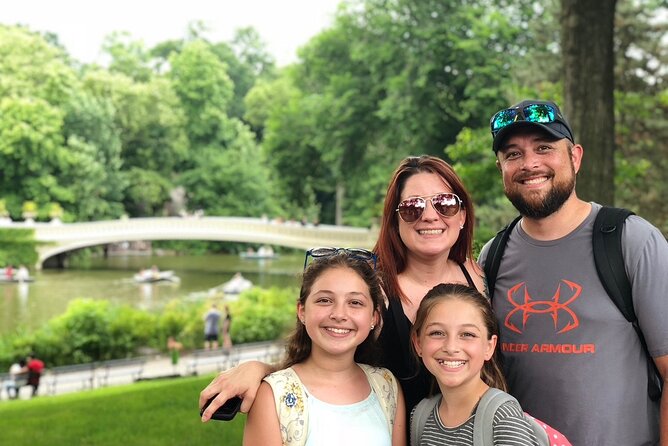
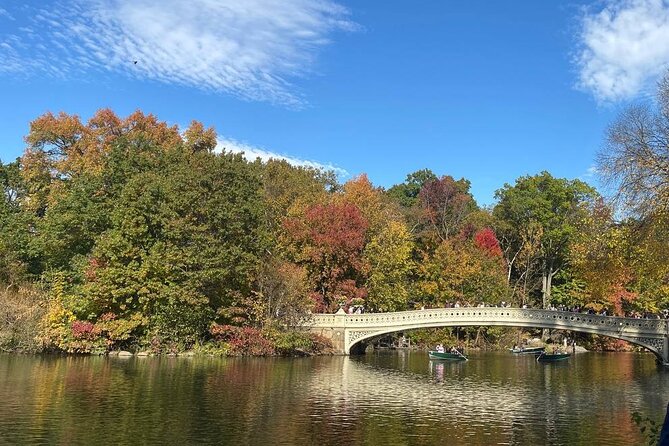
Then it’s on to Bow Bridge, built in 1862. It spans about 60 feet across Central Park Lake and connects Cherry Hill and the Ramble. The bridge is known as a proposal bridge and a romantic bridge, and it earns that nickname. Even a quick stop here is enough to capture the classic framing: water, curves, and a bridge line that looks good from multiple angles.
There’s also the lake itself, described as the second-largest man-made body of water in the park, with rowboats available for rent. You won’t be rowing in a 2-hour tour, but it helps to know the lake is meant for more than photos.
You’ll also pass by a monument to Daniel Webster—another example of how the park layers public art and civic memory into the same walkable zones as leisure.
Strawberry Fields and The Dakota: Lennon’s legacy in real life
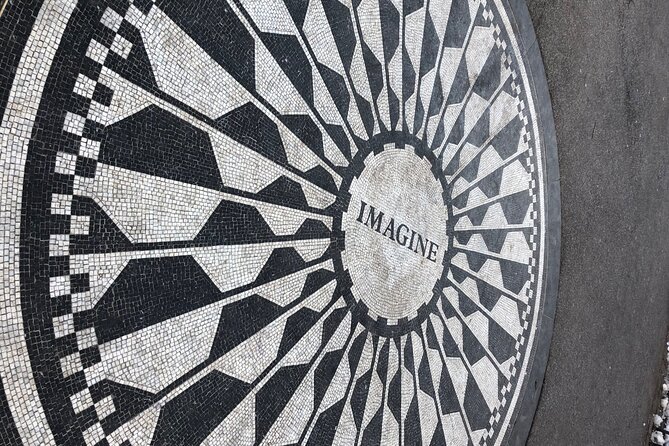
Next comes one of the most meaningful stops on the whole route: Strawberry Fields, the memorial to John Lennon and a peace-activist icon. The “Imagine” mosaic is a centerpiece where people often slow down, and it’s exactly the kind of moment where your guide’s pacing matters. If your guide gives you enough context, you’ll feel the stop instead of treating it like another photo marker.
From there, you’ll reach The Dakota building. It’s noted as the first building on the Upper West Side, built in 1884, and it’s also famous as the home where John Lennon and Yoko Ono lived. This stop is powerful because it connects music history to a real address you can point to. Even if you don’t consider yourself a hardcore fan, you’ll likely recognize the building’s silhouette.
If you prefer quiet contemplation, this section can be the most satisfying part of the ride because it’s less about motion and more about place.
Tavern on the Green and the big lawn: Central Park for families and movie fans
After the Lennon stretch, the tour shifts toward classic Central Park leisure—food, lawns, and scenes you associate with the park.
You’ll stop at Tavern on the Green, an American restaurant and bar that opened in 1934. It’s tied to movies like Ghostbusters and Mr. Popper’s Penguins. Even if you don’t eat, the timing works because the restaurant area helps you visualize how Central Park supports day-long hangs: pick a spot, take a break, and treat the park as your main outing.
There’s also a stop near the park’s largest lawn, originally the home to a flock of purebred sheep from 1864 until 1934. Nowadays it’s a place for family picnics. This is a “feel the park” moment. The pedicab helps you reach it without walking forever, which is especially useful in peak summer heat or windy spring days.
Pinebank Arch and Columbus Circle: finishing with architecture and energy
The final stretch keeps the visual variety going.
Pinebank Arch is an elegant cast-iron bridge spanning the bridle path. It’s connected to the movie Elf, specifically the famous snowball-fight vibe. This is a good last photo stop because it’s distinctive and looks great in frame from the road.
Then you end with a more city-loud contrast: Columbus Circle, described as a busy traffic circle with a small park and a towering monument to Christopher Columbus. Movies associated with this area include Morning Glory, Crocodile Dundee, and The Other Guys. This ending helps you feel the switch from Central Park’s internal world back to Manhattan’s pace.
What’s included, and why it matters for value
This tour includes a few things that genuinely improve the experience, especially if you’re short on time.
- Guided tour and an experience tour guide: You’re not just watching landmarks; you’re getting the “why this is here” explanation.
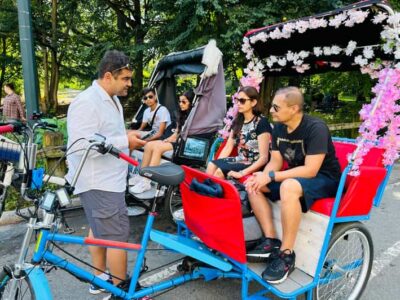
- Taking pictures: The guide helps with photos, which is often the difference between a trip full of blurry selfies and an actual set of memories.
- Wi‑Fi on board: Helpful for sharing, uploading, or quickly checking routes while you’re still in the moment.
- Mobile ticket: Makes entry smoother once you’ve found your meeting spot.
- Private tour format: You ride just with your group, which tends to reduce chaos and keeps the pacing comfortable.
If I’m advising you on value, I’d call out one thing: the pedicab isn’t trying to replace Central Park walking. It’s trying to help you choose what to walk afterward. You get a guided shortcut into the best parts, then you can go back under your own steam for the areas that call you back.
Practical tips so your pedicab ride stays stress-free
A few small habits make a big difference.
Arrive early at the meeting point. The start is at 50 Central Park S, and some people find the exact pedicab pickup spot confusing. If you can, give yourself extra time and have your phone ready with the confirmation so you can match up quickly.
Plan your photo mindset. The guide helps take pictures, but you’ll still get better results if you tell them what you want (full-body shots, skyline background, bridge framing, etc.). A good guide like Max or Harry tends to be quick and helpful with photo angles.
Ask questions when you care. Some guides are more film-and-scene oriented, others focus more on park design and historic tidbits. If you’re craving more about Central Park itself, ask directly. You’ll get a better experience when the narration matches your interests.
Pick the weather smart. The experience requires good weather. If weather turns, it can be rescheduled or refunded. That matters because the ride is outdoors and Central Park is the whole point.
FAQ
FAQ
How long is the Central Park pedicab tour?
It runs about 1 to 2 hours.
Where does the tour start and end?
It starts at 50 Central Park S, New York, NY 10019, USA and ends back at the same meeting point.
What language is the tour offered in?
The tour is offered in English.
What’s included in the experience?
It includes Wi‑Fi on board, a guided tour with an experience tour guide, and taking pictures.
Is the tour private?
Yes. It’s a private tour/activity, so only your group participates.
Do I need an admission ticket for the listed stops?
The itinerary lists each stop with Admission Ticket Free, and the tour includes time at those locations.
What should I know about weather?
This experience requires good weather. If it’s canceled due to poor weather, you’ll be offered a different date or a full refund.
Should you book this Central Park pedicab tour?
If you want Central Park’s biggest icons without spending your whole day walking, this is a smart pick. The big draw is the pacing: 1 to 2 hours that can get you to Bethesda Fountain, Bow Bridge, Strawberry Fields, and The Dakota without draining your legs.
I’d book it especially if:
- You’re visiting in hot or cold months and want relief from long walking.
- You don’t want to fight for the right angles at key landmarks alone.
- You’d rather spend your energy looking and photographing than navigating paths.
I’d hesitate if you want hours of slow, academic park history only. The tour is built for highlights and movement. For that style, you might still enjoy it, but you’ll likely want to add extra time on foot afterward.
Bottom line: for most people, this is an efficient, photo-friendly way to experience Central Park’s main characters—fountain, bridges, Lennon, and all—without losing your day to steps.
More Tour Reviews in New York City
- NYC: SUMMIT One Vanderbilt Tickets★ 4.7 · 51,195 reviews
- NYC: Empire State Building Tickets – Observatory & Museum★ 4.7 · 25,757 reviews
- New York City: Statue of Liberty & Ellis Island with Ferry★ 4.6 · 18,683 reviews
- New York City: American Museum of Natural History Ticket★ 4.5 · 15,447 reviews
- Statue of Liberty and Ellis Island Tour: All Options★ 5.0 · 13,571 reviews
Ride Along: More Pedicab Tours
- Central Park Pedicab Guided Tours★ 5.0 · 7,108 reviews
- Private Central Park Pedicab Tour★ 5.0 · 6,981 reviews
- New York City: Private Central Park Pedicab Tour★ 4.9 · 1,637 reviews
- NYC: Central Park Celebrity Homes & Film Spots Pedicab Tour★ 4.9 · 817 reviews
- Central Park Guided Pedicab Tours★ 5.0 · 590 reviews
More of Central Park
- Central Park Pedicab Guided Tours★ 5.0 · 7,108 reviews
- Private Central Park Pedicab Tour★ 5.0 · 6,981 reviews
- NYC: Central Park Bike Rentals★ 4.2 · 2,528 reviews
- Official NYC Horse Carriage Rides in Central Park since 1979 ™★ 5.0 · 2,365 reviews
- NYC: Central Park Bike Rental★ 4.1 · 1,651 reviews
Just in: the newest New York City reviews on our desk




Central Park Tours, compared.
 ★ 5.0Central Park Pedicab Guided ToursFrom $387,108 reviews
 ★ 5.0Private Central Park Pedicab TourFrom $386,981 reviews
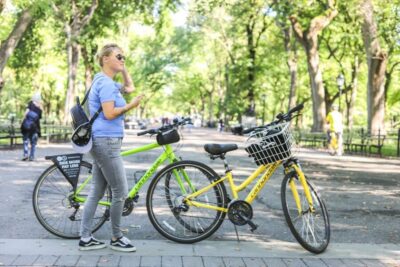 ★ 4.2Central Park Bike RentalsFrom $92,528 reviews
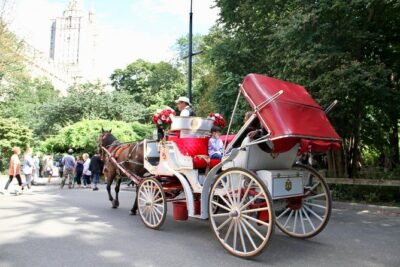 ★ 5.0Official NYC Horse Carriage Rides in Central Park since 1979 ™From $992,365 reviews
 ★ 4.1Central Park Bike RentalFrom $81,651 reviews
 ★ 4.9Private Central Park Pedicab TourFrom $401,637 reviews
 ★ 4.7Central Park Bike RentalFrom $91,509 reviews
 ★ 4.0Carriage Ride in Central Park (VIP – PRIVATE) Since 1964™From $141,074 reviews
Browse the lists this tour appears in