
Reviewed · PRIVATE
NYC: Discover NYC Subway Secrets Below Manhattan – Private
The subway has stories you can’t see. This private tour takes you below Manhattan to look closely at older downtown stations, the scars from major disasters, and the bold new architecture shaping what comes next. It’s led by Rayn Riel, a licensed NYC guide and award-winning certified urban planner, so you get both street-level wonder and smart infrastructure talk.
I especially like how Rayn makes the system feel human, with the why behind delays, design choices, and the politics that shaped station upgrades. I also love the specific stops, from the old 1904 City Hall Station details to the wine cellar under the Brooklyn Bridge connected to subway tunnels.
One thing to plan for: this is a step-heavy underground walk. Even with public access areas, you’re moving up and down stairs and spending time in drippy, enclosed spaces, so comfortable shoes matter.
In This Review
- Key highlights I’d build your day around
- Starting at One Battery Park Plaza: How the tour begins
- Rayn Riel’s style: Humor plus real transit planning
- City Hall Station and the 1904 platform remnants you can see
- The station that flooded: disaster, repairs, and why it still matters
- World Trade Center platform history: standing where the network changed
- Brooklyn Bridge wine cellar: a secret you can connect to tunnels
- From Fulton Center to the Oculus: how new downtown stations explain the future
- Where the tour ends: World Trade Center Transportation Hub
- Practical tips for a drippy, step-heavy two hours
- What you’re really paying for: value in a private, included-fare format
- Who should book this (and who might skip)
- Should you book NYC Subway Secrets Below Manhattan: Private?
- FAQ
- Where does the tour start and end?
- How long is the private tour?
- Is subway fare included?
- What areas does the tour visit?
- Does the tour involve a lot of walking or stairs?
- What should I bring?
- Who leads the tour?
- Can I cancel?
Key highlights I’d build your day around
- City Hall Station’s 1904-era remains you can actually stand near and look at
- A station affected by catastrophic subway flooding and how that event changed the system
- World Trade Center platform history where collapse is part of the story
- A former wine cellar under the Brooklyn Bridge linked to subway tunnels
- Fresh downtown engineering at Fulton Center and the World Trade Center Oculus
- Private pacing with ear pieces and included subway fare so you hear every detail
Just your group: more private options
- Private Central Park Pedicab Tour
★ 5.0 · 6,981 reviews - Private Transfer from Manhattan to NYC Airports (JFK/EWR/LGA)
★ 3.5 · 1,683 reviews - New York City: Private Central Park Pedicab Tour
★ 4.9 · 1,637 reviews - Carriage Ride in Central Park (VIP – PRIVATE) Since 1964™
★ 4.0 · 1,074 reviews
Starting at One Battery Park Plaza: How the tour begins
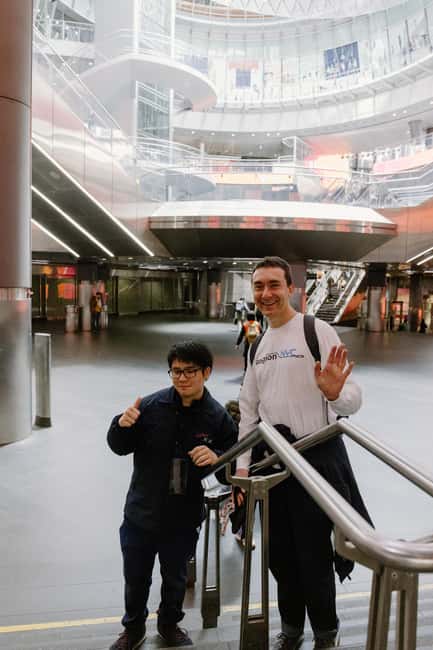
Meet at the Starbucks at One Battery Park Plaza on State Street. That matters because you start the trip grounded in the downtown geography, not somewhere random across the city. You’re also close to the World Trade Center area, which becomes the tour’s end point later.
From the start, the setup is practical. You get ear pieces, and your subway fare is included, so you can focus on listening instead of constantly fiddling with tickets. It’s a private group tour, too, which usually means less rushing and fewer “sorry, everyone squeeze in” moments.
This is a 2-hour experience. Starting times vary, so check what’s available when you’re in town. The route may also shift slightly depending on the MTA’s weekend schedule, which is normal for anything inside the subway system.
Rayn Riel’s style: Humor plus real transit planning
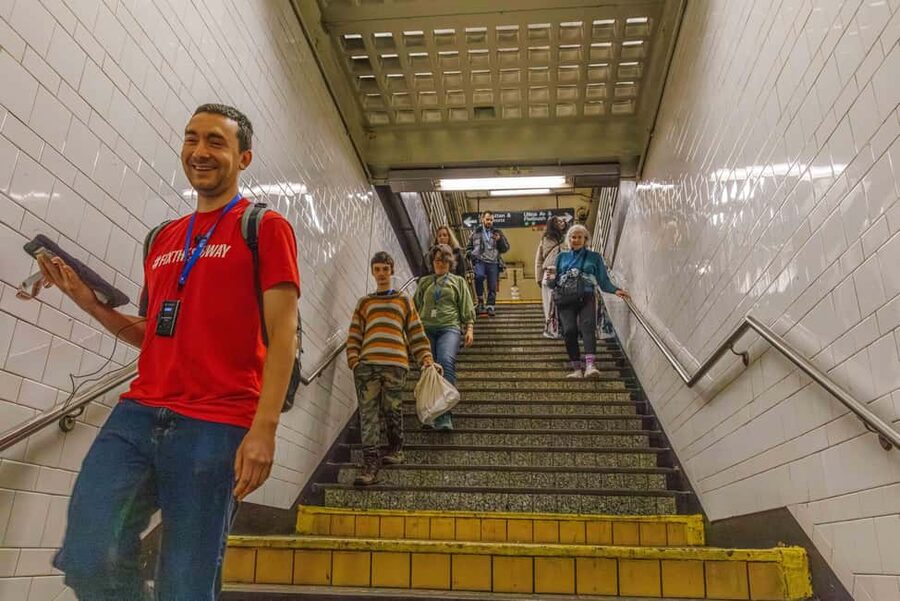
What makes this tour work is Rayn’s combination of guide energy and urban planning framing. He isn’t just pointing at tiles and calling it history. He connects what you see to how the network was built, why it was built that way, and what decisions still affect your ride today.
A few themes come through again and again. One is the idea that the subway is an everyday machine with political and engineering DNA. Another is that station design isn’t neutral. The older parts often look and function differently than the newest downtown stations, and Rayn helps you spot those contrasts.
If you’re someone who likes nerdy, technical details, you’ll feel at home. In the same two hours, the tour covers big-picture planning and smaller operational stuff too, like why certain systems and signals worked the way they did when the city first went underground. One review even notes his use of humor and patience, and that he knows how to keep people engaged from a 17-year-old all the way to transit die-hards.
City Hall Station and the 1904 platform remnants you can see
One of the most talked-about stops is the famous City Hall Station, including its 1904-era character. This is the kind of place where the setting itself does the storytelling. Even if you’ve ridden the area before, you can walk away with a clearer mental map of what “original subway” really looks like.
Why I think this stop is worth your time: it’s not just a landmark. It’s a living example of how downtown transit evolved over time. Rayn points out the meaning behind station architecture and art in older stations, and how that vibe can feel stark next to what was built later.
There’s also something quietly emotional about abandoned or unused-looking areas. Reviews mention a focus on abandoned platforms and stations hidden in plain sight. Standing there gives you a better sense for why some parts of the network stop making sense when routes, demand, and engineering needs change.




The station that flooded: disaster, repairs, and why it still matters
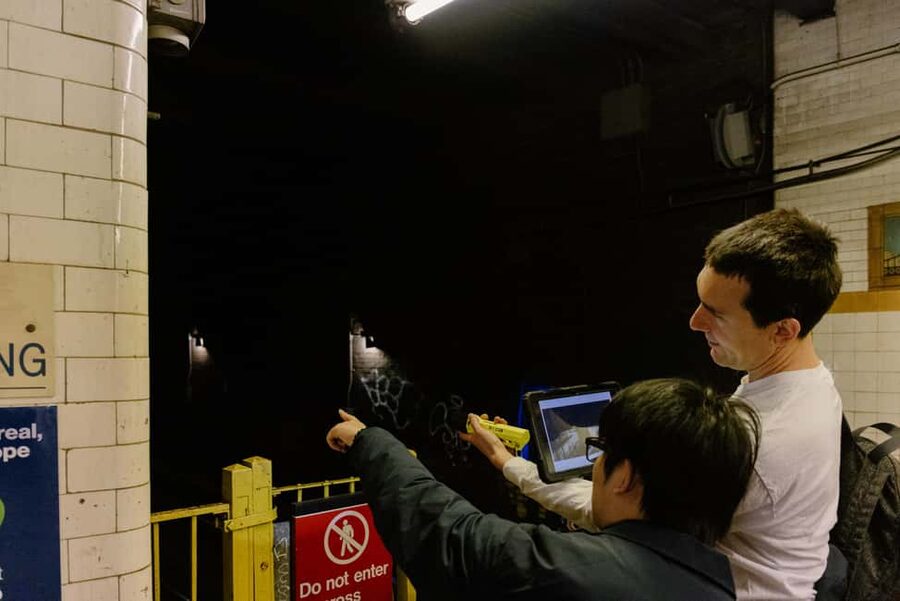
The tour includes a visit to an area tied to a catastrophic subway flooding event about 10 years ago. You’re not there for drama. You’re there to understand what flooding does to infrastructure and how recovery changes what the city plans next.
This is where the “transit planning” part of the tour becomes useful for you. When you understand the risks, delays don’t feel random. They feel like the system is juggling real-world damage control, maintenance, and long-term resilience.
Rayn also connects major downtown disruptions, including the effects of Hurricane Sandy. Even if you didn’t live through it, you can leave with a clearer picture of why downtown transit can still feel different during storms and construction seasons. In a city that loves to pretend it’s always fine, this tour gives you the honest operating context.
World Trade Center platform history: standing where the network changed
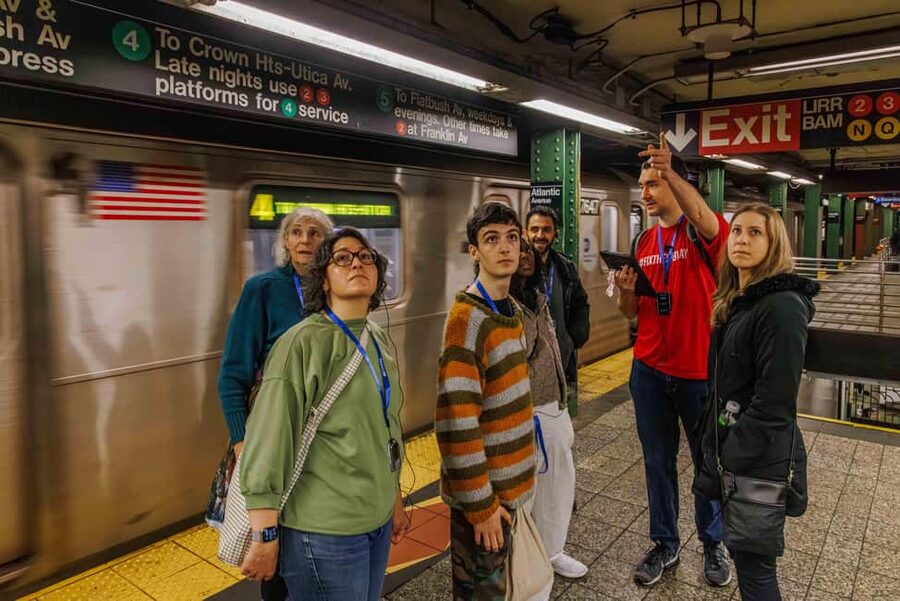
Another heavy-hitter stop is tied to the World Trade Center. The experience includes standing on subway platforms that had collapsed under the WTC site area. Even though you’re staying in public access zones, the impact of that history is hard to miss once you’re physically there.
This is also where I like the balance Rayn brings. He doesn’t just list events. He ties major damage to how the underground network was rebuilt and rethought afterward. That matters because so much of what you do in New York depends on downtown reliability.
If you like architecture and engineering, you’ll appreciate how the tour frames this as a system that had to learn fast. And if you’re visiting from out of town, this helps you connect subway design to the city’s biggest moments, without turning it into a textbook.
Brooklyn Bridge wine cellar: a secret you can connect to tunnels
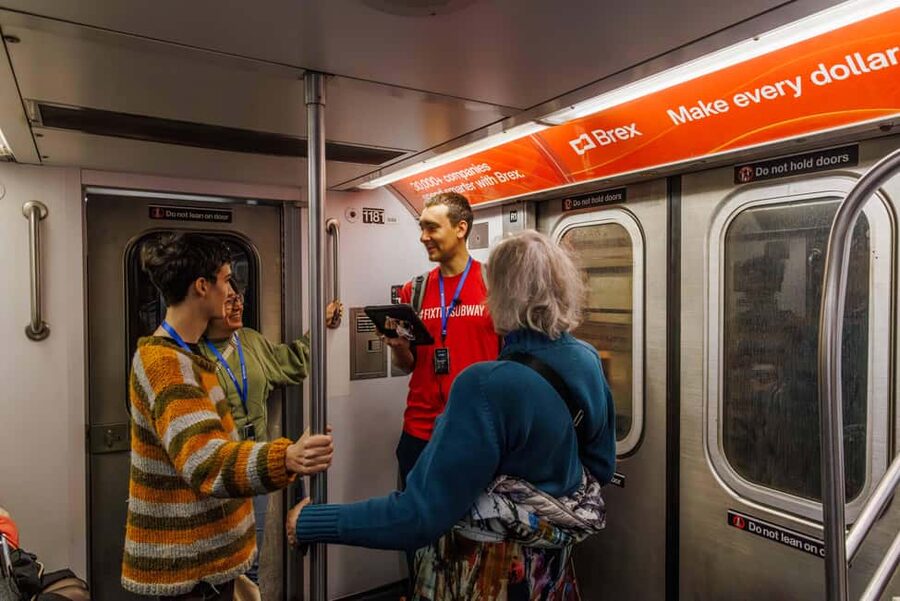
Yes, a former wine cellar under the Brooklyn Bridge is part of the story. The tour connects this odd bit of history to subway tunnels, so it doesn’t feel like a random trivia stop.
This is one of those moments that makes you look differently at the subway. You start to see it not just as transportation, but as a layered underground world built on top of earlier uses. That’s the value for you: the next time you walk near the Brooklyn Bridge or ride nearby stations, you’ll have a mental model for what’s under your feet.
The tour also highlights why these older structures can feel like they exist in multiple timelines at once. Rayn’s planning lens helps explain how earlier functions can coexist with later construction, and why certain subterranean spaces end up repurposed, forgotten, or partially connected to current routes.
From Fulton Center to the Oculus: how new downtown stations explain the future
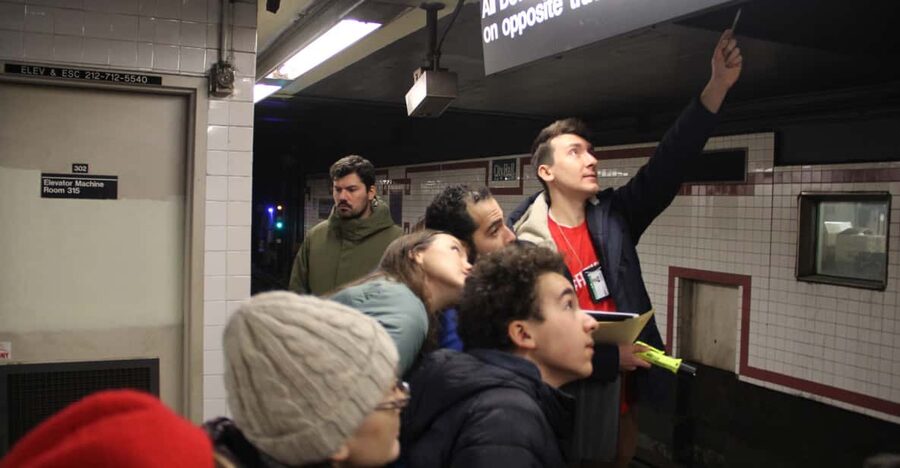
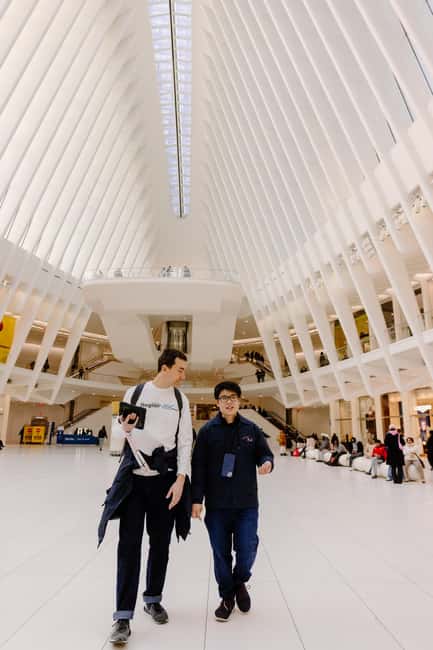
Then the tour shifts from “old bones” to “new build energy.” You walk through newest downtown subway stations, including Fulton Center (about $1.4 billion) and the World Trade Center Oculus (about $4 billion).
This isn’t just a photo stop. Rayn frames the differences between older stations and 21st-century designs: materials, layouts, and how each era prioritized movement, visibility, and passenger flow. That’s valuable because it helps you understand what you’re looking at beyond the surface.
One thing I found useful as a visitor: newer downtown stations often read like they’re “about the architecture first” and transit second, until you learn what problems they’re trying to solve. Fulton and the Oculus are built to handle massive flows, and you can feel that logic once you’re moving through the spaces.
Where the tour ends: World Trade Center Transportation Hub
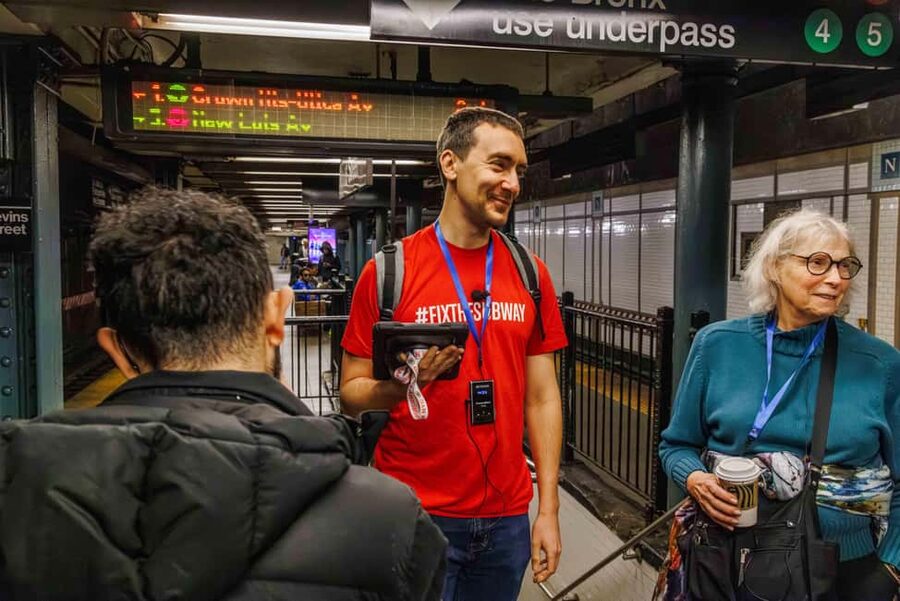
The experience concludes at the World Trade Center Transportation Hub, where you can buy food and drinks. That’s a practical finish for a two-hour underground-and-stairs day. You’ll likely want a break after all the moving and listening.
Also, ending here makes sense thematically. You start at the downtown core, move through the older network layers, and end in one of the city’s most visible new transit icons. It gives you closure: the subway past, the subway scars, and the subway future in one run.
Practical tips for a drippy, step-heavy two hours
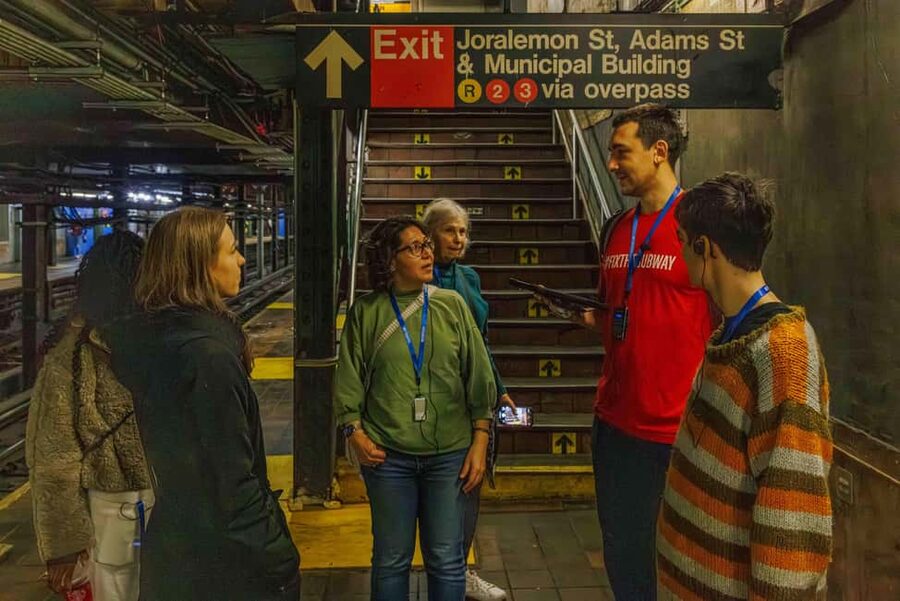
This tour is public-access, but it’s still underground walking with stairs. The basic advice is simple, and I’d follow it closely:
- Wear comfortable shoes with grip.
- Bring water, especially in summer.
- Expect up and down steps, not flat sidewalks.
You’ll likely also notice the “real subway” atmosphere more than on a quick ride. Reviews mention damp tunnels and even dripping sounds. That’s part of the point. The tour isn’t trying to be a clean, curated exhibit. It’s showing you the transit system as it truly exists.
If you need extra help hearing, Rayn’s setup includes a speaker option mentioned in feedback. That’s good to know if you’re planning for anyone in your group who struggles with audio in crowded spaces.
What you’re really paying for: value in a private, included-fare format
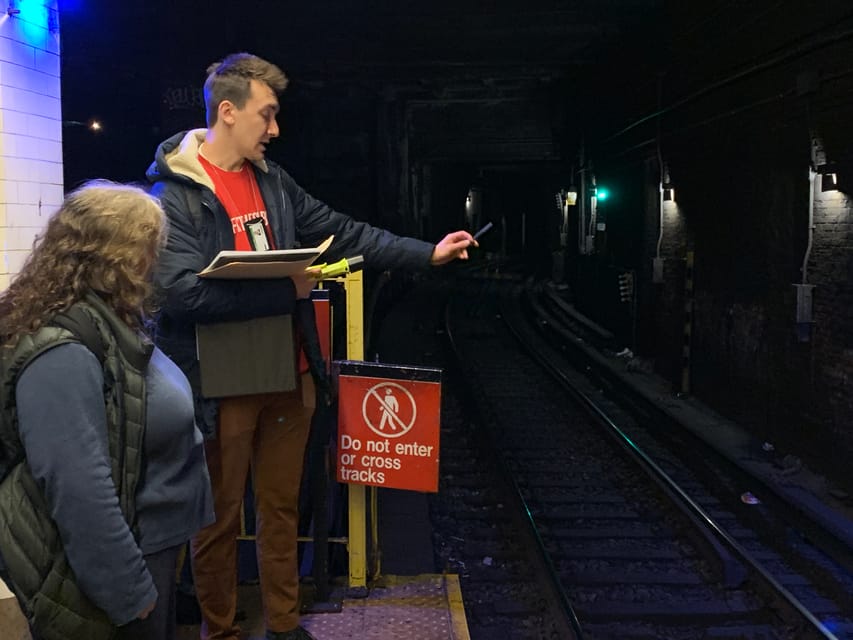
The price is $200 per group up to 15 people for about 2 hours. That sounds straightforward, but the value comes from what’s included: your subway fare plus ear pieces, and a licensed guide with urban planning credentials.
Here’s the quick math you can use when you decide: if you max out near 15 people, the cost per person drops to about $13 each. Even at smaller group sizes, you’re paying for private access, not a per-seat scramble. You’re also paying for someone who can explain why stations look the way they do, not just point out where to stand.
So this can be a good value for:
- families that want a guided structure without waiting around,
- couples on a date who don’t want another “stand in line” attraction,
- friends who like city systems and architecture,
- New Yorkers who want a staycation angle that feels different.
Who should book this (and who might skip)
I’d book this if you like one or more of these themes: transit design, downtown New York history, the way disasters forced changes, or the contrast between old stations and modern downtown mega-projects.
I’d also consider it if your group tends to like stories with details. Rayn’s style shows up in feedback as humorous, patient, and fact-dense, with room for questions. People who usually avoid tours often still enjoy this one because it feels like walking around with an expert, not getting lectured.
If you hate stairs or dislike underground environments, you might want to pass. The tour clearly involves stair walking and an underground setting, and that’s not a small detail.
Should you book NYC Subway Secrets Below Manhattan: Private?
Yes, if you’re the type of traveler who wants more than landmarks. This is a smart, guided look at how New York’s subway grew, broke, repaired, and kept evolving. You’ll get specific stops like City Hall Station, World Trade Center platform history, the Brooklyn Bridge wine cellar connection, plus modern engineering at Fulton Center and the Oculus.
Book it especially if you can form a group, because the per-person cost can get very reasonable with up to 15 people. I also like that your subway fare and ear pieces are handled, so the tour stays smooth and focused on the experience, not logistics.
If you’re sensitive to underground conditions, plan your footwear carefully and bring water. Otherwise, this one is a strong “downtown culture” day with a rare angle: the city’s transit secrets, explained clearly and walked through on your own feet.
FAQ
Where does the tour start and end?
It starts at the Starbucks at One Battery Park Plaza on State Street. It ends back at the meeting point.
How long is the private tour?
The tour runs for about 2 hours. Starting times depend on availability.
Is subway fare included?
Yes. Your subway fare during the tour is included, and ear pieces are provided so everyone can hear clearly.
What areas does the tour visit?
The tour only visits public areas. It does not access restricted areas.
Does the tour involve a lot of walking or stairs?
Yes. The experience involves walking up and down steps and spending time in an underground environment.
What should I bring?
Bring comfortable shoes and water.
Who leads the tour?
The tour is led by Rayn Riel, a licensed NYC tour guide and a certified urban planner. The tour is in English.
Can I cancel?
Free cancellation is available up to 24 hours in advance for a full refund.
Your Group Only, No Strangers
- Private Central Park Pedicab Tour★ 5.0 · 6,981 reviews
- Private Transfer from Manhattan to NYC Airports (JFK/EWR/LGA)★ 3.5 · 1,683 reviews
- New York City: Private Central Park Pedicab Tour★ 4.9 · 1,637 reviews
- Carriage Ride in Central Park (VIP – PRIVATE) Since 1964™★ 4.0 · 1,074 reviews
- NYC: Private Central Park Horse Carriage Ride with Guide★ 4.9 · 790 reviews
More Tour Reviews in New York City
- NYC: SUMMIT One Vanderbilt Tickets★ 4.7 · 51,195 reviews
- NYC: Empire State Building Tickets – Observatory & Museum★ 4.7 · 25,757 reviews
- New York City: Statue of Liberty & Ellis Island with Ferry★ 4.6 · 18,683 reviews
- New York City: American Museum of Natural History Ticket★ 4.5 · 15,447 reviews
- Statue of Liberty and Ellis Island Tour: All Options★ 5.0 · 13,571 reviews
Just in: the newest New York City reviews on our desk





Private, compared.
 ★ 5.0Private Central Park Pedicab TourFrom $386,981 reviews
 ★ 3.5Private Transfer from Manhattan to NYC Airports (JFK/EWR/LGA)From $361,683 reviews
 ★ 4.9Private Central Park Pedicab TourFrom $401,637 reviews
 ★ 4.0Carriage Ride in Central Park (VIP – PRIVATE) Since 1964™From $141,074 reviews
 ★ 4.9Private Central Park Horse Carriage Ride with GuideFrom $13790 reviews
 ★ 4.7JFK Airport to Manhattan Private Transfer Up to 5paxFrom $103786 reviews
 ★ 4.6Private Walking Tour with a LocalFrom $55771 reviews
 ★ 5.0Private Statue of Liberty and Ellis Island TourFrom $139656 reviews