
Reviewed · HARLEM TOURS
NYC | French guided tour Hip-Hop in East Harlem & Bronx
If you like your New York with beats and street corners, this one works. You’ll go from East Harlem murals to the Bronx in one half-day, with a French guide who keeps the story moving. Two things I really like: the mix of street art + music history and the fact it stays small (up to 10), so you can actually ask questions. One thing to consider: it includes a subway ride, so you’ll want to have a working Metrocard or plan to buy one at the station.
You start at the Museum of the City of New York near Central Park, and the tour keeps switching gears in a good way—from images on walls to big-name music landmarks, then down to local artists and clothing shops in the Bronx. Expect walking, photos, and a practical list of addresses to use later. At $79 for about 3.5 hours, it’s best if you want context (not just sightseeing) and you’re comfortable with public transit.
In This Review
- Key highlights before you go
- East Harlem to the Bronx on foot: a hip-hop story you can navigate
- Museum of the City of New York: the “musical note” start
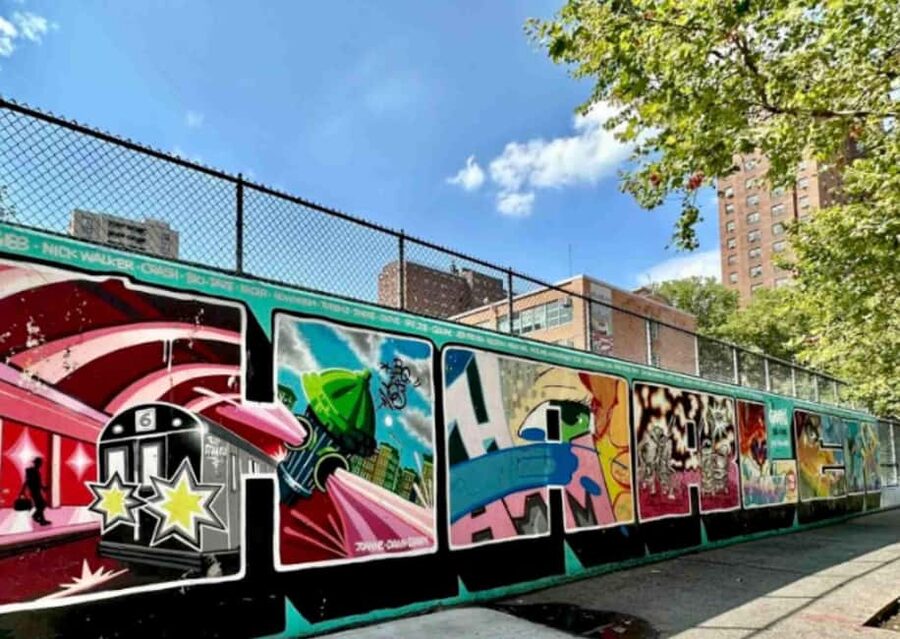
- East Harlem murals and the Graffiti Hall of Fame stop
- Central Harlem and the Apollo Theater: where genres overlap
- The Bronx from Yankee Stadium to South Bronx: artists, shops, and context
- French guide + small group: why the format matters
- Price and value at $79: what you’re really paying for
- What to bring: simple gear for a 3.5-hour walking day
- Who this tour fits best (and who might want another option)
- Should you book this East Harlem & Bronx hip-hop tour?
- FAQ
- Where is the meeting point?
- How long is the tour?
- What languages are available?
- What’s the group size?
- Is food or drinks included?
- Is the subway included?
- What’s included besides the guide?
- Can I cancel for a refund?
Key highlights before you go
- Two neighborhoods in one half day: East Harlem/Central Harlem plus a Bronx finish
- Graffiti Hall of Fame stop: learn the difference between graffiti, street art, and tagging
- Apollo Theater connection: see where African-American music history meets hip-hop
- Subway to the Bronx: a real transit moment, not just a bus ride
- Small group up to 10: you’re not lost in a crowd
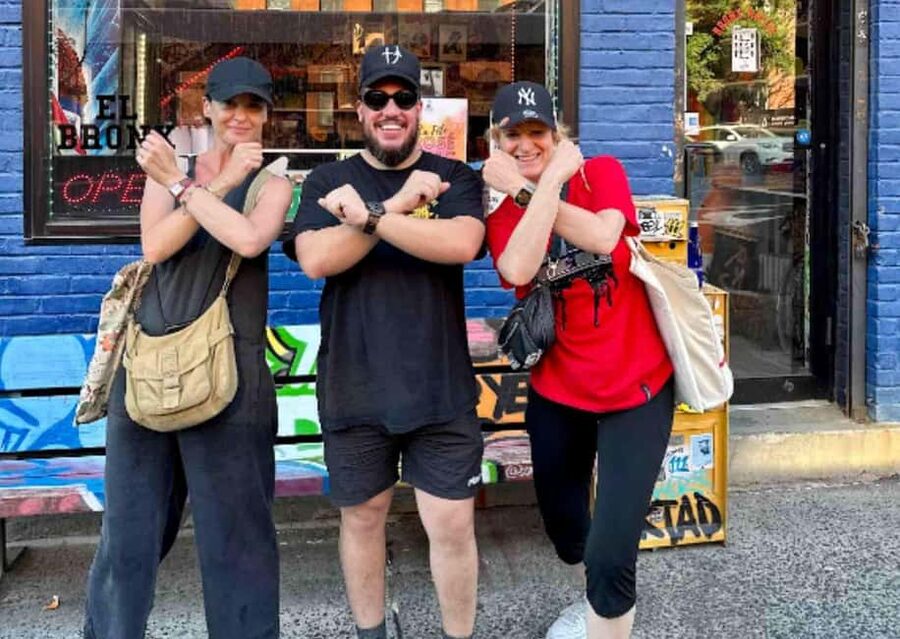
- Email group photos + local address list: useful take-home value
More of Harlem, from gospel to soul food
- NYC Highlights Tour: Bronx, Brooklyn, Harlem, Queens & Coney
★ 4.5 · 2,846 reviews - NYC: Contrasts Tour of Harlem, The Bronx, Queens & Brooklyn
★ 4.5 · 2,167 reviews - NYC: Harlem Hallelujah! Gospel Wednesday Concert
★ 4.7 · 1,638 reviews - New York City: Harlem Gospel Live Music Concert
★ 4.7 · 1,479 reviews
East Harlem to the Bronx on foot: a hip-hop story you can navigate
This tour is built like a mixtape: one neighborhood leads to the next, and the music theme ties it all together. You’re not just looking at famous names—you’re learning how hip-hop culture grew across blocks, walls, and music stages. And because it’s a small group, the guide can slow down when a question matters to the moment.
The pacing also makes sense for a half-day. You get a structured route with clear stops, plus that key “move forward” energy when the group takes the subway toward the Bronx. If you’re the type of visitor who likes to understand what you’re seeing, you’ll get more out of the walk than someone who just wants a photo.
The big practical point: you’re walking through real neighborhoods. Bring comfortable shoes, and plan for city weather—because the best parts happen outside.
Museum of the City of New York: the “musical note” start
You meet in front of the Museum of the City of New York, on the east side of Central Park at 103rd Street. This is a smart way to begin because the museum setting signals that you’re heading into history and culture, not just a street photo session.
The tour is designed to start with a little tune. That small detail matters more than it sounds: it sets rhythm right away, and it helps you pay attention as the guide connects music culture to the neighborhoods you’re about to walk through. Expect the guide to frame New York’s evolution first, using the museum’s context as your starting point.
In practical terms, this first stop also gives you a chance to regroup. You’ll be in a landmark meeting spot, with an easy way to orient yourself before heading into tighter streets and wall-to-wall artwork.
East Harlem murals and the Graffiti Hall of Fame stop
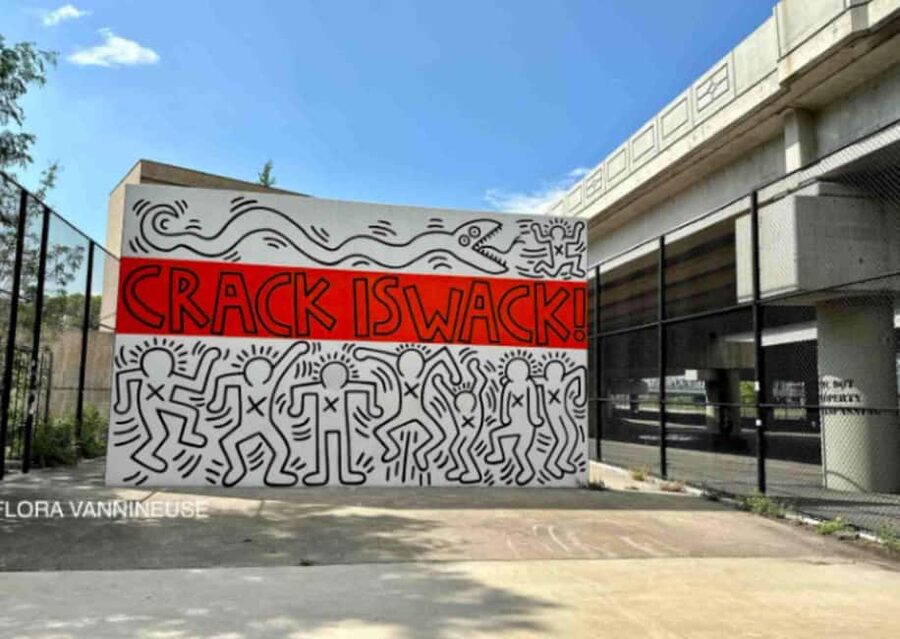
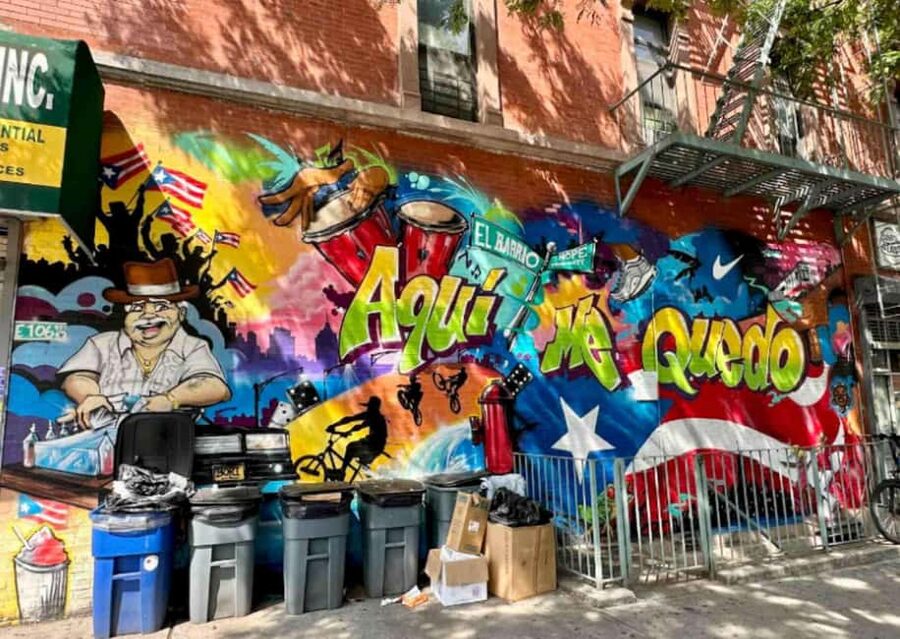
From the museum, you head north into East Harlem, where the focus turns to colorful murals and graffiti tied to social movements and creative expression. This is the part where the tour becomes visual and political at the same time—because hip-hop didn’t grow in a vacuum. It grew through voices, neighborhoods, and the tension between being noticed and being judged.
A key stop here is the Graffiti Hall of Fame. The guide covers the difference between graffiti, street art, and tagging, which is more useful than it first sounds. If you’ve ever looked at a wall and wondered why one mark feels “art” and another feels “vandalism,” this section gives you the vocabulary and context to see the nuance.
You’ll also hear how people can view these forms differently—sometimes as damage, sometimes as artistic expression. That’s exactly the kind of contrast that makes a neighborhood walk feel real, because it’s about meaning, not just style.
If you care about authenticity, this is also where the “local lens” matters. The tour explains the lives and works of artists who left a mark on the hip-hop scene. You may not catch every name everywhere, but you’ll come away with a clearer idea of how artists build legacies block by block.
Uptown and out: more of the Bronx


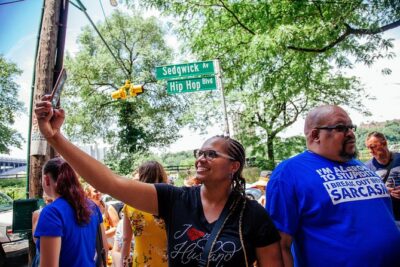

Central Harlem and the Apollo Theater: where genres overlap
Next you move into Central Harlem, a place closely tied to major music breakthroughs. The guide points out how this area produced musicians and artists, and then the walk lands you at the famous Apollo Theater.
The Apollo is described as the cradle of African-American music, and that framing matters for how hip-hop fits in. The tour doesn’t treat hip-hop like a separate universe. It shows how hip-hop belongs in a bigger story of sound, performance, and community stages.
Standing in front of a landmark like the Apollo Theater changes how you listen. Even if you’re not a theater buff, you get the sense of scale—how a stage can shape careers and bring people into the same room. The guide connects that energy to hip-hop’s place among other musical genres, which helps the story feel less like a timeline and more like a family tree.
Then comes a transition: you’ll walk through Harlem streets and take the subway to the Bronx. I like this moment because it’s practical. You’re not pretending neighborhoods are connected by imagination only—you’re using the city’s transit to move between them.
The Bronx from Yankee Stadium to South Bronx: artists, shops, and context
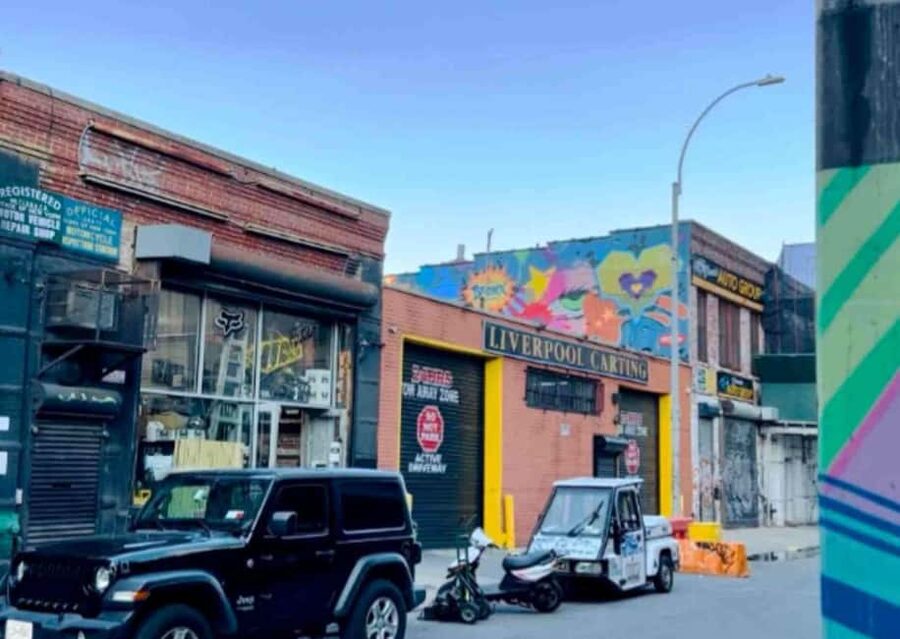
In the final stretch, you start at the base of Yankee Stadium and head toward the South Bronx. This isn’t just a geography shift; it’s a change in tone, and the guide talks through the area’s tumultuous history.
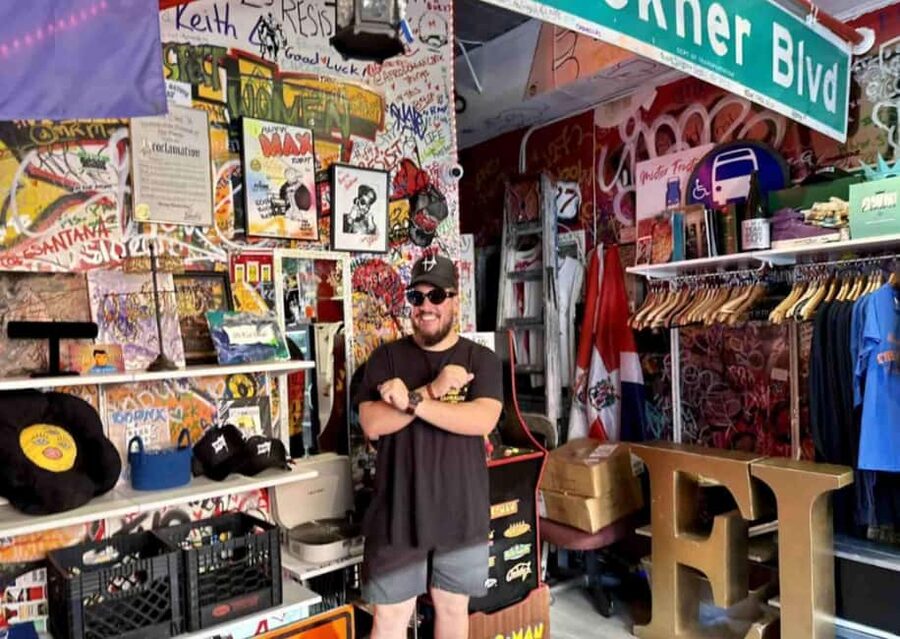
A good tour makes history feel connected to present-day culture. Here, that connection shows up through the stop at local talent and hip-hop clothing stores. You’ll get a chance to meet artists (or at least see the kinds of creatives and spaces the neighborhood supports) and look at authentic gear.
There’s also a specific shopping angle: the route includes hip-hop clothing shops and mentions places that are 100% made in The Bronx. You don’t have to buy anything, but it’s a useful clue. This is how you can spot whether a store is selling a costume or representing local makers.
If you’re curious about how hip-hop culture lives beyond music—through fashion, art, and community—this ending section delivers. It also gives you something to do on your own afterward: once you’ve seen the type of stores and local creative energy, you’ll know what to look for when you wander.
French guide + small group: why the format matters
This is a French guided tour led by a local guide, and it runs with a group capped at 10 people. For a tour like this, that small-group size isn’t a luxury—it’s the difference between listening and losing the thread.
With fewer people, the guide can adjust the pace. They can also explain complicated ideas—like the fine line between tagging, street art, and graffiti—without turning it into a lecture that nobody can ask questions about.
You’ll also get group photos sent by email. I like that because it solves a common problem on street tours: you’re busy looking up at walls or down at the route, and your travel photos end up all selfies. With a group photo, you get at least one clean shot that captures the day without you chasing perfect timing.
Finally, the tour includes a list of the best addresses in each neighborhood. That’s practical value for the day after. It’s the difference between a cool experience and a trip that keeps paying you back once you’re done.
Price and value at $79: what you’re really paying for
At $79 per person for about 210 minutes, you’re paying for three things: a guided route across two areas, specialist explanation of hip-hop culture, and the logistical reality of getting to the Bronx with the group.
The guided part matters because the information isn’t generic sightseeing. The tour is built around meaning—street art categories, social movements, music history at the Apollo, and local Bronx culture through creative spaces and shops. If you only wanted locations, you could do it on your own. But if you want context, the guide earns the cost.
You should also budget for what’s not included. Food and drinks are available for purchase, but they aren’t provided. That’s normal for this kind of walking tour, but it does affect your planning: I suggest you eat beforehand or bring a light snack if you tend to get hungry while walking.
Also, the subway ticket isn’t included. You need a valid Metrocard, or you can purchase one at the station. That’s small, but it’s worth handling early so the group doesn’t spend time stuck at the payment stage.
Overall, the price makes sense if you value interpretation and want a half-day plan that connects East Harlem to the Bronx with less guesswork.
What to bring: simple gear for a 3.5-hour walking day
This tour is heavy on movement, and the highlight stops are mostly outdoors. I’d pack it like a practical city day.
Bring:
- Comfortable walking shoes (you’ll be on your feet for hours)
- A working Metrocard (or plan to get one at the station)
- Weather-appropriate layers (you’ll be outside for murals and street views)
- A phone with enough battery for photos and directions (you’ll want it)
You’re going to see street art and hip-hop-related culture. That usually means more photos than you planned. So if you’re the type who likes to take your time at walls and store windows, you’ll be glad you brought comfortable shoes.
Who this tour fits best (and who might want another option)
This tour fits you if:
- you want music and neighborhood history connected
- you’re interested in street art meaning, not just pictures
- you like small groups and a guide who can explain details
- you’re happy to use the subway as part of the experience
It might be less ideal if:
- you don’t want to use public transit during a tour
- you prefer a purely indoor experience
- you expect zero walking or no time in outdoor neighborhoods
Think of it as a culture walk with beats. It’s not an art museum day, and it’s not a nightclub. It’s a structured way to understand how hip-hop culture shows up in places you can actually walk through.
Should you book this East Harlem & Bronx hip-hop tour?
I’d book it if you’re excited by the idea of tracing hip-hop culture across neighborhoods—through murals, the Apollo Theater’s music lineage, and then the Bronx through local artists and clothing shops. The small group size, the French guide, and the way the tour explains the difference between graffiti styles and how people interpret them all help you see more than you could on your own.
You should skip or compare alternatives if you hate subway rides or you’re very sensitive to walking time. But if you’re ready for about 3.5 hours of guided street culture with practical take-home value (photo email + address list), it’s a strong half-day plan.
If your goal is to leave New York with more than just photos—if you want context you can use next time you see a wall, a stage, or a store in the Bronx—this one delivers.
FAQ
Where is the meeting point?
You meet in front of the Museum of the City of New York.
How long is the tour?
The tour lasts 210 minutes.
What languages are available?
The tour is guided in French.
What’s the group size?
It’s a small group limited to up to 10 participants.
Is food or drinks included?
No. Food and drinks are available for purchase.
Is the subway included?
No. The subway ticket is not included. You’ll need a valid Metrocard or you can purchase one at the station.
What’s included besides the guide?
You get a guided walking tour, a local French guide, group photos sent by email, and a list of the best addresses in each neighborhood.
Can I cancel for a refund?
Yes. Free cancellation is available up to 24 hours in advance for a full refund.
More Tour Reviews in New York City
- NYC: SUMMIT One Vanderbilt Tickets★ 4.7 · 51,195 reviews
- NYC: Empire State Building Tickets – Observatory & Museum★ 4.7 · 25,757 reviews
- New York City: Statue of Liberty & Ellis Island with Ferry★ 4.6 · 18,683 reviews
- New York City: American Museum of Natural History Ticket★ 4.5 · 15,447 reviews
- Statue of Liberty and Ellis Island Tour: All Options★ 5.0 · 13,571 reviews
The Bronx, Beyond the Zoo
- NYC Bus Tour of Brooklyn, Bronx, Queens: Art, Food & Sports★ 5.0 · 3,805 reviews
- NYC Highlights Tour: Bronx, Brooklyn, Harlem, Queens & Coney★ 4.5 · 2,846 reviews
- NYC: Contrasts Tour of Harlem, The Bronx, Queens & Brooklyn★ 4.5 · 2,167 reviews
- From Manhattan: Bronx, Queens and Brooklyn Half-Day Tour★ 4.3 · 1,321 reviews
- NYC: Contrasts of Bronx, Queens, Brooklyn, & Manhattan Tour★ 4.7 · 1,110 reviews
Uptown Sundays: More of Harlem
- NYC Highlights Tour: Bronx, Brooklyn, Harlem, Queens & Coney★ 4.5 · 2,846 reviews
- NYC: Contrasts Tour of Harlem, The Bronx, Queens & Brooklyn★ 4.5 · 2,167 reviews
- NYC: Harlem Hallelujah! Gospel Wednesday Concert★ 4.7 · 1,638 reviews
- New York City: Harlem Gospel Live Music Concert★ 4.7 · 1,479 reviews
- Harlem Sunday Morning Gospel Tour★ 4.0 · 995 reviews
Just in: the newest New York City reviews on our desk





Harlem Tours, compared.
 ★ 4.5NYC Highlights Tour: Bronx, Brooklyn, Harlem, Queens & ConeyFrom $462,846 reviews
 ★ 4.5Contrasts Tour of Harlem, The Bronx, Queens & BrooklynFrom $392,167 reviews
 ★ 4.7Harlem Hallelujah! Gospel Wednesday ConcertFrom $251,638 reviews
 ★ 4.7Harlem Gospel Live Music ConcertFrom $281,479 reviews
 ★ 4.0Harlem Sunday Morning Gospel TourFrom $85995 reviews
 ★ 4.04-hour Harlem Gospel Tour in New York CityFrom $79935 reviews
 ★ 3.9Harlem: Central Harlem Sunday Gospel with LocalsFrom $25499 reviews
 ★ 4.3Sunday Harlem Gospel Guided TourFrom $89438 reviews
Browse the lists this tour appears in