
Reviewed · GUIDED
NYC | French guided tour Southern Manhattan
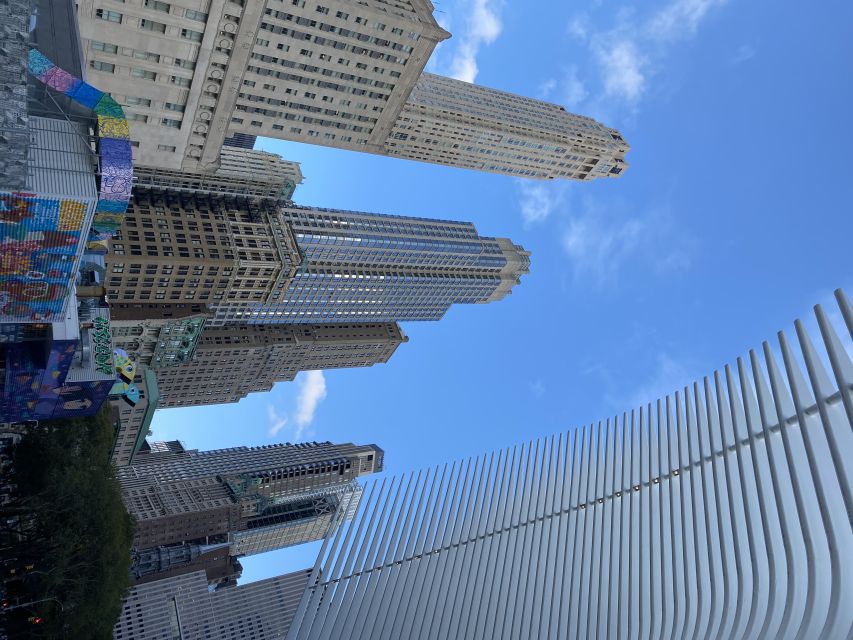
Lower Manhattan feels like three cities at once: old streets, big money, and major comebacks. This French-guided walking tour strings it together with historic context and off-the-main-route stops that you’d likely miss on your own.
What I like most is the way you get real neighborhood orientation fast, starting on Stone Street and moving through the Woolworth Building and the Civic Center area. I also like the tour’s story of reinvention, from early European immigration to the financial district’s power, and then to the rebuilds after major shocks.
One thing to think about: this is an outdoors walking experience in rain or shine, so your comfort will depend on good shoes and weather-appropriate clothes for a solid 3.5 hours.
In This Review
- Key highlights at a glance
- Southern Manhattan on Foot: what makes this French tour work
- Where the tour meets and how to start smoothly at 787 Coffee
- Stone Street, Woolworth, and the Civic Center: the neighborhood’s foundation
- Wall Street “trader” storytelling: reading the financial district without getting lost
- South Street Seaport to Brookfield Place: recovery along the East River and Hudson
- World Trade Center area: remembrance and renewal around the memorial zone
- Off-the-route guidance and small-group energy (and why it shows up in reviews)
- Photos by email and the neighborhood address list: the small extras that add value
- Price and real value: is $79 worth it?
- Timing, weather, and what to wear for a 3.5-hour walk
- Who this tour suits best (and who might skip it)
- Should you book this Southern Manhattan French walking tour?
- FAQ
- How long is the NYC Southern Manhattan French guided tour?
- What is the group size?
- What language is the guide?
- Where do we meet?
- Is food included?
- Does the tour run in bad weather?
- Is gratuity included in the price?
Key highlights at a glance
- Small group (up to 10) for a more human pace and better chances to ask questions
- French live guide telling the neighborhood’s story step by step
- Stone Street plus major landmarks like the Woolworth Building and Civic Center areas
- Wall Street “trader” storytelling that makes the financial district easier to read
- Riverfront recovery route linking South Street Seaport to Brookfield Place after Hurricane Sandy
- World Trade Center area focus on remembrance and renewal around the 9/11 memorial zone
More days made simple with a guide
- New York in One Day Guided Sightseeing Tour
★ 5.0 · 13,166 reviews - Central Park Pedicab Guided Tours
★ 5.0 · 7,108 reviews - From NYC: Guided Day Trip to Washington DC by Van or Bus
★ 4.7 · 3,418 reviews - NYC: Statue of Liberty and Ellis Island Guided Tour
★ 4.6 · 2,765 reviews
Southern Manhattan on Foot: what makes this French tour work
Southern Manhattan can be a visual overload. You look up at towers, glance at street signs, and still wonder what you’re really seeing. This tour helps you decode the city: it explains how this area grew from early European arrivals into the center of global finance, then how it kept reshaping itself after setbacks.
The vibe is part history lesson, part walking orientation. You’ll spend a couple of hours learning why certain blocks matter, not just what they look like. And the off-the-route approach is the difference between collecting photos and understanding the place.
You’re also not getting stuck in a bus line or waiting for long transitions. It’s all walking, so you’ll feel the neighborhood change under your feet—from older street grids to the financial-district streetscape and the rebuilt riverfront zones.
Where the tour meets and how to start smoothly at 787 Coffee
You’ll meet in front of the café 787 Coffee. It’s a simple, clear start point, and that matters because Lower Manhattan is full of cross streets that can confuse you if you arrive flustered.
Bring what you need for a walking tour: comfortable shoes first, then weather-appropriate clothing. This one runs rain or shine, so you’ll want to dress for the actual conditions, not the forecast optimism.
Because it’s capped at 10 participants, you’re not fighting for space at the beginning. That small-group setup also makes it easier for the guide to keep the pace readable and the route coherent.
Stone Street, Woolworth, and the Civic Center: the neighborhood’s foundation
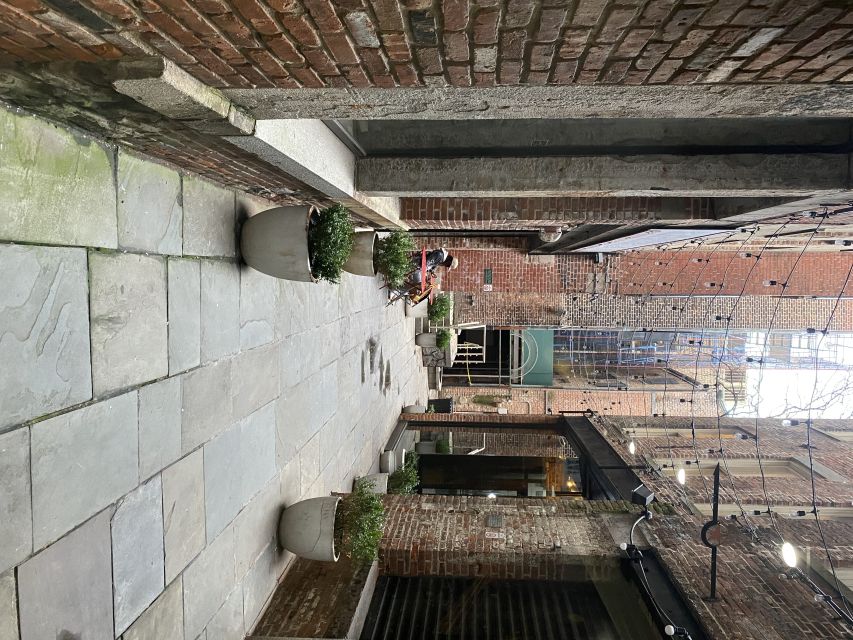
The route begins with New York’s oldest street, Stone Street. Even before you reach the biggest buildings, this is a key “before the skyline” moment. Stone Street is one of those places that immediately tells you the city has layers, not just height.
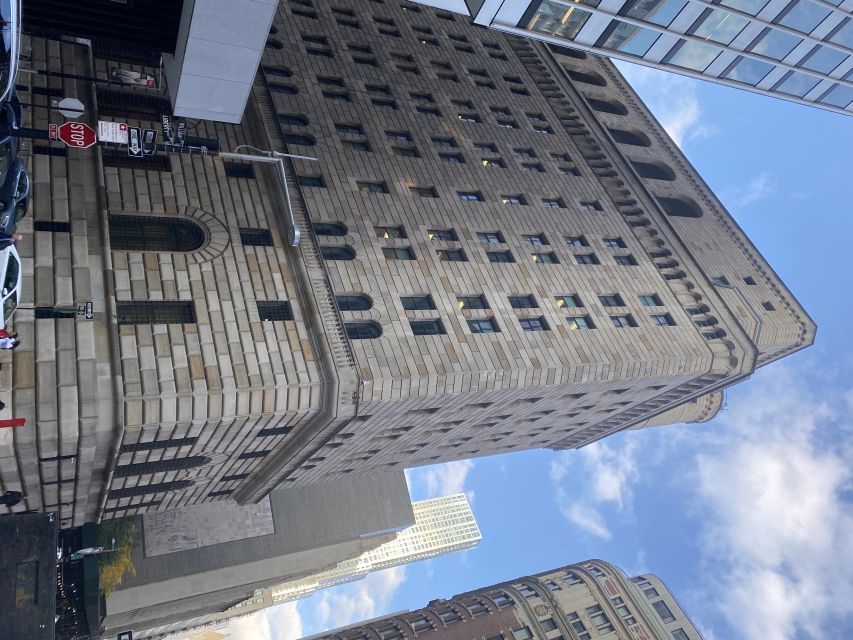
From there, you’ll admire early skyscrapers and landmark civic architecture, including the Woolworth Building and the Civic Center (Court and City Hall) area. This is where the tour gives you more than sightseeing. It helps you connect form to function: why these buildings showed ambition, power, and confidence at the time, and how the area’s role grew with the city.
Then you continue walking along streets with the feel of older New York—blocks that help you picture what came before the modern business district. If you like urban history that’s grounded in real streets and real buildings, this opening is a strong start.
Possible drawback here: the early portion is dense with “what to look at.” If you’re the type who prefers slower stops, you may want to mentally switch from photo-mode to observation-mode right away.



Wall Street “trader” storytelling: reading the financial district without getting lost
Next comes the heart of global finance: Wall Street. The tour doesn’t ask you to memorize names like a textbook. Instead, it’s framed as a guided walk where you pretend you’re a trader for a few hours, learning how the area operates and why it became the magnetic center for money.
As you move through the financial district, you’ll be surrounded by the kinds of buildings that signal prestige and power: investment banks and the New York Stock Exchange area. The guide’s job is to turn those surroundings into a story you can follow.
Here’s what makes this section valuable for your day: Wall Street looks obvious if you’re just passing through. But with context, you’ll notice the subtle cues—the clustering of institutions, the street-level design choices, and the way the neighborhood is laid out for business flow.
Also, if you’ve ever found Wall Street “interesting but confusing,” this is the kind of tour approach that helps you get your bearings fast.
South Street Seaport to Brookfield Place: recovery along the East River and Hudson
One of the tour’s smartest choices is linking the financial district story to the riverfront recovery story. After Hurricane Sandy (October 2012), New York’s river banks along the East River were refurbished, including the South Street Seaport area. Then the tour continues west along the Hudson River, with redevelopment and refreshed public spaces at Brookfield Place.
This part matters because it shows how a major event can reshape the public face of a city. Instead of treating the rebuild as a footnote, the tour treats it like a turning point. You’ll walk through areas where the city’s priorities changed: safety, access, public space, and resilience.
What I like about this section is that it gives you a different lens on Lower Manhattan. You’re not only seeing the money side or the memorial side. You’re seeing the practical city side: how waterfronts, public gathering areas, and pedestrian-friendly spaces come back after disruption.
If you plan to spend more time on your own after the tour, this is also the segment that points you toward what to revisit later.
World Trade Center area: remembrance and renewal around the memorial zone
Then the tour heads into the World Trade Center area, shaped by what happened after the September 11 attacks. The focus here is both remembrance and renewal, built into the new developments around the 9/11 memorial site.
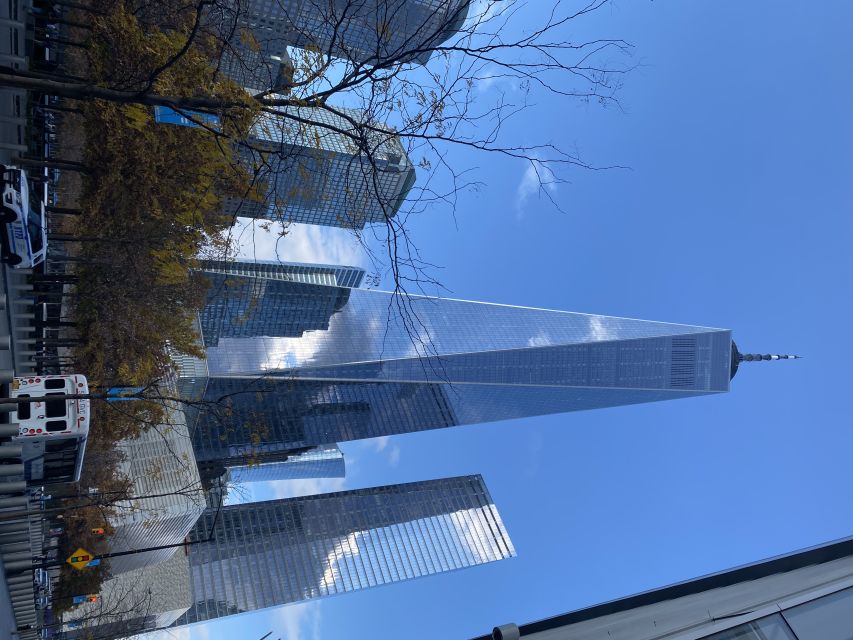
You’ll see key points and major sites in the area, including One World Trade Center and the Oculus, plus Saint Paul’s Chapel among other stops in the memorial zone area. The guide’s storytelling approach helps you understand why these places feel different from a regular sightseeing loop.
This section can land harder than you expect, and that’s a good thing. The tour doesn’t try to rush past meaning for the sake of speed. Instead, it helps you connect the physical redesign to the human and civic purpose underneath it.
Practical note: because this is a sensitive area with heavy foot traffic, your best move is to follow the guide’s timing and instructions closely. Keep an eye on where the group is headed so you don’t lose the flow.
Off-the-route guidance and small-group energy (and why it shows up in reviews)
The tour’s “off the beaten path” promise isn’t just marketing fluff. In practice, it comes through in the way the guide directs you to the lesser-obvious spots along the route, the places that feel like shortcuts into local understanding rather than just landmarks.
A French-led walk stays useful when the guide can explain what you’re looking at in plain, human terms. Several groups highlighted how the guide made them move away from standard routes. One reviewer specifically mentioned a guide named Samuel for steering people beyond the usual paths, and another noted the professionalism and licensing of the guide. That combination matters: you want someone who knows the city and can keep it engaging without turning it into a lecture.
With groups limited to 10 people, you’re also less likely to get stuck behind a crowd or lose your place mid-explanation. Smaller groups tend to feel easier to navigate, especially in dense neighborhoods like Lower Manhattan.
Photos by email and the neighborhood address list: the small extras that add value
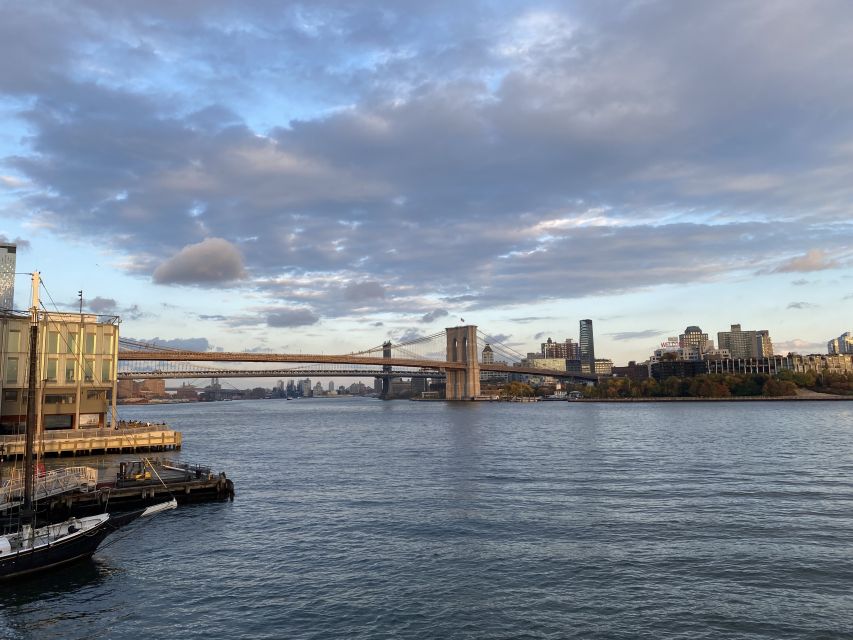
This isn’t just a walk and done. You’ll get group photos sent by email, which sounds minor until you realize how hard it can be to get good shots during a busy city loop. It’s a nice backstop if you’re traveling without someone who can reliably take photos.
You also receive a list of the best addresses in each neighborhood. That’s the sort of practical takeaway that helps the tour pay off after it ends. If you’re the kind of traveler who likes to follow a guide’s instincts for where to go next, this list makes it easier to turn one guided afternoon into a whole-day plan.
No food is included, but you do get direction that can help you choose where to eat nearby rather than guessing from the closest tourist option.
Price and real value: is $79 worth it?
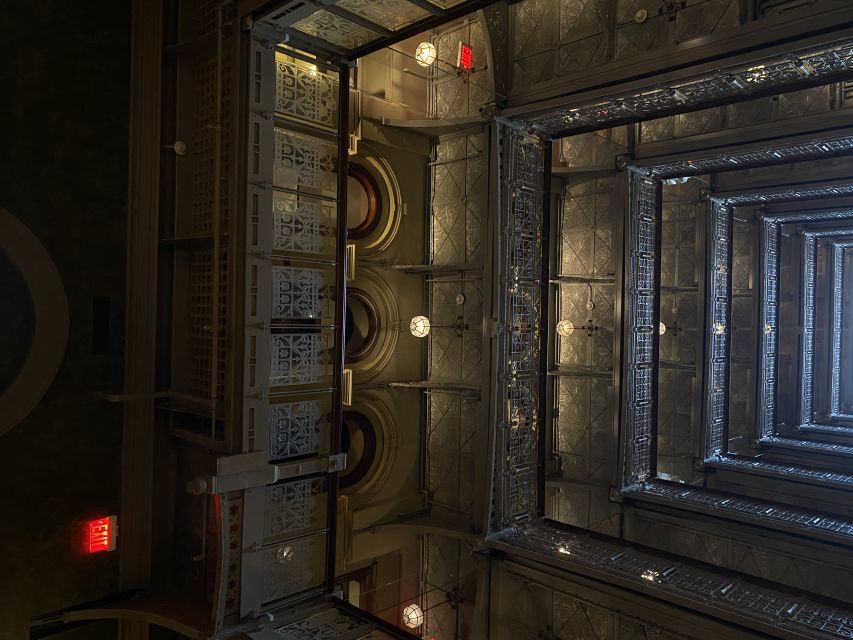
At $79 per person for 210 minutes (about 3.5 hours), the price makes sense when you match it to what you’re getting.
You’re paying for:
- a live local guide in French
- a small group (up to 10), which affects pacing and attention
- a multi-part route that links multiple major areas in Lower Manhattan
- practical extras like group photos and a best-address list
The main thing not included is food and drinks. That means the tour cost stays focused on guiding time rather than bundling meals. For many travelers, that’s a good deal because it gives you control over where and what you eat.
Another practical point: gratuity is not included, and the suggested gratuity is $5 to $10 per person. If you want full value, budget for that so you’re not surprised later.
Overall, I’d call this a solid value if you want narrative context and route guidance more than you want free time. If you already know Lower Manhattan well, you might prefer a self-guided plan. But if you want the “why this neighborhood matters” explanation, $79 for 3.5 hours with a small-group guide is fair.
Timing, weather, and what to wear for a 3.5-hour walk
This tour runs on foot for 210 minutes, rain or shine. That means clothing and footwear matter more than usual. Wear shoes that don’t hate you by the two-hour mark.
Think about layers. Lower Manhattan wind off the waterfront can change how you feel compared to inland streets. If you tend to feel cold quickly, bring something light that you can keep on hand.
You’re also walking through areas with lots of people, especially around the financial district and memorial zone. Give yourself a little buffer before the meeting time so you can start calmly.
If you need it, the tour includes a wheelchair-adapted circuit and is described as wheelchair accessible. So it’s designed with an adapted route in mind rather than assuming everyone can do every step without variation.
Who this tour suits best (and who might skip it)
This Southern Manhattan French tour is a great fit if you:
- want a guided way to understand how Lower Manhattan evolved
- like walking tours that connect landmarks to larger events
- prefer small groups and guided pacing over crowds
- enjoy history that’s tied to physical streets, buildings, and rebuilds
It may be less ideal if you:
- dislike long outdoor walking in mixed weather
- want lots of free time for independent wandering during the tour
- already have a strong grasp of Wall Street and the memorial area and you mainly want pictures
If you’re visiting for the first time and want one organized afternoon that sets the stage for the rest of your trip, this is the kind of plan that helps you stop seeing the city as disconnected dots.
Should you book this Southern Manhattan French walking tour?
I’d book it if you want help reading Lower Manhattan instead of just ticking off sights. The mix is smart: foundational streets like Stone Street, the Wall Street money story, the waterfront recovery route after Hurricane Sandy, and then the World Trade Center remembrance-and-renewal focus.
The strongest reason to choose it is practical: the tour is structured for understanding. You also get extras like email photos and a neighborhood address list, which can make your next hours in the area more enjoyable.
If you only want a fast highlights loop, this might feel like more talking than you need. But if you like your sightseeing with context, and you’re happy with a 3.5-hour rain-or-shine walk, this one is a worthwhile use of your time.
FAQ
How long is the NYC Southern Manhattan French guided tour?
The tour lasts 210 minutes (about 3.5 hours).
What is the group size?
It’s a small group limited to up to 10 participants.
What language is the guide?
The live guide conducts the tour in French.
Where do we meet?
You meet in front of the café 787 Coffee.
Is food included?
No. Food and drinks are not included, though you can purchase them separately.
Does the tour run in bad weather?
Yes. The tour takes place rain or shine.
Is gratuity included in the price?
No. Gratuity is not included. The suggested gratuity is between $5 and $10 per person.
Let a Guide Handle It
- New York in One Day Guided Sightseeing Tour★ 5.0 · 13,166 reviews
- Central Park Pedicab Guided Tours★ 5.0 · 7,108 reviews
- From NYC: Guided Day Trip to Washington DC by Van or Bus★ 4.7 · 3,418 reviews
- NYC: Statue of Liberty and Ellis Island Guided Tour★ 4.6 · 2,765 reviews
- Original NYC Guided Food Tour of Chinatown and Little Italy★ 5.0 · 2,194 reviews
More Tours in New York City
- Statue of Liberty and Ellis Island Tour: All Options★ 5.0 · 13,571 reviews
- New York in One Day Guided Sightseeing Tour★ 5.0 · 13,166 reviews
- Central Park Pedicab Guided Tours★ 5.0 · 7,108 reviews
- New York City: Manhattan Helicopter Tour★ 4.7 · 7,076 reviews
- Private Central Park Pedicab Tour★ 5.0 · 6,981 reviews
More Tour Reviews in New York City
- NYC: SUMMIT One Vanderbilt Tickets★ 4.7 · 51,195 reviews
- NYC: Empire State Building Tickets – Observatory & Museum★ 4.7 · 25,757 reviews
- New York City: Statue of Liberty & Ellis Island with Ferry★ 4.6 · 18,683 reviews
- New York City: American Museum of Natural History Ticket★ 4.5 · 15,447 reviews
- Statue of Liberty and Ellis Island Tour: All Options★ 5.0 · 13,571 reviews
Just in: the newest New York City reviews on our desk





Guided, compared.
 ★ 5.0New York in One Day Guided Sightseeing TourFrom $9913,166 reviews
 ★ 5.0Central Park Pedicab Guided ToursFrom $387,108 reviews
 ★ 4.7From NYC: Guided Day Trip to Washington DC by Van or BusFrom $1043,418 reviews
 ★ 4.6Statue of Liberty and Ellis Island Guided TourFrom $592,765 reviews
 ★ 5.0Original NYC Guided Food Tour of Chinatown and Little ItalyFrom $1302,194 reviews
 ★ 4.5Statue of Liberty and Ellis Island Guided Tour with FerryFrom $592,189 reviews
 ★ 5.0Washington DC & Philadelphia 1-Day Guided Tour from NYCFrom $1282,109 reviews
 ★ 4.0Gray Line New York Fully Guided 5 Hour Sightseeing TourFrom $1091,119 reviews