
Reviewed · CITY TOURS
Picture The City
Grand Central sets the pace for better photos. This private photography tour mixes big-name NYC landmarks with quieter corners, all tied together by a friendly lesson in how to see and shoot the city. I like that you can pick your start time, then roll out by public transport with a plan that feels personal.
Two things I really like: first, you get a quick camera or cellphone check before you leave Grand Central, so the guide can tailor tips right away. Second, the route leans into places with strong visual character, from the Bloody Angle and Small Pox Hospital to parks and literary landmarks like Gramercy Park and the Morgan Library and Museum. That story-led approach helps your photos feel more meaningful than just nice snapshots.
One drawback to consider: transportation fees aren’t included, and the experience requires good weather. If you’re hoping for a long, free-form wandering day, 2 hours can feel tight, but it’s built for momentum and getting multiple photo types in one go.
In This Review
- Key Highlights You Should Actually Care About
- Grand Central Terminal: A Smart Launchpad for Street Photography
- How the Private Photo Lesson Adapts to Your Gear
- Public Transportation Becomes the Route (and the Photo Subject)
- Iconic NYC Stops, With Photo Coaching Instead of Just Look-At-This Moments
- Bloody Angle and Small Pox Hospital: Turning Corners Into Stories
- Parks, Gardens, and the Morgan Library: Quiet Visual Variety in One Walk
- NYC Subway Old Stations, Murals, and the Graffiti Tunnel
- Broadway, Washington Square, and Flatiron: Using Street Energy Without Getting Lost
- Dusk Workshops and Picking Your Best Start Time
- Price and Value: What $150 Gets You in a 2-Hour Private Photo Walk
- Who Should Book This Photo Adventure (and Who Might Not)
- Should You Book Picture The City?
- FAQ
- How long is the Picture The City tour?
- How much does it cost?
- Where do I meet, and where does the tour end?
- Is this a private tour?
- Can I take photos with a cellphone instead of a camera?
- Are transportation and transit included in the price?
- What if weather is bad or I need to cancel?
Key Highlights You Should Actually Care About
- Private tour feel: only your group, so you’re not rushed or blended into a crowd.
- Pre-walk tech check: the guide reviews your camera or cellphone quickly at the start.
- Iconic NYC, reframed: you’ll cover well-known spots like Brooklyn Bridge and Flatiron, but with photo coaching.
- Off-the-beaten-path stops: Bloody Angle, Small Pox Hospital, Elizabeth St. Garden, Gramercy Park, and more.
- Subway photo focus: old stations, subway murals, and a graffiti tunnel on the route.
- Flexible timing: choose a start time, and dusk workshops are available.
The big picture: more New York City sightseeing
- New York City: Statue of Liberty & Ellis Island with Ferry
★ 4.6 · 18,683 reviews - New York City: American Museum of Natural History Ticket
★ 4.5 · 15,447 reviews - New York City: Manhattan Helicopter Tour
★ 4.7 · 7,076 reviews - Top of the Rock Observation Deck New York City Ticket
★ 4.5 · 4,556 reviews
Grand Central Terminal: A Smart Launchpad for Street Photography
Meeting at Grand Central Terminal is a practical win. It’s easy to get to, and it gives you an instant “NYC bearings” moment before you start shooting. From there, you’ll move around the city using public transportation, which means you’ll spend less time figuring out transit and more time framing photos.
You’ll also get a quick reset before the photo walk begins. The guide checks your camera or cellphone first, which matters because everyone shoots differently. One person needs help with basic stability and composition; another wants tips for low-light or night-style shots. Starting from a transport hub also keeps the pace realistic for a ~2-hour experience.
How the Private Photo Lesson Adapts to Your Gear
This is not just a walk with a camera. The guide teaches techniques to help you make better pictures, and you’ll customize the trip based on what you want to shoot.
That “customize your trip” line sounds nice, but it’s the real value here. If you’re focused on architecture angles, you’ll get prompted to look for lines and perspective. If your strength is street scenes, you’ll learn how to simplify what you see into something photo-ready. If you’re mostly using a cellphone, you’ll still get usable guidance, since cellphones are explicitly allowed.
The vibe stays relaxed, too. The lesson happens as you move, not as a classroom. It’s the kind of structure that stops you from endlessly walking and hoping your photos improve on their own.
Public Transportation Becomes the Route (and the Photo Subject)
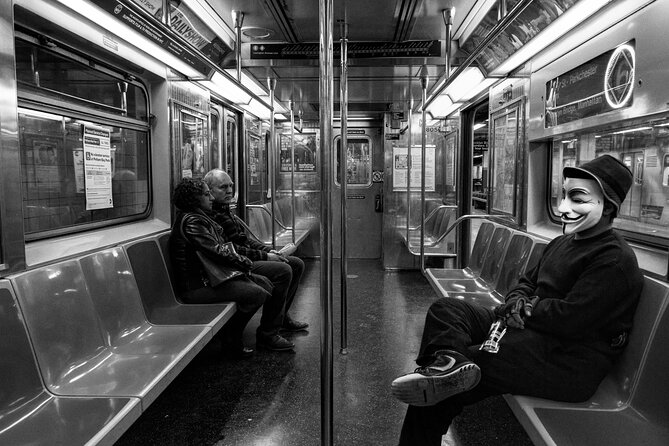
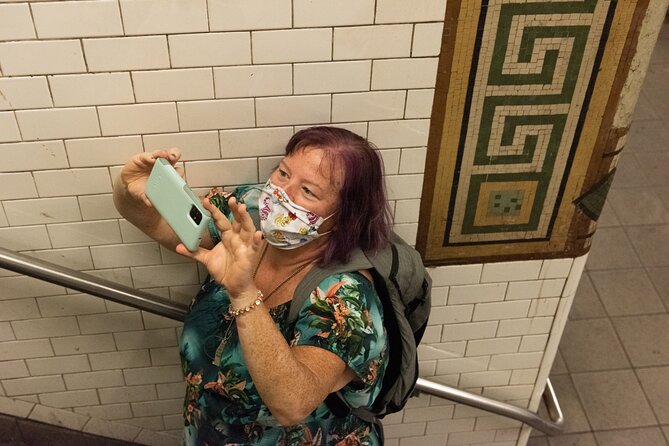
You’ll take public transportation between photo stops, and you’ll do it as part of the adventure—not as a boring connector. That’s where the NYC feel shows up, especially when the tour includes NYC subway old stations and subway murals.
Just plan around the fact that transportation fees are not included. You’ll want to make sure you’re ready to pay for transit so you don’t lose time at the worst moment. Also, bring what you need to feel comfortable moving fast: water, a layer if it’s cool, and shoes that handle lots of walking and stairs.
The payoff is you see more of the city’s “in-between” spaces than most classic photo walks manage. And those are often the scenes with the strongest textures, colors, and geometry for photography.


Iconic NYC Stops, With Photo Coaching Instead of Just Look-At-This Moments
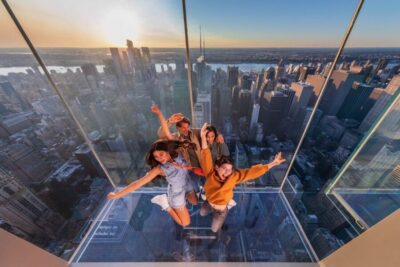
The tour includes major landmarks you already recognize, which is great if you want a best-of New York feel in a short time. Expect stops like Brooklyn Bridge, Grand Central Terminal, the Broadway theater district, Washington Square, Flatiron, and Union Square.
But the point isn’t just checking off photos you’ve seen in Instagram feeds. The guide teaches techniques as you reach each area, so you’re not standing there hoping for the right angle. You’ll get prompts that help you look at the same landmark differently, which is how you end up with images that feel more like yours.
A quick practical tip: iconic places can be busy. The tour’s structure helps because you’re not wandering blindly. You’re shooting with intention, which reduces the time you spend waiting for the perfect moment.
Bloody Angle and Small Pox Hospital: Turning Corners Into Stories
Two of the most praised stops are the Bloody Angle and Small Pox Hospital. These aren’t just “pretty buildings” kind of places on this route. The guide provides context so your pictures don’t feel random.
That storytelling piece is what I find especially useful. Anyone can take a photo at a famous spot. The difference is knowing what you’re trying to capture: the tension of street lines, the mood of a corner, or the way a place shows up at a specific angle. When the guide explains the meaning behind what you’re photographing, it changes how you shoot.
And that creates a real advantage for beginners. If you’re not sure what makes a great photo, the guide gives you a focus. Instead of chasing everything, you learn what to emphasize.
Parks, Gardens, and the Morgan Library: Quiet Visual Variety in One Walk
Not every stop is loud, and that’s a good thing. The route can include Elizabeth St. Garden, Gramercy Park, and the Morgan Library and Museum, which add more variety than a classic skyline-heavy itinerary.
These kinds of places are great for learning how to frame details. Think about composition choices: wider shots that show layout, or tighter angles that highlight texture and design. Even if your main goal is city photos, these pauses help your camera skills grow because you practice seeing beyond the street’s biggest icons.
This is also where the private-tour format really helps. You can spend more time on the elements you care about instead of being swept along on a schedule that doesn’t match your interests.
NYC Subway Old Stations, Murals, and the Graffiti Tunnel
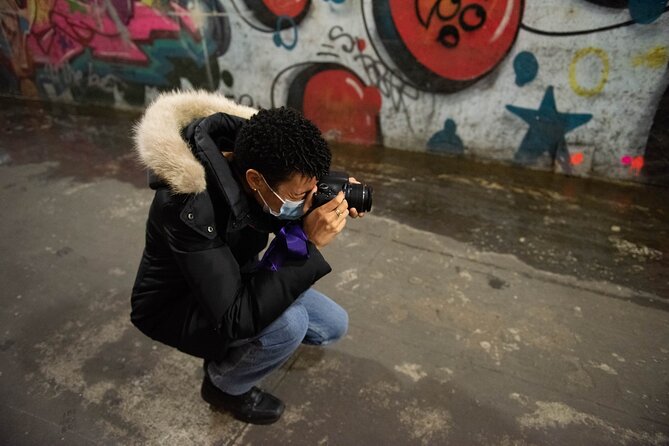
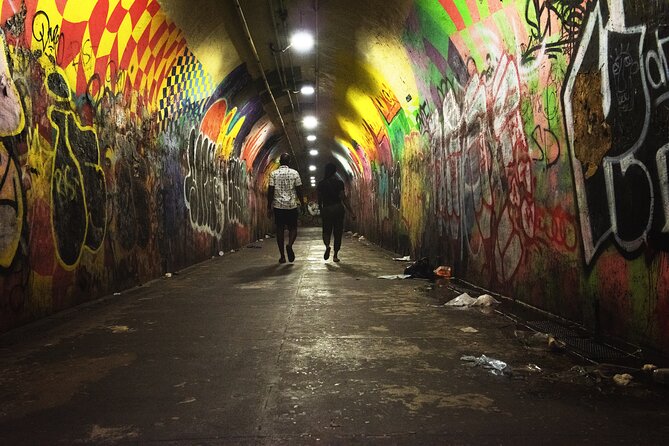
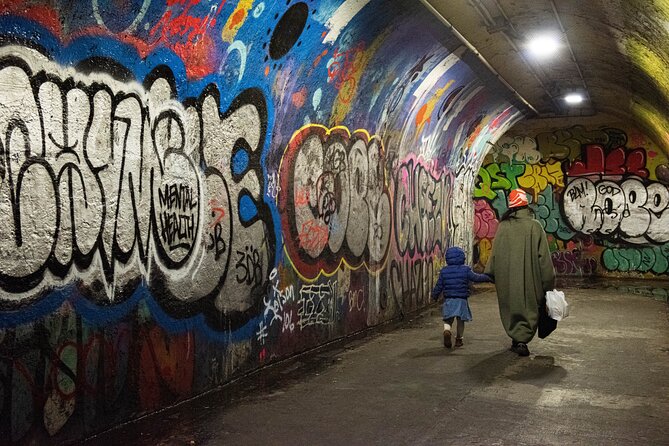
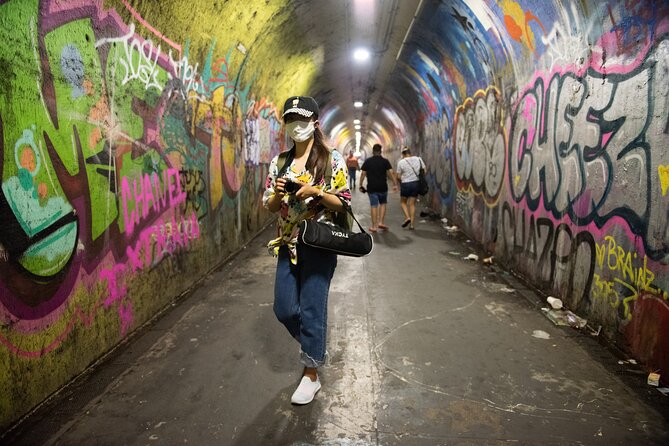
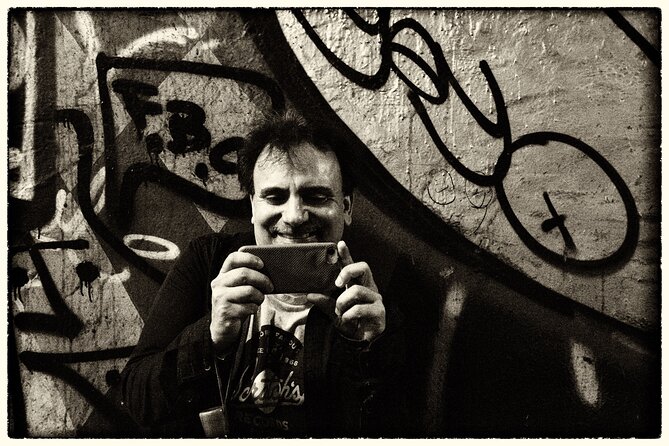
If you’ve ever wanted your photos to look like New York, not just New York landmarks, the subway portion is a big reason to pick this tour. The experience includes NYC subway old stations, NYC subway murals, and a Subway Grafitti Tunnel.
Why this matters: subway scenes are full of strong visual patterns. You’ve got bold surfaces, layered textures, and color that isn’t staged for photos. That gives you real practice in turning a busy environment into something structured through your lens.
Practical note: low-light and crowded spaces can be tricky, especially if you rely on automatic phone settings. This is where the up-front camera or cellphone check pays off. The guide can help you get more consistent results based on what you’re actually using.
Broadway, Washington Square, and Flatiron: Using Street Energy Without Getting Lost
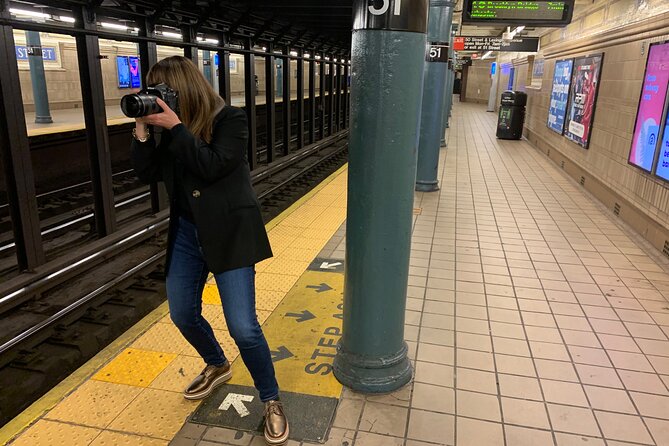
When you’re in areas like the Broadway theater district, Washington Square, and Flatiron, you’re working with a lot of visual input at once. That’s fun, but it can overwhelm your photos if you don’t have a plan.
The coaching aspect keeps you from turning your camera roll into a mix of accidental blurry shots and half-framed scenes. You learn how to narrow down what you’re capturing, so your photos look intentional even when the street is doing a lot.
One more helpful detail: because this is a private tour, you don’t have to stop to wait for a big group to catch up. You keep your momentum, which is a big deal when you’re trying to catch the right light and the right people in motion.
Dusk Workshops and Picking Your Best Start Time
You can choose a start time that fits your day, and workshops at dusk are also available. That matters because NYC lighting changes fast. If you’re hoping to get dramatic night-style city shots, dusk gives you a sweet spot where the city starts to glow without being pitch-black.
If your priority is street-level mood, consider a start time that gives you enough time to cover iconic areas and quieter corners before it gets too dark. If your priority is subway murals and tunnel scenes, dusk can help make those colors feel richer on camera.
Price and Value: What $150 Gets You in a 2-Hour Private Photo Walk
At $150 per person for roughly 2 hours, the price feels fair when you remember what’s included and what isn’t. All fees and taxes are included, which avoids that annoying final surprise.
The main value is the private instruction. You’re paying for a guide who can adapt to your gear, steer you to multiple types of photo locations, and teach techniques while you’re there. If you’re using a cellphone, you still get the same coaching approach, which is a big deal in terms of value.
Two cost points to plan for: transportation fees aren’t included, and you don’t need to bring a separate camera since cellphones are allowed. Still, you should show up with whatever you plan to shoot on, charged and ready.
Also, this is usually booked about 21 days in advance, which suggests it’s a popular way to get a focused photo experience without spending days planning. If you’re visiting soon, it’s smart to reserve earlier.
Who Should Book This Photo Adventure (and Who Might Not)
This experience fits you best if you want more than a sightseeing stroll. You’ll probably enjoy it if you:
- want practical photography tips in a relaxed setting
- like a mix of famous NYC landmarks and less common corners
- prefer a guided plan over guessing where to go and what to shoot next
- want to work with someone who can explain the story behind what you photograph
You might want to look elsewhere if you only want a self-guided route list and zero coaching. Also, because it needs good weather, plan for the possibility of a schedule change if the skies don’t cooperate.
Should You Book Picture The City?
I’d book it if you care about taking home photos that feel like a real New York story, not just a set of random city snaps. The standout strength is the combination of private attention, quick gear check, and photo instruction tied directly to specific NYC locations, including subways with murals and a graffiti tunnel.
If you like the idea of learning while you walk—covering both iconic spots and places most people skip—this tour is strong value for a 2-hour day.
FAQ
How long is the Picture The City tour?
The tour lasts about 2 hours.
How much does it cost?
It costs $150.00 per person.
Where do I meet, and where does the tour end?
You start at Grand Central Terminal, 89 E 42nd St, New York, NY 10017, USA, and the activity ends back at the meeting point.
Is this a private tour?
Yes. It’s a private tour/activity, and only your group participates.
Can I take photos with a cellphone instead of a camera?
Yes. Cameras/photography equipment are not included, and cellphone photography is allowed.
Are transportation and transit included in the price?
Transportation fees are not included. The tour uses public transportation, but you’ll need to handle transit costs separately.
What if weather is bad or I need to cancel?
The experience requires good weather. If it’s canceled due to poor weather, you’ll be offered a different date or a full refund. You can cancel for a full refund up to 24 hours in advance, and within 24 hours there’s no refund.
All of New York City in One Day
- New York City: Statue of Liberty & Ellis Island with Ferry★ 4.6 · 18,683 reviews
- New York City: American Museum of Natural History Ticket★ 4.5 · 15,447 reviews
- New York City: Manhattan Helicopter Tour★ 4.7 · 7,076 reviews
- Top of the Rock Observation Deck New York City Ticket★ 4.5 · 4,556 reviews
- From New York City: Washington and Philadelphia 1-Day Tour★ 4.5 · 2,877 reviews
More Tour Reviews in New York City
- NYC: SUMMIT One Vanderbilt Tickets★ 4.7 · 51,195 reviews
- NYC: Empire State Building Tickets – Observatory & Museum★ 4.7 · 25,757 reviews
- New York City: Statue of Liberty & Ellis Island with Ferry★ 4.6 · 18,683 reviews
- New York City: American Museum of Natural History Ticket★ 4.5 · 15,447 reviews
- Statue of Liberty and Ellis Island Tour: All Options★ 5.0 · 13,571 reviews
Just in: the newest New York City reviews on our desk


City Tours, compared.
 ★ 4.6Statue of Liberty & Ellis Island with FerryFrom $1918,683 reviews
 ★ 4.5American Museum of Natural History TicketFrom $3715,447 reviews
 ★ 4.7Manhattan Helicopter TourFrom $2997,076 reviews
 ★ 4.5Top of the Rock Observation Deck New York City TicketFrom $624,556 reviews
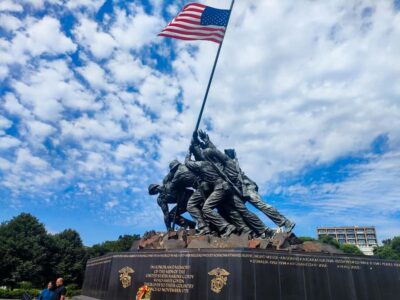 ★ 4.5From New York City: Washington and Philadelphia 1-Day TourFrom $1042,877 reviews
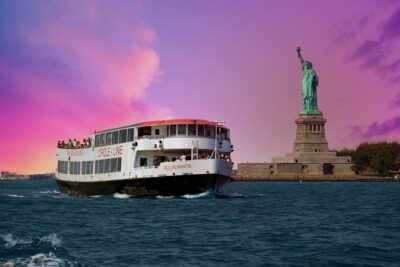 ★ 4.5Circle Line: 2hr – New York City Harbor Lights CruiseFrom $452,859 reviews
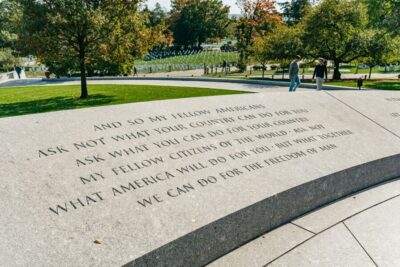 ★ 4.5Full-Day Washington DC City Highlights TourFrom $1492,791 reviews
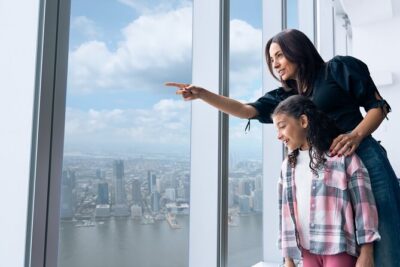 ★ 4.5New York City One World Observatory Admission TicketFrom $302,636 reviews