
Reviewed · PRIVATE
Private Theatre District Tour
Broadway makes more sense on foot. This 2-hour private Theatre District walk from the Majestic Theatre uses an industry professional to turn marquee names into stories you can actually picture.
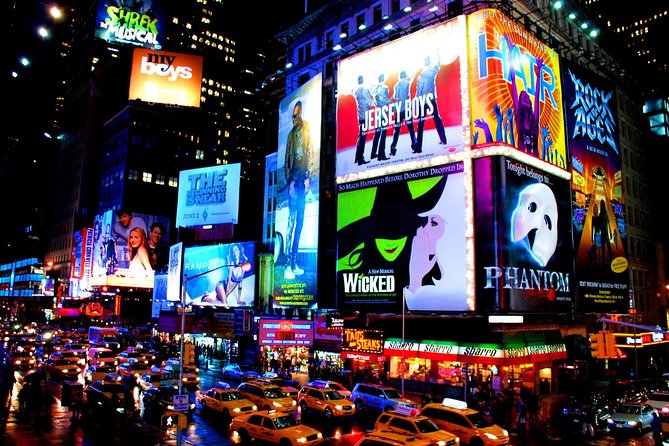
I love the lineup you pass, with Phantom at the Majestic, Hamilton near Richard Rogers, and Wicked at the Gershwin. I also like the stop at Sardi’s, where the guide brings the theater-world vibe into the streets, not just history on a sign.
One possible drawback: expect a decent amount of walking. Backstage and lobby access aren’t guaranteed, so this is a street-level tour even if the stories sometimes feel backstage.
In This Review
- Key highlights that make this tour worth your time
- How a private Theatre District walk actually works
- Majestic Theatre to Sardi’s: the “mecca” feeling, without the museum voice
- 45th Street theatre facades: the Golden Age you can see
- Marriott Marquis area and the Marquis Theatre: where the city keeps changing
- Richard Rogers Theatre and Hamilton: modern fame with historical wiring
- Times Square to Hell’s Kitchen: how the neighborhood story gets told
- Ending at Wicked in the Gershwin Theatre: what to do after the walk
- Price and value: is $80 for 2 hours a fair deal?
- Who should book this tour (and who might skip it)
- Should you book this Private Theatre District Tour?
- FAQ
- How long is the Private Theatre District walking tour?
- Where does the tour start and end?
- What’s the price per person?
- Is this a private tour?
- Is the tour offered in English?
- Do I get into the theaters during the tour?
- How much walking is involved, and what should I wear?
- Can I cancel for a full refund?
Key highlights that make this tour worth your time
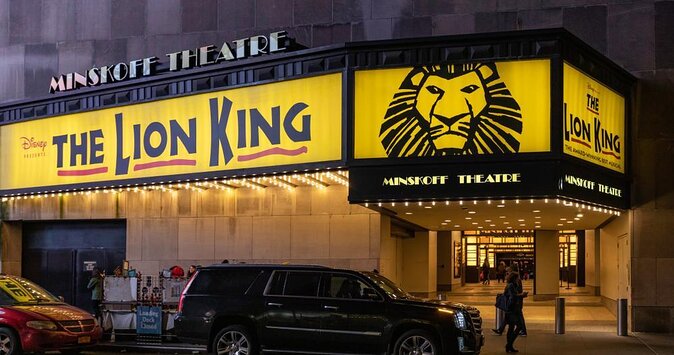
- Starts outside the Majestic Theatre (Phantom of the Opera), so you get grounded fast in Broadway history
- Sardi’s stop for theater-fan lore and the kind of industry chatter most visitors miss
- 45th Street theatre cluster with iconic facades like the Booth, Jacobs, Golden, Imperial, Hirschfeld, and Music Box
- Marriott Marquis area + the Marquis Theatre for context on what used to stand there
- Hamilton at Richard Rogers Theatre to connect the modern phenomenon to the older Broadway machine
- Ends at the Gershwin Theatre (home of Wicked) so you finish right where you can keep exploring
Just your group: more private options
- Private Central Park Pedicab Tour
★ 5.0 · 6,981 reviews - Private Transfer from Manhattan to NYC Airports (JFK/EWR/LGA)
★ 3.5 · 1,683 reviews - New York City: Private Central Park Pedicab Tour
★ 4.9 · 1,637 reviews - Carriage Ride in Central Park (VIP – PRIVATE) Since 1964™
★ 4.0 · 1,074 reviews
How a private Theatre District walk actually works
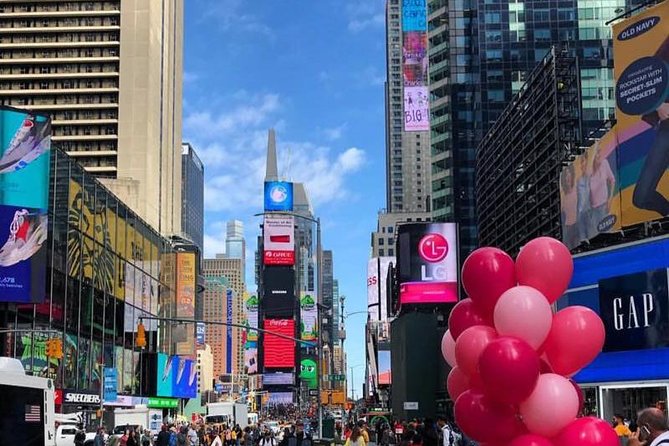
This is a 2-hour private walking tour in Manhattan’s theater zone, built around one simple idea: Broadway history lands better when you’re looking at the buildings. With a private format, you’re not stuck listening to the loudest voice in the group or waiting for someone to catch up. You get a guided flow, moving block to block between show landmarks.
You’ll start outside the Majestic Theatre at 245 W 44th St, then finish at the Gershwin Theatre at 222 W 51st St. That route matters. It’s not random theater spotting; it’s a logical sweep that links eras—big production Broadway, modern cultural smash hits, and the darker-sounding neighborhood story that sits just off the main lights.
The tour runs in English and uses a mobile ticket, which is handy when you’re juggling show tickets, dinner plans, and subway timing. Most important practical note: the schedule is outdoors, and there’s plenty of walking. Good shoes are not optional here, they’re the whole point.
Majestic Theatre to Sardi’s: the “mecca” feeling, without the museum voice
You begin at the Majestic Theatre, where The Phantom of the Opera calls home. That’s a smart choice. Starting there gives you an instant Broadway anchor—one of the most famous names on the street—so the guide can connect the building you’re staring at with the kinds of shows that made the district famous in the first place.
From there, you move down the street toward other well-known venues, and the guide sets the tone with stories about what opened where and why. I like this approach because it turns your eyes from “pretty facades” into “working theatrical machinery.” The same block that looks like tourist photos starts to feel like an industry timeline.
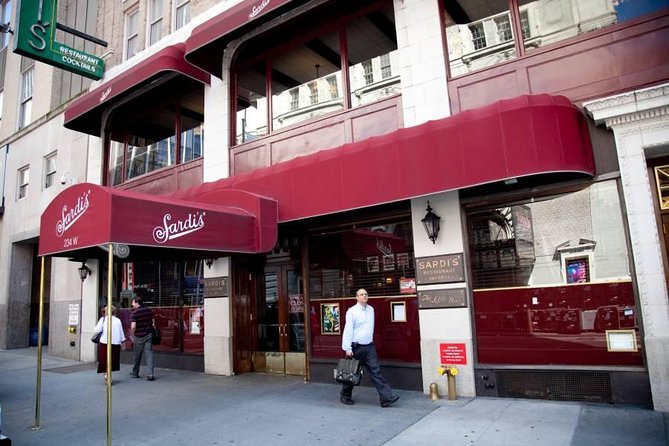
Then comes Sardi’s, the famous watering hole for the theater community and fans. It’s the kind of stop that’s easy to skip on your own. With a guide, it turns into a context break: you learn how people actually talk about shows here, what the culture around casting and writing looks like, and why fans treat this corner of Manhattan like a tradition—not just an attraction.
This is also where you feel the value of an industry professional guide. The best moments aren’t the dates; they’re the human details—how theater people think, what gets celebrated, and what gets discussed like sports news.
45th Street theatre facades: the Golden Age you can see
After Sardi’s and more commentary near major venues like the Shubert Theatre, you turn onto 45th Street. This is where the tour hits its visual payoff: a tight line of theater buildings you can actually compare in minutes.
On this stretch you’ll see stop after stop such as:
- the Booth Theatre
- the Jacobs Theatre
- the Golden Theatre
- the Imperial Theatre
- the Hirschfeld Theatre
- the Music Box Theatre
Why this section works: you’re not only learning what each theater is, you’re learning how Broadway’s identity spread across a small grid of streets. The guide ties these facades to eras—creation of musicals, the golden age of musical theatre, and how that foundation shaped what people later called cultural phenomena.
If you’re a theater lover, you’ll probably recognize names and then catch yourself realizing you’ve never understood how they connect. That’s the quiet win of this part of the walk: it gives you a map in your head.
One practical tip: bring your eyes and your curiosity. When the guide points out architectural cues or production-era context, it’s easy to forget you’re standing at street level. I’d treat this section like a guided photo walk, except your phone photos won’t capture what you learn about the productions that made these buildings famous.



Marriott Marquis area and the Marquis Theatre: where the city keeps changing
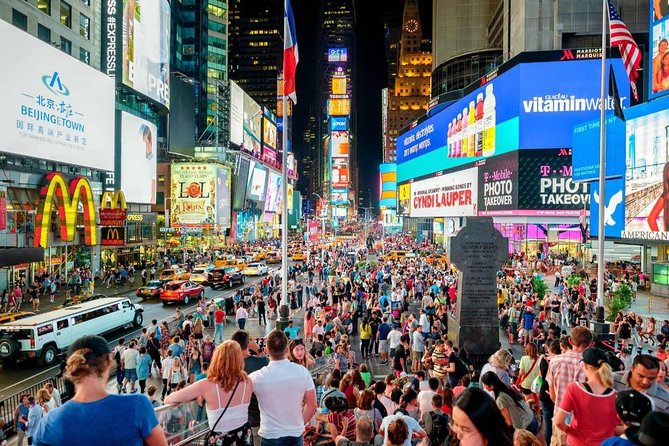
Next you’ll see the Marriott Marquis Hotel and make a stop around the area tied to the Marqus Theatre (as listed for this tour). The guide talks about the hotel’s history and what used to stand there. This kind of stop is underrated on tours.
Broadway isn’t static. The district changes with the city around it. Hotels get rebuilt, theater operations shift, and the streets keep absorbing new needs. So when your guide points out what was there before, you get a clearer sense of why Broadway stories feel layered—like the neighborhood has been rebooting without losing its identity.
This also helps with pacing. After the dense 45th Street cluster, you get a brief chance to reset your brain. You’ll hear a compact “how the area evolved” story and then be ready to move again toward the modern headlines.
Richard Rogers Theatre and Hamilton: modern fame with historical wiring
The next major landmark is the Richard Rogers Theatre, home to Hamilton. This is the “current Broadway” moment, and it works best because the guide frames it as more than a pop-culture headline.
Hamilton is mentioned as a cultural phenomenon, but the tour’s angle is what matters: it connects the show’s impact back to the larger Broadway machine—how musicals got created, how audiences developed expectations, and how a blockbuster can still feel like part of a longer tradition rather than a sudden break.
If you’ve seen posters, trailers, or headlines for Hamilton, this stop gives you a different kind of understanding. You start thinking: why here, why now, and what the district had to be doing for decades to make this kind of success possible.
Then you continue toward Duffy Square, described as the center of Times Square. This shift matters because it changes the mood from “theater row” to the wider spectacle that sells the theater story to the world.
Times Square to Hell’s Kitchen: how the neighborhood story gets told
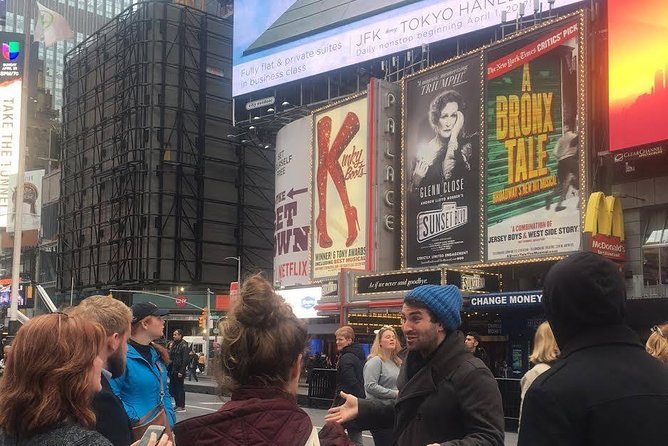
Duffy Square is your cue for the big-picture explanation. The guide talks about how this part of Manhattan became such a famous location. It’s the kind of context you don’t get from standing in Times Square and watching crowds. You need someone to explain the why.
This section also starts bridging Broadway with the surrounding neighborhood context—what you might hear as Hell’s Kitchen stories as you keep walking past more theaters. The guide also touches on the Off-Broadway scene, giving you a quick sense of how productions and careers branch out from the big houses.
I like this balance. If you only focus on the marquee theaters, the district can feel like an island. Add Hell’s Kitchen and Off-Broadway context, and it starts to feel like a network—shows feeding into shows, talent moving between stages, and audiences learning how to find new kinds of theater.
Don’t expect theater tickets to fall into your lap from walking past these spots. The tour doesn’t include entrance to theaters. But it gives you something arguably more useful: names and context so you understand what you’re looking at when you’re back outside later.
Ending at Wicked in the Gershwin Theatre: what to do after the walk
The tour ends outside the Gershwin Theatre, home to Wicked. Finishing here is smart because it lands you at another “must-see” name, which makes it easy to turn the tour into a practical evening plan.
Once you’re done, you’ll likely have two new habits:
- You’ll notice more than signs—you’ll notice the production connections the guide gave you
- You’ll feel more confident picking shows, because you know which era each production comes from
Even if you’re not seeing a show that night, this ending point helps you keep the momentum. Gershwin is central to where many visitors wander after a tour, so you’re not dropped in a random quiet block with nothing to do.
Also, the guide route includes plenty of iconic landmarks along the way, so you’ll have plenty of mental “checkpoints” for remembering what you learned. That’s what turns a short tour into a long-lasting map.
Price and value: is $80 for 2 hours a fair deal?
At $80 per person for about 2 hours, the value comes from three things you can feel immediately:
- Private format: your group moves together and you’re not competing with other voices.
- Industry professional commentary: the storytelling focus matters more than raw facts.
- High-density landmarks: you’re seeing a lot of major theaters in a tight zone, from Majestic to Gershwin.
If you’re the kind of person who loves theater but gets lost in details, this tour can be a fast correction. It gives you a narrative thread: how musicals evolved, how the district rose, and why certain modern hits like Hamilton fit into a longer story.
The main thing you should calibrate is expectations: this is a walking tour outside theaters, not a backstage tour. Backstage and lobby access aren’t guaranteed, and entrance to theaters isn’t included. So if your ideal day in the district is sitting inside a building, checking out lobbies, and doing photos from inside, you’ll want to pair this with show tickets or a separate museum-style stop.
Who should book this tour (and who might skip it)
This works best for:
- People who like Broadway more as a story than just a list of famous titles
- Anyone visiting NYC with limited time and wanting a clean orientation of the Theatre District
- Theater fans who want context behind productions, including the golden age and modern smash hits
You might consider skipping if:
- You hate walking or you only want indoor stops
- You’re strictly looking for backstage access, since it’s not guaranteed
- You prefer self-guided exploration with no scheduled route
One more practical clue from the experience feedback: the guides stand out. Names that come up include Patrick and Lucas, both praised for theater knowledge and strong storytelling. That usually means you’ll spend less time reciting facts and more time learning how to see the district.
Should you book this Private Theatre District Tour?
I think you should book it if you’re aiming to understand Broadway in a short time—and you want that understanding delivered in plain, story-driven language. For $80, you’re paying for a private, high-signal walk across the most important Broadway blocks, with an industry professional who connects the buildings to the shows that made them matter.
Skip it only if you’re expecting guaranteed backstage access or you can’t handle steady outdoor walking in Midtown. Otherwise, this is a very efficient way to get your bearings fast and feel like Broadway has a backstory you can actually hold in your head.
FAQ
How long is the Private Theatre District walking tour?
It runs for about 2 hours.
Where does the tour start and end?
It starts outside the Majestic Theatre at 245 W 44th St and ends outside the Gershwin Theatre at 222 W 51st St.
What’s the price per person?
The tour costs $80.00 per person.
Is this a private tour?
Yes. It’s a private activity, and only your group participates.
Is the tour offered in English?
Yes, it’s offered in English.
Do I get into the theaters during the tour?
Entrance to theaters is not included, and backstage or lobby access is not guaranteed.
How much walking is involved, and what should I wear?
There is a decent amount of walking, so wear appropriate shoes. The tour operates in all weather conditions, so dress for the weather.
Can I cancel for a full refund?
Yes. You can cancel up to 24 hours before the experience starts for a full refund. If canceled due to dangerous weather, you’ll be offered an alternative date or a full refund.
Your Group Only, No Strangers
- Private Central Park Pedicab Tour★ 5.0 · 6,981 reviews
- Private Transfer from Manhattan to NYC Airports (JFK/EWR/LGA)★ 3.5 · 1,683 reviews
- New York City: Private Central Park Pedicab Tour★ 4.9 · 1,637 reviews
- Carriage Ride in Central Park (VIP – PRIVATE) Since 1964™★ 4.0 · 1,074 reviews
- NYC: Private Central Park Horse Carriage Ride with Guide★ 4.9 · 790 reviews
More Tours in New York City
- Statue of Liberty and Ellis Island Tour: All Options★ 5.0 · 13,571 reviews
- New York in One Day Guided Sightseeing Tour★ 5.0 · 13,166 reviews
- Central Park Pedicab Guided Tours★ 5.0 · 7,108 reviews
- New York City: Manhattan Helicopter Tour★ 4.7 · 7,076 reviews
- Private Central Park Pedicab Tour★ 5.0 · 6,981 reviews
More Tour Reviews in New York City
- NYC: SUMMIT One Vanderbilt Tickets★ 4.7 · 51,195 reviews
- NYC: Empire State Building Tickets – Observatory & Museum★ 4.7 · 25,757 reviews
- New York City: Statue of Liberty & Ellis Island with Ferry★ 4.6 · 18,683 reviews
- New York City: American Museum of Natural History Ticket★ 4.5 · 15,447 reviews
- Statue of Liberty and Ellis Island Tour: All Options★ 5.0 · 13,571 reviews
Just in: the newest New York City reviews on our desk




Private, compared.
 ★ 5.0Private Central Park Pedicab TourFrom $386,981 reviews
 ★ 3.5Private Transfer from Manhattan to NYC Airports (JFK/EWR/LGA)From $361,683 reviews
 ★ 4.9Private Central Park Pedicab TourFrom $401,637 reviews
 ★ 4.0Carriage Ride in Central Park (VIP – PRIVATE) Since 1964™From $141,074 reviews
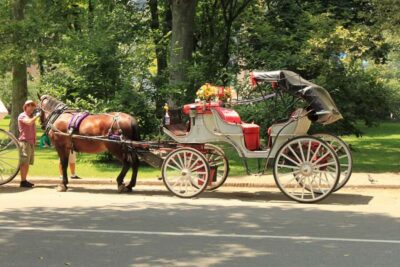 ★ 4.9Private Central Park Horse Carriage Ride with GuideFrom $13790 reviews
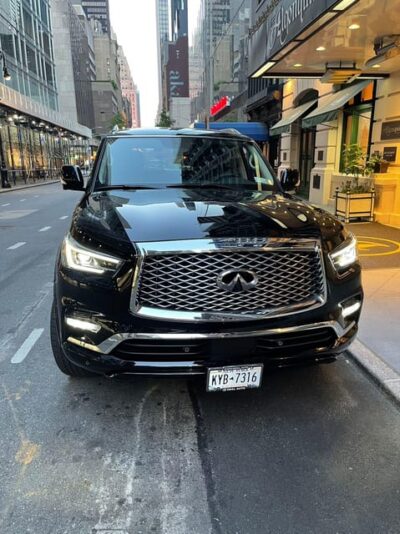 ★ 4.7JFK Airport to Manhattan Private Transfer Up to 5paxFrom $103786 reviews
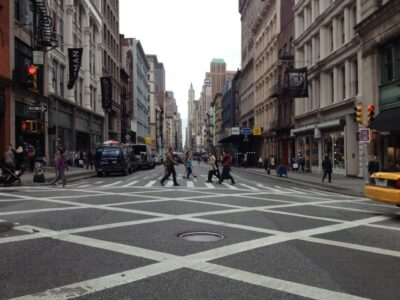 ★ 4.6Private Walking Tour with a LocalFrom $55771 reviews
 ★ 5.0Private Statue of Liberty and Ellis Island TourFrom $139656 reviews