
Reviewed · HISTORICAL TOURS
Private Tour New York City in the Gilded Age: A History of High Society
New York’s history is right in front of you. This private Gilded Age walk focuses on high society addresses, the architecture that survives, and the stories behind it all, guided by a historian who talks at your pace. You’ll cover a tight stretch of Fifth Avenue and the nearby museum-and-mansion zone, with a focus on what you can still see today.
I love how the tour turns big names into street-level scenes. Two things I really like: the storytelling (you’ll connect fortunes, buildings, and social climbing) and the way the route is practical—short enough to do in a couple of hours, but packed with visual variety. Guides such as Dan, Sara, Richard, John, Jarod, Brad, and Kevin are repeatedly praised for keeping the narration engaging.
One consideration: this is mostly an outdoor walk, and you should not count on going inside buildings. If it’s extremely hot, cold, or windy, dress for the weather and plan for viewpoints and exterior details more than indoor time.
In This Review
- Quick hits before you go
- Why the Gilded Age on Fifth Avenue hits different
- Starting point on Doris C Freedman Pl and your walking rhythm
- Stop-by-stop: what you’ll see and what it means
- Fifth Avenue: fashion meets power
- A masterpiece of landscape and architecture
- One of the world’s most exclusive addresses
- A major art-collection story, framed for the street
- Fine art museums and cultural institutions around the same theme
- Former mansion of an iconic American magnate
- The guide: where the story quality shows
- Price and value: is $150 per person fair?
- Where the tour ends: Cooper Hewitt and what to do next
- Weather, comfort, and what to bring
- Who should book this Gilded Age private tour?
- Should you book this private Gilded Age tour?
- FAQ
- How long is the Private Tour New York City in the Gilded Age?
- Where does the tour start and end?
- Is this a private tour?
- What’s included in the tour price?
- What is not included?
- What language is the tour offered in?
- Are service animals allowed?
- Is free cancellation available?
- How far in advance is it typically booked?
Quick hits before you go
- Private and personalized: your group only, with a guide who can adjust pace for your comfort.
- Fifth Avenue focus: you get the commercial-to-residential shift, not just random sightseeing.
- High-society addresses: you’ll look at the kinds of homes, clubs, and institutions that defined status.
- Museum-mile context: you’ll connect why so much art and culture is clustered here.
- Historian narration: guides bring the people, money, and social rules to life as you walk.
- Comfort depends on weather: bring layers and expect outdoor viewing more than interior access.
The big picture: more New York City sightseeing
- New York City: Statue of Liberty & Ellis Island with Ferry
★ 4.6 · 18,683 reviews - New York City: American Museum of Natural History Ticket
★ 4.5 · 15,447 reviews - New York City: Manhattan Helicopter Tour
★ 4.7 · 7,076 reviews - Top of the Rock Observation Deck New York City Ticket
★ 4.5 · 4,556 reviews
Why the Gilded Age on Fifth Avenue hits different
The Gilded Age wasn’t only about wealth. It was also about how power showed up in public space—through architecture, art collecting, and who got to live where. Fifth Avenue is one of the clearest stages for that story, because you can still read the neighborhood like a timeline.
On this tour, you’re not asked to memorize dates. Instead, you learn how to “read” what’s in front of you. A façade becomes a clue. A museum setting becomes evidence of how private collections later transformed into public institutions. That’s the practical magic here: you leave with a mental map of why the Upper East Side looks the way it does.
Also, this route is designed for perspective. One moment you’re seeing the fashionable avenue and the shift between commercial activity and residential prestige. The next, you’re surrounded by cultural institutions that grew from the same social world. It’s a tight loop of the themes that made the era so influential.
Starting point on Doris C Freedman Pl and your walking rhythm
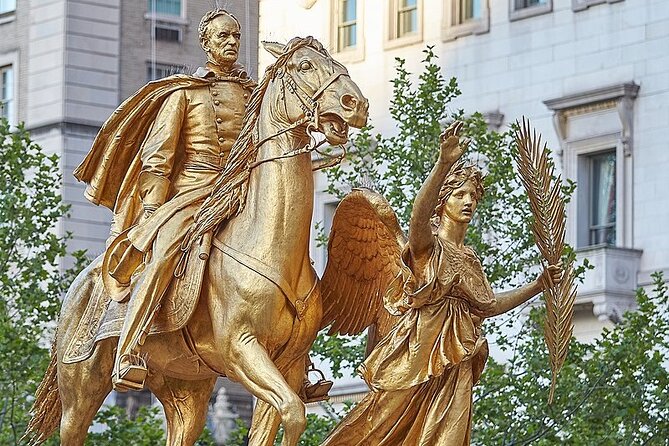
The tour starts at the General William Tecumseh Sherman Monument on 764 Doris C Freedman Pl (near transit, easy to find on a map). That matters because it puts you on a broad, identifiable landmark before you get into the finer-grain details of Fifth Avenue.
You’re looking at an area that changes block by block. The guide’s pacing helps you keep your bearings. Several guides are noted for being good at timing and adjusting when the weather turns ugly—cold gusts and steady rain won’t automatically derail the plan. The walk is long enough to feel like you covered ground, but short enough to stay focused during the full story.
The tour duration is about 2 hours. That length is a sweet spot for a first pass: you get a concentrated view without the “I’m tired of standing around” feeling that can happen on longer, stop-heavy city walks.
Stop-by-stop: what you’ll see and what it means
The itinerary is structured like a guided reading of the neighborhood. You move from broad street identity into the “who lived here and why it mattered” details, then toward major cultural institutions.
Just your group: more private options



Fifth Avenue: fashion meets power
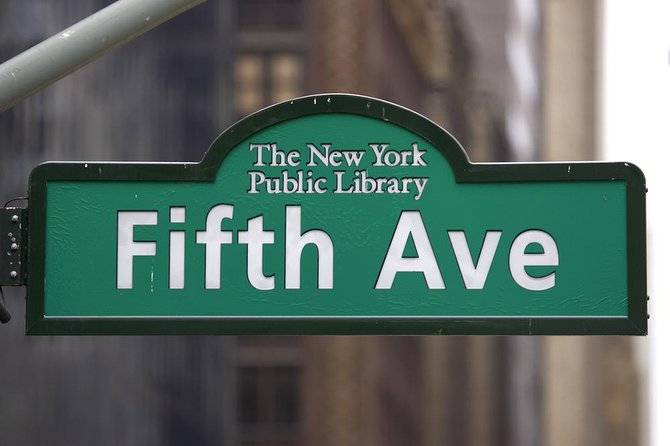
You begin on Fifth Avenue, right around the point where the avenue’s character shifts between commercial and residential New York. This is the setting for high-society display: grand architecture, big civic visibility, and addresses that signaled money without needing an introduction.
Even if you’ve walked Fifth Avenue before, the guide changes how you notice things. Instead of treating it like a shopping corridor, you start seeing it as a social boundary. You’ll learn how the city’s elite used location, design, and patronage to reinforce status.
A masterpiece of landscape and architecture
Next comes a stop centered on a major design idea—a masterpiece of landscape and architecture. In Gilded Age terms, that’s not just pretty planning. It’s control of perception. Wealthy New Yorkers wanted environments that looked intentional and permanent, not improvised.
This stop helps you understand why outdoor design mattered to the era’s image. It also gives your eyes a break between buildings, so the walk doesn’t turn into a nonstop façade parade.
One of the world’s most exclusive addresses
You’ll then look at one of the world’s most exclusive addresses. This is where the tour earns its name. The guide frames these addresses as more than real estate. They’re signals—about exclusivity, privacy, and the social rules that came with being accepted by the right circles.
If you enjoy social history, you’ll like how this stop ties personal status to the built environment. It’s the same logic as a dress code, just written into architecture.
A major art-collection story, framed for the street
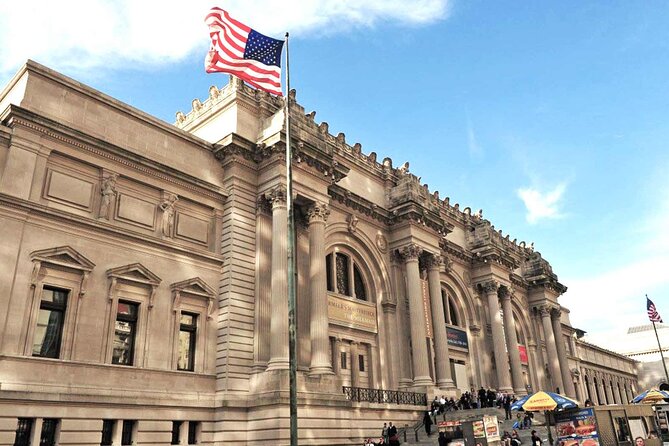
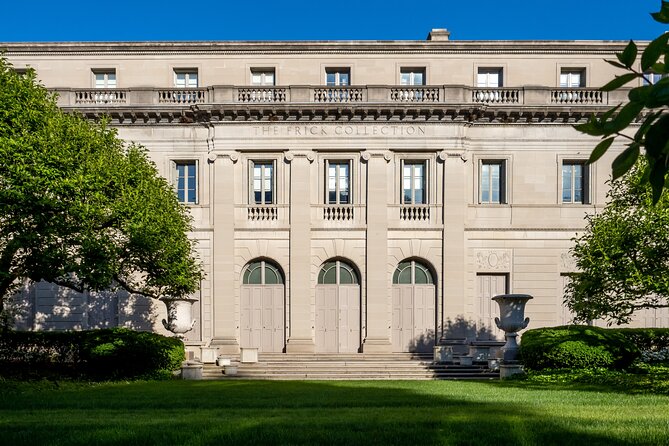
Another key stop focuses on home to the greatest art collection in the Western Hemisphere. Even without going inside, the setting tells you a lot. The Gilded Age elite didn’t only collect art—they used collecting as proof of education, taste, and permanence.
Here’s what I find useful for planning: the guide’s narration connects collection culture to how museums later took on public roles. You start to see art not as a luxury item, but as a long-term social investment.
Fine art museums and cultural institutions around the same theme
The tour also highlights a wealth of fine art museums and cultural institutions. This is where you get the neighborhood context. The Upper East Side didn’t just accidentally collect museums—it became a magnet as private collections and influence shaped what turned into public institutions.
For you, this stop is great if you want a “why” behind the museum density. You’ll leave understanding how the Gilded Age shifted from private life toward public legacy.
Former mansion of an iconic American magnate
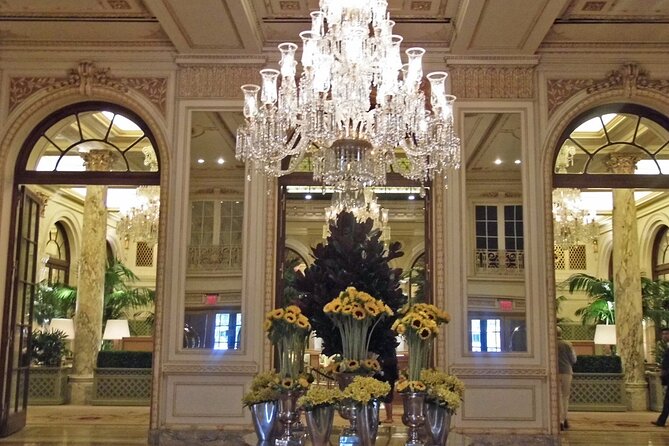
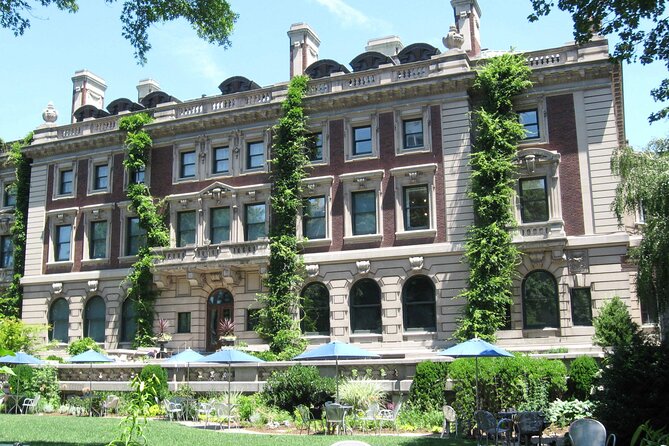
Finally, you’ll pass the former mansion of an iconic American magnate. This is a straight-line connection between power and place. Mansions were never only about comfort. They were also about dominance: scale, materials, and the message that the owner belonged at the top.
The guide explains how these spaces changed meaning over time—especially after the era when many of these homes became institutions. That transformation is a big part of why the Gilded Age still matters in New York: the city kept the shell, then changed the purpose.
The guide: where the story quality shows
The experience is heavily dependent on the guide, and the good news is that many named guides are repeatedly credited with the same traits: entertaining delivery, strong historical structure, and adaptability.
Dan, Sara, Richard, John, Jarod, Brad, and Kevin come up in the guide names you’ll want to look for when booking. The consistent praise is about more than “knowing facts.” It’s about keeping the narration lively while still organized, so you can follow cause-and-effect: money leads to building, building leads to institutions, and institutions shape how we experience the neighborhood today.
One of my favorite things to watch during a good history tour is whether you learn something new even if you think you already know the area. Here, the tour is built around recognizable landmarks, but the talking points are about what you might miss when you walk past on your own.
Also, the guides are specifically noted for adjusting pace for comfort, including in cold or blustery conditions. That matters on this route because exterior stops and walking time stack up fast.
Price and value: is $150 per person fair?
At $150 per person for about 2 hours, this isn’t a bargain-basement deal. But it also isn’t priced like a large-bus attraction. The value comes from what you get for that money:
- Private group format: you’re not sharing the guide with a crowd you can’t hear. For couples and families, that alone can be worth it.
- Historian-style narration: you’re paying for interpretation, not just movement.
- A concentrated route: the tour is short enough to fit into a day, but focused enough to feel coherent.
If you’re the type who enjoys architecture, social history, and “what the city used to be,” you’ll likely feel the price as fair. If you’re mostly after quick photo stops with minimal talking, you might prefer a cheaper self-guided approach.
I’d frame it like this: $150 buys you fewer distractions and better context. On Fifth Avenue, context is often the difference between I walked by that building and I understand why that building exists.
Where the tour ends: Cooper Hewitt and what to do next
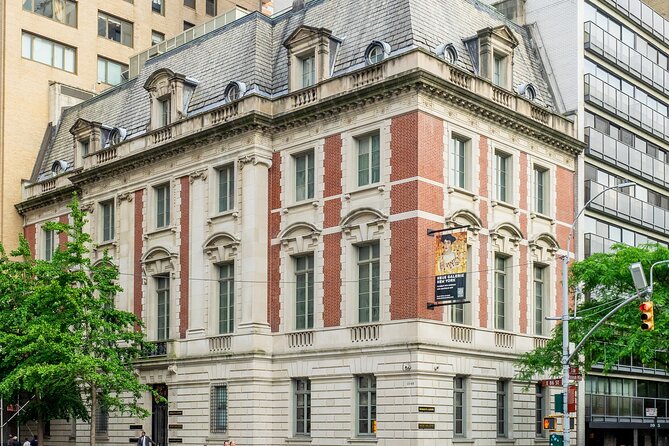
The tour ends in front of the Cooper Hewitt, Smithsonian Design Museum at 2 E 91st St. Ending at a design-focused museum is a smart match for the theme. Even if you only do a quick look or decide to return later, you’ll have just learned how design, collecting, and status connect.
Practically, this gives you a clear finishing point for navigation. You know where your walk stops, which is helpful when you’re planning dinner or the next museum.
Weather, comfort, and what to bring
Because it’s a walking tour with mostly exterior viewing, weather plays a bigger role than on an all-indoor museum day. One of the most direct pieces of advice from the experience is simple: dress for conditions. If it’s hot, plan for sun and heat. If it’s cold, bring layers and something for wind.
Also, since interiors may be limited, you’ll get more value by bringing a comfortable pace and good outdoor stamina than by expecting long indoor time.
If you’re going with a family group or someone who needs a calmer pace, the private setup helps. Guides are described as responsive about pacing, which you’ll feel during the walk.
Who should book this Gilded Age private tour?
This tour is a strong fit if you:
- love architecture with meaning, not just pretty buildings
- want a guided explanation of how Fifth Avenue relates to high society
- enjoy social history and art-collection stories
- want a private format where you can ask questions and adjust pacing
It’s also a good option if you’re a local or returning visitor. Even on neighborhoods you know well, the tour’s framing can change what you notice on the same streets.
On the other hand, if you only want lots of indoor time, or you hate walking, you might feel the exterior focus more strongly than you expected.
Should you book this private Gilded Age tour?
Yes, if you want your New York history with clear direction. This is the kind of walk that helps you stop guessing and start understanding. The private format, the historian narration, and the focus on Fifth Avenue’s social and cultural story are the right ingredients for a satisfying 2-hour experience.
I’d especially book it if you’re visiting for the first time and you want an organized way to see the Upper East Side’s “why.” And if you’re returning and want to see the same streets with sharper context, this tour can still feel fresh.
If you’re sensitive to weather or you hoped for lots of interiors, plan carefully. Think of this as a guided exterior reading of power, taste, and architecture—then, if you want, you can turn that understanding into museum time at the end.
FAQ
How long is the Private Tour New York City in the Gilded Age?
The tour is about 2 hours (approx.).
Where does the tour start and end?
It starts at the General William Tecumseh Sherman Monument, 764 Doris C Freedman Pl, New York, NY 10019. It ends in front of the Cooper Hewitt, Smithsonian Design Museum, 2 E 91st St, New York, NY 10128.
Is this a private tour?
Yes. It’s a private tour/activity, and only your group will participate.
What’s included in the tour price?
It includes an expert licensed guide and a private personalized tour.
What is not included?
Gratuities are not included.
What language is the tour offered in?
The tour is offered in English.
Are service animals allowed?
Yes, service animals are allowed.
Is free cancellation available?
Yes, you can cancel for free up to 24 hours in advance for a full refund.
How far in advance is it typically booked?
On average, this tour is booked 31 days in advance.
All of New York City in One Day
- New York City: Statue of Liberty & Ellis Island with Ferry★ 4.6 · 18,683 reviews
- New York City: American Museum of Natural History Ticket★ 4.5 · 15,447 reviews
- New York City: Manhattan Helicopter Tour★ 4.7 · 7,076 reviews
- Top of the Rock Observation Deck New York City Ticket★ 4.5 · 4,556 reviews
- From New York City: Washington and Philadelphia 1-Day Tour★ 4.5 · 2,877 reviews
More Tours in New York City
- Statue of Liberty and Ellis Island Tour: All Options★ 5.0 · 13,571 reviews
- New York in One Day Guided Sightseeing Tour★ 5.0 · 13,166 reviews
- Central Park Pedicab Guided Tours★ 5.0 · 7,108 reviews
- New York City: Manhattan Helicopter Tour★ 4.7 · 7,076 reviews
- Private Central Park Pedicab Tour★ 5.0 · 6,981 reviews
More Tour Reviews in New York City
- NYC: SUMMIT One Vanderbilt Tickets★ 4.7 · 51,195 reviews
- NYC: Empire State Building Tickets – Observatory & Museum★ 4.7 · 25,757 reviews
- New York City: Statue of Liberty & Ellis Island with Ferry★ 4.6 · 18,683 reviews
- New York City: American Museum of Natural History Ticket★ 4.5 · 15,447 reviews
- Statue of Liberty and Ellis Island Tour: All Options★ 5.0 · 13,571 reviews
Just in: the newest New York City reviews on our desk





Historical Tours, compared.
 ★ 4.5American Museum of Natural History TicketFrom $3715,447 reviews
 ★ 4.6Starship Landmark 90 Minute Sightseeing CruiseFrom $343,666 reviews
 ★ 4.5Starship Landmark 90 Minute Sightseeing CruiseFrom $342,073 reviews
 ★ 4.0American Museum of Natural History Admission TicketFrom $371,931 reviews
 ★ 5.0Top Rated Brooklyn Half-Day Food, History & Culture Tour via busFrom $189758 reviews
 ★ 4.7Speakeasy Drinks and Prohibition History TourFrom $36474 reviews
 ★ 5.0The Original Greenwich Village Food & Cultural Tour Since 1999From $99254 reviews
 ★ 5.0The Speakeasy Adventure: A Tipsy Trip Through HistoryFrom $38220 reviews
Browse the lists this tour appears in