
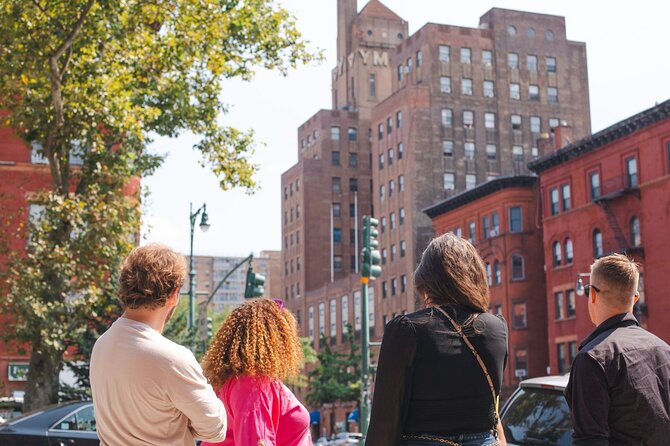
Reviewed · HARLEM TOURS
Soul of Harlem: Striver’s Row, Apollo Theatre & Gospel Heritage
Harlem comes alive on foot. This 2-hour walk strings together big landmarks and real neighborhood life, with story power from local Harlem guides like Ron, Lady Altovise, and Meredith plus context at the Schomburg Center. You’ll start with African-American research and moving exhibits, then shift to worship, row houses, swing-era music, and the Apollo stage energy.
I like that this tour gives you both meaning and place. Your stops are timed so you actually move through the neighborhood, not just talk about it, and the history connects back to the people who lived here. One catch: the total experience is about 2 hours, and the stop times are short, so don’t expect museum-level hanging-out at every location.
In This Review
- Key highlights you should care about
- Starting at the Schomburg Center: the context lesson before the walking
- Abyssinian Baptist Church: why this stop feels different
- Strivers’ Row: row-house architecture that tells a social story
- Bill’s Place and Swing Street: a music moment tied to Harlem’s rhythm
- The Apollo Theater: where stage legends become a living idea
- Sunday gospel access: what changes on Sundays
- Price and logistics you can plan around (without stress)
- Who this tour fits best
- Should you book Soul of Harlem: Strivers’ Row, Apollo Theatre & Gospel Heritage?
- FAQ
- How long is the Soul of Harlem tour?
- What stops are included?
- Is admission free at the main stops?
- Do I need to book well ahead of time?
- What language is the tour offered in?
- Is cancellation refundable?
Key highlights you should care about
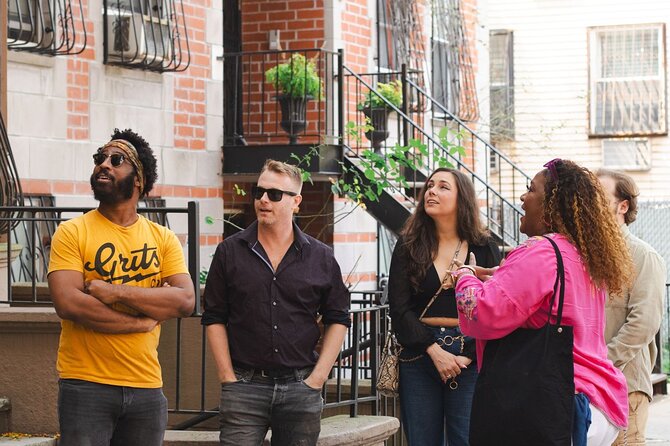
- Small group (max 18) that keeps questions and conversation possible
- Schomburg Center as your starting point, with changing exhibits tied to major eras
- Abyssinian Baptist Church in Harlem since 1902 and over 220 years old
- Strivers’ Row row houses with alleyways and shared rear spaces from the 1890s
- Bill Saxton at Bill’s Place for swing and jazz sounds tied to Harlem’s music story
- Sunday gospel access that’s built into the tour schedule
More of Harlem, from gospel to soul food
- NYC Highlights Tour: Bronx, Brooklyn, Harlem, Queens & Coney
★ 4.5 · 2,846 reviews - NYC: Contrasts Tour of Harlem, The Bronx, Queens & Brooklyn
★ 4.5 · 2,167 reviews - NYC: Harlem Hallelujah! Gospel Wednesday Concert
★ 4.7 · 1,638 reviews - New York City: Harlem Gospel Live Music Concert
★ 4.7 · 1,479 reviews
Starting at the Schomburg Center: the context lesson before the walking
If you’re only doing one Harlem experience, I think it’s smart to begin at the Schomburg Center for Research in Black Culture. It’s a New York Public Library research space where the African-American story isn’t an afterthought. You get periodic exhibits focused on major chapters like the Harlem Renaissance, the Civil Rights era, and even more recent movements.
What I like about starting here is simple: you get the names, themes, and cause-and-effect of the neighborhood before you hit the streets. Then when you later hear about performers, activists, and civic leaders tied to Harlem, those stories land with more weight.
Also, this stop is short and focused (around 20 minutes) and admission is free, which keeps the momentum for a walking tour. You’ll want to wear comfortable shoes. Give yourself a minute to orient yourself in the space, then let the guide point out what to pay attention to so you don’t spend the whole time reading every label.
Abyssinian Baptist Church: why this stop feels different
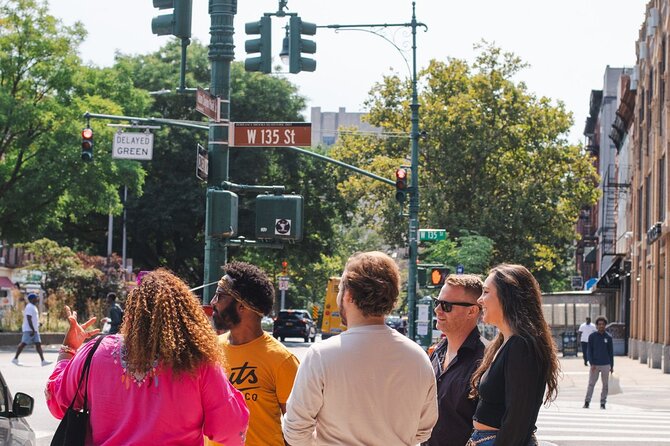
Next is Abyssinian Baptist Church, established over 220 years in New York City and in Harlem since 1902. It’s one of the oldest Baptist churches in the United States, so you’re not just looking at a historic building. You’re stepping into a place that has been part of the community for generations.
In a neighborhood tour, churches can sometimes turn into a quick photo stop. Here, the value is that the guide can connect the church’s long timeline to Harlem’s story of survival, organizing, and leadership. You’ll typically get about 30 minutes, which is enough for you to notice the sense of continuity without turning the visit into a rushed service.
Admission is free, and the church stop matters whether you’re coming on a weekday or Sunday. On Sundays, it becomes even more special, because the tour includes a gospel experience (more on that later). Even if you’re not there for gospel, I think you’ll leave with a better sense of why so much music, activism, and community life in Harlem has roots in church culture.
Strivers’ Row: row-house architecture that tells a social story
Then you’re in Strivers’ Row, a historic district known for its handsome row houses, alleyways, and those rear shared spaces and courtyards built in the 1890s. This is where Harlem’s built environment starts telling you a story you can feel with your feet.
You’re not just seeing facades. You’re walking the kind of layout that shaped daily life: the way people moved through alleys, where you’d find shared courtyards, and how the neighborhood’s design supported community closeness while still reflecting ambition. The guide’s job is to connect those physical details to the people who lived and created here.
Expect about 20 minutes at this stop, with plenty of turning points for photos and questions. The tour also names major figures tied to the area, including tap dancer and actor Bill Bojangles Robinson, heavyweight boxer Harry Black Panther Willis, Congressman Adam Clayton Powell Jr., and William Marion Cook, described as the first Black Broadway musical composer. Even if you only recognize one or two names, the point is that Harlem has always been a talent engine—and the neighborhood layout helped shape how that talent was nurtured.
One practical note: since the stops are time-boxed, you’ll get the most out of Strivers’ Row if you focus on the guide’s prompts. If you wander off for too long, you might miss the story thread that ties the houses to the bigger changes in Harlem over hundreds of years.
More of old New York City, walked properly




Bill’s Place and Swing Street: a music moment tied to Harlem’s rhythm
From the row houses, the tour shifts into the music side of Harlem at Bill’s Place. This is linked to Bill Saxton, a Harlem jazz icon who performs with some of the best, including swing and American jazz vocal traditions tied to Billie Holiday.
You’re likely to spend around 20 minutes here. That’s short, but that’s also the advantage of this tour format: you get a taste of the sound culture without trying to fit a whole concert into a walking schedule.
What you should pay attention to is the way the guide connects music to place. Harlem isn’t just a list of landmark buildings. It’s a living soundtrack, shaped by performance venues and the people who kept showing up to play, sing, and innovate.
If you’re the kind of traveler who likes to understand the why behind the vibe, this stop does that. The guide can help you hear how swing and jazz aren’t just entertainment here—they’re part of how Harlem built identity and influence.
The Apollo Theater: where stage legends become a living idea
Next comes the Apollo Theater, with a mission you’ll hear repeated all over the building: Where stars are born and legends are made. The tour frames the Apollo as a major cultural engine, celebrating 90 years this year, and it references major concert names associated with the theater, including USHER, Smokey Robinson, and Babyface, among others.
This stop is about 30 minutes, and admission is listed as free for the stop time. That’s important for your planning, because the Apollo is not just another street corner. It’s a real performance institution, and even when you’re not seeing a show, it helps to walk through and understand the atmosphere.
I like that the guide ties the Apollo to Harlem’s larger story—how creative spaces pull talent in and then broadcast it outward. When you connect that to what you saw earlier (research, church life, row houses, music heritage), the Apollo feels less like a tourist box-check and more like a natural result of everything that came before it.
If you care about performance history, this is the kind of stop that makes you want to look up old names after the tour. The goal isn’t to cram facts. It’s to give you the landmarks that help you read the city.
Sunday gospel access: what changes on Sundays
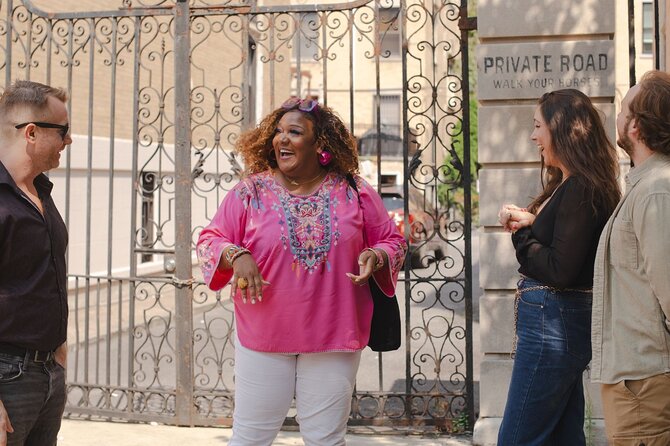
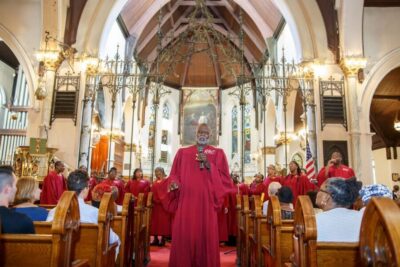
If you’re booking for a Sunday, this tour adds a key feature: skip-the-line access to a gospel experience at a local church. The gospel part is part of the schedule only on Sundays, which means your timing matters.
In practice, this is the difference between hearing about church culture and actually seeing it in action. The tour is designed so you’re already grounded in the church context by the time gospel happens, starting with Abyssinian Baptist Church and then moving into the Sunday church experience.
A good gospel moment can’t be faked. I’d plan to arrive a bit more patient and ready to participate with your attention. Even if you’re not religious, you’ll likely appreciate the community energy and the way music functions as history, testimony, and celebration.
Price and logistics you can plan around (without stress)
This tour costs $39 per person and runs about 2 hours. For NYC, that’s a reasonable price for a guided walk that hits multiple major sites and also includes Sunday gospel access. You’re not paying for one stop. You’re paying for the guide to connect the stops into a single story you can remember when you leave.
The group size is limited to a maximum of 18 travelers, which is a big deal on a walking tour. Smaller groups mean you can ask questions and still hear the explanations without repeating yourself or getting left behind.
Averages matter too: it’s typically booked around 18 days in advance, so if your dates are firm, I’d reserve early. You’ll get a mobile ticket, the tour is offered in English, and it’s near public transportation. Service animals are allowed, and that matters for comfort and independence.
And yes, the stops are quick. That’s not a flaw if you show up for what this tour is: a high-quality overview walk with smart pacing.
Who this tour fits best

This tour is a great match if you want Harlem’s story in a compact format. I’d book it if you:
- Like walking tours where the guide points out what matters and why it matters
- Want a blend of cultural institutions and street-level neighborhood features
- Are interested in African-American history, from research and civil rights themes to music and performance spaces
- Are visiting on a Sunday and want a gospel experience built into the day
It may be less ideal if you want long, slow time inside museums or you prefer a loose itinerary with lots of free roaming. Because the schedule is tight, you’ll get the most value if you’re ready to move and listen, then save longer self-guided exploration for afterwards.
Should you book Soul of Harlem: Strivers’ Row, Apollo Theatre & Gospel Heritage?
I’d book it, especially if you’re trying to understand Harlem beyond postcard landmarks. The real value is the way the experience links scholarship, faith, architecture, swing-era music, and a major performance institution into one continuous narrative. The guides named in your experience options—Ron, Lady Altovise, and Meredith—are the kind of local voices that make the stories feel personal, not like a script.
If you’re traveling with someone who likes facts and someone who just wants atmosphere, this tour can satisfy both. You get places to see, names to connect, and (on Sundays) gospel energy that turns history into a lived moment.
FAQ
How long is the Soul of Harlem tour?
It’s about 2 hours long.
What stops are included?
The tour includes the Schomburg Center for Research in Black Culture, Abyssinian Baptist Church, Strivers’ Row, Bill’s Place, and the Apollo Theater. On Sundays, it also includes gospel access at a local church.
Is admission free at the main stops?
Admission is listed as free for the Schomburg Center, Abyssinian Baptist Church, and the Apollo Theater stop times.
Do I need to book well ahead of time?
The tour is typically booked about 18 days in advance, so booking earlier is a good idea if your schedule is tight.
What language is the tour offered in?
The tour is offered in English.
Is cancellation refundable?
Free cancellation is available up to 24 hours in advance for a full refund. If you cancel less than 24 hours before the experience starts, it isn’t refunded.
The Story of New York City
- New York City: American Museum of Natural History Ticket★ 4.5 · 15,447 reviews
- NYC: Starship Landmark 90 Minute Sightseeing Cruise★ 4.6 · 3,666 reviews
- Starship Landmark 90 Minute Sightseeing Cruise★ 4.5 · 2,073 reviews
- American Museum of Natural History Admission Ticket★ 4.0 · 1,931 reviews
- Top Rated Brooklyn Half-Day Food, History & Culture Tour via bus★ 5.0 · 758 reviews
More Tour Reviews in New York City
- NYC: SUMMIT One Vanderbilt Tickets★ 4.7 · 51,195 reviews
- NYC: Empire State Building Tickets – Observatory & Museum★ 4.7 · 25,757 reviews
- New York City: Statue of Liberty & Ellis Island with Ferry★ 4.6 · 18,683 reviews
- New York City: American Museum of Natural History Ticket★ 4.5 · 15,447 reviews
- Statue of Liberty and Ellis Island Tour: All Options★ 5.0 · 13,571 reviews
Uptown Sundays: More of Harlem
- NYC Highlights Tour: Bronx, Brooklyn, Harlem, Queens & Coney★ 4.5 · 2,846 reviews
- NYC: Contrasts Tour of Harlem, The Bronx, Queens & Brooklyn★ 4.5 · 2,167 reviews
- NYC: Harlem Hallelujah! Gospel Wednesday Concert★ 4.7 · 1,638 reviews
- New York City: Harlem Gospel Live Music Concert★ 4.7 · 1,479 reviews
- Harlem Sunday Morning Gospel Tour★ 4.0 · 995 reviews
Just in: the newest New York City reviews on our desk





Harlem Tours, compared.
 ★ 4.5NYC Highlights Tour: Bronx, Brooklyn, Harlem, Queens & ConeyFrom $462,846 reviews
 ★ 4.5Contrasts Tour of Harlem, The Bronx, Queens & BrooklynFrom $392,167 reviews
 ★ 4.7Harlem Hallelujah! Gospel Wednesday ConcertFrom $251,638 reviews
 ★ 4.7Harlem Gospel Live Music ConcertFrom $281,479 reviews
 ★ 4.0Harlem Sunday Morning Gospel TourFrom $85995 reviews
 ★ 4.04-hour Harlem Gospel Tour in New York CityFrom $79935 reviews
 ★ 3.9Harlem: Central Harlem Sunday Gospel with LocalsFrom $25499 reviews
 ★ 4.3Sunday Harlem Gospel Guided TourFrom $89438 reviews
Browse the lists this tour appears in