

Reviewed · HARLEM TOURS
Soul of Harlem: Strivers Row, Apollo Theatre, Gospel History
Harlem history comes with gospel-style momentum. This two-hour walk strings together Strivers Row, the Apollo Theatre, and Sunday worship so the neighborhood’s story feels personal, not textbook. You’ll hear how Harlem shaped American music and how faith, politics, and showbiz collided on these blocks over hundreds of years.
I especially like how tightly the route stays focused in one area while still touching big names like Ella Fitzgerald and Duke Ellington. I also like that you get an actual Sunday gospel experience through skip-the-line access, not just a photo and a quick explanation.
One consideration: interior time at the Apollo may be limited depending on what’s happening at the theater, so plan for mostly street-level and storytelling even if you’re hoping to see more up close.
In This Review
- Key things I’d center in your planning
- A Two-Hour Harlem Loop Built Around Music and Worship
- Starting at the Apollo: why Malcolm X Blvd sets the tone
- Abyssinian Baptist Church on Sunday: where the gospel experience becomes real
- Schomburg Center Photo Stop: Black culture beyond the street corner
- Bill’s Place and Striver’s Row: style, politics, and a chicken story
- Bill’s Place, Harlem
- Striver’s Row
- Apollo Theatre again, but with stories attached
- Music legends you’ll connect to the streets
- How the guides shape the experience (Altovise and Ron stand out)
- Price and Time: is $49 worth it for two hours?
- Who should book Soul of Harlem
- Should you book this tour?
- FAQ
- How long is the Soul of Harlem walking tour?
- How much does the tour cost?
- Where do you meet for the tour?
- Is the gospel experience included?
- What stops are included during the walk?
- Where does the tour end?
- What language is the tour offered in?
- Is the tour wheelchair accessible, and can I cancel?
Key things I’d center in your planning
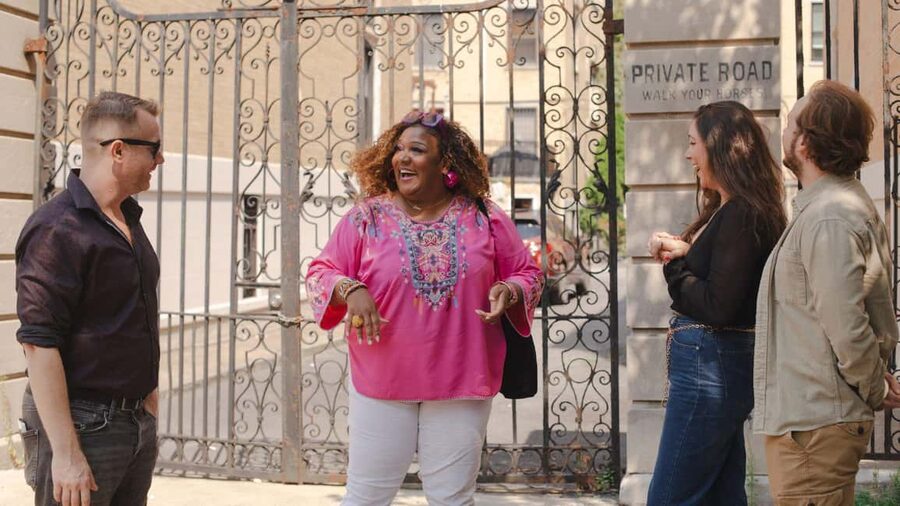
- A focused 2-hour route that keeps you in the heart of Harlem instead of spreading out across the borough
- Sunday gospel access (Sundays only) for a real church experience
- Stop-and-photo moments at major landmarks like Bill’s Place and Strivers Row
- Strong music-to-faith connections, from Harlem Renaissance figures to worship today
- Community-minded guiding, with guides who bring local connections and lots of on-the-street context
More of Harlem, from gospel to soul food
- NYC Highlights Tour: Bronx, Brooklyn, Harlem, Queens & Coney
★ 4.5 · 2,846 reviews - NYC: Contrasts Tour of Harlem, The Bronx, Queens & Brooklyn
★ 4.5 · 2,167 reviews - NYC: Harlem Hallelujah! Gospel Wednesday Concert
★ 4.7 · 1,638 reviews - New York City: Harlem Gospel Live Music Concert
★ 4.7 · 1,479 reviews
A Two-Hour Harlem Loop Built Around Music and Worship
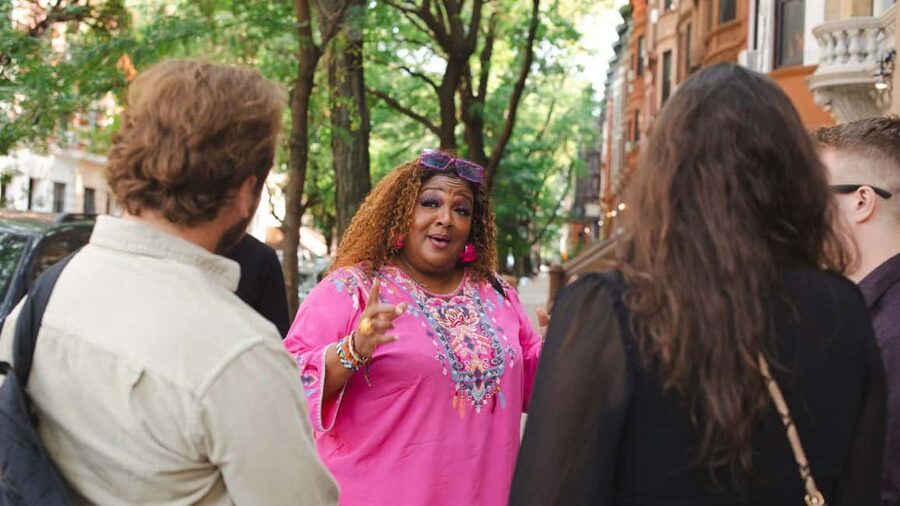
If you want Harlem with momentum, this is the kind of tour that moves at a human pace but still covers a lot. The big idea is simple: music and religion aren’t separate chapters here. They’re tangled together in the people, the buildings, and the stories you’ll pick up block by block.
At $49 per person for about two hours, you’re paying for more than a walk. You’re paying for a guide who connects major landmarks to the lived history around them, so the streets start to make sense fast.
And if you’re coming on a Sunday, the value jumps. Gospel access is included, and it’s the difference between reading about faith and actually hearing the sound of it in the room.
Starting at the Apollo: why Malcolm X Blvd sets the tone
The tour begins at 515 Malcolm X Blvd, Apollo Theater. Even before you reach the first stop, that location matters. The Apollo isn’t just famous; it’s symbolic of Harlem’s ability to turn talent into global attention.
Starting here also helps you orient right away. You get the “this is show business” feeling first, then you’ll peel back layers as the route shifts from theater energy to church life and cultural institutions.
You may see different meeting point details depending on the option you book. Still, the Apollo area is the anchor, so you shouldn’t feel like you’re searching for a mystery rendezvous.
Abyssinian Baptist Church on Sunday: where the gospel experience becomes real
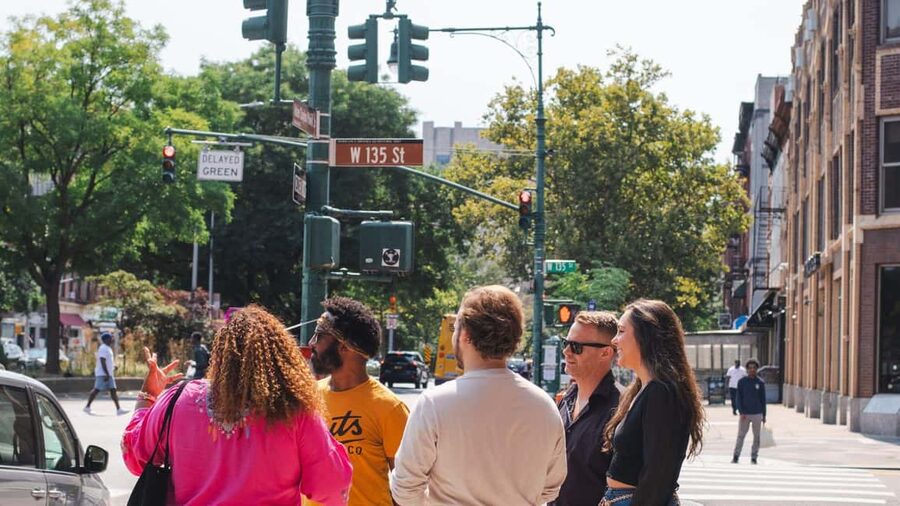
The standout “you’re really doing this” moment is the visit to The Abyssinian Baptist Church. The tour includes a photo stop and a visit, and on Sundays you also get skip-the-line access to the gospel experience.
What that means for you is straightforward. You’re not just hearing gospel as history. You’re hearing it as a living practice. The emotional tone of Harlem changes when a service starts, and it’s the kind of memory that stays sharper than another museum hallway.
Practical note: church moments can be energetic and change quickly. If you’re the type who worries about timing, this is still manageable since the tour is only two hours total. But keep your expectations flexible once you’re inside.
More of old New York City, walked properly




Schomburg Center Photo Stop: Black culture beyond the street corner
Next, you’ll stop at the Schomburg Center for Research in Black Culture. Even as a photo stop and visit, it gives you a different angle on Harlem—less street legend, more archive, research, and cultural memory.
I like this stop because it answers a question the rest of the tour raises: what happens after the fame? Who preserves the records? The Schomburg Center helps you see that Harlem’s influence isn’t only performance. It’s also scholarship, preservation, and careful storytelling.
If you’re the type who thinks you only need “the highlights,” this is a good reality check. It nudges you toward the broader context without turning the day into a lecture.
Bill’s Place and Striver’s Row: style, politics, and a chicken story
One of the tour’s charms is that it doesn’t treat Harlem like a single vibe. You’ll make photo stops at places that reflect different layers of the neighborhood.
Bill’s Place, Harlem
The stop at Bill’s Place is a reminder that famous neighborhoods also run on everyday institutions. You’re not just chasing murals and monuments; you’re seeing how community life and local culture leave their marks.
Striver’s Row
Then comes Striver’s Row, one of those names that sounds like a theme until you learn the specifics. This stretch is where you’ll hear dramatic stories tied to the neighborhood’s changing fortunes.
The most memorable detail is the Fidel Castro connection: he reportedly slept here after being kicked out for having chickens in his room. It’s the kind of anecdote that sounds almost impossible—until you understand Harlem’s role as a stage where global events echoed in local life.
What I like about pairing Striver’s Row with the music stops is that it shows contrast without turning it into conflict. You get the glamour, the ambition, and the international attention, then you track it back to the people who lived through it.
Apollo Theatre again, but with stories attached
You’ll make another photo stop at the Apollo Theatre before the tour ends near the theater area. It’s not just repeat sightseeing; it’s a chance to re-see the same building with new context.
Once you’ve heard about Harlem’s cultural power and how it traveled outward—especially through figures like Ella Fitzgerald and Duke Ellington—the Apollo becomes more than an iconic facade. It turns into a symbol of how neighborhoods can reshape the national sound.
That said, here’s where you should manage expectations. One guide-style hope you might have is getting a deeper look inside the Apollo. If the theater is under renovation or doesn’t allow much interior access, you may mostly experience the space from the outside while the guide provides the story. You’ll still get value, but it’s worth knowing the tour is designed around walking-and-talking in this tight area.
Music legends you’ll connect to the streets
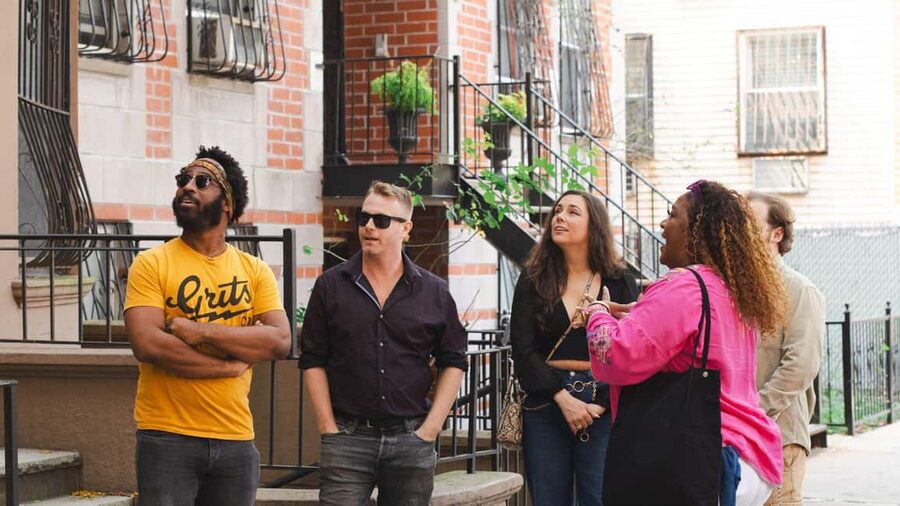
The tour centers on the idea that Harlem’s Renaissance wasn’t just art happening in the abstract. It was art happening in real locations—on real blocks, in real institutions, and among real networks of performers.
You’ll hear about Ella Fitzgerald and Duke Ellington and how Harlem performers helped put American music on the world map. The goal isn’t to list names. It’s to help you understand why these names belong to these streets.
That’s why the route matters. When you see landmark after landmark close together, your brain starts linking them. A theater stop starts to feel like more than a theater stop. A church stop starts to feel like more than a church stop. They become parts of the same story about identity, opportunity, and community voice.
How the guides shape the experience (Altovise and Ron stand out)
A walking tour lives or dies by the guide’s pacing and storytelling. The best part of this one is that it tends to feel like a conversation with someone who knows the area and cares about it.
In particular, Altovise gets strong mentions for being funny, engaging, and deeply connected to the community. Ron also comes up for being lively with anecdotes and for sharing plenty of documentation and details that make the stops feel grounded.
Even if you don’t get either of those specific guides, the tour is clearly designed around a similar standard: guides who can answer questions, keep the energy up, and connect the landmarks to what’s happening in Harlem right now—not just what happened long ago.
If you enjoy asking follow-ups, this style can be a treat.
Price and Time: is $49 worth it for two hours?
At $49, you’re not paying for a bus tour or a full-day museum pass. You’re paying for a concentrated experience: major Harlem sites, a tight walking loop, and Sunday-only gospel access.
For the price to feel “worth it,” you need to match the format. This tour works best if you want:
- a guided route with context,
- photo stops that actually matter to the story,
- and, on Sundays, a real church experience.
If you’re looking for long indoor visits, museum time, or guaranteed interior access at the Apollo, you might find the pacing too short for that. But for most people, that’s the point: you get a lot of meaning without eating your whole day.
Also, the route is wheelchair accessible, which is a meaningful plus for anyone who needs mobility accommodations without giving up the guided context.
Who should book Soul of Harlem
This is a great pick if you:
- love music history and want it tied to real streets,
- want to understand Harlem beyond stereotypes,
- are visiting on a Sunday and want gospel as an actual experience,
- enjoy guides who bring local perspective and answer questions.
It’s especially good for first-timers to Harlem because the route stays focused. You’ll get names, places, and connections without needing to plan extra stops of your own.
Should you book this tour?
Yes, if you’re coming to Harlem with curiosity and you want a guided route that connects the Apollo, Striver’s Row, and Sunday worship into one coherent story. I’d book it especially if your schedule includes Sunday, because the included gospel experience is the difference between a scenic walk and a memory that hits.
If you’re visiting on a non-Sunday, you can still enjoy the music-and-history focus. Just set your expectations that gospel access is Sundays only, and that any interior access at the Apollo may depend on what’s going on there.
FAQ
How long is the Soul of Harlem walking tour?
The duration is 2 hours.
How much does the tour cost?
It costs $49 per person.
Where do you meet for the tour?
One stated starting option is 515 Malcolm X Blvd, Apollo Theater. Meeting point may vary depending on the option booked.
Is the gospel experience included?
Yes, the gospel experience is included, but it’s Sundays only. There is skip-the-line access to the gospel experience at a local church.
What stops are included during the walk?
The tour includes a church stop at The Abyssinian Baptist Church, a stop/visit at the Schomburg Center for Research in Black Culture, photo stops at Bill’s Place and Striver’s Row, and a photo stop at the Apollo Theatre.
Where does the tour end?
Drop-off locations include Memorial Baptist Church and the Apollo Theater.
What language is the tour offered in?
The tour guide speaks English.
Is the tour wheelchair accessible, and can I cancel?
Yes, the tour is wheelchair accessible. You can cancel up to 24 hours in advance for a full refund.
The Story of New York City
- New York City: American Museum of Natural History Ticket★ 4.5 · 15,447 reviews
- NYC: Starship Landmark 90 Minute Sightseeing Cruise★ 4.6 · 3,666 reviews
- Starship Landmark 90 Minute Sightseeing Cruise★ 4.5 · 2,073 reviews
- American Museum of Natural History Admission Ticket★ 4.0 · 1,931 reviews
- Top Rated Brooklyn Half-Day Food, History & Culture Tour via bus★ 5.0 · 758 reviews
More Tour Reviews in New York City
- NYC: SUMMIT One Vanderbilt Tickets★ 4.7 · 51,195 reviews
- NYC: Empire State Building Tickets – Observatory & Museum★ 4.7 · 25,757 reviews
- New York City: Statue of Liberty & Ellis Island with Ferry★ 4.6 · 18,683 reviews
- New York City: American Museum of Natural History Ticket★ 4.5 · 15,447 reviews
- Statue of Liberty and Ellis Island Tour: All Options★ 5.0 · 13,571 reviews
Uptown Sundays: More of Harlem
- NYC Highlights Tour: Bronx, Brooklyn, Harlem, Queens & Coney★ 4.5 · 2,846 reviews
- NYC: Contrasts Tour of Harlem, The Bronx, Queens & Brooklyn★ 4.5 · 2,167 reviews
- NYC: Harlem Hallelujah! Gospel Wednesday Concert★ 4.7 · 1,638 reviews
- New York City: Harlem Gospel Live Music Concert★ 4.7 · 1,479 reviews
- Harlem Sunday Morning Gospel Tour★ 4.0 · 995 reviews
Just in: the newest New York City reviews on our desk





Harlem Tours, compared.
 ★ 4.5NYC Highlights Tour: Bronx, Brooklyn, Harlem, Queens & ConeyFrom $462,846 reviews
 ★ 4.5Contrasts Tour of Harlem, The Bronx, Queens & BrooklynFrom $392,167 reviews
 ★ 4.7Harlem Hallelujah! Gospel Wednesday ConcertFrom $251,638 reviews
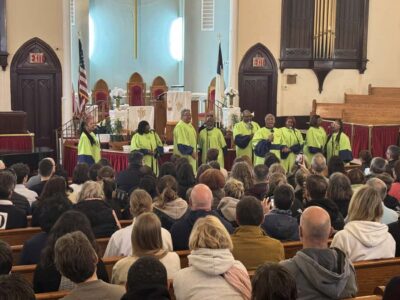 ★ 4.7Harlem Gospel Live Music ConcertFrom $281,479 reviews
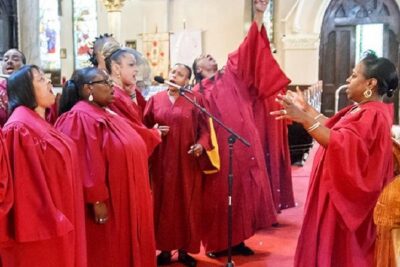 ★ 4.0Harlem Sunday Morning Gospel TourFrom $85995 reviews
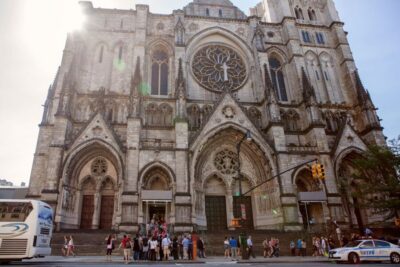 ★ 4.04-hour Harlem Gospel Tour in New York CityFrom $79935 reviews
 ★ 3.9Harlem: Central Harlem Sunday Gospel with LocalsFrom $25499 reviews
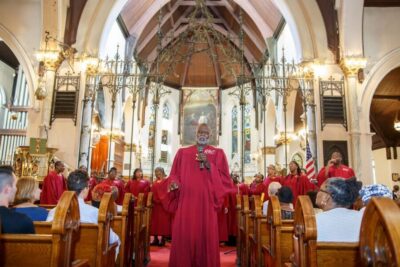 ★ 4.3Sunday Harlem Gospel Guided TourFrom $89438 reviews
Browse the lists this tour appears in