
Reviewed · HISTORICAL TOURS
The Psychiatric History of New York: Upper East Side Tour
New York has a mental-health backstory. On this Upper East Side walk, you’ll trace psychiatric history through real NYC addresses and institutions that many people never clock. I also love the small-group size (max 12), because the guide can actually slow down and answer your questions.
Because this is a walking tour with short stop times, the experience is more story-led than museum-deep. The other consideration: if you want long, inside access and heavy lectures, you might wish for a longer format focused on specific buildings.
In This Review
- Key Points to Know Before You Go
- Psychiatric History on the Upper East Side: It’s Not What You Expect
- Price and Timing: Is $40 for 2 Hours Worth It?
- Starting at East 87th: How the Route Feels in Real Life
- Stop-by-Stop: Finley Walk to the Psychoanalytic Society
- John Finley Walk: The East River View That Sets the Stage
- Yorkville Glockenspiel: A Mural Nod to German Yorkville
- New York Psychoanalytic Society and Institute: Where Ideas Took Form
- East 80th Street Houses: The Neighborhood Context Piece
- Mount Sinai to Neurology to Children’s Care, Then a Big Architectural Contrast
- Hunter College Baker Theatre Building: Mount Sinai, Neurological Institute, Kennedy Child Study Center
- Park Avenue Armory: A Grand Civic Setting for Institutional Power
- Tillinghast House and 15–17 East 62nd Street: When Addresses Become Clues
- What You’ll Learn (Without Feeling Like It’s a Lecture)
- Small-Group Walking Tours: The Real Pros and One Possible Catch
- Who This Tour Is Best For
- Should You Book the Psychiatric History of New York Upper East Side Tour?
- FAQ
- How long is the Upper East Side Psychiatric History tour?
- How much does the tour cost?
- Where does the tour start and end?
- What time does the tour begin?
- How big is the group?
- Is the tour offered in English?
- What ticket method is used?
Key Points to Know Before You Go
- Max 12 people means a calmer, more personal pace for asking questions
- Two hours on the Upper East Side fits well into an afternoon without burning your whole day
- Psychiatry links through neurology and children’s care via the Mount Sinai and Kennedy Child Study Center connections
- You get big-scene views at John Finley Walk, plus neighborhood color at the Yorkville Glockenspiel
- Highly rated for value with a 4.9 average score and 97% recommending it
- Free-entry stops are built into the route, so you can budget mainly for the tour cost
More of old New York City, walked properly
- New York City: American Museum of Natural History Ticket
★ 4.5 · 15,447 reviews - NYC: Starship Landmark 90 Minute Sightseeing Cruise
★ 4.6 · 3,666 reviews - Starship Landmark 90 Minute Sightseeing Cruise
★ 4.5 · 2,073 reviews - American Museum of Natural History Admission Ticket
★ 4.0 · 1,931 reviews
Psychiatric History on the Upper East Side: It’s Not What You Expect
The Upper East Side can look like a postcard of famous museums and classy blocks. This tour flips that script in a smart way. You’ll connect everyday streets to the world of treatment, research, and institutional change—so the neighborhood feels less like “just scenery” and more like a living paper trail.
I like how the story doesn’t stay stuck in theory. You’ll see where ideas and services took physical form: addresses tied to psychoanalysis, neurological care, and child-focused study. And because the stops are spread out through the area, you get a sense of how psychiatry didn’t just happen in one place. It grew across networks—clinics, institutes, and city institutions that shaped how New York thought about mental health over time.
One more reason this works for regular visitors: the route is built for real attention spans. You’re not stuck for hours in one venue. You get short, meaningful pauses at each location, then you move on while the theme stays coherent.
Price and Timing: Is $40 for 2 Hours Worth It?
At $40 per person for about two hours, the price lands in the “good value” zone—mainly because the format is compact and the stops are designed to be free to view. You’re paying for the guide’s interpretation and the way the route connects the dots across multiple sites, not for paid museum entries.
Timing matters here. The tour starts at 3:00 pm, and it ends around East 62nd Street and Madison Avenue. That’s a practical window: you can sleep in, grab an early lunch, and still have daylight for street views. The walking itself is gentle in concept, but it’s still a walk—so comfortable shoes help.
Group size is another real value driver. With a maximum of 12 travelers, you’re less likely to feel like you’re standing behind everyone else. The best versions of this tour lean on conversation, and a small group is what makes that possible.
You’ll also take home something beyond facts: a mental map. After this, the Upper East Side stops feel less anonymous, and you’ll start noticing addresses as “meaningful,” not just “fancy.”
Starting at East 87th: How the Route Feels in Real Life
Meet at East 87th Street and East End Avenue, a few blocks from the southeast corner of Central Park. From there, you head down toward East 62nd Street and Madison Avenue. In a rough sense, this is the kind of route that lets you see a slice of the city without a subway shuffle every few minutes.
The tour includes a mobile ticket, which keeps things simple when you’re trying to meet a group on a busy corner. It’s also offered in English, and service animals are allowed. It’s near public transportation, which matters if you’re planning to plug this into a bigger day.
And one more thing: because every stop is scheduled for a short window, you’ll want to arrive a bit early. You don’t want to miss the first story that sets the tone. This is one of those tours where the opening frame helps everything that comes later make sense.



Stop-by-Stop: Finley Walk to the Psychoanalytic Society
John Finley Walk: The East River View That Sets the Stage
You start with John Finley Walk—an East River vantage point where you can look out toward Roosevelt and Wards Islands. It’s a classic New York “pause” moment, not a hidden basement of history. That’s smart, because it gives you a visual reset before you step into an institutional story.
The guide’s theme usually comes across right away: even when you’re watching water and islands, New York’s mental health story is about separation, distance, and how the city defines who needs what. Whether or not you’ve thought about that connection before, the viewpoint helps you feel the city’s geography as part of the narrative.
Yorkville Glockenspiel: A Mural Nod to German Yorkville
Next is the Yorkville Glockenspiel, at the southwest corner of 83rd Street and York Avenue. This place is visually charming, and it comes with a built-in clue: it’s a mural nod to the German Yorkville neighborhood.
That’s a useful pivot. Psychiatry in New York wasn’t only invented by institutions. It also developed inside immigrant and neighborhood worlds, where people sought help amid language barriers, cultural differences, and changing community support. Even if you don’t go deep on any one ethnic history, you’ll come away thinking about how care systems move through real communities.
New York Psychoanalytic Society and Institute: Where Ideas Took Form
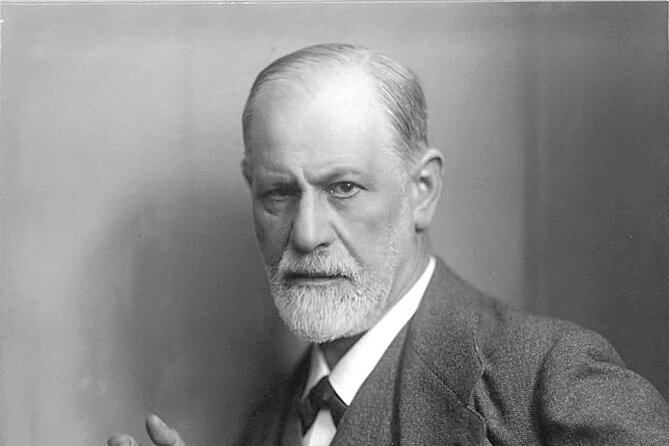
Then you’re at 247 East 82nd Street, connected to the New York Psychoanalytic Society and Institute. Even if you don’t know much about psychoanalysis going in, this stop matters because it grounds a big concept in a specific address. It turns a name you’ve heard into an actual street location.
In practical terms, this is where you start understanding the tour’s “street history” method. You’re not memorizing dates for dates’ sake. You’re learning how an idea—like psychoanalysis—became part of New York’s institutional landscape.
East 80th Street Houses: The Neighborhood Context Piece
At East 80th Street Houses, the focus shifts from institutes to the lived neighborhood around them. This stop is shorter, but it serves a key purpose: it reminds you that mental-health stories happen in the same cities where people work, live, and raise families.
You might find this part especially helpful if you tend to think of psychiatry as something that happens “somewhere else,” in offices and clinics only. The guide uses the block setting to keep the theme grounded in ordinary Upper East Side life.
Mount Sinai to Neurology to Children’s Care, Then a Big Architectural Contrast
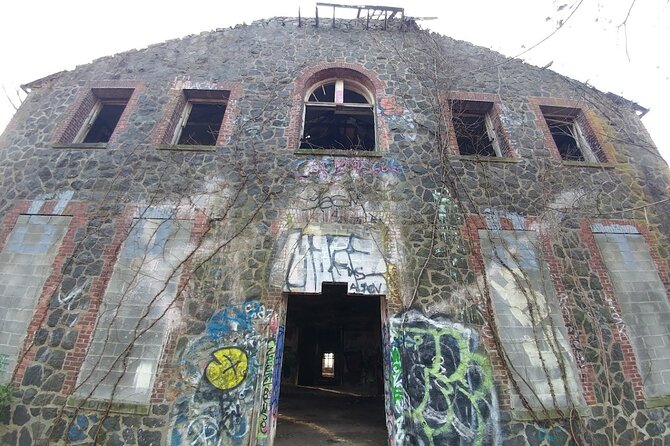
Hunter College Baker Theatre Building: Mount Sinai, Neurological Institute, Kennedy Child Study Center
One of the most meaningful stops is Hunter College Baker Theatre Building at 149–151 East 67th Street. You’ll hear the building’s earlier roles, including the Mount Sinai Dispensary, the Neurological Institute, and the Kennedy Child Study Center.
This is where the tour’s title theme becomes real and tangible. Psychiatry in the American story often grew alongside neurology and children’s health. When you hear these names linked to one building, it helps you understand how mental health care and brain care weren’t always separated the way people assume today.
If you like connecting dots, this stop is built for you. The guide can connect what you see around you now—an educational or cultural setting—to what the address supported in the past. That contrast makes the history feel less abstract.
Park Avenue Armory: A Grand Civic Setting for Institutional Power
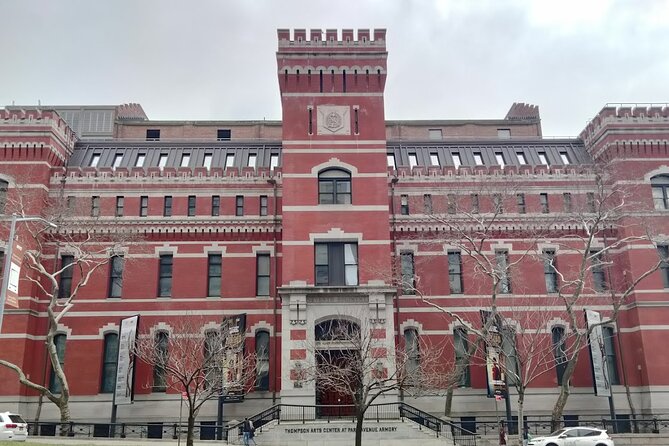
Next is Park Avenue Armory, at 643 Park Avenue. This is a visual contrast stop: an armory doesn’t scream clinic or research institute. Yet it fits the tour theme because psychiatric history is also about institutions—how they were funded, staffed, and positioned in a city that loved major public buildings.
Even in a short viewing window, this place adds scale. It helps you see that New York’s medical story wasn’t only written in small rooms. It was shaped by big civic forces, and by the city’s appetite for monumental architecture.
Tillinghast House and 15–17 East 62nd Street: When Addresses Become Clues
You’ll then move to Tillinghast House at 26 East 64th Street, tucked just off Madison Avenue. The final block includes 15–17 East 62nd Street, also off Madison Avenue. These stops are less about one famous headline and more about the “address clues” method: the guide uses these streets to keep the institutional network idea alive.
Here’s what you should expect: brief, focused story moments that connect the theme to the Upper East Side’s built environment. If you enjoy walking with a purpose—seeing how a neighborhood’s architecture mirrors its social systems—these last stops will land well.
What You’ll Learn (Without Feeling Like It’s a Lecture)
A big part of why this tour tends to get strong ratings is the way it stays human. People love the guide’s storytelling style, and you’ll likely hear humor mixed into the lessons. One guide name that shows up in the experience is Krombe (spelled Krumbie in one account), and the consistent vibe is lively explanation rather than stiff reading.
That said, you should know what you’re buying: two hours of interpretation on the street. You’re not signing up for an academic seminar. The goal is to give you a working understanding of New York’s psychiatric history through places you can point to—and revisit later.
A practical way to get the most out of it is to ask questions that move from place to theme:
- What does this institution suggest about how care was organized in its era?
- Why does the neighborhood setting matter?
- How did psychiatry relate to neurology and child-focused work?
If you ask those types of questions, you’ll feel the tour click. The guide can connect short stop moments into a larger story arc.
Small-Group Walking Tours: The Real Pros and One Possible Catch
Here’s the pro side, in plain language:
- Personal pace: With up to 12 people, you’re more likely to hear the details clearly and interact.
- Street-friendly length: About two hours means you can fit it between other plans.
- Free-entry stops: Each stop is listed with free admission, so you’re not blindsided by extra site tickets.
- Scenic breaks: John Finley Walk gives you a view, so it doesn’t feel like you’re trapped in a corridor of buildings.
Now the one drawback to keep in mind: the time at each location is short. Each stop is scheduled around roughly 12 to 18 minutes, depending on the point. That’s great for momentum, but it means you won’t linger for long. If you’re hoping for deep indoor access or extended building walkthroughs, you may need to pair this with another activity afterward.
Who This Tour Is Best For
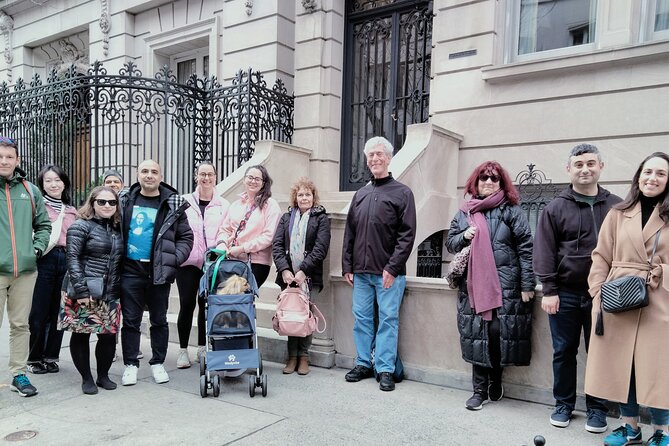
This tour is a strong match if you:
- Want a meaningful walking route you can do in a short window
- Like city history that connects to real institutions, not just one monument
- Enjoy listening to a guide make connections across multiple stops
- Prefer a small group and a story-driven format
It may be less ideal if you:
- Want a heavier, academic lecture format
- Expect long indoor museum time
- Are sensitive to varying guide delivery styles, since one guide approach can feel more narrative and another more note-like
Should You Book the Psychiatric History of New York Upper East Side Tour?
If you like guided walks that teach you how to see a neighborhood, you should book this. The combination of high ratings (4.9 average and 97% recommending it), small-group size, and a route built around addresses tied to psychoanalysis and neurological/child care makes it a smart use of a couple hours.
My practical advice for the decision: choose it if you want a story you can carry forward. Afterward, you’ll spot those streets differently. Skip it if your dream tour is long indoor access or deep medical coursework, because this format is built for street-based learning and fast, thoughtful stops.
If you’re choosing between this and a more general history walk, this one has the advantage of focus. It gives you a theme you can remember.
FAQ
How long is the Upper East Side Psychiatric History tour?
It lasts about 2 hours.
How much does the tour cost?
The price is $40.00 per person.
Where does the tour start and end?
It starts at East 87th Street & East End Avenue and ends at East 62nd Street & Madison Avenue.
What time does the tour begin?
The start time is 3:00 pm.
How big is the group?
The tour has a maximum of 12 travelers.
Is the tour offered in English?
Yes, it’s offered in English.
What ticket method is used?
You receive a mobile ticket, and confirmation is received at booking time.
The Story of New York City
- New York City: American Museum of Natural History Ticket★ 4.5 · 15,447 reviews
- NYC: Starship Landmark 90 Minute Sightseeing Cruise★ 4.6 · 3,666 reviews
- Starship Landmark 90 Minute Sightseeing Cruise★ 4.5 · 2,073 reviews
- American Museum of Natural History Admission Ticket★ 4.0 · 1,931 reviews
- Top Rated Brooklyn Half-Day Food, History & Culture Tour via bus★ 5.0 · 758 reviews
More Tours in New York City
- Statue of Liberty and Ellis Island Tour: All Options★ 5.0 · 13,571 reviews
- New York in One Day Guided Sightseeing Tour★ 5.0 · 13,166 reviews
- Central Park Pedicab Guided Tours★ 5.0 · 7,108 reviews
- New York City: Manhattan Helicopter Tour★ 4.7 · 7,076 reviews
- Private Central Park Pedicab Tour★ 5.0 · 6,981 reviews
More Tour Reviews in New York City
- NYC: SUMMIT One Vanderbilt Tickets★ 4.7 · 51,195 reviews
- NYC: Empire State Building Tickets – Observatory & Museum★ 4.7 · 25,757 reviews
- New York City: Statue of Liberty & Ellis Island with Ferry★ 4.6 · 18,683 reviews
- New York City: American Museum of Natural History Ticket★ 4.5 · 15,447 reviews
- Statue of Liberty and Ellis Island Tour: All Options★ 5.0 · 13,571 reviews
Just in: the newest New York City reviews on our desk





Historical Tours, compared.
 ★ 4.5American Museum of Natural History TicketFrom $3715,447 reviews
 ★ 4.6Starship Landmark 90 Minute Sightseeing CruiseFrom $343,666 reviews
 ★ 4.5Starship Landmark 90 Minute Sightseeing CruiseFrom $342,073 reviews
 ★ 4.0American Museum of Natural History Admission TicketFrom $371,931 reviews
 ★ 5.0Top Rated Brooklyn Half-Day Food, History & Culture Tour via busFrom $189758 reviews
 ★ 4.7Speakeasy Drinks and Prohibition History TourFrom $36474 reviews
 ★ 5.0The Original Greenwich Village Food & Cultural Tour Since 1999From $99254 reviews
 ★ 5.0The Speakeasy Adventure: A Tipsy Trip Through HistoryFrom $38220 reviews
Browse the lists this tour appears in