Reviewed · NEW YORK CITY
The United Kitchens in the Borough of Global Eats
Queens has a way of feeding your curiosity. This Queens food tour, The United Kitchens in the Borough of Global Eats, mixes serious eating with quick stops at community and religious sites, mostly in the Corona to Jackson Heights to Elmhurst orbit. I like that you get breakfast, lunch, snacks, and coffee or tea in one outing, and I also like the small group size that makes it easier to ask questions and actually hear the stories behind what you’re tasting. One thing to consider: you’re very likely to leave pretty full.
Guides matter on a food tour, and the experience leans on that. In particular, Sierra is called out for being an engaging guide who helped people learn a lot while still enjoying the day at a real-world walking pace through Queens.
If you’re coming to New York for the big sights, this is a smarter add-on for a different side of the city. You’ll spend your time in neighborhoods that feel lived-in, and the focus stays on local food culture and community spaces rather than set-piece landmarks.
In This Review
- Key highlights worth planning for
- Queens food on a 5½-hour route from Flushing to Corona and beyond
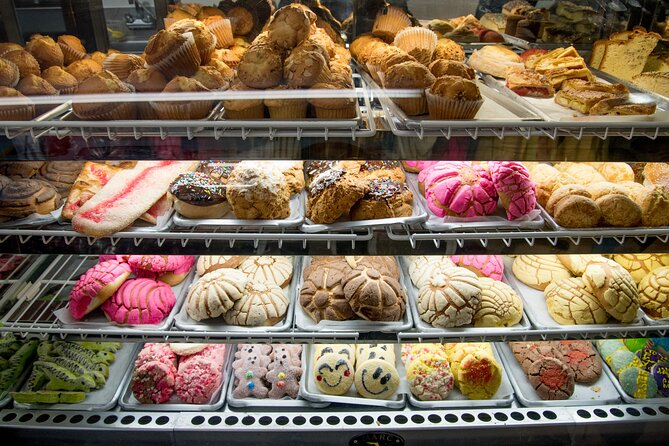
- What you actually eat: breakfast, lunch, snacks, and coffee/tea
- Small group advantage (up to 7) and why it changes your day
- Stop 1: Park of the Americas near Corona Plaza (vendors, small bites, and first context)
- Stop 2: Diversity Plaza and how Queens explains itself through food
- Stop 3: United Sherpa Association (USA), Inc. and the story of a former church turned Buddhist temple
- Stop 4: The Reformed Church of Newtown as an anchor point for Corona and Newtown connections
- Stop 5: St. James Episcopal Church and the quiet payoff of seeing multiple faith sites
- Price and value: why $175 can feel reasonable on this kind of day
- Timing and meeting point: how to set yourself up for an easy start
- Culinary Backstreets Passport stamps: a small souvenir that adds fun
- Who should book this Queens food tour
- Should you book United Kitchens in the Borough of Global Eats?
- FAQ
- Where is the tour meeting point?
- What time does the tour start?
- How long is the tour?
- How much does it cost?
- How big is the group?
- What’s included in the tour price?
- Is the tour offered in English?
- Do I need a printed ticket?
- Do the stops require paid admission?
- What’s the cancellation policy?
Key highlights worth planning for
- All-in-one meal flow: breakfast, lunch, snacks, and coffee or tea included
- Maximum 7 people: small group feel, less rushing, more conversation
- Food + place-based learning at plazas and faith sites around Queens
- Cultural stops that change how you see the area, including a church-turned-Buddhist temple
- A “passport” souvenir option with Culinary Backstreets Passport stamps
Not sold yet? Here is how this one lines up against other New York City picks:
- NYC: SUMMIT One Vanderbilt Tickets
★ 4.7 · 51,195 reviews - NYC: Empire State Building Tickets – Observatory & Museum
★ 4.7 · 25,757 reviews - New York City: Statue of Liberty & Ellis Island with Ferry
★ 4.6 · 18,683 reviews - New York City: American Museum of Natural History Ticket
★ 4.5 · 15,447 reviews
Queens food on a 5½-hour route from Flushing to Corona and beyond
This tour is built for people who want Queens to feel personal, not like a checklist. You start at 103-14 Roosevelt Ave, Flushing, NY 11368 at 10:30 am, and the day is designed to end back at the same meeting point. The timing is long enough for a full meal arc, but it’s still the kind of outing where you can keep up without needing a marathon mindset.
The route focuses on Queens neighborhoods tied to everyday community life, especially around Corona, with stops that help you understand how many cultures share space here. You won’t just eat and move on; you also pause at cultural and religious locations to connect the food to the people and places that shape it.
And because the group is limited to 7 travelers, the experience doesn’t feel like you’re herded. You get space to ask what you’re eating, how the neighborhood works, and what the site you’re standing in represents.
What you actually eat: breakfast, lunch, snacks, and coffee/tea
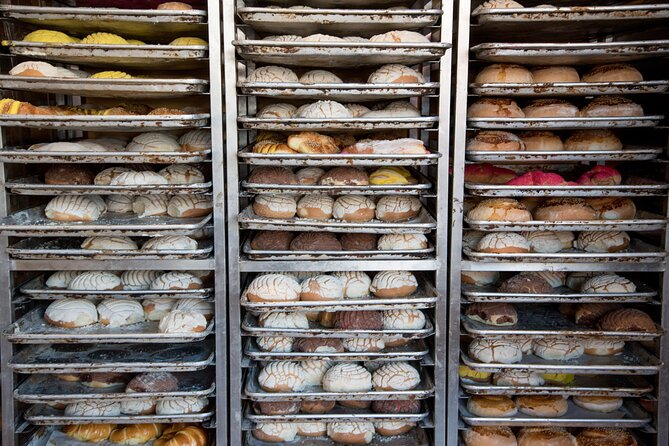
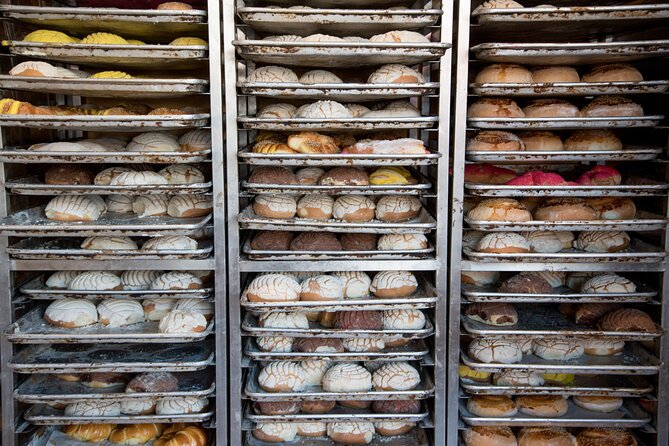
The biggest practical win is that your ticket covers a full food sequence. You’ll have breakfast, then lunch, plus snacks along the way, with coffee or tea included. For $175, that matters because in New York, piecemeal meals and “just grab a bite” stops add up fast—especially in Queens where you’ll often want to try multiple small things rather than one big plate.
This setup also changes the feel of the tour. Instead of the usual pattern where you eat a couple of samples and call it a day, you’re eating like you planned a meal day. One review specifically highlighted learning a lot and eating way too much, and that matches what this itinerary is built for: more food than most walking tours.
If you’re trying to manage hunger for the rest of your trip, plan accordingly. You’ll get more than a snack, so you might want to keep your evening lighter.
Small group advantage (up to 7) and why it changes your day
A group of up to 7 is where the experience starts to feel worth it. Queens is big, and a food tour can either become a quiet, efficient line of people following a guide—or it can become interactive, with time for questions and real explanations. This tour’s small size helps with the second one.
It also means you’re more likely to stay together and hear directions clearly, especially when you’re moving through crowded areas around plazas and local streets. When there’s room in the group, your guide can slow down when you have questions and keep the story connected to what you’re eating.
If you prefer tours that feel like a shared day with a knowledgeable host—not a bus trip on foot—this is a strong match.


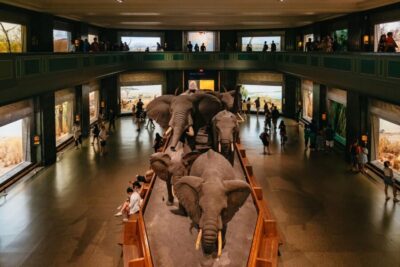

Stop 1: Park of the Americas near Corona Plaza (vendors, small bites, and first context)
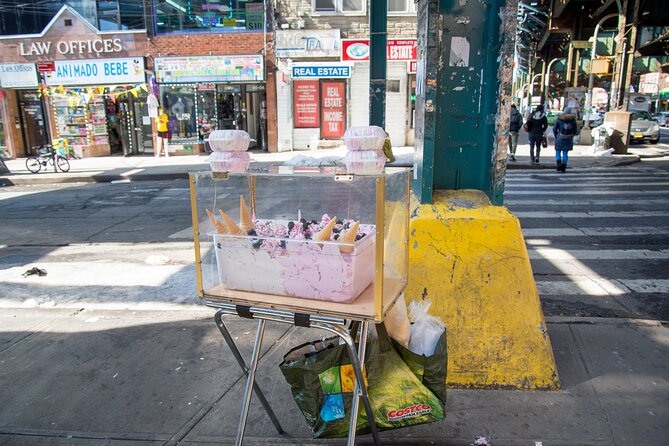
You start with Park of the Americas, taking in the busy zone around Corona Plaza. This stop is about 30 minutes, and it’s your warm-up: a chance to get grounded in the area while you begin your “bites and stories” flow.
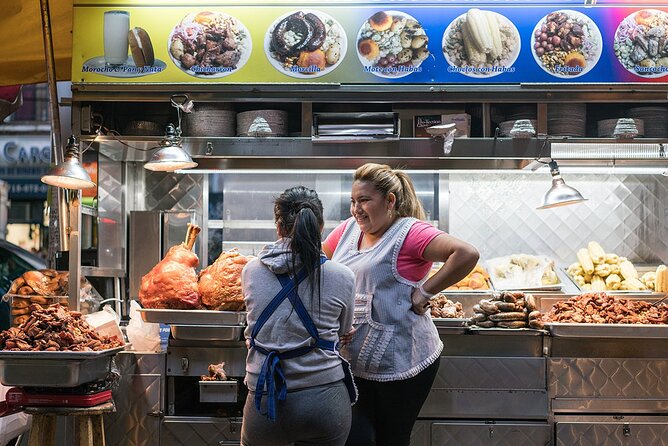
What makes this first stop useful is how it sets the tone. You’re not arriving in Queens as a tourist bubble. You’re starting in a part of the neighborhood where vendors and smaller places bring food culture into view immediately. That first taste of place helps everything after feel more connected.
Practical tip: treat this stop as your orientation. Pay attention to how the area feels and what kinds of food environments you see. The tour continues with more cultural context, but this is where you’ll start linking what you taste to where it comes from.
Admission here is listed as free, so you’re spending your time on the tour experience rather than tickets and lines.
Stop 2: Diversity Plaza and how Queens explains itself through food
Next is Diversity Plaza, about 45 minutes. The name says it all: it’s a plaza meant to represent the diversity—especially culinary diversity—you find in Queens.
This is a smart middle stop because it connects the day’s theme to the neighborhood geography. Food in Queens isn’t one culture copied many times. It’s a lot of communities sharing streets, sometimes influencing each other, sometimes staying distinct, all in the same overall city grid.
If you like understanding why things are where they are, Diversity Plaza gives you that “big picture” feel before the tour gets more specific with community and faith-site stops.
Admission is also free, so you can stay focused on the experience rather than logistics.
Stop 3: United Sherpa Association (USA), Inc. and the story of a former church turned Buddhist temple
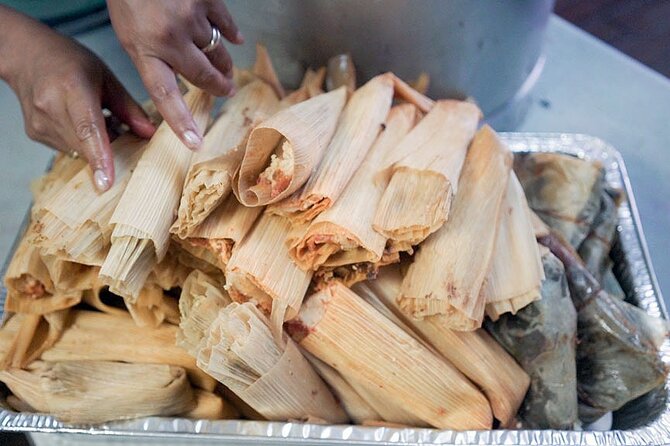
Then you move into deeper cultural context at the United Sherpa Association (USA), Inc. stop, also 45 minutes. The standout detail here is that it’s a former church turned into a Buddhist temple.
That single fact does a lot of work. It shows Queens as a place where buildings and communities adapt over time. Instead of treating religion and food as separate topics, the tour ties them together through place: who lives nearby, how traditions show up, and how communities create home in a shared city.
This stop is likely to be your “wait, that’s right here?” moment. It’s the kind of place where you’ll notice how the built environment carries memory, even when the community’s present identity is something new.
Again, admission is free, and the value comes from the guided context as you take in what you’re looking at.
Stop 4: The Reformed Church of Newtown as an anchor point for Corona and Newtown connections
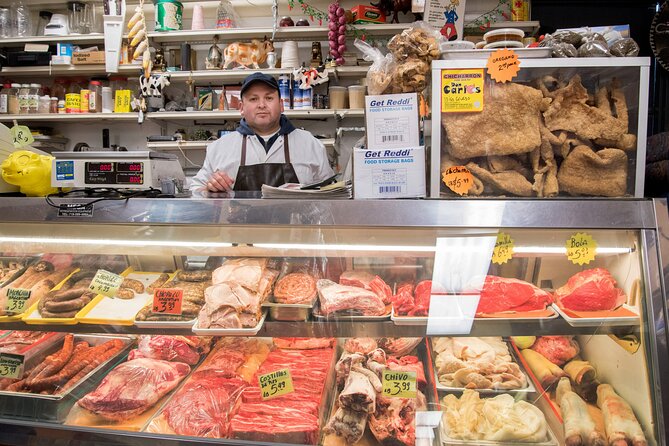
As you continue through the Corona, Jackson Heights, and Elmhurst flow, you’ll reach The Reformed Church of Newtown. This stop is 45 minutes, and it’s one of the older church sites in Queens.
Why I think this matters: it gives the tour time to slow down and connect modern food culture to older neighborhood roots. Food evolves, but streets also hold long-term patterns. A historic church site acts like an anchor for that kind of perspective.
One practical consideration: because this is a longer stop, it’s a good chance to take your questions and photo time seriously. If you tend to rush through church and memorial stops, this is the moment to switch gears. The point isn’t to speedrun it; it’s to understand why locals remember it.
Admission is free, so you’re not paying extra to access the site context on top of the main tour.
Stop 5: St. James Episcopal Church and the quiet payoff of seeing multiple faith sites
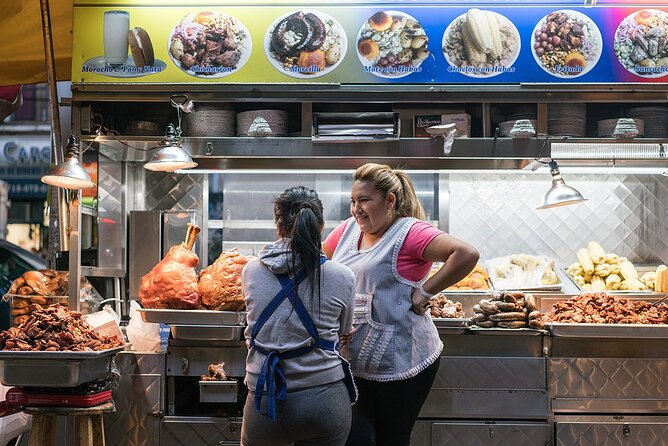
The day finishes with another historic stop you pass through: St. James Episcopal Church. This one is also set for 45 minutes.
This part of the route is about building pattern recognition. When you see more than one faith-site setting in a single day, the neighborhood starts to read differently. You begin to notice how different communities show up, how architecture communicates identity, and how the same area can hold multiple layers at once.
It’s also a fitting end because the day already includes lots of eating. Ending with a slower, reflective stop helps the tour feel complete rather than just “eat, walk, repeat.”
Admission for the overall stops is indicated as free, keeping your time focused on guided learning and food pacing.
Price and value: why $175 can feel reasonable on this kind of day
Let’s talk money in a way that’s actually helpful. At $175 per person for roughly 5 hours 30 minutes, you might wonder if it’s worth it versus eating on your own. Here’s what makes it feel like more than a random food crawl:
1) The ticket includes a full breakfast + lunch + snacks + coffee/tea sequence. In New York, that’s the part that usually drives up total cost fast.
2) The group is kept small (up to 7). When you’re paying for a guide’s time and local expertise, small groups are usually where you see better attention and fewer “stand and wait” moments.
3) The itinerary includes cultural and religious sites with free admissions at each stop. You’re paying for the connections—learning what you’re looking at and why it matters alongside what you’re eating.
So the value isn’t just “food samples.” It’s food plus guided context in Queens. If that’s your travel style, the price lands more naturally.
If your plan is to eat just once and then do museum hopping all afternoon, this might feel too food-heavy. But if you like a full day focused on one theme, it’s a solid use of time.
Timing and meeting point: how to set yourself up for an easy start
Start time is 10:30 am, and the tour is designed to be finished back where you started. Because you begin at Roosevelt Ave in Flushing, plan to arrive with enough buffer that you’re not rushing into the first stop.
The tour is listed as near public transportation, which is the practical detail you want. That reduces stress on a day that’s already long enough to involve multiple stops and guided pauses.
Also note: confirmation is provided within 48 hours of booking, subject to availability. Since it averages being booked about 79 days in advance, you’ll want to plan early if your dates are fixed.
Culinary Backstreets Passport stamps: a small souvenir that adds fun
There’s also a nice, lightweight motivation factor built into the experience. The provider mentions a Culinary Backstreets Passport where you can collect stamps from your tour.
This isn’t required for enjoyment, but it does add a bit of structure. If you’re doing more than one food walk during your trip, stamps turn the day into something you can remember later, not just a blur of bites.
Who should book this Queens food tour
This one fits especially well if you:
- love food and want it linked to real neighborhood context
- enjoy cultural and faith-site stops as part of travel
- prefer small groups over large guided crowds
- want a full meal day rather than “a few bites” and off you go
It’s also a good option for people who feel a bit overwhelmed by New York planning. A focused route with a clear start time and guided structure takes the guesswork out.
If you’re the type who dislikes sitting through guided explanations or tends to want only fast food-and-go, you might find the cultural pauses less your style. But if you like learning while you eat, this itinerary is built for you.
Should you book United Kitchens in the Borough of Global Eats?
Book it if your ideal day in Queens looks like this: start with good food, add community context at real places, and finish the day feeling like you truly understand more than just what you ate. The combination of included meals, a small group, and guided stops at cultural and religious sites is exactly the kind of value that usually takes a bite out of “tourist New York” and replaces it with something more local.
Skip or reconsider if you’re not up for an eating-heavy outing. With breakfast, lunch, snacks, and coffee or tea built in, you’ll likely leave very full.
My call: if you like food tours that teach along the way and you want Queens beyond the main sights, this is an easy yes.
FAQ
Where is the tour meeting point?
The tour starts at 103-14 Roosevelt Ave, Flushing, NY 11368, USA. It ends back at the meeting point.
What time does the tour start?
The start time is 10:30 am.
How long is the tour?
The duration is about 5 hours 30 minutes.
How much does it cost?
The price is $175.00 per person.
How big is the group?
This experience has a maximum of 7 travelers.
What’s included in the tour price?
You’ll enjoy breakfast, lunch, snacks, and coffee or tea.
Is the tour offered in English?
Yes, it’s offered in English.
Do I need a printed ticket?
The tour uses a mobile ticket.
Do the stops require paid admission?
The stops listed are marked with free admission.
What’s the cancellation policy?
You can cancel for a full refund if you cancel up to 24 hours in advance of the experience start time. If you cancel later than that, the amount paid is not refunded.
More Tour Reviews in New York City
- NYC: SUMMIT One Vanderbilt Tickets★ 4.7 · 51,195 reviews
- NYC: Empire State Building Tickets – Observatory & Museum★ 4.7 · 25,757 reviews
- New York City: Statue of Liberty & Ellis Island with Ferry★ 4.6 · 18,683 reviews
- New York City: American Museum of Natural History Ticket★ 4.5 · 15,447 reviews
- Statue of Liberty and Ellis Island Tour: All Options★ 5.0 · 13,571 reviews