
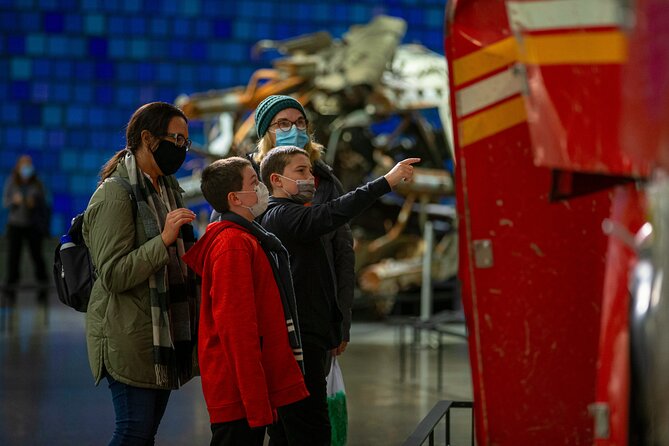
Reviewed · 9/11 MEMORIAL & GROUND ZERO TOURS
9/11 Memorial Museum Admission Ticket
Timing matters at Ground Zero. With a timed-entry mobile ticket, you get straight in and can focus on the museum itself, which sits below the 9/11 Memorial’s reflecting pools. It’s self-guided, so you can pause, read, and watch at the speed your brain can handle.
Two things I especially like are the efficiency of the direct, time-slotted entry and the way the museum organizes major exhibits into clear, powerful parts. One note before you go: this is heavy subject matter, so if you’re rushing or trying to squeeze in lots of stops, you’ll miss the point, and you also can’t re-enter once you exit.
In This Review
- Key takeaways before you go
- Timed entry gets you to the right place faster
- Arrival basics: security, the coat room, and no re-entry
- The museum circuit: two hours that can quietly become three
- Stop 1: the National 9/11 Memorial & Museum and what it’s trying to do
- In Memoriam: remembrance that you feel in your body
- September 11, 2001: the day, explained in connected parts
- Pacing tips: how to avoid rushing while still leaving on time
- Accessibility and visitor rules that affect your comfort
- Who should book this ticket?
- Price and value: is $36 worth it?
- Should you book this 9/11 Memorial Museum ticket?
- FAQ
- How long should I plan to spend at the 9/11 Memorial Museum?
- Do I need a timed ticket in advance?
- Is the museum wheelchair and stroller accessible?
- What screening rules should I expect?
- Can I bring a backpack or large bag?
- Are photos allowed?
- Is food included with the ticket?
- What’s the cancellation policy?
Key takeaways before you go

- Timed-entry mobile access helps you avoid the biggest time sink: standing around.
- The museum is located below the memorial pools, which keeps the whole visit grounded in place.
- In Memoriam centers on remembrance for the people killed, with deep context on the impact.
- September 11, 2001 presents the day and its aftereffects in multiple connected parts.
- Security screening + coat room rules mean pack light so you don’t waste time.
More ways to visit Ground Zero and the memorial
- NYC: One World Observatory Skip-the-Line Ticket
★ 4.7 · 12,329 reviews - 9/11 Memorial, Ground Zero Tour with Optional 9/11 Museum Ticket
★ 5.0 · 6,381 reviews - 9/11 Memorial Museum Admission Ticket
★ 4.5 · 6,376 reviews - All-Access 9/11: Ground Zero Tour, Memorial and Museum, One World Observatory
★ 5.0 · 4,886 reviews
Timed entry gets you to the right place faster
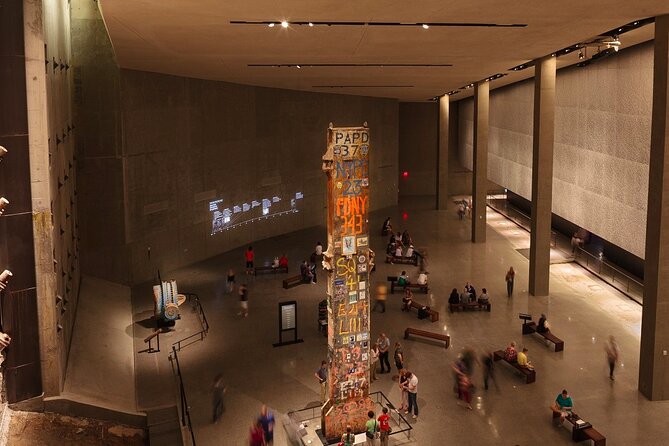
The first thing you’ll notice about the National 9/11 Memorial & Museum is the setting. The museum is built below the reflecting pools that mark the footprints of the Twin Towers. Even before you step into exhibits, the design makes the visit feel tied to the physical reality of the site.
With timed admission on a mobile ticket, you’re not gambling on walk-up lines. You’re assigned a window, then you’re admitted. That matters in New York, where time is always the hidden cost. The experience is also designed for a self-guided pace, which is a big deal here. You’re not being rushed past names and artifacts. You’re encouraged to take in what you need to take in.
Two practical benefits I found especially useful:
- You can plan your day around a start time, not around uncertainty.
- You can linger. The admission is set up so you can stay as long as you want after entering.
Arrival basics: security, the coat room, and no re-entry
Plan like this is an airport-style entry. Everyone goes through screening, and you should expect the same “keep it simple” rules. If you’re carrying a big bag, bring less. Large bags—especially backpacks and large umbrellas—are sent to the coat room for mandatory storage.
Here’s the main operational head-saver: no re-entry once you exit. That means you’ll want to treat the building like a one-trip circuit. If you think you might want to step out for a quick reset, do that before you enter, not during the visit.
Photography is allowed, but with limits. You can take photos for private, non-commercial use only. Also, there’s a rule about phones: cell phone conversation is prohibited in exhibition spaces and theaters. So if you’re the type who narrates your life out loud, switch to silent texting.
And yes, the museum experience is stroller- and wheelchair-friendly. That’s a genuine plus at this site, where the emotional weight can make every pause more important.
The museum circuit: two hours that can quietly become three
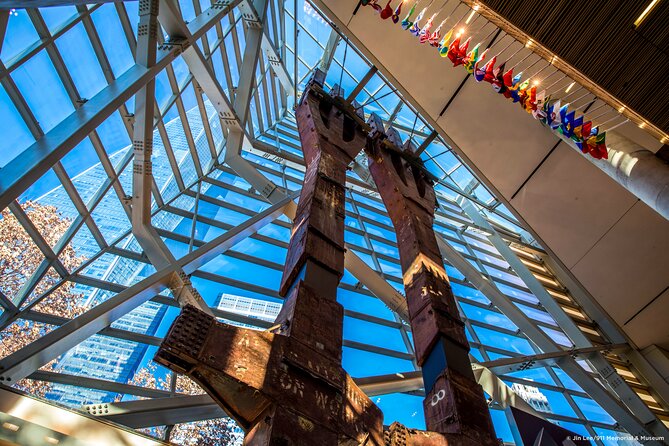
The museum is designed around self-guided wandering through exhibitions and multimedia displays. You’ll typically want around two hours for a solid visit, but that number can shift depending on how much you read and watch. The layout is big enough that “I’ll just do the highlights” can turn into a half-commitment if you’re trying to understand what you’re seeing.
In the museum, you’ll move through a mix of:
- artifacts and site-related materials
- first-person accounts (presented through exhibits and media)
- multimedia and interpretive panels
- dedicated memorial displays
The museum being under the memorial pools affects the flow. You can’t really treat this as a quick indoor stop. The design nudges you toward staying present. I’d call that a feature, not a bug.
Also, keep in mind that some parts can feel more physically demanding than you expect. One review mentioned slippery stairs, and it’s a good reminder to take your time where surfaces are slick. If you’re with kids or have mobility considerations, give yourself room to slow down.
More halls and galleries worth the hours




Stop 1: the National 9/11 Memorial & Museum and what it’s trying to do

When you enter, you’re stepping into an institution built around commemoration and education. The museum honors the 2,983 people killed in the 2001 attacks, and it also includes those who were killed in the February 26, 1993 bombing. It’s not only about what happened that day. It’s also about the ripple effects—on responders, survivors, and the world that came after.
For me, the value here is that the museum doesn’t ask you to process tragedy like it’s a history lecture. It treats the subject with care and structure. The tone is emotional. The content is informational. Both things matter.
In Memoriam: remembrance that you feel in your body

One of the museum’s main exhibits is In Memoriam. This is the remembrance-focused section, with displays that highlight the people who lost their lives. The emotional impact comes not just from the subject, but from the way the exhibit directs your attention—names, context, and the meaning of loss.
Why this matters for you: if you’re coming in with only general knowledge, In Memoriam helps anchor the visit in individuals rather than in headlines. It’s also a place where it’s normal to slow down and read carefully. The museum is built so you don’t have to keep moving just to “finish.”
If you’re visiting with family, In Memoriam tends to create real conversation. One family description said their kids were curious and full of questions as they walked through. That lines up with what this section is for: it gives visitors enough detail to ask better questions.
September 11, 2001: the day, explained in connected parts

The other core exhibit is September 11, 2001, described as a three-part exhibition that tells the story of the day and examines motives for the attacks. It then moves into aftereffects—locally and globally—and how the event changed the world.
I like this structure because it prevents the most common mistake: getting stuck in a loop of “what happened” without understanding what came after. The exhibit pushes you to connect the immediate catastrophe with longer-term consequences. It’s also where you’ll find a lot of the explanation-level content—history of the World Trade Center, plus multimedia and first-person accounts.
If you want one practical approach, use this rule: in the first part, focus on sequence and big picture. In the second and third parts, switch gears and pay attention to cause-and-effect. You’ll get more from the museum that way, even if it feels emotionally exhausting.
There’s also mention of a film or presentation area that helps set context, including accounts from public officials. Even if you’ve read a lot about 9/11 already, that type of intro can help you orient yourself.
Pacing tips: how to avoid rushing while still leaving on time

The museum suggests at least two hours, and that’s realistic for most people who don’t try to read every label cover to cover. But if you’re the kind of visitor who stops repeatedly—because you’re thinking, because you’re processing, because you’re looking again—that two-hour plan can expand without you noticing.
Here’s how to keep your visit from turning into a stressful slog:
- Give yourself permission to pause in the heavy sections.
- Don’t schedule other “must-do” stops back-to-back right after your entry time.
- If you’re with kids or anyone who gets overwhelmed, plan breaks where you can step back from the most intense displays.
A couple of practical realities also matter:
- The museum is under the memorial site, so it’s not a “grab air” experience. You’ll feel like you’re inside a focused environment.
- Security and coat room logistics mean you should arrive a bit ready and not carrying extra clutter.
The biggest piece of advice I’d give: don’t treat this as a checkbox. Treat it as a structured experience where your pace is part of the respect.
Accessibility and visitor rules that affect your comfort
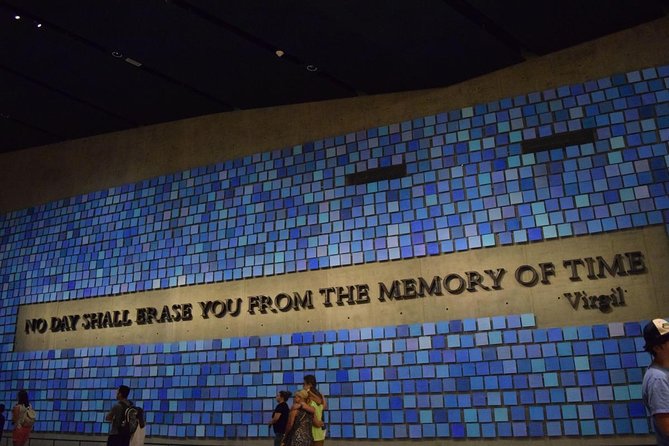
This is an easy museum to get around in the broad sense. It’s wheelchair and stroller accessible, and most travelers can participate.
What can affect comfort instead isn’t accessibility—it’s rules and etiquette:
- No re-entry after exiting means you should plan your route before you step out.
- Large bags go to storage in the coat room, so pack light.
- Cell phone conversation is prohibited in exhibition spaces and theater, so keep the volume down and the group respectful.
- Photography is allowed only for private, non-commercial use.
If you’re traveling with someone who has sensory sensitivity, consider bringing noise-canceling headphones. The data doesn’t explicitly mention headsets, but the museum setting is quiet-focused. Still, follow any posted guidance you see once you arrive.
Who should book this ticket?
This timed-entry ticket works well if you:
- want direct entry and fewer delays
- prefer self-guided exploring instead of a strict guided route
- are visiting Lower Manhattan and want a meaningful anchor stop
It also works for families, especially if kids are old enough to ask questions and engage with exhibits. One review noted that a 9- and 10-year-old were curious, which tells me the museum can meet young visitors where they are—if you’re willing to talk and explain.
If you’re visiting for the first time and you feel a bit overwhelmed by the amount of information out there, this museum’s structure helps. It’s not just artifacts. It’s a guided interpretation of the day and what followed.
If you’re someone who needs a very light, upbeat experience, this isn’t it. The museum is designed for memory and reflection, not distraction.
Price and value: is $36 worth it?
At $36 per person, this ticket is not “cheap,” but it’s also not overpriced when you compare it to what you’re buying. You’re paying for:
- guaranteed, timed-entry admission
- access to major exhibitions including In Memoriam and September 11, 2001
- multimedia displays and artifact-focused interpretation
- a visit length that’s effectively flexible (stay as long as you want once inside)
In New York, saving time has real value. A timed ticket can keep your day from unraveling. And because the museum is self-paced, your money goes toward the experience you actually take in—not a rigid group schedule.
Two extra value notes:
- Children ages 6 and under are free, which helps family budgets.
- Confirmation is typically quick (within 48 hours, subject to availability), so you can still plan without last-minute stress.
Should you book this 9/11 Memorial Museum ticket?
Yes, you should book if you want a respectful, informative visit to the memorial’s museum component and you care about time efficiency. The timed-entry mobile ticket is the kind of upgrade that pays off immediately. Once you’re inside, the exhibitions give you the structure to understand what happened and why it still matters.
I’d skip or reconsider if you’re looking for something casual, quick, or emotionally light. This place asks for your full attention. That’s a dealbreaker for some people. For others, it’s exactly what they’re there for.
If you do book, plan extra mental room. Even if you only target two hours, you’ll likely slow down in the key sections.
FAQ
How long should I plan to spend at the 9/11 Memorial Museum?
You should plan for about 2 hours as a starting point. The ticket allows you to stay as long as you want, so many people end up taking more time depending on how much they read and watch.
Do I need a timed ticket in advance?
Yes. This experience is timed-entry and uses a mobile ticket, so prebooking is the way to guarantee your admission for your selected time slot.
Is the museum wheelchair and stroller accessible?
Yes. The museum is described as wheelchair and stroller accessible, and most visitors can participate.
What screening rules should I expect?
You’ll be screened by airport-style security. Large items are also handled through the coat room rules, so expect a more structured entry process than typical museums.
Can I bring a backpack or large bag?
Large bags, including backpacks and large umbrellas, are subject to mandatory storage in the coat room.
Are photos allowed?
Yes, photography is permitted for private, non-commercial use only.
Is food included with the ticket?
No. Food and drinks are not included.
What’s the cancellation policy?
You can cancel for a full refund if you cancel up to 24 hours in advance. If you cancel less than 24 hours before the start time, the amount paid is not refunded.
More Tour Reviews in New York City
- NYC: SUMMIT One Vanderbilt Tickets★ 4.7 · 51,195 reviews
- NYC: Empire State Building Tickets – Observatory & Museum★ 4.7 · 25,757 reviews
- New York City: Statue of Liberty & Ellis Island with Ferry★ 4.6 · 18,683 reviews
- New York City: American Museum of Natural History Ticket★ 4.5 · 15,447 reviews
- Statue of Liberty and Ellis Island Tour: All Options★ 5.0 · 13,571 reviews
Indoors Done Right: More Museums
- NYC: Empire State Building Tickets – Observatory & Museum★ 4.7 · 25,757 reviews
- New York City: American Museum of Natural History Ticket★ 4.5 · 15,447 reviews
- NYC: Museum of Modern Art (MoMA) Entry Ticket★ 4.6 · 12,540 reviews
- 9/11 Memorial, Ground Zero Tour with Optional 9/11 Museum Ticket★ 5.0 · 6,381 reviews
- All-Access 9/11: Ground Zero Tour, Memorial and Museum, One World Observatory★ 5.0 · 4,886 reviews
Back to Ground Zero: More to Book
- NYC: One World Observatory Skip-the-Line Ticket★ 4.7 · 12,329 reviews
- 9/11 Memorial, Ground Zero Tour with Optional 9/11 Museum Ticket★ 5.0 · 6,381 reviews
- All-Access 9/11: Ground Zero Tour, Memorial and Museum, One World Observatory★ 5.0 · 4,886 reviews
- New York City One World Observatory Admission Ticket★ 4.5 · 2,636 reviews
- NYC City Tour: Statue of Liberty, 9/11 Memorial, Wall Street★ 4.5 · 2,059 reviews
Just in: the newest New York City reviews on our desk





9/11 Memorial & Ground Zero Tours, compared.
 ★ 4.7One World Observatory Skip-the-Line TicketFrom $3012,329 reviews
 ★ 5.09/11 Memorial, Ground Zero Tour with Optional 9/11 Museum TicketFrom $396,381 reviews
 ★ 5.0All-Access 9/11: Ground Zero Tour, Memorial and Museum, One World ObservatoryFrom $1094,886 reviews
 ★ 4.5New York City One World Observatory Admission TicketFrom $302,636 reviews
 ★ 4.5NYC City Tour: Statue of Liberty, 9/11 Memorial, Wall StreetFrom $392,059 reviews
 ★ 5.0NYC in a Day Tour: Lady Liberty, Times Square, Freedom TowerFrom $891,735 reviews
 ★ 4.7Ground Zero 9/11 Memorial Tour & Optional 9/11 Museum TicketFrom $391,584 reviews
 ★ 4.79/11 Ground Zero Tour with All Access OptionFrom $391,272 reviews
Browse the lists this tour appears in