
Reviewed · NYC MUSEUM TOURS
New York City: Museum of Broadway Entry Ticket
Broadway history plays on big screens. I love the Broadway timeline that walks you from the early days to today, and I also love the hands-on backstage look that turns production roles into something you can actually see. Located in the heart of Times Square, it’s a smart way to get your theater fix without waiting for curtain time.
One drawback: it can feel rushed if you only have an hour, and there’s a lot of standing plus three flights of stairs. Plan on a couple hours if you want to read closely, linger at hands-on stations, and catch the photo spots.
In This Review
- Key things to know before you go
- Times Square Entry: Getting Oriented Fast
- The Broadway Timeline on Three Floors
- Video-Led History That Makes the Timeline Easier
- Social Progress Moments You Might Not Expect
- Costumes, Props, and Designer-Driven Exhibits
- Behind the Curtain: What It Takes to Make a Broadway Show
- How Much Time You Need (and When You’ll Feel Rushed)
- Price and Value Check for a $41 Ticket
- Who This Museum Works Best For
- Should You Book the Museum of Broadway Entry Ticket?
- FAQ
- Where do I check in for the Museum of Broadway ticket?
- How much does the Museum of Broadway entry ticket cost?
- How long is the experience?
- Is the ticket refundable?
- Are strollers allowed inside the exhibit areas?
- Do children need to be accompanied by an adult?
- Are service animals permitted?
- What is included with this booking?
- Who provides this activity?
Key things to know before you go
- Broadway’s story in a timeline format, from birth to the present
- Video-led history that connects major eras and theater expansion
- Social progress moments, showing where Broadway changed social norms
- Props and costumes from shows past and present
- Backstage “how it’s made” stations, including the unseen jobs
- Lockers and hands-on photo moments to keep you moving comfortably
More halls and galleries worth the hours
- NYC: Empire State Building Tickets – Observatory & Museum
★ 4.7 · 25,757 reviews - New York City: American Museum of Natural History Ticket
★ 4.5 · 15,447 reviews - NYC: Museum of Modern Art (MoMA) Entry Ticket
★ 4.6 · 12,540 reviews - 9/11 Memorial, Ground Zero Tour with Optional 9/11 Museum Ticket
★ 5.0 · 6,381 reviews
Times Square Entry: Getting Oriented Fast
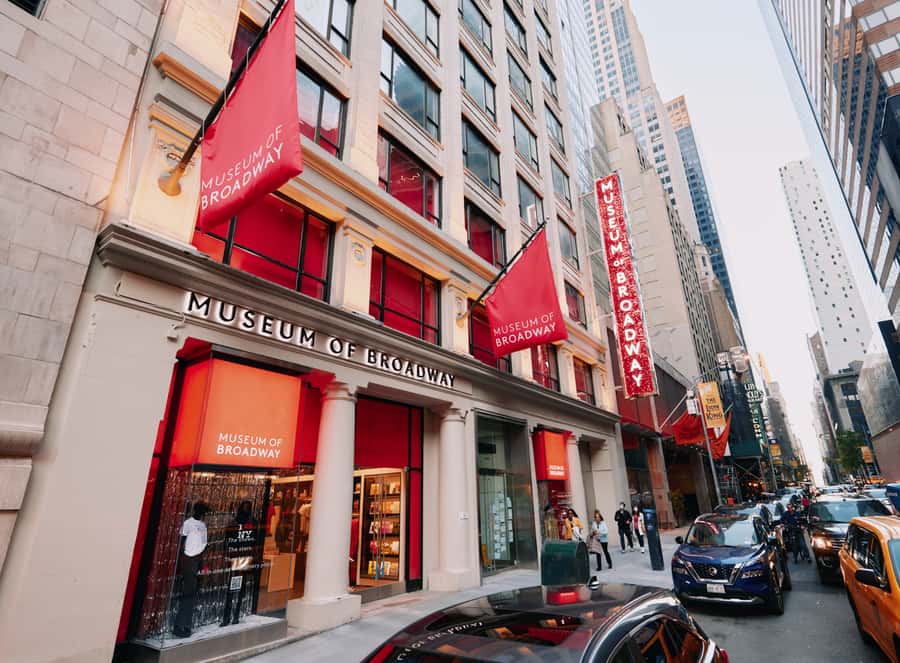
The Museum of Broadway sits right in the middle of Times Square energy, which can be either perfect or a little overwhelming depending on your day. This ticket is straightforward: you present your voucher at the Museum of Broadway and you’re in.
Once you’re inside, start by getting your bearings quickly. There’s a lobby area and a merchandise store zone, and from there you’ll transition into the exhibit floors. A nice practical detail: lockers are available, which matters if you’re carrying bags while you wander. You also get hands-on spots and multiple photo opportunities, so having a place to stash your stuff helps you actually enjoy the experience instead of managing your bag all the time.
If you’re bringing kids, note the museum policy that kids 12 and under must be with an adult who is 18 or older. If you have a stroller, plan ahead too: strollers aren’t allowed beyond the lobby and merchandise store, and you’ll need to check them before you reach the exhibit areas. It’s not a deal-breaker, but it changes how you should plan your arrival.
The Broadway Timeline on Three Floors
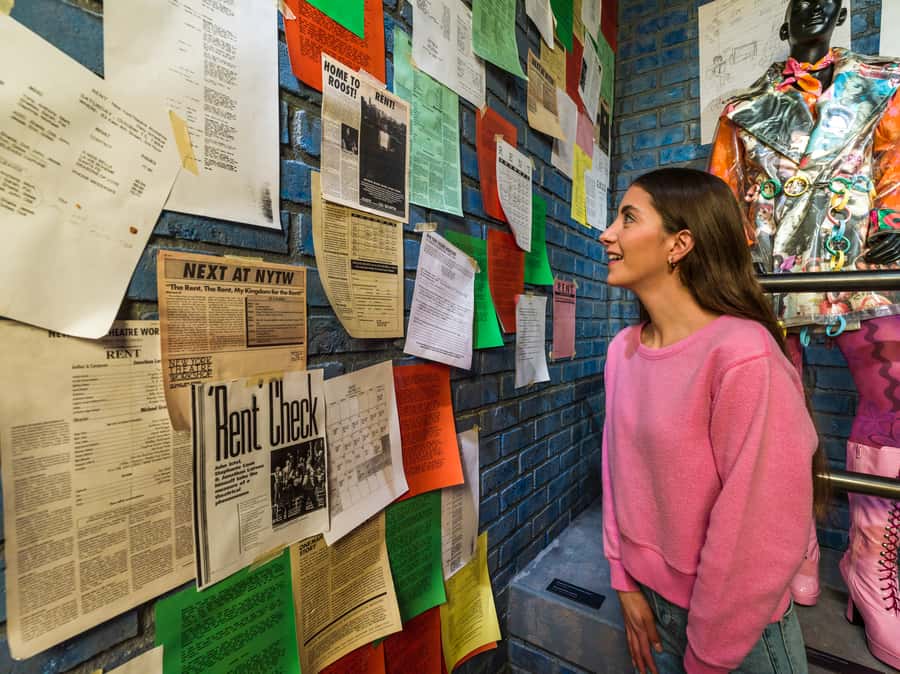
This ticket is built around one main idea: walk through Broadway’s story as it grows. The museum uses a timeline approach, so you’re not just looking at isolated show posters. You move from era to era, picking up the “how we got here” context along the way.
In fact, the experience is spread across multiple floors, and the layout is designed so you can take your time with each section. That matters because the exhibits aren’t just big visuals. They’re set up so you can stop, read, and notice details in costumes, props, and interpretive panels.
You’ll also see the ways Broadway expanded and changed over time. The museum’s focus isn’t only about famous titles. It also points to the pioneers and the people behind the scenes who shaped what Broadway became. If you love theater but don’t always know the production ecosystem, this kind of timeline can be a real confidence boost—suddenly you can place names, roles, and turning points in your head.
Video-Led History That Makes the Timeline Easier
The museum doesn’t rely only on static displays. It uses immersive, video-led storytelling to show Broadway’s history of theaters and major growth moments. This is one of the best ways to avoid the trap of museum fatigue. When you’re ready for a break from reading labels, a video section gives you a mental reset.
In practical terms, these video parts also help you keep the timeline straight. Without them, it’s easy to mix up eras just by looking at poster-like artifacts. With them, you get sequence and momentum—birth, growth, expansion, and then the present-day Broadway landscape.
Here’s the best strategy: don’t rush the video moments. Even if you’re a quick reader, these are key connective tissue. If you keep moving too fast, you’ll miss what each era sets up for the next.
Curtain up: more Broadway seats


Social Progress Moments You Might Not Expect
One of the more interesting aspects of the museum is that it doesn’t treat Broadway as purely entertainment. It highlights socially progressive moments—times when Broadway pushed boundaries and challenged social norms.
This matters because a lot of theater history gets reduced to awards, famous playwrights, and hit musicals. Here, you see that Broadway also acted like a public mirror and a cultural disruptor. The museum makes room for the idea that theater can influence attitudes, not just reflect them.
As you move through these sections, look for the interpretive connections: what changed, who it affected, and why it mattered for the audience of that era. This is also where the museum feels especially rewarding for people who love the arts but want the bigger context—why a show landed, and why it would have mattered beyond the stage.
Costumes, Props, and Designer-Driven Exhibits
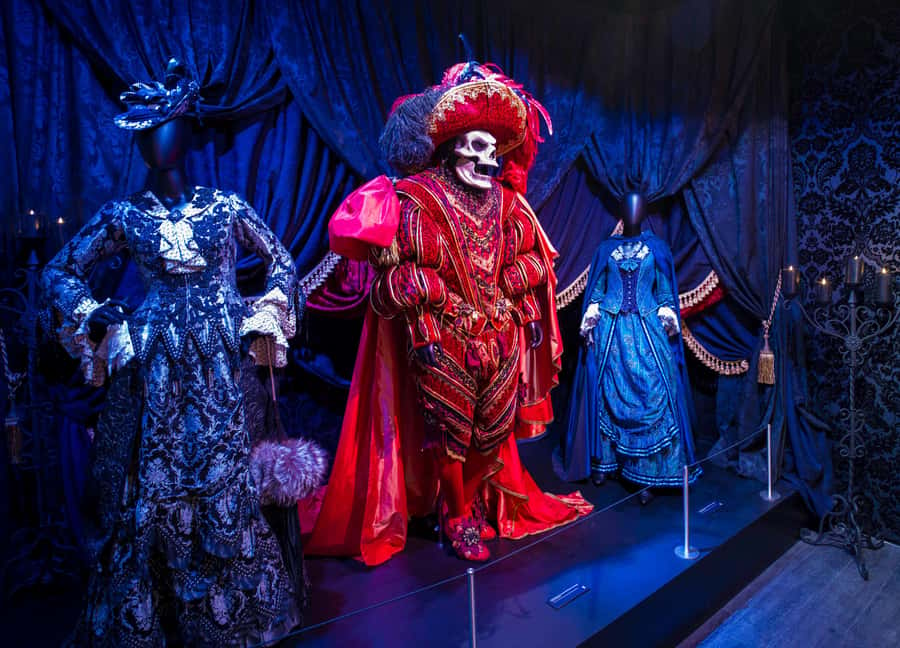
The museum is full of stage-used and show-related items, including costumes and props. That hands-on connection is one of the quickest ways to make Broadway feel real. Text explanations are great, but seeing the physical objects is what triggers the wow factor.
You’ll also encounter exhibits designed by internationally known artists and designers. That design layer shows up in the way spaces are themed, how objects are presented, and how you’re guided through each period. In other words, it’s not just a storage room of artifacts. It’s built to keep you curious while you learn.
If you’re a photo person, you’ll appreciate that there are cute, thematic photo spots along the way. My practical advice: bring your phone ready, but don’t treat photo ops like speed bumps. Try to pair each photo moment with a quick read of the labels nearby, so you leave with memory plus meaning.
Behind the Curtain: What It Takes to Make a Broadway Show
This is the section you’ll feel in your bones, especially if you’re the type who thinks about how things get made. The museum goes behind the curtain to explain what it really takes to create a Broadway show.
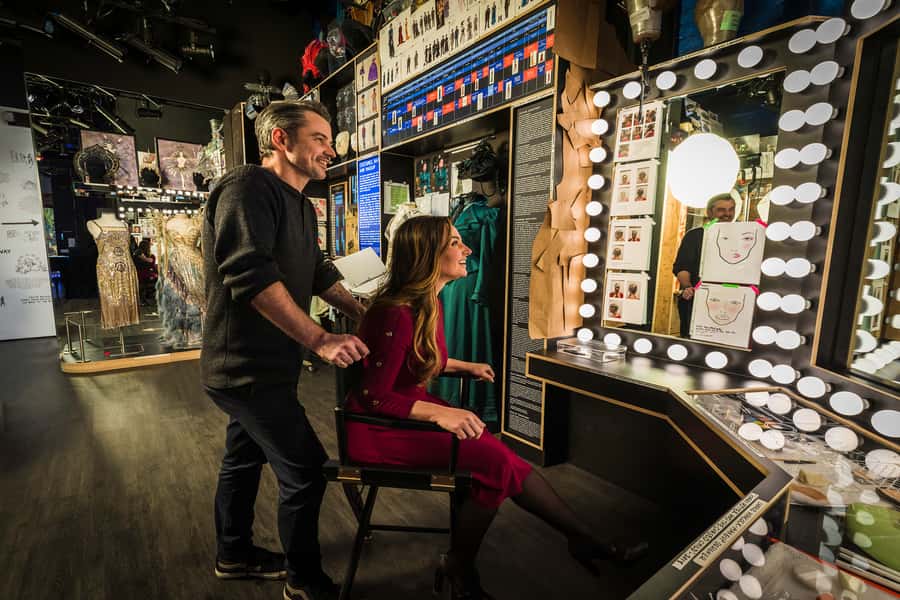
Instead of just showing the end product—the opening night glow—you get a look at the unseen jobs and the many roles that make theater happen. This is a big deal. It turns Broadway from a mysterious black box into a process you understand: planning, creative work, production roles, and all the logistics that have to line up perfectly.
The exhibit experience also includes hands-on elements, so you’re not just passively watching. You’re interacting with the idea of theater-making. That’s why it works well even if you don’t consider yourself a superfan. You’ll leave knowing more about the craft than you started with.
And if you’re trying to decide whether to go, here’s a simple test: if you enjoy learning how systems work—how productions get built—this backstage focus is one of the strongest reasons to buy the ticket.
How Much Time You Need (and When You’ll Feel Rushed)
This isn’t a five-minute stop. The museum can easily eat up a big chunk of your day because there’s a lot to look at across multiple floors. One review experience (and I agree with the logic) is that if you only have about an hour, you might feel rushed. You can still see a lot, but you’ll likely miss details and lose the chance to fully enjoy the hands-on spots.
My recommendation: treat it as a “two-ish hour” museum. If you’re a label reader, add a bit more time. If you’re traveling with kids or anyone who needs slower pacing, give yourself extra room. The museum supports lockers, so you can move more freely, but the exhibits still take time to absorb.
Also keep in mind physical movement. There’s a good amount of standing and stairs. One key accessibility note from real-world visits: expect to navigate three flights of stairs. If mobility is an issue, plan for slower pacing and consider bringing a companion who can help as needed.
Price and Value Check for a $41 Ticket
At $41 per person, this entry ticket isn’t a budget museum bargain. So the question is value: what do you get for the cost?
You get several things that add up:
- A timeline-driven Broadway story across multiple floors
- Video-led history that helps you understand the flow of eras
- Social progress themes, not just show titles
- Costumes and props tied to well-known productions
- Backstage production insights, including unseen roles
- Lockers and hands-on/photo elements to make the visit feel active
If you’re coming to New York for Broadway anyway, this ticket can be a high-leverage add-on. It helps you see what’s behind the shows you’ll watch live. It also works well on days when you don’t want to do another walking-heavy attraction, but you still want culture that feels specific to theater.
On the other hand, if you’re only interested in one famous show, this may feel broader than you want. But if you’re curious about how Broadway became Broadway, and you like production context, $41 feels more justified.
Who This Museum Works Best For
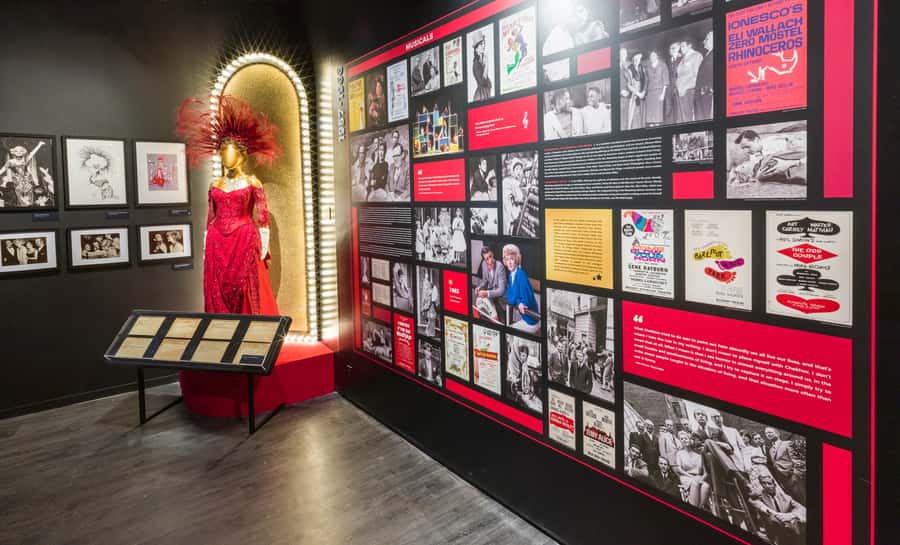
This museum hits hardest for people who like theater history and the real mechanics of shows.
It’s a great fit if:
- You’re a Broadway fan, especially the kind who wants more than playbills
- You want backstage context before seeing a show
- You travel with family and want interactive parts and photo spots
- You enjoy museum exhibits that combine artifacts with explanations
It’s less ideal if:
- You need a mostly seated experience (there’s lots of standing)
- You hate stairs or want minimal walking
- You’re time-crunched to under an hour and plan to sprint
If you’re visiting with kids, remember the age rule: anyone 12 and under needs an adult who is 18 or older. If you’re bringing a stroller, you’ll have to check it before entering the exhibit areas, so pack light and plan your arrival pace.
Should You Book the Museum of Broadway Entry Ticket?
Yes, if you want a theater-focused museum experience in the heart of Times Square and you like learning how Broadway works beyond just the curtain. The timeline format, video-led storytelling, social progress chapters, and the backstage production angle create a visit that’s both entertaining and educational.
Skip it (or at least adjust expectations) if you only have an hour, you can’t handle stairs and standing, or you’re looking for a single-show museum. The ticket is best when you treat it like a slow, curious stroll.
If you can plan a couple hours and you’re in the Broadway mood, this is an easy add-on that makes your New York theater day feel more complete.
FAQ
Where do I check in for the Museum of Broadway ticket?
Present your voucher at the Museum of Broadway.
How much does the Museum of Broadway entry ticket cost?
The price is $41 per person.
How long is the experience?
The duration is 1 day. Starting times depend on availability.
Is the ticket refundable?
No. The activity is non-refundable.
Are strollers allowed inside the exhibit areas?
No. Strollers are not allowed beyond the lobby and merchandise store, and you will be required to check them before entering the exhibit areas.
Do children need to be accompanied by an adult?
Yes. Guests 12 and under must be accompanied by an adult who is 18 or older.
Are service animals permitted?
Yes, service animals are permitted as authorized by applicable law.
What is included with this booking?
Your booking includes a Museum entry ticket.
Who provides this activity?
The experience provider is Broadway Inbound.
More Tour Reviews in New York City
- NYC: SUMMIT One Vanderbilt Tickets★ 4.7 · 51,195 reviews
- NYC: Empire State Building Tickets – Observatory & Museum★ 4.7 · 25,757 reviews
- New York City: Statue of Liberty & Ellis Island with Ferry★ 4.6 · 18,683 reviews
- New York City: American Museum of Natural History Ticket★ 4.5 · 15,447 reviews
- Statue of Liberty and Ellis Island Tour: All Options★ 5.0 · 13,571 reviews
More Nights on Broadway
- NYC: Aladdin the Musical on Broadway★ 4.8 · 1,800 reviews
- NYC: The Lion King on Broadway1,609 reviews
- NYC: MJ the Musical on Broadway1,510 reviews
- NYC: Moulin Rouge! the Musical on Broadway1,329 reviews
- NYC: Harry Potter and the Cursed Child on Broadway700 reviews
Indoors Done Right: More Museums
- NYC: Empire State Building Tickets – Observatory & Museum★ 4.7 · 25,757 reviews
- New York City: American Museum of Natural History Ticket★ 4.5 · 15,447 reviews
- NYC: Museum of Modern Art (MoMA) Entry Ticket★ 4.6 · 12,540 reviews
- 9/11 Memorial, Ground Zero Tour with Optional 9/11 Museum Ticket★ 5.0 · 6,381 reviews
- 9/11 Memorial Museum Admission Ticket★ 4.5 · 6,376 reviews
Just in: the newest New York City reviews on our desk





NYC Museum Tours, compared.
 ★ 4.7Empire State Building Tickets – Observatory & MuseumFrom $4725,757 reviews
 ★ 4.5American Museum of Natural History TicketFrom $3715,447 reviews
 ★ 4.6Museum of Modern Art (MoMA) Entry TicketFrom $3012,540 reviews
 ★ 5.09/11 Memorial, Ground Zero Tour with Optional 9/11 Museum TicketFrom $396,381 reviews
 ★ 4.59/11 Memorial Museum Admission TicketFrom $366,376 reviews
 ★ 5.0All-Access 9/11: Ground Zero Tour, Memorial and Museum, One World ObservatoryFrom $1094,886 reviews
 ★ 4.7Intrepid Museum Entry TicketFrom $384,687 reviews
 ★ 4.7Madame Tussauds Entry TicketsFrom $423,625 reviews
Browse the lists this tour appears in