
Reviewed · NYC BIKE TOURS
NYC: Radical and Weird History Bike Tour of Manhattan
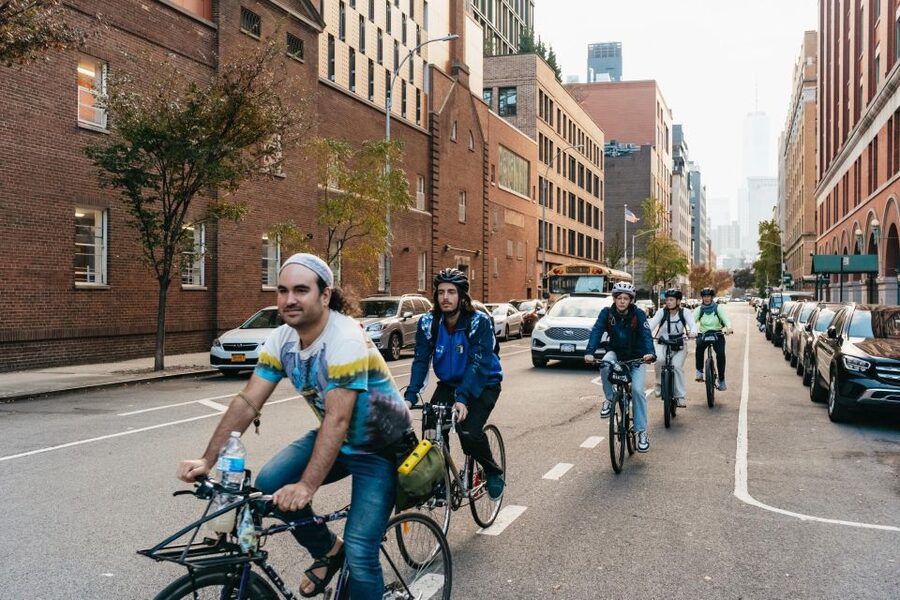
Manhattan has a second, weirder map. This 4-hour bike tour through Lower Manhattan connects radical, strange stories to real streets, not postcard landmarks. I like that it’s built with street-level safety in mind, thanks to a working bike messenger background guiding the route choices.
I also like the payoff: you get little-known history and entertaining, high-energy storytelling that makes the city feel personal fast. One thing to keep in mind: the tour includes a mid-tour snack, but you should expect to pay for any extra food or drinks you want beyond that.
In This Review
- Key things that make this tour worth your time
- Finding 79 Chambers St: the TriBeCa start that sets the tone
- Street-level safety from a real bike messenger approach
- Lower East Side in motion: origins of the Yiddish anarchist movement
- Short mystery stops that turn buildings into storyboards
- East Village storytelling: a full hour with room to laugh
- Mid-tour snack break: energy for the last stretch
- Greenwich Village: Beatnik-era streets with context
- West Village and Meatpacking District: the radical thread keeps moving
- Price and value: $46 rental plus direct guide pay
- Who should book this Manhattan bike tour (and who might not)
- Should you book this radical and weird history bike tour?
- FAQ
- How long is the NYC Radical and Weird History Bike Tour of Manhattan?
- Where does the tour start and end?
- What is the price, and does it include the guide?
- What’s included in the tour?
- Is it beginner-friendly for riders?
- What are the cancellation and payment options?
Key things that make this tour worth your time
- Bike-messenger safety mindset that keeps the ride practical and calm
- Radical history on Lower Manhattan streets, not just famous stops
- Counter-cultural origins including Beatnik-era Greenwich Village and Yiddish anarchist threads from the Lower East Side
- Frequent short “pause and look” stops that make stories land in the right place
- High engagement with laughs, and guides who match what the group wants to hear
- A mid-tour snack break built into the route so you don’t run out of energy
Two wheels through New York City: more rides
- NYC: Central Park Bike Rentals
★ 4.2 · 2,528 reviews - NYC: Central Park Bike Rental
★ 4.1 · 1,651 reviews - Central Park Bike Rental
★ 4.7 · 1,509 reviews - New York City: Highlights of Central Park Bike or eBike Tour
★ 4.6 · 800 reviews
Finding 79 Chambers St: the TriBeCa start that sets the tone
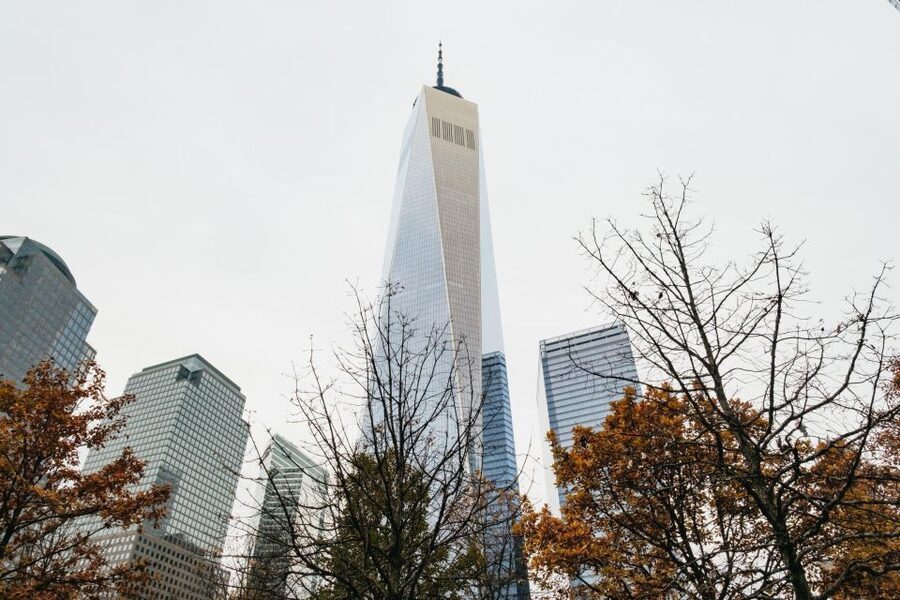
The tour begins in TriBeCa, at 79 Chambers St, and ends back there too. That matters because you’re not spending half your day figuring out where to meet or burning time crossing the whole island. In four hours, the route stays focused on Lower Manhattan’s change over time—immigration to counterculture, respectability to provocation.
Before you really get going, there’s about 20 minutes of guided orientation in TriBeCa. This is the part I appreciate most on a bike tour: you learn how the guide thinks about moving through traffic, then you start learning the city without feeling lost or rushed. It’s also a good time to set expectations—what you’re into, what you hope to see, and what kind of stories you want more of.
What you should watch for: since the tour includes lots of stops, you’ll want to stay mentally ready for short “listen now” moments while you’re also riding. If you’re the type who likes uninterrupted sightseeing time, this format can feel fast. But if you enjoy story-driven travel, it’s a strength.
Street-level safety from a real bike messenger approach
This tour is specifically designed for street-level riding safety, curated by someone with a bike messenger background. In plain terms: the guide isn’t just reading a script—they’re choosing routes and pacing so you’re not wrestling the city every minute.
In reviews, you can see this showing up as relaxed, confident riding even with real Manhattan traffic. Guides are described as moving safely, taking good lines, and managing the group in a way that keeps the ride from feeling stressful. When that works, you get something rare in NYC: you can focus on the story instead of surviving the blocks.
Possible drawback: if you’re very nervous on bikes, you’ll still be in a busy city environment. The route is described as accessible for riders of all skill levels, but it’s still Manhattan streets. I’d recommend coming with a calm mindset, wearing gear you’re comfortable biking in, and planning to follow the guide’s cues.
Lower East Side in motion: origins of the Yiddish anarchist movement
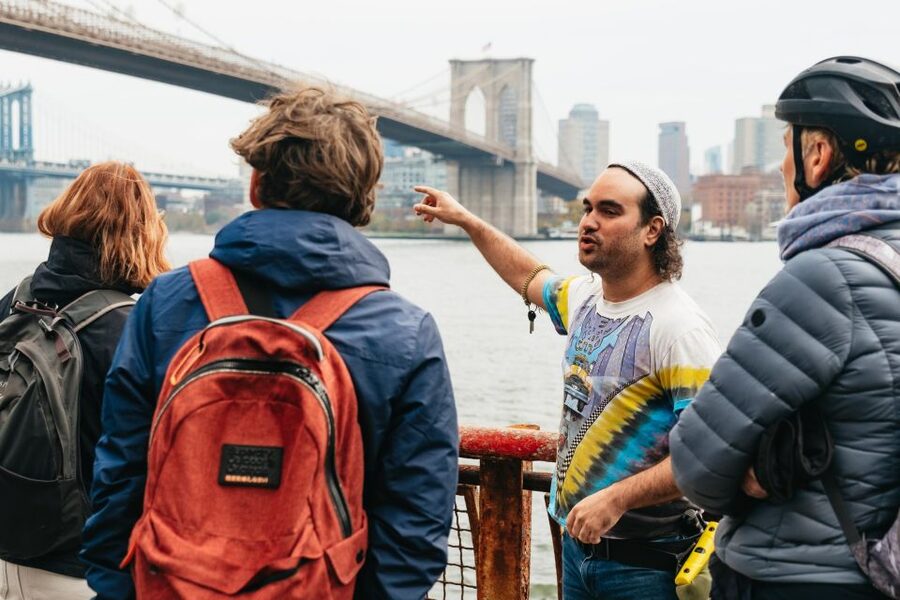
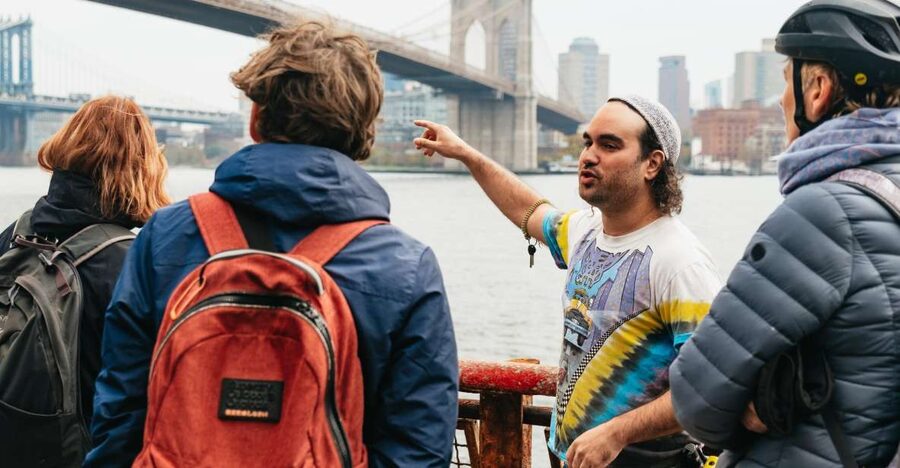
About 45 minutes are devoted to the Lower East Side, and this is where the tour gets sharply “radical.” Instead of presenting the neighborhood as a photo backdrop, the guide frames stories through the ideas people fought over and carried with them—especially the Yiddish anarchist movement thread that shaped politics, publishing, and community life.
This stop is valuable because it connects “history” to human motivations. You’re not just learning dates; you’re learning why certain communities organized, argued, and built institutions. That’s the kind of context that makes even ordinary street corners feel charged with meaning.
What to expect on the ground: you’ll likely make several brief look-and-listen pauses. That’s important in this area because tiny details—architecture, street layout, and the way buildings sit on the block—change what kind of story you can tell. If you enjoy walking-and-looking travel, you’ll love it here.
Consideration: the Lower East Side segment packs a lot of meaning into a limited time. If you want very slow, deep museum-style explanations, you might feel the pacing is quicker than you’d like. The upside is you’ll see more of the city’s story arc within the full four-hour ride.
Worth a look right next to this New York City pick:
Short mystery stops that turn buildings into storyboards
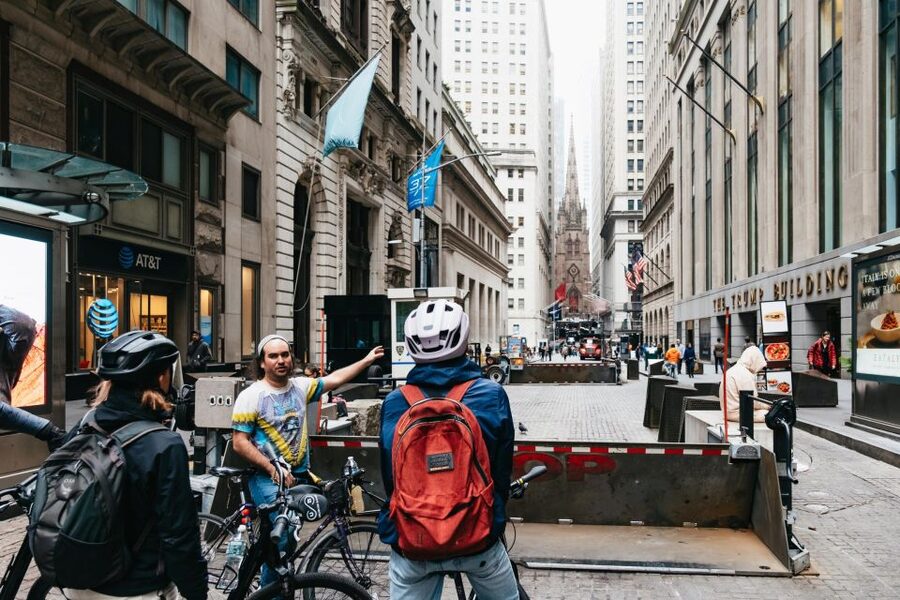
Between longer neighborhood sections, the route includes two shorter visits—each around 15 minutes. These are the moments where the guide’s “other NYC” style shines. You’re meant to slow down, look at something most people would ignore, and then hear why it matters.
One example that shows up in rider feedback is a Lenin statue on a building—the kind of visual shock that makes you stop instantly. The value isn’t just the fact that it’s there. It’s what a guide can explain about how symbols travel, why they appear where they do, and what they tell you about the political imagination of a particular era.
Why these short stops work: they break up the ride so your brain refreshes. Then the next stretch feels like you’re moving through a live classroom, not just collecting trivia while you pedal.
Possible drawback: because these stops are short, you have less time to catch every detail if you’re distracted, filming, or trying to talk over the guide. If you tend to skim, plan to lean in during these pauses—this is where the weirdness is most rewarding.
East Village storytelling: a full hour with room to laugh
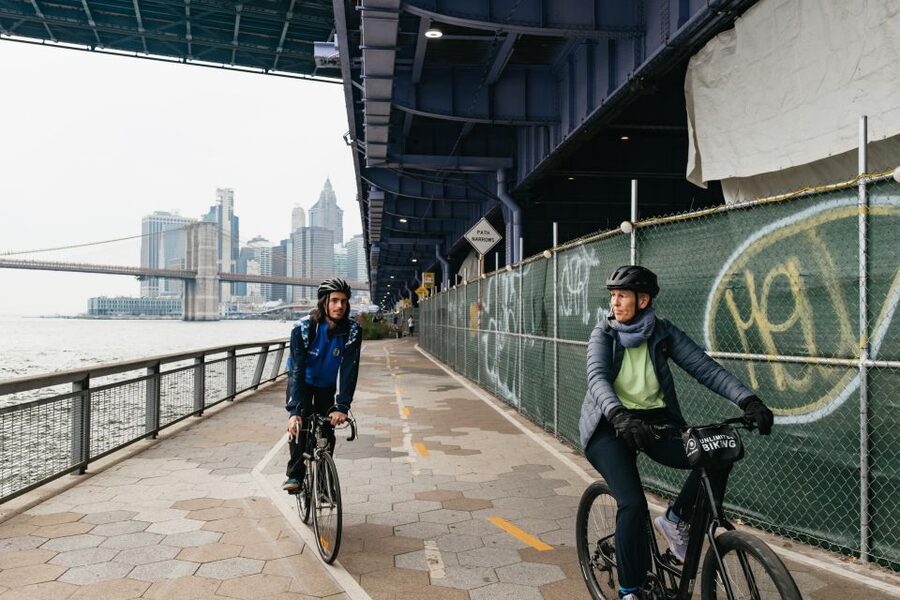
The East Village segment runs for about one hour, and it’s a big, flexible block where the tour’s personality really shows. This is where the guide’s energy can turn the whole ride into something playful—more “tell me more” than “read this sign.”
In the best runs, you can feel that the guide pays attention to what the group is hoping to get from the experience. One rider experience also notes that when the lead guide wasn’t able to run the tour, a replacement guide stepped in and still matched what people wanted—an approach that keeps the story from feeling generic. That adaptability matters because NYC is huge, and everyone arrives with different interests.
What you’ll get here: more connections between neighborhoods and the way counter-cultural ideas spilled outward from the Lower East Side and into surrounding streets. You’ll probably cover multiple eras and scenes, but the tour keeps it street-level so it doesn’t turn into a lecture.
Consideration: one full hour in a moving, story-heavy zone means you should pace your listening. It’s easy to get mentally tired if you’re trying to track every point and photo every corner. If you come to experience the vibe as much as the facts, you’ll enjoy this section more.
Mid-tour snack break: energy for the last stretch
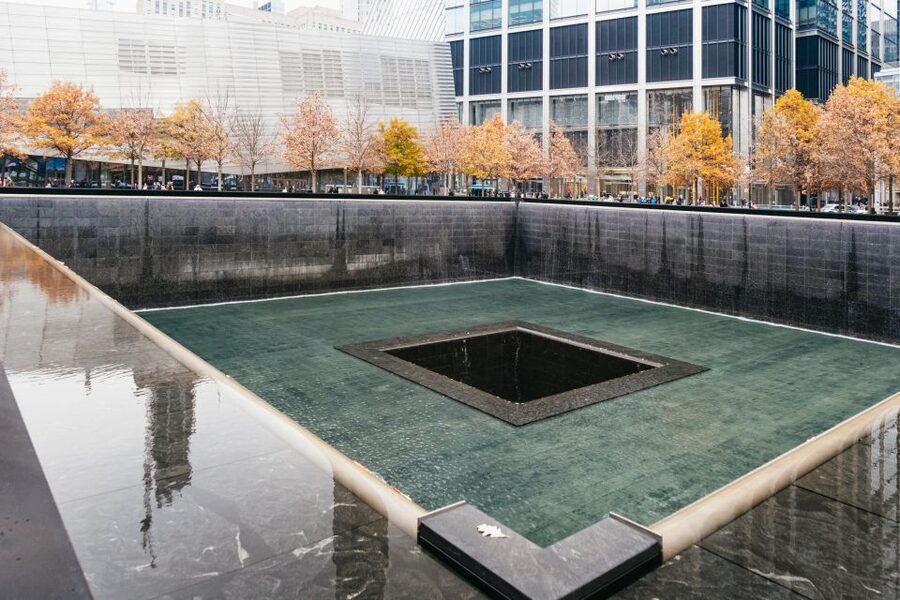
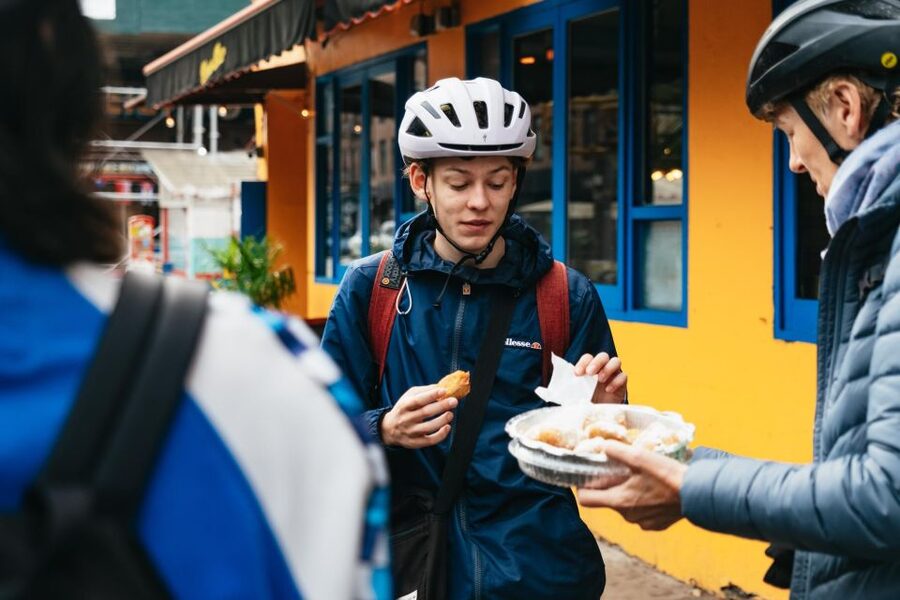
There’s a planned break with local snacks for about 20 minutes. The tour includes a snack mid-route, which is one reason the pacing usually feels manageable. You can refuel, stretch your legs, and reset your attention before the ride turns toward the Village neighborhoods.
This matters because the second half of the route leans more into tight, story-dense areas. A snack break is also a practical kindness: it reduces the chance that people are distracted by hunger and fussy about food choices. If you prefer to eat light but frequently, this timing is a win.
What to watch: the snack is included, but any extra food or drinks aren’t clearly guaranteed as part of that included value. One review specifically flags a mismatch between written expectations and what was actually covered for food/drink. My advice: treat the included snack as the plan, and budget a little for anything beyond that.
Greenwich Village: Beatnik-era streets with context
In Greenwich Village, the guided segment is about 20 minutes, focused on the Beatnik era and its origins. This is where the tour shifts from “why radicals organized” toward “how ideas became scenes”—writers, artists, and social life shaping the city’s identity.
I like this stop because Village history can be easy to turn into a list of names and posters. Here, you’re meant to see the streets as part of how the movement functioned—where people gathered, how neighborhoods felt, and why certain ideas caught on. Even if you think you know the Village already, the route’s strange, radical angle tends to make it feel new.
Consideration: 20 minutes is not much time, so you’re not going to leave with an academic paper. You will leave with a clearer sense of what to look for if you revisit the area on your own.
West Village and Meatpacking District: the radical thread keeps moving
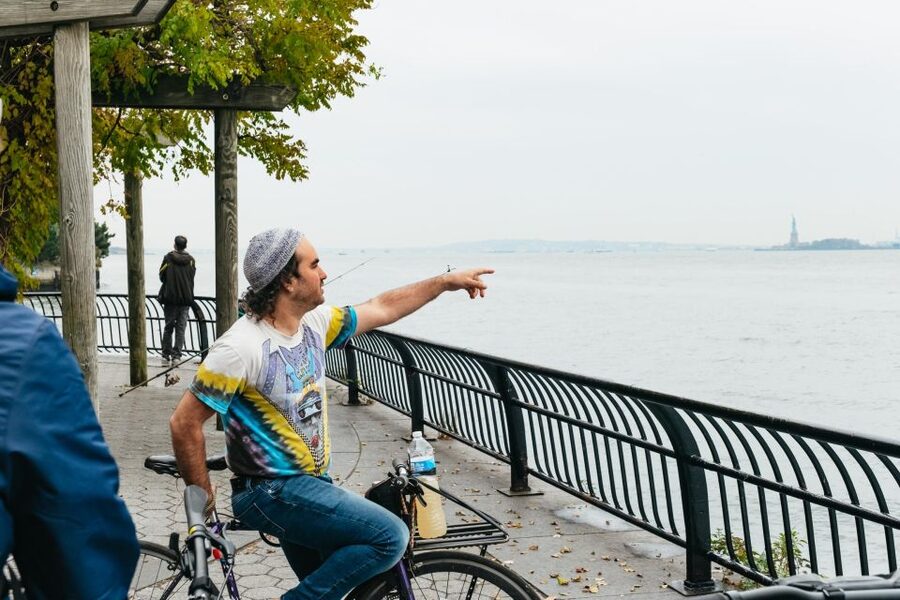
The ride continues into the West Village for about 25 minutes and then finishes with the Meatpacking District for roughly 10 minutes. These are shorter segments, but they’re useful because they show change without pretending the story stops at one neighborhood.
West Village often feels like the “in-between” zone where past and present overlap. The tour’s approach helps you read those overlaps as more than design differences. You get a sense that attitudes shift, but the city’s taste for disruption keeps showing up in new forms.
Then there’s the quick push into Meatpacking. Even with only 10 minutes, it helps close the loop: you’re ending the radical-and-weird story arc back near TriBeCa with the feeling that Manhattan keeps reinventing itself. It’s a satisfying way to finish a ride built around cultural origins rather than sightseeing checklists.
Possible drawback: because these are shorter, the guide may move quickly. If you’re hoping for long photo breaks or long conversations, you might wish some segments were longer. But if you’re riding for stories and momentum, this ending feels appropriately brisk.
Price and value: $46 rental plus direct guide pay
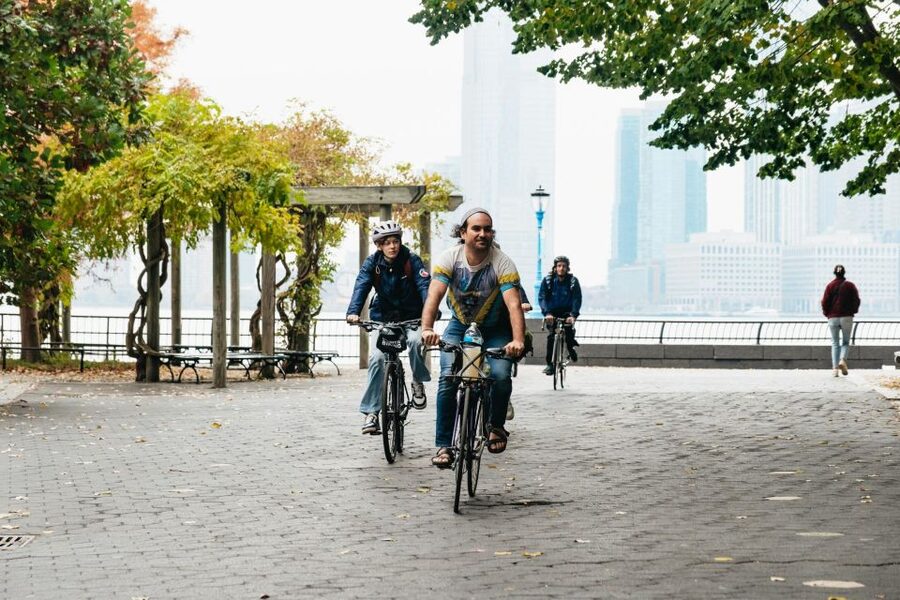
The listed price is $46 per person, and the tour adds an important twist: the initial fee covers the bike rental. After the tour, it asks that you pay your guide directly, with $40 per person recommended.
So what’s the real value? You’re paying for two things:
- a working bike rental so you can cover Lower Manhattan efficiently
- the guide’s time and expertise, paid directly so you avoid service fees and put more money toward the local expert running the show
When you combine the bike rental fee and the recommended guide payment, you should expect the total to land around the mid-hundreds in the grand scheme of NYC tours—still reasonable for a four-hour, street-level storytelling experience that’s focused on unusual themes and active riding. And since the tour includes a mid-route snack, that’s one less expense you need to factor in.
Consideration: if you’re on a tight budget, the extra direct guide payment is the key item to plan for. Don’t rely on the $46 figure alone when deciding.
Who should book this Manhattan bike tour (and who might not)
This tour is a great fit if you want Lower Manhattan to feel strange in the best way—radical and weird history rather than only the standard highlights. You’ll enjoy it most if you like active travel, short guided stops, and a guide who can bring stories to life with humor.
It also suits riders who want a safer ride experience. The tour is described as having routes accessible for riders of all skill levels, and feedback emphasizes guides who know the streets and keep things controlled.
You might think twice if you:
- want a quiet, museum-style experience with long explanations
- expect all food and drinks to be fully included (the tour includes a mid-tour snack)
- dislike biking in active city traffic at any level
Should you book this radical and weird history bike tour?
If you’re the type who likes New York when it’s not performing for tourists, book it. This ride is built for people who enjoy street-level storytelling—especially the way it connects counter-cultural movements like Beatnik-era Greenwich Village and the Yiddish anarchist movement on the Lower East Side.
I’d only hesitate if you’re budgeting tightly without planning for the recommended direct guide payment, or if you strongly expect meals to be included beyond the included snack. If that part doesn’t fit your expectations, you can still enjoy it by treating the snack as the included food and budgeting for anything extra you want.
FAQ
How long is the NYC Radical and Weird History Bike Tour of Manhattan?
The tour lasts 4 hours.
Where does the tour start and end?
It starts and ends in TriBeCa, at 79 Chambers St. The booking info also lists Unlimited Biking Brooklyn Bridge as the meeting point, so check your confirmation for the exact spot.
What is the price, and does it include the guide?
The listed price is $46 per person, and a note says this initial fee covers your bike rental. After the tour, you pay your guide directly, with $40 per person recommended.
What’s included in the tour?
You get a local guide, the bike tour, and a mid-tour snack.
Is it beginner-friendly for riders?
The route is described as safe and accessible for riders of all skill levels.
What are the cancellation and payment options?
You can cancel up to 24 hours in advance for a full refund. You can also reserve now & pay later.
More Tours in New York City
- Statue of Liberty and Ellis Island Tour: All Options★ 5.0 · 13,571 reviews
- New York in One Day Guided Sightseeing Tour★ 5.0 · 13,166 reviews
- Central Park Pedicab Guided Tours★ 5.0 · 7,108 reviews
- New York City: Manhattan Helicopter Tour★ 4.7 · 7,076 reviews
- Private Central Park Pedicab Tour★ 5.0 · 6,981 reviews
More Tour Reviews in New York City
- NYC: SUMMIT One Vanderbilt Tickets★ 4.7 · 51,195 reviews
- NYC: Empire State Building Tickets – Observatory & Museum★ 4.7 · 25,757 reviews
- New York City: Statue of Liberty & Ellis Island with Ferry★ 4.6 · 18,683 reviews
- New York City: American Museum of Natural History Ticket★ 4.5 · 15,447 reviews
- Statue of Liberty and Ellis Island Tour: All Options★ 5.0 · 13,571 reviews
On Two Wheels Through New York City
- NYC: Central Park Bike Rentals★ 4.2 · 2,528 reviews
- NYC: Central Park Bike Rental★ 4.1 · 1,651 reviews
- Central Park Bike Rental★ 4.7 · 1,509 reviews
- New York City: Highlights of Central Park Bike or eBike Tour★ 4.6 · 800 reviews
- Central Park Bike Rental New York City★ 4.0 · 560 reviews
Just in: the newest New York City reviews on our desk





NYC Bike Tours, compared.
 ★ 4.2Central Park Bike RentalsFrom $92,528 reviews
 ★ 4.1Central Park Bike RentalFrom $81,651 reviews
 ★ 4.7Central Park Bike RentalFrom $91,509 reviews
 ★ 4.6Highlights of Central Park Bike or eBike TourFrom $47800 reviews
 ★ 4.0Central Park Bike Rental New York CityFrom $6560 reviews
 ★ 4.5Guided Bike Tour of Central Park New York CityFrom $44537 reviews
 ★ 4.5Central Park NYC Highlights Small-Group Bike TourFrom $45425 reviews
 ★ 4.5Central Park Guided Bike TourFrom $44355 reviews
Browse the lists this tour appears in