
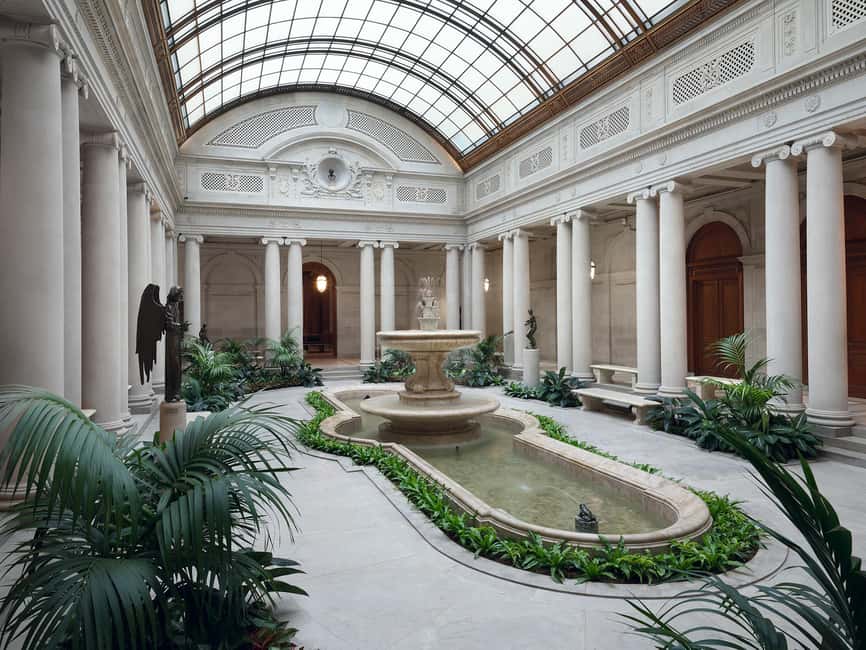
Reviewed · NYC MUSEUM TOURS
NYC: The Frick Collection Entry Ticket
The Frick is a small museum with big paintings. With its renovated Fifth Avenue home reopened to the public, you get close, calm access to European art from the Renaissance to the late nineteenth century, including major names like Bellini, Rembrandt, and Vermeer. One catch: you can’t take photos in the galleries, and you can’t bring liquids or bottles into the museum spaces where the art is displayed.
I like this ticket because it fits into real life. It’s $30 per person for a one-day entry with timed starting slots, plus a mobile ticket that helps you get in smoothly.
Still, it’s not for everyone. Children 10 and under aren’t admitted, and the museum runs with strict rules (bottles and photography restrictions), so it pays to plan ahead.
In This Review
- Key things to know before you go
- The Frick Collection: why this Fifth Avenue museum feels different
- First floor masterworks: the restored galleries for the big-name paintings
- Second floor discoveries: smaller works, sculpture, and decorative objects
- Ticket flow: mobile entry and skipping the ticket line
- When to visit: avoiding crowd drag in transition areas
- Museum rules that affect your day (and what to do about them)
- Stopping for lunch: the on-site cafe reality check
- The restored garden pause: breathing room beyond the galleries
- So… is it worth $30 for the Frick Collection?
- Who this ticket is best for (and who should reconsider)
- Should you book The Frick Collection entry ticket?
- FAQ
- What is included with the NYC: The Frick Collection entry ticket?
- How long is the visit?
- Where do I present my ticket?
- Can I take photos inside the galleries?
- Are children allowed?
- Is the museum wheelchair accessible?
Key things to know before you go
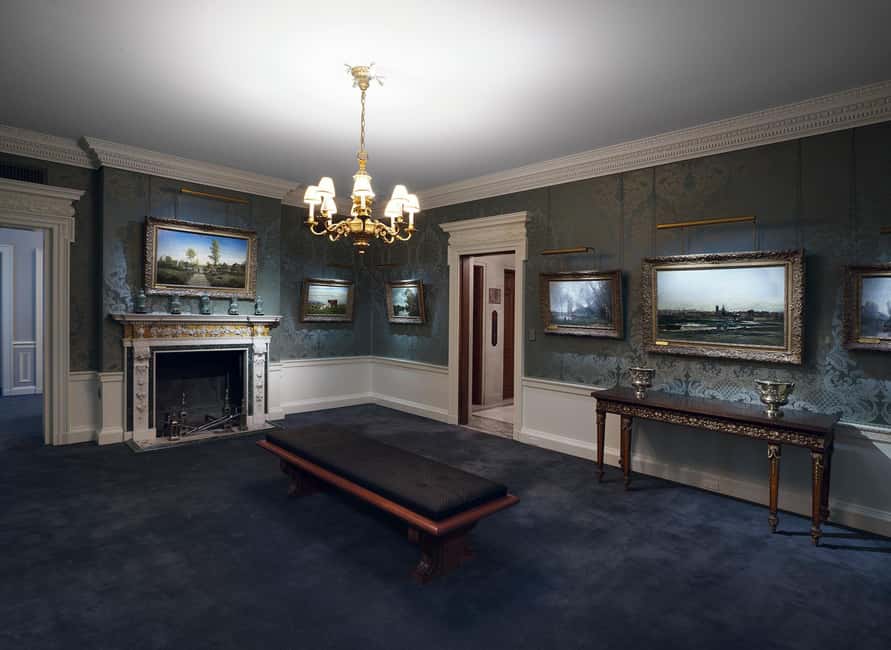
- Renovation changes the layout: restored masterworks on the first floor and additional works on a newly opened second floor
- A focused time window: timed entry helps, but some transition areas can slow you down when it’s busy
- No gallery photos: photography is only permitted in the Frick lobby
- No liquids in galleries: even if you brought a small bottle, you’ll need to handle it before you enter the rooms
- Small but complete: you can do it fast if you want, or linger for a longer afternoon
More halls and galleries worth the hours
- NYC: Empire State Building Tickets – Observatory & Museum
★ 4.7 · 25,757 reviews - New York City: American Museum of Natural History Ticket
★ 4.5 · 15,447 reviews - NYC: Museum of Modern Art (MoMA) Entry Ticket
★ 4.6 · 12,540 reviews - 9/11 Memorial, Ground Zero Tour with Optional 9/11 Museum Ticket
★ 5.0 · 6,381 reviews
The Frick Collection: why this Fifth Avenue museum feels different
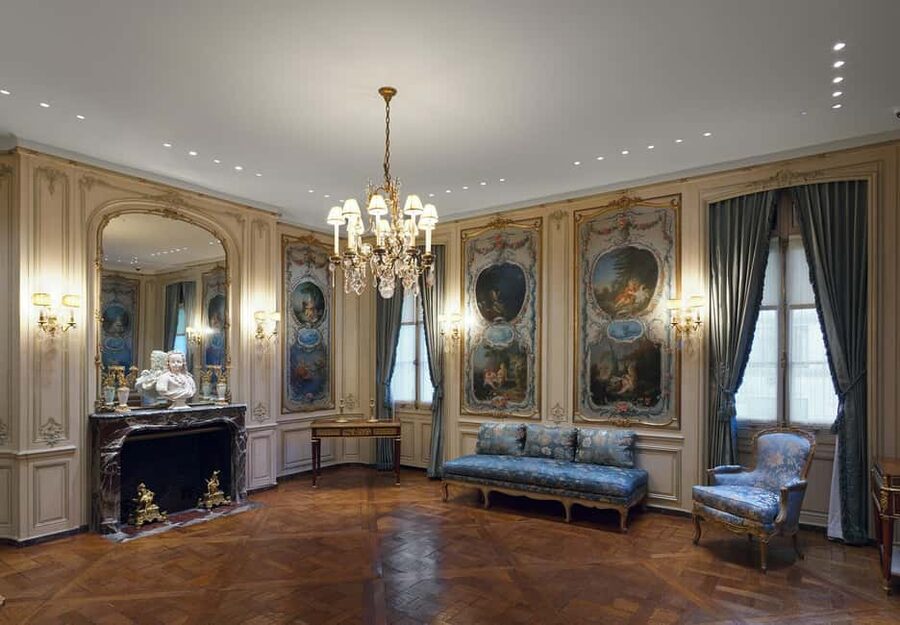
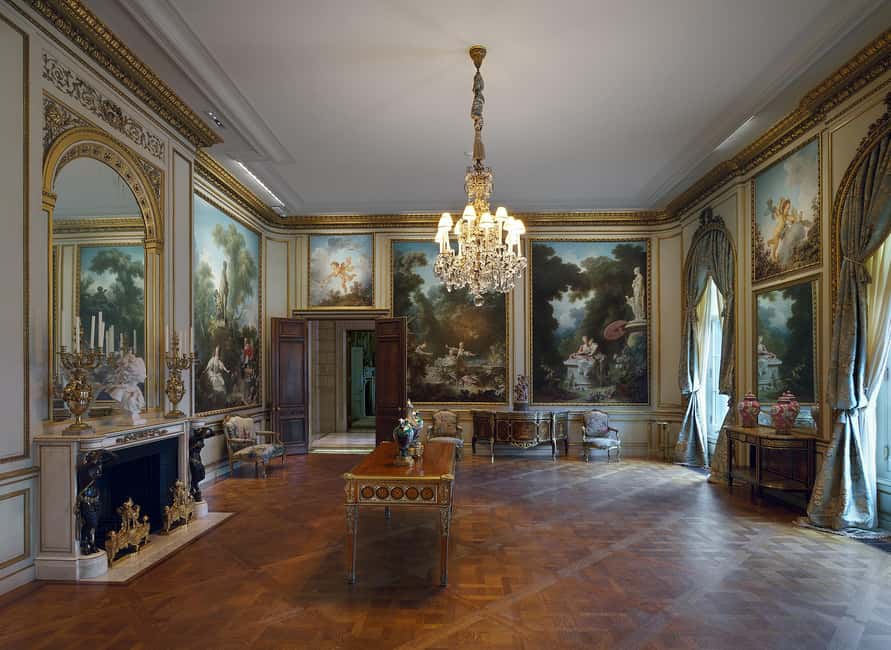
The Frick Collection works because it doesn’t try to be everything. You’re not wandering a city-sized museum complex. You’re stepping into a historic mansion on Fifth Avenue that Henry Clay Frick built his home around, then opened to the public in 1935. That matters because the art and the rooms are in conversation. Paintings sit where you can actually see them as objects in a space, not just images behind rope.
The reopening after a multi-year renovation, on April 17, 2025, is the big headline. The museum is essentially presenting its collection anew: the iconic masterworks are reinstalled on the first floor in restored galleries, and a second floor adds a fresh circuit for smaller-scale paintings, sculptures, and decorative objects.
This is a ticket for people who like quality over quantity. If you enjoy looking slowly, you’ll feel like you’re getting a private viewing. If you’re the kind of art lover who wants to hit famous names and move on, you can still do that. The museum is small enough that you won’t feel stuck all day—though you may find it hard to leave once you get going.
First floor masterworks: the restored galleries for the big-name paintings
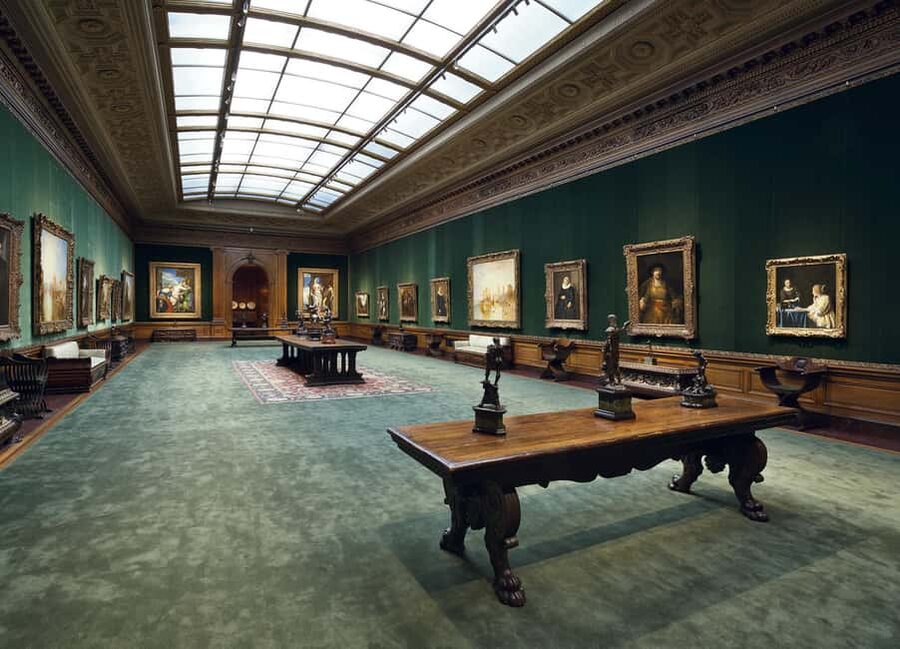
Start with the first floor if your priority is the headline works. This is where the museum has reinstalled its iconic masterworks in the renovated, restored galleries. The idea is simple: you walk into the rooms with the strongest density of recognizable European masters and the most dramatic viewing setups.
Expect to see major painters across the Renaissance-to-1800s sweep that defines the collection. Bellini is included, along with artists like Rembrandt and Vermeer, and you’ll also find works by other celebrated names in that broader range. The first-floor experience tends to feel like the museum’s core argument: refined taste, restrained display, and art presented at human scale.
How to enjoy it in practice: don’t sprint room to room. Give yourself a full minute or two per painting before you move on. Even without photos, your eyes will learn the details faster when you slow down. Also, watch the floor plan as you go. The Frick is structured so the transition between rooms creates a rhythm—great when you’re steady, annoying if you’re constantly stopping to re-check where you are.
If you like guided help, the museum uses audio and staff support in various areas. Some visitors find the information helpful in the moment. Others want more detail right on the wall and feel less satisfied when it’s mostly handled through phone-based or audio explanations. If you’re in the second group, you’ll probably want to read labels carefully and spend more time in each room rather than using your phone as the main source of information.
Second floor discoveries: smaller works, sculpture, and decorative objects
The second floor is where the reopening changes your visit most. The museum’s original focus was masterworks, but the renovated second level expands the story with smaller-scale paintings, sculptures, and decorative objects.
This is a smart add-on for two reasons. First, it gives you more variety without turning the day into a marathon. Second, it helps you understand how the Frick collection builds a world view: painting is only one piece, and the decorative arts help explain the taste, culture, and materials that surrounded the art.
You’ll likely find yourself pausing more here than you expect—especially if you like objects with texture: frames, ceramics, sculpture surfaces, and room furnishings that make the art feel lived-in rather than museum-placed.
Plan this part intentionally. Since the museum is timed-entry, it can be tempting to race to the “famous” rooms first and then use the second floor as a quick finish. I’d do the opposite if you want a more satisfying pacing. Hit one or two masterwork rooms first, then switch to the second floor and let the smaller works pull you in. You’ll often get better looking time that way.
Worth a look right next to this New York City pick:

Ticket flow: mobile entry and skipping the ticket line
This experience is an entry ticket, not a long guided tour. That’s a plus when you’re the kind of visitor who likes to set your own rhythm.
Your process is straightforward: you present your mobile ticket for entry, and the ticket includes skipping the ticket line. Entry is valid for one day, and you pick a starting time by checking availability.
One thing to keep in mind: even with timed entry, busy periods can still feel busy. I’d treat timed entry as a way to reduce stress, not as a guarantee of empty rooms. The most likely bottleneck is near check-in and doorways that funnel people between spaces.
Also, don’t show up with the wrong expectations about photos and bottles. If you’re arriving with a water bottle, be ready to handle it before you reach the galleries. The museum has a clear rule: no liquids or bottles in the galleries unless medically necessary.
When to visit: avoiding crowd drag in transition areas

The Frick can be comfortable or congested depending on day and time. Some visitors describe the experience as relaxed, even on weekends. Others note that on busier days, rooms can get crowded, especially around transition areas where people naturally slow down.
If your goal is calm looking, aim earlier in the day or plan for the museum to be your main event. One good strategy: arrive at your timed slot and commit to a steady pace instead of constantly checking where the crowd is building. When the museum is busy, the artwork doesn’t disappear—but your ability to linger does depend on foot traffic.
If you want a tighter plan, you can get through all rooms in about an hour if you’re not planning to linger. But if you’re there for the paintings and not just the checklist, you’ll likely want closer to a couple hours. The best part of this museum is the chance to see each work long enough for it to click.
Museum rules that affect your day (and what to do about them)
Rules at the Frick are real, and they affect the practical flow of your day. Here’s what matters most:
- No photos in galleries. Photography is only permitted in the Frick lobby.
- No liquids or bottles in the galleries (unless medically necessary).
- No luggage or large bags.
- Oversized items must go to the coat check. Oversized includes things like garment bags and camera extension poles.
If you’re traveling light, this is easy. If you’re used to bringing a water bottle into every museum, treat the Frick like a place where you drink later—either before you arrive or at the on-site cafe (more on that next).
Also consider your camera setup. If you’re bringing anything bulky for photography, it may need to be checked. The museum’s priority is straightforward: keep the galleries clear and protect the art and visitors.
Stopping for lunch: the on-site cafe reality check
The Frick has a cafe, and it’s part of how you can make this a full afternoon without rushing back to the subway. Many visitors call out good food and attentive service, and it’s convenient because you won’t lose time leaving the museum.
Still, budget and timing matter. The cafe can be pricey, and during busy times tables can be hard to find. A smart move is to plan your breaks as part of your viewing rhythm—put your “I need a sit-down” moment early enough that you don’t end up waiting while you’re already tired and hungry.
If you tend to get hangry when you’re scanning labels, eat sooner rather than later. Then go back to the galleries with a clearer head and better attention span for the smaller objects on the second floor.
The restored garden pause: breathing room beyond the galleries
One of the nicest surprises at the Frick is that the museum isn’t only paintings. There’s a garden space where you can sit for a bit and cool down your eyes after staring at art for a while.
During the renovation era, the museum’s Russell Page garden restoration has been called out as a special focus. Even if the weather limits how much you can enjoy the outdoor feel, it still gives your day a different texture: a pause that’s not just another room.
This is a good trick for art museums. Stare too long and everything starts to blur. A short garden break helps your brain reset, so you come back and notice new details in the next gallery.
So… is it worth $30 for the Frick Collection?
For many people, the value comes down to this: the Frick isn’t a massive museum where you’re paying for square footage. It’s a high-impact collection in a historic home, and the ticket price is tied to a focused experience across two floors.
At $30 per person, the question is whether you’ll spend enough time with the art to make it feel like a full day event rather than a quick stop. If you’re a Renaissance-to-1800s art fan, you’ll likely feel like the ticket earns its keep. If you only love one or two artists, you can still enjoy it, but you’ll want to pick a visit time that gives you room to connect with the works you care about, not just skim.
Also, the reopening matters. The newly restored galleries and added second-floor displays change what you can see. That makes the ticket feel more “new” than a repeat visit, even if you’ve been before.
Who this ticket is best for (and who should reconsider)
The Frick Collection entry ticket is best for you if:
- you want a compact museum with European fine art presented at human scale
- you enjoy spending time in historic rooms where the art feels part of the space
- you like a clear two-level route: masterworks first, then smaller paintings and decorative arts
It’s not the best match if:
- you’re traveling with children under 10 (the museum doesn’t admit them)
- you rely on taking lots of photos during your visits
- you hate rules about bags and liquids
One more point: the Frick can be a calmer choice than giant flagship museums. But it can still get busy, and some rooms can feel crowded. If crowd stress ruins your ability to enjoy museums, plan your timing carefully.
Should you book The Frick Collection entry ticket?
Yes, book it if you want a top-tier art experience in a small, elegant footprint—especially now that the museum is fully reopened with the restored first-floor masterworks and the added second-floor viewing.
Hold off if you strongly need gallery photo freedom, don’t want to deal with the no-bottle-in-galleries rule, or you’re bringing kids who are under 10. In those cases, you’ll feel constrained rather than delighted.
If you do book, make it easy on yourself: travel light for the bag and bottle rules, arrive at your timed slot, and give yourself time to look slowly once you’re inside. The Frick rewards the steady pace.
FAQ
What is included with the NYC: The Frick Collection entry ticket?
The ticket includes entry to The Frick Collection. It’s timed for a one-day visit, and it also includes skip-the-ticket-line entry.
How long is the visit?
The ticket is valid for 1 day. You can choose a starting time based on availability.
Where do I present my ticket?
Present your mobile ticket for entry at the meeting point.
Can I take photos inside the galleries?
No. Photography is not allowed inside the galleries. Photography is permitted only in the Frick lobby.
Are children allowed?
Children 10 and under are not permitted in the museum.
Is the museum wheelchair accessible?
Yes. The experience is wheelchair accessible.
More Tickets in New York City
- NYC: SUMMIT One Vanderbilt Tickets★ 4.7 · 51,195 reviews
- NYC: Empire State Building Tickets – Observatory & Museum★ 4.7 · 25,757 reviews
- New York City: American Museum of Natural History Ticket★ 4.5 · 15,447 reviews
- NYC: Museum of Modern Art (MoMA) Entry Ticket★ 4.6 · 12,540 reviews
- NYC: One World Observatory Skip-the-Line Ticket★ 4.7 · 12,329 reviews
More Tour Reviews in New York City
- NYC: SUMMIT One Vanderbilt Tickets★ 4.7 · 51,195 reviews
- NYC: Empire State Building Tickets – Observatory & Museum★ 4.7 · 25,757 reviews
- New York City: Statue of Liberty & Ellis Island with Ferry★ 4.6 · 18,683 reviews
- New York City: American Museum of Natural History Ticket★ 4.5 · 15,447 reviews
- Statue of Liberty and Ellis Island Tour: All Options★ 5.0 · 13,571 reviews
Indoors Done Right: More Museums
- NYC: Empire State Building Tickets – Observatory & Museum★ 4.7 · 25,757 reviews
- New York City: American Museum of Natural History Ticket★ 4.5 · 15,447 reviews
- NYC: Museum of Modern Art (MoMA) Entry Ticket★ 4.6 · 12,540 reviews
- 9/11 Memorial, Ground Zero Tour with Optional 9/11 Museum Ticket★ 5.0 · 6,381 reviews
- 9/11 Memorial Museum Admission Ticket★ 4.5 · 6,376 reviews
Just in: the newest New York City reviews on our desk




NYC Museum Tours, compared.
 ★ 4.7Empire State Building Tickets – Observatory & MuseumFrom $4725,757 reviews
 ★ 4.5American Museum of Natural History TicketFrom $3715,447 reviews
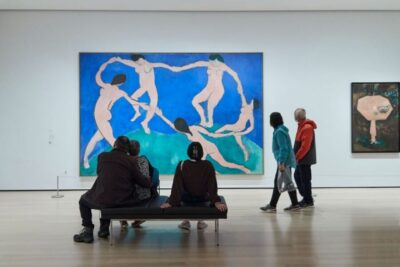 ★ 4.6Museum of Modern Art (MoMA) Entry TicketFrom $3012,540 reviews
 ★ 5.09/11 Memorial, Ground Zero Tour with Optional 9/11 Museum TicketFrom $396,381 reviews
 ★ 4.59/11 Memorial Museum Admission TicketFrom $366,376 reviews
 ★ 5.0All-Access 9/11: Ground Zero Tour, Memorial and Museum, One World ObservatoryFrom $1094,886 reviews
 ★ 4.7Intrepid Museum Entry TicketFrom $384,687 reviews
 ★ 4.7Madame Tussauds Entry TicketsFrom $423,625 reviews
Browse the lists this tour appears in