
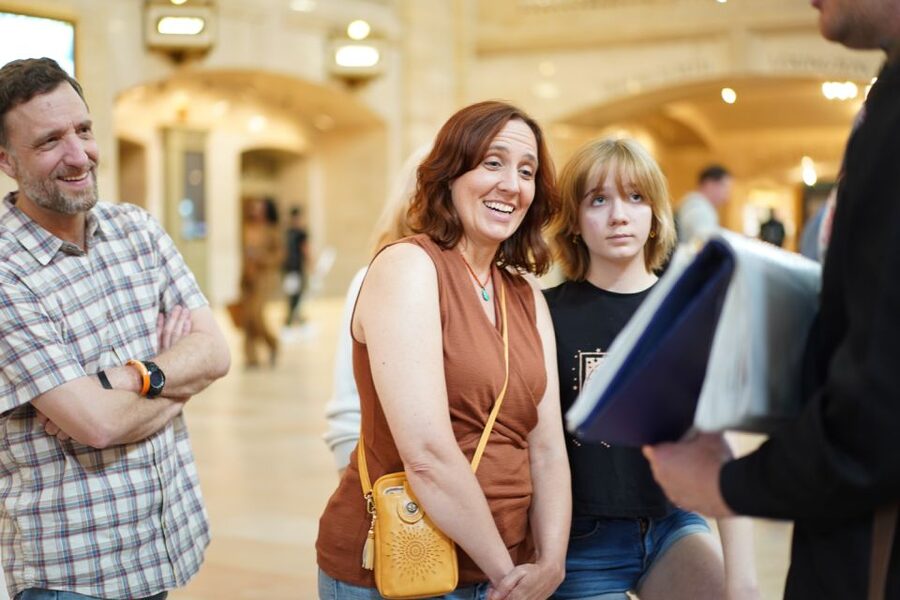
Reviewed · GRAND CENTRAL TERMINAL TOURS
NYC: The Secrets of Grand Central Terminal
Grand Central hides more than trains. This 90-minute small-group tour turns a commute shortcut into a guided peek at Grand Central’s whispering gallery and the world’s largest Tiffany clock.
You’ll get a story-led walkthrough with a local guide and headsets, plus access to parts of the terminal most people never notice—especially if you usually rush through the concourse.
One thing to plan for: this is a fast-moving walk. Expect photo stops and short viewing moments, not long sittings in each room, so comfortable shoes matter and you’ll want to stay alert through the whole route.
Guides bring it to life in different ways. I like the energy shared by guides such as John, Richard, and Jonathan in their own styles—part architecture nerd, part rail-history storyteller—and you can feel that focus in the way the tour is paced with headsets.
In This Review
- Key points worth your time
- Where to meet: Grand Central’s Track 29 plan
- The big wow: whispering gallery acoustics and the Tiffany clock
- Tennis courts at a train station: the surreal side of Grand Central
- A whisper of the past: the lost movie theater traces
- Peeking into the glass walkways: off-limits views without the hassle
- The main atrium’s design flaw (and why it matters)
- The multi-million-dollar jewel and hidden detail thinking
- Speakeasy-style stop: private power disguised as leisure
- Photo passes that add context: Chrysler Building and One Vanderbilt
- The 90-minute pacing: small-group value you can feel
- What I’d pack (and what to avoid)
- Who should book this tour
- Should you book the Grand Central Secrets tour?
- FAQ
- Where do I meet the guide?
- How long is the tour, and what does it cost?
- What language is the tour in?
- Is the tour wheelchair accessible?
- Are tripods allowed?
- Does the tour run in rain?
Key points worth your time
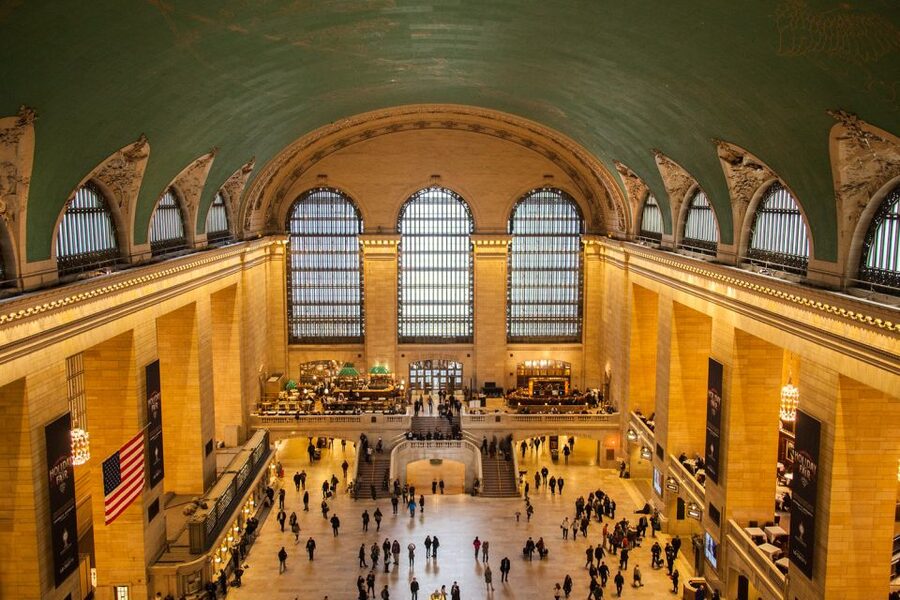
- Whispering gallery moments: hear the sound trick up close inside the historic hall
- World’s largest Tiffany clock: learn why it’s there and what it represents
- Hidden tennis courts: a surprising side of Grand Central’s design
- Off-limits glass walkway entrances: quick, careful peeks behind the public scenes
- Remnants of a lost movie theater: traces of a time when the terminal did more than move people
- A tucked-away speakeasy-style bar: once connected to a business tycoon’s private space
More secrets of Grand Central, booked ahead
- Secrets of Grand Central Station Walking Tour New York City
★ 5.0 · 1,796 reviews - NYC: The Secrets of Grand Central Terminal
★ 4.8 · 718 reviews - NYC: Official Grand Central Terminal Tour
★ 5.0 · 458 reviews - NYC: Official Grand Central Terminal Guided Tour
★ 4.6 · 251 reviews
Where to meet: Grand Central’s Track 29 plan
Start at Grand Central Terminal’s main atrium, specifically in front of track 29. That’s a smart choice for a secrets tour: you’re already in the right “world” the minute you meet, surrounded by the scale and geometry that make Grand Central feel like a small city.
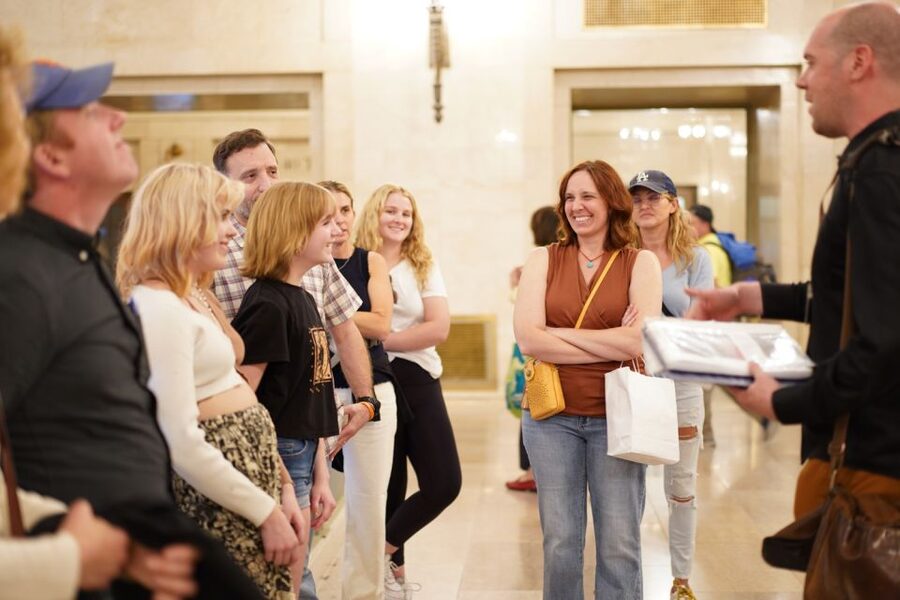
This tour is built for hearing. You’ll wear headsets so you can follow the guide even when the atrium gets loud and crowded. It’s one of those details that changes everything—no one has to crane their neck to catch a sentence.
Also, plan your approach. Grand Central is big, and finding your guide early makes the next 90 minutes smoother. If you arrive a few minutes early, you can get oriented fast—then you’re not trying to solve your way through crowds while everyone else is starting.
The big wow: whispering gallery acoustics and the Tiffany clock
The tour’s top “how is that even possible?” moment is the whispering gallery. The idea is simple—speak in one spot and hear the response from another—but Grand Central adds drama. You’ll hear how the architecture creates that effect, and you’ll also get the human reason it matters: this was entertainment and showmanship as much as it was infrastructure.
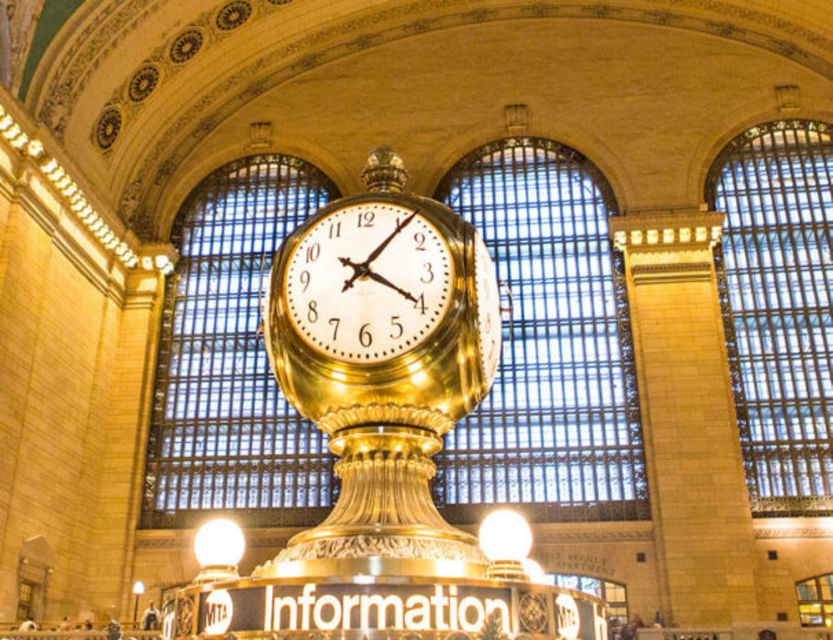
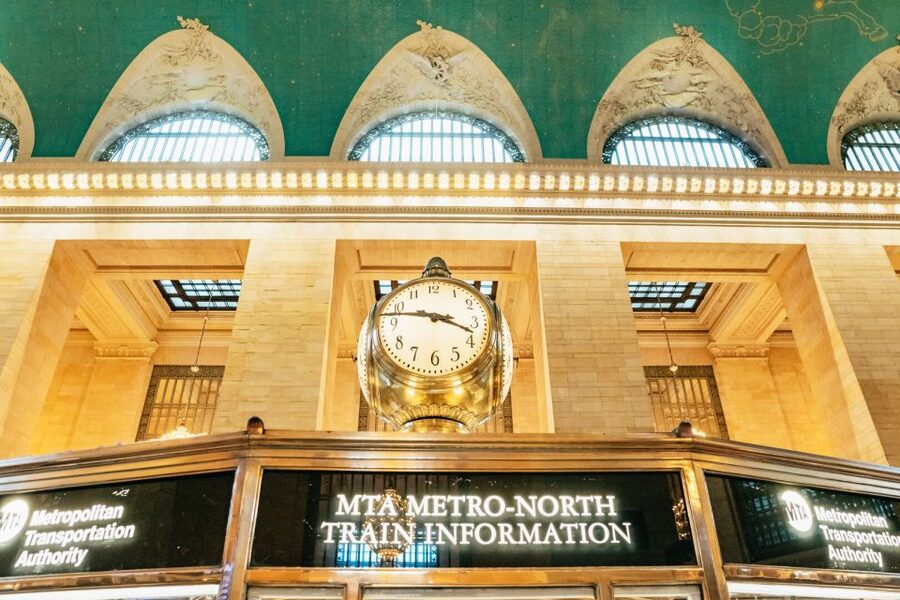
Right alongside the acoustics, you’ll get the Tiffany clock experience in a way most visitors miss. Instead of treating it as a photo prop, you’ll understand its place in the terminal’s identity: Grand Central didn’t just keep time—it put time on display. It’s the kind of detail that makes you look at the whole building differently afterward.
If you love design, this pair of stops works. Sound teaches you the building’s shape. The clock teaches you its purpose. Together they explain why Grand Central feels so theatrical, even when you’re only passing through on foot.
Tennis courts at a train station: the surreal side of Grand Central

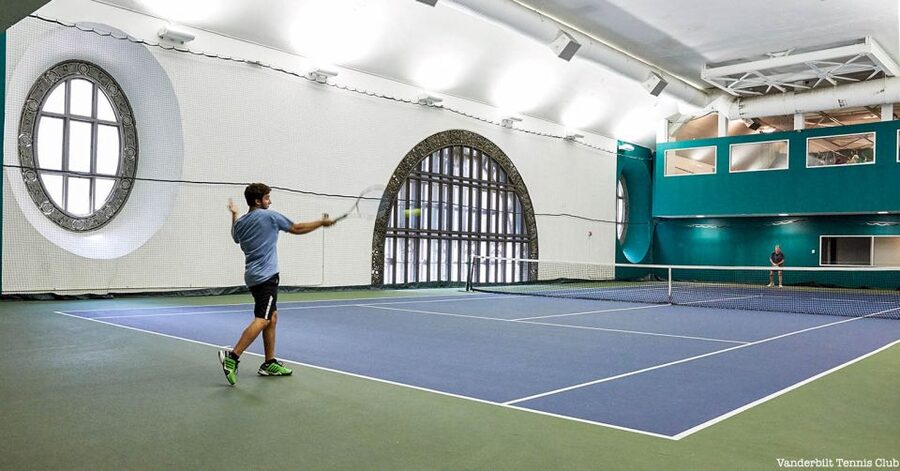
One of the most memorable surprises is the chance to see the hidden tennis courts. It’s not the kind of thing you expect inside a transportation hub, and that mismatch is exactly why it sticks with you.
What makes this stop valuable isn’t just the novelty. It’s the clue it gives about the terminal’s original ambition. Grand Central was designed in an era when rail travel was a major social and business event. The building wasn’t only for tickets and platforms—it was for status, leisure, and hosting.
The tour frames this with the station’s longer story, including the ups and downs that shaped what you see today. You’re learning to read Grand Central like a timeline rather than a single landmark.




A whisper of the past: the lost movie theater traces
You’ll also spot what’s left of Grand Central’s lost movie theater. Think of this as a time capsule: a reminder that the terminal’s public life extended beyond commuting.
This part of the experience works especially well if you like cultural history—how people used public spaces. A theater in a transportation building makes sense when you imagine how long travel once took and how the terminal served as a meeting point and waiting room.
The key is that you won’t just see a remnant—you’ll understand why it was there and why it didn’t last. That context turns a vague architectural clue into a meaningful chapter.
Peeking into the glass walkways: off-limits views without the hassle
Another highlight is your peek into the entrance of the glass walkways. You’re not going to wander freely like a tourist on a sightseeing deck. The value here is the perspective shift: you see how Grand Central tries to connect different layers of the building and how movement is engineered.
Even when the access is brief, it gives you something practical to take home. You start noticing sightlines, structural edges, and the ways different levels “talk” to each other.
If you’re the type who likes to understand how buildings function, these views are a payoff. If you prefer slow wandering and long hang-outs, you might wish for more time here—but the tour is designed to cover a lot of distinct stops in 90 minutes.
The main atrium’s design flaw (and why it matters)
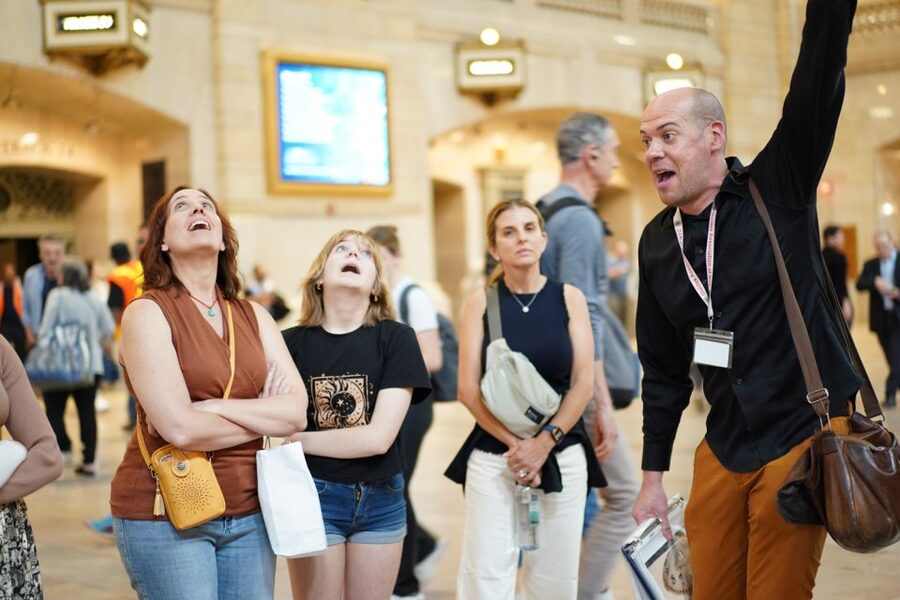
You’ll hear about a massive design flaw in the main atrium. The important part isn’t the “gotcha” factor; it’s what the explanation teaches you about real-world construction and human use.
Design flaws in landmark buildings are often where history becomes visible. They can reflect compromises, shifting priorities, or the reality of how crowds move through space over decades—not just how architects drew it.
This stop is worth your attention because it reframes the atrium. Instead of viewing it as flawless and untouchable, you see it as an engineered environment that had to be corrected and refined over time.
The multi-million-dollar jewel and hidden detail thinking
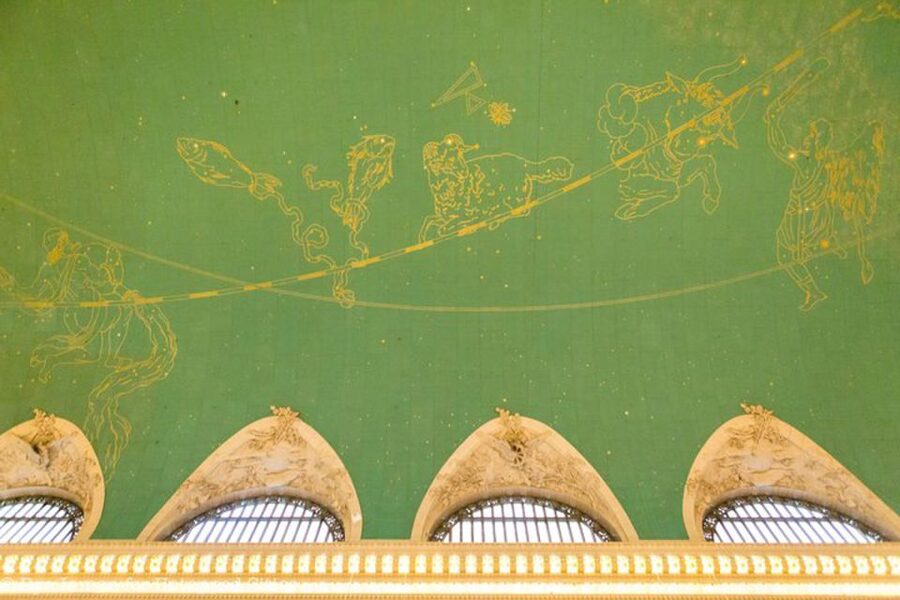
The tour also points out a multi-million dollar jewel hidden in plain sight. That phrase sounds dramatic, but the practical effect is simple: it trains your eyes.
Once you’ve been shown what to look for, Grand Central becomes a treasure hunt without the stress. You’ll start spotting decorative elements you’d normally pass by, and you’ll understand how ornament and branding worked in an era when public buildings were also advertisements.
This is a great fit if you like looking at ceilings, beams, and clockwork-adjacent details. Even if you don’t become a full-time architecture nerd by the end, you’ll leave with a stronger appreciation for why the building was made the way it was.
Speakeasy-style stop: private power disguised as leisure
One of the more curious stories is the stop at a tucked-away speakeasy bar once tied to a tycoon’s private office. It’s the kind of detail that makes Grand Central feel less like a museum and more like a workplace that occasionally played dress-up.
The tour uses this stop to connect architecture with power—who controlled spaces, who had access, and how business life hid behind polished public surfaces.
Even if you’re not chasing nightlife history, it’s a memorable contrast. Grand Central’s public rooms feel grand and open. The speakeasy-style stop reminds you that “private” has always been part of the story.
Photo passes that add context: Chrysler Building and One Vanderbilt

During the walk, you’ll make photo stops and pass by major Midtown icons, including the Chrysler Building and One Vanderbilt. These aren’t the main show, but they help you place Grand Central in a bigger web of New York design.
Why this helps: Grand Central sits at the center of a city that later decided to build even taller and even louder. Seeing nearby landmarks gives your brain a scale reference, so Grand Central’s choices—materials, proportions, and interior drama—feel clearer.
You’ll also pass by the Dining Concourse, which gives you another reminder that Grand Central wasn’t only a platform machine. It was a place to eat, wait, and watch life go by.
The 90-minute pacing: small-group value you can feel
The tour runs about 90 minutes with a live English guide. That time frame matters. It’s long enough to cover multiple distinct spaces—sound effects, clock details, side-corridor surprises—yet short enough that you still feel like you’re moving through the terminal, not stuck in one spot.
Small-group tours are also easier on your attention span in a place this busy. You’re more likely to hear the guide, you can shift positions quickly for views, and you’re less likely to lose the story at each stop.
And based on the consistent praise for guides like AJ, Richard, and Jonathan, pacing and clarity seem to be part of the product. One practical tip: stay close to the guide in photo-heavy zones so your headset stays useful.
What I’d pack (and what to avoid)
Bring comfortable shoes. Grand Central looks flat and easy on the map, but you’ll cover real walking distance and you’ll stop often. If your feet hate you halfway through, your brain won’t enjoy the architecture as much.
Don’t bring tripods. The tour requires room and flow inside a working terminal.
Weather is no excuse here. The tour happens rain or shine, so bring a light layer or umbrella plan if the forecast looks moody. A slick sidewalk in Midtown can make a “quick photo stop” feel slower than it should.
Who should book this tour
You’ll get the most from this experience if you:
- love architecture details that you can’t easily spot on your own
- enjoy rail and transportation history, especially the social side of travel
- want a guided, behind-the-scenes feel without turning it into a full-day commitment
- like hearing specific stories from guides such as John, Richard, Jonathan, AJ, and Peter, who each bring their own style to the same building
It’s also a strong choice for first-timers to Grand Central. Even if you’ve commuted through it, you’ll see it differently when you’re shown why certain spaces exist and what was once housed there.
Should you book the Grand Central Secrets tour?
If your goal is to look at Grand Central with better questions than you started with, this is a good buy. For $39 per person over 90 minutes, you get a local-guided walkthrough with headsets, plus access to standout features like the whispering gallery, Tiffany clock, tennis courts, and glimpses into restricted-feeling areas like the glass walkway entrances.
I’d skip it if you mainly want long free time to wander, because the experience is designed for focused stops and story-led transitions. If you prefer that kind of structured exploring, book it—then walk into Grand Central afterward with eyes that actually work.
FAQ
Where do I meet the guide?
Meet your guide in front of track 29 inside Grand Central Terminal’s main atrium.
How long is the tour, and what does it cost?
The tour lasts 90 minutes and costs $39 per person.
What language is the tour in?
The tour is in English, with a live guide and an audio guide included.
Is the tour wheelchair accessible?
Yes, the tour is listed as wheelchair accessible.
Are tripods allowed?
No, tripods are not allowed.
Does the tour run in rain?
Yes, the tour takes place rain or shine.
More Tour Reviews in New York City
- NYC: SUMMIT One Vanderbilt Tickets★ 4.7 · 51,195 reviews
- NYC: Empire State Building Tickets – Observatory & Museum★ 4.7 · 25,757 reviews
- New York City: Statue of Liberty & Ellis Island with Ferry★ 4.6 · 18,683 reviews
- New York City: American Museum of Natural History Ticket★ 4.5 · 15,447 reviews
- Statue of Liberty and Ellis Island Tour: All Options★ 5.0 · 13,571 reviews
Under the Clock: More Grand Central
- Secrets of Grand Central Station Walking Tour New York City★ 5.0 · 1,796 reviews
- NYC: Official Grand Central Terminal Tour★ 5.0 · 458 reviews
- NYC: Official Grand Central Terminal Guided Tour★ 4.6 · 251 reviews
- SUMMIT One Vanderbilt with Grand Central Terminal Tour★ 4.1 · 98 reviews
- NYC Secrets of Grand Central Private Walking Tour★ 5.0 · 81 reviews
Just in: the newest New York City reviews on our desk





Grand Central Terminal Tours, compared.
 ★ 5.0Secrets of Grand Central Station Walking Tour New York CityFrom $391,796 reviews
 ★ 5.0Official Grand Central Terminal TourFrom $39458 reviews
 ★ 4.6Official Grand Central Terminal Guided TourFrom $39251 reviews
 ★ 4.1SUMMIT One Vanderbilt with Grand Central Terminal TourFrom $11998 reviews
 ★ 5.0NYC Secrets of Grand Central Private Walking TourFrom $15681 reviews
 ★ 5.0Best NYC Sightseeing Tour: Times Square, Grand Central, & More46 reviews
 ★ 4.4SUMMIT One Vanderbilt Ticket and Grand Central TourFrom $13527 reviews
 ★ 5.0Secrets of Grand Central Terminal and/or Penn Station – PrivateFrom $20023 reviews
Browse the lists this tour appears in