
Reviewed · NYC BIKE TOURS
Radical & Weird History Bike Tour of New York City
Ride your way through the stories.
This Radical & Weird History Bike Tour of New York City turns a single Manhattan bike ride into an organized mix of pop-culture stops and tough real-world history, guided by Robbie. I like how the route helps you see a lot without navigation stress, and I like that the stops come with choices based on what your group cares about.
One thing to consider: this isn’t a long crawl through museums. You’ll cover many places with short stop times, so if you prefer deep indoor time, you may want to plan follow-up visits on your own.
In This Review
- Key reasons this ride feels worth your time
- The vibe: radical, weird, and still practical
- Getting rolling from 79 Chambers St (and why start times matter)
- Ghostbusters HQ: pop culture first, then the real street history
- National 9/11 Memorial & Museum: memorial fountains and the rebuilt skyline
- Lower East Side: tenements, immigrant stories, and food choices
- Streecha in the East Village: a Ukrainian cantina under apartments
- New York City AIDS Memorial: queer liberation and the science bottleneck
- One-block nightlife and the city’s signature street energy
- Garment District and the darker side of fashion
- Strawberry Fields and Bethesda Terrace: Central Park’s two clear themes
- How customization works when the guide has options
- Small group size: less waiting, better listening
- Value: why this feels like a good use of 4–5 hours
- Who should book this ride
- Should you book the Radical & Weird History Bike Tour of NYC?
- FAQ
- How long is the Radical & Weird History Bike Tour?
- Where does the tour start?
- What time does the tour begin?
- How many people are on the tour?
- What language is the tour offered in?
- Do I need to worry about navigation?
- Is the tour suitable for moderate fitness levels?
- What happens if weather is bad?
Key reasons this ride feels worth your time
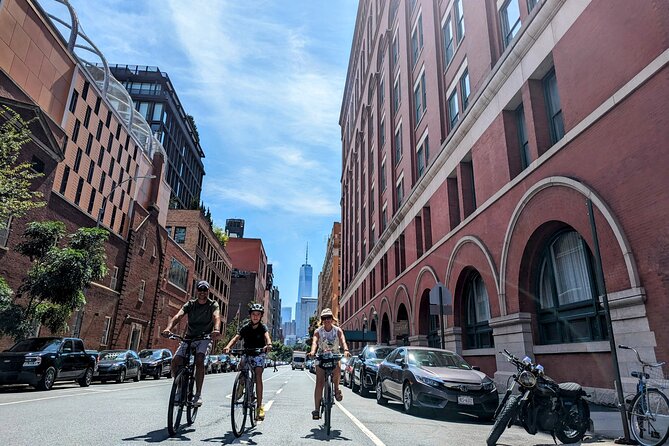
- You cover major Manhattan without map work thanks to guided routing and an organized flow.
- Robbie adapts the stops based on your group’s interests, so the ride feels personal.
- A pop-culture anchor (Ghostbusters HQ) helps the tour get started on a fun note before it gets serious.
- Short, high-impact stop times keep things moving while still giving you context.
- A mix of light and heavy topics makes the tour feel like real New York, not a one-note lesson.
- Central Park highlights in the same loop means you don’t have to plan a separate day.
Two wheels through New York City: more rides
- NYC: Central Park Bike Rentals
★ 4.2 · 2,528 reviews - NYC: Central Park Bike Rental
★ 4.1 · 1,651 reviews - Central Park Bike Rental
★ 4.7 · 1,509 reviews - New York City: Highlights of Central Park Bike or eBike Tour
★ 4.6 · 800 reviews
The vibe: radical, weird, and still practical
This tour is built around the idea that Manhattan makes more sense when you connect the dots. You’ll get a guided bike ride that threads together comedy-funny references, immigrant neighborhood stories, LGBTQ+ history, and memorial sites—all without you figuring out where to go next.
What makes it work for me is the pacing. The stops are brief, but each one is framed with clear talking points, so you leave with more than photos. The added touch is the playful concept that time travel is included in the tour duration—not literal, but the storytelling jumps across eras to show how today’s streets grew out of yesterday’s choices and conflicts.
And with a maximum of 8 people, the ride stays manageable. You’re not squeezed into a giant group where you can’t hear the guide.
Getting rolling from 79 Chambers St (and why start times matter)
The meeting point is 79 Chambers St, New York, NY 10007, and the tour ends back there. Starting at 11:30 am, you get a daytime route that avoids the “too early” scramble while still giving you daylight for the outdoor stops.
The tour also offers plenty of start times, which matters in NYC. If you’re juggling other plans—like seeing a show, catching a museum ticket later, or grabbing dinner—you can pick a departure window that fits your day instead of forcing your schedule around the tour.
You’ll use a mobile ticket, and the tour is offered in English. There’s also mention of good access to public transportation, which is a big plus when your hotel is not exactly in the Financial District.
Physical fitness is listed as moderate. That’s helpful language: you don’t need to be an athlete, but you do need to be comfortable biking and keeping a steady pace for several hours.
Ghostbusters HQ: pop culture first, then the real street history
The first major stop is the Ghostbusters HQ from the original 1984 film, which is also an active fire station. This pairing is exactly the kind of “weird history” move that makes the tour fun. You get the instant recognition, then you get the reminder that the place is part of the city’s working life, not a movie set.
Why I like this kind of opening: it lowers the barrier for the serious parts that follow. Instead of starting with memorial weight or neighborhood struggles, you begin with something playful and specific. That makes it easier to pay attention when the tour turns toward heavier topics.
Also, since the Ghostbusters stop is tied to a real, functioning location, it helps you read New York as a place where media, civic life, and architecture overlap.
Worth a look right next to this New York City pick:
National 9/11 Memorial & Museum: memorial fountains and the rebuilt skyline
Next up is the National 9/11 Memorial & Museum. You’ll see the memorial fountains and learn about how the new World Trade Center buildings came to be. This is one of the stops where the “short time” format can be both a strength and a limit.
The strength: you’ll get a structured orientation so you’re not just walking around with no context. The fountains are visually powerful, and the guide’s framing helps you understand what you’re seeing.
The limit: a 5-ish to 10-ish minute window means you won’t replace a full museum visit. If you want deeper exhibits, you can treat this stop as the emotionally and historically grounded introduction, then add time later with your own ticket.
Admission is listed as free for this stop, which is another reason it fits well into a 4 to 5 hour experience. You get meaningful orientation without having to budget extra just to understand what you’re looking at.
Lower East Side: tenements, immigrant stories, and food choices
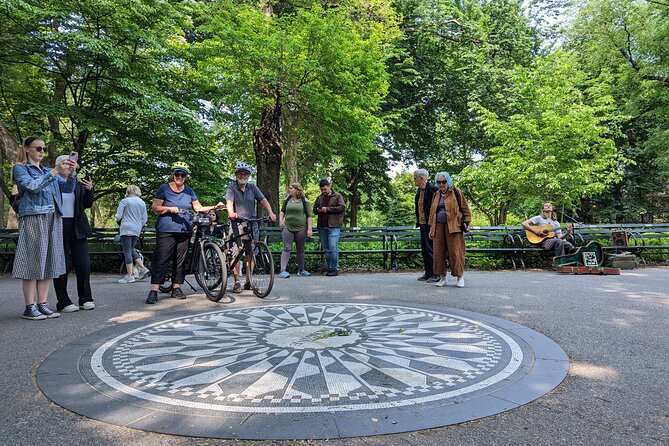
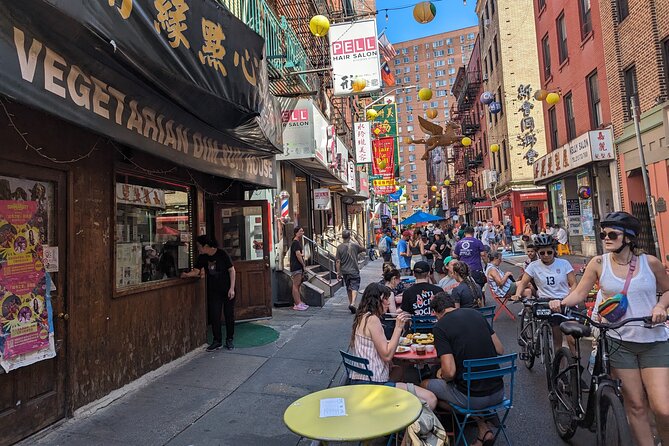
Then you roll into the Lower East Side, where you’ll hear a detailed history of the immigrant groups who lived in the densely packed tenement buildings nearby. This is where the tour shifts from landmark power to everyday-human history—who lived here, why they came, and what it meant to squeeze lives into tight city blocks.
You’ll have about 10 minutes, and the route includes optional stop choices: a historic bagel bakery or Chinese dumplings. Even if you don’t choose the food option, it’s a smart design detail. You’re reminded that immigrant history isn’t just dates and buildings—it’s also flavors, storefronts, and community routines.
A possible drawback? If your group is split on food choices, you may feel like you’re making quick decisions. The fix is simple: agree on your preference before you get to that block.
Either way, this stop is one of the most practical on the route. After it, you’ll have a better sense of why the neighborhood looks and feels the way it does today.
Streecha in the East Village: a Ukrainian cantina under apartments
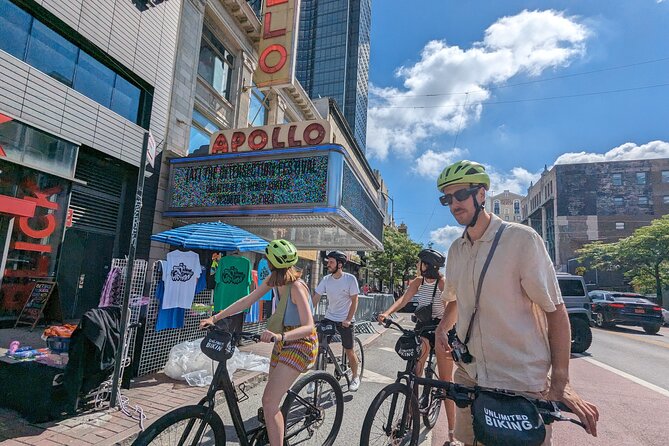
A highlight for many people is Streecha, described as a hidden East Village stop: a volunteer-run Ukrainian cantina in the basement of an apartment building. You get about 15 minutes, which is just enough time to absorb the story without rushing.
What makes this stop feel special is the setting. A basement cantina in an apartment building isn’t a typical tourist attraction. It’s community space. And the tour uses that fact well, so you’re not just seeing a location—you’re hearing how cultural life survives and adapts inside a city that keeps changing.
If you’re the type who likes offbeat places with human-scale stories, this one tends to land. It’s also one of those stops that changes your view of New York from “big sights” to “small realities that add up.”
New York City AIDS Memorial: queer liberation and the science bottleneck
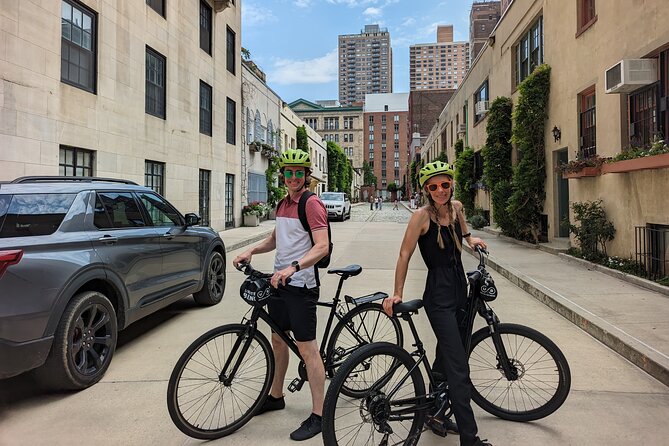
Then the ride turns to the New York City AIDS Memorial in Greenwich Village. This stop connects local place with global consequence, discussing queer liberation and how stigma in the medical community hindered research toward a cure for AIDS.
You’ll get about 7 minutes here. That short timing means the guide’s framing really matters—and the tour’s design suggests it will be clear and focused. Still, it’s good to go into this stop ready for emotion. Memorial spaces don’t work like casual sightseeing, and you’ll likely want to slow down in your own way even within the time limit.
Admission is listed as free, so the value here isn’t about ticket access. It’s about context and respect. You’ll come away with a better understanding of why the memorial exists and what social attitudes cost people.
One-block nightlife and the city’s signature street energy
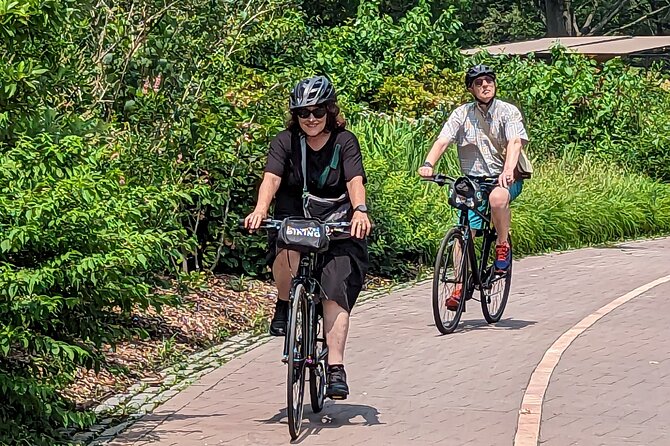
After the memorial, the route includes a one-block stretch known for karaoke bars, street food, and boba tea shops. This is the tour’s intentional reset. You go from heavy history to street-level life, and the change feels honest because that’s what you’d experience if you walked these areas yourself.
This section matters because it prevents the tour from becoming a lecture. You get a taste of contemporary neighborhood rhythms, and you can connect today’s culture with yesterday’s immigrant and community stories on the fly.
Again, time is short, so don’t expect a food crawl. Think of this as a quick lens on what the neighborhood feels like right now.
Garment District and the darker side of fashion
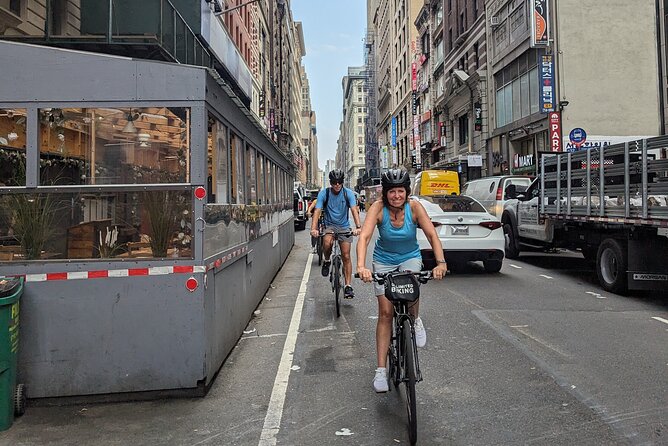
You’ll stop in the Garment District for about 5 minutes. The tour covers Manhattan’s clothing manufacturers and the dark side of one of the world’s fashion capitals.
This is a smart pairing: fashion is global and glamorous, but the city that produced it also had hard labor realities. A short stop like this can’t cover everything, yet the guide’s commentary is the key. You’ll learn how to see the industry with your eyes open, even while you’re looking at commercial streets.
If you love design or textile history, you’ll probably enjoy this stop more. If fashion isn’t your thing, you can still get something useful by thinking about the labor systems behind what people buy.
Strawberry Fields and Bethesda Terrace: Central Park’s two clear themes
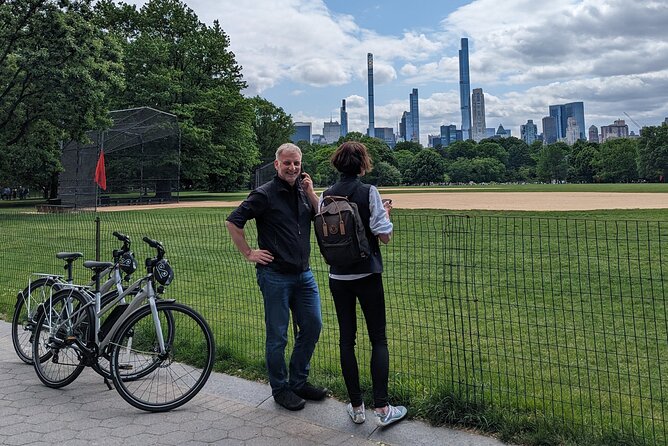
Next you head to Strawberry Fields, the John Lennon Memorial, across the street from the famous Dakota apartments. You’ll have around 5 minutes. This is one of those stops that works as a visual waypoint. The park setting gives you breathing room while the guide keeps the conversation grounded in why the memorial matters.
After that, the tour reaches Bethesda Terrace, the centerpiece of Central Park. You’ll see a monument celebrating access to clean water for all New Yorkers for about 5 minutes.
This is a great way to end the Central Park portion because it offers a theme you can carry home: cities aren’t just pretty streets. They’re systems that must serve public health and basic needs.
How customization works when the guide has options
One of the strongest promises here is customized tour options based on your group’s interests. That flexibility shows up in a few different ways, like choosing between food stops on the Lower East Side.
From a practical angle, customization helps if your group includes different kinds of history lovers. One person might care most about pop culture and street legends. Another might want social justice history. Robbie’s job is to keep you together while still making sure the ride doesn’t feel generic.
I’d treat this as a tour where participation matters. When you tell the guide what you want more of—memorials, neighborhood stories, or oddball cultural facts—you’re more likely to get the kind of route that feels made for you.
Small group size: less waiting, better listening
With a maximum of 8 travelers, the group stays tight. That changes the experience in a real way: you hear more, you pause when you need to, and the guide can keep a calmer pace.
It also helps for biking. You can keep distance, follow instructions, and actually feel like you’re part of the ride rather than watching it from behind.
The route is described as requiring good weather, which makes sense for a multi-stop ride with outdoor memorial and park stops. If the forecast is poor, you’ll likely get offered a different date or a full refund.
Value: why this feels like a good use of 4–5 hours
This tour is built for people who want a lot of context without spending an entire day in lines. In about 4 to 5 hours, you cover a variety of Manhattan areas and get guided explanations that connect the stops.
The biggest value signal in the itinerary is that many stops list admission as free. You’ll be able to focus on the guided framing rather than paying for access just to stand near something and read a placard.
You also get a route design that removes friction. You’re not plotting stops, guessing which streets are convenient by bike, or trying to piece together history from scattered signs. You get the “why” and the “what you’re looking at” in the same time window.
If you’re deciding between doing a self-guided bike loop and going with a guide, think about the tradeoff:
- With the guide, you’re buying context and efficiency.
- Self-guiding gives more time flexibility but usually costs more effort and less story.
For most people on a first NYC trip—or a trip where you want one smart historical ride—this is a strong bargain in time and insight.
Who should book this ride
This tour is a good fit if you:
- like seeing a broad slice of Manhattan in one organized outing
- want both light pop-culture moments and serious social history
- enjoy short stop formats with clear explanations
- appreciate a guide who responds to the group’s interests
It might not be your best match if you prefer long museum visits or quiet time without structured talking points. The tour is designed to move and cover ground.
Should you book the Radical & Weird History Bike Tour of NYC?
I’d book it if you want a guided bike ride that makes Manhattan feel readable. The combination of Ghostbusters HQ, major memorial sites, neighborhood immigrant context, and Central Park landmarks gives you a full picture in a short time.
One more reason to seriously consider booking: the guide is described as friendly, professional, and attentive, and that kind of responsiveness matters a lot on a tour with multiple emotional tones. If the idea of bouncing from pop culture to 9/11 context and then to AIDS memorial history sounds like your kind of honest NYC day, this is a strong pick.
If you dislike fast pacing, expect a more leisurely plan elsewhere. For everyone else, this is a fun way to get oriented and leave with real stories attached to real places.
FAQ
How long is the Radical & Weird History Bike Tour?
The tour runs about 4 to 5 hours.
Where does the tour start?
It starts at 79 Chambers St, New York, NY 10007, and ends back at the same meeting point.
What time does the tour begin?
The listed start time is 11:30 am.
How many people are on the tour?
The tour has a maximum group size of 8.
What language is the tour offered in?
The tour is offered in English.
Do I need to worry about navigation?
No. The tour is designed so you can see a lot of Manhattan in one ride without worrying about navigation.
Is the tour suitable for moderate fitness levels?
Yes. It requires a moderate physical fitness level.
What happens if weather is bad?
The experience requires good weather. If it’s canceled due to poor weather, you’ll be offered a different date or a full refund.
More Tours in New York City
- Statue of Liberty and Ellis Island Tour: All Options★ 5.0 · 13,571 reviews
- New York in One Day Guided Sightseeing Tour★ 5.0 · 13,166 reviews
- Central Park Pedicab Guided Tours★ 5.0 · 7,108 reviews
- New York City: Manhattan Helicopter Tour★ 4.7 · 7,076 reviews
- Private Central Park Pedicab Tour★ 5.0 · 6,981 reviews
More Tour Reviews in New York City
- NYC: SUMMIT One Vanderbilt Tickets★ 4.7 · 51,195 reviews
- NYC: Empire State Building Tickets – Observatory & Museum★ 4.7 · 25,757 reviews
- New York City: Statue of Liberty & Ellis Island with Ferry★ 4.6 · 18,683 reviews
- New York City: American Museum of Natural History Ticket★ 4.5 · 15,447 reviews
- Statue of Liberty and Ellis Island Tour: All Options★ 5.0 · 13,571 reviews
On Two Wheels Through New York City
- NYC: Central Park Bike Rentals★ 4.2 · 2,528 reviews
- NYC: Central Park Bike Rental★ 4.1 · 1,651 reviews
- Central Park Bike Rental★ 4.7 · 1,509 reviews
- New York City: Highlights of Central Park Bike or eBike Tour★ 4.6 · 800 reviews
- Central Park Bike Rental New York City★ 4.0 · 560 reviews
Just in: the newest New York City reviews on our desk





NYC Bike Tours, compared.
 ★ 4.2Central Park Bike RentalsFrom $92,528 reviews
 ★ 4.1Central Park Bike RentalFrom $81,651 reviews
 ★ 4.7Central Park Bike RentalFrom $91,509 reviews
 ★ 4.6Highlights of Central Park Bike or eBike TourFrom $47800 reviews
 ★ 4.0Central Park Bike Rental New York CityFrom $6560 reviews
 ★ 4.5Guided Bike Tour of Central Park New York CityFrom $44537 reviews
 ★ 4.5Central Park NYC Highlights Small-Group Bike TourFrom $45425 reviews
 ★ 4.5Central Park Guided Bike TourFrom $44355 reviews
Browse the lists this tour appears in