
Reviewed · NYC MUSEUM TOURS
SPYSCAPE Museum and Experience
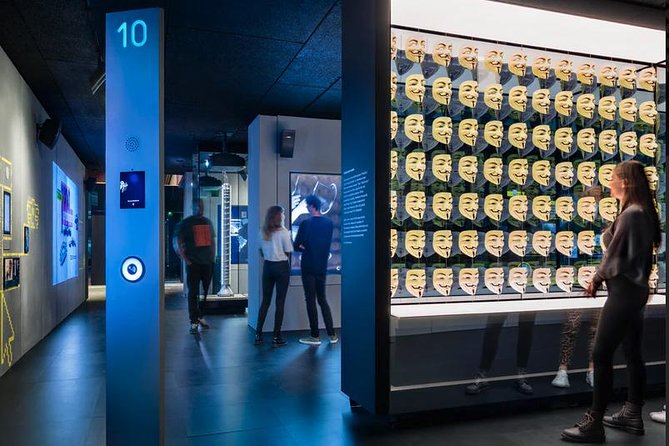
Midtown turns into a spy training hall. SPYSCAPE is a hands-on, play-at-your-own-pace experience built around spy-style challenges like coding, breaking codes, surveillance, and lie detection. The games are designed by a former Head of Training at MI6, and you can pick a flexible entry time on the day you book.
I especially liked the way the experience tests more than one skill at once, from logic puzzles to quick decision-making. You also get a spy-profile style dossier of your results, plus scores and videos sent by email after you finish. The gift shop and book shop are part of the included visit, which makes it easy to leave with something fun instead of just memories.
One thing to consider: the tech can be temperamental. A few recent visitors flagged glitches and broken stations, and there’s also some noise in the rooms with lots of screens, so it’s not a quiet, sit-and-read museum.
In This Review
- Key things to know before you go
- SPYSCAPE in Midtown: where the spy mission starts
- Your spy mission: codes, surveillance, and spotting liars
- The station circuit: why pace and attention matter
- Laser challenges: the moment most people remember
- Your spy dossier results: how the visit sticks with you
- The tech reality: glitches, upkeep, and how to plan for it
- Price and value for a $39 ticket
- Who should book SPYSCAPE (and who should skip it)
- Should you book SPYSCAPE in Midtown?
- FAQ
- Where is SPYSCAPE located in New York City?
- How much does the ticket cost?
- How long should I plan to spend at SPYSCAPE?
- Is the experience offered in English?
- What is included with the SPYSCAPE ticket?
- What is SPYGAMES, and is it included?
- Do I need to arrive at a specific time?
- What should I do with my mobile ticket?
- What is the cancellation window?
- FAQ
- Do they allow service animals?
Key things to know before you go
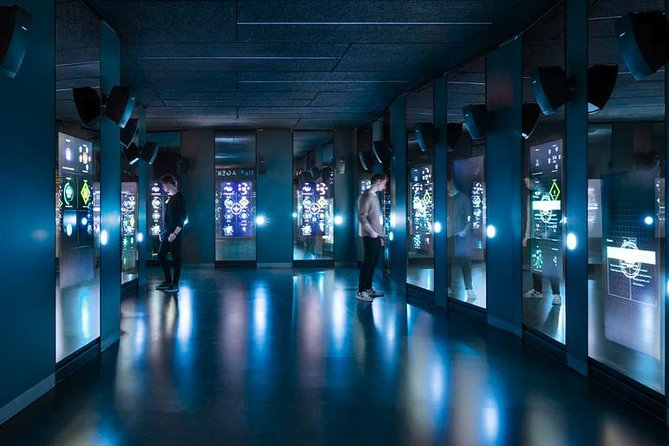
- MI6-style training challenges: Many tasks are built around code work, surveillance scenarios, and lie spotting
- Laser and lie-detection tests: These tend to be the most memorable parts of the whole circuit
- Your results feel personal: You walk out with a dossier-style profile, and you may get scores and videos by email
- Station flow beats phone scrolling: You’ll enjoy the games more if you actually use the stations instead of your phone
- Midtown location near Columbus Circle: Easy to reach, especially if you’re already exploring that part of the city
- Included gift shop and book shop access: It’s built into the ticket experience, not an afterthought
More halls and galleries worth the hours
- NYC: Empire State Building Tickets – Observatory & Museum
★ 4.7 · 25,757 reviews - New York City: American Museum of Natural History Ticket
★ 4.5 · 15,447 reviews - NYC: Museum of Modern Art (MoMA) Entry Ticket
★ 4.6 · 12,540 reviews - 9/11 Memorial, Ground Zero Tour with Optional 9/11 Museum Ticket
★ 5.0 · 6,381 reviews
SPYSCAPE in Midtown: where the spy mission starts
SPYSCAPE sits right in Midtown Manhattan, with a location that’s easy to find near Columbus Circle. That matters because this kind of experience is best when you’re not stressed about transit timing. Aim to give yourself a smooth arrival buffer, then use your scheduled entry time to start when it’s convenient for your day.
The ticket is priced at $39 per person, and the experience generally runs about 1.5 to 2 hours. That time window is a sweet spot for a city day: long enough to feel like you did something real, short enough that it won’t eat your whole afternoon.
SPYSCAPE uses mobile tickets and offers the experience in English, so you’re not dealing with complicated language barriers. Service animals are allowed, and the venue is near public transportation, which is helpful in a city where every minute counts.
Your spy mission: codes, surveillance, and spotting liars
Your “tour” isn’t a guided walk through static exhibits. It’s a sequence of challenge stations where you solve, observe, and respond like you’re on the job. Expect tasks involving coding and code-breaking, surveillance-style thinking, and lie-related questions where you try to spot who’s telling the truth.
The MI6-trained design piece is what makes this feel more purposeful than a generic game arcade. The challenges ask you to switch modes: sometimes you’re doing pattern work, and other times you’re reading people or making judgment calls under pressure.
If you like puzzles, this is a good match. If you prefer purely passive museum content, you might find the format more demanding than relaxing. In practice, it’s more “work the stations” than “watch the displays.”
The station circuit: why pace and attention matter
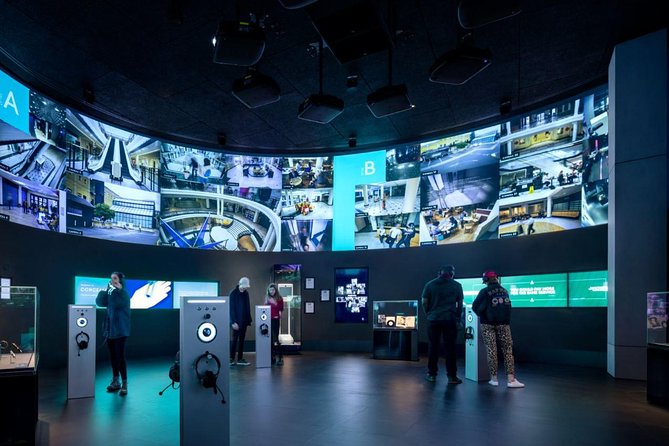
The biggest practical tip I can give you: slow down just enough to understand each station before you move on. One common piece of advice from people who enjoy it most is to take your time rather than rushing through. It’s not only about finishing quickly; the experience is designed so each part feeds into the feeling of building your spy dossier.
Also, I’d resist the urge to use your phone during the games. Several visitors say using the stations makes everything make more sense and tends to make the whole visit more fun. If you’re tempted to Google answers or read while you play, you’ll likely miss the point: the challenges are the point.
There are also moments where you’re surrounded by other people working their own stations. Some rooms are noisier than you’d expect, especially areas with screens and voice explanations. If you’re sensitive to sound, consider treating it like a lively indoor activity rather than a museum stop.
More museum hours in New York City
Laser challenges: the moment most people remember
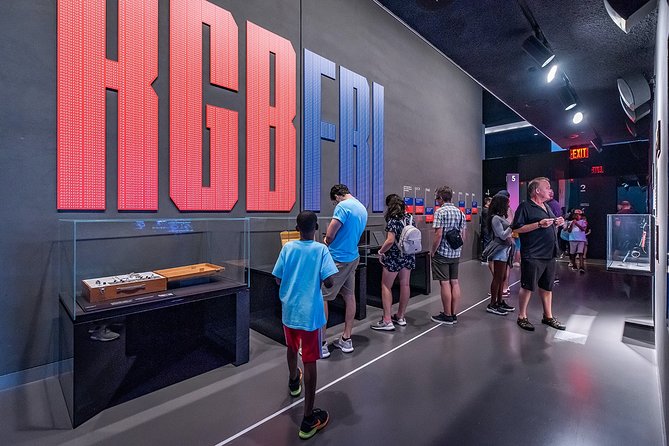
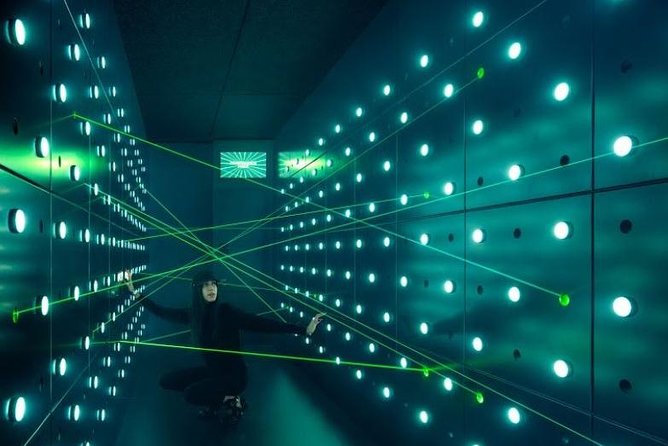
The laser section is one of the highlights people repeatedly mention, and for good reason. It’s physical in a controlled way, so it breaks up the more cerebral parts like codes and logic questions. Expect it to feel more like action training than museum viewing.
I like this kind of pacing for families and mixed groups. When one part requires strong reading or math, another part brings in movement and spatial thinking. That balance is what keeps the energy up over the full 1.5 to 2 hours.
If you’re bringing kids or teens, plan for this as a key payoff point. If you’re going as a couple, it often becomes the shared story you talk about afterward: who was fastest, who figured it out, and what kind of spy they think they are.
Your spy dossier results: how the visit sticks with you
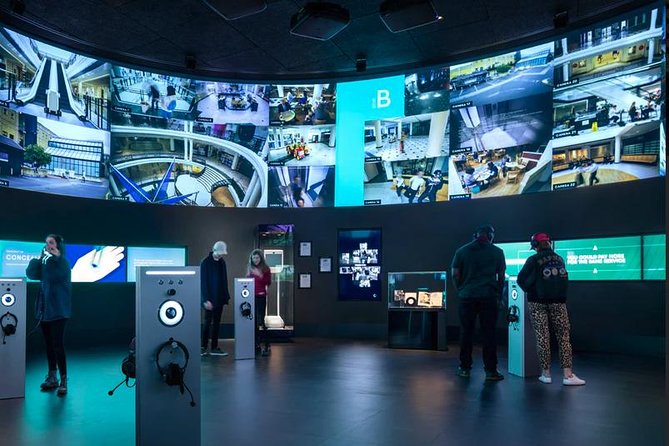
One of the better design choices here is what happens after the stations: your results. Instead of leaving with only a score number, you get a dossier-style profile that describes what kind of spy you’d make. That’s a smart way to turn gameplay into something reflective.
You may also receive your scores and videos by email after you finish. That’s not essential, but it adds value because it gives you something to revisit later. It also helps justify the cost if you’re the type who likes an “after” experience, not only the live activity.
If you’re going with a friend or partner, the dossier output can make the visit feel more personal than a group activity where everyone just does the same steps. Even solo visitors tend to get something to take away beyond entertainment.
The tech reality: glitches, upkeep, and how to plan for it
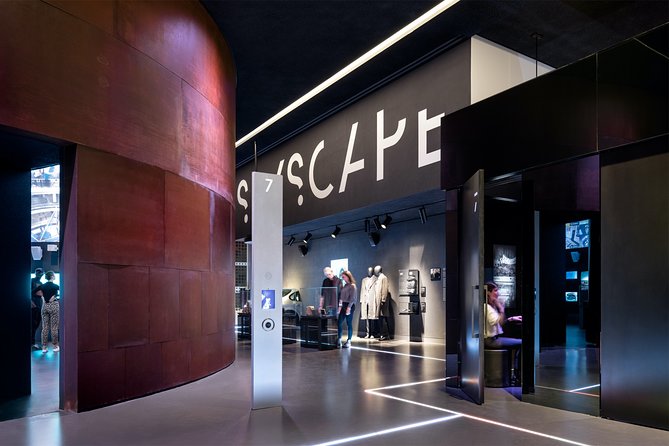
Like many interactive museums, your enjoyment can hinge on whether the stations are working smoothly. A few visitors reported a lot of things being broken or glitchy, and another mentioned that rooms with heavy use felt like they needed more cleaning. I’d treat that as a normal risk with tech-forward attractions.
What to do with that info? Keep your expectations practical. This is a live, interactive system, so not every station may run perfectly at every time. If you arrive expecting a flawless, always-on experience, you might get frustrated. If you arrive with a flexible mindset, you’ll likely still have fun.
There’s also feedback about instruction flow. Some people felt the experience could use more guidance at busy moments. My advice is simple: when you’re at a station, pause and follow what’s on screen before you start moving quickly. If lines form or chaos builds, calm navigation is your best friend.
Price and value for a $39 ticket
At $39, SPYSCAPE sits in the “not cheap, but not insane” range for a 2-hour activity in New York. The value works best if you enjoy hands-on learning through games and puzzles. If you’re expecting a traditional museum with deep exhibits and plenty of reading, you may feel it doesn’t justify the price for the time.
One key detail: SPYGAMES is not included. That means your ticket gets you into the core SPYSCAPE museum and experience, but there can be additional add-ons once you’re there. If you want a specific extra game package, check what’s included in your ticket and what costs extra.
For families, the “value per child” can be better than you’d think because the format is built for different ages. Teen-focused visitors often seem to get more out of it when they’re ready to solve, think, and move.
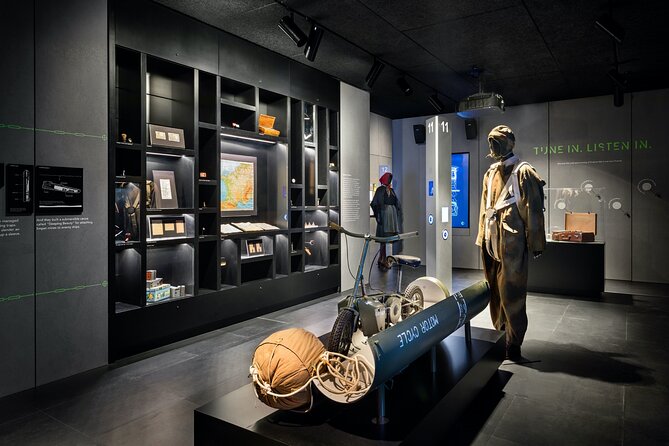
For adults, I’d frame it as a logic-and-action activity, not a spy history lecture. The Enigma-machine type content and the WW2 references can add context, but the experience is still built around challenges first.
Who should book SPYSCAPE (and who should skip it)
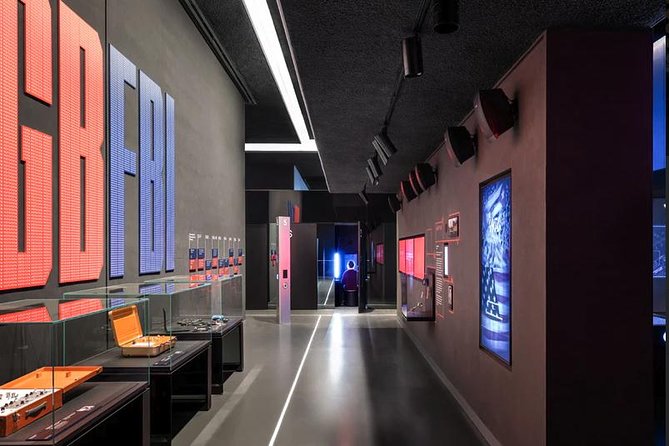
This is a strong fit if you:
- enjoy puzzle stations and quick problem-solving
- want a fun date night that doesn’t turn into standing in a line for dinner
- are traveling with kids or teens who like interactive challenges
- like competitive tasks like lasers, codes, and lie-detection-style games
It’s a weaker fit if you want:
- a calm, quiet museum where you can wander slowly
- lots of traditional displays without participation
- a guaranteed tech-perfect experience, no matter what
If you’re on a short NYC schedule, the Midtown location is practical. It’s also the kind of activity that works well as a daytime plan because it typically fills your time without dragging into the evening.
Should you book SPYSCAPE in Midtown?
Book it if you want an active, puzzle-heavy experience that turns spy themes into something you do, not just watch. The station variety, the laser highlight, and the dossier-style results make it feel more than a one-off game.
Pass or reconsider if you’re sensitive to noise, dislike tech-based activities, or were hoping for a quieter traditional museum visit. Also, if you’re not into spy culture at all, you might find it harder to connect with the content beyond the gameplay.
My final advice is to check the venue’s latest visit info before you go, since hours can change. Then go with the right mindset: follow the stations, take your time, and treat it like a mini training mission.
FAQ
Where is SPYSCAPE located in New York City?
SPYSCAPE is in Midtown Manhattan near Columbus Circle, in a part of the city that’s close to public transportation.
How much does the ticket cost?
The price listed is $39.00 per person.
How long should I plan to spend at SPYSCAPE?
Plan for about 1 hour 30 minutes to 2 hours.
Is the experience offered in English?
Yes, the experience is offered in English.
What is included with the SPYSCAPE ticket?
Your ticket includes access to the SPYSCAPE museum and experience, plus access to the gift shop and book shop. All fees and taxes are included.
What is SPYGAMES, and is it included?
SPYGAMES is not included in this ticket.
Do I need to arrive at a specific time?
You can arrive at a convenient time based on flexible entry on the day you book.
What should I do with my mobile ticket?
You’ll use a mobile ticket for entry, and you’ll receive confirmation at the time of booking.
What is the cancellation window?
Free cancellation is allowed up to 24 hours in advance for a full refund.
FAQ
Do they allow service animals?
Yes, service animals are allowed.
New York City Museums Worth the Hours
- NYC: Empire State Building Tickets – Observatory & Museum★ 4.7 · 25,757 reviews
- New York City: American Museum of Natural History Ticket★ 4.5 · 15,447 reviews
- NYC: Museum of Modern Art (MoMA) Entry Ticket★ 4.6 · 12,540 reviews
- 9/11 Memorial, Ground Zero Tour with Optional 9/11 Museum Ticket★ 5.0 · 6,381 reviews
- 9/11 Memorial Museum Admission Ticket★ 4.5 · 6,376 reviews
More Tour Reviews in New York City
- NYC: SUMMIT One Vanderbilt Tickets★ 4.7 · 51,195 reviews
- NYC: Empire State Building Tickets – Observatory & Museum★ 4.7 · 25,757 reviews
- New York City: Statue of Liberty & Ellis Island with Ferry★ 4.6 · 18,683 reviews
- New York City: American Museum of Natural History Ticket★ 4.5 · 15,447 reviews
- Statue of Liberty and Ellis Island Tour: All Options★ 5.0 · 13,571 reviews
Indoors Done Right: More Museums
- NYC: Empire State Building Tickets – Observatory & Museum★ 4.7 · 25,757 reviews
- New York City: American Museum of Natural History Ticket★ 4.5 · 15,447 reviews
- NYC: Museum of Modern Art (MoMA) Entry Ticket★ 4.6 · 12,540 reviews
- 9/11 Memorial, Ground Zero Tour with Optional 9/11 Museum Ticket★ 5.0 · 6,381 reviews
- 9/11 Memorial Museum Admission Ticket★ 4.5 · 6,376 reviews
Just in: the newest New York City reviews on our desk





NYC Museum Tours, compared.
 ★ 4.7Empire State Building Tickets – Observatory & MuseumFrom $4725,757 reviews
 ★ 4.5American Museum of Natural History TicketFrom $3715,447 reviews
 ★ 4.6Museum of Modern Art (MoMA) Entry TicketFrom $3012,540 reviews
 ★ 5.09/11 Memorial, Ground Zero Tour with Optional 9/11 Museum TicketFrom $396,381 reviews
 ★ 4.59/11 Memorial Museum Admission TicketFrom $366,376 reviews
 ★ 5.0All-Access 9/11: Ground Zero Tour, Memorial and Museum, One World ObservatoryFrom $1094,886 reviews
 ★ 4.7Intrepid Museum Entry TicketFrom $384,687 reviews
 ★ 4.7Madame Tussauds Entry TicketsFrom $423,625 reviews
Browse the lists this tour appears in