Reviewed · NEW YORK CITY
1.5 Hour Immersive Farm Experience in Adirondacks
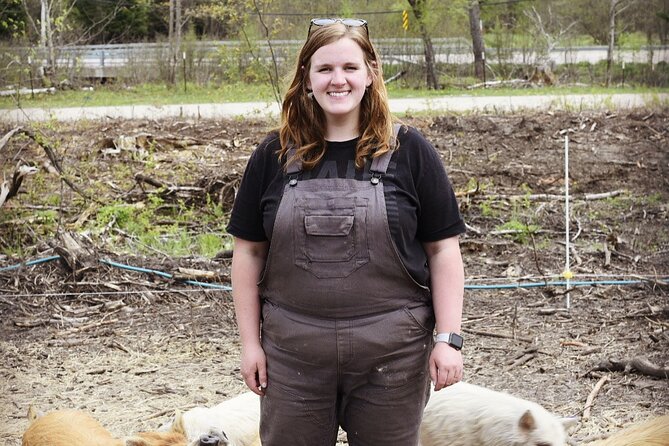
A working farm tour in the Adirondacks beats any postcard. This 1.5-hour small-group visit at the Cook Farm lets you get hands-on: feed animals, pick vegetables you can take home, and learn how local food actually moves from field to kitchen. I especially like the close access to the animals, and I like how the tour covers practical farm know-how instead of vague farm facts.
One thing to consider: it’s weather-dependent and you’ll be walking around farm areas, so plan for mud, barns, and cold hands-on moments if the day is chilly.
In This Review
- Key highlights worth showing up for
- A hands-on 90 minutes that feels like you joined the day
- Meeting at 189 Ragged Lk Rd and getting ready for real farm footing
- Stop at Cook Farm: history first, then the practical “how”
- Market garden harvest: picking organic veggies you can take home
- Pasture time: ducks, chickens, pigs, goats, turkeys, and eggs
- Composting temperature checks: learning why it matters on a working farm
- Grooming Chuck and Larry, plus the goat milking steps inside the barn
- Price and logistics: why $20 can feel like a bargain
- What to bring (and what to skip) for a smooth farm day
- Who should book this Cook Family Farm tour?
- Should you book? My honest take
- FAQ
- Where is the meeting point?
- What time does the tour start?
- How long is the experience?
- How many people are in each group?
- What animals might I see?
- Can I harvest produce during the tour?
- Is the tour offered in English?
- Does the tour require good weather?
- What is the cancellation policy?
Key highlights worth showing up for
- Max 6 travelers means you’re not lost in a crowd; you get real back-and-forth time with the Cook Farm team.
- Harvest produce to take home after learning how organic vegetables grow in the market garden.
- Animal encounters across the farm: ducks, chickens, pigs, goats, turkeys, and ducks can all be part of your route.
- Composting isn’t just a buzzword: you can take a temperature reading on their compost pile.
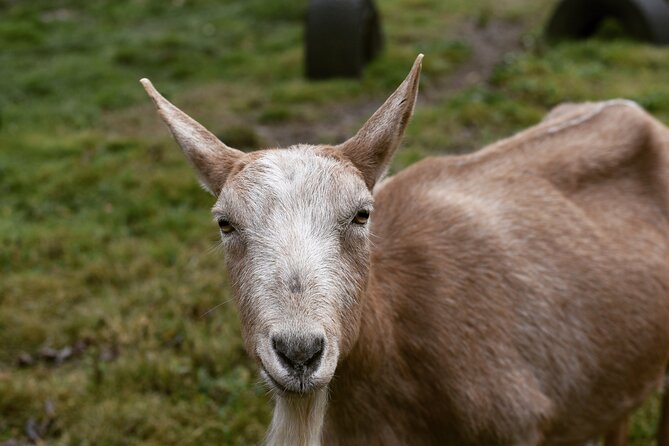
- Grooming goat ambassadors with photos, plus a peek into the goat milking steps with the team.
- Short, clear pacing across five farm stops, designed to fit a 90-minute visit.
Worth a look right next to this New York pick:
- Guided Lilymoore Alpaca Farm Tour
★ 5.0 · 38 reviews
A hands-on 90 minutes that feels like you joined the day
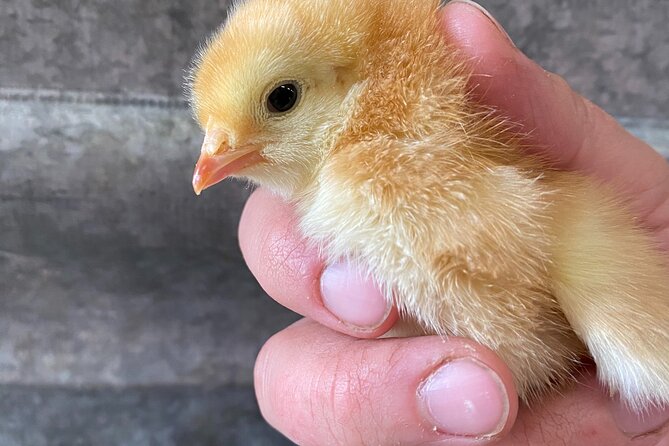
The Cook Farm tour is built for folks who prefer real work over staged photos. You’ll spend about 1 hour 30 minutes moving through the property with a small group, following the rhythm of a working farm rather than rushing from exhibit to exhibit. And because the group tops out at 6, you’re more likely to get your questions answered instead of listening to the same script on repeat.
I also like that the team talks about the farm as a living system. It’s not only about animals; you’ll hear how local food systems work and how produce gets from farm to fridge. That adds a useful context if you’re thinking about where your food comes from at home.
And yes, you’ll still get the fun part: animals. In the past, I’ve found that many “farm experiences” stop at watching from a distance. Here, you can actually participate—feeding treats, helping with simple tasks, and spending time close enough to notice what makes each animal cared for differently.
Meeting at 189 Ragged Lk Rd and getting ready for real farm footing
Your tour starts at 189 Ragged Lk Rd, Owls Head, NY 12969, with a start time of 1:00 pm. You end back at the same meeting point, so you’re not left figuring out transport or a second pickup. After you arrive, you’ll meet the Cook Farm team and get oriented.
One practical detail: you’ll likely be offered boot covers. In one review, Laura offered them at arrival—though the guest used their own high work/garden boots instead, which is smart if you already have sloggers. If you don’t, just know you may be on ground that’s farm-textured, not city-clean. Tall, waterproof boots help you relax instead of constantly watching your feet.
If you’re sensitive to cold, bring gloves. Even when you’re not doing heavy work, you’ll be handling farm tasks and possibly feeding animals with small motions that feel colder than you expect.
Stop at Cook Farm: history first, then the practical “how”
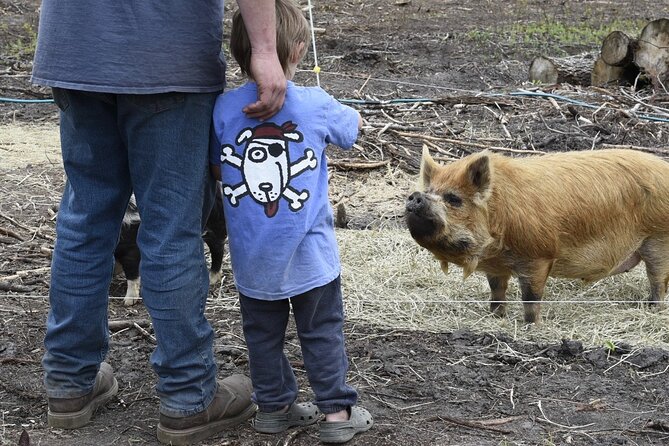
The tour begins with a meet-and-greet at the Cook Farm, where you’ll learn some background and see where things are headed. This isn’t a long lecture. It’s more like getting your bearings fast: who the Cook family are, how they’ve improved the farm over time, and what they’re building next.
That “what’s changed and what’s next” angle matters. Farms aren’t frozen in time. By hearing about recent improvements and future structures, you get a clearer picture of why farm work takes constant planning—especially in a place with seasonal swings like the Adirondacks.
You’ll also get into the farm mindset with your farm attire sorted out early, so later stops feel smoother instead of rushed.


Market garden harvest: picking organic veggies you can take home
Next comes the market garden segment, focused on how organic vegetables are grown. You’ll discover the basics in plain terms, then you get to harvest your own fresh veggies. This is one of those parts that changes the value of the tour immediately: you’re not only learning; you’re leaving with something edible.
A good way to think about this: it turns the experience into a mini lesson in food seasonality and variety. You’ll see produce that’s actually ready, not produce that fits a generic grocery template. And if you’re traveling, it’s a nice souvenir that won’t take up space for long—it turns into dinner.
What can be tricky is timing and selection. Since it depends on what’s growing and ready, you may or may not get the exact veggie mix you’re hoping for. The tradeoff is you’re seeing what real farms are doing that week.
Tip: bring a bag or container you’re comfortable using for produce. The tour will hand you the chance to pick; you just want to be ready to take your haul home neatly.
Pasture time: ducks, chickens, pigs, goats, turkeys, and eggs
Then the tour shifts into animal territory, where you’ll spend about 30 minutes visiting the kinds of animals raised on pasture. This is the part that most people remember because it’s hands-on in more than one way.
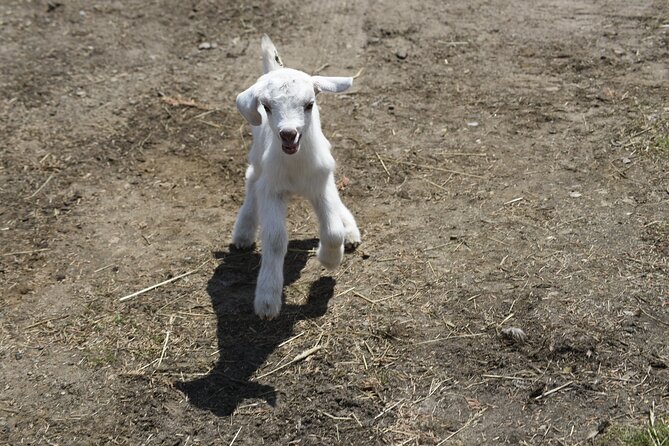
You may encounter ducks, chickens, turkeys, pigs, and goats on your route. You can collect eggs, and you’ll also feed treats to pigs. If the group is small (and it usually is), you’ll have more time to watch how the animals behave when they’re being cared for—not just how they look at a safe distance.
One review mentioned holding a baby piglet, plus feeding and interacting with goats later. That’s exactly the sort of “close-up learning” you want if you’re the type who watches how animals move and eat. You’ll also learn that different animals require different approaches—simple, practical details the farm doesn’t want to hide behind a fence.
A note on comfort: goats can be friendly, but you should expect them to be curious, and some goats may have horns. The good news is the staff keeps the interaction grounded and safe.
Composting temperature checks: learning why it matters on a working farm
After the animals, you’ll learn about composting, including how and why the farm uses a community composting system. This stop is only about 15 minutes, but it’s the kind of quick lesson that sticks because it’s tangible.
You can take a temperature reading on their compost pile. That’s a smart teaching moment: you’re not just hearing that compost works. You’re seeing that it’s active. You’ll also learn what goes into their compost and how they mix the piles daily so the material breaks down and returns to the farm’s use.
If you care about sustainable food systems, this stop is more than “cool facts.” Composting explains how farms close loops. It’s part of soil health, fertility planning, and long-term resilience—especially important for market gardens where you’re growing lots of produce.
Practical takeaway: farms don’t run on magic. They run on cycles. When you watch the cycle in action, you start to understand why good farming takes patience.
Grooming Chuck and Larry, plus the goat milking steps inside the barn
The final stretches lean into the goats—both the friendly ones you’ll see as ambassadors and the parts of farm husbandry you might not expect to learn on a casual visit.
You’ll spend time grooming the farm’s ambassador goats, Chuck and Larry, with brushing and photo time. This is a sweet, low-pressure interaction. You’re not doing a “job” so much as you’re learning how they’re handled and cared for. It’s also a reminder that these animals aren’t props; they’re part of daily farm care.
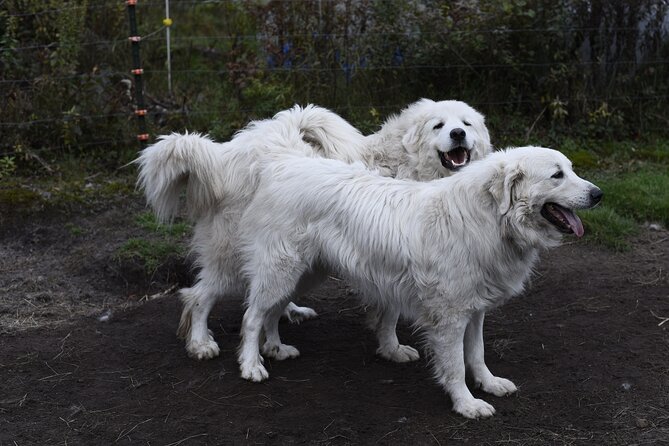
Then you may go into the barn area to see male goats and walk through the milking process steps. In one review, the host named Laura and others Ivan and Brandon showed the process step by step. You’ll also get to see the farm’s guard dogs that protect livestock and the family.
What makes this valuable is the realism. Goat care isn’t just cute photos—it’s work. Watching the sequence helps you understand why farms develop routines and systems, and why staff knowledge is the difference between chaos and steady care.
One more useful detail: if you’re thinking about animal welfare, this portion shows how the farm manages the practical tasks while still keeping visitors engaged. It’s instructive without turning into a show.
Price and logistics: why $20 can feel like a bargain
At $20 per person for about 1 hour 30 minutes, this tour is priced like a community activity, not a premium attraction. The real question is what you get for that money—and the answer is “more than you’d expect.”
You’re paying for:
- Small group time (max 6 travelers)
- Hands-on animal feeding and close interactions
- Organic garden harvesting that you can take home
- Composting education that includes an actual temperature reading
- Goat grooming plus exposure to goat husbandry steps
That adds up. Most farm visits at higher prices often stop at watching. Here, you’re participating. And when a tour lets you leave with food, it’s harder to feel like you just paid for a walk and some photos.
One logistical plus: you’ll receive a confirmation after booking and you’ll have a mobile ticket. That’s helpful if you like keeping travel days simple.
Also, the tour is booked on average about 17 days in advance, so if you’re planning around a tight Adirondacks schedule, don’t wait until the last minute.
What to bring (and what to skip) for a smooth farm day
You don’t need fancy gear. You do need farm-appropriate basics.
Bring:
- Tall waterproof boots (or plan to use boot covers)
- A warm layer if it’s breezy or cold
- A bag for harvested produce
Skip:
- Delicate shoes you’d hate to get dirty
- Anything you can’t comfortably bend, kneel, or handle around animals
And keep your expectations practical. This is a working farm visit. It’s not a museum where everything is sterilized and silent. It’s lively, occasionally loud, sometimes a bit muddy—exactly what makes it feel authentic.
Who should book this Cook Family Farm tour?
I’d book this if you want a small-group farm visit that teaches you how the system works, not just how animals look. It’s a great fit for:
- Families and couples who enjoy hands-on learning
- Travelers who like food origins and soil health topics
- Anyone who wants a calmer, more personal experience than a big attraction
If you’re only looking for a quick glance at animals, you might feel it’s more structured than you want. But if you enjoy learning in short bursts—then doing the next thing—that pacing works well.
It also helps that the tour is English-offered, and it says most travelers can participate. If you have specific comfort needs about getting close to animals or walking on farm ground, it’s smart to plan for sturdy footwear and take your time.
One more note: the experience requires good weather. If it’s canceled due to poor weather, you’ll be offered a different date or a full refund. That’s worth factoring in when you build your Upper Adirondacks schedule.
Should you book? My honest take
Yes—if your ideal Adirondacks day includes animals, real farm tasks, and learning in a small group, this is a strong use of time and money. For $20, you’re getting participation: feeding treats, collecting eggs, harvesting vegetables, and taking part in composting education.
Skip it only if you dislike close animal interaction or you’re looking for a fully indoor, weather-proof activity. Otherwise, it’s exactly the kind of “everyday life” experience that makes a trip feel grounded.
If you book, aim to come dressed for farm footing. Bring the boots, and you’ll spend the day focused on the fun parts instead of worrying where you’re stepping.
FAQ
Where is the meeting point?
The tour starts at 189 Ragged Lk Rd, Owls Head, NY 12969, USA, and it ends back at the meeting point.
What time does the tour start?
The start time listed is 1:00 pm.
How long is the experience?
The duration is about 1 hour 30 minutes.
How many people are in each group?
This activity has a maximum of 6 travelers.
What animals might I see?
You may encounter goats, pigs, chickens, turkeys, ducks, and you can also collect eggs during the tour.
Can I harvest produce during the tour?
Yes. You’ll learn about the market garden and harvest your own fresh organic vegetables to take home.
Is the tour offered in English?
Yes, it is offered in English.
Does the tour require good weather?
Yes. The experience requires good weather. If it’s canceled due to poor weather, you’ll be offered a different date or a full refund.
What is the cancellation policy?
Free cancellation is available. You can cancel up to 24 hours in advance for a full refund. If you cancel less than 24 hours before the start time, the amount you paid won’t be refunded.
More Farms in New York
- Guided Lilymoore Alpaca Farm Tour★ 5.0 · 38 reviews
More Tour Reviews in New York
- LEGOLAND® New York Theme Park Admission Ticket★ 4.0 · 1,396 reviews
- Museum of the City of New York General Admission Ticket★ 4.5 · 93 reviews
- Guided Lilymoore Alpaca Farm Tour★ 5.0 · 38 reviews
- Edward Hopper House Museum Entry Ticket★ 4.5 · 33 reviews
- Buffalo New York Food Tasting Tour★ 4.5 · 7 reviews