
Reviewed · TOURS
Wood Bat Mill Tour
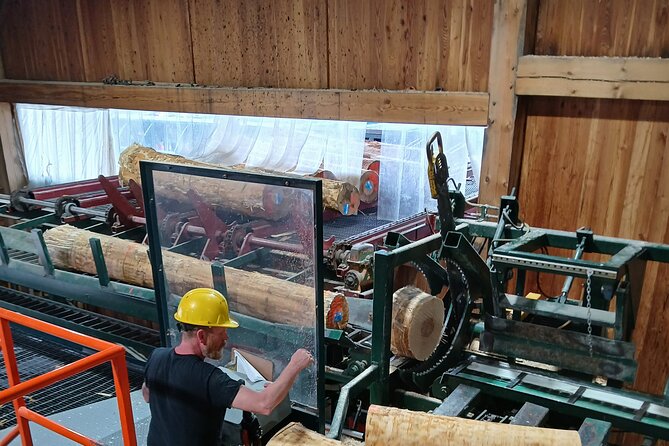
Watching a bat being made feels unreal. This wood bat mill tour shows the full journey from raw timber to pro-level bats, with robotics working alongside skilled hands. It’s a one-hour look behind the scenes of how a major-league-ready bat actually comes to life.
I especially like the combination of precision and craft—watching the hand-splitting steps up close is the kind of detail you don’t get from a ballpark souvenir stop. I also like that the company talks sustainability, including how water is reused, which makes the whole process feel practical, not just impressive. The main consideration is that the setting involves heavy machinery, so you’ll want moderate physical comfort, and children may face age limits based on safety rules.
In This Review
- Key things you’ll notice on the wood bat tour
- Why a Oneonta wood bat mill tour is more fun than it sounds
- Getting to Leatherstocking Timber Products and planning your hour
- From wood to baseball bat: the full process you’ll see
- Robotics plus hand splitting: how the bat takes shape
- Sustainability isn’t a poster here: water reuse and careful wood use
- Safety, comfort, and who should consider the fitness factor
- Price and value: is $50 for an hour worth it?
- Should you book the Wood Bat Mill Tour in Oneonta?
- FAQ
- Where does the Wood Bat Mill Tour meet?
- How long is the tour?
- How much does it cost?
- Is the tour offered in English?
- What is the group size limit?
- What is the cancellation window for a full refund?
Key things you’ll notice on the wood bat tour
- Full bat-making process: how timber becomes a finished baseball bat
- Robotics at work: modern machines handling parts of the production
- Hand-splitting technique: close-up craft work you can actually follow
- Sustainability in action: reuse of water and careful use of wood
- Safety gear for participants: you’ll be equipped before you get near equipment
- Small group size: limited to a maximum of 12 people
Not sold yet? Here is how this one lines up against other New York picks:
- LEGOLAND® New York Theme Park Admission Ticket
★ 4.0 · 1,396 reviews - Museum of the City of New York General Admission Ticket
★ 4.5 · 93 reviews - Guided Lilymoore Alpaca Farm Tour
★ 5.0 · 38 reviews - Edward Hopper House Museum Entry Ticket
★ 4.5 · 33 reviews
Why a Oneonta wood bat mill tour is more fun than it sounds
If you like baseball, you know bats look simple. A hunk of wood, a smooth finish, and that classic taper. But once you’re in the production space, you realize a bat is the end result of a lot of steps that have to be timed and shaped just right.
This tour works because it focuses on the making, not just the marketing. You’ll see professional-grade bats for major league players being produced, and you’ll get a real sense of how wood is treated as a material that matters. The robotics element is a nice surprise too. It’s not “old tools in an old shed.” It’s modern equipment guided by craft.
And because the tour is short—about an hour—it stays focused. You get the highlights, the key stages, and enough explanation to connect what you’re seeing to what you care about on the field.
Getting to Leatherstocking Timber Products and planning your hour
The tour meets at Leatherstocking Timber Products, Inc, 359 Delaware County Highway #11, Oneonta, NY 13820. It starts there and ends back at the same point, so you can plan your day without worrying about a long transfer.
Timing is straightforward: expect about 1 hour on the premises. That compact length is actually part of the value—especially if you’re visiting the area and want one “wow” experience without eating half a day.
One more planning note: the tour is limited to 12 people max, and it tends to sell. On average, it’s booked about 32 days in advance, so if you’re traveling in peak season (or you’re picky about day/time), book sooner rather than later.
From wood to baseball bat: the full process you’ll see
The tour’s core promise is simple: you’ll see the full process of how professional-grade baseball bats are made. That means you’re not just walking past machines while someone says, “And then it’s done.” You’ll be guided through the steps that turn timber into a bat that’s ready for serious play.
Here’s what you can expect in the flow of the hour:
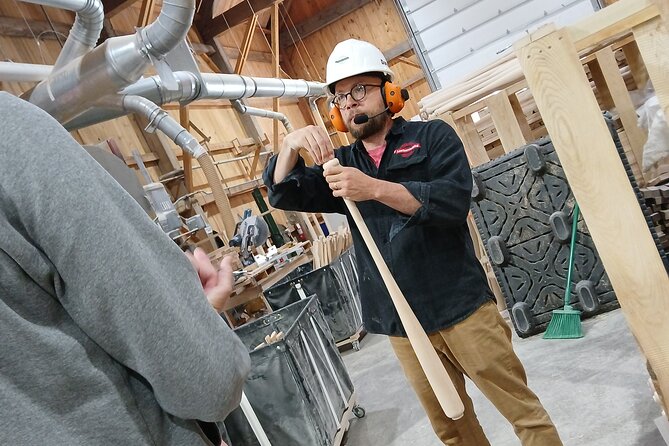
You’ll start by getting oriented to the bat-making stages at Leatherstocking Timber Products, Inc. Then you’ll move through the production steps that show how the wood is prepared and shaped. The big moment is seeing the hand work—because splitting and shaping bat billets isn’t just a manufacturing task. It’s where the craft shows.
The tour also emphasizes how the company handles materials carefully. You’re not watching wasteful production. You’re watching a process that treats the wood as something to be respected—because it has to perform.
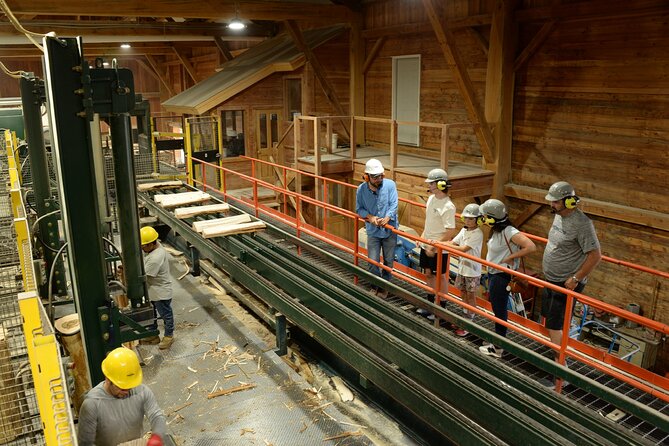
A practical upside: safety gear is provided to each participant. That matters because you’ll be in a working lumber environment, not a museum corner where everything is pretend.



Robotics plus hand splitting: how the bat takes shape
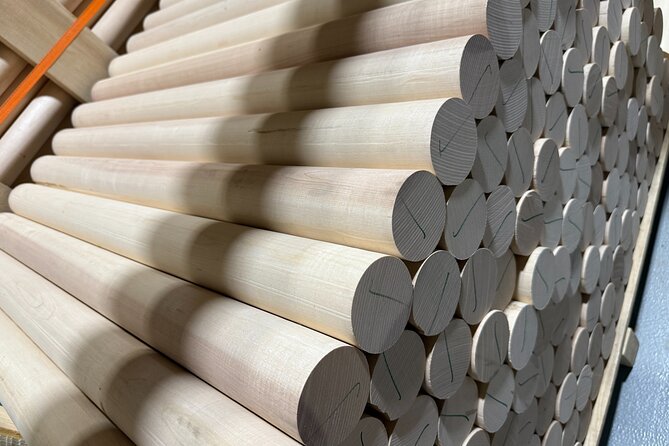
One reason people love this tour is the mix of high-tech and hands-on work. You’ll see cutting-edge robotics doing real tasks, not just standing around for show. Then you’ll watch the hand-splitting technique up close, which helps you understand why wood bats aren’t all identical.
The robotics part is about consistency and efficiency—helping move through sections of the process with precision. The hand-splitting part brings the human element back into focus. That’s where you see how experienced workers handle the wood and guide the process so the bat blank ends up the right way.
This blend also makes the explanation easier to follow. When machines do the repetitive steps, you can watch the output change from one stage to the next. When the hand work starts, you can appreciate the skill behind shaping the material.
In the small-group setting, guides can answer questions without turning it into a lecture hall. Based on guide names mentioned by past visitors, you might get Dave or Lupe, and both are associated with friendly, clear explanations.
Sustainability isn’t a poster here: water reuse and careful wood use
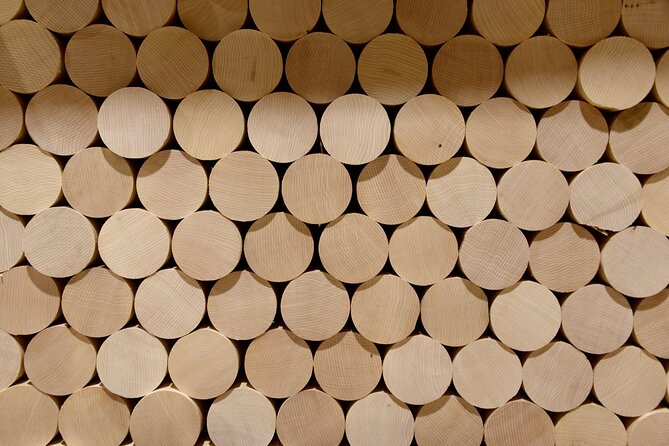
A lot of tours say the word sustainable. This one gives you a concrete thread to follow. You’ll learn about a manufacturing process that respects the wood and reuses every drop of water.
That matters because it changes how the whole operation feels. Instead of seeing a factory that treats wood like an unlimited input, you see a system built around not wasting resources. When you hear about water reuse in particular, it helps connect the technology and workflow to real-world constraints.
You also come away with a more accurate idea of what “professional” production means. It’s not only about making the bat look right. It’s about the steps that preserve quality and reduce unnecessary loss during manufacture.
If you’re the type who likes practical facts—how things work, how materials are handled, how a process minimizes waste—this sustainability angle is one of the best reasons to book.
Safety, comfort, and who should consider the fitness factor
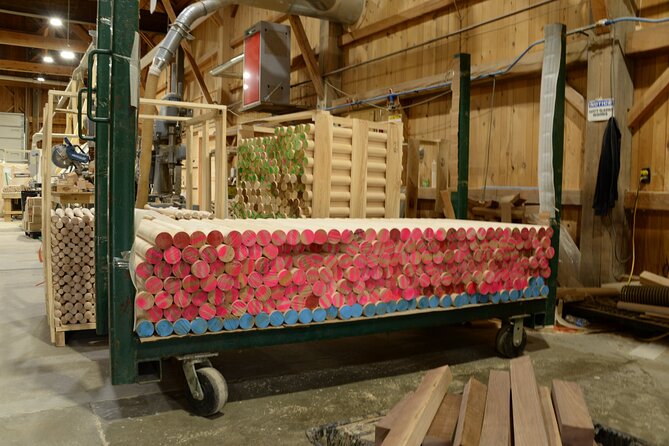
This is a working production site with heavy equipment. That’s why safety gear is provided to participants, and it’s also why the guide experience is so important: you’ll want to move when and where you’re told.
The tour lists moderate physical fitness as a requirement for comfortable participation. Practically, that means you should expect to stand, walk through the production area, and keep up with the pace of a working facility. If you’re someone who needs slow, wide paths and lots of breaks, you might find it more tiring than a typical sightseeing stop.
Children can be another question mark. One note from the tour’s safety context is that due to heavy machinery, children below a certain age may not be admitted. The best move is to check directly with the company before you sign up—especially if you’re booking a family trip.
Price and value: is $50 for an hour worth it?
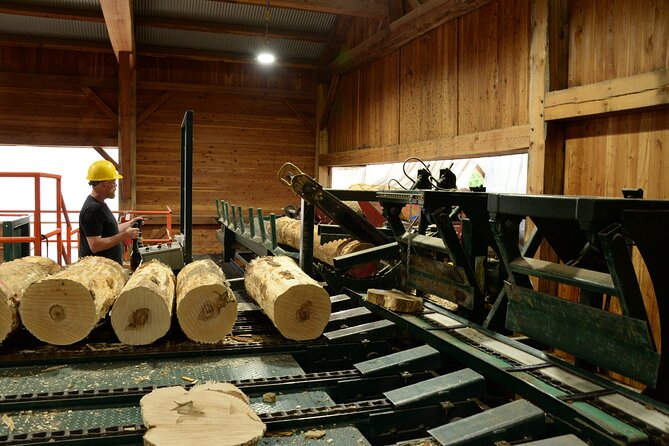
At $50 per person for about 1 hour, the cost is in the “hands-on experience” range, not “museum ticket” territory. So you want to ask: what makes it worth paying?
Here’s the value you’re actually buying:
- You’re getting a behind-the-scenes look at pro-level bat making, not just a casual walkthrough.
- You see both modern equipment (robotics) and traditional craft (hand splitting).
- The process is explained in a way that connects steps to the final product.
- Small group size (up to 12) helps keep the tour from feeling rushed or impersonal.
- Safety gear is provided, which keeps the experience grounded and controlled.
If your interest is baseball in general—whether you’re a casual fan or a serious equipment nerd—this tour tends to land well because it focuses on what you came to see: the making of the bat.
Should you book the Wood Bat Mill Tour in Oneonta?
Book it if you want a short, memorable, real experience tied to baseball gear. It’s especially good for people who like manufacturing, tools, and the step-by-step path from raw material to finished product. The sustainability angle and the mix of robotics plus hand work make it more than a one-note factory photo stop.
Skip or at least confirm details first if you’re traveling with young kids or if you’re concerned about heavy machinery environments. Also, because the tour is about an hour and requires moderate fitness, plan to arrive with energy and comfortable shoes.
If you’re passing through Oneonta and you’re willing to trade a regular attraction for something practical and handmade, this is the kind of tour that gives you a new appreciation for the bat in your hands.
FAQ
Where does the Wood Bat Mill Tour meet?
The tour meets at Leatherstocking Timber Products, Inc, 359 Delaware County Highway #11, Oneonta, NY 13820, USA.
How long is the tour?
The tour lasts about 1 hour.
How much does it cost?
It costs $50.00 per person.
Is the tour offered in English?
Yes, the tour is offered in English.
What is the group size limit?
The experience has a maximum of 12 travelers.
What is the cancellation window for a full refund?
You can cancel up to 24 hours in advance for a full refund. If you cancel less than 24 hours before the start time, the amount you paid is not refunded.
More Tours in New York
- Guided Lilymoore Alpaca Farm Tour★ 5.0 · 38 reviews
- Buffalo New York Food Tasting Tour★ 4.5 · 7 reviews
- Taste the Hudson Valley with Gourmet Beacon Food Tour★ 5.0 · 6 reviews
More Tour Reviews in New York
- LEGOLAND® New York Theme Park Admission Ticket★ 4.0 · 1,396 reviews
- Museum of the City of New York General Admission Ticket★ 4.5 · 93 reviews
- Guided Lilymoore Alpaca Farm Tour★ 5.0 · 38 reviews
- Edward Hopper House Museum Entry Ticket★ 4.5 · 33 reviews
- Buffalo New York Food Tasting Tour★ 4.5 · 7 reviews
Just in: the newest New York reviews on our desk




Tours, compared.
 ★ 5.0Statue of Liberty and Ellis Island Tour: All OptionsFrom $6913,571 reviews
 ★ 5.0New York in One Day Guided Sightseeing TourFrom $9913,166 reviews
 ★ 5.0Central Park Pedicab Guided ToursFrom $387,108 reviews
 ★ 4.7Manhattan Helicopter TourFrom $2997,076 reviews
 ★ 5.0Private Central Park Pedicab TourFrom $386,981 reviews
 ★ 5.09/11 Memorial, Ground Zero Tour with Optional 9/11 Museum TicketFrom $396,381 reviews
 ★ 4.2Hop-on Hop-off Sightseeing Tour by Open-top BusFrom $445,863 reviews
 ★ 4.8Manhattan Sightseeing Helicopter TourFrom $2995,826 reviews