Reviewed · NEW YORK CITY
Alpaca and Llama Trek in Pleasant Valley
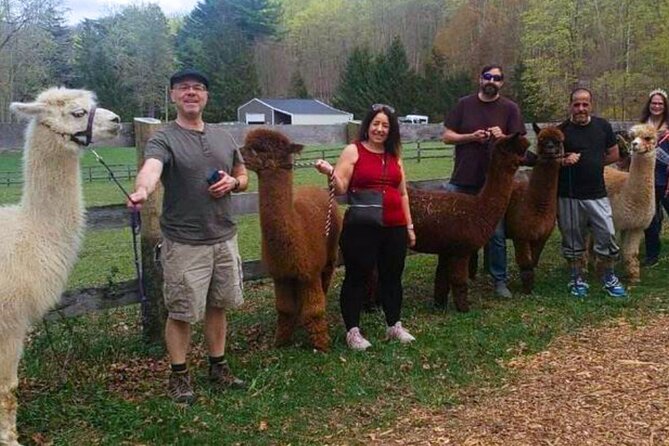
An alpaca hike is the best kind of therapy. This 1-hour guided trek at Lilymoore Farm turns fields and wooded paths into a silly, photo-friendly walk where you can bond with your own alpaca or llama. I love the simple format (each person leads their own animal, so you’re not waiting around), and I love that the staff sticks with you the whole time. The main catch: show up 15 minutes early, because late arrivals can lose their tickets when the group leaves.
The setting in Pleasant Valley feels calm and rural, and the group stays small (max 10 travelers), which helps everyone get time to take pictures and actually enjoy the animals. I also like the practical setup: you get a halter and lead line plus alpaca treats during the experience. One consideration before you go—there’s no food allowed on the farm, so plan on eating before or after.
If you’re traveling with kids 9+ or you want a short outdoor activity that feels genuinely different, this is an easy win. Just remember: it’s a farm experience with firm rules, and it isn’t set up for bringing dogs along.
In This Review
- Key points before you go
- Lilymoore Farm in Pleasant Valley: why this setting works
- The 1-hour trek: your walk plan and where the magic happens
- Your alpaca or llama setup: halter, lead line, and treats
- Guides, small groups, and the photo-friendly pace
- Price and value: is $48 for a 1-hour trek worth it?
- Rules that matter: timing, dogs, and farm-only ticket access
- Weather, transport, and planning your day in Pleasant Valley
- Should you book the alpaca and llama trek at Lilymoore Farm?
- FAQ
- How long is the Alpaca and Llama Trek?
- Where does the trek start?
- Is the trek suitable for kids?
- What’s included, and do I need to bring anything?
- Are dogs allowed?
- What if the weather is bad?
Key points before you go
- You lead your own alpaca or llama. No splitting animals, no passing leads around.
- Guides stay with you for the whole hour. The walk is organized from start to finish.
- You’ll walk fields plus wooded paths. Expect a mix of open air and shaded stretches.
- Photo stops are part of the plan. Bring your camera and use the slow moments.
- Small group size (max 10). More attention, less chaos.
- Food rules are strict. No snacks, and no food or alcohol on the farm.
Not sold yet? Here is how this one lines up against other New York picks:
- LEGOLAND® New York Theme Park Admission Ticket
★ 4.0 · 1,396 reviews - Museum of the City of New York General Admission Ticket
★ 4.5 · 93 reviews - Guided Lilymoore Alpaca Farm Tour
★ 5.0 · 38 reviews - Edward Hopper House Museum Entry Ticket
★ 4.5 · 33 reviews
Lilymoore Farm in Pleasant Valley: why this setting works
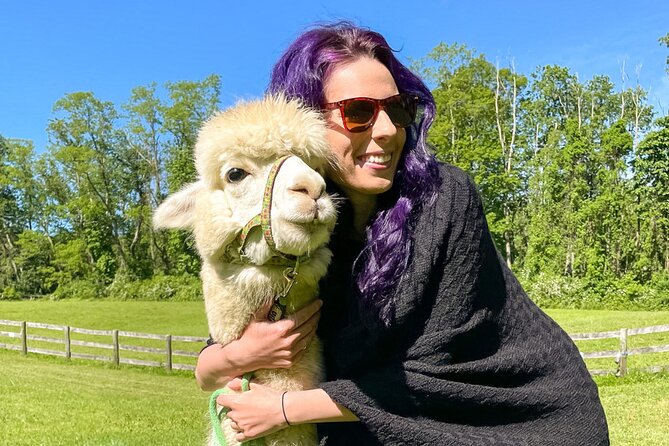
Lilymoore Farm sits in Pleasant Valley, just far enough from city noise that your brain can finally exhale. The trek route is designed for a relaxed walk: you’ll move through fields and on wooded paths, so it doesn’t feel like one long sameness loop.
This kind of farm setting matters because alpaca and llama experiences are partly about comfort—for you and for the animals. A calm, contained environment helps guides manage the pace and keep everyone safe while you enjoy the goofy personality you’ll spot right away. And yes, animals here are used to people and tend to like posing for photos, which is a big deal if you’re aiming for more than one decent picture.
The farm also keeps the experience tight. It runs about 1 hour, so you get the fun without turning it into an all-day chore. For families, it’s often easier to land a “short but meaningful” activity that kids don’t dread.
If you’re the type who loves outdoor time but doesn’t want intense hiking, this is a smart match. You’ll be walking, but it’s more “gentle trek with moments to stop” than “let’s train for a marathon.”
The 1-hour trek: your walk plan and where the magic happens
The group walk starts promptly, and you’ll want to be there early—15 minutes early is required. That timing isn’t just for show. It gives the staff time to get everyone ready so the group can leave together, and it avoids chaos when people are trying to settle leads, choose places, and take last-minute selfies.
Once you begin, you’ll walk around Lilymoore Farm through open fields and then onto wooded paths. Expect a steady, guided pace rather than long, fast stretches. The point is bonding and photos, not speed.
You’ll also have natural opportunities to pause. The trek includes stops along the way so you can take pictures with your llama or alpaca. This is one of the most practical parts of the experience: instead of you having to ask for a photo every five minutes, the tour builds in time to slow down and frame your shots.
Another key detail: guides are with you during the entire hour. That matters more than it sounds. When you’re close to an animal, it’s helpful to have someone managing the group flow—especially if someone’s lead line gets tangled or a person needs a quick reminder on how to stay comfortable while walking.
At the end, the activity returns to the meeting point. It’s a closed-loop style experience, which makes it easy to plan the rest of your day.
Your alpaca or llama setup: halter, lead line, and treats
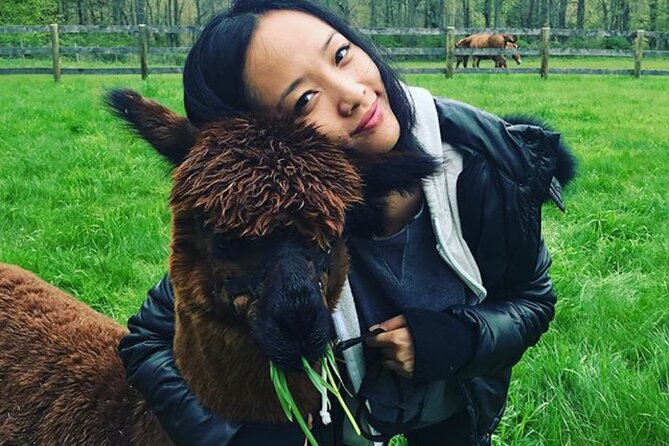
You don’t just watch from the sidelines. You’ll walk your own alpaca or llama during the group trek. Each person has their own animal, so you’re not sharing time or waiting for someone else’s turn.
Before you head out, you’ll use a halter and lead line provided by the farm. This is a big value piece because it removes hassle—no bringing gear, no guessing how it works, and no extra rental fees. The staff guides you on how to handle the lead comfortably so the walk stays fun and calm.
You’ll also receive alpaca treats during the experience. Treats aren’t just a sweet bonus; they can help reinforce calm behavior and give the animals a reason to stay engaged while you take photos. It also adds that interactive element that makes the walk feel more personal than a simple viewing.
One small but important reality check: this is a living animal interaction. Even when animals are used to people, they can still do their own quirky thing—sniff, shift stance, and occasionally look like they’re posing on purpose. That’s part of the charm. If you want everything to be perfectly scripted, you may find the spontaneity annoying. If you like animals being animals, you’ll probably have a great time.
Also note the farm’s rule: no food or alcohol is allowed on the farm. That means the experience provides what you need (like the treats), and you shouldn’t plan to bring snacks to hand out.



Guides, small groups, and the photo-friendly pace
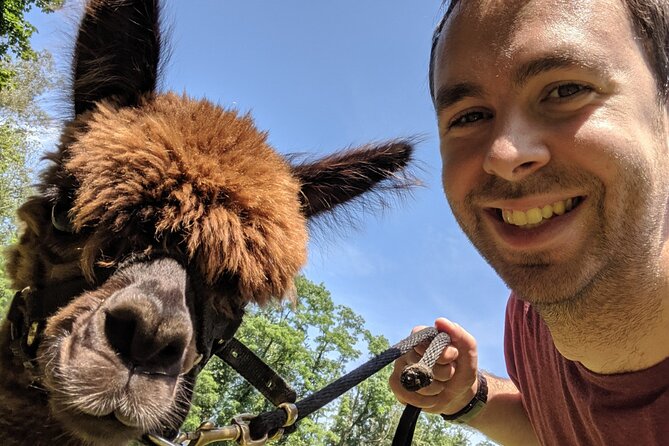
A lot of these experiences succeed or fail on crowd control. Here, the group size cap of 10 travelers helps a ton. Smaller groups make it easier for staff to watch everyone, keep the leads from tangling, and still give each person a real chance to get good pictures.
The staff stays with you the full hour. That’s reassuring if you’re nervous around animals or traveling with kids. It also means the walk doesn’t drift into free-for-all territory. You’ll still get freedom to enjoy the moment, but there’s a steady hand behind the scenes.
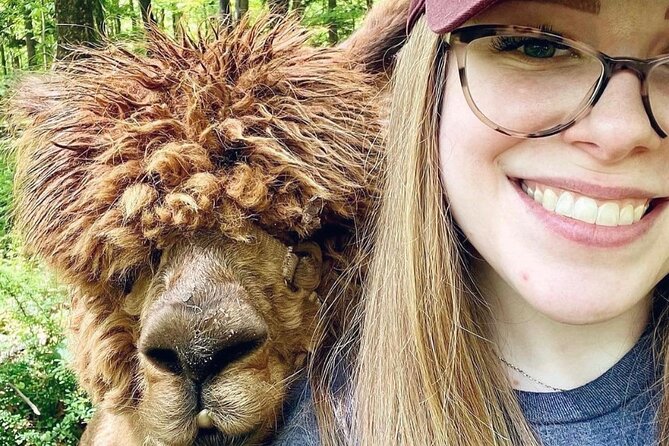
Photo opportunities are a built-in part of the format. You’ll stop during the trek specifically to take pictures, and the animals are used to people and tend to pose. That’s the kind of detail that saves you time. Instead of chasing your subject while the guide waits, you can focus on framing and timing while everyone else is in sync.
One theme that comes through in the vibe of the experience is “fun first.” The animals are described as entertaining and quirky, and that energy spreads to the group. If you’re traveling with friends or family, this is the kind of activity that naturally creates laughs and inside jokes—plus enough photo moments for a full social set.
If you’re someone who hates rushed experiences, the hour-long structure helps. It’s long enough to feel like an actual activity, but short enough to stay relaxed.
Price and value: is $48 for a 1-hour trek worth it?
At $48 per person, you’re paying for a specific, high-feel experience: you personally walk an alpaca or llama, with gear provided and guides managing the group. You’re not just paying for entry to a farm—you’re paying for the interaction time and the organization.
Here’s where the value comes from:
- You get halter/lead line support and treats included, so there’s less extra spending on-site.
- The group is small (max 10), which typically translates to more attention per person.
- The experience is short (about an hour), which makes it easier to fit into a day without losing most of your schedule.
Is it a bargain compared to big free outdoor parks? No. But it’s also not trying to be a free park day. It’s a guided animal experience, and those cost money because staff are actively supporting you.
The only real value dip is that snacks are not included and no food or alcohol is allowed on the farm. If you arrive hungry, you’ll need to solve that before or after the hike. Still, if you plan ahead, it doesn’t hurt the core experience—it just means you should treat it like a timed activity, not a picnic stop.
For families, the age guidance matters too: it’s for ages 9 and up, so parents aren’t stuck wondering if little ones will be comfortable. For older kids and adults, it’s a unique “hands-on nature” moment that feels genuinely different from a typical walk.
Rules that matter: timing, dogs, and farm-only ticket access
This is where you’ll want to pay attention, because small rule issues can turn into big frustrations.
First: arrive early. The start is prompt, and you must come 15 minutes early. If you’re late, the group will have left without you, and you can lose your ticket. That’s not the kind of risk you want to gamble on, especially if you’re driving from somewhere nearby.
Second: dogs are not allowed. The policy is clear—no dogs, even in your car. Only service animals protected by ADA are allowed.
Third: ticket access matters for farm areas. If you didn’t purchase tickets, you may be asked to step back. The farm uses these rules for liability and safety, especially when they’re managing who is allowed to walk around during the trek.
Finally: no food or alcohol is allowed on the farm. That means you shouldn’t bring a snack bag expecting to eat or hand things out during the walk.
If you’re going with family or a mixed group, treat the rules as part of the experience planning. The more smoothly everyone complies, the more fun the walk tends to be.
Weather, transport, and planning your day in Pleasant Valley
This activity requires good weather. If conditions are poor, it may be canceled, and you’ll be offered a different date or a full refund. That’s helpful because farm experiences are weather-dependent by nature—walking routes and animal comfort matter.
For timing, keep it simple: aim to arrive, check in, and settle before the group leaves. Because the experience runs about an hour, you don’t want last-minute stress. If you’re pairing it with other plans that day, build in some buffer.
Location-wise, it’s at Lilymoore Alpaca and Llama Farm, 21 Moore Rd, Pleasant Valley, NY 12569. There’s also public transportation nearby, which can help if you don’t want to drive.
One more planning tip: since no food is allowed, eat beforehand unless you’re comfortable grabbing something after. Also, bring a camera or phone with enough battery. The trek includes multiple photo stops, and the animals are used to people—so you’ll likely want to capture the moment while it’s happening.
Should you book the alpaca and llama trek at Lilymoore Farm?
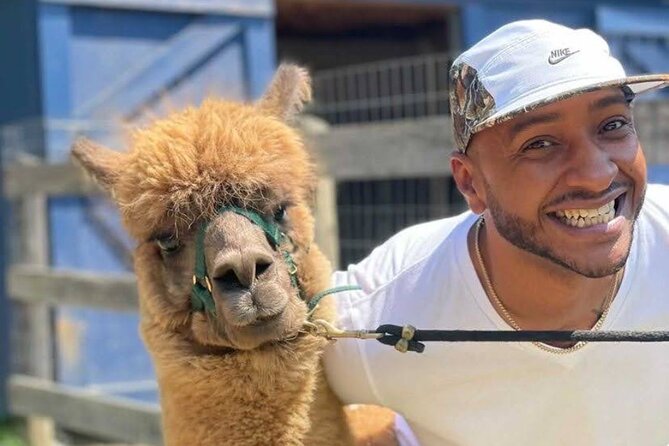
Book it if you want a short, family-friendly outdoor activity where you’re not just watching animals—you’re actively walking with them. I think it’s especially worth it for kids 9 and up and for anyone who loves photo moments with a hands-on twist. The combination of small group size, guided support all hour, and the fact that each person gets their own alpaca or llama makes the experience feel personal.
Skip it or rethink it if you need to bring a dog (it’s not allowed), or if strict timing rules could be a problem for your schedule. Also, if you’re hoping for a picnic-friendly farm stop, this isn’t that. No food or alcohol is allowed on-site, so plan meals around it.
If your idea of a great travel day includes a little laughter, a gentle walk, and the kind of animal interaction that actually makes memories, this is a solid choice.
FAQ
How long is the Alpaca and Llama Trek?
The trek lasts about 1 hour, and it ends back at the meeting point.
Where does the trek start?
You’ll meet at Lilymoore Alpaca and Llama Farm, 21 Moore Rd, Pleasant Valley, NY 12569, USA.
Is the trek suitable for kids?
It’s listed for ages 9 and up.
What’s included, and do I need to bring anything?
The farm provides the halter/lead line, and alpaca treats are provided. No snacks or food are included.
Are dogs allowed?
No dogs are allowed, even in your car. Service animals protected by ADA are allowed.
What if the weather is bad?
This experience requires good weather. If it’s canceled due to poor weather, you’ll be offered a different date or a full refund.
More Tour Reviews in New York
- LEGOLAND® New York Theme Park Admission Ticket★ 4.0 · 1,396 reviews
- Museum of the City of New York General Admission Ticket★ 4.5 · 93 reviews
- Guided Lilymoore Alpaca Farm Tour★ 5.0 · 38 reviews
- Edward Hopper House Museum Entry Ticket★ 4.5 · 33 reviews
- Buffalo New York Food Tasting Tour★ 4.5 · 7 reviews