
Reviewed · NYC WALKING TOURS
Broadway Musical Theater Walking Tour
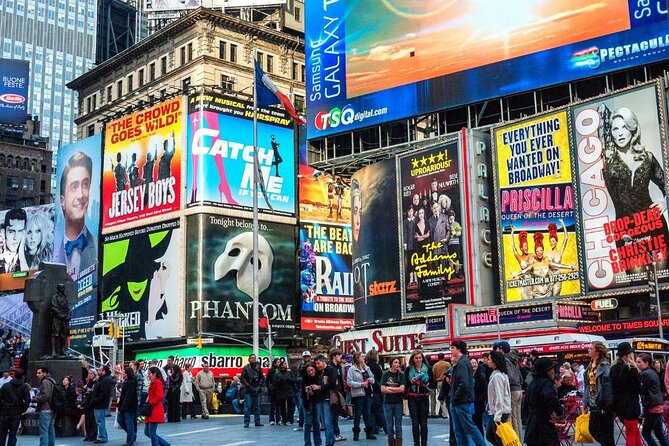
Broadway has a hidden script. This walking tour turns the theater district into a real-world storybook, with stops that explain how the area became Broadway and why certain names and characters still matter.
I especially like the theater-insider perspective and the fact that you spend most of the time on foot, which makes the whole neighborhood feel personal instead of rushed. One thing to consider: you do not go into the actual show theaters for seating, so if you’re hoping for an inside look at the auditorium, this is more about lobbies, icons, and lore than backstage access.
In This Review
- Broadway on Foot: Why This Tour Feels Different
- What You’ll Actually Get for $50
- Key Stops That Make the Walk Worth It
- Drama Book Shop: Legends Start Where Theaters Rarely Begin
- Sardi’s: The Walls, The Parties, and Broadway’s Social Side
- Mr. Broadway to Shubert Alley: Learning the Neighborhood’s Codes
- Gershwin Theater Lobby Finale: Wicked Vibes Without the Auditorium
- The Guide Factor: When the Stories Are the Main Event
- How Long It Feels, and How to Prep
- Who This Tour Is Best For
- Booking Wisely: Quick Practical Checklist
- Should You Book It?
- FAQ
- How much does the Broadway Musical Theater Walking Tour cost?
- How long is the tour?
- Where does the tour start, and when does it run?
- Is the tour in English?
- Are tickets or admission to the stops included?
- Does the tour go inside the theaters?
- Is this tour good for families with children?
- What’s the group size limit?
- What’s the weather policy?
Broadway on Foot: Why This Tour Feels Different
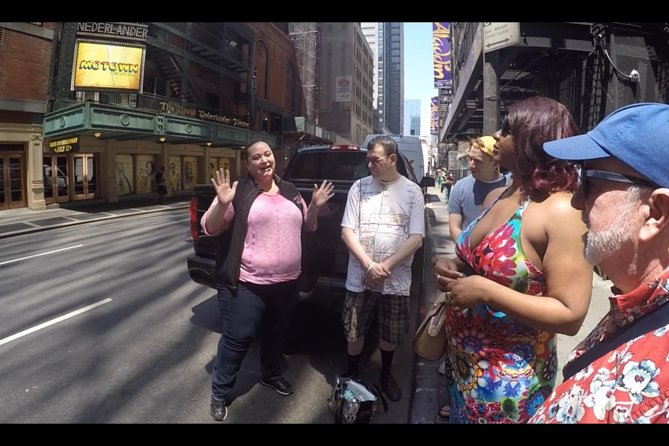
This is the kind of tour that helps you look at marquee lights and think, okay, I get the people behind the curtain. Instead of only naming productions, your guide connects Broadway’s big moments to places you can stand right in front of.
I also like how the experience stays practical. It moves at a walking pace that fits a short Manhattan outing, and there are indoor moments that feel like welcome breaks from the sun and sidewalks. In the same spirit, the guide approach matters here: in multiple guide write-ups, Michael or Mike is described as energetic and genuinely good at keeping the group engaged.
New York City at street level, a few more walks
- SoHo, Little Italy, and Chinatown Walking Tour in New York
★ 5.0 · 3,153 reviews - Secrets of Grand Central Station Walking Tour New York City
★ 5.0 · 1,796 reviews - Greenwich Village Walking and Food Tasting Tour
★ 5.0 · 1,572 reviews - Artistic, Alternative Greenwich Village Walking Tour
★ 5.0 · 971 reviews
What You’ll Actually Get for $50
For $50 per person, you’re paying for guided storytelling plus free admission to step into key stops along the way. You also get a small group limit (up to 25), a mobile ticket, and a host who runs the walk in English. That combination is where the value shows up: you’re not just walking past famous facades, you’re building context fast.
It’s worth budgeting your time too. The schedule runs about 2 hours, but at least one guest noted a longer experience when the pacing ran slow for their group. Plan for about two hours as your baseline, and don’t be shocked if it stretches a bit depending on questions and foot traffic.
Key Stops That Make the Walk Worth It
- Drama Book Shop as a story starter: a quick inside stop where legends are introduced before you even hit the bigger names.
- Sardi’s wall culture: a stop built around opening-night traditions and the iconic faces people associate with Broadway.
- Mr. Broadway and Times Square naming lore: you hear how the neighborhood’s labels became part of the brand.
- Shubert Alley founder tales: short, vivid explanations that make the space feel less random.
- Gershwin Theater lobby moments: a theater-facing finale with statues, a souvenir store, and the lobby vibe tied to what’s currently playing.
Drama Book Shop: Legends Start Where Theaters Rarely Begin
You kick off at Drama Book Shop, and the first win is that you’re allowed to go inside. This is not just a photo stop. The guide uses the shop as a launchpad for Broadway lore, history, and the kind of name-and-story details that usually get missed when you’re only skimming from a sidewalk.
The topics you’ll hear about here include the history, legends, and lore of the district, plus specific theatrical connections tied to Disney Theatrical. You’ll also hear about a resident ghost named Olive Thomas and how she’s woven into theater storytelling. If you like when a place has personality beyond its exterior, this stop is a great early anchor.
Why it matters for you: early context makes the rest of the walk click. After this, Sardi’s and the theater blocks don’t feel like separate attractions; they feel like linked chapters.
The only potential drawback: this is a short inside window (about 15 minutes), so if you want time to browse at length, you’ll likely have to save browsing for a separate visit.
Curtain up: more Broadway seats


Sardi’s: The Walls, The Parties, and Broadway’s Social Side
Next up is Sardi’s, another inside moment with a clear purpose. You’re not just stopping at a famous restaurant. You’re there to learn why Sardi’s walls became shorthand for opening-night culture and the artists Broadway celebrates.
In the time you’re there, you’ll pick up how opening night parties work in Broadway tradition, and you’ll hear about the names and figures displayed on the walls. You’ll also get an explanation of Mr. Broadway and how Times Square got its name, which is the kind of local branding story that makes the whole Midtown area feel less generic.
Then you extend the story beyond Sardi’s with nearby alley lore. The guide includes Shubert Alley and explains interesting stories about the founders. Even though you’re moving through a tight theater grid, these details help you read the streets like a map of people, not just buildings.
My practical take: this stop is where the tour can feel most “alive.” You’re surrounded by Broadway symbols, and your guide is likely to connect what you see with what you heard at Drama Book Shop, so it doesn’t feel like repetition.
Mr. Broadway to Shubert Alley: Learning the Neighborhood’s Codes
Between the big headline sights, you’ll hear the district’s “codes.” These are the bits that help you navigate the theater area with better instincts, like why certain streets and alleys are referenced as part of the Broadway story.
A standout part is the way the tour links geography to meaning:
- Mr. Broadway and the Times Square naming story give you a reason for the famous label.
- Shubert Alley founder stories give you a sense of who shaped the theater ecosystem around here.
Why this is valuable: Broadway can feel like a loop of billboards unless someone gives you context. This portion makes you notice details you’d otherwise walk past without thinking.
One consideration: if you’re the type who loves hands-on museum style history, this section may feel more like narrative storytelling than “proof on a placard.” It’s still detailed, but it’s delivered as a guided walk.
Gershwin Theater Lobby Finale: Wicked Vibes Without the Auditorium
The tour’s last segment centers on the Gershwin Theater area, and it’s designed for Broadway fans who want the theater atmosphere up close. You’ll hear backstage stories, visit the George M Cohan statue, and spend time at key nearby points again, including Shubert Alley and Sardi’s references in the broader context.
You’ll also see the Broadway souvenir store and end with a visit to the Gershwin Theater lobby, specifically where Wicked is currently playing. That lobby stop matters because it’s a “real Broadway” moment. You’re still inside a theater building zone, just not in the seated auditorium.
Here’s the key detail to know before you go: the tour does not take you inside the show theaters for seating. So you get lobbies and theater fronts, but not an auditorium tour. If that’s exactly what you wanted, you may feel the walk could be shorter. If you’re happy with theater ambiance plus strong storytelling, you’ll probably enjoy this ending a lot.
My tip: arrive at the start with comfortable shoes. The finale is a great payoff, but it’s also where you’ll want to keep your energy up for standing and walking within the theater district.
The Guide Factor: When the Stories Are the Main Event
More than anything, this tour lives or dies by the guide’s delivery. And in the praise you’ll find for this experience, the pattern is consistent: the guide, often identified as Michael or Mike, is described as energetic, engaging, and full of Broadway facts and anecdotes.
One reason this matters: Broadway history can turn dry fast if it’s just dates. A strong host turns it into cause-and-effect. You’re not only learning what happened, you’re learning why it shaped the district you’re walking through.
There’s also an added sign of smooth hosting from how people thank the guide and mention an additional name (Jared) in positive feedback. That suggests the operation keeps things moving so you don’t feel stuck waiting or out of the loop.
How Long It Feels, and How to Prep
This tour runs about 2 hours, with specific stops around 15 minutes for the first two and a longer final segment. In other words, it’s not a half-day commitment. It’s also not a quick 30-minute drive-by either.
A few ways to make it easier on yourself:
- Wear shoes you’d walk several city blocks in.
- Bring a water bottle if it’s warm; the district can be sweaty in summer.
- If you’re sensitive to heat, take comfort in the fact that the tour includes indoor breaks (Drama Book Shop, Sardi’s, and the Gershwin lobby).
In one review note, the pace felt manageable with enough air-conditioned pit stops that the group didn’t feel overheated or overtaxed. That aligns with the tour’s mix of indoor and outdoor segments.
Who This Tour Is Best For
This experience is perfect if you fit one of these profiles:
- Broadway fans who want to connect famous spots with the stories behind them.
- Musical lovers who enjoy lore, legends, and behind-the-marquee anecdotes.
- First-time Broadway visitors who want a quick orientation without needing deep prior knowledge.
- People traveling on a tight schedule who still want something more personal than reading a guidebook.
If you’re mainly looking for a hands-on theater visit inside the auditorium, you might find the format less satisfying. If, instead, you want the district explained in a way you can actually use when you later choose shows, this tour can help you pick with more confidence.
Booking Wisely: Quick Practical Checklist
This tour caps at 25 travelers, runs in English, and uses a mobile ticket. It starts at 11:00 am and ends back at the meeting point, which is helpful for planning the rest of your day in Midtown.
Also, it’s designed for good weather. If weather turns, you can expect a different date option or a full refund, so it’s worth choosing a day when the forecast looks solid.
Should You Book It?
If you love Broadway but want your learning to happen while you’re standing in the neighborhood, I’d book this. The price makes sense because you’re not paying for a long lecture; you’re paying for a guided walking experience with free admission stops and a theater-district focus that helps you understand what you’re seeing.
I’d especially recommend it if:
- you want stories connected to specific places like Drama Book Shop, Sardi’s, Shubert Alley, and the Gershwin lobby,
- you care about the human side of Broadway like opening-night culture,
- and you enjoy guides who keep energy high while still sharing details.
If you strongly want to go inside show auditoriums, then this one may not match your expectations. But for most theater fans who want context and atmosphere, this walk is a smart, fun use of a morning.
FAQ
How much does the Broadway Musical Theater Walking Tour cost?
It costs $50.00 per person.
How long is the tour?
The tour is listed as about 2 hours.
Where does the tour start, and when does it run?
It starts at 11:00 am, and the tour ends back at the meeting point.
Is the tour in English?
Yes, the tour is offered in English.
Are tickets or admission to the stops included?
Yes. The tour includes free admission for the stops at Drama Book Shop and Sardi’s, and the theater-area visit includes included entry moments as part of the experience.
Does the tour go inside the theaters?
The tour visits the Gershwin Theater lobby, but it does not include entering the theaters for seating.
Is this tour good for families with children?
Children must be accompanied by an adult.
What’s the group size limit?
The tour has a maximum of 25 travelers.
What’s the weather policy?
This experience requires good weather. If it’s canceled due to poor weather, you’ll be offered a different date or a full refund.
More Tour Reviews in New York City
- NYC: SUMMIT One Vanderbilt Tickets★ 4.7 · 51,195 reviews
- NYC: Empire State Building Tickets – Observatory & Museum★ 4.7 · 25,757 reviews
- New York City: Statue of Liberty & Ellis Island with Ferry★ 4.6 · 18,683 reviews
- New York City: American Museum of Natural History Ticket★ 4.5 · 15,447 reviews
- Statue of Liberty and Ellis Island Tour: All Options★ 5.0 · 13,571 reviews
More Nights on Broadway
- NYC: Aladdin the Musical on Broadway★ 4.8 · 1,800 reviews
- NYC: The Lion King on Broadway1,609 reviews
- NYC: MJ the Musical on Broadway1,510 reviews
- NYC: Moulin Rouge! the Musical on Broadway1,329 reviews
- NYC: Harry Potter and the Cursed Child on Broadway700 reviews
New York City, One Block at a Time
- SoHo, Little Italy, and Chinatown Walking Tour in New York★ 5.0 · 3,153 reviews
- Secrets of Grand Central Station Walking Tour New York City★ 5.0 · 1,796 reviews
- Greenwich Village Walking and Food Tasting Tour★ 5.0 · 1,572 reviews
- Artistic, Alternative Greenwich Village Walking Tour★ 5.0 · 971 reviews
- Brooklyn Bridge & DUMBO Neighborhood Tour – from Manhattan to Brooklyn★ 5.0 · 826 reviews
Just in: the newest New York City reviews on our desk





NYC Walking Tours, compared.
 ★ 5.0SoHo, Little Italy, and Chinatown Walking Tour in New YorkFrom $393,153 reviews
 ★ 5.0Secrets of Grand Central Station Walking Tour New York CityFrom $391,796 reviews
 ★ 5.0Greenwich Village Walking and Food Tasting TourFrom $941,572 reviews
 ★ 5.0Artistic, Alternative Greenwich Village Walking TourFrom $39971 reviews
 ★ 5.0Brooklyn Bridge & DUMBO Neighborhood Tour – from Manhattan to BrooklynFrom $49826 reviews
 ★ 5.0Central Park Guided Walking TourFrom $44774 reviews
 ★ 4.6Private Walking Tour with a LocalFrom $55771 reviews
 ★ 5.0NYC Lower East Side Walking and Food TourFrom $94646 reviews
Browse the lists this tour appears in