
Reviewed · GREENWICH VILLAGE TOURS
Artistic, Alternative Greenwich Village Walking Tour
Street-level stories in Greenwich Village are hard to fake. This Artistic, Alternative Greenwich Village tour connects the neighborhood’s writers and musicians to real landmarks, from Edgar Allan Poe to the gay rights movement. You’ll also get pop-culture nods that make the streets feel oddly familiar.
I love the way it’s guided and focused. A local lead keeps the walk moving, and the stories land because they’re tied to specific buildings, clubs, and corners, not vague “history vibes.” I also like the mix of big names and real-world context, including places that pop up in TV culture and the musical scene that fed artists like Bob Dylan and Jimi Hendrix.
One consideration: it’s a moderate walking tour (about 2–3 miles). If your day is tight or your feet get cranky, plan for comfy shoes and a weather-proof layer.
In This Review
- Key highlights you should care about
- Why Greenwich Village still matters (and why this tour works)
- Meeting at 6th Avenue and getting your bearings fast
- The walk through art and literature: Poe, brownstones, and street-level storytelling
- Music history you can actually picture: Dylan, Hendrix, and small clubs
- Counterculture and writers who pushed boundaries
- Gay rights landmarks: history you might miss if you only look at aesthetics
- Pop-culture moments: the Friends apartment and TV-location spotting
- Washington Square Park: peaceful air, plus an audio stop with layers underneath
- Ending at Village Cigars: a real neighborhood landing spot
- Price and value: what $39 buys you in a city that charges for everything
- Who this tour fits best (and who might want a different option)
- Guides and style: what the top departures tend to do well
- Should you book this Artistic, Alternative Greenwich Village walking tour?
- FAQ
- How long is the Artistic, Alternative Greenwich Village Walking Tour?
- How much does the tour cost?
- Where does the tour start and end?
- What time does the tour start?
- Is there wheelchair or stroller access?
- How much walking is involved?
- Does the tour run in bad weather?
- What is the cancellation policy?
- What language is the tour offered in, and how big is the group?
Key highlights you should care about
- Local guide, no map-stress: You follow a lead on foot so you don’t waste time figuring it out.
- Music history you can picture: Small-club-era stories connect names like Dylan Thomas, Bob Dylan, and Jimi Hendrix to actual neighborhood stops.
- Art and literature in real streets: Edgar Allan Poe’s Village presence isn’t treated like trivia—it’s built into the route.
- Protest history in landmark form: You’ll hear how pieces of the gay rights movement took shape here.
- Washington Square Park with audio: You get a short park stop with an audio component tied to what’s underneath the area.
- Small groups: Limited to a maximum of 20 people, so it’s easier to ask questions and keep the tone friendly.
More laps around the Village
- NYC: Greenwich Village Food Tour with 6 Locals Favorites Dishes
★ 5.0 · 1,812 reviews - Greenwich Village Walking and Food Tasting Tour
★ 5.0 · 1,572 reviews - Artistic, Alternative Greenwich Village Walking Tour
★ 5.0 · 971 reviews - NYC Greenwich Village Italian Food Guided Walking Tour
★ 5.0 · 627 reviews
Why Greenwich Village still matters (and why this tour works)
Greenwich Village has always been a place where creative people test ideas in public. That’s true for writers and artists, but it’s also true for social movements. This walking tour leans into that overlap, so you’re not just looking at pretty buildings—you’re seeing how people used the neighborhood as a stage.
You also get a practical benefit: the guide stitches the past to what you can still see. The Village changes fast, but the street grid and the character of the blocks remain. When your guide points out the spots where a story starts, the neighborhood stops feeling like a blur between museum stops.
Meeting at 6th Avenue and getting your bearings fast
The tour meets at 375A 6th Ave (near Waverly Place) and starts at 1:30 pm. You finish near Christopher Street & 7th Avenue, ending at Village Cigars (110 7th Ave S), which is a nice way to wrap with a true neighborhood stop rather than disappearing back to the subway.
This route is built for flow. You’ll spend about 2 hours walking at a moderate pace, and the guide keeps you on track so you can enjoy the streets instead of tracking every turn yourself. I like that the tour is structured around actual locations—so you can keep the story straight even if you’re new to NYC.
The walk through art and literature: Poe, brownstones, and street-level storytelling
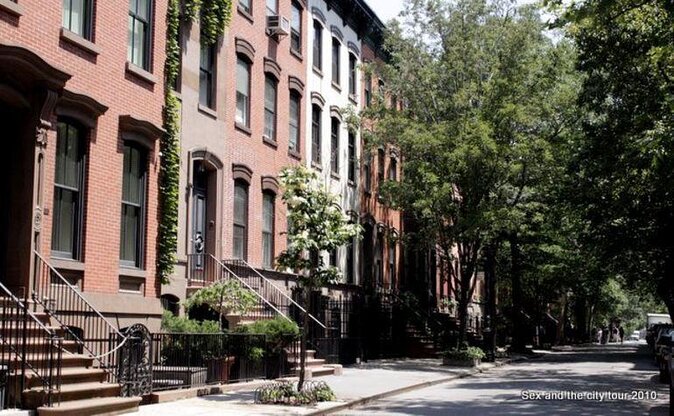
You start in the Village proper and the tour keeps circling back to one idea: artists needed places where they could be a little weird, a little bold, and a little loud. As you move along, you’ll pass historic brownstone buildings and the kind of bars and restaurants that helped the neighborhood run on conversation.
Edgar Allan Poe is a centerpiece on this route. Instead of treating Poe like a museum exhibit, the tour frames him as part of the lived Village—someone who came with the neighborhood’s literary mood. That approach works well if you’re the type who likes names, but also wants why those names fit where they fit.
New York City at street level, a few more walks
Music history you can actually picture: Dylan, Hendrix, and small clubs
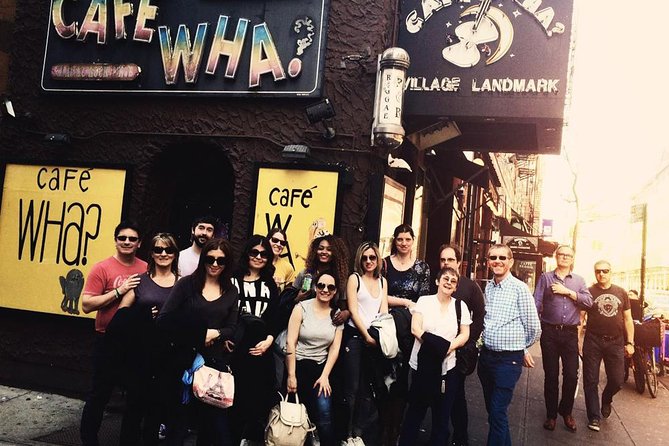
One of the strongest parts of this tour is how it uses music history as a map. The neighborhood’s musical past isn’t presented as distant legend—it’s tied to small venues and the gritty, intimate spaces where performances happened.
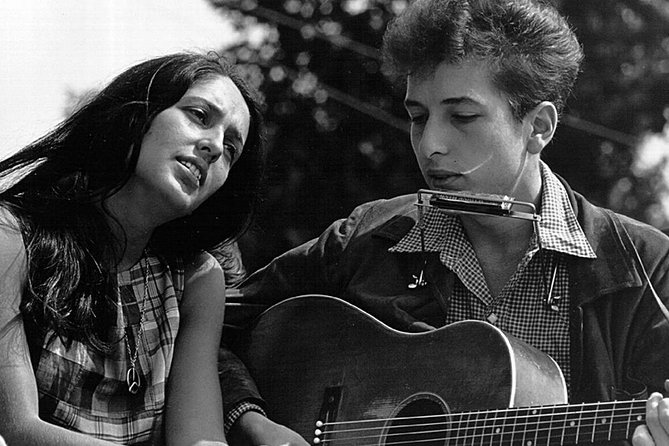
Bob Dylan and Jimi Hendrix show up here, with the tour connecting them to the small clubs where they played and shaped early sounds. You also hear the darker side of the story: Dylan Thomas is part of the neighborhood lore, including the tragic end tied to heavy drinking.
If you’ve only seen these artists in textbooks or on streaming playlists, this kind of street-level context makes a difference. You’ll start imagining the night-to-night reality: the walk from a bar to a venue, the crowd density, and why the Village felt like an engine for new music.
Counterculture and writers who pushed boundaries
This tour doesn’t flatten counterculture into one vibe. It gives you names tied to action and ideas—John Reed and Upton Sinclair are both part of what you’ll hear as you walk. The point isn’t to memorize them. It’s to see how the Village became a magnet for people who wanted to question what society allowed.
The tour also frames the Village as a haven for bohemians and a birthplace of the Beat movement. That matters because the Beat era wasn’t just aesthetics. It was also a shift in what counted as art and who got to say it out loud.
Guides often bring extra texture to these stops with local perspective and humor. In past departures, guides like Steve have been praised for explaining change over time (including gentrification effects) in a way that keeps the mood human instead of lecture-like. That balance helps a lot if you don’t want your walking tour to feel like a school trip.
Gay rights landmarks: history you might miss if you only look at aesthetics
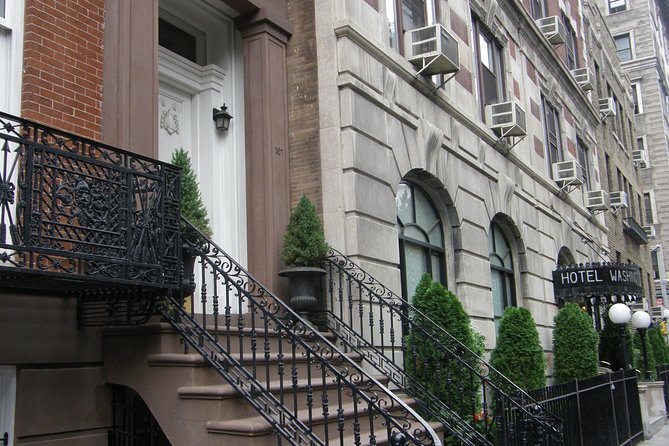
A key highlight here is the gay rights movement angle. The guide shares how elements of that story emerged in this neighborhood, as you pass relevant landmarks. This is one of those parts of NYC that can vanish behind nightlife signage and trendy storefronts, unless someone points it out.
What I like about including this is that it adds weight to the whole tour. Greenwich Village isn’t only about famous artists and old poems. It’s also about people pushing for safety, rights, and visibility in real places—right where you’re walking.
It also helps you understand why the neighborhood’s arts scene often felt like more than entertainment. For many creatives, art and activism were tied together. This tour treats them as linked, not separate chapters.
Pop-culture moments: the Friends apartment and TV-location spotting
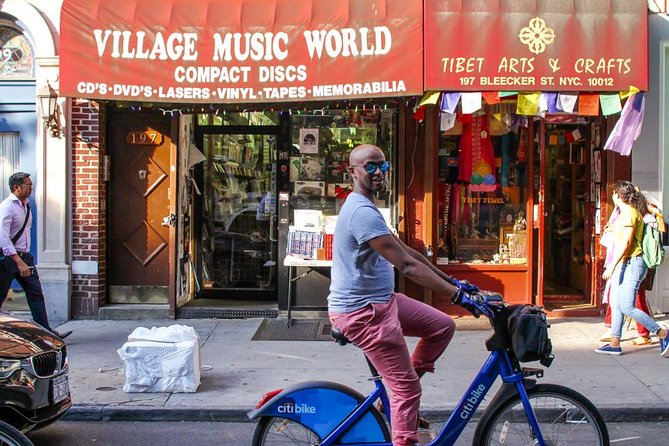
This is not a one-note “celebrity scavenger hunt,” but you may get recognizable TV locations, including an apartment associated with Friends. For some people, that’s a fun hook. For others, it’s a useful reminder that the Village’s image has been exported far beyond NYC.
The smart way to enjoy this part is to treat it as a lens. TV locations can freeze neighborhoods into a story that the real place doesn’t always live up to. But when your guide connects it to the surrounding streets and buildings, it becomes more than trivia. It becomes a quick lesson in how media turns neighborhoods into symbols.
Washington Square Park: peaceful air, plus an audio stop with layers underneath
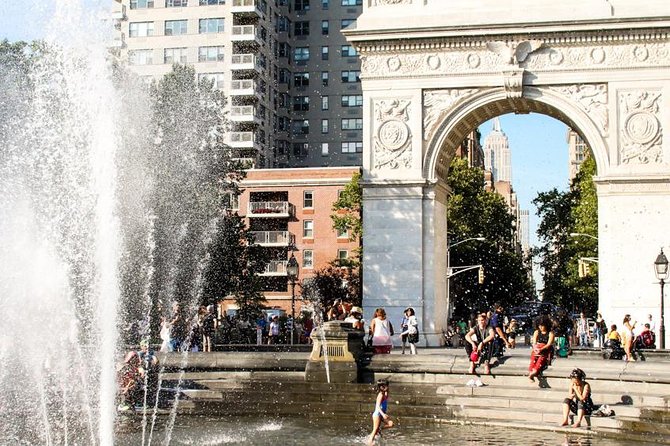
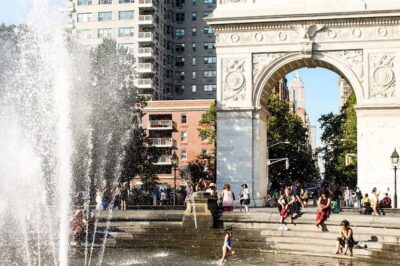
The tour wraps with Washington Square Park and includes an audio component. You’ll get about 15 minutes here, and the park is described as a peaceful oasis built atop a forgotten cemetery.
That detail changes how you experience the space. Washington Square always feels lively around the edges, but hearing about what’s underneath adds context fast. You’ll likely find you look at the park differently—less like a backdrop and more like a space with a past that still shapes the area.
Ending at Village Cigars: a real neighborhood landing spot
Instead of ending with a generic recommendation and a sprint back to transit, the tour finishes near Village Cigars. That’s a small but meaningful detail. It gives you a reason to linger in the West Village area rather than treating it like a stop you pass through.
It’s also a practical end point. Once you reach the area around Christopher Street and 7th Avenue, you’re positioned to continue your own night with food, drinks, or a quick hop to nearby attractions.
If your plan is to keep exploring after the tour, ending at a neighborhood institution helps you keep momentum without getting lost.
Price and value: what $39 buys you in a city that charges for everything
At $39 per person for about 2 hours, you’re paying for something that’s hard to DIY: a local guide who can connect people, movements, and places without turning it into a history dump. In NYC, the cost of a good walking experience often comes down to interpretation, not just time outdoors. This tour sells interpretation.
You’re also not locked into a museum entry fee. The value is in the route itself—street-level context you can’t get from a generic guidebook. With a maximum of 20 travelers, you’re also more likely to get interaction and pacing that feels human, not rushed.
The tour is also a good pick if you want to go beyond the biggest-name attractions. The Village is famous, sure, but this focuses on the alternative and artistic threads that most people skate past.
One small planning note: it’s often booked in advance (on average around 16 days). If your dates are firm, book early so you’re not stuck choosing a less convenient time.
Who this tour fits best (and who might want a different option)
I think this is ideal if you want NYC to feel personal, not just photographed. It’s especially good for people who like:
- Music and literature tied to real streets
- Social history that explains why a neighborhood formed the way it did
- A guided walk that keeps you from bouncing between random stops
It’s also a strong fit for first-timers because it gives you orientation in a classic NYC area. And if you already know the Village, it can still work because it leans into the angles people often miss—gay rights landmarks, counterculture names, and how the neighborhood’s artistic scene fed the city’s larger story.
If you prefer very short walks, or you hate any mention of 2–3 miles, then you might find the pacing a stretch. But if you can handle a moderate walk in the afternoon, you’ll likely find it an easy, satisfying way to spend a chunk of your day.
Guides and style: what the top departures tend to do well
Across many departures, the consistent praise is about energy and clarity. Guides like Angela Sharp have been described as enthusiastic and attentive, checking in about what the group cares about and adjusting pacing with breaks. Others, like Steve, have been praised for combining humor with a long local perspective, including how the neighborhood has changed.
You may also run into guides who use extra materials—one guide was noted as having a binder with photos. That’s useful when the neighborhood has changed and your eye needs something to anchor to.
Bottom line: the best versions of this tour don’t just list facts. They help you see the Village as a living stage where artists and activists made choices—and paid a price or gained momentum because of it.
Should you book this Artistic, Alternative Greenwich Village walking tour?
I’d book it if you want an afternoon that feels like NYC culture in motion—art, music, politics, and pop-culture moments tied to real locations. The price is fair for what you get: a guided route, a focused 2-hour experience, and a short Washington Square Park audio stop that adds meaning beyond the scenery.
I’d skip it (or at least reconsider) if you’re not up for a moderate walk or if you only want major tourist sights. This tour is for people who want the Village’s off-to-the-side story—the one you miss when you only chase the postcard version.
If your schedule allows, grab a spot and wear comfortable shoes. Then plan one extra hour afterward for the area around Washington Square and your own wandering—because once the neighborhood clicks, you’ll want to keep going.
FAQ
How long is the Artistic, Alternative Greenwich Village Walking Tour?
The tour runs for about 2 hours.
How much does the tour cost?
It costs $39.00 per person.
Where does the tour start and end?
It starts at 375A 6th Ave, New York, NY 10014. It ends near the intersection of Christopher Street & 7th Avenue, at Village Cigars, 110 7th Ave S, New York, NY 10014.
What time does the tour start?
The start time is 1:30 pm.
Is there wheelchair or stroller access?
Yes. The tour is accessible for strollers and wheelchairs.
How much walking is involved?
Expect about 2–3 miles of walking at a moderate pace.
Does the tour run in bad weather?
Yes, it operates in all weather conditions. Tours run rain or shine, and you should check the local forecast. In extreme weather cases, you’ll be offered the chance to reschedule or get a full refund.
What is the cancellation policy?
You can cancel for a full refund if you cancel at least 24 hours in advance of the experience start time. If you cancel less than 24 hours before, the amount you paid will not be refunded.
What language is the tour offered in, and how big is the group?
The tour is offered in English, and it has a maximum group size of 20 travelers.
More Tour Reviews in New York City
- NYC: SUMMIT One Vanderbilt Tickets★ 4.7 · 51,195 reviews
- NYC: Empire State Building Tickets – Observatory & Museum★ 4.7 · 25,757 reviews
- New York City: Statue of Liberty & Ellis Island with Ferry★ 4.6 · 18,683 reviews
- New York City: American Museum of Natural History Ticket★ 4.5 · 15,447 reviews
- Statue of Liberty and Ellis Island Tour: All Options★ 5.0 · 13,571 reviews
New York City, One Block at a Time
- SoHo, Little Italy, and Chinatown Walking Tour in New York★ 5.0 · 3,153 reviews
- Secrets of Grand Central Station Walking Tour New York City★ 5.0 · 1,796 reviews
- Greenwich Village Walking and Food Tasting Tour★ 5.0 · 1,572 reviews
- Brooklyn Bridge & DUMBO Neighborhood Tour – from Manhattan to Brooklyn★ 5.0 · 826 reviews
- Central Park Guided Walking Tour★ 5.0 · 774 reviews
Still in the Village
- NYC: Greenwich Village Food Tour with 6 Locals Favorites Dishes★ 5.0 · 1,812 reviews
- Greenwich Village Walking and Food Tasting Tour★ 5.0 · 1,572 reviews
- NYC Greenwich Village Italian Food Guided Walking Tour★ 5.0 · 627 reviews
- Greenwich Village Food Tour | Tasty Tours NYC★ 5.0 · 549 reviews
- New York City Ghost Tour of Greenwich Village★ 4.5 · 466 reviews
Just in: the newest New York City reviews on our desk




Greenwich Village Tours, compared.
 ★ 5.0Greenwich Village Food Tour with 6 Locals Favorites DishesFrom $971,812 reviews
 ★ 5.0Greenwich Village Walking and Food Tasting TourFrom $941,572 reviews
 ★ 5.0NYC Greenwich Village Italian Food Guided Walking TourFrom $89627 reviews
 ★ 5.0Greenwich Village Food Tour | Tasty Tours NYCFrom $79549 reviews
 ★ 4.5New York City Ghost Tour of Greenwich VillageFrom $39466 reviews
 ★ 5.0High Line Park and Greenwich Village Food TourFrom $159398 reviews
 ★ 4.8Greenwich Village Guided Walking TourFrom $39300 reviews
 ★ 4.2The Original Cupcake Tour of Greenwich VillageFrom $90285 reviews
Browse the lists this tour appears in