
Reviewed · SOHO, CHINATOWN & LITTLE ITALY TOURS
SoHo, Little Italy, and Chinatown Walking Tour in New York
Lower Manhattan changes fast, so this tour keeps you moving in the right places. You’ll get SoHo’s cast-iron architecture, Little Italy’s mafia-era stories, and Chinatown’s real street life without wasting time getting lost. My favorite part is the mix: buildings you can spot in front of you, plus the human stories that explain why the neighborhoods look the way they do. The one drawback to consider: it’s short, so you don’t get a lot of free time for slow wandering, long photo sessions, or a sit-down meal.
Guides in this setup can be funny, fast, and tuned to the group. I especially like that guides can help you plan what to do next—like where to grab lunch nearby—so the walk turns into a useful start to your day. If you hate crowds or you need wheelchair-level slow pacing, note that it’s a moderate walk over a couple miles and runs in all weather.
In This Review
- Key Points You’ll Actually Care About
- SoHo Cast-Iron District: Architectural Clues in a Short Start
- Little Italy Streets: John Gotti, Immigration Struggles, and Place Names
- Chinatown to Columbus Park: Sights, Smells, and Street Noise Without the Detour
- How the 2-Hour Format Helps You See More (Without Getting Lost)
- Guides Matter: Hear the Stories and Get the Photo/Route Help
- Food and Shopping Expectations: What Fits, What Doesn’t
- Practical Tips for Photos, Comfort, and Staying on Track
- Who This Tour Fits Best (and Who Might Want Something Different)
- Should You Book the SoHo, Little Italy, and Chinatown Walking Tour?
- FAQ
- How long is the SoHo, Little Italy, and Chinatown Walking Tour?
- How much walking should I expect?
- What neighborhoods does the tour cover, and where does it start and end?
- Is food included?
- Is the tour offered in English, and do I need anything to show up?
- Can I cancel for free?
Key Points You’ll Actually Care About
- Three neighborhoods, one clean route: SoHo to Little Italy to Chinatown, ending near Columbus Park.
- SoHo cast-iron specifics: You’ll learn what to look for in the Cast-Iron Historic District, across 26 blocks and about 500 buildings.
- Mafia history with context: Expect stories tied to places in Little Italy, including names like John Gotti.
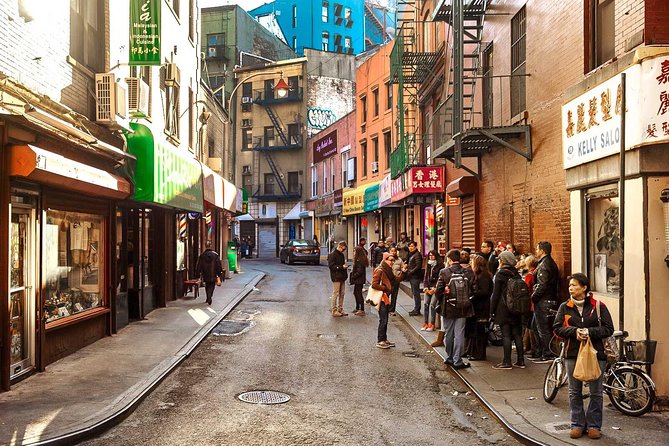
- Street-level Chinatown: You’ll trade museum time for senses—signs, storefronts, and neighborhood sounds—then roll into Columbus Park.
- Guides can carry the sound: Some guides use a portable voice amplifier so you can hear over street noise.
- Short time = short stops: Plan on photo and snack moments, not a full meal break.
Keep tasting downtown: SoHo, Chinatown and Little Italy
- SoHo, Little Italy, and Chinatown Walking Tour in New York
★ 5.0 · 3,153 reviews - NYC: Chinatown & Little Italy Food Tour with 7 Flavorful Tastings
★ 5.0 · 2,733 reviews - Original NYC Guided Food Tour of Chinatown and Little Italy
★ 5.0 · 2,194 reviews - NYC Food Tour: Chinatown and Little Italy
★ 5.0 · 1,090 reviews
SoHo Cast-Iron District: Architectural Clues in a Short Start
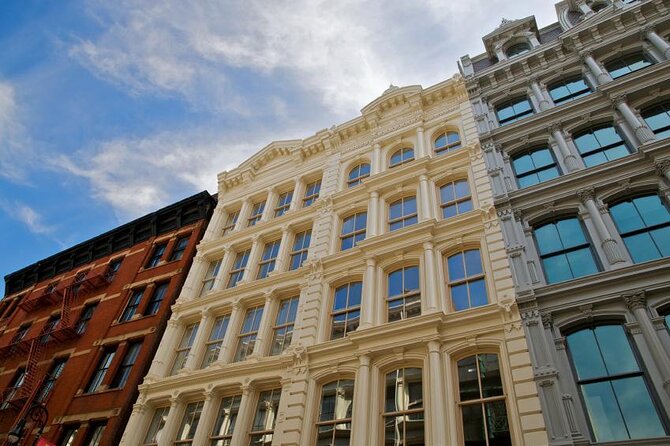
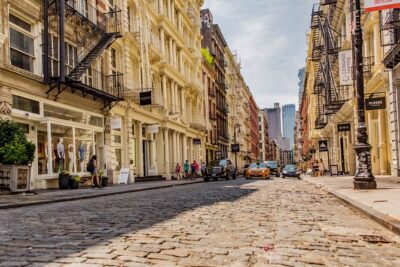
SoHo is the opener, and it’s a smart one. You start in the Cast-Iron Historic District, where a lot of the charm isn’t just the vibe—it’s the details. Cast-iron building features show up on facades in very recognizable ways, and once someone points out what you’re looking at, the neighborhood becomes a live architecture lesson.
You’ll walk cobblestone streets with trendy shops in the mix, but the stop is about spotting the 19th-century architecture that made SoHo famous. The district is large—26 blocks—and the tour focuses on the most memorable parts without turning your feet into a punishment.
What I love about this start: it gets you oriented fast. Even if you’re not an architecture person, you start seeing patterns: how buildings repeat details, how the streetscape feels intentionally designed, and why SoHo attracts filmmakers and models (it’s the kind of location that keeps showing up on camera).
One caution: SoHo is popular and photogenic, which means it can be crowded. If you’re hoping for wide-open street photos, go early in the day (or bring patience for foot traffic).
Little Italy Streets: John Gotti, Immigration Struggles, and Place Names
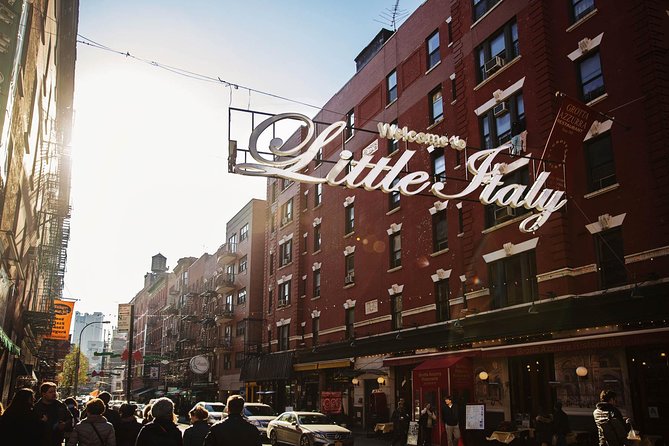
Then you shift into Little Italy, and this section earns its keep because it connects story to street layout. You’ll walk through a neighborhood where early immigration and tough neighborhood dynamics are part of the backstory—not just a trivia lesson.
This is where you hear mafia history tied to local sites, including John Gotti, along with the challenges Italian immigrants faced when they first arrived. That combination matters. It prevents the story from becoming a cartoon version of gangland New York. Instead, you get a clearer picture of why certain neighborhoods formed as they did and how communities defended themselves—socially and economically—under pressure.
You’ll also notice how the neighborhood still carries its identity through storefronts, signage, and crowd flow. Even when the modern street scene feels commercial, the guide’s job is to show you what’s underneath.
What you’ll likely enjoy most here: Little Italy can feel colorful and loud, and the guided pacing helps you move past the temptation to stare only at food signs. The tour is built to give you context while you’re already surrounded by the things you came for.
Potential drawback: the time is limited here. So if you’re the type who wants extra time to browse shops, sit down, or take a bunch of photos, you’ll have to do some of that on your own after the tour.
Chinatown to Columbus Park: Sights, Smells, and Street Noise Without the Detour
Chinatown is the final leg, and it’s a big personality change—good kind of chaos. You’ll learn how old this area is in Manhattan, and you’ll hear that it’s home to one of the largest concentrations of Chinese people in the Western Hemisphere. That framing helps you see Chinatown as a living community, not a theme.
This is also where the tour leans into what walking tours do best: you experience the street. The guide keeps you moving through key streets so you don’t waste time backtracking. Expect the full sensory mix—sounds from the sidewalk, the rhythm of storefronts, and the smell of food that’s impossible to ignore when you pass a bakery or snack counter.
The tour ends near Columbus Park (close to Mulberry Street and Baxter Street). That finish point is handy because it gives you an easy transition into your own plans. You’re not stranded in the middle of nowhere; you’re placed near a practical hub.
What’s valuable here: the tour doesn’t ask you to “understand Chinatown” from inside a building. It helps you read the neighborhood from the outside—signs, street activity, and the logic of how people move through it.
One thing to watch: Chinatown can feel more crowded and louder than the other stops, especially at peak hours. If you’re sensitive to noise, bring ear protection or plan to move slightly as the group pauses.
New York City at street level, a few more walks
How the 2-Hour Format Helps You See More (Without Getting Lost)
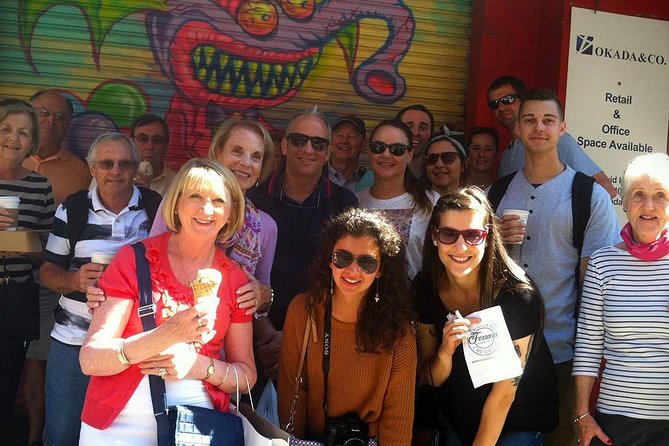
This tour is built to be efficient. It runs about 2 hours and covers roughly 2–3 miles at a moderate pace. That distance matters. It’s enough walking to feel like you “did” something, but not so much that you’re destroyed by day’s end.
The route is designed to connect neighborhoods that are close enough to stitch together on foot—SoHo → Little Italy → Chinatown—so you get a broad taste of Lower Manhattan in one go. The guide also helps with navigation, which is a real win in New York. Even if you’re a confident walker, finding the right corners while you’re dodging crowds is time-consuming.
There’s also typically a short mid-tour break. Some guides keep it simple—rest, snack, and group regrouping—so everyone can catch up and re-focus. If you’re expecting nonstop motion and zero pauses, this may feel like “lost time.” But in practice, the break can be helpful, especially when the streets are hot, windy, or packed.
My practical take: do this tour when you want orientation. If you already know the neighborhoods well and you just want long, detailed time in one place, you might feel the compressed pacing.
Guides Matter: Hear the Stories and Get the Photo/Route Help
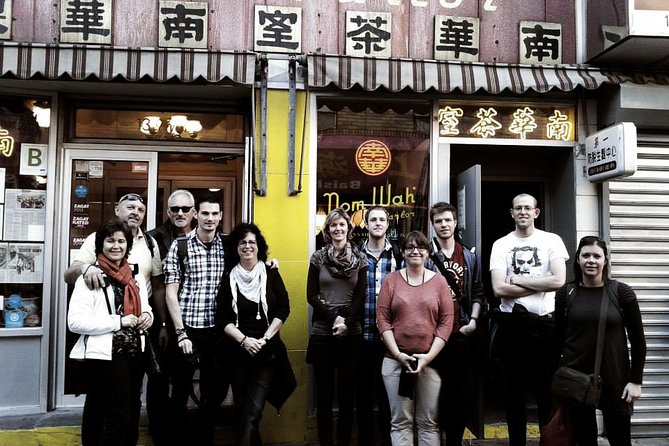
The guides are a major part of why this tour performs so well. You’ll likely hear a mix of history and personal narration that keeps the group engaged and moving. Names that show up in the guide spotlight include Felipe, Angela, George, Steve, Joseph, Tim, Jacob, Peter Sullivan, and Meri. They don’t just recite facts; they help you connect what you see to what you’re hearing.
A standout detail from guide styles: some use a portable voice amplifier (described as a fanny-pack voice system). That’s a small thing that matters in real life. Street noise is loud. When you can hear clearly, you actually retain the stories instead of guessing what was said.
You’ll also get practical help that goes beyond the walk. Many guides share suggestions for food and what to do right after the tour ends, which is useful when your next stop is still undecided.
Possible downside depending on the guide: a few people prefer more time focused on buildings and less time on the guide’s reactions or personal storytelling. So if you’re the type who wants a strictly architectural tour, you may want to show up with a bit of flexibility about how the narration is balanced.
Food and Shopping Expectations: What Fits, What Doesn’t
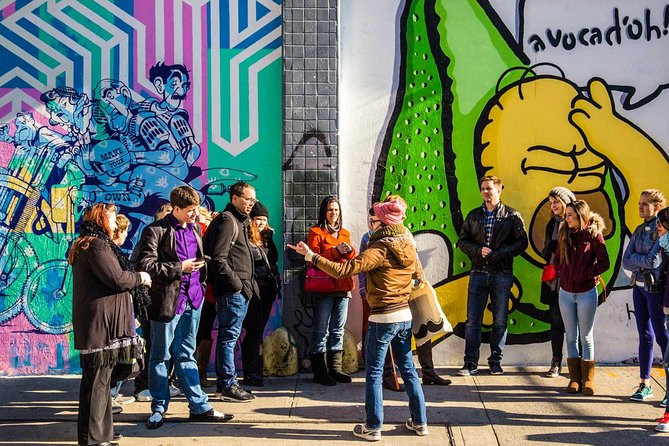
Plan your expectations on two things: shopping and eating.
There’s no dedicated shopping time built into the walk, but you’ll naturally window-shop as you pass storefronts—especially in SoHo. When the tour ends, your guide can point you toward shopping areas or street blocks you might want to explore on your own.
On food, the tour doesn’t turn into a sit-down meal. You might get short stops to buy or sample small ethnic treats along the way, but the structure is about covering three neighborhoods without turning it into a multi-hour food crawl.
So what should you do?
- If you’re hungry, eat before you meet (or plan a real meal right after).
- If you’re curious, bring an appetite for small bites, not a full lunch.
- If you have dietary restrictions, stick with what you can clearly identify during quick stops, because there’s no meal schedule to fall back on.
This is also why timing matters. If you catch the tour when the streets are at peak lunch crush, the food stops can feel more like a quick taste than an actual experience. Still, the upside is that you’ll know where to go next once you’ve got the vibe in your head.
Practical Tips for Photos, Comfort, and Staying on Track
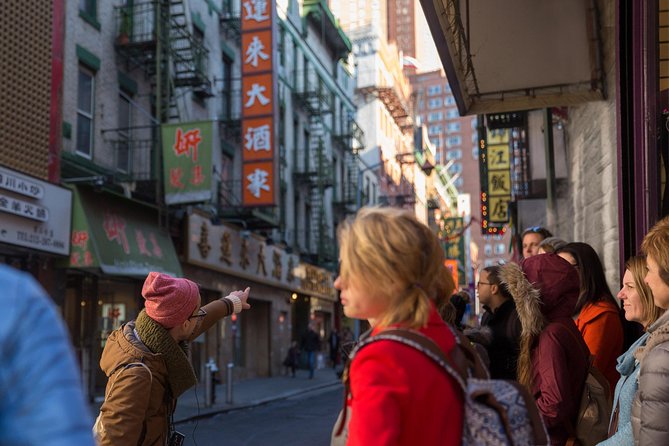
A walking tour lives or dies on comfort. Here’s how to make it painless and photo-friendly.
First: wear comfortable shoes. The route is only a couple miles, but you’ll be on your feet for the full two hours. Cobblestones in SoHo plus busy corners in Chinatown add up.
Second: bring a light layer. The tour operates in all weather conditions, so you’ll want to be ready for sun, wind, or rain. If you’re doing this in summer, water helps even if you’re only walking a short distance.
Third: for photos, remember the pacing. There’s time for pictures, but it’s not a slow street festival. If you want extra time, do it before or after the tour near the most interesting street blocks for you.
Fourth: if you’re the kind of traveler who likes long pauses to observe, decide which stop is your priority. Many people tend to love Little Italy the most, while others are all about SoHo architecture or Chinatown street energy. With limited time, choosing a “favorite” mindset helps you enjoy the whole route instead of feeling rushed.
Who This Tour Fits Best (and Who Might Want Something Different)
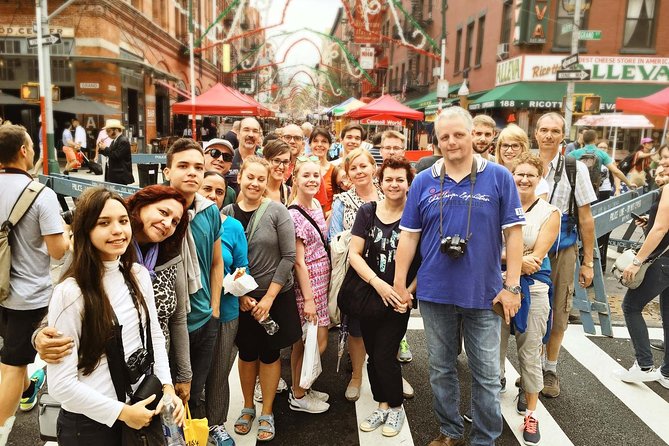
This is a strong fit if you want:
- A fast introduction to Lower Manhattan neighborhoods
- A guided blend of architecture + immigration-era context + neighborhood street life
- Help navigating so you don’t lose time finding the right streets
It’s also great for first-time visitors. The tour covers the kind of areas that look similar on a map but feel totally different when you’re actually walking them.
It may not be the best choice if you:
- Want lots of free time in one neighborhood
- Need slow pacing for health or mobility reasons
- Want a strict, stop-by-stop architectural lecture with minimal storytelling
A good way to think about it: this is a “get your bearings fast” tour. Then you can branch out on your own.
Should You Book the SoHo, Little Italy, and Chinatown Walking Tour?
I think you should book this tour if you like walking, you want a short, structured hit of three classic Lower Manhattan neighborhoods, and you enjoy hearing how places got shaped by real people. For $39 for about 2 hours, you’re paying mainly for a local guide who can connect street scenes to context while keeping you moving efficiently.
The biggest reasons to say yes:
- You’ll learn what to look for in SoHo’s cast-iron district instead of just taking photos
- You’ll hear mafia-era stories tied to real neighborhood geography
- You’ll finish near Columbus Park, which makes it easy to continue exploring afterward
- Guide quality is repeatedly a highlight, including engaging narration and clear audio setups for some guides
The reasons to pause:
- The tour is short, so don’t expect long free time or a sit-down meal
- If you prefer minimal storytelling, the guide style may vary
If your goal is to understand why SoHo, Little Italy, and Chinatown feel the way they do—then turn that understanding into your next stops—this is a smart, efficient choice.
FAQ
How long is the SoHo, Little Italy, and Chinatown Walking Tour?
It runs for about 2 hours.
How much walking should I expect?
You should expect about 2–3 miles of walking at a moderate pace.
What neighborhoods does the tour cover, and where does it start and end?
It covers SoHo, Little Italy, and Chinatown. It starts at 161 6th Ave, New York, NY 10013 and ends in Chinatown at Columbus Park near Mulberry Street & Baxter St.
Is food included?
Food isn’t included. There may be short stops to purchase or sample items, but there’s no opportunity to sit down and have a meal.
Is the tour offered in English, and do I need anything to show up?
Yes, it’s offered in English, and you’ll have a mobile ticket.
Can I cancel for free?
Yes. You can cancel up to 24 hours in advance for a full refund. Canceling less than 24 hours before the start time isn’t refundable.
More Tour Reviews in New York City
- NYC: SUMMIT One Vanderbilt Tickets★ 4.7 · 51,195 reviews
- NYC: Empire State Building Tickets – Observatory & Museum★ 4.7 · 25,757 reviews
- New York City: Statue of Liberty & Ellis Island with Ferry★ 4.6 · 18,683 reviews
- New York City: American Museum of Natural History Ticket★ 4.5 · 15,447 reviews
- Statue of Liberty and Ellis Island Tour: All Options★ 5.0 · 13,571 reviews
New York City, One Block at a Time
- Secrets of Grand Central Station Walking Tour New York City★ 5.0 · 1,796 reviews
- Greenwich Village Walking and Food Tasting Tour★ 5.0 · 1,572 reviews
- Artistic, Alternative Greenwich Village Walking Tour★ 5.0 · 971 reviews
- Brooklyn Bridge & DUMBO Neighborhood Tour – from Manhattan to Brooklyn★ 5.0 · 826 reviews
- Central Park Guided Walking Tour★ 5.0 · 774 reviews
Downtown Bites: SoHo to Little Italy
- NYC: Chinatown & Little Italy Food Tour with 7 Flavorful Tastings★ 5.0 · 2,733 reviews
- Original NYC Guided Food Tour of Chinatown and Little Italy★ 5.0 · 2,194 reviews
- NYC Food Tour: Chinatown and Little Italy★ 5.0 · 1,090 reviews
- NYC: Chinatown and Little Italy Food Tour★ 4.7 · 703 reviews
- NYC: SoHo, Little Italy, and Chinatown Guided Tour★ 4.7 · 614 reviews
Just in: the newest New York City reviews on our desk





SoHo, Chinatown & Little Italy Tours, compared.
 ★ 5.0Chinatown & Little Italy Food Tour with 7 Flavorful TastingsFrom $992,733 reviews
 ★ 5.0Original NYC Guided Food Tour of Chinatown and Little ItalyFrom $1302,194 reviews
 ★ 4.7Chinatown and Little Italy Food TourFrom $80703 reviews
 ★ 4.7SoHo, Little Italy, and Chinatown Guided TourFrom $30614 reviews
 ★ 4.6SoHo, Little Italy, and Chinatown 2-Hour Guided WalkFrom $39566 reviews
 ★ 5.0SoHo, Little Italy, and Chinatown NYC Guided Walking TourFrom $36443 reviews
 ★ 4.53 Neighborhoods Tour: Soho, Chinatown & Little ItalyFrom $39275 reviews
Browse the lists this tour appears in