
Reviewed · CENTRAL PARK TOURS
Central Park Walking Tour
Central Park feels huge without a plan. This guided tour gives you a simple route through the park’s standout sights and quieter corners, with a leisurely pace you can actually enjoy. I like that you’re guided turn-by-turn, so you spend less time lost and more time looking around.
I really like the story quality. Stops like Strawberry Fields connect famous moments to the park’s planning and design, not just postcard scenery. You also end on the Upper West Side near The Dakota, so you get some breathing room to keep exploring on your own.
One heads-up: you won’t see every inch of Central Park. It’s a focused highlights walk, so if you want the whole park, you’ll need extra time later, plus comfortable shoes for the strolling and occasional hills.
In This Review
- Key things I’d bank on
- Why this Central Park walking tour feels easier than planning it yourself
- Price and value: what $35 buys in the real world
- Start at the Sherman Monument, then ease into the park’s highlights
- The big Central Park block: your guided circuit through the south side
- Grand Army Plaza: a short opener that sets the tone
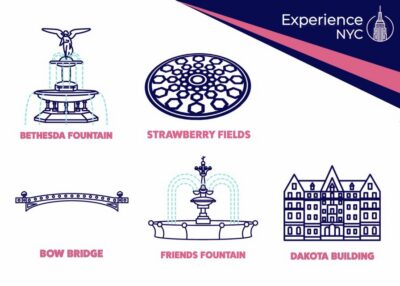
- Strawberry Fields and the John Lennon Memorial: quick, important, and photo-friendly
- Bethesda Terrace by the lake: the visual payoff stop (and a bathroom reality check)
- Ending near The Dakota on the Upper West Side: use your free time well
- What the guide does that makes the difference
- Weather, seasons, and why timing changes the tour
- Who should book this Central Park walking tour
- Quick tips to make your 2.5 hours smoother
- Should you book? My straight answer
- FAQ
- How long is the Central Park walking tour?
- What is the price per person?
- Where does the tour start?
- What time does it start?
- Where does the tour end?
- Is the tour offered in English?
- How large is the group?
- Is a professional guide included?
- Do I need hotel pickup or drop-off?
- What happens if the weather is bad or I need to cancel?
Key things I’d bank on
- Small group size (max 15) keeps the walk calm and makes it easier to ask questions.
- English-only guide with a clear mix of park history and modern context at a steady pace.
- Strawberry Fields + John Lennon Memorial is a quick, meaningful stop with time for photos.
- Bethesda Terrace by the lake is a top sight on the route, with big visual payoff.
- Ends on the Upper West Side near The Dakota, which is handy if you’re staying around 72nd Street.
- Mobile ticket means less hassle day-of.
More ways to see Central Park
- Central Park Pedicab Guided Tours
★ 5.0 · 7,108 reviews - Private Central Park Pedicab Tour
★ 5.0 · 6,981 reviews - NYC: Central Park Bike Rentals
★ 4.2 · 2,528 reviews - Official NYC Horse Carriage Rides in Central Park since 1979 ™
★ 5.0 · 2,365 reviews
Why this Central Park walking tour feels easier than planning it yourself
Central Park is iconic, but it’s also big enough to mess with your sense of direction. This tour’s main value is that you don’t have to build an itinerary on the fly or wrestle with maps while you’re trying to enjoy the view. You get a guided, leisurely walk that keeps you oriented as you move through the park.
I also like that it’s built for real sightseeing time. The pacing is described as leisurely, and the tour is only about 2 hours 30 minutes, so you’re not trapped in a marathon. It’s long enough to cover multiple highlights, short enough to still feel like a visit instead of a chore.
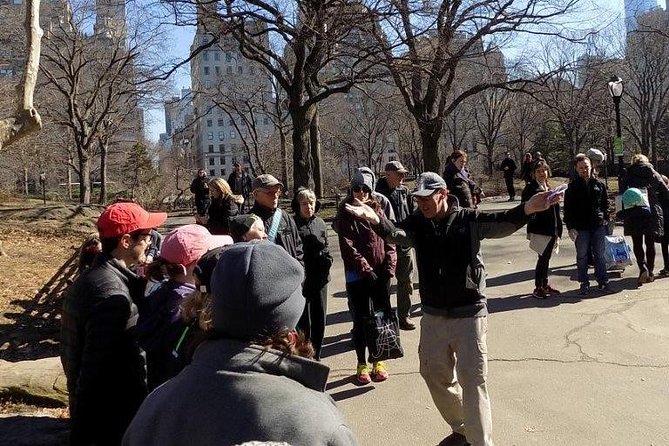
The guide angle matters here. You’re not just looking at landmarks—you’re hearing how the park was shaped by urban planning, and why these features exist. That kind of context helps you notice details you’d otherwise skip.
Price and value: what $35 buys in the real world
At $35.00 per person for roughly 2 hours 30 minutes, the price lands in the “pay for clarity” category. You’re paying for a professional guide and a route that saves you time and confusion. In a park this size, time is the expensive part.
You also get a guide who can handle questions on the spot. Many comments highlight that the guide was engaging, funny at times, and willing to answer whatever came up, including detailed park history and design notes. That’s the difference between a walking loop and a walking tour.
One practical benefit: the tour is capped at 15 travelers. Smaller groups usually mean you’re not stuck behind a crowd at every stop, especially around popular photo spots. If you like a more personal experience, this setup is a plus.
Start at the Sherman Monument, then ease into the park’s highlights
You meet at the General William Tecumseh Sherman Monument, 764 Doris C Freedman Pl, New York, NY 10019, with a 10:00 am start time. From there, the walk begins near Grand Army Plaza, which serves as a clear kickoff point for the park circuit.
This is a smart way to start. Instead of wandering in from the closest entrance, you begin where the tour is already structured. That matters because Central Park’s entrances can feel random when you’re standing outside looking in.
The tour is also set up for comfort. Comfortable shoes are recommended, you should have moderate physical fitness, and the pace is described as easy rather than rushed. If you’re the type who likes to stop for photos without feeling like you’re slowing everyone down, this is the right style.
New York City at street level, a few more walks


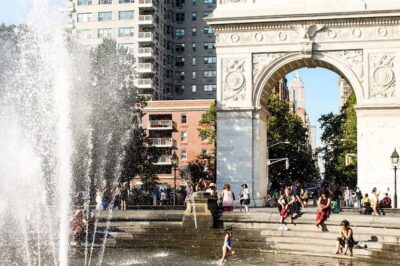
The big Central Park block: your guided circuit through the south side
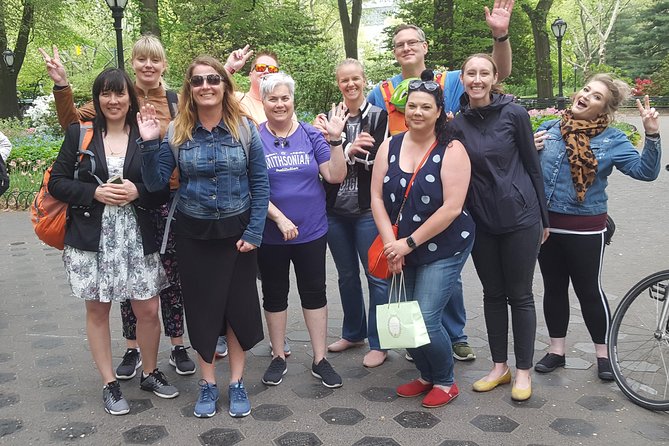
The heart of the tour is the detailed time in Central Park itself, around 2 hours. Even though Central Park is huge, this walk focuses on the areas that give you the strongest mix of famous landmarks and story-rich scenery.
From what’s repeatedly praised, expect to cover a lot of the well-known highlights in the southern section. Guides often bring you through classic Central Park walkways and viewpoints such as the Mall and Literary Walk, plus water features like ponds and a lake. You’ll also see bridges and the kinds of architectural details that make Central Park feel less like a random park and more like a carefully planned public space.
There are also stops that add variety beyond the big-name attractions. Some accounts mention the Ramble area, and a family-friendly moment like a carousel stop shows up in at least one version of the route. If you travel with teens or kids, that flexibility can help keep attention from dropping.
Just remember what this tour does well: it’s a highlights sampler, not a full park survey. One key takeaway is that you’ll likely come away thinking you found the best parts for an efficient first visit, not that you mapped the entire park.
Grand Army Plaza: a short opener that sets the tone
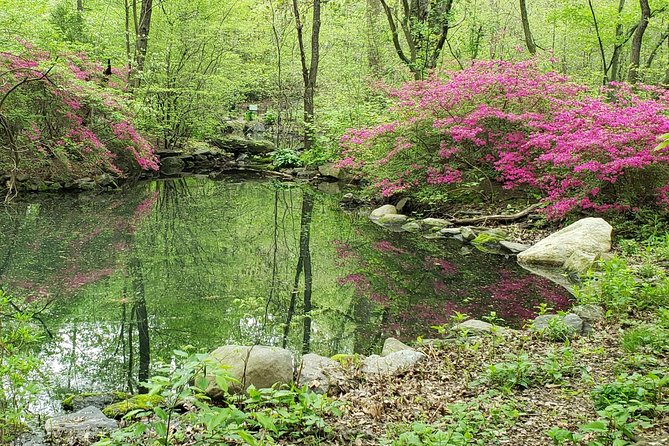
Grand Army Plaza is built into the itinerary as a quick introduction point (about 10 minutes). That brief stop works as a mental warm-up. You get a launchpad into the park, and then you transition into the longer sightseeing stretch.
Don’t expect this to be the emotional centerpiece. It’s more like the handshake before the main conversation—useful for getting oriented and getting a feel for what the guide’s going to emphasize, like park planning and the meaning behind specific locations.
If you’re the kind of traveler who hates sitting in silence, this stop still helps. It’s short enough that you won’t feel stuck, and it helps you get into “listening mode” for the rest of the walk.
Strawberry Fields and the John Lennon Memorial: quick, important, and photo-friendly
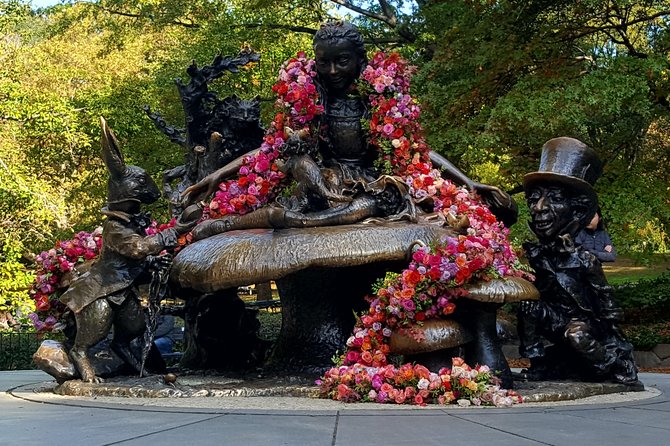
Strawberry Fields and the John Lennon Memorial are on the route with about 10 minutes set aside. This is one of the emotional anchors of the walk, and it’s treated with the respect you’d expect from a memorial garden stop.
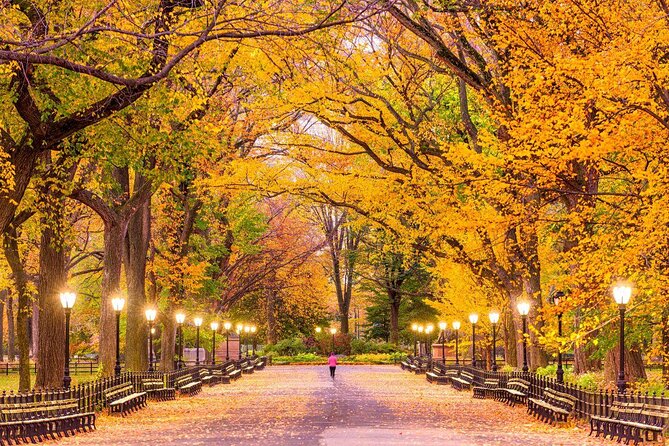
What I like about keeping this stop time-limited is that it protects the overall flow. You can take photos and absorb the space without the day turning into one long pause. If you’re visiting in a season when the park looks different—fall leaves, winter snow, spring change—this is also a great place to notice how atmosphere shifts the feel of the memorial.
The guide’s storytelling style seems to be a major part of the value here. Multiple comments praise guides like Jeremy for balancing park history with modern context, which is exactly what makes Strawberry Fields more than a quick sightseeing checkbox.
Bethesda Terrace by the lake: the visual payoff stop (and a bathroom reality check)
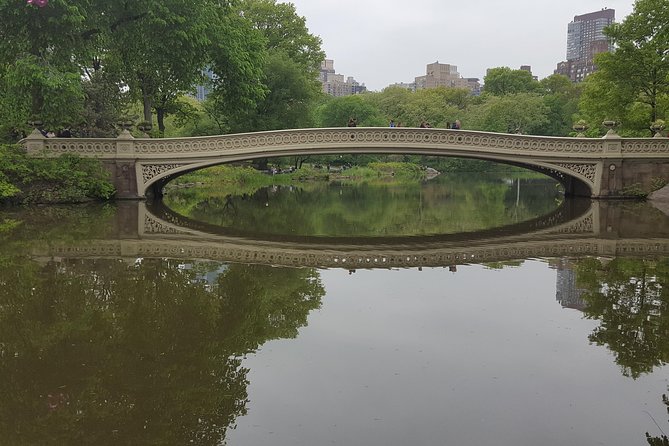
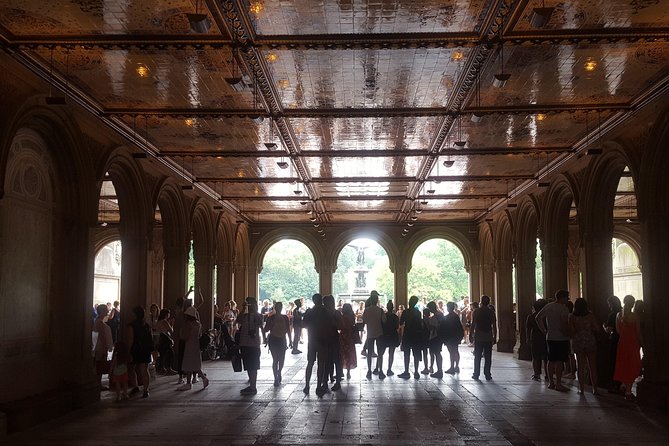
Bethesda Terrace is listed as about 10 minutes, and it’s described as a beautiful terrace by the lake. This is the kind of spot where you’ll likely understand why people keep coming back to Central Park even after repeated visits.
A terrace stop also helps you switch gears from walking to lingering. Even if you’re not a big architecture person, a terrace by water tends to make you slow down and look. It’s built for photos and for appreciating the view angles as the group moves around.
One practical note from real-world comments: bathrooms can be a concern at Bethesda Terrace. At least one person reported the facilities there as extremely dirty. So if you’re sensitive to bathroom conditions, plan ahead and try to use facilities earlier in your day. Don’t count on a miracle at this one stop.
Also, expect at least a few hills or gentle climbs since the route covers multiple park features. Comfortable shoes are not optional if you want this to feel like an enjoyable walk.
Ending near The Dakota on the Upper West Side: use your free time well
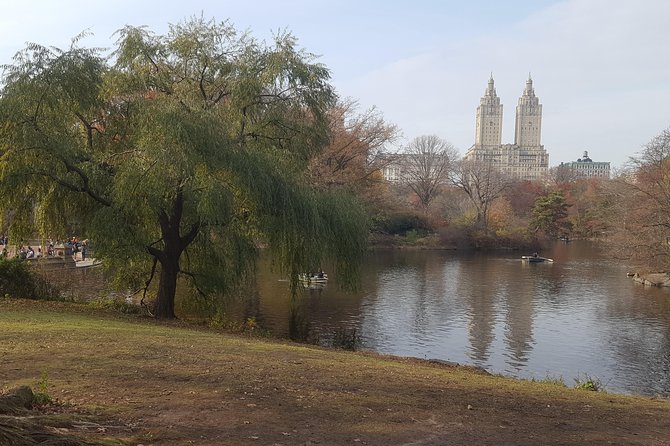
The tour ends on the Upper West Side, near The Dakota (1 W 72nd St), with free time to explore on your own after the guided portion. That’s a big practical win. You’re not stuck back at your meeting point, and you can turn the ending into a flexible plan.
I like the Upper West Side finish because it’s easy to keep momentum. You’ve just had a concentrated introduction to Central Park highlights, and then you can decide what you want next: food, browsing, or another self-guided walk nearby. Ending near a recognizable landmark also helps you feel like the tour has a clean finish line instead of dissolving into the park again.
If you’re planning your day around neighborhoods, this end point is especially helpful. It gives you a logical transition from park time to city time.
What the guide does that makes the difference
The guide is the core product here. Many comments focus on storytelling that blends history with modern information, plus a style that keeps the group engaged. Guides like Jeremy are repeatedly singled out for being a great storyteller, with a steady pace and a sense of humor that doesn’t derail the facts.
You’ll also hear about how the park was shaped by urban planning and design decisions. Reviews mention that the guide talked about the designer and architect of buildings and bridges, even if they don’t list names in the summary. Either way, the approach is clear: you’ll understand what you’re seeing and why it’s there.
Another big advantage: question time. Comments describe guides who answer questions easily and seem confident across topics like park history, trees and plants, and even movie trivia tied into various spots. That’s not random chatter—it’s exactly the kind of context that makes a familiar park feel new.
Weather, seasons, and why timing changes the tour
This tour works across seasons because the park changes constantly. The experience description emphasizes that you’ll see different perspectives throughout the year as weather and foliage shift.
Good weather is required, though. If it’s canceled for poor weather, you’ll be offered another date or a full refund. So don’t plan on forcing it in bad conditions and hope for the best.
If you’re visiting in winter, comments mention snowy scenery, and the guide kept the pace enjoyable even in cold conditions. If you’re visiting in spring or early fall, you’ll probably get the best mix of comfortable walking temps and visual variety.
Who should book this Central Park walking tour
This is a strong pick if you:
- want an efficient way to see major Central Park highlights without a map grind
- like history plus “why this exists” explanations
- prefer a small group (max 15) and a leisurely pace
- want the tour to end somewhere practical for continuing your day
It may be less ideal if you:
- want to cover every corner of Central Park in one go
- are struggling with moderate walking fitness and a route that includes hills
- need a super predictable bathroom stop at every location (Bethesda Terrace is a known weak point)
Quick tips to make your 2.5 hours smoother
A few small moves can make this feel effortless:
- Wear comfortable shoes you can walk in for about 2.5 hours.
- Bring a phone battery pack if you’re picture-heavy.
- If you’re sensitive to bathroom conditions, consider using facilities earlier rather than relying on Bethesda Terrace.
- Come with a question or two. Guides are clearly set up to handle them.
- If you’re traveling with teens or kids, tell the guide what keeps attention. Some versions even include family-friendly moments like a carousel stop.
Also, this tour is popular enough to be booked fairly far ahead on average, so I’d secure your date early rather than hoping for last-minute luck.
Should you book? My straight answer
Yes, you should book this Central Park walking tour if you want the park’s best-known sights paired with a real guide and an easy route. The mix of major landmarks, story-based context, and a small group limit makes the experience feel worth the $35 price tag.
Skip it only if you’re the type who wants to wander independently for hours and you already know Central Park well. In that case, you might prefer a self-guided plan. But if you want your time in Central Park to feel organized, informed, and genuinely enjoyable, this is a smart way to do it.
FAQ
How long is the Central Park walking tour?
It runs for about 2 hours 30 minutes.
What is the price per person?
The price is $35.00 per person.
Where does the tour start?
You start at the General William Tecumseh Sherman Monument, 764 Doris C Freedman Pl, New York, NY 10019.
What time does it start?
The start time is 10:00 am.
Where does the tour end?
The tour ends at The Dakota, 1 W 72nd St, New York, NY 10023.
Is the tour offered in English?
Yes, the tour is offered in English.
How large is the group?
The tour has a maximum of 15 travelers.
Is a professional guide included?
Yes. A professional guide is included.
Do I need hotel pickup or drop-off?
No. Hotel pickup and drop-off are not included.
What happens if the weather is bad or I need to cancel?
You can cancel for free up to 24 hours in advance for a full refund. If it’s canceled due to poor weather, you’ll be offered a different date or a full refund.
More Tour Reviews in New York City
- NYC: SUMMIT One Vanderbilt Tickets★ 4.7 · 51,195 reviews
- NYC: Empire State Building Tickets – Observatory & Museum★ 4.7 · 25,757 reviews
- New York City: Statue of Liberty & Ellis Island with Ferry★ 4.6 · 18,683 reviews
- New York City: American Museum of Natural History Ticket★ 4.5 · 15,447 reviews
- Statue of Liberty and Ellis Island Tour: All Options★ 5.0 · 13,571 reviews
New York City, One Block at a Time
- SoHo, Little Italy, and Chinatown Walking Tour in New York★ 5.0 · 3,153 reviews
- Secrets of Grand Central Station Walking Tour New York City★ 5.0 · 1,796 reviews
- Greenwich Village Walking and Food Tasting Tour★ 5.0 · 1,572 reviews
- Artistic, Alternative Greenwich Village Walking Tour★ 5.0 · 971 reviews
- Brooklyn Bridge & DUMBO Neighborhood Tour – from Manhattan to Brooklyn★ 5.0 · 826 reviews
More of Central Park
- Central Park Pedicab Guided Tours★ 5.0 · 7,108 reviews
- Private Central Park Pedicab Tour★ 5.0 · 6,981 reviews
- NYC: Central Park Bike Rentals★ 4.2 · 2,528 reviews
- Official NYC Horse Carriage Rides in Central Park since 1979 ™★ 5.0 · 2,365 reviews
- NYC: Central Park Bike Rental★ 4.1 · 1,651 reviews
Just in: the newest New York City reviews on our desk





Central Park Tours, compared.
 ★ 5.0Central Park Pedicab Guided ToursFrom $387,108 reviews
 ★ 5.0Private Central Park Pedicab TourFrom $386,981 reviews
 ★ 4.2Central Park Bike RentalsFrom $92,528 reviews
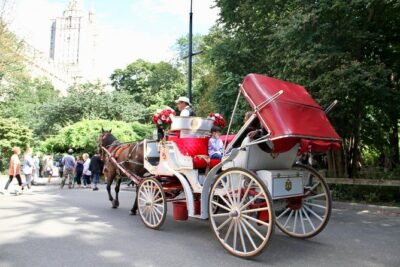 ★ 5.0Official NYC Horse Carriage Rides in Central Park since 1979 ™From $992,365 reviews
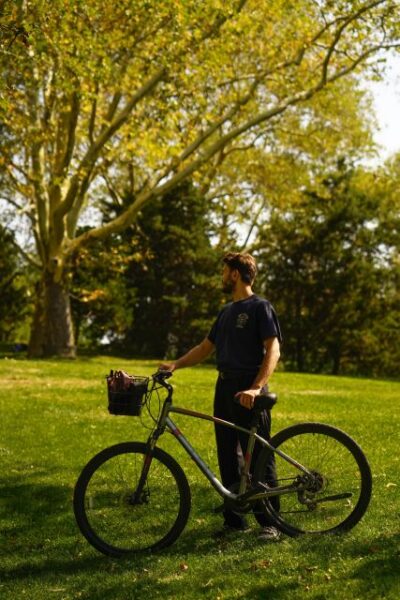 ★ 4.1Central Park Bike RentalFrom $81,651 reviews
 ★ 4.9Private Central Park Pedicab TourFrom $401,637 reviews
 ★ 4.7Central Park Bike RentalFrom $91,509 reviews
 ★ 4.0Carriage Ride in Central Park (VIP – PRIVATE) Since 1964™From $141,074 reviews
Browse the lists this tour appears in