
Reviewed · GREENWICH VILLAGE TOURS
Dark Side & Ghosts of Greenwich Village at Night
New York after dark has a different rhythm. This Greenwich Village ghost walk turns familiar streets into a string of haunting stories, from old burials to literary legends. I love how it mixes night photography stops with real neighborhood history you can actually see on the block.
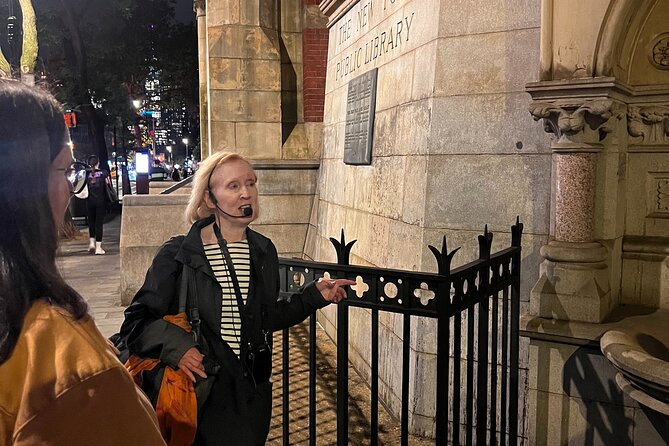
Two things I really like: the tour keeps you moving so you get close to the sights (not just distant sightseeing), and your guide encourages questions and gives extra ideas for what to do after. A small group size also helps the experience feel more personal, especially when you want to ask why a place is tied to a particular story.
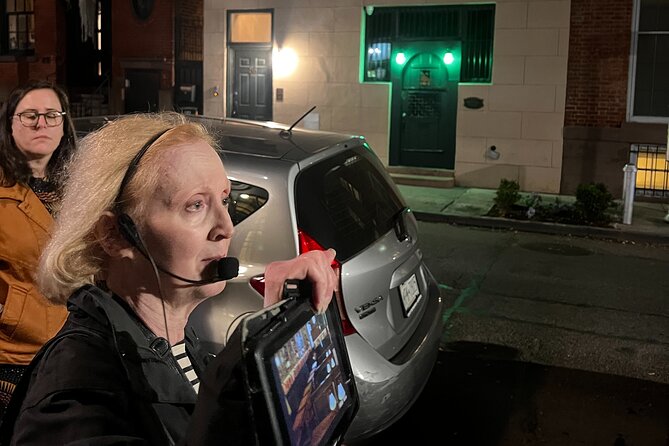
One consideration: with traffic and street noise, the mic volume can be hard to hear at points. If you’re sensitive to audio, arrive a little early and try to stand nearer the guide.
In This Review
- Key Highlights You’ll Care About
- Why Greenwich Village Ghost Stories Work Best After Dark
- Starting at Waverly Diner: Timing, Route Feel, and What You’ll Be Doing
- The First Stops: Hanging Elm and the Washington Square Arch Photo Moment
- The Glass-Window Designer Story and Church Altars
- Mark Twain’s Haunted Home: Walking the Literary Village Streets
- The Author of The New Colossus: A Different Kind of Haunting
- Stop-by-Stop: 72 W 11th St and the Hidden Cemetery From 1805
- Jefferson Market Library: Courthouse Echoes in a Familiar Building
- Gay Street and the Literary Address Stops
- Bedford Street and Edna St. Vincent Millay’s Little Girl Ghost
- The Northern Dispensary: When the City Treated Sickness
- 17 Barrow St: Carriage House to the Third Vice President
- Cherry Lane Theatre: Off-Broadway With Long Running Roots
- Chumley’s Speakeasy at 86 Bedford St and the FRIENDS Finale
- Price and Value: Is $49 Worth a 2-Hour Night Walk?
- Who This Tour Fits Best (and Who Might Skip It)
- Should You Book Dark Side & Ghosts of Greenwich Village at Night?
- FAQ
- How long is the tour?
- What time does the tour start?
- Where does the tour meet, and where does it end?
- How much does it cost?
- Do I get a mobile ticket?
- How large is the group?
- What is the cancellation policy?
- Is the tour suitable for everyone?
Key Highlights You’ll Care About
- 2 hours at 7:00 pm: timed for cooler walking and easier photos around Washington Square area
- Small group up to 20: better chances to ask questions without the tour feeling rushed
- Hanging Elm and Washington Square Arch: quick hits of famous Village landmarks early on
- Literary ghosts on the route: Mark Twain and Edna St. Vincent Millay show up in the places you can point to
- Speakeasy and theater stops: Chumley’s past and Cherry Lane Theatre’s long-running stage legacy
- Frequent free stops: the listed viewpoints are marked as admission ticket free
More laps around the Village
- NYC: Greenwich Village Food Tour with 6 Locals Favorites Dishes
★ 5.0 · 1,812 reviews - Greenwich Village Walking and Food Tasting Tour
★ 5.0 · 1,572 reviews - Artistic, Alternative Greenwich Village Walking Tour
★ 5.0 · 971 reviews - NYC Greenwich Village Italian Food Guided Walking Tour
★ 5.0 · 627 reviews
Why Greenwich Village Ghost Stories Work Best After Dark
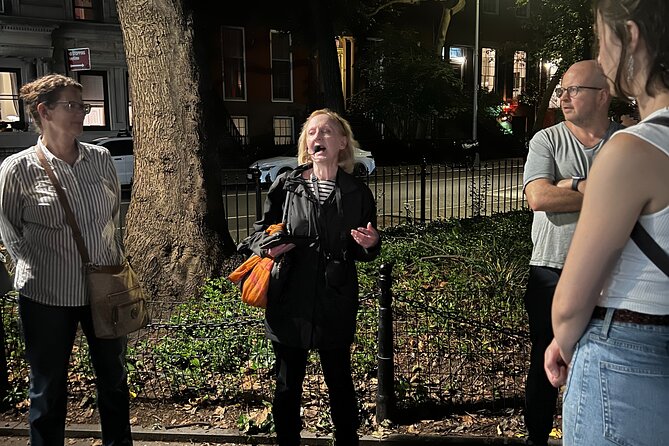
Greenwich Village at night feels like a movie set that forgot to load the cameras. That’s why a night tour makes sense here. You get the same landmarks you’d see in daylight, but you also get quieter streets and softer lighting for photos. Plus, Village evening energy means you’re not fighting daytime crowds at the exact spots people line up to see.
What makes this specific tour fun is the way it layers stories on top of places you can physically reach. You don’t just hear about history—you pause at the spot, look around, and let the guide connect the details. The result is that you remember addresses, not just vibes.
And since this is a walking format, you’re constantly orienting yourself. Even if you’re a first-timer, you’ll leave with a clearer sense of where Washington Square fits into the Village’s web of streets.
Starting at Waverly Diner: Timing, Route Feel, and What You’ll Be Doing
The tour meets at Waverly Diner, 385 6th Ave (with a 7:00 pm start). That early-evening start is practical: you’re far enough into the evening to feel the “after dark” mood, but not so late that everything gets stressful.
You should expect a steady pace for about 2 hours. It’s a night walking tour, so it’s not built for long breaks or sitting down. Your best move is to wear comfortable shoes and plan to stay focused on where you step—Village sidewalks can get crowded near popular blocks even at night.
The tour is capped at 20 travelers, which matters more than you’d think on a ghost walk. Small groups let the guide keep tighter control of the pacing and also give you room to ask questions without shouting over the whole street.
Also, you’ll have a mobile ticket, and the stops on the itinerary are marked as free admission ticket locations. That’s a good value indicator: you’re paying for the storytelling and the walk, not ticket fees.
The First Stops: Hanging Elm and the Washington Square Arch Photo Moment
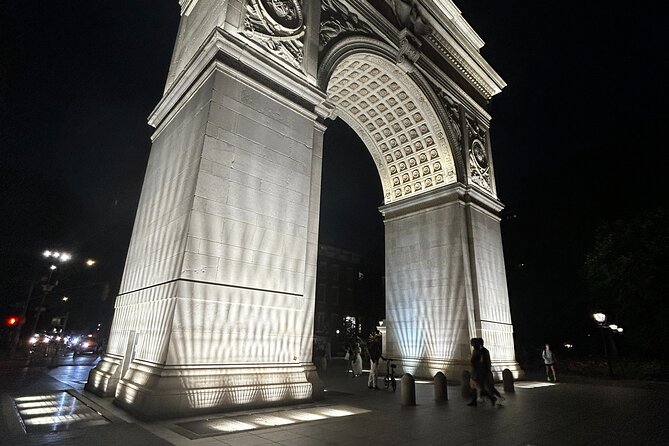
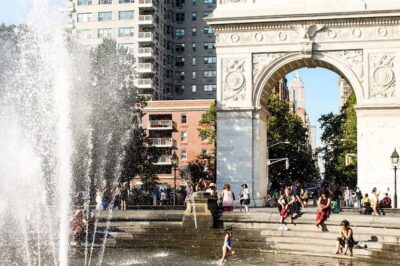
The tour begins with a strong “opening scene” vibe: Hanging Elm and the Washington Square Arch. These are the kinds of landmarks that anchor a ghost tour because they’re recognizable, even to people who don’t know the Village well.
At Washington Square Arch, you also get a natural photo moment. Evening light and the arch shape make it easier to frame your shots, and it’s less crowded than peak daytime hours. You’re not stuck behind a big line of people—at least, not in the same way.
Hanging Elm adds a different kind of creep. It’s the sort of place your guide can tie to older Village lore, and it works well as a warm-up. You’ll hear the tone shift right away: the stories are meant to make you look at the streets with new eyes.
Worth a look right next to this New York City pick:
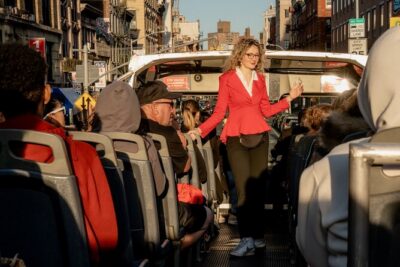



The Glass-Window Designer Story and Church Altars
One of the tour’s most intriguing bits is the story of a glass window designer who also painted the altar of a church. Even without getting lost in details, this kind of stop is valuable because it ties art to the physical place you’re standing near.
This is a good moment to slow down mentally. When a guide connects decorative details—like stained glass or altar art—to a person who lived in the neighborhood, it changes how you see church architecture in New York. You start noticing that these buildings weren’t just backdrops; they were workspaces for real people with real reputations.
The main drawback here is also the most ghost-tour thing: this is a story stop. You may not be standing in front of a single famous plaque. If you like footnotes and exact dates, ask your guide for extra context.
Mark Twain’s Haunted Home: Walking the Literary Village Streets
Another standout element is the Mark Twain angle. The tour has you walk in the footsteps of the literary legend and visit his haunted home as part of the route.
This works because it turns “literary tourism” into something more tangible. You’re not just imagining an author’s life. You’re looking at the building and street scale the way a resident would have. And since the Village is laid out like a patchwork of small blocks, you can connect the story to nearby streets and corners instead of treating it like a random stop on a list.
If you enjoy writing, books, or Victorian-era American culture, this is likely the segment you’ll talk about afterward. It’s also a smart way to keep the tour moving: even if you’re not a paranormal person, a famous author story still holds attention.
The Author of The New Colossus: A Different Kind of Haunting
The tour also spotlights the American author most known for writing The New Colossus. This isn’t just a literary mention. It’s a chance to think about how New York’s identity is shaped by words as much as by buildings.
What I like about this kind of stop is that it broadens what a ghost tour can be. You’re still in that nighttime, spooky mode—but the haunting feels more like legacy. The “ghost” is the way a reputation and a phrase keep living long after the person is gone.
If you’re a history-minded visitor, this is where you get that “I didn’t expect that” feeling that makes tours worth the money. You’ll likely leave with a renewed interest in the cultural pieces that shaped the city.
Stop-by-Stop: 72 W 11th St and the Hidden Cemetery From 1805
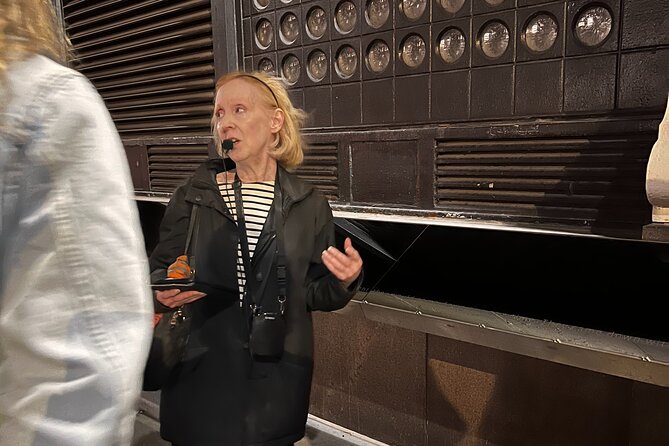
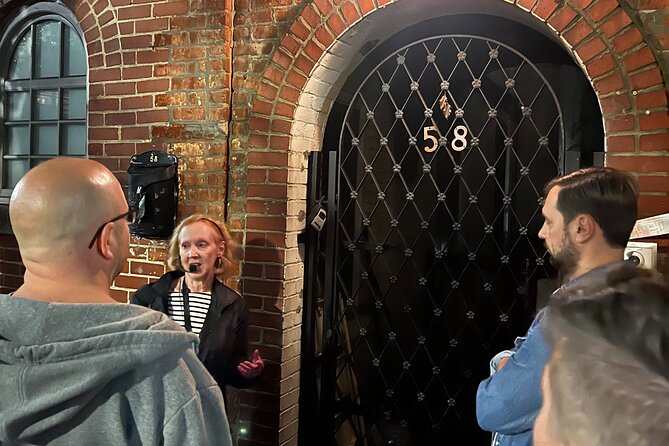
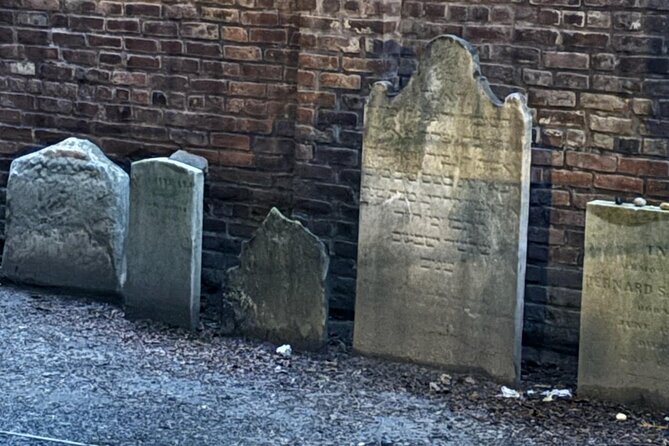
One of the route anchors is 72 W 11th St, described as a hidden cemetery from 1805. This stop is brief—about 10 minutes—but it’s the kind of location that makes time feel strange.
A hidden cemetery is powerful because it flips your expectations. The Village looks like it’s all modern life from curb to curb, but spots like this remind you there’s older New York underneath. The tour also leans into the darker side of the city’s past, including stories connected to yellow fever victims.
What to watch for at this stop: don’t rush your eyes. Look at the setting, the building placement, and the way the street surrounds the space. Ghost tours get better when you pay attention to geography—the “where” is often the whole point.
Jefferson Market Library: Courthouse Echoes in a Familiar Building
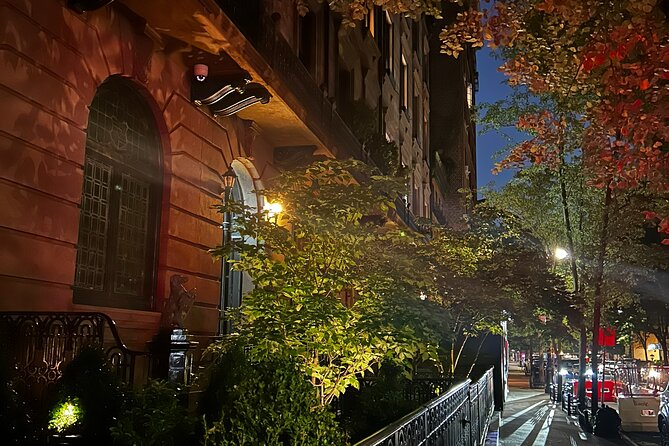
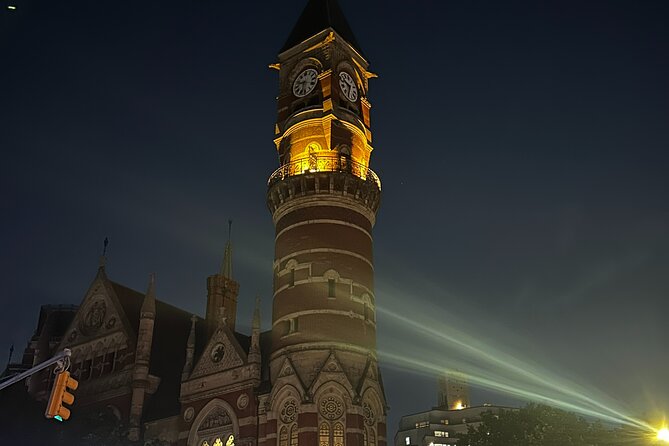
Next up is Jefferson Market Library, a building that once served as a courthouse. Even if you’ve walked past it before, it’s a different experience when you’re thinking about what it used to be: a place where decisions were made, and where people’s lives could change in a single moment.
This is also a good stop for history-minded travelers because courthouses are naturally tied to human drama—conflict, judgment, and public memory. Your guide can tie the ghost tone to the feeling of a place where official stories were recorded.
A practical note: courthouse-turned-library buildings can be visually busy. If you want the most out of the stop, listen closely to what your guide points out rather than trying to “solve” the architecture on your own.
Gay Street and the Literary Address Stops
The itinerary includes 12 Gay St, described as a former resident location. This is one of those addresses where the story matters more than what’s visible at street level.
In a walking tour, these address-based stops are essential. They’re how the guide makes the paranormal claims feel grounded—someone lived here, something happened here, and you’re standing where the person stood.
If you’re the type who likes to take photos, aim for a couple of quick shots from angles that show the street context, not just the door. That way, later you’ll remember where you were on the walk.
Bedford Street and Edna St. Vincent Millay’s Little Girl Ghost
At 75 1/2 Bedford Street, the tour focuses on Edna St. Vincent Millay, including the connection to her Little Girl Ghost. This is a smart literary choice because the title alone carries the exact tone a ghost tour wants.
I like this stop because it’s specific. Instead of vague spooky folklore, it ties the concept of a ghost story directly to a real writer and a known work. It turns the tour from general “spooky Village” into something closer to literary place-based storytelling.
Drawback: because it’s a short pause (about 10 minutes), you won’t get a long reading lesson. If you want more, ask your guide for related titles or recommended reading for the themes discussed.
The Northern Dispensary: When the City Treated Sickness
The tour stops at The Northern Dispensary, described as a place where the sick sought medical attention. This shifts the mood again, toward the reality of hardship rather than just ghostly rumor.
This stop gives you a useful reminder: “ghost stories” in New York often overlap with public health and crowded-city conditions. Medical care sites were part of how communities faced epidemics and chronic illness—topics that feel heavy but real.
The main consideration here is that the stop can be emotionally intense if you’re sensitive. Go in with the mindset that the tour’s goal is storytelling through place. If the tone gets too dark, you’ll still have lighter moments later, especially around theater and speakeasy lore.
17 Barrow St: Carriage House to the Third Vice President
At 17 Barrow St, the tour highlights a carriage house tied to the former third Vice President of the United States. That detail adds a layer of political-era fascination to a neighborhood that often gets framed as purely artsy.
What’s great for visitors here is the contrast. Greenwich Village isn’t just jazz-era vibes and bookshops. It also has ties to early American political figures and the supporting lives of power—carriage houses are a big clue that you’re looking at the everyday machinery behind the famous name.
Again, this stop is brief, so pay attention to what your guide tells you about why this specific building type matters for the story.
Cherry Lane Theatre: Off-Broadway With Long Running Roots
The tour includes Cherry Lane Theatre, described as the oldest continuously running off-Broadway theater. If you like theater history, this stop feels like a relief from heavier topics.
It also makes sense for a ghost tour. The performing arts naturally attract legends—memories, careers, and crowd energy all stick to a venue. Even if you’re skeptical about ghosts, theater spaces can feel haunted by the sheer number of moments they’ve hosted.
You’ll likely enjoy this stop most if you plan a theater night anyway. Keep the timing in mind so you can connect what you learned on the walk with what you might see later.
Chumley’s Speakeasy at 86 Bedford St and the FRIENDS Finale
At 86 Bedford St, the tour points to Chumley’s, described as a speakeasy. Speakeasy lore fits perfectly into a nightlife tour, because it’s part history and part atmosphere.
After that, the tour ends near the FRIENDS Building at the corner of Bedford Street and Grove Street. This makes a great closing beat. You’re finishing with something modern and instantly recognizable, which helps the tour land without feeling too relentlessly spooky.
It’s also a practical ending point. You’ll be near multiple subway options around Christopher Street area, which makes it easy to keep exploring after you finish.
Price and Value: Is $49 Worth a 2-Hour Night Walk?
At $49 per person for about 2 hours, you’re paying for a licensed guide plus a route designed around specific stops. In this case, the value is mostly in the guide work: connecting places to stories, steering you through the blocks, and keeping you engaged with enough detail to make each location memorable.
The fact that many stops are marked free admission ticket free also helps. You’re not being nickel-and-dimed by entry fees at each stop. Instead, the “cost” goes toward interpretation and pacing.
For best value, treat the tour like a neighborhood orientation session with extra atmosphere. If you plan to return to this part of the Village later, you’ll get a more personal sense of where things are and why they matter.
Who This Tour Fits Best (and Who Might Skip It)
This tour is a great fit if you:
- want a night walk with landmarks you can photograph
- enjoy ghost lore tied to real places, especially literary addresses
- like asking questions and getting follow-up recommendations from your guide
- are curious about how the city’s past shows up in everyday buildings
You might want to skip or adjust expectations if:
- you’re very bothered by street noise and it’s hard for you to hear dialogue in busy areas
- you want long, inside-the-building visits (this is a street-focused experience)
Should You Book Dark Side & Ghosts of Greenwich Village at Night?
If you’re visiting New York and you want one experience that feels both fun and grounded, I’d book it. The night timing helps, the route includes recognizable Village landmarks, and the stories have variety—from cemeteries to literary legends, from courthouses to theater.
The only real “don’t ignore this” item is audio. Stand close to your guide when you can, and don’t expect perfect clarity over traffic. Do that, and you’ll get an entertaining, memorable way to see Greenwich Village while the streets quiet down.
FAQ
How long is the tour?
The tour runs for about 2 hours.
What time does the tour start?
The start time is 7:00 pm.
Where does the tour meet, and where does it end?
It starts at Waverly Diner, 385 6th Ave, New York, NY 10014 and ends near Grove St & Bedford St, close to the FRIENDS Building.
How much does it cost?
The price is $49.00 per person.
Do I get a mobile ticket?
Yes, the tour uses a mobile ticket.
How large is the group?
The experience has a maximum group size of 20 travelers.
What is the cancellation policy?
You can cancel for a full refund if you cancel up to 24 hours in advance of the experience start time. If you cancel less than 24 hours before, the amount paid is not refunded.
Is the tour suitable for everyone?
Service animals are allowed, and the tour indicates most travelers can participate.
More Evening Experiences in New York City
- New York Night Tour: Open Top Bus Tour by TopView®★ 4.5 · 2,783 reviews
- NYC: Statue of Liberty Sunset Cruise Skip-the-Line Ticket★ 4.5 · 1,397 reviews
- New York City: Sunset Yacht Cruise★ 4.9 · 461 reviews
- NYC at Night: 3-Hour Luxury Bus Tour of Top Highlights★ 4.5 · 448 reviews
- New York City: Sunset Sail Aboard a Schooner★ 4.9 · 344 reviews
More Tour Reviews in New York City
- NYC: SUMMIT One Vanderbilt Tickets★ 4.7 · 51,195 reviews
- NYC: Empire State Building Tickets – Observatory & Museum★ 4.7 · 25,757 reviews
- New York City: Statue of Liberty & Ellis Island with Ferry★ 4.6 · 18,683 reviews
- New York City: American Museum of Natural History Ticket★ 4.5 · 15,447 reviews
- Statue of Liberty and Ellis Island Tour: All Options★ 5.0 · 13,571 reviews
Still in the Village
- NYC: Greenwich Village Food Tour with 6 Locals Favorites Dishes★ 5.0 · 1,812 reviews
- Greenwich Village Walking and Food Tasting Tour★ 5.0 · 1,572 reviews
- Artistic, Alternative Greenwich Village Walking Tour★ 5.0 · 971 reviews
- NYC Greenwich Village Italian Food Guided Walking Tour★ 5.0 · 627 reviews
- Greenwich Village Food Tour | Tasty Tours NYC★ 5.0 · 549 reviews
Just in: the newest New York City reviews on our desk




Greenwich Village Tours, compared.
 ★ 5.0Greenwich Village Food Tour with 6 Locals Favorites DishesFrom $971,812 reviews
 ★ 5.0Greenwich Village Walking and Food Tasting TourFrom $941,572 reviews
 ★ 5.0Artistic, Alternative Greenwich Village Walking TourFrom $39971 reviews
 ★ 5.0NYC Greenwich Village Italian Food Guided Walking TourFrom $89627 reviews
 ★ 5.0Greenwich Village Food Tour | Tasty Tours NYCFrom $79549 reviews
 ★ 4.5New York City Ghost Tour of Greenwich VillageFrom $39466 reviews
 ★ 5.0High Line Park and Greenwich Village Food TourFrom $159398 reviews
 ★ 4.8Greenwich Village Guided Walking TourFrom $39300 reviews
Browse the lists this tour appears in