
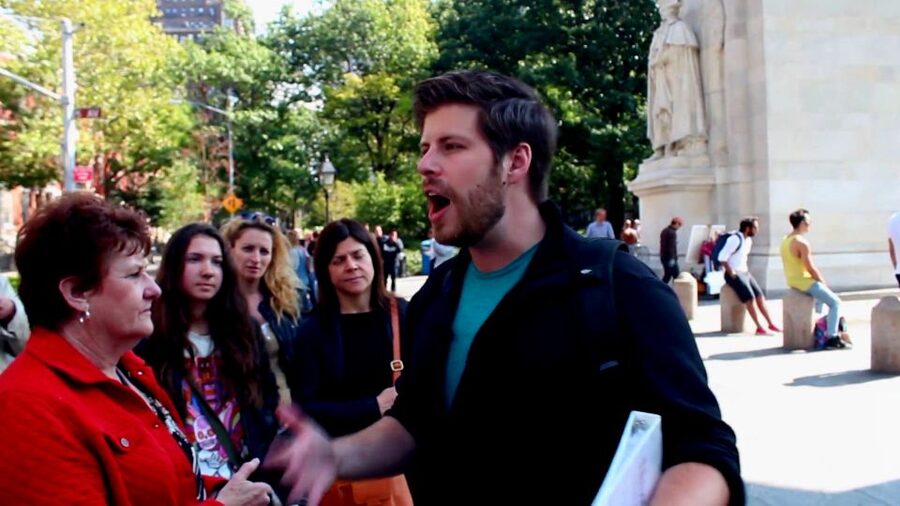
Reviewed · GREENWICH VILLAGE TOURS
New York City: Greenwich Village Guided Walking Tour
One neighborhood in New York, and suddenly the decades line up. A Greenwich Village guided walking tour turns famous street corners into living stories, from the Beat Generation to Dylan Thomas and Lenny Bruce. I especially like how the Stonewall Inn stop connects to real civic change, and how the guides weave art, politics, and pop culture into one route. You’ll get photo-worthy pauses around Washington Square Park and the Christopher Street area, plus specific literary-and-music references that make the walk feel intentional.
My other favorite part is the human layer: guides such as Steve, Angela, Rob, and Justin bring personal, local context instead of reading from a script. You can also expect thoughtful pacing and group care—people mention guides keeping everyone comfortable in heat and making sure the group feels welcome and safe. The one drawback to consider is simple: this is a walking tour, and it’s not suitable for people with mobility impairments.
In This Review
- Key highlights worth your attention
- Getting oriented: meeting points and how the route flows
- Washington Square Park to MacDougal Street: the Village’s thinking-person atmosphere
- Christopher Street and the Stonewall Inn: where history isn’t just a label
- Jones Street, Dylan, and the Café Society story you’ll remember
- Beat Generation, writers, and radicals: how the Village became a brain workshop
- The Friends apartment building: pop culture meets real street corners
- Old buildings and the off-Broadway institution: wood frames and Cherry Lane
- How the guides make this more than a checklist
- Price and value: why $39 can work in NYC
- Who this tour fits best
- Should you book this Greenwich Village tour?
- FAQ
- How long is the Greenwich Village guided walking tour?
- How much does the tour cost?
- Where can the tour start?
- Does the meeting point change depending on which option I book?
- Where does the tour end?
- What are some key sights you’ll see?
- Is there a live guide?
- Is the tour suitable for people with mobility impairments?
- What should I wear or bring?
- Does the tour run in bad weather?
- Can I cancel for a refund?
Key highlights worth your attention
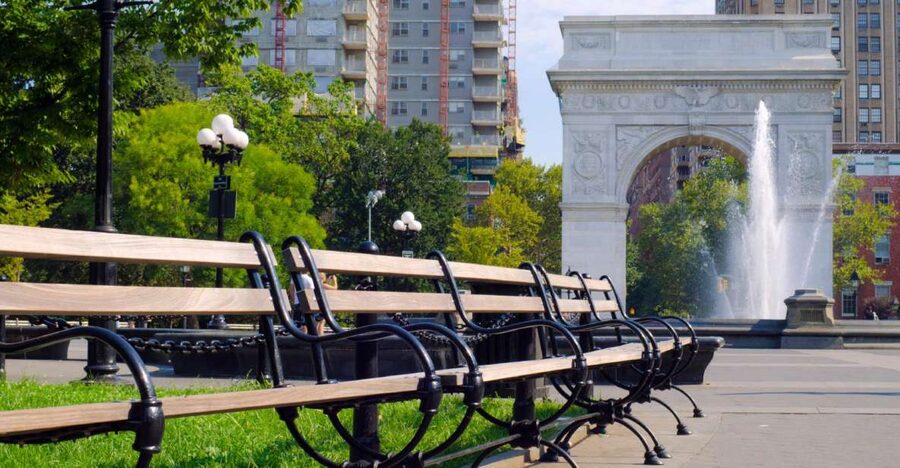
- Stonewall Inn and the birth of the gay liberation movement, explained in street-level context
- Beat Generation and writers’ hangouts, with names like Henry James, Edgar Allan Poe, Dylan Thomas, Upton Sinclair, and John Reed
- Music and pop-culture touchpoints, including the Bob Dylan album cover shoot location and the Friends apartment building
- Café Society and social history, including the first integrated NYC club reference
- Old-school New York details, like the oldest wood frame house and the Cherry Lane Theater’s long run
- Local guides with story-first teaching, including guides known for tailoring the tour to the group
More laps around the Village
- NYC: Greenwich Village Food Tour with 6 Locals Favorites Dishes
★ 5.0 · 1,812 reviews - Greenwich Village Walking and Food Tasting Tour
★ 5.0 · 1,572 reviews - Artistic, Alternative Greenwich Village Walking Tour
★ 5.0 · 971 reviews - NYC Greenwich Village Italian Food Guided Walking Tour
★ 5.0 · 627 reviews
Getting oriented: meeting points and how the route flows
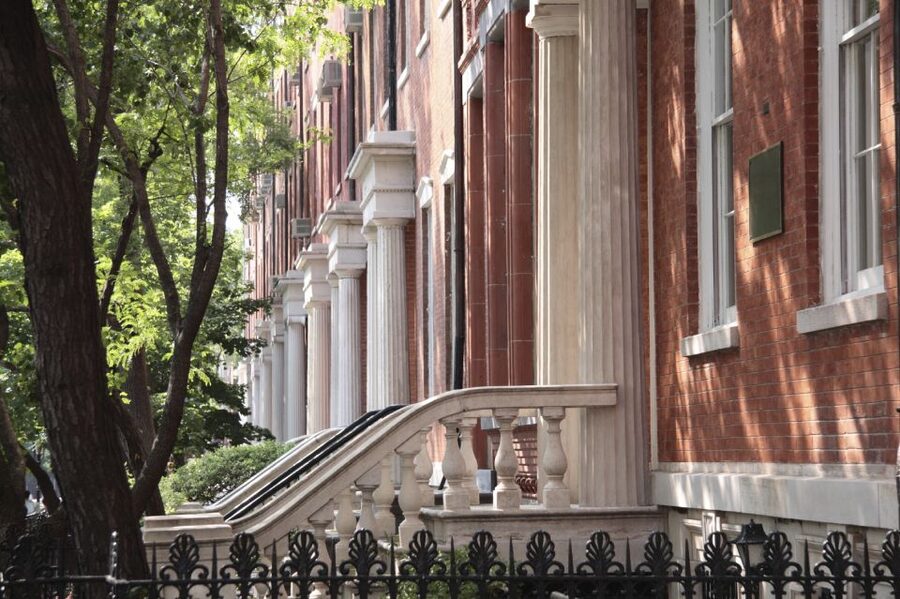
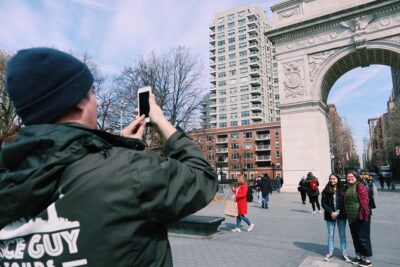
This tour is short—about 2 hours—so every block is meant to matter. You’ll start from one of two locations: either near 375A 6th Ave (listed as Excel Ads – Local SEO Agency) or at Washington Square Park. If you choose the Washington Square Park start, you’ll begin with a photo stop and guided introductions right in the heart of the neighborhood.
From there, the route moves through Washington Square’s orbit and down into the Village’s classic walking streets—MacDougal Street and Christopher Street show up early, then it lands at major cultural landmarks. The tour also includes end-of-walk drop-off options, with Village Cigars at 110 7th Ave S listed as a drop-off. You’ll finish at 77 Bedford Street, tied to Isaac Hendricks, so plan to stay a bit after the last stop if you want to take photos and look around.
Washington Square Park to MacDougal Street: the Village’s thinking-person atmosphere
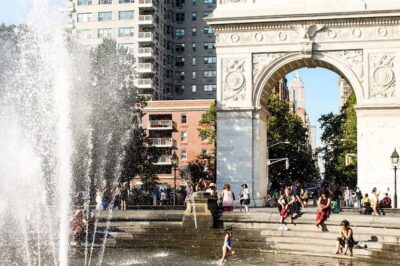
Washington Square Park is more than a pretty green space. It’s where the Village’s reputation takes shape—intellectuals, artists, and writers have long been drawn here, and the tour uses the park as a launching point for the neighborhood’s story. You’ll get guided pauses designed for both viewing and listening, so you can connect names to places without needing a map app.
From Washington Square, the walk pushes into MacDougal Street, a street that feels like a shortcut through multiple eras of New York. This is where you’ll hear about the kind of creative energy that made the Village a magnet in the mid-century years—especially the Beat scene that grew in the late 1950s. If you like street-level storytelling, this stretch is where it starts to click.
One practical tip: wear shoes that forgive uneven sidewalks. You’re moving at a steady walking pace, and the guide’s timing matters because the best photo angles often come at specific spots.
Christopher Street and the Stonewall Inn: where history isn’t just a label
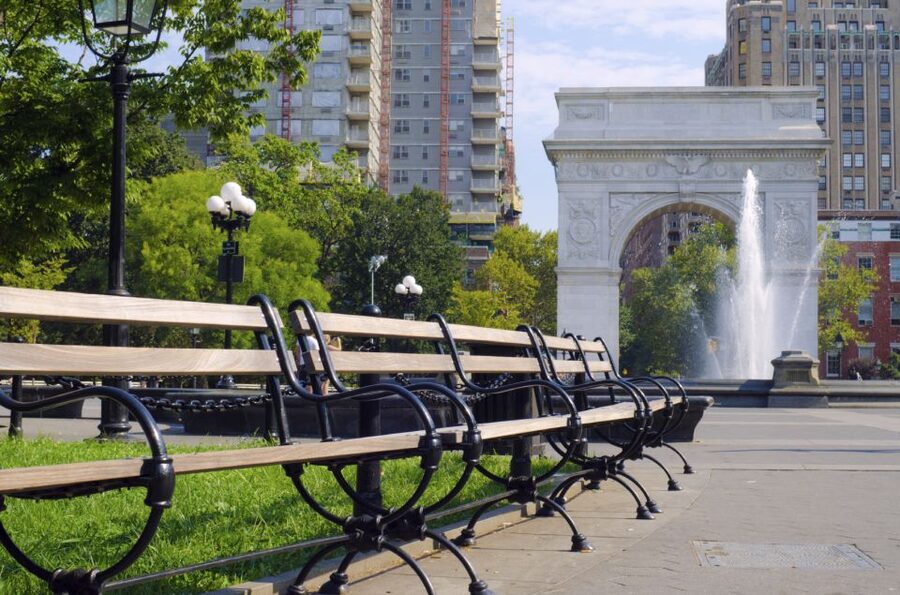
The route includes a stop at Stonewall Inn, and it’s handled as more than a famous address. You’ll learn about the birth of the gay liberation movement right outside the landmark, with the emphasis on why this block became a turning point. This part works especially well if you’re the type who likes to understand movements, not just monuments.
The tour uses nearby streets—like Christopher Street—to frame the setting. That matters because the Village’s history isn’t floating in the abstract. It’s tied to apartments, clubs, and small commercial corridors where communities formed and visibility shifted.
If you care about context, ask your guide how they connect the Stonewall story to what came before and after. Guides such as Steve K. are known for blending personal perspective with public history, so you’ll often get both the timeline and the emotional weight.
New York City at street level, a few more walks
Jones Street, Dylan, and the Café Society story you’ll remember
Jones Street is on the route for a reason: it’s linked to Bob Dylan’s album cover The Freewheeling Bob Dylan. If you’ve listened to that record (even casually), this stop gives you a quick “oh, that’s where” moment. It’s a fun pivot from the writer-and-artist focus into the music world, while still keeping the place names grounded in real streets.
Another standout is the reference to Café Society, described as the first integrated NYC club. That theme—social change happening through nightlife—fits the Village’s history better than a classroom lesson. You’ll also hear about the kind of social spaces where people argued, performed, and pushed boundaries, including the smoky-café debates linked to figures such as Upton Sinclair and John Reed.
What I like here is that it’s not just “famous people stood here.” The guide tends to explain why certain venues mattered to culture, community, and visibility—so the history sticks.
Beat Generation, writers, and radicals: how the Village became a brain workshop
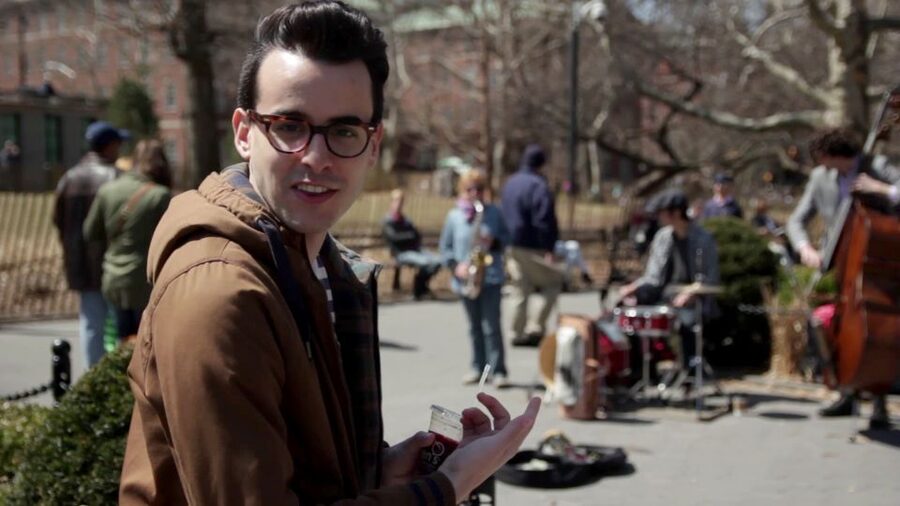
The tour leans hard into the Village as a home for ideas. You’ll hear about the Beat Generation and how it sprang up locally in the late 1950s, along with references to writers and thinkers connected to the neighborhood’s creative reputation.
Expect name-drops you can actually place, including Henry James and Edgar Allan Poe mentioned as footsteps for the tour. The guide also brings in other intellectual threads tied to the Village’s reputation—Upton Sinclair and John Reed are named as radical thinkers who debated in cafés. If you like understanding how “counterculture” forms, this segment does that work.
There’s also a strong art angle. The tour references figures such as Jackson Pollack as part of the neighborhood’s freewheeling identity—so you get a sense of why the Village felt different to artists (and not just to poets). And for pop-culture crossover, you’ll hear about the area as a hideaway connected to Dylan Thomas, Jimi Hendrix, and Lenny Bruce.
The Friends apartment building: pop culture meets real street corners
Yes, the tour includes a stop tied to the sitcom Friends: the apartment building used in the show. This is one of those choices that can feel “too modern” on paper, but in practice it helps many people do something useful: they connect a familiar screen image to a real neighborhood layout.
The key is that the guide usually doesn’t treat it as a standalone trivia stop. It’s woven into the wider idea of the Village as a place where new identities form over time—bohemian eras giving way to different kinds of visibility.
If you’re a TV fan, this portion gives you a memorable photo moment. If you’re not, treat it as a prompt to notice how the Village keeps rebranding while the streets remain.
Old buildings and the off-Broadway institution: wood frames and Cherry Lane
By the end, you’ll hit the kind of New York detail that’s easy to miss when you’re just sightseeing: the tour points out older architecture and long-running performance venues.
One of the highlights is the oldest wood frame house in the village. This stop isn’t just about age—it’s about scale and material. You get a direct feel for how “old” the Village can be, especially when you’re used to thinking of Manhattan as mostly glass-and-steel.
The tour also includes Cherry Lane Theater, described as the oldest continuously running off-Broadway theater in New York. That’s a great capstone if you like theater history, because it connects the Village’s creative identity to an institution that’s lasted.
Finally, you finish at 77 Bedford Street, listed as the former home of Issac Hendricks. It’s a strong way to end: a specific address tied to the neighborhood’s story, rather than a generic “and that’s it” moment.
How the guides make this more than a checklist
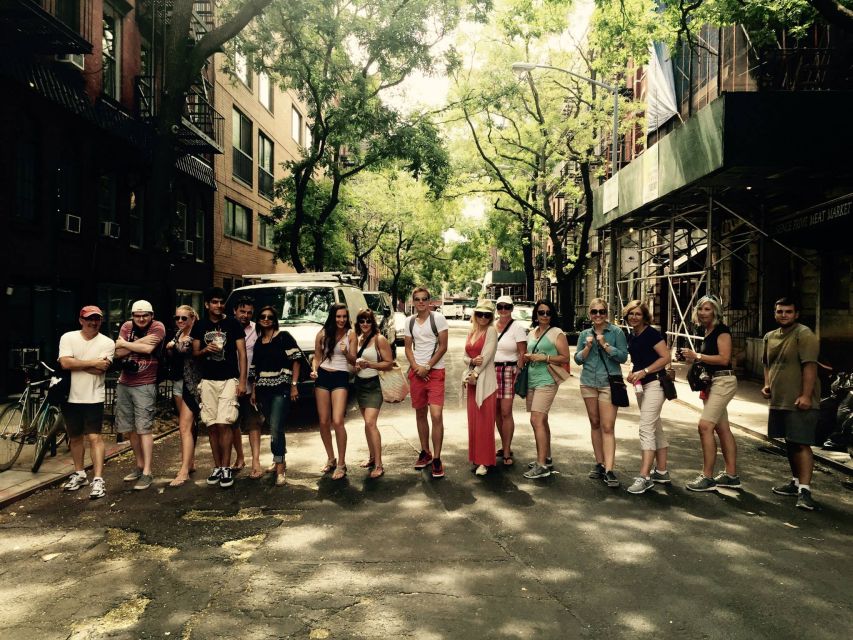
A walking tour lives or dies by the guide. This one earns its high marks because the guides focus on story, personal context, and adapting to the group.
People mention guides who are warm and funny, and who make sure the group feels welcome and safe. You’ll also hear how certain guides—like Angela Sharp, Rob Costello, Dave, Gordon, Justin, and Steve K.—bring a long local connection and personal perspective. That shows up in the kind of detail you can’t pull from a brochure: how a block felt in different eras, or how nightlife and politics overlapped.
There’s also a practical comfort angle. One account describes a guide working to keep the group shaded and hydrated in hot conditions. Another mentions how guides help with photos—so you’re not just photographing alone at every stop.
One consideration that came up: parts of the route can be noisy, and at least one guest wished there had been earphones for clearer listening. The good news is that guides typically keep moving and speaking with urgency, so you’ll still get the essentials. If you know you struggle with street noise, give yourself an advantage—sit closer to the guide when you can, and don’t be shy about asking for repetition.
Price and value: why $39 can work in NYC
At $39 per person for about 2 hours, this tour is priced like a true walking experience rather than a premium attraction. What you’re paying for isn’t just access to landmarks—it’s guidance that connects names (Dylan Thomas, Lenny Bruce, Bob Dylan, Jackson Pollack) to why the Village mattered.
Here’s the value logic I like: the route covers major “big name” sites (Stonewall Inn, Washington Square Park area, Cherry Lane Theater) plus smaller context points (like the oldest wood frame house and specific address history). You also get an actual person translating the neighborhood’s shifts—bohemian creativity, social change, Beat-era energy, and later pop-culture visibility.
If you only have one neighborhood walk day, this is a strong use of time because it compresses multiple themes into one route without requiring you to plan seven separate stops on your own.
Who this tour fits best
You’ll get the most out of this tour if you:
- want history that’s tied to specific streets, not just plaques
- like the Village as a mix of art, politics, and nightlife
- enjoy storytelling and personality in a guide
- want photo stops that match real landmarks
You might want to look at a different option if:
- you have mobility constraints (the tour is not suitable for people with mobility impairments)
- you dislike walking in the open for two hours, since it runs regardless of weather conditions
Should you book this Greenwich Village tour?
If your goal is to understand why Greenwich Village has been famous for writers, artists, radicals, and movements, I’d book this. The standout reason is the guide emphasis on personal storytelling and local perspective—whether the focus turns to Stonewall, the Beat Generation, Café Society’s social history, or the oldest buildings still standing.
Do it especially if you like tours that connect the dots. This one tends to turn a “cool neighborhood” into a “now I get it” neighborhood. If you’re curious and you can handle a brisk walk, you’ll likely leave with both photos and a clearer sense of how the Village shaped American culture.
FAQ
How long is the Greenwich Village guided walking tour?
The tour lasts about 2 hours.
How much does the tour cost?
The price is $39 per person.
Where can the tour start?
There are two listed starting options: 375A 6th Ave (Excel Ads – Local SEO Agency) and Washington Square Park.
Does the meeting point change depending on which option I book?
Yes. The meeting point may vary depending on the option you book.
Where does the tour end?
You’ll have listed drop-off locations that include Village Cigars at 110 7th Ave S, and the walk finishes at 77 Bedford Street.
What are some key sights you’ll see?
The tour includes major stops such as Stonewall Inn and photo/area stops around Washington Square Park, MacDougal Street, and Christopher Street. It also references Cherry Lane Theater and the oldest wood frame house.
Is there a live guide?
Yes, the tour includes a live English-speaking guide.
Is the tour suitable for people with mobility impairments?
No. It’s not suitable for people with mobility impairments.
What should I wear or bring?
Wear comfortable shoes and bring weather-appropriate clothing.
Does the tour run in bad weather?
The activity runs regardless of weather. If the provider is forced to cancel, ticket-holders can reschedule (subject to availability) or receive a refund.
Can I cancel for a refund?
Yes. You can cancel up to 24 hours in advance for a full refund.
More Tour Reviews in New York City
- NYC: SUMMIT One Vanderbilt Tickets★ 4.7 · 51,195 reviews
- NYC: Empire State Building Tickets – Observatory & Museum★ 4.7 · 25,757 reviews
- New York City: Statue of Liberty & Ellis Island with Ferry★ 4.6 · 18,683 reviews
- New York City: American Museum of Natural History Ticket★ 4.5 · 15,447 reviews
- Statue of Liberty and Ellis Island Tour: All Options★ 5.0 · 13,571 reviews
New York City, One Block at a Time
- SoHo, Little Italy, and Chinatown Walking Tour in New York★ 5.0 · 3,153 reviews
- Secrets of Grand Central Station Walking Tour New York City★ 5.0 · 1,796 reviews
- Greenwich Village Walking and Food Tasting Tour★ 5.0 · 1,572 reviews
- Artistic, Alternative Greenwich Village Walking Tour★ 5.0 · 971 reviews
- Brooklyn Bridge & DUMBO Neighborhood Tour – from Manhattan to Brooklyn★ 5.0 · 826 reviews
Still in the Village
- NYC: Greenwich Village Food Tour with 6 Locals Favorites Dishes★ 5.0 · 1,812 reviews
- Greenwich Village Walking and Food Tasting Tour★ 5.0 · 1,572 reviews
- Artistic, Alternative Greenwich Village Walking Tour★ 5.0 · 971 reviews
- NYC Greenwich Village Italian Food Guided Walking Tour★ 5.0 · 627 reviews
- Greenwich Village Food Tour | Tasty Tours NYC★ 5.0 · 549 reviews
Just in: the newest New York City reviews on our desk



Greenwich Village Tours, compared.
 ★ 5.0Greenwich Village Food Tour with 6 Locals Favorites DishesFrom $971,812 reviews
 ★ 5.0Greenwich Village Walking and Food Tasting TourFrom $941,572 reviews
 ★ 5.0Artistic, Alternative Greenwich Village Walking TourFrom $39971 reviews
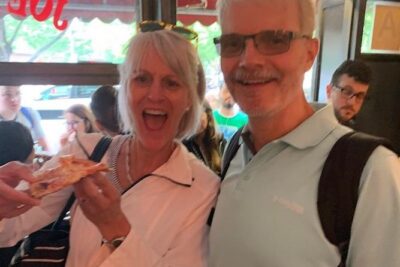 ★ 5.0NYC Greenwich Village Italian Food Guided Walking TourFrom $89627 reviews
 ★ 5.0Greenwich Village Food Tour | Tasty Tours NYCFrom $79549 reviews
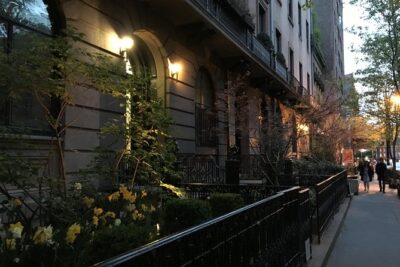 ★ 4.5New York City Ghost Tour of Greenwich VillageFrom $39466 reviews
 ★ 5.0High Line Park and Greenwich Village Food TourFrom $159398 reviews
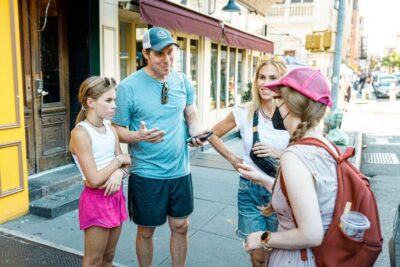 ★ 4.2The Original Cupcake Tour of Greenwich VillageFrom $90285 reviews
Browse the lists this tour appears in