
Reviewed · NYC WALKING TOURS
Garbage and Rats in New York City Walking Tour
Lower Manhattan has a trashy secret. This 2.5-hour small-group walking tour turns NYC’s streets into a living science lesson about trash and rats, starting at Wall Street and ending near City Hall. It pairs history with practical explanations for how cities create (and ignore) problems over time.
My favorite part is how much room there is for questions. You’ll hear your guide clearly, and the conversation stays focused instead of getting lost in a crowd. The second big win is the storytelling: Suzanne is praised for sharp humor and clear science, so the macabre details come with meaning.
One consideration: this is a walking tour and there’s no bottled water included. Also, the tour needs good weather, so plan for the practical stuff or you’ll feel it in your feet.
In This Review
- Key things you’ll like on this NYC rats and garbage tour
- Why this “trash and rats” tour is better than standard NYC sightseeing
- Getting oriented: the Wall Street start and how the tour runs
- Stop 1 on Wall Street: Nieuw Amsterdam trash—plus a darker commerce side
- Stop 2 at the South Street Seaport: landfill logic, fish history, and the rat pit at Sportsman’s Hall
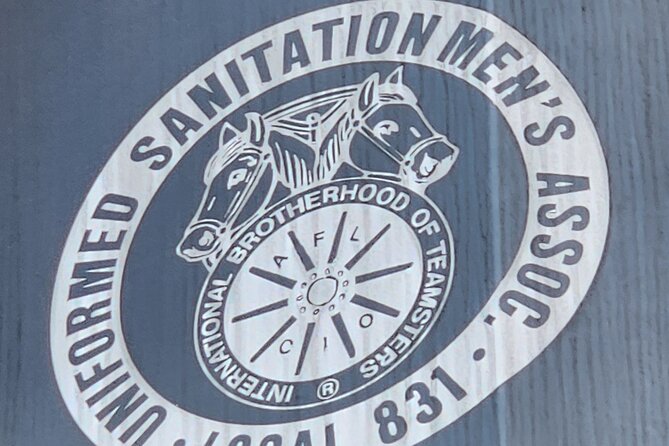
- Stop 3 at DeLury Square: the 1968 garbage strike and the Sanitation Union
- Stop 4 in the City Hall area: Ann Street’s 1979 rat attack and Theatre Alley lore
- Price and value: what $45 gets you (and why it’s fair)
- Pace and comfort tips so you enjoy it fully
- Who should book this NYC rats and garbage tour?
- Should you book this garbage-and-rats tour?
- FAQ
- How much does the Garbage and Rats in New York City walking tour cost?
- How long is the tour?
- What’s the group size?
- Where does the tour start?
- Is the tour ticket mobile?
- Is this tour offered in English?
- Is bottled water included?
- Does the tour require special admissions at stops?
- What happens if the weather is bad?
- Can I get a refund if I cancel?
Key things you’ll like on this NYC rats and garbage tour
- Max 15 travelers keeps the Q&A real, not performative
- Trash history with science connects old landfill logic to today’s rat reality
- Wall Street to City Hall Park covers a tight slice of Lower Manhattan without hopping around
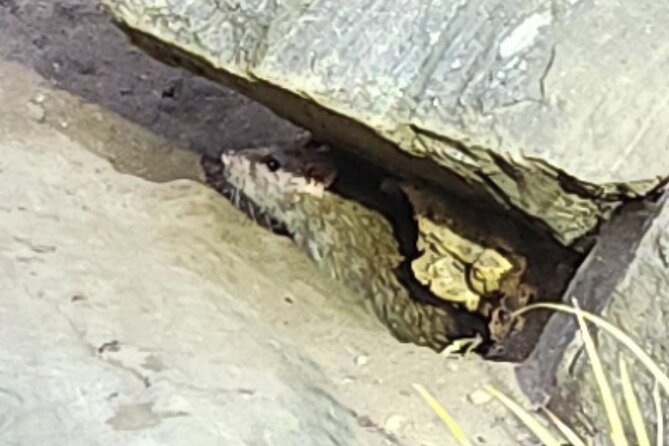
- Sportsman’s Hall rat-pit stories turn “rat lore” into historical context
- 1968 garbage strike + Sanitation Union adds labor and politics, not just creepy facts
- Humor that doesn’t water down the facts helps you remember what you learn
New York City at street level, a few more walks
- SoHo, Little Italy, and Chinatown Walking Tour in New York
★ 5.0 · 3,153 reviews - Secrets of Grand Central Station Walking Tour New York City
★ 5.0 · 1,796 reviews - Greenwich Village Walking and Food Tasting Tour
★ 5.0 · 1,572 reviews - Artistic, Alternative Greenwich Village Walking Tour
★ 5.0 · 971 reviews
Why this “trash and rats” tour is better than standard NYC sightseeing
Most NYC tours do the same moves: big building, famous corner, a photo, then repeat. This one takes a different angle and it works because it’s specific. You’re not just hearing that rats are a problem—you’re learning why a city’s waste systems shape animal life.
You’ll also get a rare mix of tones. The guide brings science and history together, and it often lands as darkly funny because it’s true: garbage is both literal and symbolic in NYC. You’ll walk away thinking about infrastructure, labor, and public policy in a way a typical “highlights” tour doesn’t touch.
And the practical payoff is real. When you understand how trash changes neighborhoods, you stop treating rats as random and start seeing them as something cities create and manage—often slowly.
Getting oriented: the Wall Street start and how the tour runs
The tour meets at Wall Street & Pearl Street. It’s a convenient starting point for grabbing a coffee nearby before you head out, and it’s also set up for people using public transportation.
The format is mobile ticket plus a guided walking pace for about 2 hours 30 minutes. The group size tops out at 15, so you don’t spend the whole time craning your neck or guessing what your guide is saying.
One small note for your comfort: bottled water isn’t included. If you run warm or you sweat easily, I’d plan to bring your own bottle or grab one nearby before you start. Reviews also point out that it’s a lot of walking, so treat it like an active evening, not a sit-down tour.
Stop 1 on Wall Street: Nieuw Amsterdam trash—plus a darker commerce side
You begin where the city’s modern image lives, but the guide brings you back to an earlier NYC reality. Wall Street is discussed through the lens of garbage in Nieuw Amsterdam—an origin story that connects how people settled the area to what they disposed of.
Then the tour makes a sharp turn into Wall Street’s moral and economic history. You’ll hear about the official market for buying and renting enslaved African people, which adds a heavy layer to the idea of “how cities got built.” It’s not presented as a sidebar; it’s part of the same story about power, systems, and who benefited.
What I like about this approach is that it keeps you from treating trash history as purely quirky. It’s tied to the city’s decisions—who had resources, whose labor built the systems, and who was left to carry the costs.
New York City on foot, a few more routes

Stop 2 at the South Street Seaport: landfill logic, fish history, and the rat pit at Sportsman’s Hall
About a third of the tour’s time is spent in the South Street Seaport Historic District area, and it’s easy to see why. This stretch ties together garbage, land use, and rats in a way that feels concrete as you walk.
You’ll hear how the area’s past involved landfill and how food markets and water-adjacent industry shaped what ended up where. The guide also brings in the former Fulton Street Fish Market, which helps connect the dots between “what people processed here” and “what waste followed.”
Then comes one of the most memorable stops: the former site of Sportsman’s Hall, described as a notorious rat pit where rat fighting took place. It could sound like pure shock value, but the better angle is how it illustrates a time when people treated animal cruelty and sanitation problems as entertainment or spectacle. The guide uses it to show that rats were never just background scenery; they were part of how people experienced the city.
Drawback to consider here: the stories can be macabre. If you’re squeamish or prefer lighter history, this isn’t built for that mood. For most people, though, the key is that it’s not just gross. It’s framed as a way to understand urban behavior and public health.
Stop 3 at DeLury Square: the 1968 garbage strike and the Sanitation Union
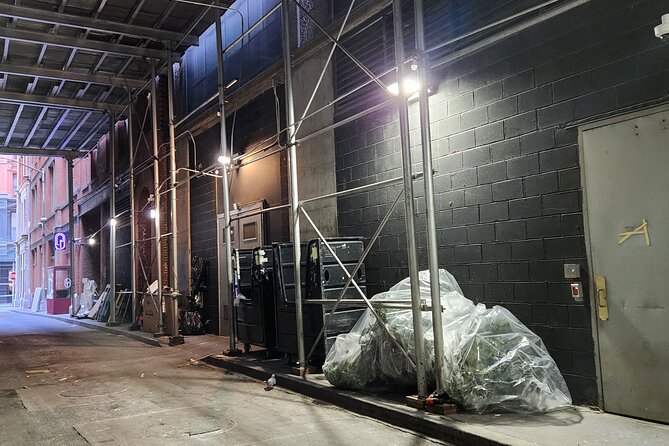
Next you hit DeLury Square, where the tour shifts from earlier waste patterns into labor and politics. You’ll talk about the garbage strike of 1968, and you’ll also hear the role of John DeLury and the Sanitation Union.
This part matters because it shows waste management isn’t just a technical issue. It’s a human one—workers, negotiations, and public pressure all shape how sanitation services run. When a city can’t move trash efficiently, everyone pays the price, and that includes rat populations.
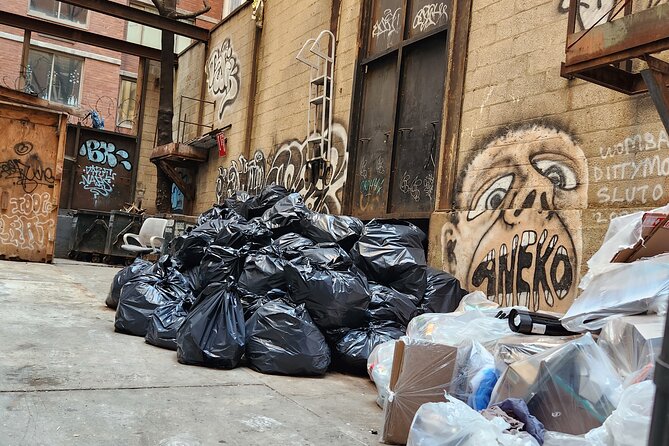
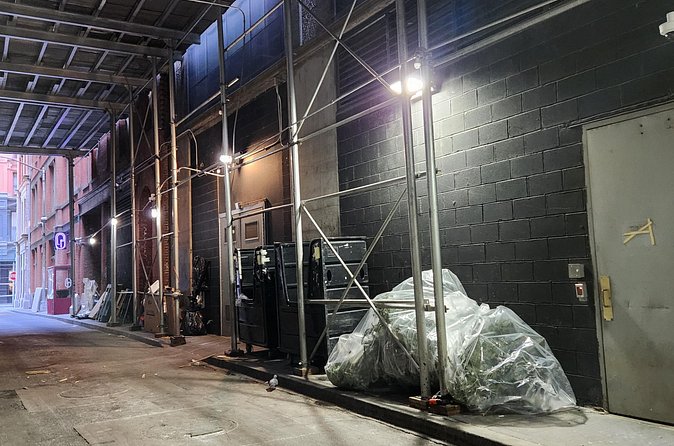
You also stroll through Ryder and Eden Alleys. That small walking segment helps the tour feel grounded. Instead of staying at “big story, big story,” you get a sense of how narrow NYC spaces can become part of the system—where clutter, access, and maintenance all meet.
For value, I like that this stop turns the narrative from “rats happen” into “systems fail or succeed.” You start to see sanitation as civic power, not just bin collection.
Stop 4 in the City Hall area: Ann Street’s 1979 rat attack and Theatre Alley lore
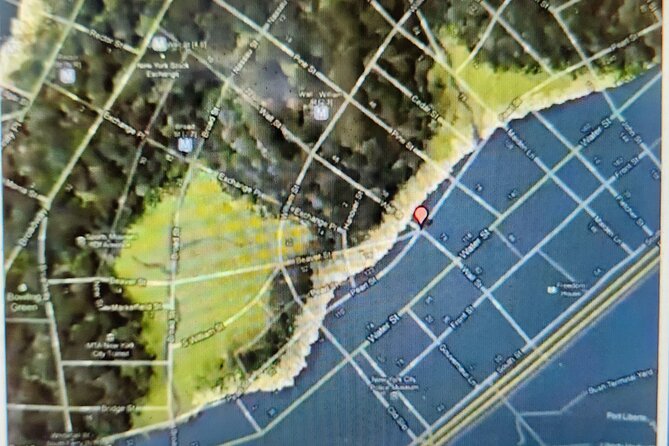
The tour continues up through Ann Street, including an infamous rat attack in 1979. This is another moment where the guide uses a specific event to explain a larger theme: how dense streets and waste handling (or mishandling) can create sudden, dangerous outcomes.
Then you move into Theatre Alley and on toward City Hall Park. Along the way, the guide keeps stacking details—more rat lore and trash-y facts—but the stories keep pointing back to cause and effect.
Even if you’ve read bits online about NYC rats, this ending section helps connect the past to the ongoing reality of managing a city at scale. By the time you reach the City Hall area, the tour’s central message has landed: rats are opportunists, and cities make conditions for opportunity.
Price and value: what $45 gets you (and why it’s fair)
At $45 per person for about 2 hours 30 minutes, the tour isn’t the cheapest walking option. But the value is in two things you rarely get together:
- Small-group format (up to 15), which makes your questions worth asking
- A specialized theme that’s more than spectacle—trash, sanitation, and rat history with context
If you’re the type who likes explanations—why something is happening, not just what happened—this price makes sense. It’s also a popular tour: it’s been booked about 19 days in advance on average, and it carries a strong performance signal with a 5-star rating and 99% recommending it (based on the summary data provided).
Also, note that there aren’t separate paid admissions. Stops are listed as admission ticket free, so you’re paying for the guided experience, not for entrance fees.
Pace and comfort tips so you enjoy it fully
This tour is built around walking, and the reviews you shared stress there’s plenty of it. I’d wear comfortable shoes with grip, especially if the weather is humid or the sidewalks are slick.
Bring your own water if you can. Since bottled water isn’t included, you’ll thank yourself partway through the South Street area.
If you’re camera-happy, save your time. The best moments here are story-focused. Let the guide finish the point, then snap photos of the streets and settings they connect to the history.
And do use the chance to ask questions early. Because the group stays under 15, you can actually get an answer that fits your angle—whether you care more about science, politics, or the city’s messy human side.
Who should book this NYC rats and garbage tour?
This tour fits best if you like:
- Unusual history that connects everyday systems to big outcomes
- Science-in-the-real-world explanations (sanitation, waste patterns, urban ecology)
- Dark humor and storytelling, as long as it’s tied to meaning
It can be a less ideal choice if you:
- Want a straightforward highlights route with mostly cheerful facts
- Strongly dislike stories that are graphic, cruel, or unsettling in tone
- Need lots of seating or minimal walking
If you’re a first-time visitor to NYC, it’s also a smart counterbalance to the postcard version of Manhattan. Lower Manhattan history is everywhere here, but this tour teaches you how to see it through waste, labor, and public health.
Should you book this garbage-and-rats tour?
I’d book it if you want a Lower Manhattan experience with real explanations and a guide who can make the subject funny without turning it into nonsense. The small-group setup and the chance to ask questions make it feel more personal than many walking tours.
Skip it if your ideal NYC day is light, scenic, and photo-only. The theme can get dark, and the walking is not an add-on—it’s the whole point.
If you’re deciding between “another landmarks tour” and “a tour that changes how you see the city,” this one is the clear choice. It’s one of those rare NYC stories where the theme isn’t just trivia. It’s how the city works.
FAQ
How much does the Garbage and Rats in New York City walking tour cost?
The price is $45.00 per person.
How long is the tour?
The duration is about 2 hours 30 minutes.
What’s the group size?
This tour has a maximum of 15 travelers.
Where does the tour start?
It starts at Wall Street & Pearl Street (Wall St & Pearl St, New York, NY 10005, USA).
Is the tour ticket mobile?
Yes, it includes a mobile ticket.
Is this tour offered in English?
Yes, it’s offered in English.
Is bottled water included?
No, bottled water is not included.
Does the tour require special admissions at stops?
The stops listed are marked as admission ticket free, so you shouldn’t need separate paid entry for them.
What happens if the weather is bad?
The experience requires good weather. If it’s canceled due to poor weather, you’ll be offered a different date or a full refund.
Can I get a refund if I cancel?
Yes. Free cancellation is available up to 24 hours in advance for a full refund.
More Tours in New York City
- Statue of Liberty and Ellis Island Tour: All Options★ 5.0 · 13,571 reviews
- New York in One Day Guided Sightseeing Tour★ 5.0 · 13,166 reviews
- Central Park Pedicab Guided Tours★ 5.0 · 7,108 reviews
- New York City: Manhattan Helicopter Tour★ 4.7 · 7,076 reviews
- Private Central Park Pedicab Tour★ 5.0 · 6,981 reviews
More Tour Reviews in New York City
- NYC: SUMMIT One Vanderbilt Tickets★ 4.7 · 51,195 reviews
- NYC: Empire State Building Tickets – Observatory & Museum★ 4.7 · 25,757 reviews
- New York City: Statue of Liberty & Ellis Island with Ferry★ 4.6 · 18,683 reviews
- New York City: American Museum of Natural History Ticket★ 4.5 · 15,447 reviews
- Statue of Liberty and Ellis Island Tour: All Options★ 5.0 · 13,571 reviews
New York City, One Block at a Time
- SoHo, Little Italy, and Chinatown Walking Tour in New York★ 5.0 · 3,153 reviews
- Secrets of Grand Central Station Walking Tour New York City★ 5.0 · 1,796 reviews
- Greenwich Village Walking and Food Tasting Tour★ 5.0 · 1,572 reviews
- Artistic, Alternative Greenwich Village Walking Tour★ 5.0 · 971 reviews
- Brooklyn Bridge & DUMBO Neighborhood Tour – from Manhattan to Brooklyn★ 5.0 · 826 reviews
Just in: the newest New York City reviews on our desk





NYC Walking Tours, compared.
 ★ 5.0SoHo, Little Italy, and Chinatown Walking Tour in New YorkFrom $393,153 reviews
 ★ 5.0Secrets of Grand Central Station Walking Tour New York CityFrom $391,796 reviews
 ★ 5.0Greenwich Village Walking and Food Tasting TourFrom $941,572 reviews
 ★ 5.0Artistic, Alternative Greenwich Village Walking TourFrom $39971 reviews
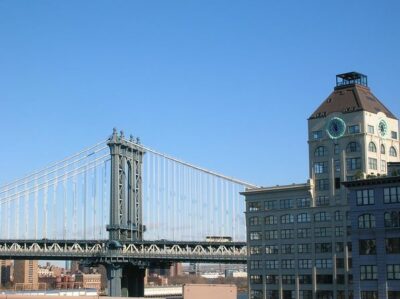 ★ 5.0Brooklyn Bridge & DUMBO Neighborhood Tour – from Manhattan to BrooklynFrom $49826 reviews
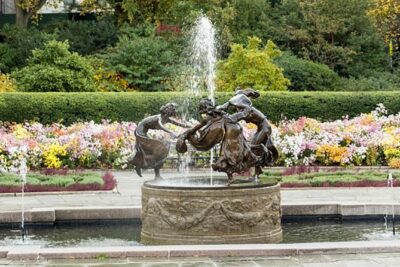 ★ 5.0Central Park Guided Walking TourFrom $44774 reviews
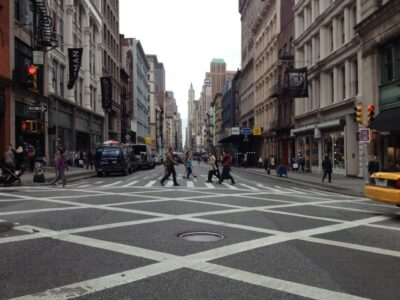 ★ 4.6Private Walking Tour with a LocalFrom $55771 reviews
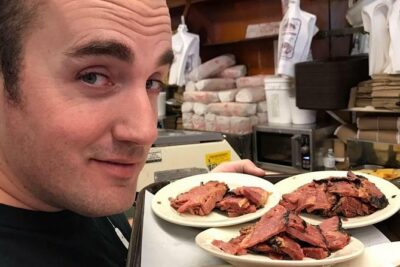 ★ 5.0NYC Lower East Side Walking and Food TourFrom $94646 reviews